
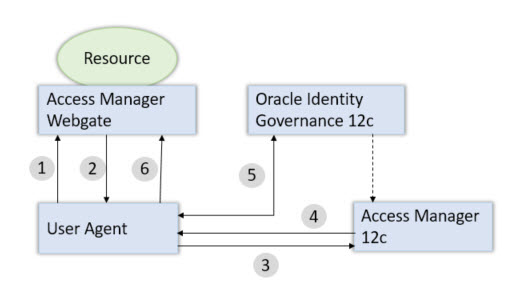
Exploring Oracle Identity Governance Suite
Oracle Identity Governance Suite is a comprehensive solution designed to manage user identities and access privileges across an organisation’s IT infrastructure. This powerful suite of tools provides businesses with the ability to effectively control user access, streamline compliance processes, and enhance overall security.
Key Features of Oracle Identity Governance Suite:
- User Provisioning: Automates the process of granting or revoking access to users based on predefined policies and roles.
- Access Certification: Enables organisations to regularly review and certify user access rights to ensure compliance with regulatory requirements.
- Role Management: Facilitates the definition, assignment, and maintenance of roles within the organisation for efficient access management.
- Policy Enforcement: Enforces security policies and controls to prevent unauthorised access to sensitive data and applications.
- Audit and Reporting: Provides detailed audit trails and reporting capabilities for tracking user activities and ensuring accountability.
Benefits of Using Oracle Identity Governance Suite:
The implementation of Oracle Identity Governance Suite offers numerous benefits to organisations, including:
- Enhanced Security: By centralising identity management processes, organisations can strengthen security measures and reduce the risk of data breaches.
- Increased Efficiency: Automation of identity management tasks streamlines processes, reduces manual errors, and improves operational efficiency.
- Compliance Adherence: The suite helps organisations meet regulatory requirements by enforcing access controls and providing audit trails for compliance reporting.
- Cross-Platform Integration: Oracle Identity Governance Suite seamlessly integrates with other Oracle products as well as third-party applications for a unified identity management solution.
In conclusion, Oracle Identity Governance Suite is a robust platform that empowers organisations to effectively manage user identities, control access privileges, and ensure regulatory compliance. By leveraging its advanced features and capabilities, businesses can enhance their security posture, streamline identity management processes, and achieve greater operational efficiency.
8 Essential Tips for Optimising Oracle Identity Governance Suite
- Ensure proper configuration of user access policies.
- Regularly review and update user roles and permissions.
- Implement segregation of duties to prevent conflicts of interest.
- Enable multi-factor authentication for enhanced security.
- Utilize automated provisioning and de-provisioning processes.
- Monitor user activities and set up alerts for suspicious behaviour.
- Integrate with existing IT systems for seamless identity management.
- Provide regular training to users on best practices for identity governance.
Ensure proper configuration of user access policies.
To maximise the effectiveness of Oracle Identity Governance Suite, it is crucial to ensure the proper configuration of user access policies. By defining clear and granular access policies within the suite, organisations can effectively control user privileges, minimise security risks, and maintain compliance with regulatory standards. Properly configured user access policies help prevent unauthorised access to sensitive data and applications, streamline access management processes, and provide a structured framework for assigning and revoking user permissions. By prioritising the meticulous configuration of user access policies, businesses can establish a robust security posture and foster a culture of secure and compliant access management practices within their IT infrastructure.
Regularly review and update user roles and permissions.
It is crucial to regularly review and update user roles and permissions within Oracle Identity Governance Suite to maintain a secure and efficient access management system. By conducting periodic reviews, organisations can ensure that users have the appropriate level of access based on their roles and responsibilities. Updating user permissions in a timely manner helps prevent unauthorised access to sensitive data and applications, reducing the risk of security breaches. This proactive approach not only enhances security but also supports compliance efforts by aligning user access with organisational policies and regulatory requirements.
Implement segregation of duties to prevent conflicts of interest.
Implementing segregation of duties within the Oracle Identity Governance Suite is crucial to prevent conflicts of interest and maintain a secure and compliant environment. By defining and enforcing clear separation between different roles and responsibilities, organisations can mitigate the risk of fraudulent activities, unauthorised access, and errors. Segregation of duties ensures that no single individual has excessive control over critical processes, reducing the likelihood of misuse or manipulation. This proactive approach not only enhances security but also helps organisations adhere to regulatory requirements and best practices in identity management.
Enable multi-factor authentication for enhanced security.
Enabling multi-factor authentication within Oracle Identity Governance Suite is a crucial step towards bolstering security measures. By requiring users to provide multiple forms of verification before accessing sensitive data or applications, organisations can significantly reduce the risk of unauthorised access and potential security breaches. This added layer of protection enhances the overall security posture of the system, ensuring that only authorised individuals with verified identities can gain entry, thus safeguarding valuable assets and maintaining compliance with stringent security standards.
Utilize automated provisioning and de-provisioning processes.
By utilising automated provisioning and de-provisioning processes within the Oracle Identity Governance Suite, organisations can significantly enhance their efficiency and security measures. Automated provisioning ensures that users receive the appropriate access rights instantly based on predefined policies and roles, reducing manual errors and streamlining the onboarding process. On the other hand, automated de-provisioning promptly revokes access privileges when users leave the organisation or change roles, mitigating the risk of unauthorised access to sensitive data. These automated processes not only improve operational efficiency but also contribute to maintaining a robust security posture by ensuring that access rights are promptly granted or revoked as needed.
Monitor user activities and set up alerts for suspicious behaviour.
To maximise the security of your IT environment using Oracle Identity Governance Suite, it is crucial to monitor user activities closely and establish alerts for any potentially suspicious behaviour. By actively tracking user actions within the system, such as access requests and modifications, organisations can swiftly identify any anomalous behaviour that may indicate a security threat. Setting up alerts for unusual patterns or unauthorised activities enables proactive detection of potential risks, allowing prompt investigation and mitigation measures to be implemented to safeguard sensitive data and prevent security breaches.
Integrate with existing IT systems for seamless identity management.
To maximise the benefits of Oracle Identity Governance Suite, it is essential to integrate it with existing IT systems seamlessly. By integrating with other systems within the organisation, such as HR databases, directory services, and applications, businesses can ensure a unified approach to identity management. This integration enables efficient user provisioning, access control, and compliance enforcement across all platforms, leading to improved security and operational efficiency. Embracing this tip allows organisations to leverage the full potential of Oracle Identity Governance Suite and establish a cohesive identity management strategy that aligns with their overall IT infrastructure.
Provide regular training to users on best practices for identity governance.
It is essential to provide regular training to users on best practices for identity governance when utilising Oracle Identity Governance Suite. By educating users on the importance of maintaining secure access practices, organisations can enhance overall security posture and reduce the risk of unauthorised access. Training sessions can cover topics such as password management, role-based access control, and data protection protocols to empower users with the knowledge needed to effectively manage their identities within the system. Continuous education ensures that users remain vigilant and compliant with identity governance policies, ultimately contributing to a more secure and resilient IT environment.