
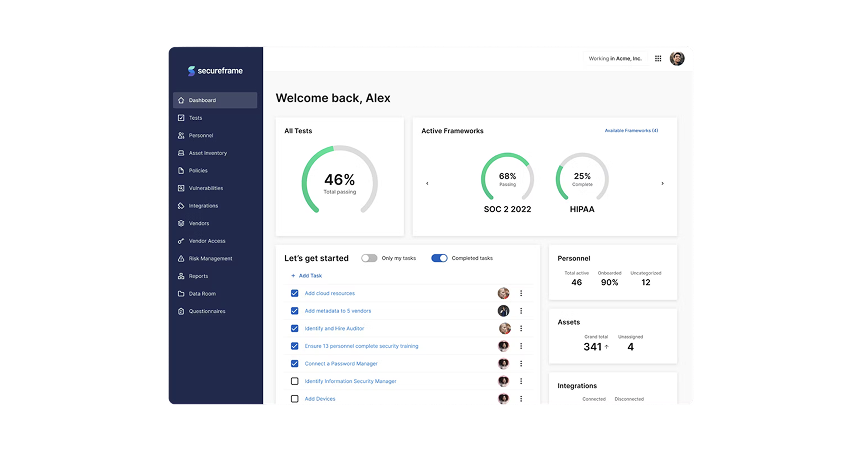
Compliance Case Management Tool: Streamlining Regulatory Compliance
In today’s complex regulatory landscape, organisations across industries face the daunting task of ensuring compliance with a myriad of laws, standards, and regulations. Failure to meet these requirements can result in hefty fines, legal consequences, and reputational damage. To navigate this challenging terrain effectively, companies are turning to innovative solutions such as compliance case management tools.
What is a Compliance Case Management Tool?
A compliance case management tool is a software solution designed to help organisations track, manage, and report on compliance-related issues and incidents. These tools provide a centralised platform for documenting regulatory violations, investigations, remediation efforts, and audit findings. By streamlining the compliance process, these tools enable companies to proactively address risks and demonstrate adherence to applicable regulations.
The Benefits of Using a Compliance Case Management Tool
- Efficiency: By automating manual processes and workflows, compliance case management tools save time and resources while improving accuracy.
- Visibility: Organisations gain real-time visibility into their compliance status through comprehensive dashboards and reporting features.
- Risk Mitigation: Proactive risk identification and mitigation capabilities help prevent costly compliance breaches.
- Audit Readiness: Centralised documentation ensures readiness for audits and inspections by regulatory bodies.
- Collaboration: Enhanced collaboration among stakeholders facilitates timely resolution of compliance issues.
Choosing the Right Compliance Case Management Tool
When selecting a compliance case management tool for your organisation, consider factors such as scalability, customisation options, integration capabilities with existing systems, user-friendliness, and vendor support. It is essential to choose a tool that aligns with your specific industry requirements and regulatory obligations to maximise its effectiveness in ensuring compliance.
In Conclusion
A compliance case management tool is a valuable asset for organisations seeking to navigate the complexities of regulatory compliance efficiently. By leveraging the capabilities of these tools, companies can enhance their risk management practices, maintain regulatory alignment, and safeguard their reputation in an increasingly regulated business environment.
Optimising Compliance Case Management: Six Essential Tips for Effective Tool Utilisation
- Ensure the compliance case management tool is user-friendly for easy adoption.
- Customise the tool to align with your organisation’s specific compliance requirements.
- Regularly update and maintain the tool to ensure it remains effective and up-to-date.
- Provide training to employees on how to use the tool correctly and efficiently.
- Implement access controls to restrict sensitive information only to authorised personnel.
- Use reporting features of the tool to track and analyse compliance data for improvements.
Ensure the compliance case management tool is user-friendly for easy adoption.
To maximise the effectiveness of a compliance case management tool, it is crucial to ensure that the tool is user-friendly for easy adoption. A user-friendly interface and intuitive design can significantly enhance the tool’s usability, enabling employees at all levels to navigate the system with ease. By prioritising user-friendliness, organisations can promote widespread adoption of the tool, leading to increased compliance efficiency and effectiveness. Investing in a user-friendly compliance case management tool not only simplifies regulatory processes but also fosters a culture of compliance throughout the organisation.
Customise the tool to align with your organisation’s specific compliance requirements.
To maximise the effectiveness of your compliance case management tool, it is crucial to customise the tool to align with your organisation’s specific compliance requirements. By tailoring the tool to address the unique regulations and standards that govern your industry, you can ensure that it accurately captures and manages relevant compliance data. Customisation allows you to streamline workflows, track key metrics, and generate reports that reflect the intricacies of your compliance landscape, ultimately enhancing your ability to proactively address risks and demonstrate adherence to regulatory mandates.
Regularly update and maintain the tool to ensure it remains effective and up-to-date.
It is crucial to regularly update and maintain your compliance case management tool to guarantee its continued effectiveness and relevance. By staying current with software updates and maintenance tasks, you ensure that the tool remains equipped to address evolving regulatory requirements and industry standards. Regular updates also help enhance the tool’s performance, security features, and usability, enabling your organisation to streamline compliance processes more efficiently and stay ahead of potential compliance risks.
Provide training to employees on how to use the tool correctly and efficiently.
To maximise the effectiveness of a compliance case management tool, it is crucial to provide comprehensive training to employees on its correct and efficient usage. Equipping staff with the necessary knowledge and skills to navigate the tool not only enhances their understanding of compliance processes but also ensures accurate data entry, timely reporting, and proactive issue resolution. By investing in training initiatives, organisations can empower their workforce to leverage the full potential of the tool, thereby strengthening overall compliance efforts and mitigating risks effectively.
Implement access controls to restrict sensitive information only to authorised personnel.
To enhance data security and regulatory compliance, it is crucial to implement robust access controls within your compliance case management tool. By restricting access to sensitive information only to authorised personnel, organisations can minimise the risk of data breaches and ensure that confidential data remains protected. Implementing granular access controls not only helps in maintaining compliance with regulations but also strengthens overall data governance practices, fostering a culture of accountability and trust within the organisation.
Use reporting features of the tool to track and analyse compliance data for improvements.
Utilising the reporting features of a compliance case management tool is crucial for organisations aiming to enhance their regulatory compliance practices. By leveraging these tools to track and analyse compliance data, companies can gain valuable insights into their adherence to regulations, identify trends, and pinpoint areas for improvement. This proactive approach enables businesses to make informed decisions, implement targeted enhancements, and ultimately strengthen their overall compliance posture.