
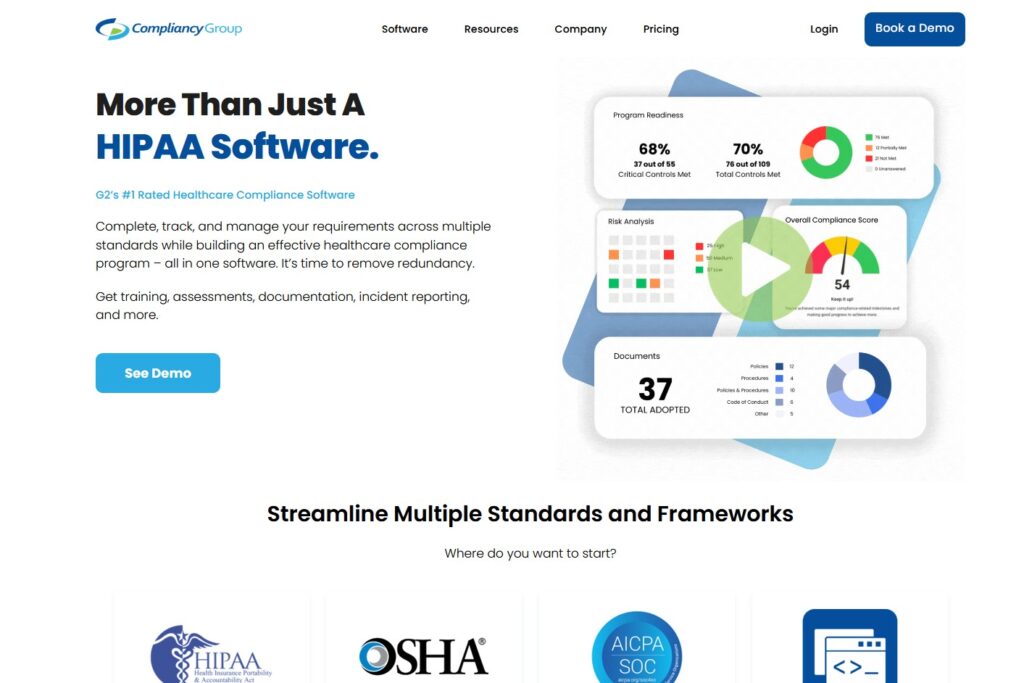
The Importance of Choosing the Best Healthcare Compliance Software
In the healthcare industry, compliance with regulations and standards is paramount to ensure patient safety, data security, and operational efficiency. Healthcare organisations face a myriad of complex rules and requirements that must be adhered to at all times. This is where healthcare compliance software plays a crucial role in helping healthcare providers navigate the regulatory landscape.
Key Features of the Best Healthcare Compliance Software
When selecting healthcare compliance software for your organisation, it is essential to consider key features that can streamline compliance efforts and enhance overall performance:
- Regulatory Monitoring: The software should provide real-time updates on regulatory changes and help organisations stay compliant with evolving laws and standards.
- Document Management: Efficient management of policies, procedures, and documentation is essential for demonstrating compliance during audits.
- Training and Education: Built-in training modules can educate staff on compliance requirements and ensure consistent adherence to protocols.
- Audit Trail: Comprehensive audit trail capabilities enable organisations to track changes, monitor access, and generate reports for auditing purposes.
- Risk Assessment Tools: The software should include risk assessment features to identify vulnerabilities and mitigate potential risks proactively.
- Data Security Measures: Robust data encryption, access controls, and secure storage options are vital for safeguarding sensitive patient information.
The Benefits of Implementing Healthcare Compliance Software
By investing in the best healthcare compliance software, organisations can reap numerous benefits that contribute to improved patient care and operational excellence:
- Enhanced Compliance: Streamlined processes and automated monitoring help maintain compliance with regulations without manual intervention.
- Risk Mitigation: Proactive risk assessment tools enable organisations to identify potential threats early on and take preventive measures.
- Cost Savings: By avoiding non-compliance penalties, fines, or legal actions, healthcare providers can save significant costs in the long run.
- Patient Trust: Demonstrating a commitment to compliance instils trust in patients who value the security and privacy of their health information.
- Efficiency Gains: Automated workflows and centralised data management lead to increased efficiency in operations and reduced administrative burden.
In Conclusion
Selecting the best healthcare compliance software is a strategic decision that can have far-reaching implications for your organisation’s success. By prioritising features that align with your specific needs and investing in a solution that offers comprehensive support for regulatory requirements, you can safeguard your patients’ well-being while maintaining operational excellence in an increasingly complex healthcare landscape.
Top 9 Advantages of Leading Healthcare Compliance Software: Enhancing Security, Efficiency, and Cost-Effectiveness
- Enhances regulatory compliance
- Improves patient data security
- Streamlines documentation management
- Facilitates staff training on compliance
- Automates audit trail generation
- Identifies and mitigates risks proactively
- Ensures secure storage of sensitive information
- Increases operational efficiency
- Reduces costs associated with non-compliance
Challenges of Top Healthcare Compliance Software: High Costs, Learning Curve, and Customisation Issues
Enhances regulatory compliance
One significant advantage of utilising the best healthcare compliance software is its ability to enhance regulatory compliance within healthcare organisations. By offering real-time updates on regulatory changes, streamlined document management, and robust audit trail capabilities, this software empowers healthcare providers to stay up-to-date with evolving laws and standards. This proactive approach not only ensures adherence to compliance requirements but also helps in demonstrating accountability during audits, ultimately fostering a culture of regulatory excellence and patient safety.
Improves patient data security
Enhancing patient data security is a critical benefit of utilising the best healthcare compliance software. By implementing robust data encryption, access controls, and secure storage features, healthcare organisations can effectively safeguard sensitive patient information from unauthorised access or breaches. This proactive approach not only ensures compliance with data protection regulations but also instils trust in patients regarding the confidentiality and integrity of their personal health data. Improved patient data security ultimately contributes to maintaining the highest standards of care and confidentiality within the healthcare environment.
Streamlines documentation management
Streamlining documentation management is a key advantage of implementing the best healthcare compliance software. By centralising and automating the management of policies, procedures, and documentation, healthcare organisations can ensure that all necessary documents are up-to-date, easily accessible, and compliant with regulatory requirements. This not only saves time and reduces the risk of errors associated with manual document handling but also enhances efficiency in demonstrating compliance during audits or inspections. Ultimately, streamlining documentation management with advanced software solutions contributes to improved organisational productivity and effectiveness in maintaining a high standard of patient care.
Facilitates staff training on compliance
One significant advantage of utilising the best healthcare compliance software is its ability to facilitate staff training on compliance. By incorporating built-in training modules and educational resources, this software empowers healthcare professionals to stay updated on regulatory requirements and best practices. Through interactive learning tools and accessible training materials, staff members can enhance their understanding of compliance protocols, ensuring consistent adherence to standards across the organisation. This proactive approach not only strengthens staff knowledge but also contributes to a culture of compliance and accountability within the healthcare setting.
Automates audit trail generation
Automating audit trail generation is a significant advantage of utilising the best healthcare compliance software. By automatically tracking and recording every action taken within the system, healthcare providers can efficiently generate detailed audit trails that capture critical information for compliance purposes. This feature not only saves time and resources but also ensures accuracy and completeness in documenting activities, enhancing transparency and accountability in healthcare operations.
Identifies and mitigates risks proactively
One of the key advantages of utilising the best healthcare compliance software is its ability to identify and mitigate risks proactively. By incorporating advanced risk assessment tools and monitoring capabilities, this software empowers healthcare organisations to anticipate potential vulnerabilities before they escalate into serious issues. This proactive approach not only enhances patient safety and data security but also enables healthcare providers to take timely measures to prevent compliance breaches, ensuring a robust and resilient healthcare environment.
Ensures secure storage of sensitive information
One significant advantage of utilising the best healthcare compliance software is its ability to guarantee secure storage of sensitive information. By implementing robust data encryption, access controls, and stringent security measures, healthcare organisations can safeguard confidential patient data from unauthorised access or breaches. This ensures that patient information remains protected, maintaining privacy and confidentiality in compliance with industry regulations and standards.
Increases operational efficiency
Implementing the best healthcare compliance software can significantly enhance operational efficiency within healthcare organisations. By automating compliance processes, streamlining documentation management, and providing real-time monitoring capabilities, the software enables staff to focus more on patient care rather than manual administrative tasks. This increased efficiency not only saves time and resources but also improves overall productivity, allowing healthcare providers to deliver high-quality services more effectively while ensuring regulatory compliance at every step.
Reduces costs associated with non-compliance
Implementing the best healthcare compliance software can significantly reduce costs associated with non-compliance for healthcare organisations. By automating compliance processes, monitoring regulatory changes in real-time, and proactively identifying and addressing risks, the software helps mitigate the financial implications of penalties, fines, legal actions, and reputational damage that can result from non-compliance. By investing in robust compliance solutions, healthcare providers can avoid costly consequences and allocate resources more effectively towards patient care and operational improvements.
Costly initial investment
One notable drawback of opting for the best healthcare compliance software is the substantial initial investment it entails. The cost of implementing such advanced software solutions can pose a challenge, particularly for smaller healthcare organisations operating within constrained budgets. The upfront expenses associated with acquiring and integrating robust compliance software may act as a barrier for these entities, potentially hindering their ability to access cutting-edge tools and technologies that could enhance their compliance efforts and overall operational efficiency.
Steep learning curve
One significant drawback of the best healthcare compliance software is the steep learning curve it presents. Mastering the intricacies of advanced compliance tools can be time-consuming and resource-intensive, leading to potential disruptions in workflow as staff members adapt to the new system. The transition period may require additional training and support to ensure smooth integration, impacting operational efficiency in the short term.
Customisation challenges
When considering the use of healthcare compliance software, organisations may encounter a significant drawback in the form of customisation challenges. Adapting the software to align with specific organisational requirements and workflows could prove arduous, particularly when faced with limited customisation options within the software itself. This limitation may hinder the seamless integration of the software into existing processes and could potentially impede the efficiency gains that tailored solutions are intended to deliver. Addressing these customisation challenges effectively becomes crucial for healthcare providers seeking optimal utilisation of compliance software to enhance their operations and regulatory adherence.