
The Importance of Centralised Identity Management in Modern Businesses
In today’s digital age, businesses face numerous challenges when it comes to managing user identities and access to resources. Centralised identity management has emerged as a crucial solution to streamline this process and enhance security across organisations of all sizes.
What is Centralised Identity Management?
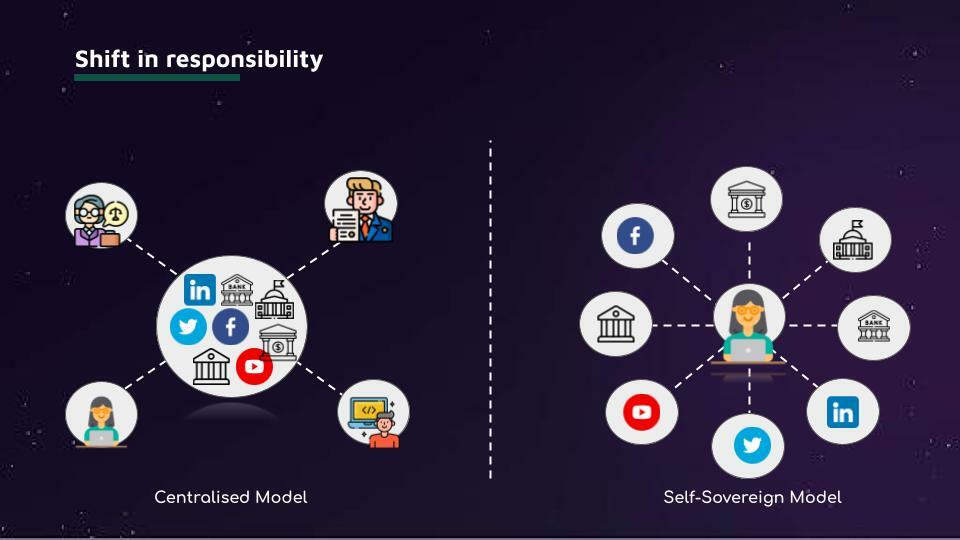
Centralised identity management is a system that consolidates user identities, authentication, and authorisation processes into a single, unified platform. This approach allows businesses to manage user access rights, permissions, and credentials from a central location, rather than relying on disparate systems and manual processes.
The Benefits of Centralised Identity Management
Implementing centralised identity management offers several key benefits for businesses:
- Enhanced Security: By centralising user identities and access controls, businesses can enforce consistent security policies across all systems and applications. This helps prevent unauthorised access and reduces the risk of data breaches.
- Improved Efficiency: With centralised identity management, administrators can easily provision or deprovision user accounts, manage passwords, and enforce security policies from a single interface. This streamlines administrative tasks and reduces the likelihood of errors.
- Increased Compliance: Centralised identity management enables businesses to maintain compliance with regulatory requirements by ensuring that access controls are consistently applied and auditable. This simplifies the process of demonstrating compliance during audits.
- User Convenience: Users benefit from centralised identity management by having a single set of credentials for accessing various systems and applications within the organisation. This improves user experience and reduces password fatigue.
Implementing Centralised Identity Management
To successfully implement centralised identity management, businesses should consider the following steps:
- Evaluate Business Needs: Identify the specific requirements of your organisation in terms of user access control, security policies, and compliance standards.
- Select an Identity Management Solution: Choose a robust identity management platform that aligns with your business goals and technical requirements. Consider factors such as scalability, integration capabilities, and ease of use.
- Integrate Systems: Integrate existing systems and applications with the centralised identity management platform to ensure seamless authentication and authorisation processes across the organisation.
- Train Staff: Provide training to administrators and end-users on how to use the new identity management system effectively. Encourage best practices for password security and account management.
- Maintain Regular Audits: Conduct regular audits of user accounts, permissions, and access logs to identify any anomalies or potential security risks. Address any issues promptly to maintain a secure environment.
The Future of Centralised Identity Management
As cyber threats continue to evolve, centralised identity management will play an increasingly vital role in safeguarding business assets and data. By adopting this approach, businesses can enhance their security posture, improve operational efficiency, and ensure compliance with regulations in an ever-changing digital landscape.
In conclusion,
“Centralised identity management is not just a technology solution; it is a strategic investment in strengthening organisational security and efficiency. By embracing this approach proactively,
“businesses can establish a solid foundation for managing identities effectively while adapting to future challenges in cybersecurity.”
8 Essential Tips for Effective Centralised Identity Management
- Implement strong authentication methods to secure access.
- Use role-based access control to manage permissions effectively.
- Regularly review and update user access rights to prevent unauthorized access.
- Ensure compliance with data protection regulations when managing user identities.
- Centralise identity management to streamline administration and improve security.
- Implement multi-factor authentication for an added layer of security.
- Train employees on best practices for managing their digital identities.
- Consider using identity management solutions that offer auditing and reporting capabilities.
Implement strong authentication methods to secure access.
To enhance the security of access within a centralised identity management system, it is crucial to implement strong authentication methods. By requiring users to authenticate their identities using multi-factor authentication, biometrics, or hardware tokens, organisations can significantly reduce the risk of unauthorised access and data breaches. Strong authentication methods add an extra layer of security beyond traditional passwords, making it more challenging for malicious actors to compromise user accounts. This proactive approach helps bolster the overall security posture of the centralised identity management system and ensures that only authorised individuals can access sensitive resources.
Use role-based access control to manage permissions effectively.
Utilising role-based access control is a key strategy in centralised identity management to efficiently manage permissions within an organisation. By assigning permissions based on predefined roles, businesses can ensure that users have the appropriate level of access to resources and data according to their job responsibilities. This approach simplifies the process of granting and revoking access rights, reduces the risk of human error, and enhances security by limiting unnecessary privileges. Role-based access control not only streamlines administrative tasks but also contributes to a more structured and secure environment where access controls align closely with business needs and compliance requirements.
Regularly review and update user access rights to prevent unauthorized access.
Regularly reviewing and updating user access rights is a critical practice in centralised identity management to mitigate the risk of unauthorised access within an organisation. By conducting periodic assessments of user permissions and adjusting access rights as needed, businesses can ensure that employees have the appropriate level of access to resources based on their roles and responsibilities. This proactive approach not only enhances security but also helps maintain compliance with data protection regulations by minimising the potential for data breaches or insider threats.
Ensure compliance with data protection regulations when managing user identities.
It is crucial to ensure compliance with data protection regulations when managing user identities in a centralised system. By adhering to data protection laws such as the GDPR, businesses can safeguard sensitive user information and mitigate the risk of privacy breaches. Implementing robust security measures, encryption protocols, and access controls within the centralised identity management framework helps maintain data integrity and confidentiality. Regular audits and monitoring of user activities also aid in demonstrating compliance with regulations, instilling trust among users and stakeholders regarding the responsible handling of their personal data.
Centralise identity management to streamline administration and improve security.
Centralising identity management is a strategic move that brings multiple benefits to businesses. By consolidating user identities, access controls, and security policies into a centralised system, organisations can streamline administrative tasks and enhance overall security. This approach simplifies user provisioning and deprovisioning, facilitates consistent enforcement of security measures, and reduces the risk of unauthorised access. Ultimately, centralised identity management not only boosts operational efficiency but also strengthens the organisation’s defence against potential cybersecurity threats.
Implement multi-factor authentication for an added layer of security.
To enhance the security of centralised identity management, it is recommended to implement multi-factor authentication. By requiring users to provide multiple forms of verification before accessing resources, such as a password combined with a unique code sent to their mobile device, businesses can significantly reduce the risk of unauthorised access. This added layer of security helps safeguard sensitive data and mitigates the impact of potential security breaches, reinforcing the integrity of the centralised identity management system.
Train employees on best practices for managing their digital identities.
It is crucial for businesses to train employees on best practices for managing their digital identities as part of centralised identity management. By educating staff on the importance of strong password creation, secure account management, and recognising phishing attempts, organisations can empower their workforce to play an active role in safeguarding sensitive information and preventing security breaches. Training sessions should emphasise the significance of maintaining confidentiality, using unique passwords for different accounts, and promptly reporting any suspicious activity. Ultimately, well-informed employees are key assets in maintaining a robust security posture and upholding the integrity of centralised identity management systems within the organisation.
Consider using identity management solutions that offer auditing and reporting capabilities.
When implementing centralised identity management, it is advisable to consider using identity management solutions that provide auditing and reporting capabilities. These features allow organisations to monitor user activities, track changes to access permissions, and generate detailed reports on security incidents. By leveraging auditing and reporting functionalities, businesses can enhance visibility into their identity management processes, identify potential security threats proactively, and demonstrate compliance with regulatory requirements. This proactive approach to monitoring and analysing user activities strengthens overall security posture and helps maintain a secure and compliant IT environment.