
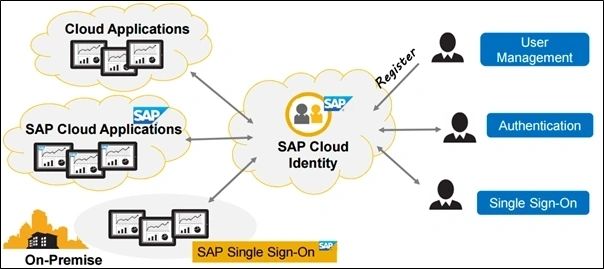
The Rise of Cloud Identity Solutions
In today’s digital landscape, businesses are increasingly turning to cloud identity solutions to streamline their operations and enhance security. Cloud identity solutions offer a modern approach to managing user identities and access rights across various applications and services hosted in the cloud.
One of the key advantages of cloud identity solutions is their scalability. As businesses grow and expand, traditional identity management systems often struggle to keep up with the increasing demands. Cloud-based solutions, on the other hand, can easily scale to accommodate a growing user base and evolving business needs.
Security is another critical aspect where cloud identity solutions excel. With advanced authentication mechanisms such as multi-factor authentication and single sign-on, businesses can significantly enhance their security posture and reduce the risk of data breaches and unauthorised access.
Moreover, cloud identity solutions offer greater flexibility and accessibility. Employees can securely access company resources from anywhere, at any time, using any device. This flexibility not only improves employee productivity but also enables businesses to adapt to remote work trends and changing business environments.
Integration with other cloud services is also a significant benefit of cloud identity solutions. Businesses can seamlessly integrate their identity management system with other cloud-based applications, simplifying user provisioning, access control, and compliance management.
Overall, cloud identity solutions represent a paradigm shift in how businesses manage user identities and access rights. By leveraging the power of the cloud, businesses can enhance security, improve scalability, boost productivity, and stay ahead in today’s fast-paced digital world.
Top 5 Tips for Strengthening Security with Cloud Identity Solutions
- Utilize multi-factor authentication to enhance security.
- Regularly review and update user access permissions.
- Implement single sign-on for seamless user experience.
- Encrypt data both in transit and at rest for enhanced protection.
- Monitor and audit user activities to detect any suspicious behaviour.
Utilize multi-factor authentication to enhance security.
Utilising multi-factor authentication is a crucial tip when implementing cloud identity solutions to enhance security. By requiring users to provide multiple forms of verification, such as passwords, biometrics, or security tokens, businesses can significantly strengthen their defences against unauthorised access and data breaches. Multi-factor authentication adds an extra layer of security beyond traditional password protection, making it more challenging for malicious actors to compromise user accounts. This proactive approach not only safeguards sensitive information but also instils confidence in users that their identities are well-protected in the cloud environment.
Regularly review and update user access permissions.
Regularly reviewing and updating user access permissions is a crucial tip when it comes to cloud identity solutions. By conducting periodic audits of user access rights, businesses can ensure that only authorised individuals have the necessary permissions to access sensitive data and applications. This practice not only enhances security by reducing the risk of unauthorised access but also helps in maintaining compliance with regulatory requirements. Keeping user access permissions up-to-date ensures that employees have the right level of access for their roles, enhancing operational efficiency and reducing potential security vulnerabilities in the cloud environment.
Implement single sign-on for seamless user experience.
Implementing single sign-on (SSO) is a crucial tip when it comes to cloud identity solutions. By enabling SSO, users can access multiple applications and services with just one set of credentials, leading to a seamless and efficient user experience. With SSO in place, users no longer need to remember and enter different login details for each application, reducing the risk of password fatigue and enhancing security. This not only simplifies the user experience but also improves productivity by eliminating the need for repetitive logins. Overall, implementing SSO is a strategic move that enhances both user convenience and security in cloud identity management.
Encrypt data both in transit and at rest for enhanced protection.
To enhance protection when utilising cloud identity solutions, it is crucial to encrypt data both in transit and at rest. Encrypting data in transit ensures that information exchanged between users and cloud services is secure and cannot be intercepted by malicious actors. On the other hand, encrypting data at rest safeguards stored data from unauthorised access, adding an extra layer of security to sensitive information. By implementing robust encryption practices, businesses can significantly bolster the security of their cloud-based identity management systems and mitigate the risk of data breaches.
Monitor and audit user activities to detect any suspicious behaviour.
Monitoring and auditing user activities is a crucial tip when it comes to cloud identity solutions. By actively tracking and analysing user interactions within the system, businesses can quickly detect any unusual or suspicious behaviour that may indicate a security threat. This proactive approach not only helps in identifying potential risks early on but also allows for timely intervention to prevent security incidents and safeguard sensitive data stored in the cloud. Regular monitoring and auditing of user activities are essential components of a comprehensive security strategy in the realm of cloud identity solutions.