
The Importance of Risk Management in Business

Risk management is a crucial aspect of running a successful business. It involves identifying, assessing, and prioritising risks that could potentially impact the achievement of an organisation’s objectives. By effectively managing risks, businesses can minimise potential threats, seize opportunities for growth, and enhance decision-making processes.

Why is Risk Management Important?

Protection: Implementing a robust risk management strategy helps protect businesses from potential financial losses, legal liabilities, and reputational damage. By identifying risks early on, organisations can take proactive measures to mitigate them.

Compliance: Many industries are subject to regulatory requirements and compliance standards. Effective risk management ensures that businesses meet these obligations and avoid costly penalties or sanctions.

Opportunity Identification: Risk management is not just about avoiding negative outcomes; it also involves identifying opportunities for growth and innovation. By taking calculated risks, businesses can explore new markets, products, or technologies that can lead to strategic advantages.

The Risk Management Process

The risk management process typically involves the following steps:

  1. Identification: This step involves identifying potential risks that could affect the business’s objectives. Risks can stem from internal factors (such as operational inefficiencies) or external factors (such as economic fluctuations).
  2. Assessment: Once risks are identified, they are assessed in terms of their likelihood of occurrence and potential impact on the business. This step helps prioritise risks based on their severity.
  3. Mitigation: After assessing risks, strategies are developed to mitigate or manage them effectively. This may involve implementing control measures, transferring risk through insurance, or accepting certain risks as part of normal business operations.
  4. Monitoring and Review: Risk management is an ongoing process that requires regular monitoring and review. Businesses should continuously assess the effectiveness of their risk mitigation strategies and adjust them as necessary.

The Role of Leadership in Risk Management

Effective risk management requires strong leadership commitment and engagement at all levels of the organisation. Leaders play a key role in setting the tone for risk awareness, promoting a culture of accountability, and ensuring that resources are allocated appropriately to manage risks effectively.

In Conclusion

Risk management is not just a reactive measure but a proactive approach to safeguarding business interests and maximising opportunities for growth. By integrating risk management into strategic planning processes, businesses can navigate uncertainties with confidence and resilience.


Essential FAQs on Risk Management: Strategies, Compliance, and Leadership for Business Success

  1. What is risk management and why is it important for businesses?
  2. How can businesses identify and assess risks effectively?
  3. What are the key steps involved in the risk management process?
  4. How does risk management help businesses comply with regulations and standards?
  5. What role does leadership play in implementing an effective risk management strategy?
  6. How can businesses balance taking risks to seize opportunities while managing potential threats?

What is risk management and why is it important for businesses?

Risk management is the process of identifying, assessing, and prioritising risks that could impact a business’s objectives. It plays a crucial role in helping businesses anticipate potential threats, seize opportunities for growth, and make informed decisions. By implementing effective risk management strategies, businesses can protect themselves from financial losses, legal liabilities, and reputational damage. Furthermore, risk management ensures compliance with regulatory requirements and enables organisations to proactively address uncertainties in a rapidly changing business environment. Ultimately, integrating risk management into business practices enhances resilience, fosters innovation, and strengthens long-term sustainability.

How can businesses identify and assess risks effectively?

To identify and assess risks effectively, businesses must adopt a systematic approach that involves thorough analysis and evaluation of potential threats. Firstly, businesses should conduct comprehensive risk assessments by identifying both internal and external factors that could impact their operations. This includes evaluating vulnerabilities in processes, technology, and human resources. Secondly, businesses should utilise risk assessment tools and methodologies to quantify the likelihood and impact of identified risks. By involving key stakeholders, leveraging expertise, and staying informed about industry trends, businesses can enhance their ability to proactively manage risks and make informed decisions to safeguard their long-term success.

What are the key steps involved in the risk management process?

The key steps in the risk management process involve a systematic approach to identifying, assessing, and addressing potential risks that could impact an organisation’s objectives. The first step is to identify risks by analysing internal and external factors that could pose threats or opportunities. Next, these risks are assessed based on their likelihood of occurrence and potential impact on the business. Following assessment, strategies are developed to mitigate or manage identified risks effectively. Regular monitoring and review of the risk management process are essential to ensure that mitigation strategies remain relevant and aligned with the organisation’s goals. Effective risk management requires a proactive stance towards understanding and addressing uncertainties to safeguard business continuity and promote sustainable growth.

How does risk management help businesses comply with regulations and standards?

Risk management plays a crucial role in helping businesses comply with regulations and standards by providing a structured framework to identify, assess, and mitigate risks that could impact regulatory compliance. By proactively identifying potential risks related to legal requirements, data protection, financial reporting, or industry-specific standards, businesses can implement targeted risk mitigation strategies to ensure adherence to regulations. Additionally, risk management helps businesses establish internal controls, policies, and procedures that align with regulatory requirements, thereby reducing the likelihood of non-compliance issues. Ultimately, a robust risk management approach not only enhances regulatory compliance but also fosters a culture of accountability and transparency within the organisation.

What role does leadership play in implementing an effective risk management strategy?

Leadership plays a pivotal role in implementing an effective risk management strategy within an organisation. Strong leadership sets the tone for a culture of risk awareness and accountability, fostering a proactive approach to identifying and addressing potential risks. By championing risk management initiatives, leaders demonstrate the importance of prioritising risk mitigation efforts and allocating resources accordingly. Effective leadership ensures that risk management is integrated into strategic decision-making processes, enabling the organisation to navigate uncertainties with agility and resilience. Ultimately, leadership commitment is essential in driving a comprehensive risk management framework that safeguards business interests and promotes sustainable growth.

How can businesses balance taking risks to seize opportunities while managing potential threats?

Balancing the act of taking risks to capitalise on opportunities while effectively managing potential threats is a delicate yet essential challenge for businesses. By adopting a strategic approach to risk management, organisations can identify and evaluate potential risks associated with pursuing opportunities. This involves assessing the likelihood of risks occurring and their potential impact on business objectives. Implementing robust risk mitigation strategies, such as diversification, scenario planning, and contingency measures, allows businesses to navigate uncertainties while seizing opportunities for growth. Ultimately, finding the right balance between risk-taking and risk management is key to achieving sustainable success in today’s dynamic business environment.

The Importance of Corporate Governance in Business

The Importance of Corporate Governance in Business

Corporate governance refers to the system of rules, practices, and processes by which a company is directed and controlled. It encompasses the relationships among stakeholders, including shareholders, management, customers, suppliers, financiers, government, and the community at large. Effective corporate governance is essential for the long-term success and sustainability of any business.

Key Aspects of Corporate Governance

Transparency: Transparency is a fundamental principle of corporate governance. Companies should provide accurate and timely disclosure of all material matters regarding their financial performance, ownership structure, and decision-making processes.

Accountability: Corporate governance ensures that there is clear accountability for decisions made within an organisation. This includes holding directors and executives responsible for their actions and ensuring that they act in the best interests of the company and its stakeholders.

Fairness: Fairness in corporate governance means treating all stakeholders equitably and respecting their rights. This includes fair treatment of minority shareholders, employees, customers, and other parties affected by the company’s actions.

Benefits of Strong Corporate Governance

Enhanced Investor Confidence: Companies with strong corporate governance practices are more likely to attract investment from institutional investors and maintain a higher market valuation.

Risk Management: Effective corporate governance helps identify and mitigate risks that could impact the company’s financial performance or reputation.

Long-Term Sustainability: By promoting ethical behaviour and responsible decision-making, corporate governance contributes to the long-term sustainability of businesses.

The Role of Directors in Corporate Governance

Directors play a crucial role in upholding good corporate governance practices. They are responsible for setting strategic objectives, overseeing management decisions, monitoring performance, and ensuring compliance with laws and regulations.

In conclusion, corporate governance is a cornerstone of business integrity and success. Companies that prioritise strong governance practices not only protect their interests but also build trust with stakeholders and contribute to overall economic stability.


6 Essential Tips for Strengthening Corporate Governance Practices

  1. Establish clear roles and responsibilities for the board of directors.
  2. Promote transparency in decision-making processes.
  3. Ensure effective communication between shareholders and stakeholders.
  4. Adopt ethical practices and integrity in all business operations.
  5. Regularly review and assess the performance of the board and senior management.
  6. Comply with relevant laws, regulations, and best practices in corporate governance.

Establish clear roles and responsibilities for the board of directors.

In the realm of corporate governance, a crucial tip is to establish clear roles and responsibilities for the board of directors. By defining each director’s duties and expectations within the organisation, clarity is fostered in decision-making processes, accountability is enhanced, and conflicts of interest are mitigated. This practice ensures that the board functions effectively as a strategic guiding force for the company, aligning its actions with the best interests of stakeholders and contributing to overall corporate success.

Promote transparency in decision-making processes.

Promoting transparency in decision-making processes is a key tip for effective corporate governance. By ensuring that decisions are made openly and with clear communication, companies can build trust with stakeholders and demonstrate accountability. Transparency helps stakeholders understand the rationale behind decisions, fosters a culture of honesty and integrity within the organisation, and ultimately contributes to better outcomes. It also helps to mitigate risks associated with potential conflicts of interest or unethical behaviour, leading to a more sustainable and responsible business environment.

Ensure effective communication between shareholders and stakeholders.

Effective communication between shareholders and stakeholders is a fundamental aspect of corporate governance. By maintaining open and transparent lines of communication, companies can build trust, foster collaboration, and ensure that all parties are informed and engaged in decision-making processes. Shareholders rely on accurate and timely information to make informed investment decisions, while stakeholders such as employees, customers, suppliers, and the community at large benefit from understanding the company’s strategic direction and performance. This communication fosters a sense of accountability and inclusivity within the organisation, ultimately contributing to its long-term success and sustainability.

Adopt ethical practices and integrity in all business operations.

Adopting ethical practices and integrity in all business operations is a fundamental tip in corporate governance that underpins the reputation and sustainability of a company. By prioritising honesty, transparency, and fairness in dealings with stakeholders, a business can build trust, enhance its brand value, and mitigate risks associated with unethical behaviour. Upholding ethical standards not only fosters a positive corporate culture but also demonstrates a commitment to responsible business conduct, ultimately contributing to long-term success and stakeholder confidence.

Regularly review and assess the performance of the board and senior management.

In the realm of corporate governance, a crucial tip is to consistently review and evaluate the performance of both the board of directors and senior management. This practice ensures that key decision-makers are held accountable for their actions and that they are effectively steering the company towards its strategic objectives. By conducting regular assessments, organisations can identify areas for improvement, address any shortcomings promptly, and ultimately enhance transparency and accountability within the leadership structure.

Comply with relevant laws, regulations, and best practices in corporate governance.

It is crucial for companies to adhere to pertinent laws, regulations, and best practices in corporate governance to ensure ethical conduct and accountability. By complying with these standards, organisations demonstrate their commitment to transparency, fairness, and responsible decision-making. Following the prescribed guidelines not only helps mitigate legal risks but also fosters trust among stakeholders and enhances the overall reputation of the company. Upholding compliance with regulatory requirements and industry best practices is a cornerstone of effective corporate governance that underpins the long-term success and sustainability of businesses.

Mastering the Art of Managing Risk: Strategies for Success

Managing Risk: A Crucial Element of Business Strategy

Managing Risk: A Crucial Element of Business Strategy

Risk is an inherent part of any business operation, and how well it is managed can determine the success or failure of an organisation. Effective risk management involves identifying, assessing, and prioritising risks to minimise their impact on business objectives. By understanding and proactively addressing potential threats, businesses can navigate uncertainties with confidence and resilience.

The Importance of Risk Management

Managing risk is not about eliminating it entirely but rather about making informed decisions to mitigate its effects. A robust risk management strategy allows businesses to:

  • Protect Assets: By identifying risks that could harm assets such as financial resources, reputation, and intellectual property, businesses can implement measures to safeguard them.
  • Enhance Decision-Making: Understanding potential risks enables better decision-making by considering all possible outcomes and developing contingency plans.
  • Improve Resilience: Effective risk management builds resilience within an organisation, allowing it to adapt to changing circumstances and recover quickly from setbacks.
  • Ensure Compliance: Compliance with regulations and industry standards is crucial for avoiding penalties and maintaining trust with stakeholders.

Key Components of Risk Management

A comprehensive risk management framework typically includes the following key components:

  1. Risk Identification: This involves identifying potential risks that could affect the achievement of business objectives. Risks may arise from internal or external sources.
  2. Risk Assessment: Once identified, risks are assessed in terms of their likelihood and potential impact. This helps prioritise risks based on their significance.
  3. Risk Mitigation: Strategies are developed to mitigate or reduce the impact of identified risks. This may involve implementing controls, transferring risk through insurance, or avoiding certain activities altogether.
  4. Risk Monitoring: Continuous monitoring of risks is essential to ensure that the risk landscape is up-to-date. Regular assessments help identify new risks or changes in existing ones.

The Role of Leadership in Risk Management

Effective risk management requires strong leadership commitment at all levels of an organisation. Leaders should set the tone for a culture that values transparency, accountability, and proactive risk mitigation. By fostering a risk-aware environment where employees feel empowered to raise concerns and suggest improvements, organisations can build a resilient foundation for sustainable growth.

In Conclusion

In today’s dynamic business landscape, managing risk is not just a reactive measure but a proactive strategy for success. By integrating risk management into business operations and decision-making processes, organisations can navigate uncertainties with confidence and seize opportunities for growth. Remember, effective risk management is not solely about avoiding pitfalls but also about maximising potential rewards while safeguarding against potential threats.


Understanding Risk Management: Key Questions and Principles Explained

  1. Why do we manage risk?
  2. What do you mean by management risk?
  3. What are the 5 principles of risk management?
  4. What is managing risk in the workplace?
  5. What is meant by managing risk?
  6. Why is it important to manage risk?

Why do we manage risk?

Managing risk is a fundamental aspect of effective business practice for several reasons. Firstly, risk management allows organisations to anticipate and prepare for potential threats that could impact their operations, finances, and reputation. By proactively identifying and addressing risks, businesses can minimise the likelihood of disruptions and losses, thus safeguarding their long-term sustainability. Additionally, managing risk enables companies to make informed decisions based on a comprehensive understanding of potential challenges and opportunities. Ultimately, by prioritising risk management, organisations can enhance resilience, protect assets, and maintain a competitive edge in an ever-evolving business environment.

What do you mean by management risk?

Management risk refers to the potential uncertainties and hazards that arise from the decisions and actions taken by an organisation’s management team. It encompasses the likelihood of adverse outcomes resulting from managerial choices, strategies, or operational practices. Effective management risk assessment involves evaluating the competence, integrity, and decision-making processes of leaders within an organisation to identify vulnerabilities and implement mitigation strategies. By understanding and addressing management risk proactively, businesses can enhance their resilience and safeguard their long-term success against unforeseen challenges.

What are the 5 principles of risk management?

The five key principles of risk management provide a solid foundation for effective risk mitigation within organisations. These principles encompass the systematic approach to identifying, assessing, and addressing risks to achieve business objectives. Firstly, risk identification involves recognising potential threats and opportunities that could impact the organisation. Secondly, risk assessment entails evaluating the likelihood and consequences of identified risks to prioritise them accordingly. Thirdly, risk control focuses on implementing measures to manage or reduce risks to an acceptable level. Fourthly, communication and consultation ensure that stakeholders are informed about risks and involved in decision-making processes. Lastly, monitoring and review involve continuously evaluating the effectiveness of risk management strategies and adapting them as needed to maintain resilience in the face of evolving challenges. By adhering to these principles, organisations can proactively navigate uncertainties and safeguard their operations against potential disruptions.

What is managing risk in the workplace?

Managing risk in the workplace involves identifying, assessing, and mitigating potential threats that could impact the health, safety, security, or success of employees and the organisation as a whole. It encompasses a systematic approach to recognising hazards, evaluating their likelihood and consequences, and implementing measures to control or eliminate risks. By proactively managing risk in the workplace, businesses can create a safer and more productive environment, protect their assets and reputation, comply with regulations, and ultimately enhance overall resilience and sustainability. Effective risk management is essential for fostering a culture of responsibility, accountability, and continuous improvement within an organisation.

What is meant by managing risk?

Managing risk refers to the process of identifying, assessing, and responding to potential threats or uncertainties that could impact an organisation’s objectives. It involves analysing the likelihood and potential impact of risks, developing strategies to mitigate or avoid them, and monitoring the risk landscape to ensure proactive management. Effective risk management is essential for businesses to protect their assets, make informed decisions, enhance resilience, and maintain compliance with regulations. By actively managing risk, organisations can navigate challenges with confidence and safeguard their long-term success.

Why is it important to manage risk?

Managing risk is crucial for the sustainable success and resilience of any organisation. By proactively identifying, assessing, and addressing potential threats, businesses can protect their assets, enhance decision-making processes, and improve overall operational resilience. Effective risk management not only safeguards against financial losses and reputational damage but also fosters a culture of accountability and preparedness within the organisation. By managing risk effectively, businesses can navigate uncertainties with confidence, comply with regulations, and seize opportunities for growth while minimising potential setbacks.

Mastering the Art of Managing Risks: A Guide to Strategic Decision-Making

Managing Risks: A Crucial Aspect of Business Success

Managing Risks: A Crucial Aspect of Business Success

In the dynamic landscape of business, managing risks effectively is paramount to ensuring long-term success and sustainability. Risks are inherent in every aspect of operations, from financial investments to strategic decisions, and how they are identified, assessed, and mitigated can make all the difference between thriving and facing setbacks.

The Importance of Risk Management

Risk management involves the process of identifying potential risks, analysing their impact and likelihood, and implementing strategies to address or mitigate them. By proactively managing risks, organisations can protect their assets, reputation, and overall viability.

Effective risk management not only safeguards against potential threats but also presents opportunities for growth and innovation. By understanding and embracing risks within a structured framework, businesses can make informed decisions that lead to sustainable development.

Key Components of Risk Management

Risk Identification: This initial step involves identifying all possible risks that could affect the organisation’s objectives. It requires a comprehensive assessment of internal and external factors that may pose threats or opportunities.

Risk Analysis: Once risks are identified, they need to be analysed in terms of their potential impact and likelihood. This step helps prioritise risks based on their significance and allows for informed decision-making.

Risk Mitigation: After assessing risks, strategies must be developed to mitigate or manage them effectively. This may involve implementing control measures, transferring risk through insurance or contracts, or accepting certain risks as part of the business strategy.

The Role of Leadership in Managing Risks

Effective risk management requires strong leadership commitment at all levels of an organisation. Leaders must foster a culture that encourages open communication about risks, promotes accountability for risk management processes, and integrates risk considerations into strategic planning.

Furthermore, leaders should lead by example in demonstrating proactive risk management behaviours and championing a resilient organisational culture that can adapt to changing circumstances.

In Conclusion

Managing risks is not merely a reactive measure but a proactive strategy that empowers businesses to navigate uncertainties with confidence. By embracing risk management as a fundamental part of decision-making processes, organisations can enhance their resilience, seize opportunities for growth, and safeguard their long-term success in an ever-evolving business environment.


Essential Insights: Addressing Common Questions on Managing Business Risks

  1. What is risk management and why is it important?
  2. How can risks be identified in a business context?
  3. What are the key steps involved in analysing risks?
  4. What strategies can be used to mitigate risks effectively?
  5. How does risk management contribute to business success?
  6. What role does leadership play in managing risks within an organisation?
  7. How can businesses create a risk-aware culture among employees?
  8. What are the common challenges faced when implementing risk management processes?
  9. How often should risk assessments be reviewed and updated?

What is risk management and why is it important?

Risk management is a structured process of identifying, assessing, and mitigating potential risks that could impact an organisation’s objectives. It plays a crucial role in safeguarding assets, reputation, and overall sustainability by allowing businesses to anticipate and address uncertainties effectively. By proactively managing risks, organisations can make informed decisions, enhance resilience, and seize opportunities for growth. Risk management is important as it provides a strategic framework for navigating uncertainties, ensuring business continuity, and fostering a culture of accountability and preparedness within an organisation.

How can risks be identified in a business context?

In a business context, identifying risks is a critical process that involves thorough examination of various factors that may impact the organisation’s objectives. Risks can be identified through comprehensive risk assessments that consider both internal and external influences, such as market fluctuations, regulatory changes, operational vulnerabilities, and technological disruptions. Additionally, engaging stakeholders across different levels of the organisation can provide valuable insights into potential risks specific to their areas of expertise. By fostering a culture of risk awareness and leveraging tools like risk registers and scenario analysis, businesses can proactively identify and categorise risks to develop effective mitigation strategies and enhance overall resilience.

What are the key steps involved in analysing risks?

When analysing risks, several key steps are essential to ensure a thorough assessment of potential threats and opportunities. The first step involves identifying all possible risks that could impact the organisation’s objectives, followed by a detailed analysis of their potential impact and likelihood. Prioritising risks based on their significance is crucial in guiding decision-making processes. Subsequently, developing strategies to effectively mitigate or manage identified risks is imperative to enhance resilience and ensure proactive risk management. By following these key steps in risk analysis, organisations can make informed decisions that protect their assets and promote sustainable growth.

What strategies can be used to mitigate risks effectively?

When it comes to mitigating risks effectively, there are several strategies that can be implemented to safeguard businesses against potential threats. One key approach is to conduct a thorough risk assessment to identify and evaluate all possible risks that could impact the organisation. Once risks are identified, developing robust risk mitigation strategies tailored to each specific risk is crucial. These strategies may include implementing control measures, diversifying investments, acquiring insurance coverage, establishing contingency plans, and regularly monitoring and reviewing risk exposure. By adopting a proactive stance towards risk management and implementing tailored mitigation strategies, organisations can enhance their resilience and minimise the impact of unforeseen events on their operations.

How does risk management contribute to business success?

Risk management plays a pivotal role in contributing to business success by providing a structured approach to identifying, assessing, and mitigating potential threats and opportunities. By proactively managing risks, organisations can safeguard their assets, reputation, and financial stability. Effective risk management enables businesses to make informed decisions, allocate resources strategically, and adapt to changing market conditions with confidence. It enhances operational efficiency, fosters a culture of accountability and transparency, and ultimately positions the organisation to seize opportunities for growth while minimising the impact of potential setbacks. In essence, integrating risk management into business practices is key to achieving long-term sustainability and resilience in today’s dynamic business landscape.

What role does leadership play in managing risks within an organisation?

Leadership plays a crucial role in managing risks within an organisation by setting the tone, direction, and priorities for effective risk management. Strong leadership fosters a culture that values transparency, accountability, and proactive risk identification and mitigation. Leaders guide the organisation in assessing risks, making informed decisions, and implementing strategies to address potential threats while capitalising on opportunities. By championing a risk-aware mindset and integrating risk management into strategic planning processes, leadership ensures that the entire organisation is aligned in its approach to managing risks and safeguarding long-term success.

How can businesses create a risk-aware culture among employees?

Creating a risk-aware culture among employees is essential for businesses seeking to enhance their overall risk management practices. To achieve this, organisations can implement several strategies. Firstly, providing comprehensive training and education on risk identification, assessment, and mitigation empowers employees to recognise potential risks in their daily activities. Encouraging open communication channels where employees feel comfortable reporting risks or concerns without fear of repercussions fosters a transparent environment conducive to addressing issues promptly. Recognising and rewarding proactive risk management behaviours can also incentivise employees to actively participate in creating a culture that prioritises risk awareness and mitigation. By integrating risk awareness into the organisational values and promoting a collective responsibility for risk management, businesses can cultivate a culture that values vigilance and preparedness in navigating uncertainties effectively.

What are the common challenges faced when implementing risk management processes?

When implementing risk management processes, organisations often encounter several common challenges. One significant challenge is the difficulty in accurately identifying and assessing all potential risks, especially in complex and rapidly changing business environments. Additionally, prioritising risks based on their impact and likelihood can be a daunting task, leading to uncertainties in decision-making. Another common challenge is ensuring effective communication and collaboration among different departments and stakeholders to align risk management efforts with overall business objectives. Moreover, maintaining a balance between risk mitigation strategies and operational efficiency poses a constant dilemma for organisations striving to manage risks effectively while maximising opportunities for growth. Addressing these challenges requires a holistic approach that integrates risk management into the organisational culture and decision-making processes to enhance resilience and ensure long-term success.

How often should risk assessments be reviewed and updated?

In the realm of managing risks, a commonly asked question revolves around the frequency of reviewing and updating risk assessments. It is recommended that risk assessments should be reviewed and updated regularly to ensure their relevance and effectiveness in addressing potential threats. The exact timeframe for review may vary depending on the nature of the business, industry regulations, and the pace of change within the organisation. However, as a general guideline, risk assessments should be revisited at least annually or more frequently if significant changes occur in the internal or external environment that could impact the identified risks. By maintaining a proactive approach to reviewing and updating risk assessments, organisations can stay agile in mitigating emerging risks and enhancing their overall risk management strategy.

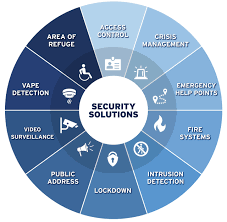
The Importance of Security Solutions in Today’s Digital Landscape

The Importance of Security Solutions in Today’s Digital Landscape

In an increasingly interconnected world where data breaches and cyber threats are on the rise, the need for robust security solutions has never been more critical. Organisations across all industries face the challenge of safeguarding their sensitive information and digital assets from malicious actors.

Security solutions encompass a wide range of tools and practices designed to protect networks, systems, and data from cyber attacks. These solutions play a vital role in defending against threats such as malware, phishing scams, ransomware, and insider threats that can compromise the integrity and confidentiality of information.

Key Components of Effective Security Solutions

Effective security solutions typically include:

  • Firewalls: Firewalls act as a barrier between a trusted internal network and untrusted external networks, controlling incoming and outgoing network traffic based on predetermined security rules.
  • Antivirus Software: Antivirus software detects and removes malicious software such as viruses, worms, and Trojans from devices to prevent them from causing harm.
  • Encryption: Encryption converts data into a secure format that can only be accessed with the appropriate decryption key, ensuring that sensitive information remains protected even if intercepted.
  • Access Control: Access control mechanisms restrict user access to resources based on predefined policies to prevent unauthorised individuals from gaining entry to sensitive data.
  • Intrusion Detection Systems (IDS) and Intrusion Prevention Systems (IPS): IDS monitor network traffic for suspicious activity or known attack patterns, while IPS actively blocks or mitigates detected threats in real-time.

The Benefits of Implementing Security Solutions

By investing in comprehensive security solutions, organisations can:

  • Protect Confidential Data: Security solutions help safeguard proprietary information, customer data, financial records, and other sensitive assets from unauthorised access or theft.
  • Maintain Regulatory Compliance: Many industries are subject to stringent data protection regulations that require organisations to implement specific security measures to ensure compliance.
  • Safeguard Reputation: A data breach can have severe repercussions on an organisation’s reputation and trustworthiness. Implementing robust security solutions demonstrates a commitment to protecting stakeholders’ interests.
  • Minimise Downtime: Cyber attacks can disrupt operations, leading to downtime that impacts productivity and revenue. Security solutions help mitigate the risk of system outages caused by malicious activities.

In conclusion, security solutions are indispensable tools in fortifying defences against cyber threats in today’s digital age. By adopting a proactive approach to security and leveraging advanced technologies, organisations can enhance their resilience against evolving cyber risks and safeguard their valuable assets effectively.


Essential Security Solutions: 7 Tips to Safeguard Your Digital World

  1. Regularly update your software and operating systems to protect against vulnerabilities.
  2. Use strong, unique passwords for each of your accounts and consider using a password manager.
  3. Enable two-factor authentication whenever possible for an added layer of security.
  4. Be cautious of phishing emails and avoid clicking on suspicious links or providing personal information.
  5. Secure your home network with a strong password and encryption to prevent unauthorised access.
  6. Backup your important data regularly to ensure you can recover in case of a security breach or data loss.
  7. Educate yourself about common cybersecurity threats and best practices to stay informed and protected.

Regularly update your software and operating systems to protect against vulnerabilities.

Regularly updating your software and operating systems is a crucial aspect of maintaining strong security solutions. Software updates often include patches that address known vulnerabilities, reducing the risk of exploitation by cyber attackers. By staying current with updates, you ensure that your systems are equipped with the latest security features and improvements, enhancing their resilience against potential threats. Neglecting to update software leaves your devices exposed to known security weaknesses, making them more susceptible to attacks. Therefore, prioritising regular updates is a proactive measure in safeguarding your digital assets and preserving the integrity of your IT infrastructure.

Use strong, unique passwords for each of your accounts and consider using a password manager.

To enhance your online security, it is advisable to utilise strong, unique passwords for every account you create. By employing distinct passwords for each account, you minimise the risk of multiple accounts being compromised if one password is exposed. Additionally, considering the use of a password manager can simplify the management of complex passwords across various platforms while ensuring that your credentials remain secure. This proactive approach to password security significantly strengthens your defences against potential cyber threats and safeguards your sensitive information effectively.

Enable two-factor authentication whenever possible for an added layer of security.

Enabling two-factor authentication whenever possible is a highly recommended security measure that adds an extra layer of protection to your online accounts. By requiring users to provide two different forms of identification before accessing their accounts, such as a password and a unique verification code sent to their mobile device, two-factor authentication significantly reduces the risk of unauthorised access even if passwords are compromised. This additional security step enhances the overall resilience of your accounts against cyber threats and reinforces your defence against potential breaches.

It is crucial to exercise caution when dealing with phishing emails as they pose a significant threat to cybersecurity. One essential tip for enhancing security solutions is to refrain from clicking on any suspicious links or disclosing personal information in response to such emails. Phishing attacks often disguise themselves as legitimate communications to deceive recipients into revealing sensitive data or installing malware. By remaining vigilant and avoiding interaction with suspicious links, individuals can mitigate the risk of falling victim to phishing scams and protect their personal and confidential information from exploitation by malicious actors.

Secure your home network with a strong password and encryption to prevent unauthorised access.

To enhance the security of your home network, it is crucial to implement robust measures such as setting up a strong password and enabling encryption. By using a complex password that combines letters, numbers, and special characters, you can significantly reduce the risk of unauthorised access to your network. Additionally, enabling encryption protocols like WPA2 or WPA3 ensures that data transmitted between devices is encrypted, making it harder for hackers to intercept and decipher sensitive information. These simple yet effective steps play a vital role in safeguarding your home network from potential cyber threats and maintaining the privacy of your online activities.

Backup your important data regularly to ensure you can recover in case of a security breach or data loss.

It is crucial to regularly back up your important data as a fundamental aspect of security solutions. By maintaining up-to-date backups, you can mitigate the impact of a potential security breach or data loss incident. In the event of an unforeseen cyber attack or system failure, having recent backups readily available ensures that you can swiftly recover vital information and resume business operations with minimal disruption. Regular data backups serve as a reliable safety net, providing peace of mind and a proactive strategy to safeguard against potential threats to your digital assets.

Educate yourself about common cybersecurity threats and best practices to stay informed and protected.

It is essential to educate yourself about common cybersecurity threats and best practices to stay informed and protected in today’s digital landscape. By staying informed about prevalent cyber risks such as phishing scams, malware attacks, and data breaches, individuals and organisations can better understand how to recognise and mitigate potential threats. Equipping oneself with knowledge about cybersecurity best practices, such as using strong passwords, enabling two-factor authentication, and keeping software up to date, can significantly enhance overall security posture. Continuous education and awareness are key components in building a resilient defence against evolving cyber threats.

Article: Protecting Your Digital Assets

Protecting Your Digital Assets

In today’s digital age, protecting your online presence and digital assets has become more crucial than ever. With the increasing prevalence of cyber threats and data breaches, individuals and businesses alike must take proactive steps to safeguard their sensitive information and prevent unauthorised access.

The Importance of Cybersecurity

Cybersecurity is not just a buzzword – it is a fundamental aspect of maintaining the integrity and confidentiality of your digital assets. From personal data such as financial information and passwords to business-critical documents and intellectual property, the stakes are high when it comes to protecting sensitive information.

Best Practices for Protection

There are several best practices that individuals and organisations can implement to enhance their cybersecurity posture:

  • Use Strong Passwords: Create unique, complex passwords for each online account and consider using a password manager to securely store them.
  • Enable Two-Factor Authentication: Add an extra layer of security by requiring a second form of verification, such as a code sent to your mobile device.
  • Keep Software Updated: Regularly update your operating system, applications, and antivirus software to patch known vulnerabilities.
  • Be Wary of Phishing Attacks: Exercise caution when clicking on links or downloading attachments from unknown sources to avoid falling victim to phishing scams.
  • Secure Your Network: Use encryption protocols, secure Wi-Fi networks with strong passwords, and consider implementing a firewall to protect against intrusions.

The Role of Encryption

Encryption plays a vital role in protecting data both in transit and at rest. By encoding information in such a way that only authorised parties can access it, encryption helps safeguard sensitive data from interception or theft by cybercriminals.

Conclusion

Protecting your digital assets requires vigilance, awareness, and proactive measures. By following best practices for cybersecurity, such as using strong passwords, enabling two-factor authentication, keeping software updated, being cautious of phishing attempts, securing your network, and leveraging encryption technologies, you can significantly reduce the risk of falling victim to cyber threats and protect what matters most in the digital realm.


Nine Key Benefits of Implementing Robust Protection Measures

  1. Enhances data security and confidentiality.
  2. Prevents unauthorised access to sensitive information.
  3. Mitigates the risk of cyber attacks and data breaches.
  4. Builds trust with customers and stakeholders.
  5. Ensures compliance with data protection regulations.
  6. Preserves the integrity of digital assets.
  7. Reduces financial losses associated with security incidents.
  8. Safeguards personal privacy and identity online.
  9. Promotes a culture of cybersecurity awareness.


Challenges in Implementing Effective Protection Measures: Key Considerations and Drawbacks

  1. Implementing robust security measures can be time-consuming and resource-intensive.
  2. There is a constant need to stay updated on the latest cybersecurity threats and trends.
  3. Over-reliance on technology for protection may lead to complacency and oversight of other vulnerabilities.
  4. Some security solutions may come with high costs, especially for businesses with limited budgets.
  5. Balancing user convenience with stringent security measures can be challenging.
  6. No system is completely foolproof, and there is always a residual risk of data breaches or cyber attacks.

Enhances data security and confidentiality.

Enhancing data security and confidentiality is a crucial benefit of proactive protection measures. By implementing robust security protocols, encryption technologies, and access controls, organisations can safeguard their sensitive information from unauthorised access and breaches. This not only helps in maintaining the integrity of data but also instils trust among stakeholders, customers, and partners, demonstrating a commitment to upholding privacy standards and regulatory compliance. Strong data security measures are essential in today’s digital landscape to mitigate risks and ensure that confidential information remains protected from potential threats.

Prevents unauthorised access to sensitive information.

Preventing unauthorised access to sensitive information is a critical benefit of robust protection measures. By implementing strong security protocols and encryption technologies, individuals and organisations can safeguard their confidential data from malicious actors seeking to exploit vulnerabilities for nefarious purposes. This proactive approach not only helps maintain the integrity and privacy of valuable information but also instils trust among stakeholders that their data is secure and protected from unauthorised intrusion.

Mitigates the risk of cyber attacks and data breaches.

By prioritising protection measures, such as implementing robust cybersecurity protocols and data encryption, individuals and organisations can effectively mitigate the risk of cyber attacks and data breaches. Proactive steps towards safeguarding digital assets not only enhance security but also help prevent unauthorised access to sensitive information, reducing the likelihood of falling victim to malicious cyber threats. By staying vigilant and implementing best practices in cybersecurity, the potential impact of cyber attacks and data breaches can be significantly minimised, ensuring the integrity and confidentiality of valuable information.

Builds trust with customers and stakeholders.

Building trust with customers and stakeholders is a key benefit of robust protection measures. By demonstrating a commitment to safeguarding sensitive information and maintaining the integrity of digital assets, organisations can instil confidence in their clients and partners. Trust is the foundation of successful relationships, and when customers and stakeholders feel assured that their data is secure, they are more likely to engage with businesses and collaborate on projects with peace of mind. This trust not only enhances reputation but also fosters long-term loyalty and positive interactions within the digital ecosystem.

Ensures compliance with data protection regulations.

Ensuring compliance with data protection regulations is a critical advantage of robust protection measures. By implementing effective security protocols and safeguarding sensitive data, individuals and organisations can align with legal requirements and industry standards aimed at protecting privacy and preventing data breaches. Compliance not only mitigates the risk of regulatory penalties but also fosters trust among stakeholders by demonstrating a commitment to upholding data protection laws and respecting individuals’ rights to privacy. Prioritising compliance with data protection regulations is essential in today’s digital landscape, where the secure handling of personal information is paramount for maintaining ethical business practices and safeguarding sensitive data from unauthorised access.

Preserves the integrity of digital assets.

Preserving the integrity of digital assets is a crucial benefit of implementing robust protection measures. By safeguarding the authenticity and accuracy of data, organisations can ensure that their digital assets remain reliable and trustworthy. Maintaining integrity helps prevent unauthorised alterations or tampering, preserving the originality and value of information stored in digital formats. This not only enhances data quality but also instils confidence in stakeholders regarding the security and credibility of the assets being protected.

Reduces financial losses associated with security incidents.

Effective protection measures play a crucial role in mitigating financial losses linked to security incidents. By investing in robust cybersecurity strategies and implementing proactive security measures, organisations can significantly reduce the potential financial impact of breaches, data theft, or cyber attacks. Preventing security incidents through thorough protection protocols not only safeguards sensitive information but also helps avoid costly repercussions such as legal fees, regulatory fines, reputational damage, and operational disruptions. Prioritising protection not only strengthens overall security posture but also shields businesses from substantial financial setbacks that may arise from security breaches.

Safeguards personal privacy and identity online.

In the digital age, one significant benefit of prioritising protection is the safeguarding of personal privacy and identity online. By implementing robust security measures and staying vigilant against cyber threats, individuals can maintain control over their sensitive information, preventing unauthorised access and potential identity theft. Protecting one’s online privacy not only preserves confidentiality but also fosters a sense of trust and confidence in engaging with digital platforms and services securely.

Promotes a culture of cybersecurity awareness.

Promoting a culture of cybersecurity awareness is a significant benefit of protecting digital assets. By prioritising security measures and educating individuals within an organisation about the importance of safeguarding sensitive information, a heightened sense of vigilance and responsibility towards cybersecurity is cultivated. This proactive approach not only helps in preventing potential security breaches but also fosters a collective mindset that values the integrity and confidentiality of data, ultimately creating a more secure digital environment for all stakeholders involved.

Implementing robust security measures can be time-consuming and resource-intensive.

Implementing robust security measures can indeed present a significant challenge due to the time and resources required. From conducting thorough risk assessments to deploying and maintaining complex security systems, the process demands careful planning, investment in technology, and ongoing monitoring. Balancing the need for stringent security with operational efficiency can be a delicate task, as organisations must allocate sufficient resources while ensuring that day-to-day activities remain uninterrupted. Despite the hurdles, prioritising cybersecurity is essential in safeguarding valuable assets and maintaining trust with stakeholders in an increasingly digital landscape.

In the realm of protecting digital assets, one notable challenge is the perpetual requirement to remain informed about the most recent cybersecurity risks and developments. As cyber threats evolve and become more sophisticated, individuals and organisations must continuously educate themselves on emerging trends to effectively safeguard their sensitive information. Failure to stay abreast of the latest cybersecurity landscape may leave one vulnerable to potential attacks and breaches, underscoring the critical importance of ongoing vigilance and knowledge in maintaining robust security measures.

Over-reliance on technology for protection may lead to complacency and oversight of other vulnerabilities.

Over-reliance on technology for protection can inadvertently foster a sense of complacency and result in overlooking other critical vulnerabilities. While advanced security tools and solutions play a crucial role in safeguarding digital assets, solely relying on them may create a false sense of security. It is essential to remember that cybersecurity is a multi-faceted endeavour that requires a holistic approach, encompassing not only technological measures but also user awareness, robust policies, and proactive risk management strategies. Failure to address vulnerabilities beyond technology can leave gaps in the overall security posture, making it easier for cyber threats to exploit weaknesses and breach defences.

Some security solutions may come with high costs, especially for businesses with limited budgets.

In the realm of cybersecurity, one notable con of prioritising protection is that certain security solutions may entail substantial costs, particularly for businesses operating within constrained budgets. Implementing robust security measures often requires investing in advanced technologies, expert services, and ongoing maintenance, all of which can accumulate significant expenses. For smaller or financially restricted organisations, the challenge lies in striking a balance between fortifying their defences against cyber threats and managing the financial implications associated with acquiring and maintaining comprehensive security solutions. This cost barrier may hinder some businesses from achieving the desired level of protection for their digital assets.

Balancing user convenience with stringent security measures can be challenging.

Balancing user convenience with stringent security measures can be a challenging con of protecting digital assets. While robust security protocols are essential to safeguard sensitive information, overly complex security requirements can hinder user experience and productivity. Striking the right balance between ensuring data protection and providing a seamless user experience often involves careful consideration of usability alongside security measures. Finding ways to implement effective security controls without compromising user convenience is crucial in addressing this challenge and maintaining a secure yet user-friendly digital environment.

No system is completely foolproof, and there is always a residual risk of data breaches or cyber attacks.

In the realm of cybersecurity, one undeniable con of protecting digital assets is the inherent limitation that no system can be entirely foolproof. Despite implementing robust security measures and protocols, there remains a residual risk of data breaches or cyber attacks. Cyber threats are constantly evolving, and even the most advanced security defences may encounter vulnerabilities that could be exploited by determined attackers. Acknowledging this reality is crucial for individuals and organisations to adopt a proactive and adaptive approach to cybersecurity, constantly reassessing their defences and staying vigilant against emerging threats to mitigate the potential impact of security incidents.

Unlocking Success: The Power of Effective Configuration Management

The Importance of Configuration in IT Systems

The Importance of Configuration in IT Systems

Configuration plays a vital role in the functionality and security of IT systems. In the context of information technology, configuration refers to the arrangement of components and settings that determine how a system operates. Proper configuration ensures that systems perform optimally, meet specific requirements, and remain secure against potential threats.

Optimising Performance

Effective configuration can significantly enhance the performance of IT systems. By fine-tuning settings such as network parameters, hardware resources allocation, and software configurations, organisations can ensure that their systems operate efficiently and deliver optimal results. Properly configured systems are more responsive, reliable, and less prone to downtime or performance issues.

Enhancing Security

Security is a critical aspect of IT systems configuration. Implementing robust security configurations helps protect sensitive data, prevent unauthorised access, and mitigate cybersecurity risks. By configuring firewalls, access controls, encryption protocols, and other security measures appropriately, organisations can create a strong defence against cyber threats and safeguard their valuable information assets.

Meeting Compliance Requirements

Many industries have specific regulatory compliance requirements related to data protection and system security. Proper configuration ensures that IT systems align with these regulations by implementing necessary controls and protocols. Compliance with standards such as GDPR, HIPAA, or PCI DSS is achievable through meticulous configuration management practices that address data handling procedures and security measures.

Facilitating Scalability and Adaptability

Well-configured IT systems are more adaptable to changing business needs and scalable to accommodate growth. Configuration management allows organisations to easily adjust settings, add new components or functionalities, and integrate third-party solutions without disrupting existing operations. This flexibility enables businesses to stay agile in a dynamic technological landscape.

Conclusion

In conclusion, configuration is a fundamental aspect of IT systems management that impacts performance, security, compliance, scalability, and adaptability. Organisations must prioritise proper configuration practices to optimise their systems’ functionality while mitigating risks associated with cyber threats and regulatory non-compliance. By investing in effective configuration management processes, businesses can maintain a competitive edge in today’s digital environment.


Maximising System Efficiency and Security: Six Key Benefits of Effective Configuration

  1. Enhances system performance by optimising settings and resources.
  2. Improves system security through the implementation of robust configurations.
  3. Facilitates compliance with regulatory requirements related to data protection and security.
  4. Enables scalability and adaptability to accommodate changing business needs.
  5. Helps in troubleshooting and diagnosing issues by having a well-documented configuration.
  6. Reduces downtime and enhances reliability by ensuring systems are properly configured.


Potential Pitfalls of Configuration: Stability, Complexity, Security, and Compliance Risks

  1. Incorrect configuration settings can lead to system instability and performance issues.
  2. Complex configuration processes may require specialised knowledge or skills, leading to potential errors.
  3. Inadequate security configurations can leave systems vulnerable to cyber attacks and data breaches.
  4. Poorly managed configurations can result in compliance violations with industry regulations and standards.

Enhances system performance by optimising settings and resources.

Optimising settings and resources through effective configuration is a crucial aspect that significantly enhances system performance. By fine-tuning parameters such as network configurations, hardware allocation, and software settings, organisations can ensure that their systems operate at peak efficiency. This optimisation not only improves responsiveness and reliability but also maximises the utilisation of resources, leading to smoother operations and better overall performance of IT systems.

Improves system security through the implementation of robust configurations.

One significant advantage of configuration is its ability to enhance system security by implementing strong and robust configurations. By setting up appropriate security measures such as firewalls, access controls, encryption protocols, and other protective settings, organisations can fortify their IT systems against potential cyber threats. These configurations act as a barrier that helps prevent unauthorised access, safeguard sensitive data, and mitigate risks posed by malicious actors. Through meticulous configuration management practices, businesses can establish a solid foundation for a secure and resilient IT infrastructure.

Proper configuration of IT systems plays a crucial role in ensuring compliance with regulatory requirements concerning data protection and security. By implementing specific configurations that align with industry standards and regulations such as GDPR, HIPAA, or PCI DSS, organisations can establish robust controls and protocols to safeguard sensitive information and mitigate potential risks. Through meticulous configuration management practices, businesses can demonstrate their commitment to upholding data privacy laws and security guidelines, thus reducing the likelihood of regulatory violations and associated penalties.

Enables scalability and adaptability to accommodate changing business needs.

Configuration plays a crucial role in enabling scalability and adaptability within IT systems to meet the evolving demands of businesses. By implementing flexible configuration settings, organisations can easily adjust their systems to accommodate growth, integrate new technologies, and respond to changing market conditions. This proactively designed configuration allows businesses to scale their operations efficiently and remain agile in a dynamic business environment, ensuring that their IT infrastructure can adapt seamlessly to meet the evolving needs of the organisation.

Helps in troubleshooting and diagnosing issues by having a well-documented configuration.

Having a well-documented configuration is invaluable when it comes to troubleshooting and diagnosing issues within IT systems. A comprehensive record of configurations provides a clear roadmap for identifying potential causes of problems, making it easier for IT professionals to pinpoint issues and implement effective solutions swiftly. By documenting configurations, organisations can streamline the troubleshooting process, reduce downtime, and enhance overall system reliability. This proactive approach not only accelerates issue resolution but also helps in preventing recurrent problems by fostering a deeper understanding of the system’s setup and dependencies.

Reduces downtime and enhances reliability by ensuring systems are properly configured.

By ensuring that systems are properly configured, organisations can significantly reduce downtime and enhance reliability. Proper configuration plays a crucial role in optimising system performance and preventing potential issues that could lead to downtime. When systems are configured correctly, they operate smoothly, respond efficiently to user requests, and are less susceptible to errors or failures. This proactive approach to configuration management not only minimises disruptions but also improves the overall reliability of IT systems, allowing businesses to maintain uninterrupted operations and deliver consistent service to their users.

Incorrect configuration settings can lead to system instability and performance issues.

Incorrect configuration settings can have detrimental effects on IT systems, potentially leading to system instability and performance issues. When configurations are not properly set up or maintained, systems may experience unexpected crashes, slow performance, or even complete failure. Inadequate configurations can impact the interaction between different components of a system, causing conflicts and inefficiencies that hinder overall functionality. It is crucial for organisations to regularly review and validate their configuration settings to prevent such issues and ensure the smooth operation of their IT infrastructure.

Complex configuration processes may require specialised knowledge or skills, leading to potential errors.

Complex configuration processes in IT systems often demand specialised knowledge or skills, which can pose a significant challenge for organisations. The need for expertise in navigating intricate configuration settings increases the risk of errors or misconfigurations that could compromise system performance or security. Without the necessary skills, individuals tasked with configuration may struggle to accurately implement changes, potentially leading to operational disruptions or vulnerabilities. This highlights the importance of investing in training and resources to ensure that those responsible for configuration possess the requisite expertise to mitigate risks associated with complex configurations.

Inadequate security configurations can leave systems vulnerable to cyber attacks and data breaches.

Inadequate security configurations pose a significant risk to IT systems, leaving them vulnerable to cyber attacks and data breaches. When security settings are not properly configured, malicious actors can exploit weaknesses in the system to gain unauthorised access, steal sensitive information, or disrupt operations. Weak passwords, open ports, misconfigured firewalls, and lack of encryption are common issues that can be exploited by cybercriminals. It is crucial for organisations to prioritise robust security configurations to protect their systems and data from potential threats in an increasingly interconnected digital landscape.

Poorly managed configurations can result in compliance violations with industry regulations and standards.

Poorly managed configurations within IT systems can lead to significant consequences, including compliance violations with industry regulations and standards. Failure to adhere to regulatory requirements due to inadequate configuration practices can result in legal penalties, financial losses, damage to reputation, and loss of customer trust. Organisations must recognise the critical role that proper configuration plays in ensuring compliance with data protection laws, security standards, and industry guidelines. By neglecting to manage configurations effectively, businesses expose themselves to the risk of non-compliance and its associated repercussions, highlighting the importance of robust configuration management practices in safeguarding against regulatory violations.

The Impact of Cybersecurity in Today’s Digital World

The Impact of Cybersecurity in Today’s Digital World

In today’s interconnected digital landscape, the term “cyber” has become ubiquitous. From cyber threats to cybersecurity measures, the realm of cyberspace plays a crucial role in our daily lives, both personally and professionally.

Cybersecurity refers to the practice of protecting systems, networks, and data from digital attacks. These attacks can take various forms, such as malware, phishing scams, ransomware, and more. The consequences of a successful cyber attack can be devastating, leading to data breaches, financial losses, reputation damage, and even legal implications.

As technology advances and our reliance on digital platforms grows, the importance of robust cybersecurity measures cannot be overstated. Organisations across all sectors must invest in cybersecurity to safeguard their sensitive information and maintain trust with their customers.

Individuals are also increasingly vulnerable to cyber threats as they navigate the online world. From securing personal devices to practising safe browsing habits, everyone plays a role in mitigating cyber risks.

Moreover, the field of cybersecurity is constantly evolving as cyber criminals develop more sophisticated tactics. This dynamic nature requires cybersecurity professionals to stay vigilant and continuously update their knowledge and skills to stay one step ahead of potential threats.

Ultimately, cyber awareness and proactive cybersecurity measures are essential components of navigating the digital landscape safely. By understanding the impact of cyber threats and taking steps to protect ourselves and our data, we can contribute to a more secure online environment for all.


7 Essential Tips for Enhancing Your Cyber Security

  1. Use strong and unique passwords for each online account.
  2. Enable two-factor authentication for an extra layer of security.
  3. Be cautious of phishing emails and never click on suspicious links or attachments.
  4. Keep your software and operating systems updated to protect against vulnerabilities.
  5. Regularly back up your important data to prevent loss in case of cyber attacks.
  6. Avoid using public Wi-Fi networks for sensitive transactions or activities.
  7. Educate yourself about online security best practices and stay informed about current threats.

Use strong and unique passwords for each online account.

It is crucial to utilise strong and unique passwords for every online account you create. By employing passwords that are complex and distinct for each account, you enhance the security of your personal information and reduce the risk of multiple accounts being compromised in the event of a data breach. Strong passwords typically include a mix of letters, numbers, and special characters, making them harder for cyber attackers to guess or crack. Remembering these passwords can be made easier by using a reputable password manager tool, which securely stores your login credentials for easy access while maintaining high levels of protection against unauthorised access.

Enable two-factor authentication for an extra layer of security.

Enabling two-factor authentication provides an additional layer of security to protect your online accounts. By requiring a second form of verification alongside your password, such as a unique code sent to your phone, two-factor authentication significantly reduces the risk of unauthorised access. This simple yet effective security measure adds an extra barrier that enhances the overall protection of your sensitive information and helps safeguard against potential cyber threats.

It is crucial to exercise caution when dealing with phishing emails in the realm of cybersecurity. One key tip is to refrain from clicking on any suspicious links or attachments contained within such emails. Cybercriminals often use phishing tactics to deceive individuals into divulging sensitive information or infecting their systems with malware. By remaining vigilant and avoiding interaction with questionable links or attachments, individuals can significantly reduce their risk of falling victim to cyber attacks and safeguard their personal data and devices.

Keep your software and operating systems updated to protect against vulnerabilities.

It is crucial to keep your software and operating systems updated to safeguard against vulnerabilities in the ever-evolving cyber landscape. Regular updates often include patches that address known security weaknesses, helping to fortify your digital defences against potential cyber threats. By staying proactive in updating your software, you can enhance the overall security of your devices and reduce the risk of exploitation by malicious actors seeking to exploit vulnerabilities for nefarious purposes.

Regularly back up your important data to prevent loss in case of cyber attacks.

Regularly backing up your important data is a crucial step in safeguarding against potential loss in the event of cyber attacks. By creating routine backups of your valuable information, you can ensure that even if your data is compromised or encrypted by malicious actors, you have a secure copy to restore from. This proactive measure not only provides peace of mind but also serves as a reliable contingency plan to minimise the impact of cyber incidents on your digital assets.

Avoid using public Wi-Fi networks for sensitive transactions or activities.

When it comes to safeguarding your online activities, it is advisable to steer clear of utilising public Wi-Fi networks for conducting sensitive transactions or activities. Public Wi-Fi networks, often found in places like cafes, airports, and hotels, are vulnerable to security breaches and can expose your data to potential threats. By refraining from using public Wi-Fi for tasks such as online banking or sharing confidential information, you can significantly reduce the risk of falling victim to cyber attacks and protect your privacy. Opting for secure and private networks when handling sensitive tasks is a prudent measure in maintaining the security of your digital interactions.

Educate yourself about online security best practices and stay informed about current threats.

It is essential to educate yourself about online security best practices and stay informed about current threats in the ever-evolving cyber landscape. By staying proactive and knowledgeable, you can better protect yourself and your digital assets from potential cyber threats. Regularly updating your understanding of cybersecurity measures and being aware of the latest trends in online security can empower you to make informed decisions and mitigate risks effectively. Stay vigilant, stay informed, and stay secure in the digital realm.

The Importance of GRC (Governance, Risk, and Compliance) in Modern Businesses

In today’s complex business landscape, organisations face a myriad of challenges related to governance, risk management, and compliance. GRC, which stands for Governance, Risk, and Compliance, is a crucial framework that helps businesses navigate these challenges effectively. By integrating governance, risk management, and compliance processes into a unified strategy, companies can enhance transparency, accountability, and overall performance.

Governance

Effective governance is the foundation of a successful business. It involves defining clear roles and responsibilities within an organisation’s leadership structure to ensure that decisions are made in alignment with the company’s objectives and values. Good governance establishes processes for decision-making, risk management, and compliance oversight at all levels of the organisation.

Risk Management

Risk management is about identifying potential threats to an organisation’s objectives and taking proactive steps to mitigate those risks. By implementing robust risk management practices as part of their GRC framework, businesses can anticipate challenges, protect their assets, and seize opportunities with confidence. Effective risk management enables companies to make informed decisions that support sustainable growth.

Compliance

Compliance refers to adhering to laws, regulations, standards, and internal policies relevant to a business’s operations. Non-compliance can lead to legal issues, financial penalties, reputational damage, and loss of customer trust. By integrating compliance requirements into their GRC strategy, organisations can ensure that they operate ethically and responsibly while meeting regulatory obligations.

The Benefits of GRC

Implementing a robust GRC framework offers numerous benefits to businesses:

  • Enhanced Decision-Making: GRC provides leaders with accurate information and insights to make informed decisions that align with strategic goals.
  • Risk Mitigation: By proactively identifying and managing risks through GRC practices, organisations can avoid costly disruptions and protect their reputation.
  • Improved Efficiency: Streamlining governance processes with risk management and compliance activities increases operational efficiency across the organisation.
  • Regulatory Compliance: GRC ensures that businesses stay compliant with relevant laws and regulations while fostering a culture of integrity.
  • Sustainable Growth: A strong GRC framework supports long-term growth by promoting responsible practices that build trust with stakeholders.

In Conclusion

GRC (Governance, Risk Management & Compliance) is not just a buzzword; it is a strategic approach that empowers businesses to navigate complexities effectively while maintaining integrity and sustainability. By embedding governance principles into decision-making processes, managing risks proactively, and upholding compliance standards rigorously within their operations,

Businesses can build resilience in the face of uncertainty and drive long-term success in today’s dynamic business environment.

 

Understanding Governance, Risk, and Compliance (GRC): Key Concepts and Terminology Explained

  1. What is GRC risk description?
  2. What is governance vs compliance vs risk?
  3. What is governance, risk, and compliance GRC concepts?
  4. What is governance, risk, and compliance terms?

What is GRC risk description?

In the realm of GRC (Governance, Risk, and Compliance), the term “GRC risk description” refers to the process of defining and articulating the risks that an organisation faces within its governance, risk management, and compliance framework. This description involves identifying potential threats to the achievement of business objectives, assessing their potential impact, and developing strategies to manage or mitigate these risks effectively. By clearly outlining GRC risks through a structured description, businesses can enhance their understanding of vulnerabilities, strengthen decision-making processes, and proactively safeguard their operations against potential disruptions.

What is governance vs compliance vs risk?

In the realm of GRC (Governance, Risk, and Compliance), understanding the distinctions between governance, compliance, and risk is essential for building a robust framework. Governance pertains to the establishment of clear structures and processes within an organisation to ensure accountability, transparency, and effective decision-making. Compliance involves adhering to external laws, regulations, standards, and internal policies relevant to the business operations. On the other hand, risk management focuses on identifying potential threats and vulnerabilities that could impact the achievement of business objectives and implementing strategies to mitigate those risks effectively. By grasping the nuances of governance vs compliance vs risk, businesses can align their practices to enhance operational efficiency, manage uncertainties proactively, and uphold ethical standards in their operations.

What is governance, risk, and compliance GRC concepts?

The concept of Governance, Risk, and Compliance (GRC) encompasses the integrated approach that organisations adopt to manage their operations effectively. Governance involves establishing clear structures and processes for decision-making and oversight within the company. Risk management focuses on identifying, assessing, and mitigating potential threats to the organisation’s objectives. Compliance ensures that the business adheres to relevant laws, regulations, and internal policies. By combining these three elements into a cohesive framework, GRC helps businesses enhance transparency, accountability, and overall performance while maintaining ethical standards and regulatory compliance.

What is governance, risk, and compliance terms?

Governance, Risk, and Compliance (GRC) are essential terms that form the foundation of effective business management. Governance refers to the establishment of clear roles, responsibilities, and decision-making processes within an organisation to ensure alignment with its objectives and values. Risk management involves identifying potential threats to these objectives and implementing strategies to mitigate them effectively. Compliance, on the other hand, entails adhering to laws, regulations, and internal policies relevant to the business’s operations. By integrating governance, risk management, and compliance practices into a unified framework, businesses can enhance transparency, accountability, and overall performance while mitigating potential risks and ensuring regulatory adherence.

The Importance of Configuration Management in IT

The Importance of Configuration Management in IT

Configuration management is a crucial aspect of IT infrastructure that involves the process of managing and controlling changes to hardware, software, firmware, documentation, and other components throughout their lifecycle. It plays a vital role in ensuring the stability, security, and efficiency of IT systems within an organisation.

Benefits of Configuration Management:

  • Consistency: By maintaining accurate records of configurations and standardising processes, configuration management helps ensure consistency across IT systems. This reduces errors and minimises downtime due to misconfigurations.
  • Security: Proper configuration management practices enhance security by identifying vulnerabilities, ensuring compliance with security standards, and enabling swift responses to security incidents.
  • Efficiency: Effective configuration management streamlines processes such as deployment, troubleshooting, and updates by providing a clear overview of system configurations. This leads to improved operational efficiency.
  • Change Control: Configuration management facilitates change control by tracking modifications made to configurations over time. This helps prevent unauthorised changes and allows for better decision-making regarding system updates or upgrades.
  • Auditability: Maintaining detailed records of configurations enables organisations to conduct audits more effectively. Auditing helps ensure compliance with regulations, identify areas for improvement, and track the impact of changes on system performance.

Best Practices for Configuration Management:

To maximise the benefits of configuration management, organisations should adhere to best practices such as:

  1. Documenting Configurations: Keep detailed records of hardware and software configurations, including version numbers, dependencies, and relationships between components.
  2. Implementing Change Control Procedures: Establish clear procedures for requesting, reviewing, approving, and implementing changes to configurations. Enforce strict controls to prevent unauthorised modifications.
  3. Automating Configuration Processes: Utilise automation tools to streamline configuration tasks such as provisioning new systems, deploying updates, and enforcing standard configurations across multiple devices.
  4. Regular Auditing and Review: Conduct regular audits of configurations to identify discrepancies or non-compliance issues. Review configuration data periodically to ensure accuracy and relevance.
  5. Training Staff: Provide training to IT staff on proper configuration management practices and tools. Promote awareness of the importance of maintaining accurate configurations for system reliability and security.

In conclusion, configuration management is an essential component of effective IT governance that contributes to the overall stability and security of organisational systems. By implementing robust configuration management practices and adhering to best standards in this area, businesses can enhance operational efficiency, mitigate risks, and maintain a competitive edge in today’s dynamic technological landscape.


Understanding Configuration Management: Key Stages, Pillars, Objectives, and Examples

  1. What are the 5 stages of the configuration management process?
  2. What are the 5 pillars of configuration management?
  3. What is the main objective of configuration management?
  4. What is an example of configuration management?

What are the 5 stages of the configuration management process?

The 5 stages of the configuration management process are crucial in ensuring the smooth operation and control of IT systems within an organisation. These stages typically include identification, planning, change control, status accounting, and auditing. Identification involves uniquely identifying configuration items and documenting their attributes. Planning focuses on establishing processes for managing configurations effectively. Change control is essential for tracking and approving modifications to configurations. Status accounting involves maintaining accurate records of configuration items and their current state. Lastly, auditing ensures compliance with standards and regulations while verifying the integrity of configurations. By following these stages diligently, organisations can maintain consistency, security, and efficiency in their IT environments.

What are the 5 pillars of configuration management?

One frequently asked question in the realm of configuration management is, “What are the 5 pillars of configuration management?” The 5 pillars of configuration management serve as foundational principles that guide the effective management of configurations within an IT environment. These pillars typically include aspects such as documentation of configurations, change control procedures, automation of configuration processes, regular auditing and review practices, and staff training on configuration management best practices. By understanding and implementing these pillars, organisations can establish a robust framework for maintaining system stability, security, and efficiency across their IT infrastructure.

What is the main objective of configuration management?

The main objective of configuration management is to establish and maintain consistency in the configuration of IT systems and components throughout their lifecycle. By documenting and controlling changes to hardware, software, and other elements, configuration management aims to ensure that systems operate reliably, securely, and efficiently. It enables organisations to track and manage configurations effectively, facilitating better decision-making, enhancing security measures, and supporting compliance with industry regulations. Ultimately, the primary goal of configuration management is to minimise risks associated with misconfigurations, improve system performance, and promote a structured approach to managing IT assets.

What is an example of configuration management?

An example of configuration management is the use of version control systems, such as Git, to manage and track changes to software code. In this scenario, developers can create different versions or branches of their codebase, allowing them to work on new features or bug fixes independently without affecting the main codebase. By using version control, teams can easily collaborate, review changes, revert to previous versions if needed, and maintain a well-documented history of modifications made to the code. This practice exemplifies how configuration management tools enable efficient and controlled management of configurations in a dynamic IT environment.