The Importance of Using a Backlink Gap Tool in Your SEO Strategy

When it comes to improving your website’s search engine ranking, backlinks play a crucial role. Backlinks are links from other websites that point to your site, and they are a key factor that search engines consider when determining the relevance and authority of your website. To effectively manage and enhance your backlink profile, using a backlink gap tool is essential.

What is a Backlink Gap Tool?

A backlink gap tool is a software or online service that allows you to analyse and compare the backlink profiles of multiple websites. By using this tool, you can identify the backlinks that your competitors have but you do not. This information is valuable as it helps you understand where you may be lacking in terms of link building and allows you to create a strategy to acquire those missing backlinks.

Benefits of Using a Backlink Gap Tool

Competitive Analysis: By comparing your backlink profile with that of your competitors, you can uncover valuable insights into their link building strategies. This information can help you identify new opportunities for acquiring high-quality backlinks.

Identify Gaps: The tool highlights the specific websites that are linking to your competitors but not to your site. This enables you to focus on building relationships with those websites and acquiring relevant backlinks.

Improve SEO Performance: By filling the gaps in your backlink profile, you can enhance your website’s authority and credibility in the eyes of search engines. This can result in improved search engine rankings and increased organic traffic.

How to Use a Backlink Gap Tool Effectively

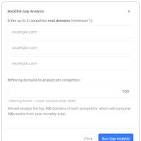
Define Your Competitors: Start by identifying who your main competitors are in the online space. Input their URLs into the backlink gap tool for analysis.

Analyse Results: Review the data provided by the tool to identify common backlinks among your competitors and pinpoint where your site is lacking in comparison.

Develop a Strategy: Use the insights gained from the analysis to create a targeted link building strategy. Reach out to relevant websites for guest posting opportunities, collaborations, or partnerships to acquire missing backlinks.

In Conclusion

A backlink gap tool is an invaluable resource for any website looking to strengthen its SEO performance through strategic link building. By leveraging this tool effectively, you can gain a competitive edge, improve your website’s authority, and boost its visibility in search engine results pages.

Take advantage of the insights provided by a backlink gap tool and watch as your website climbs higher in search rankings, driving more organic traffic and ultimately achieving greater online success.


Understanding Backlink Gaps: 21 Common Questions Answered

  1. What can you find with the help of backlink gap tool?
  2. What is link gap?
  3. How do I find my backlink gap?
  4. What is keyword gap?
  5. How to do keyword gap analysis?
  6. What is backlink gap tool?
  7. How to do a backlink gap analysis?
  8. What is the backlink gap tool in Semrush?
  9. What is the backlink gap?
  10. Which tool is best for backlinks?
  11. How do you steal backlinks from competitors?
  12. Is there any method to check backlinks?
  13. How to do backlink gap analysis?
  14. What is a backlink gap?
  15. What is backlink gap in Semrush?
  16. Which SEO tool is best for finding backlinks of website?
  17. How do I check my backlinks using console?
  18. What is a keyword gap analysis?
  19. What is keyword gap in Semrush?
  20. What is competitor backlink gap analysis?
  21. What is backlink tracking?

With the assistance of a backlink gap tool, you can uncover valuable insights into your website’s backlink profile in comparison to your competitors. This tool allows you to identify the specific websites that are linking to your competitors but not to your site, highlighting potential gaps in your link building strategy. By analysing this data, you can pinpoint opportunities to acquire high-quality backlinks from relevant sources, ultimately enhancing your website’s authority, credibility, and search engine ranking.

A common query often encountered regarding backlink analysis tools is, “What is a link gap?” In the context of SEO and digital marketing, a link gap refers to the disparity between the backlink profiles of different websites, particularly when comparing your site to that of your competitors. By using a backlink gap tool, you can identify the specific websites that are linking to your competitors but not to your own site. Understanding and addressing this link gap is crucial for developing an effective link building strategy aimed at acquiring those missing backlinks and improving your website’s authority and search engine ranking.

To find your backlink gap, you can utilise a backlink gap tool that compares your website’s backlink profile with that of your competitors. By entering your website and your competitors’ URLs into the tool, you can identify the backlinks that they have but you do not. This analysis helps you pinpoint the gaps in your backlink profile and highlights opportunities for acquiring new, high-quality backlinks from relevant sources. Understanding your backlink gap is crucial for enhancing your website’s authority, improving SEO performance, and gaining a competitive edge in search engine rankings.

What is keyword gap?

The concept of a keyword gap refers to the disparity between the keywords that your website is currently ranking for and those that your competitors are ranking for but you are not. Identifying and bridging this gap is crucial in enhancing your SEO strategy. By analysing the keywords that your competitors are successfully targeting, you can uncover valuable insights into potential areas for improvement on your own website. Closing the keyword gap can help you attract more relevant traffic, increase visibility in search engine results, and ultimately strengthen your online presence.

How to do keyword gap analysis?

Keyword gap analysis is a strategic process used to identify opportunities for improving a website’s search engine visibility by comparing the keywords that your website ranks for with those of your competitors. To conduct keyword gap analysis effectively, you can use various tools to gather data on the keywords your competitors are ranking for but you are not. By identifying these gaps, you can refine your SEO strategy, target relevant keywords, and create content that aligns with user search intent. This approach helps you stay competitive in the online landscape and drive more organic traffic to your website by targeting valuable keywords that are currently missing from your SEO efforts.

A backlink gap tool is a valuable software or online service that enables website owners and SEO professionals to analyse and compare the backlink profiles of multiple websites. By utilising this tool, users can identify the specific backlinks that their competitors possess but they do not. This information allows them to pinpoint areas where their own link building efforts may be lacking and develop a targeted strategy to acquire those missing backlinks. Ultimately, a backlink gap tool empowers users to enhance their website’s authority, improve search engine rankings, and drive more organic traffic by filling in the gaps in their backlink profile.

Performing a backlink gap analysis involves comparing the backlink profiles of your website and those of your competitors to identify missing opportunities for link building. To conduct a backlink gap analysis effectively, start by selecting your main competitors and using a backlink gap tool to generate a detailed report. Analyse the data to pinpoint the websites that are linking to your competitors but not to your site. From there, develop a targeted strategy to reach out to these websites for potential collaboration or guest posting opportunities to acquire the missing backlinks. By regularly conducting backlink gap analyses, you can enhance your website’s authority, improve its search engine rankings, and drive more organic traffic to your site.

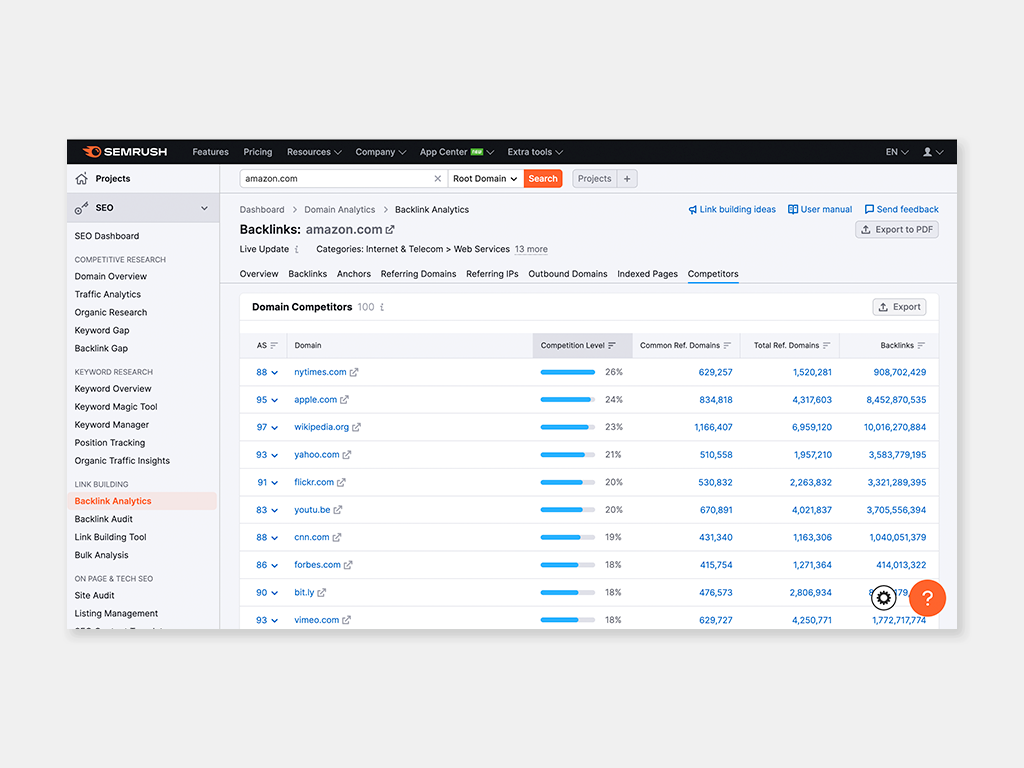
The backlink gap tool in Semrush is a powerful feature designed to help users identify and analyse the gaps in backlink profiles between their website and their competitors. By inputting the URLs of multiple websites into the tool, users can quickly compare their backlink profiles and uncover valuable insights. This tool enables users to see which websites are linking to their competitors but not to their own site, allowing them to develop a targeted link building strategy to acquire those missing backlinks. Overall, the backlink gap tool in Semrush is a valuable resource for improving SEO performance and gaining a competitive edge in the online space.

The backlink gap refers to the disparity between the backlink profiles of different websites, particularly when comparing your own website to that of your competitors. It highlights the specific websites that are linking to your competitors but not to your site. By identifying this gap, you can pinpoint opportunities to acquire valuable backlinks that can enhance your website’s authority and visibility in search engine results. Closing the backlink gap is essential for improving your SEO performance and staying competitive in the online landscape.

When it comes to selecting the best tool for managing backlinks, there isn’t a one-size-fits-all answer. Different tools offer varying features and functionalities that cater to different needs and preferences. Some popular options include Ahrefs, SEMrush, Moz, Majestic, and many more. It’s essential to consider factors such as the depth of backlink analysis, user interface, pricing, customer support, and overall reputation when choosing the right tool for your backlink strategy. Conducting thorough research and testing out different tools can help you determine which one aligns best with your specific requirements and goals in managing backlinks effectively.

One frequently asked question regarding backlink gap tools is, “How do you steal backlinks from competitors?” Utilising a backlink gap tool allows you to identify the specific websites that are linking to your competitors but not to your own site. By analysing this information, you can strategically reach out to these websites and offer compelling reasons for them to link to your content instead. This process involves building relationships, creating valuable content, and showcasing why your website is a worthy source of information. By understanding and leveraging the backlink profiles of your competitors, you can effectively “steal” backlinks by providing superior value and fostering connections within your industry.

Certainly! When it comes to checking backlinks, using a backlink gap tool is a highly effective method. These tools provide comprehensive insights into the backlink profiles of your website as well as your competitors’. By analysing this data, you can identify the backlinks pointing to your site and discover any gaps in comparison to your competitors. This information is crucial for developing a robust link-building strategy to improve your website’s authority and search engine ranking. Backlink gap tools streamline the process of monitoring and evaluating backlinks, making it easier for you to track your progress and make informed decisions to enhance your SEO efforts.

To conduct a backlink gap analysis, start by identifying your main competitors and input their website URLs into a backlink gap tool. The tool will then compare the backlink profiles of your competitors with your own website, highlighting the backlinks that your competitors have but you do not. Analyse the results to identify common backlinks among your competitors and pinpoint where your site is lacking in comparison. Use this valuable insight to develop a targeted link building strategy, focusing on acquiring relevant backlinks from websites that are linking to your competitors but not to your site. By filling these gaps in your backlink profile, you can strengthen your website’s authority and improve its search engine rankings.

A backlink gap refers to the disparity between the backlink profiles of different websites, particularly in comparison to competitors. It represents the links that your competitors have acquired from external sources but are missing from your own website’s backlink profile. Identifying and understanding these gaps is crucial in developing an effective SEO strategy as it allows website owners to pinpoint opportunities for acquiring valuable backlinks from relevant and authoritative sources. By closing these backlink gaps, websites can enhance their online visibility, improve search engine rankings, and strengthen their overall digital presence.

The concept of a backlink gap in Semrush refers to the analysis of backlink profiles between your website and that of your competitors. By using the backlink gap tool in Semrush, you can identify the specific backlinks that your competitors have but you do not. This information is crucial for understanding where you may be falling behind in terms of link building efforts and allows you to develop a targeted strategy to bridge those gaps by acquiring similar high-quality backlinks. By leveraging the insights provided by the backlink gap tool in Semrush, you can enhance your website’s authority, improve its search engine ranking, and ultimately drive more organic traffic to your site.

When it comes to finding backlinks of a website, one of the best SEO tools available is a backlink gap tool. This tool allows you to analyse and compare the backlink profiles of multiple websites, helping you identify the backlinks that your competitors have but you do not. By using a backlink gap tool, you can gain valuable insights into your competitors’ link building strategies and uncover new opportunities to acquire high-quality backlinks for your own website. This makes it an essential tool for enhancing your website’s authority, credibility, and search engine ranking.

To check your backlinks using the console, you can utilise the “link:” operator followed by your website’s URL in the search bar. For example, entering “link:www.yourwebsite.com” will display a list of backlinks pointing to your site that Google has indexed. Keep in mind that this method may not show all backlinks and is limited to what Google chooses to display. For a more comprehensive analysis of your backlink profile, consider using specialised backlink analysis tools or services that provide detailed insights into your website’s linking domains and anchor text distribution.

What is a keyword gap analysis?

A keyword gap analysis is a strategic process used in SEO to identify the keywords that your competitors are ranking for but your own website is not. By conducting a keyword gap analysis, you can uncover valuable insights into the search terms that are driving traffic to your competitors’ sites but may be missing from your own content strategy. This analysis helps you identify opportunities to target new keywords, improve your website’s visibility in search engine results, and ultimately attract more organic traffic. By bridging the keyword gaps between your site and your competitors’, you can enhance your SEO performance and stay ahead in the competitive online landscape.

What is keyword gap in Semrush?

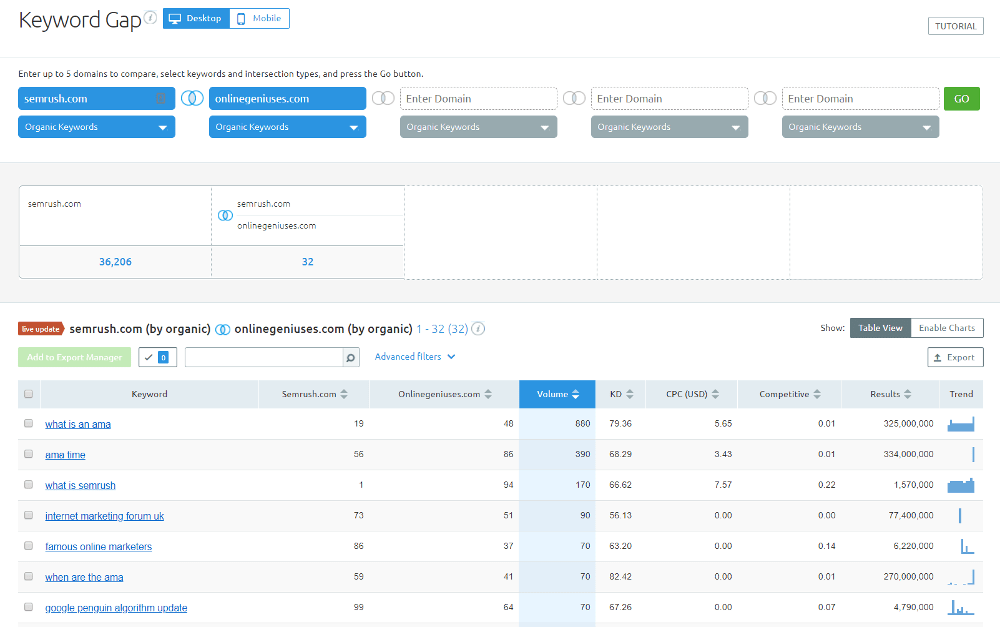
The keyword gap feature in Semrush is a powerful tool that allows users to compare the keyword strategies of multiple domains. By using this tool, you can identify the keywords that your competitors are ranking for but you are not. This valuable insight enables you to pinpoint opportunities to enhance your own keyword targeting and SEO efforts. By analysing the keyword gap, you can develop a more comprehensive strategy to improve your search engine visibility and drive organic traffic to your website.

Competitor backlink gap analysis is a strategic process used in SEO to identify and evaluate the backlinks that your competitors have but you do not. By conducting this analysis, you can gain valuable insights into your competitors’ link building strategies, understand their strengths and weaknesses in terms of backlink acquisition, and pinpoint opportunities to improve your own website’s backlink profile. This method helps you identify gaps in your backlink strategy, allowing you to focus on acquiring high-quality backlinks from websites that are already linking to your competitors. Ultimately, competitor backlink gap analysis empowers you to enhance your website’s authority, credibility, and search engine ranking by filling in those missing links.

Backlink tracking is the process of monitoring and analysing the backlinks that point to your website from external sources. It involves keeping track of the websites linking to your site, evaluating the quality and relevance of those backlinks, and understanding how they impact your website’s search engine ranking. By actively tracking your backlinks, you can identify new link opportunities, assess the effectiveness of your link building efforts, and make informed decisions to improve your website’s SEO performance. Backlink tracking is a crucial aspect of any comprehensive SEO strategy as it provides valuable insights into your website’s online presence and helps you stay ahead in the competitive digital landscape.

Exploring SEMrush Backlink Checker

Exploring SEMrush Backlink Checker

SEMrush is a well-known name in the world of digital marketing, offering a wide range of tools to help businesses improve their online presence. One of the key features that SEMrush provides is its Backlink Checker tool.

What is SEMrush Backlink Checker?

The SEMrush Backlink Checker is a powerful tool that allows website owners and SEO professionals to analyse the backlinks pointing to any domain. Backlinks are crucial for search engine optimisation (SEO) as they indicate the authority and credibility of a website. By using the Backlink Checker, users can gain valuable insights into their backlink profile and make informed decisions to improve their SEO strategy.

Key Features of SEMrush Backlink Checker:

  • Comprehensive Backlink Analysis: The tool provides detailed information about the backlinks, including the number of referring domains, anchor text distribution, and more.
  • Competitor Analysis: Users can compare their backlink profile with that of their competitors to identify opportunities for improvement.
  • Toxic Link Detection: SEMrush’s Backlink Checker helps users identify potentially harmful backlinks that may be affecting their website’s SEO performance.
  • Disavow Tool Integration: Users can easily export toxic links and submit them to Google’s Disavow Tool directly from SEMrush.
  • Historical Data: The tool allows users to track changes in their backlink profile over time, helping them monitor progress and identify trends.

How to Use SEMrush Backlink Checker:

Using the SEMrush Backlink Checker is straightforward. Simply enter the domain you want to analyse, and the tool will provide you with a comprehensive overview of its backlink profile. You can then explore various metrics and reports to gain actionable insights for your SEO strategy.

In conclusion, the SEMrush Backlink Checker is an invaluable tool for anyone looking to enhance their website’s SEO performance. By leveraging its features, users can identify opportunities for growth, mitigate risks posed by toxic links, and ultimately improve their search engine rankings.


7 Essential Tips for Maximising the SEMrush Backlink Checker

  1. Regularly monitor your backlink profile to identify new backlinks and track changes over time.
  2. Analyse the quality of your backlinks by looking at metrics such as domain authority and anchor text.
  3. Disavow toxic backlinks to avoid potential penalties from search engines.
  4. Compare your backlink profile with competitors to identify opportunities for improvement.
  5. Use the historical data feature to track the growth of your backlink profile and analyse trends.
  6. Set up alerts to be notified of any new backlinks or changes in your backlink profile.
  7. Utilise the filtering options to focus on specific types of backlinks, such as dofollow links or links from high-authority domains.

Regularly monitoring your backlink profile using SEMrush Backlink Checker is a crucial practice in maintaining a strong SEO strategy. By keeping a close eye on your backlinks, you can stay informed about new incoming links and track any changes over time. This proactive approach allows you to assess the quality of your backlink profile, identify potential opportunities for growth, and address any issues promptly to ensure that your website maintains its authority and relevance in search engine rankings.

To maximise the effectiveness of your SEO strategy using SEMrush Backlink Checker, it is essential to assess the quality of your backlinks by examining key metrics such as domain authority and anchor text. By analysing these metrics, you can gain insights into the credibility and relevance of the websites linking to your domain. A higher domain authority indicates a more trustworthy source, while examining anchor text helps you understand how others are linking to your site. This information allows you to focus on building high-quality backlinks that positively impact your website’s search engine rankings and overall online visibility.

To maintain a healthy backlink profile and safeguard your website’s SEO performance, it is crucial to utilise SEMrush Backlink Checker’s feature that allows you to disavow toxic backlinks. By identifying and disavowing harmful links, you can mitigate the risk of potential penalties from search engines. This proactive approach not only helps in improving your website’s credibility and authority but also ensures compliance with search engine guidelines, ultimately enhancing your overall SEO strategy.

By utilising the SEMrush Backlink Checker, users can leverage a valuable tip: comparing their backlink profile with that of their competitors. This strategic approach allows website owners and SEO professionals to gain insights into areas where they can enhance their link building strategies. By identifying the strengths and weaknesses of competitor backlink profiles, users can pinpoint opportunities for improvement within their own backlink strategy. This proactive analysis enables users to adapt and refine their SEO efforts, ultimately aiming for a more robust and competitive online presence.

By utilising the historical data feature in SEMrush Backlink Checker, you can effectively monitor the evolution of your backlink profile over time and identify emerging trends. Tracking the growth of your backlinks provides valuable insights into the effectiveness of your SEO efforts and helps you understand how your link-building strategies impact your website’s authority. By analysing historical data, you can make informed decisions to optimise your backlink strategy and enhance your website’s visibility in search engine results.

Setting up alerts on the SEMrush Backlink Checker is a valuable tip to stay proactive in monitoring your website’s backlink profile. By configuring alerts, you can receive notifications of any new backlinks acquired or changes detected in your existing backlinks. This feature enables you to promptly assess the impact of these developments on your SEO strategy and take necessary actions to capitalise on positive changes or address any issues that may arise. Stay ahead of the curve by utilising alerts to keep track of your backlink profile effectively and maintain a strong online presence.

When using the SEMrush Backlink Checker, a valuable tip is to make full use of the filtering options available. By utilising these filters, you can narrow down your analysis to focus on specific types of backlinks that are most relevant to your SEO strategy. For instance, you can choose to view only dofollow links or target links from high-authority domains. This targeted approach allows you to pinpoint the most valuable backlinks in your profile, enabling you to prioritise efforts towards building a strong and authoritative link portfolio that can significantly boost your website’s search engine rankings.

The Importance of Conducting a Backlink Audit with SEMrush

Backlinks play a crucial role in determining the authority and visibility of a website on search engines. While having a strong backlink profile can boost your SEO efforts, it is equally important to regularly audit your backlinks to ensure they are high-quality and relevant. One powerful tool that can assist you in this process is SEMrush.

What is a Backlink Audit?

A backlink audit involves reviewing all the incoming links to your website to assess their quality and relevance. This process helps you identify any toxic or spammy links that could harm your site’s SEO performance. By conducting a thorough backlink audit, you can pinpoint areas for improvement and take necessary actions to enhance your link profile.

Why Use SEMrush for Backlink Audits?

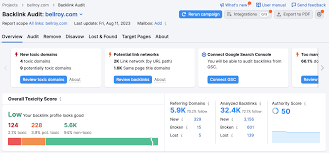
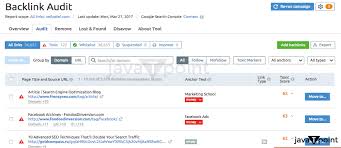
SEMrush is a comprehensive SEO tool that offers a dedicated Backlink Audit feature. With SEMrush, you can easily analyse your backlink profile, identify toxic links, and monitor the health of your link building efforts. The platform provides detailed insights into each backlink, including metrics such as domain authority, anchor text distribution, and referring domains.

The Benefits of Using SEMrush for Backlink Audits

  • Identify Toxic Links: SEMrush’s Backlink Audit tool helps you identify toxic or harmful links that could be impacting your site’s SEO performance.
  • Monitor Link Quality: With regular audits using SEMrush, you can monitor the quality of your backlinks over time and track improvements in your link profile.
  • Competitor Analysis: SEMrush allows you to compare your backlink profile with that of your competitors, giving you valuable insights into their linking strategies.
  • Actionable Recommendations: Based on the audit results, SEMrush provides actionable recommendations on how to improve your backlink profile and enhance your SEO efforts.

In Conclusion

A backlink audit with SEMrush is an essential part of maintaining a healthy and effective link profile for your website. By leveraging the powerful features of SEMrush’s Backlink Audit tool, you can gain valuable insights into your link building strategy, identify areas for improvement, and ultimately boost your site’s visibility on search engines.

Take control of your backlink profile today with SEMrush and ensure that your website remains competitive in the ever-evolving landscape of SEO.


Frequently Asked Questions About Conducting a Backlink Audit Using SEMrush

  1. How do I check my backlinks on SEMrush?
  2. How do you do a Semrush backlink in auditing?
  3. How long does SEMrush backlink audit take?
  4. How do you audit backlinks?
  5. Why do we audit backlinks?
  6. What is backlink in auditing?
  7. How do I remove a backlink audit from SEMrush?
  8. How long does a backlink audit take?
  9. How do you do a backlink audit in SEMrush?
  10. How do I check my SEMrush backlinks?
  11. What is back link audit?
  12. How do you audit a backlink?
  13. How do I find my Semrush toxic score?
  14. What is backlink audit in SEO?
  15. What does a backlink audit do?
  16. How often should you perform a link audit?
  17. How do I check if my backlinks are bad on SEMrush?
  18. How do you do a backlink analysis in Semrush?

To check your backlinks on SEMrush, simply log in to your SEMrush account and navigate to the Backlink Audit tool. Within the tool, you can enter your domain name or specific URL to initiate the backlink analysis process. SEMrush will then provide you with a comprehensive overview of your backlink profile, including metrics such as referring domains, anchor text distribution, and the authority of linking websites. You can further explore individual backlinks for detailed insights and take necessary actions to improve the quality and relevance of your link profile. Conducting regular backlink audits with SEMrush is crucial in ensuring the health and effectiveness of your website’s SEO strategy.

When conducting a backlink audit with SEMrush, the process typically involves accessing the Backlink Audit tool within the SEMrush platform. To begin, you would enter your domain or specific URL that you want to analyse for backlinks. SEMrush then scans and compiles a comprehensive report of your backlink profile, highlighting key metrics such as referring domains, anchor text distribution, and the authority of linking websites. The tool also identifies potentially toxic or low-quality links that may be harming your SEO performance. By utilising SEMrush for backlink auditing, you can gain valuable insights into the health of your link profile and take necessary actions to improve its quality and relevance.

When it comes to the duration of a SEMrush backlink audit, the time taken can vary depending on the size and complexity of your website’s backlink profile. Generally, SEMrush’s backlink audit feature works efficiently to analyse and provide insights into your backlinks in a timely manner. Smaller websites with simpler link profiles may see results within a shorter timeframe, while larger websites with extensive backlink networks may require more time for a comprehensive audit. It is recommended to allow sufficient time for SEMrush to thoroughly scan and evaluate your backlinks to ensure accurate results that can help you make informed decisions about your link building strategy.

Auditing backlinks is a critical process in maintaining a healthy and effective link profile for your website. With SEMrush’s Backlink Audit tool, you can easily conduct a comprehensive analysis of your backlink profile. To audit backlinks effectively, start by importing your website’s backlink data into SEMrush. The tool will then evaluate each link based on various metrics such as domain authority, anchor text distribution, and referring domains. Identify toxic or spammy links that could harm your site’s SEO performance and take necessary actions to disavow or remove them. Regularly monitoring and auditing your backlinks with SEMrush ensures that your link profile remains strong and contributes positively to your overall SEO efforts.

Auditing backlinks is a critical practice in maintaining a healthy and effective SEO strategy. By conducting regular backlink audits, we can assess the quality and relevance of the incoming links to our website. This process helps us identify any toxic or spammy links that could potentially harm our site’s search engine rankings. By ensuring that our backlink profile is clean and authoritative, we improve our website’s credibility and visibility online. Additionally, auditing backlinks allows us to monitor the effectiveness of our link building efforts, identify areas for improvement, and stay ahead of potential algorithm updates that could impact our SEO performance.

In the context of auditing, a backlink refers to a hyperlink that directs users from one website to another. When conducting a backlink audit using SEMrush or similar tools, the focus is on analysing the quality and relevance of these incoming links to a website. By examining the backlink profile, auditors can assess the authority and credibility of the linking domains, identify any potentially harmful or low-quality links that may negatively impact SEO performance, and make informed decisions on improving the overall health of the website’s link profile. Conducting regular backlink audits is crucial for maintaining a strong online presence and ensuring that websites adhere to best practices in search engine optimisation.

When it comes to removing a backlink audit from SEMrush, the process is straightforward and can be done with ease. To remove a backlink audit, simply access your SEMrush account and navigate to the Backlink Audit tool. From there, locate the specific backlink or domain you wish to remove from the audit report. SEMrush provides options to disavow or ignore certain backlinks, allowing you to exclude them from future analyses. By utilising these features effectively, you can ensure that your backlink audit accurately reflects your desired link profile and helps you make informed decisions for your SEO strategy.

The duration of a backlink audit using SEMrush can vary depending on the size of your website and the complexity of your backlink profile. Typically, conducting a thorough backlink audit with SEMrush can take anywhere from a few hours to several days. Factors such as the number of backlinks to be analysed, the level of detail required in the audit, and any specific issues that need to be addressed can all impact the time needed to complete the process. It is important to allocate sufficient time for a comprehensive backlink audit to ensure that all aspects of your link profile are thoroughly reviewed and any potential issues are addressed effectively.

To conduct a backlink audit in SEMrush, start by logging into your SEMrush account and navigating to the Backlink Audit tool. Enter the domain you want to audit and let SEMrush analyse your backlink profile. The tool will provide you with a comprehensive overview of your backlinks, including metrics such as domain authority, anchor text distribution, and referring domains. Identify any toxic or low-quality links that could be harming your site’s SEO performance and take necessary actions to disavow or remove them. SEMrush also offers actionable recommendations on how to improve your backlink profile and enhance your overall SEO strategy based on the audit results. Regularly monitoring and auditing your backlinks with SEMrush is essential for maintaining a healthy link profile and boosting your website’s visibility on search engines.

To check your SEMrush backlinks, simply navigate to the Backlink Audit tool within the SEMrush platform. Once you access the tool, you can enter your domain or specific URL to initiate the backlink analysis process. SEMrush will then generate a comprehensive report detailing all the backlinks pointing to your website, along with important metrics such as domain authority, anchor text distribution, and referring domains. You can use this information to evaluate the quality of your backlink profile, identify any toxic links that may be harming your SEO efforts, and make informed decisions to improve your link building strategy. Regularly checking your SEMrush backlinks is essential for maintaining a healthy and effective link profile that contributes to your website’s search engine visibility and authority.

A backlink audit is a comprehensive review of all the incoming links pointing to a website. It involves assessing the quality, relevance, and authority of these backlinks to determine their impact on the site’s SEO performance. By conducting a backlink audit with SEMrush, website owners can identify and address any toxic or spammy links that may be harming their search engine rankings. This process allows for a thorough analysis of the link profile, helping to improve overall SEO health and ensure that the website maintains a strong online presence.

Auditing backlinks is a crucial step in maintaining a healthy and effective link profile for your website. When conducting a backlink audit with SEMrush, start by accessing the Backlink Audit tool within the platform. This tool will provide you with a comprehensive overview of your backlink profile, including key metrics such as domain authority, anchor text distribution, and referring domains. Analyse each backlink individually to assess its quality and relevance to your site. Look out for any toxic or spammy links that could potentially harm your SEO efforts. By identifying and addressing problematic links, you can improve the overall health of your link profile and enhance your website’s visibility on search engines.

How do I find my Semrush toxic score?

When it comes to determining your Semrush toxic score, the process is straightforward with the Backlink Audit feature. By using Semrush’s Backlink Audit tool, you can easily access a detailed analysis of your backlink profile, including the identification of toxic links. The tool assigns a toxic score to each backlink based on various factors such as domain authority and spam signals. By reviewing the toxic score associated with your backlinks, you can prioritise the removal or disavowal of harmful links to improve your site’s overall SEO health and performance.

A backlink audit in SEO refers to the process of evaluating and analysing the incoming links pointing to a website to assess their quality, relevance, and impact on search engine rankings. By conducting a backlink audit, website owners can identify toxic or spammy links that may be harming their SEO performance and take corrective actions to improve their link profile. The goal of a backlink audit is to ensure that a website’s backlinks are from reputable sources, relevant to the site’s content, and contribute positively to its search engine visibility. Tools like SEMrush offer features specifically designed for conducting thorough backlink audits, providing valuable insights and recommendations for enhancing a website’s link building strategy.

A backlink audit serves the crucial purpose of evaluating and scrutinising the quality and relevance of the inbound links pointing to a website. By conducting a backlink audit with SEMrush, website owners can gain valuable insights into the health of their link profile. This process involves identifying toxic or spammy links that could potentially harm the site’s SEO performance, as well as assessing the overall strength and authority of the backlink profile. Through a comprehensive analysis provided by SEMrush’s Backlink Audit tool, users can make informed decisions on improving their link building strategy, enhancing their site’s credibility, and ultimately boosting their search engine visibility.

Performing a link audit is a critical aspect of maintaining a healthy and effective backlink profile for your website. The frequency at which you should conduct a link audit depends on various factors, including the size of your website, the pace of your link building activities, and the competitiveness of your industry. As a general guideline, it is recommended to perform a comprehensive link audit at least once every six months to ensure that your backlink profile remains clean and free from toxic or low-quality links. However, if you are actively engaged in aggressive link building campaigns or notice sudden drops in search engine rankings, more frequent audits may be necessary to promptly address any issues and safeguard your site’s SEO performance. Regular monitoring and maintenance of your backlink profile with tools like SEMrush can help you stay ahead of potential problems and maintain a strong online presence.

To check if your backlinks are bad on SEMrush, you can utilise the Backlink Audit feature to conduct a comprehensive analysis of your link profile. Start by accessing the Backlink Audit tool within SEMrush and inputting your domain or specific URL for evaluation. SEMrush will then generate a detailed report highlighting any toxic or harmful backlinks that may be negatively impacting your site’s SEO performance. By reviewing the audit results, you can identify and address any problematic links, ensuring that your backlink profile remains healthy and contributes positively to your website’s search engine visibility.

To conduct a backlink analysis in SEMrush, start by logging into your SEMrush account and navigating to the Backlink Audit tool. Enter your domain or the specific URL you want to analyse. SEMrush will then generate a comprehensive report detailing all the backlinks pointing to your site, including key metrics such as domain authority, anchor text distribution, and referring domains. You can further filter the results to focus on toxic links or specific types of backlinks. By utilising SEMrush’s intuitive interface and detailed insights, you can effectively evaluate the quality of your backlink profile and make informed decisions to improve your site’s SEO performance.

Understanding SEMrush Backlink Audit

Understanding SEMrush Backlink Audit

SEMrush is a powerful tool that offers a wide range of features to help website owners improve their online presence. One essential feature provided by SEMrush is the Backlink Audit tool. In this article, we will delve into what the SEMrush Backlink Audit tool is and how it can benefit your website.

What is SEMrush Backlink Audit?

The SEMrush Backlink Audit tool is designed to analyse the backlink profile of a website and identify potentially harmful backlinks that could negatively impact its search engine rankings. It helps website owners to monitor and manage their backlinks effectively, ensuring that only high-quality and relevant links are pointing to their site.

Key Features of SEMrush Backlink Audit

The key features of the SEMrush Backlink Audit tool include:

  • Backlink Analysis: The tool provides a comprehensive analysis of your website’s backlink profile, highlighting both good and bad links.
  • Toxic Link Detection: It identifies toxic or spammy backlinks that could harm your site’s SEO performance.
  • Disavow Tool Integration: SEMrush allows you to easily export a list of toxic links for disavowal in Google Search Console.
  • Competitor Analysis: You can compare your backlink profile with that of your competitors to gain insights and competitive advantage.

Benefits of Using SEMrush Backlink Audit

The benefits of using the SEMrush Backlink Audit tool include:

  • Improved SEO Performance: By identifying and removing harmful backlinks, you can enhance your site’s SEO performance and rankings.
  • Better Link Building Strategy: The tool helps you focus on building quality links that positively impact your site’s authority and credibility.
  • Risk Mitigation: By proactively monitoring your backlinks, you reduce the risk of being penalised by search engines for having low-quality links.

In Conclusion

The SEMrush Backlink Audit tool is an invaluable asset for any website owner looking to maintain a healthy backlink profile and improve their SEO performance. By leveraging this tool, you can ensure that your website remains competitive in search engine results and attracts valuable organic traffic.


Top 5 Tips for Enhancing Your SEO with SEMrush Backlink Audit

  1. Regularly monitor your backlink profile using SEMrush Backlink Audit to identify and disavow toxic links.
  2. Focus on acquiring high-quality backlinks from authoritative websites to improve your website’s SEO performance.
  3. Utilize the anchor text analysis feature in SEMrush Backlink Audit to optimize your link building strategy.
  4. Take advantage of the historical data provided by SEMrush Backlink Audit to track changes in your backlink profile over time.
  5. Collaborate with other website owners to gain relevant and natural backlinks that can positively impact your site’s ranking.

Regularly monitoring your website’s backlink profile using the SEMrush Backlink Audit tool is crucial for maintaining a healthy SEO strategy. By consistently analysing your backlinks, you can promptly identify any toxic or spammy links that may harm your site’s search engine rankings. Utilising the disavow feature within SEMrush allows you to take proactive steps in removing these harmful links, thus safeguarding your website’s credibility and ensuring that only high-quality backlinks contribute positively to your online presence.

To enhance your website’s SEO performance using SEMrush Backlink Audit, it is crucial to concentrate on acquiring high-quality backlinks from authoritative websites. By prioritising links from reputable sources, you not only boost your site’s credibility and authority in the eyes of search engines but also increase the likelihood of ranking higher in search results. SEMrush Backlink Audit can assist you in identifying and targeting these valuable backlinks, ultimately leading to improved organic traffic and better overall SEO outcomes for your website.

By utilising the anchor text analysis feature in SEMrush Backlink Audit, website owners can gain valuable insights to optimise their link building strategy. This feature allows users to analyse the anchor text used in their backlinks, helping them understand how their site is being linked to and identify opportunities for improving keyword relevance and diversity. By leveraging this information, website owners can tailor their anchor text strategy to enhance the authority and relevance of their site, ultimately boosting their SEO performance and driving organic traffic.

By utilising the historical data offered by SEMrush Backlink Audit, you can effectively monitor and track alterations in your backlink profile across different time periods. This feature allows you to observe trends, identify patterns, and assess the impact of your link-building efforts over time. By analysing historical data, you can make informed decisions to enhance the quality and relevance of your backlinks, ultimately improving your website’s SEO performance and online visibility.

Collaborating with other website owners to acquire relevant and natural backlinks is a strategic tip that can significantly enhance your site’s ranking through SEMrush Backlink Audit. By establishing partnerships with reputable websites in your industry, you can not only expand your online presence but also build a network of high-quality backlinks that signal credibility to search engines. This approach fosters organic link building, which is favoured by search algorithms and can contribute to improved SEO performance over time. Leveraging SEMrush Backlink Audit to monitor the quality of these collaborative links ensures that your backlink profile remains strong and positively influences your site’s visibility in search results.

The Importance of Addressing Backlink Gaps in Your SEO Strategy

Backlinks play a crucial role in determining the authority and visibility of a website in search engine results. They are essentially links from external websites that point to your site, signalling to search engines that your content is valuable and trustworthy. However, simply having backlinks is not enough; you also need to pay attention to the concept of backlink gaps.

A backlink gap refers to the disparity between your website’s backlink profile and those of your competitors. Identifying and addressing these gaps can significantly impact your SEO strategy and improve your website’s ranking performance. Here are some reasons why backlink gaps matter:

Competitive Advantage

By analysing the backlink profiles of your competitors, you can identify opportunities to acquire high-quality backlinks from authoritative sources in your industry. Targeting these gaps allows you to level the playing field and potentially surpass your competitors in search engine rankings.

Enhanced Authority

Backlinks from reputable websites serve as endorsements for your content, signalling to search engines that your site is a reliable source of information. Filling backlink gaps with links from trusted sources can boost your website’s authority and credibility, leading to higher organic traffic and better visibility.

Improved Relevance

Backlink analysis can reveal gaps in terms of relevant anchor text or keywords used in linking to your site. By addressing these gaps and diversifying your anchor text strategy, you can enhance the relevance of your backlink profile and improve the context in which search engines perceive your content.

Targeted Outreach

Identifying backlink opportunities through competitor analysis enables you to conduct targeted outreach campaigns to secure valuable links for your website. Building relationships with influential websites within your niche can result in long-term benefits for your SEO efforts and overall online visibility.

Ongoing Monitoring

Addressing backlink gaps is an ongoing process that requires regular monitoring and adjustment. By continuously analysing your backlink profile and comparing it with those of competitors, you can stay ahead of the curve and adapt your link-building strategy to evolving trends in SEO.

In conclusion, understanding and addressing backlink gaps is essential for maximising the impact of your SEO efforts and improving the overall performance of your website in search engine results pages. By leveraging competitive insights and strategic link-building tactics, you can strengthen your website’s authority, relevance, and competitiveness in the online landscape.


Understanding Backlink Gaps: 22 Key Questions Answered for Effective SEO Strategy in 2022

  1. What is a keyword gap analysis?
  2. Do backlinks still work 2022?
  3. Does backlinks still work in 2021?
  4. How many backlinks are too many?
  5. Are backlinks worth in 2022?
  6. How to do a link gap analysis?
  7. What is a link gap?
  8. What is back linking strategy?
  9. What are the 2 quality factors for backlinks?
  10. How do I use backlink gap in Semrush?
  11. What is backlink and PR analysis?
  12. Which backlinks should be avoided?
  13. What is keyword gap?
  14. What is the difference between link and backlink?
  15. How many backlinks are enough?
  16. What is a backlink example?
  17. Are backlinks still important 2022?
  18. How do you backlink gap analysis?
  19. What is backlink gap?
  20. What is link gap in SEO?
  21. What is link gap?
  22. Are backlinks important 2022?

What is a keyword gap analysis?

A keyword gap analysis is a strategic process used in SEO to identify opportunities for improving a website’s search engine visibility by comparing the keywords targeted by your site with those targeted by your competitors. By conducting a keyword gap analysis, you can uncover valuable insights into the keywords that your competitors are ranking for but you are not, allowing you to fill these gaps and enhance your content strategy. This analysis helps you understand where your website may be missing out on valuable organic traffic and provides actionable data to refine your keyword targeting and improve your overall SEO performance.

In 2022, backlinks continue to play a crucial role in determining the search engine ranking and visibility of websites. While search engine algorithms have evolved to consider various factors in assessing website authority, backlinks remain a fundamental signal of a site’s credibility and relevance. Quality backlinks from reputable sources can still significantly impact a website’s SEO performance by enhancing its authority, driving organic traffic, and improving overall visibility in search results. Therefore, incorporating a strategic backlink building strategy remains essential for maintaining and improving search engine rankings in 2022.

In 2021, backlinks continue to play a crucial role in determining a website’s authority and visibility in search engine rankings. While search engine algorithms have evolved over the years, backlinks remain a fundamental factor in SEO success. Quality backlinks from reputable websites signal to search engines that a site is trustworthy and valuable, contributing to improved organic traffic and higher search result rankings. Therefore, incorporating an effective backlink strategy remains essential for enhancing online presence and maintaining competitiveness in the digital landscape of 2021.

The question of how many backlinks are too many is a common concern among website owners and SEO practitioners. While there is no definitive answer to this question, it is important to focus on the quality rather than the quantity of backlinks. Having a large number of low-quality or spammy backlinks can actually harm your website’s SEO performance and reputation. It is advisable to prioritise acquiring backlinks from authoritative and relevant sources, as these will have a more positive impact on your site’s ranking and credibility. Regularly monitoring your backlink profile and ensuring a healthy balance between quality and quantity is key to maintaining a strong SEO strategy.

In 2022, backlinks continue to hold significant value in the realm of SEO and digital marketing. While search engine algorithms and ranking factors may evolve, the importance of backlinks remains consistent in establishing a website’s authority, credibility, and visibility online. Backlinks serve as endorsements from external sources, indicating to search engines the relevance and trustworthiness of your content. By acquiring high-quality backlinks from reputable websites, you can enhance your site’s ranking potential and attract organic traffic. Therefore, investing in a strategic backlink building strategy remains a key component of a successful SEO approach in 2022.

To conduct a link gap analysis, start by identifying your main competitors in the online space. Utilise SEO tools to compare your backlink profile with theirs, focusing on key metrics such as domain authority, referring domains, and anchor text diversity. Analyse the gaps in backlink quantity and quality between your site and competitors to pinpoint opportunities for improvement. Develop a strategic plan to acquire high-quality backlinks from authoritative websites within your industry to bridge these gaps effectively. Regularly monitor and reassess your link-building efforts to stay competitive and enhance your website’s visibility in search engine results.

A link gap, also known as a backlink gap, refers to the difference between the backlink profiles of your website and those of your competitors. It involves analysing the quantity, quality, and relevance of backlinks pointing to your site compared to those of competing websites. By identifying these gaps, website owners can strategically address areas where their link profile may be lacking in order to improve their SEO performance and enhance their website’s authority and visibility in search engine results. Understanding and bridging link gaps is a crucial aspect of effective link-building strategies for boosting organic traffic and increasing online competitiveness.

What is back linking strategy?

A backlinking strategy refers to the deliberate plan and approach taken by website owners or SEO professionals to acquire high-quality backlinks from external sources. This strategic process involves identifying relevant websites, creating compelling content that attracts links, and actively reaching out to potential linking partners. The goal of a backlinking strategy is to enhance a website’s authority, credibility, and visibility in search engine results by building a strong network of inbound links from reputable sources. By implementing an effective backlinking strategy, website owners can improve their site’s organic ranking, drive more traffic, and establish their online presence as a trusted resource within their industry.

When considering the quality of backlinks, two key factors play a significant role in determining their effectiveness: authority and relevance. Authority refers to the credibility and trustworthiness of the website linking to yours. Backlinks from high-authority sites are more valuable in boosting your own site’s credibility in the eyes of search engines. Relevance, on the other hand, pertains to how closely related the content of the linking site is to yours. Backlinks from websites that share similar topics or themes with your own content are considered more relevant and can have a stronger impact on improving your search engine rankings. By focusing on acquiring backlinks that exhibit both authority and relevance, you can enhance the overall quality of your link profile and drive better organic traffic to your website.

To utilise the backlink gap feature in Semrush, start by entering your domain and those of your competitors into the tool. Semrush will then analyse the backlink profiles of these domains to identify gaps where your competitors have acquired backlinks that you have not. By leveraging this insight, you can pinpoint opportunities to acquire valuable backlinks from authoritative sources within your industry. This strategic approach allows you to strengthen your website’s backlink profile, enhance its authority, and ultimately improve its search engine ranking performance.

Backlink and PR analysis involves evaluating the quality and quantity of backlinks pointing to a website, as well as assessing the overall public relations (PR) impact of these links. Backlinks are links from external websites that direct traffic to your site, while PR refers to the reputation and visibility of a website in the online sphere. By conducting backlink and PR analysis, businesses can gain insights into their link profile’s strength, identify opportunities for improvement, and measure the effectiveness of their link-building efforts in enhancing their online presence and authority. This analysis helps in understanding how backlinks influence search engine rankings and how PR strategies contribute to brand recognition and credibility within the digital landscape.

When considering backlinks, it is crucial to avoid links from low-quality or spammy websites. Backlinks from such sources can harm your website’s reputation and credibility in the eyes of search engines. It is best to steer clear of link schemes, link farms, and irrelevant directories that offer little to no value to users. Additionally, links from websites with a history of penalisation or suspicious activities should be avoided to maintain a healthy backlink profile and uphold your website’s SEO integrity. Prioritising quality over quantity when acquiring backlinks is key to building a strong and trustworthy online presence.

What is keyword gap?

Keyword gap refers to the difference in keyword rankings between your website and those of your competitors. It involves identifying keywords that your competitors are ranking for, but your website is not, highlighting potential opportunities for enhancing your SEO strategy. By analysing keyword gaps, you can uncover valuable insights into areas where you may be missing out on relevant organic traffic and adjust your content and optimisation efforts accordingly. Addressing keyword gaps allows you to align your keyword targeting with competitor performance, ultimately improving your search engine visibility and driving more targeted traffic to your website.

A common query often encountered in discussions about SEO is the distinction between a “link” and a “backlink.” In simple terms, a link refers to any hyperlink that connects one webpage to another, regardless of the direction of the connection. On the other hand, a backlink specifically denotes a link from an external website pointing back to your own site. Backlinks are crucial in SEO as they serve as endorsements of your content’s credibility and relevance, influencing search engine rankings and online visibility. Understanding this disparity is fundamental in implementing an effective link-building strategy to enhance your website’s authority and organic traffic.

Determining the ideal number of backlinks for a website is a common query among SEO practitioners. While there is no definitive answer to how many backlinks are “enough,” quality often outweighs quantity in the realm of backlink building. It is crucial to focus on acquiring backlinks from reputable and relevant sources rather than fixating on a specific numerical target. The goal should be to cultivate a diverse and natural backlink profile that reflects the authority and trustworthiness of your website in the eyes of search engines. Continuous monitoring, analysis, and refinement of your backlink strategy based on performance metrics and industry benchmarks are key to achieving optimal results in enhancing your site’s SEO performance.

A backlink example is a hyperlink from one website to another. For instance, if Website A includes a link on one of its pages that directs users to Website B, that link is considered a backlink for Website B. Backlinks are crucial in SEO as they serve as signals to search engines about the credibility and relevance of a website’s content. By analysing backlink examples, website owners can understand how external sites refer to their content and identify opportunities to improve their backlink profiles for better search engine visibility and ranking performance.

In 2022, backlinks remain a crucial factor in determining the online visibility and authority of a website. While search engine algorithms continue to evolve, backlinks continue to play a significant role in SEO rankings. High-quality backlinks from reputable websites not only signal credibility and trustworthiness to search engines but also drive organic traffic to your site. In an increasingly competitive digital landscape, building a strong backlink profile through relevant and authoritative sources is essential for improving your website’s ranking performance and maintaining a competitive edge in search engine results.

Backlink gap analysis involves comparing the backlink profiles of your website and those of your competitors to identify opportunities for acquiring high-quality backlinks and improving your SEO strategy. To conduct a backlink gap analysis, you can use various tools and techniques to gather data on the backlinks pointing to your site and those of your competitors. By examining the differences in backlink quantity, quality, and relevance between your site and competitors, you can pinpoint areas where you may be falling behind and develop a targeted approach to fill these gaps. This process helps you understand where your link-building efforts should be focused to enhance your website’s authority, visibility, and ranking performance in search engine results.

A backlink gap refers to the variance between the backlink profiles of different websites, particularly when comparing your site with that of your competitors. It involves identifying the specific backlinks that your competitors have but you do not, highlighting potential opportunities for acquiring valuable links from authoritative sources within your industry. By closing these backlink gaps through targeted link-building strategies, website owners can improve their site’s authority, relevance, and visibility in search engine results pages. Understanding and addressing backlink gaps is a fundamental aspect of SEO that can significantly impact a website’s ranking performance and online presence.

In the realm of SEO, a link gap refers to the disparity between the backlink profiles of your website and those of your competitors. It signifies the difference in quality, quantity, and relevance of backlinks pointing to your site compared to others in your industry. Identifying and addressing these link gaps is crucial for enhancing your website’s authority, visibility, and competitiveness in search engine rankings. By strategically analysing and bridging these discrepancies through targeted link-building efforts, you can strengthen your SEO strategy and improve your website’s overall performance in organic search results.

A link gap, also known as a backlink gap, refers to the difference or disparity between the backlink profiles of your website and those of your competitors. It is a term used in SEO to highlight the opportunities for acquiring high-quality backlinks from authoritative sources that your competitors may have already secured. By identifying and addressing these link gaps through strategic link-building efforts, you can improve your website’s authority, relevance, and visibility in search engine results pages. Understanding and bridging link gaps is crucial for enhancing your website’s competitive edge and overall SEO performance.

In 2022, backlinks continue to play a vital role in determining the success of a website’s SEO strategy. Backlinks serve as endorsements from other websites, signalling to search engines like Google that your content is valuable and trustworthy. In an increasingly competitive online landscape, having a strong backlink profile can significantly impact your website’s visibility and authority. By acquiring high-quality backlinks from relevant and authoritative sources, you can improve your search engine rankings, drive organic traffic, and establish credibility within your industry. Therefore, prioritising backlinks remains crucial for maintaining a successful online presence in 2022.