
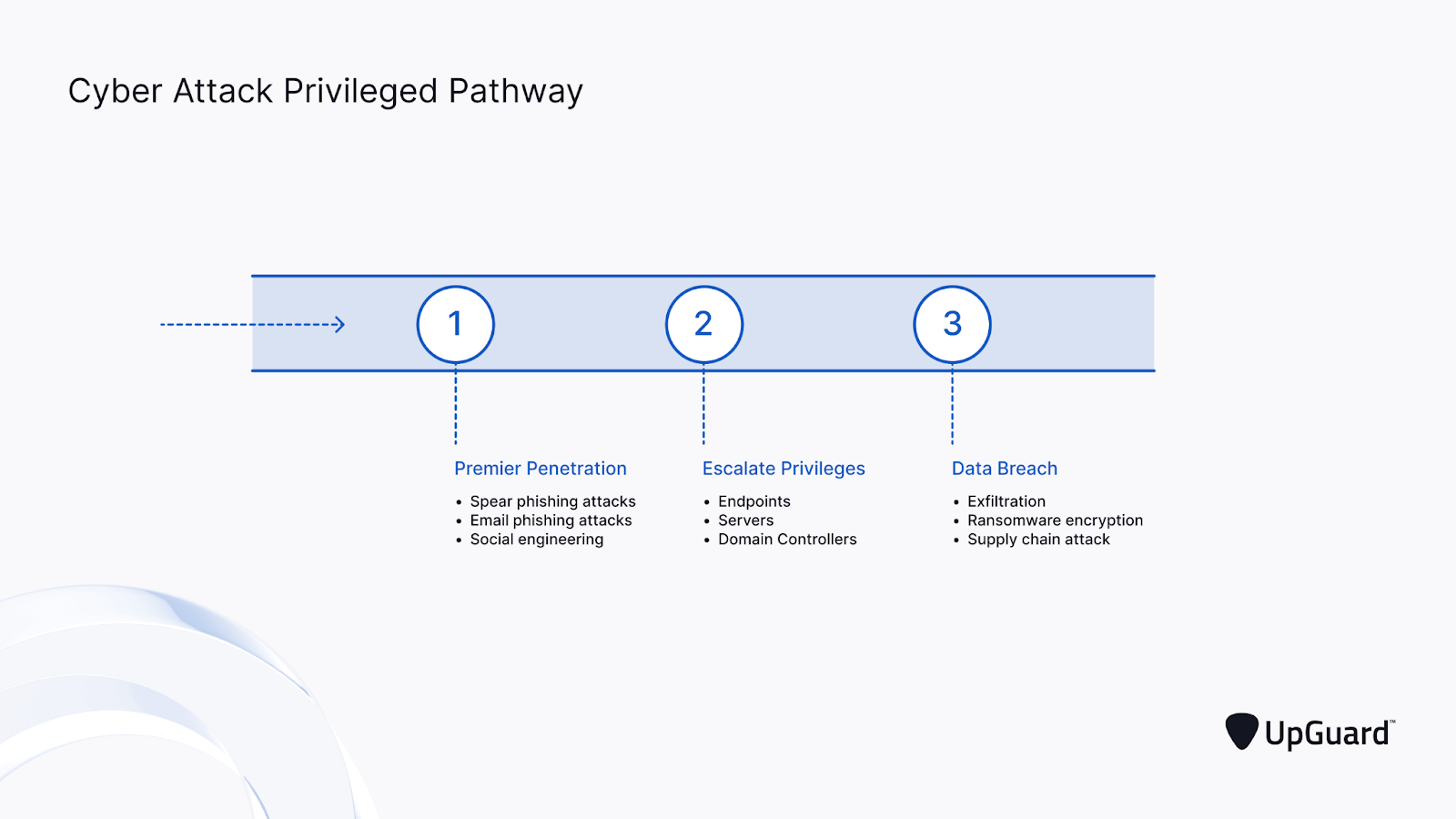
The Privileged Access Management Lifecycle: Safeguarding Your Critical Assets
Privileged access management (PAM) is a crucial component of any organisation’s cybersecurity strategy. It involves the monitoring, controlling, and securing of privileged accounts that have elevated permissions within an IT environment. These accounts are often targeted by cybercriminals due to the extensive access they provide to sensitive data and critical systems.
Understanding the PAM Lifecycle
The PAM lifecycle consists of several key stages that work together to ensure the protection of privileged accounts and mitigate the risk of security breaches:
- Discovery: The first step in the PAM lifecycle involves identifying all privileged accounts within the organisation, including those held by human users and automated processes.
- Onboarding: Once privileged accounts are identified, they need to be onboarded into the PAM system for centralised management. This includes setting up access controls, defining roles and responsibilities, and establishing policies for account usage.
- Monitoring: Continuous monitoring of privileged account activities is essential for detecting any suspicious behaviour or unauthorised access attempts. Real-time alerts can help security teams respond swiftly to potential threats.
- Control: Implementing strict access controls is critical for limiting privileges to only those necessary for performing specific tasks. Just-in-time (JIT) access can further reduce the risk of privilege abuse by granting temporary permissions when needed.
- Rotation: Regularly rotating passwords and access keys for privileged accounts can help prevent credential theft and reduce the window of opportunity for attackers. Automated password rotation tools can streamline this process while maintaining security.
- Audit: Conducting regular audits and reviews of privileged account usage is essential for ensuring compliance with security policies and regulatory requirements. Audit logs provide valuable insights into who accessed what resources and when.
- Revocation: When an employee leaves the organisation or no longer requires privileged access, their permissions should be promptly revoked to prevent unauthorised use. Automated deprovisioning tools can help streamline this process and minimise security risks.
The Importance of a Comprehensive PAM Strategy
A robust PAM strategy is essential for protecting sensitive data, preventing insider threats, and maintaining regulatory compliance. By implementing a comprehensive lifecycle approach to privileged access management, organisations can effectively safeguard their critical assets from cyber threats and ensure the integrity of their IT infrastructure.
In conclusion, prioritising privileged access management as part of your cybersecurity framework is crucial in today’s threat landscape. By following best practices throughout the PAM lifecycle, organisations can proactively defend against potential security breaches and mitigate risks associated with privileged accounts.
8 Essential Tips for Managing the Privileged Access Management Lifecycle
- Establish clear policies and procedures for granting privileged access.
- Regularly review and update access rights based on job roles and responsibilities.
- Implement multi-factor authentication for all privileged accounts.
- Monitor and audit privileged access activities to detect any suspicious behaviour.
- Enforce strong password policies for privileged accounts, including regular rotation.
- Provide regular training to staff on the importance of privileged access management.
- Ensure secure storage of credentials for privileged accounts using encryption or vaulting solutions.
- Have a process in place for promptly revoking access when employees change roles or leave the organisation.
Establish clear policies and procedures for granting privileged access.
Establishing clear policies and procedures for granting privileged access is a fundamental step in ensuring the security of an organisation’s IT environment. By defining strict guidelines on who can have privileged access, for what purposes, and under what conditions, companies can effectively control and monitor the use of elevated permissions. Clear policies help prevent unauthorised access and reduce the risk of insider threats, while well-defined procedures streamline the process of granting and revoking privileges in a consistent and secure manner. This proactive approach to privileged access management sets a strong foundation for maintaining data integrity, protecting critical assets, and upholding compliance standards within the organisation.
Regularly review and update access rights based on job roles and responsibilities.
Regularly reviewing and updating access rights based on job roles and responsibilities is a fundamental practice in the privileged access management lifecycle. By aligning access privileges with specific job functions, organisations can ensure that employees have the necessary permissions to perform their duties effectively while minimising the risk of privilege abuse. This proactive approach not only enhances security posture but also helps maintain compliance with regulatory requirements by ensuring that access rights are consistently aligned with business needs. Regular reviews and updates of access rights based on job roles and responsibilities are essential for mitigating insider threats and safeguarding critical assets within an organisation’s IT environment.
Implement multi-factor authentication for all privileged accounts.
Implementing multi-factor authentication (MFA) for all privileged accounts is a crucial step in enhancing the security of your organisation’s IT infrastructure. By requiring multiple forms of verification before granting access, MFA significantly reduces the risk of unauthorised account breaches and credential theft. This added layer of protection ensures that even if one authentication factor is compromised, malicious actors are still unable to gain entry to sensitive systems or data. Incorporating MFA into your privileged access management lifecycle strengthens overall security posture and reinforces the importance of safeguarding critical assets against cyber threats.
Monitor and audit privileged access activities to detect any suspicious behaviour.
Monitoring and auditing privileged access activities is a critical step in the privileged access management lifecycle. By actively monitoring the usage of privileged accounts and auditing access activities, organisations can swiftly detect any suspicious behaviour or unauthorised access attempts. Real-time monitoring allows security teams to stay vigilant and respond promptly to potential threats, while audit logs provide valuable insights into who accessed what resources and when. This proactive approach not only helps in identifying security incidents early but also ensures compliance with security policies and regulatory requirements, ultimately strengthening the overall security posture of the organisation.
Enforce strong password policies for privileged accounts, including regular rotation.
To enhance the security of privileged accounts within the PAM lifecycle, it is imperative to enforce robust password policies that include regular rotation. Strong passwords coupled with frequent changes significantly reduce the risk of unauthorised access and credential theft. By mandating complex passwords and implementing automated rotation mechanisms, organisations can bolster their defences against cyber threats targeting privileged accounts. This proactive measure not only strengthens overall cybersecurity posture but also aligns with best practices for safeguarding critical assets throughout the privileged access management lifecycle.
Provide regular training to staff on the importance of privileged access management.
It is vital to provide regular training to staff on the significance of privileged access management within the organisation. By educating employees on the risks associated with privileged accounts and the best practices for securing them, companies can empower their workforce to play an active role in maintaining a strong cybersecurity posture. Training sessions can raise awareness about the potential consequences of privilege misuse or abuse, emphasising the need for vigilance and adherence to security protocols. Ultimately, well-informed staff members are better equipped to recognise and respond to potential threats, contributing to a more secure environment for sensitive data and critical systems.
Ensure secure storage of credentials for privileged accounts using encryption or vaulting solutions.
To enhance the security of privileged accounts within the PAM lifecycle, it is imperative to ensure the secure storage of credentials. By utilising encryption or vaulting solutions, organisations can protect sensitive account information from unauthorised access or theft. Encrypting credentials adds an additional layer of security by rendering them unreadable to anyone without the decryption key. Vaulting solutions provide a centralised and secure repository for storing and managing privileged account credentials, ensuring that only authorised users can access them when needed. Implementing these measures helps strengthen overall cybersecurity defences and mitigates the risk of credential-related security incidents.
Have a process in place for promptly revoking access when employees change roles or leave the organisation.
It is essential to have a well-defined process in place for promptly revoking access to privileged accounts when employees change roles or depart from the organisation. By ensuring that access rights are promptly revoked upon employee transitions, organisations can mitigate the risk of unauthorised access and potential security breaches. This proactive approach to privileged access management safeguards sensitive data and critical systems, maintaining the integrity of the IT environment and upholding compliance with security policies and regulations.