
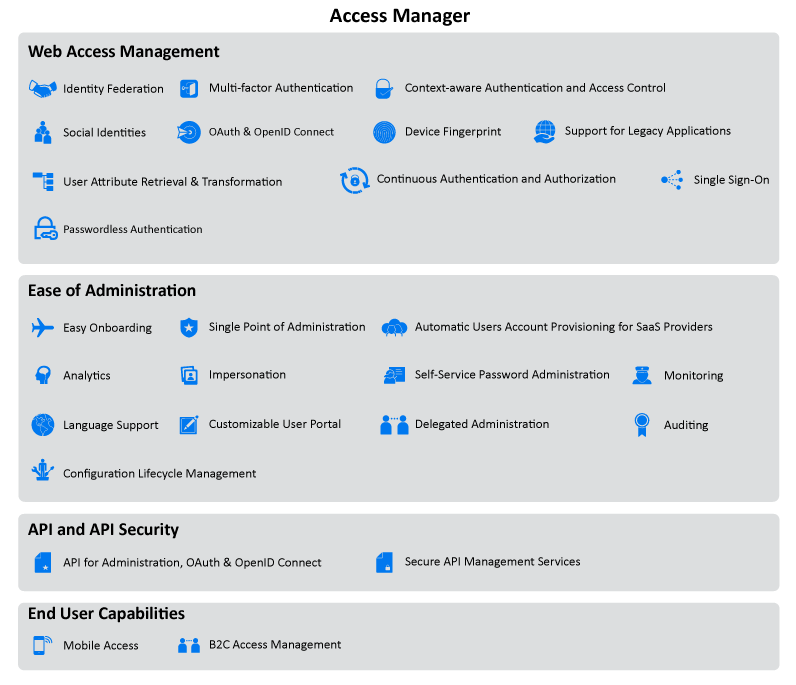
The Importance of Security and Access Management in Today’s Digital Landscape
In the rapidly evolving digital landscape, security and access management have become paramount for organisations of all sizes. With the increasing number of cyber threats and data breaches, safeguarding sensitive information and controlling access to critical systems has never been more crucial.
Security and access management encompass a range of practices and technologies aimed at protecting digital assets from unauthorised access, misuse, or modification. This includes implementing robust authentication mechanisms, encryption protocols, and monitoring tools to ensure that only authorised individuals can access sensitive data.
Key Components of Effective Security and Access Management:
- Identity Verification: Utilising multi-factor authentication methods such as passwords, biometrics, or security tokens to verify the identity of users before granting access.
- Access Control: Implementing role-based access control (RBAC) to restrict permissions based on users’ roles and responsibilities within the organisation.
- Encryption: Encrypting data both in transit and at rest to prevent unauthorised interception or tampering.
- Audit Trails: Maintaining detailed logs of user activities to track changes, detect anomalies, and facilitate forensic investigations in case of security incidents.
- Security Policies: Establishing clear security policies and procedures that govern access management practices across the organisation.
The Benefits of Robust Security and Access Management:
By implementing effective security and access management strategies, organisations can enjoy a multitude of benefits, including:
- Data Protection: Safeguarding sensitive information from unauthorised disclosure or theft.
- Risk Mitigation: Reducing the likelihood of security breaches and regulatory non-compliance.
- Operational Efficiency: Streamlining access provisioning processes and ensuring timely revocation of privileges when needed.
- User Accountability: Holding users accountable for their actions through audit trails and activity monitoring.
- Cyber Resilience: Enhancing the organisation’s ability to withstand cyber attacks and recover quickly from security incidents.
In conclusion, prioritising security and access management is essential for maintaining a secure digital environment in today’s interconnected world. By investing in robust security measures, organisations can protect their valuable assets, build trust with stakeholders, and demonstrate a commitment to data privacy and integrity.
Understanding Security and Access Management: Key Questions and Insights for Organisations
- What is security and access management?
- Why is security and access management important for organisations?
- What are the key components of effective security and access management?
- How can organisations ensure data protection through security and access management?
- What role does compliance play in security and access management?
What is security and access management?
Security and access management refer to the practices and technologies implemented by organisations to protect their digital assets and control user permissions effectively. It encompasses measures such as authentication mechanisms, access control policies, encryption protocols, and monitoring tools to ensure that only authorised individuals can access sensitive information. In essence, security and access management aim to safeguard data from unauthorised access, misuse, or tampering while enabling organisations to manage user privileges in a structured and secure manner.
Why is security and access management important for organisations?
Ensuring robust security and access management is vital for organisations due to the increasing sophistication of cyber threats and the growing volume of sensitive data being stored and processed. By implementing effective security measures, organisations can safeguard their valuable assets, protect confidential information from unauthorised access or tampering, and mitigate the risk of data breaches. Access management plays a crucial role in controlling who has permission to view, modify, or delete data within the organisation’s systems, ensuring that only authorised individuals can carry out specific actions based on their roles and responsibilities. Ultimately, prioritising security and access management helps organisations maintain trust with stakeholders, comply with regulatory requirements, and bolster their overall resilience against potential cyber attacks.
What are the key components of effective security and access management?
When it comes to effective security and access management, several key components play a crucial role in safeguarding digital assets and controlling user permissions. Identity verification through multi-factor authentication methods, access control based on role-based permissions, encryption of data in transit and at rest, detailed audit trails for tracking user activities, and clear security policies are among the essential elements that form the foundation of robust security and access management practices. By integrating these components into their security frameworks, organisations can enhance data protection, mitigate risks, ensure operational efficiency, promote user accountability, and strengthen their cyber resilience against potential threats.
How can organisations ensure data protection through security and access management?
Organisations can ensure data protection through security and access management by implementing a comprehensive set of measures aimed at safeguarding sensitive information from unauthorised access or misuse. By utilising robust authentication mechanisms, such as multi-factor authentication and role-based access control, organisations can verify the identity of users and restrict access to data based on their roles and responsibilities. Encryption protocols should be employed to protect data both in transit and at rest, preventing unauthorised interception or tampering. Regular monitoring of user activities, maintenance of audit trails, and enforcement of clear security policies are essential components in ensuring data protection. By adopting a proactive approach to security and access management, organisations can mitigate risks, enhance data privacy, and uphold the integrity of their digital assets.
What role does compliance play in security and access management?
Compliance plays a pivotal role in security and access management by ensuring that organisations adhere to industry regulations, standards, and best practices. Compliance requirements serve as a framework for establishing security controls, access policies, and data protection measures that help mitigate risks and safeguard sensitive information. By aligning security practices with compliance mandates, organisations can demonstrate their commitment to upholding data privacy, integrity, and confidentiality. Failure to comply with regulatory requirements can result in severe consequences, including financial penalties, reputational damage, and legal liabilities. Therefore, integrating compliance considerations into security and access management strategies is essential for promoting a culture of accountability, transparency, and trust within the organisation.