
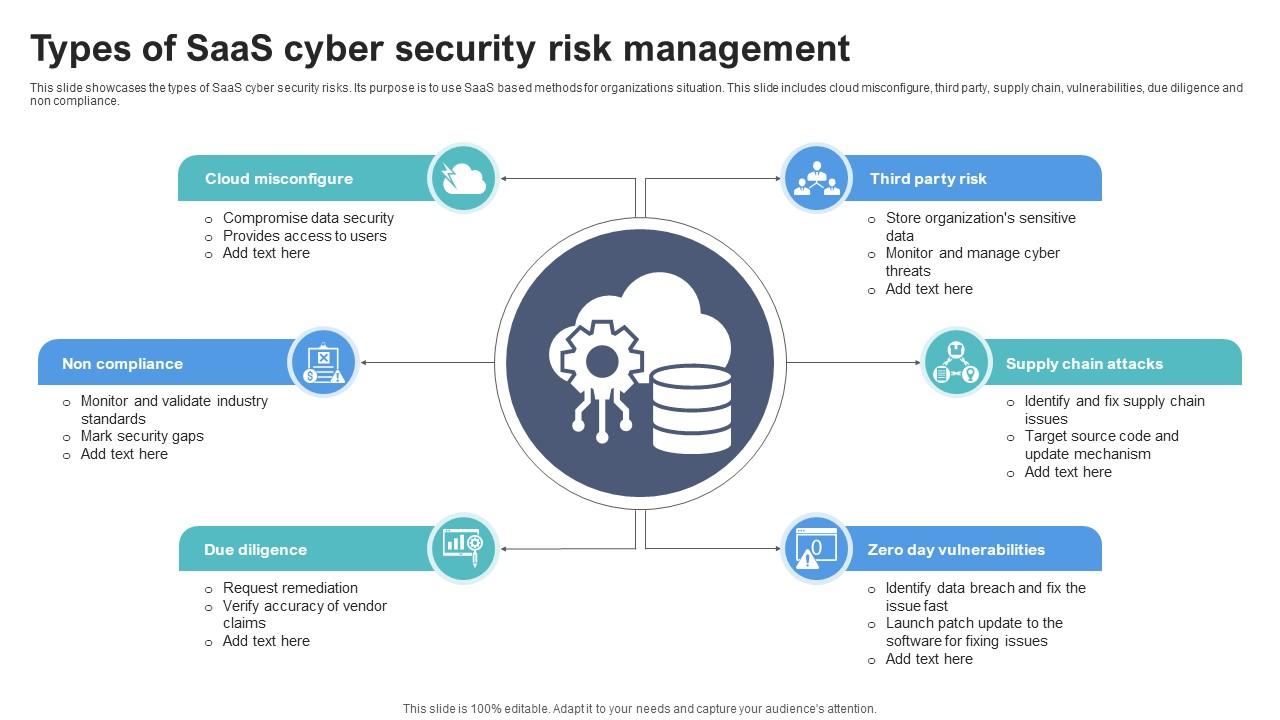
The Importance of SaaS Cyber Security
Software as a Service (SaaS) has revolutionised the way businesses operate, offering convenience, scalability, and cost-effectiveness. However, with the increased reliance on SaaS applications comes the need for robust cyber security measures to protect sensitive data and ensure business continuity.
Threat Landscape
Cyber threats are constantly evolving, and SaaS applications are not immune to attacks. From phishing scams to ransomware incidents, malicious actors are always looking for vulnerabilities to exploit. Without proper security measures in place, businesses using SaaS applications are at risk of data breaches, financial loss, and reputational damage.
Data Protection
One of the primary concerns with SaaS applications is data security. Customer information, financial records, and intellectual property stored in the cloud must be safeguarded against unauthorised access. Encryption, access controls, and regular data backups are essential components of a comprehensive SaaS cyber security strategy.
Compliance Requirements
Many industries have strict regulatory requirements regarding data protection and privacy. Failure to comply with these regulations can result in hefty fines and legal consequences. Implementing strong cyber security measures for SaaS applications helps businesses meet compliance standards and demonstrates a commitment to protecting customer information.
Continuous Monitoring
Cyber threats can arise at any time, making continuous monitoring crucial for detecting and responding to security incidents promptly. Automated monitoring tools can provide real-time alerts about suspicious activities within SaaS applications, allowing IT teams to take immediate action to mitigate risks.
Employee Training
Human error remains a significant factor in cyber security incidents. Educating employees about best practices for using SaaS applications securely can help prevent accidental data leaks or breaches. Training programmes should cover topics such as password hygiene, phishing awareness, and device security to enhance overall cyber resilience.
Conclusion
In conclusion, prioritising cyber security for SaaS applications is essential for protecting sensitive data, maintaining regulatory compliance, and safeguarding business operations. By implementing robust security measures, conducting regular risk assessments, and investing in employee training, businesses can mitigate the risks associated with using SaaS technologies and ensure a secure digital environment.
Top 6 Advantages of SaaS Cyber Security: Enhanced Protection, Scalability, and More
- Enhanced Data Security
- Scalability
- Cost-Effective
- Automatic Updates
- Accessibility
- Compliance Assistance
Challenges of SaaS Cyber Security: Dependency, Data Breaches, Control Limitations, and Privacy Concerns
- Dependency on SaaS providers for security measures, which may not always align with the organisation’s specific needs or standards.
- Potential risks of data breaches and leaks due to sharing cloud infrastructure with other SaaS users.
- Limited control over security protocols and updates, as SaaS applications are managed by third-party vendors.
- Concerns about data privacy and compliance when sensitive information is stored off-site in the cloud.
Enhanced Data Security
Enhanced data security is a significant advantage of SaaS cyber security measures. By implementing robust security protocols, SaaS applications can safeguard sensitive data from unauthorised access and potential breaches. Encryption, access controls, and regular monitoring are key components that ensure the confidentiality and integrity of data stored in the cloud. With SaaS cyber security in place, businesses can have peace of mind knowing that their valuable information is protected against malicious threats, enhancing overall data protection and mitigating the risks associated with cyber attacks.
Scalability
Scalability is a key advantage of SaaS cyber security, allowing businesses to adapt and expand their security measures seamlessly as they grow or undergo changes. With SaaS solutions, organisations can easily adjust their security protocols to accommodate increased data volume, user access, or new functionalities without significant disruptions. This flexibility ensures that businesses can maintain robust protection against evolving cyber threats while scaling their operations efficiently and cost-effectively.
Cost-Effective
Implementing SaaS cyber security offers a significant cost advantage over building and maintaining in-house security infrastructure. By opting for SaaS solutions, businesses can benefit from economies of scale, as the costs of security measures are distributed among multiple users. Additionally, SaaS providers handle the maintenance, updates, and monitoring of security systems, reducing the burden on internal IT teams and eliminating the need for costly hardware investments. This cost-effective approach allows organisations to allocate resources more efficiently while ensuring robust protection against cyber threats.
Automatic Updates
With SaaS cyber security, one significant advantage is the provision of automatic updates by service providers. These updates are crucial as they continuously enhance security features to combat new and evolving threats effectively. By staying proactive in addressing emerging vulnerabilities, SaaS providers ensure that their clients benefit from ongoing protection against cyber attacks, thus bolstering the overall resilience of their systems and data.
Accessibility
With SaaS cyber security, businesses benefit from enhanced accessibility to advanced security tools and resources without requiring extensive IT expertise. This pro enables organisations to leverage cutting-edge security solutions that are typically complex to implement and manage, empowering them to enhance their cyber security posture effectively. By utilising SaaS solutions, businesses can access a wide range of security features and functionalities that would otherwise be challenging to deploy independently, thus streamlining the process of safeguarding their digital assets and data against evolving cyber threats.
Compliance Assistance
SaaS solutions offer a significant advantage in terms of compliance assistance by providing built-in features that support businesses in adhering to industry regulations and standards. These integrated compliance tools streamline the process of meeting legal requirements, ensuring that organisations can maintain regulatory compliance with ease. By leveraging SaaS platforms with built-in compliance features, businesses can enhance their data security practices and demonstrate a commitment to protecting sensitive information in alignment with industry best practices.
Dependency on SaaS providers for security measures, which may not always align with the organisation’s specific needs or standards.
An inherent drawback of SaaS cyber security is the reliance on SaaS providers for security measures, which may not always align with the organisation’s specific needs or standards. While SaaS providers typically offer standardised security protocols, these measures may not fully cater to the unique requirements and compliance standards of every organisation. This dependency can result in gaps in security coverage, leaving businesses vulnerable to potential threats that are not adequately addressed by the provider’s generic security solutions. Organizations must carefully assess and supplement SaaS provider security measures to ensure comprehensive protection tailored to their individual cybersecurity needs.
Potential risks of data breaches and leaks due to sharing cloud infrastructure with other SaaS users.
One significant con of SaaS cyber security is the potential risk of data breaches and leaks arising from sharing cloud infrastructure with other SaaS users. When multiple organisations utilise the same cloud environment for their SaaS applications, there is a heightened risk of data intermingling or unauthorised access to sensitive information. Inadequate isolation between tenants within the shared infrastructure can create vulnerabilities that malicious actors may exploit, leading to potential breaches and leaks of confidential data. Maintaining strict access controls, encryption protocols, and regular security audits are crucial to mitigating these risks and ensuring the protection of user data in a shared SaaS environment.
Limited control over security protocols and updates, as SaaS applications are managed by third-party vendors.
One significant drawback of SaaS cyber security is the limited control over security protocols and updates due to the management of SaaS applications by third-party vendors. When businesses rely on external providers to oversee the security aspects of their SaaS applications, they may face challenges in customising security measures to align with their specific needs and preferences. Furthermore, the timing and implementation of security updates are at the discretion of the vendors, potentially leading to delays in addressing emerging threats or vulnerabilities. This lack of direct control over security protocols can leave businesses vulnerable to cyber attacks and data breaches, highlighting the importance of thorough vendor evaluation and clear communication regarding security expectations.
Concerns about data privacy and compliance when sensitive information is stored off-site in the cloud.
One significant con of SaaS cyber security is the heightened concerns regarding data privacy and compliance when sensitive information is stored off-site in the cloud. Organisations may feel uneasy about relinquishing control over their data to third-party cloud service providers, raising questions about who has access to the data and how it is being protected. Compliance with data protection regulations becomes more challenging when data is stored in external servers, as ensuring adherence to legal requirements and industry standards can be more complex when data residency and jurisdictional issues come into play. This lack of direct oversight over sensitive information stored off-site in the cloud can create uncertainties and vulnerabilities that organisations must address to maintain trust and security.