
Network Security Threats and Solutions
In today’s digital age, network security has become a critical concern for organisations of all sizes. With the increasing complexity of cyber threats, it is essential to understand the various risks that can compromise the security of your network and implement effective solutions to mitigate these threats.
Common Network Security Threats
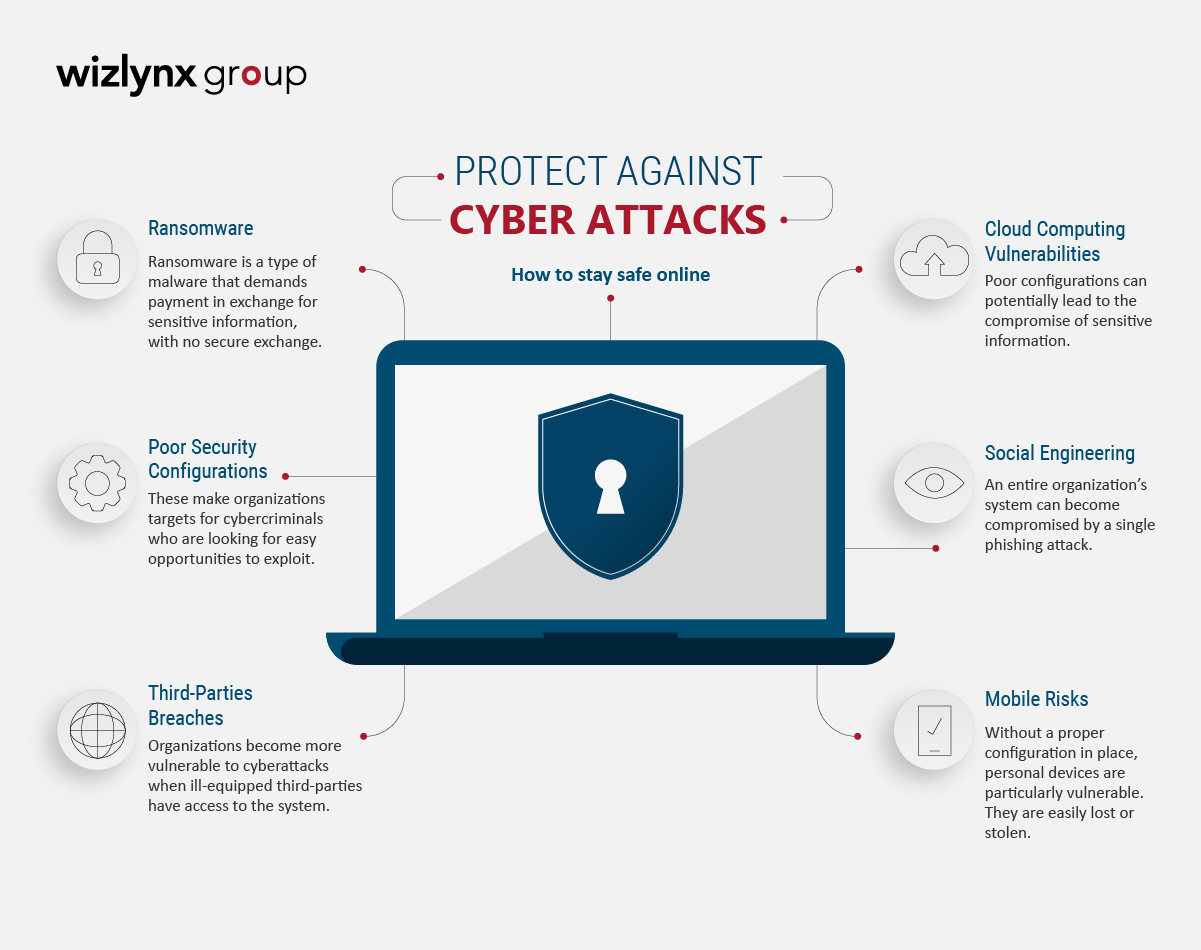
Malware: Malicious software, such as viruses, worms, and ransomware, can infiltrate your network through email attachments, downloads, or compromised websites. Once inside, malware can cause significant damage by stealing sensitive data or disrupting operations.
Phishing Attacks: Phishing attacks involve tricking users into revealing confidential information, such as login credentials or financial details. These attacks often masquerade as legitimate emails or websites and can lead to data breaches or financial losses.
DDoS Attacks: Distributed Denial of Service (DDoS) attacks overwhelm a network with an influx of traffic, causing it to become slow or unavailable. These attacks can disrupt services, leading to downtime and financial losses.
Effective Network Security Solutions
Firewall Protection: Implementing a robust firewall helps monitor and control incoming and outgoing network traffic based on predetermined security rules. Firewalls act as a barrier between your internal network and external threats.
Intrusion Detection Systems (IDS) and Intrusion Prevention Systems (IPS): IDS detects suspicious activities within the network, while IPS goes a step further by actively blocking potential threats. These systems provide real-time monitoring and alerts for unusual behaviour.
Secure VPNs: Virtual Private Networks (VPNs) encrypt data transmitted between devices on a network, ensuring secure communication over public networks like the internet. VPNs are essential for remote workers accessing sensitive company resources.
Regular Software Updates: Keeping software applications and operating systems up to date is crucial in addressing known vulnerabilities that cybercriminals exploit. Regular updates patch security flaws and strengthen your network’s defences.
In Conclusion
Network security threats continue to evolve alongside technological advancements, making it imperative for organisations to stay vigilant and proactive in safeguarding their networks. By understanding common threats and implementing effective security solutions, you can protect your valuable data assets and maintain the integrity of your network infrastructure.
Top 5 Network Security Threats and Solutions: Protect Against Phishing, Malware, and More
Phishing
Phishing remains a prevalent network security threat that targets individuals through deceptive emails or websites, aiming to trick them into divulging sensitive information such as login credentials or financial details. To combat phishing attacks effectively, organisations should educate their employees on how to recognise and avoid suspicious emails, utilise email filtering tools to detect and block phishing attempts, and implement multi-factor authentication to add an extra layer of security. By prioritising awareness, technology solutions, and authentication measures, businesses can significantly reduce the risks associated with phishing attacks and safeguard their networks from potential breaches.
Malware
Malware poses a significant threat to network security, capable of infiltrating systems through various means and causing extensive damage. It is essential for organisations to deploy robust anti-malware solutions and educate employees on recognising suspicious emails or websites to prevent malware infections. Regular system scans, software updates, and network monitoring are vital in detecting and mitigating malware threats effectively. By implementing proactive measures and staying informed about the latest malware trends, businesses can strengthen their defences against this pervasive security risk.
Weak passwords
Weak passwords pose a significant risk to network security, making it easier for cybercriminals to gain unauthorised access to sensitive information. To mitigate this threat, it is crucial for individuals and organisations to enforce strong password policies. This includes using complex passwords that combine letters, numbers, and special characters, as well as implementing multi-factor authentication for an added layer of security. Regularly updating passwords and avoiding common phrases or easily guessable information can greatly enhance the resilience of a network against potential breaches. By prioritising the strength of passwords, users can significantly reduce the vulnerability of their networks to malicious attacks.
Unsecured Wi-Fi networks
Unsecured Wi-Fi networks pose a significant threat to network security, as they allow potential attackers to intercept sensitive data transmitted over the network. Without encryption measures in place, information such as login credentials, financial details, and personal communications can be easily compromised. To mitigate this risk, it is crucial for individuals and organisations to secure their Wi-Fi networks with strong encryption protocols, such as WPA2 or WPA3. Additionally, enabling network authentication and regularly changing the default passwords on routers can add an extra layer of protection against unauthorised access. By taking these proactive steps, users can safeguard their data and privacy while using Wi-Fi networks.
Outdated software
One of the most common network security threats is posed by outdated software. Operating with obsolete software leaves your network vulnerable to exploitation by cyber attackers who target known vulnerabilities. To mitigate this risk, it is crucial to regularly update all software applications and operating systems to the latest versions. By staying current with software updates, you can strengthen your network security posture and reduce the likelihood of falling victim to malicious attacks that exploit outdated software weaknesses.