
The Importance of Network Security Products
In today’s digital age, where cyber threats are becoming increasingly sophisticated, the importance of robust network security products cannot be overstated. Organisations across the globe rely on their networks to conduct business operations, store sensitive data, and communicate with clients and employees. However, these networks are constantly at risk of cyber attacks that can compromise their integrity and confidentiality.
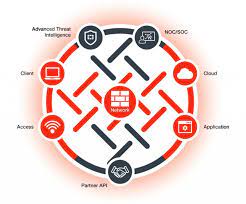
Network security products encompass a wide range of tools and technologies designed to protect networks from malicious activities. These products work together to create layers of defence that safeguard data, prevent unauthorised access, and detect and respond to security incidents in real-time.
Key Benefits of Network Security Products:
- Threat Detection: Advanced network security products employ sophisticated algorithms and machine learning techniques to detect anomalies and potential threats within the network traffic.
- Data Encryption: Encryption technologies ensure that data transmitted over the network is secure and cannot be intercepted or deciphered by unauthorised parties.
- Access Control: Network security products enable organisations to control who has access to specific resources within the network, reducing the risk of insider threats and unauthorised access.
- Vulnerability Management: These products help identify vulnerabilities in network devices and applications, allowing organisations to patch them before they can be exploited by attackers.
- Compliance Assurance: Network security products assist organisations in meeting regulatory requirements by providing audit trails, logs, and reports that demonstrate compliance with industry standards.
Choosing the Right Network Security Products:
When selecting network security products for your organisation, it is essential to consider your specific needs, budget constraints, and existing IT infrastructure. Conducting a thorough risk assessment can help identify potential vulnerabilities and determine which products are best suited to address them.
Additionally, investing in reputable vendors with a proven track record in developing effective network security solutions is crucial. Look for products that offer regular updates, responsive customer support, and scalability to accommodate your organisation’s growth.
In conclusion, network security products play a vital role in safeguarding critical assets and maintaining the trust of customers and stakeholders. By implementing a comprehensive suite of network security solutions tailored to your organisation’s needs, you can mitigate risks proactively and ensure the resilience of your network infrastructure against evolving cyber threats.
Understanding Network Security Products: Key Questions and Answers
- What are the different types of security products?
- What are network security products?
- What are the 7 types of security?
- What are the 5 types of network security?
- What are the five types of network security?
- What is internet security products?
- What devices are used for network security?
What are the different types of security products?
When exploring the landscape of network security products, it is essential to understand the diverse range of solutions available to address varying cybersecurity challenges. Different types of security products include firewalls, antivirus software, intrusion detection and prevention systems (IDS/IPS), virtual private networks (VPNs), data loss prevention (DLP) tools, and security information and event management (SIEM) platforms. Each of these products serves a distinct purpose in fortifying network defences, from monitoring and blocking malicious traffic to encrypting data and providing real-time threat intelligence. By deploying a combination of these security products tailored to their specific needs, organisations can establish a robust security posture that safeguards their networks against a multitude of cyber threats.
What are network security products?
Network security products encompass a diverse range of tools and technologies designed to safeguard networks from cyber threats and vulnerabilities. These products serve as the frontline defence for organisations, protecting their digital assets, sensitive data, and communication channels from malicious activities. Network security products include firewalls, intrusion detection systems, antivirus software, encryption tools, and vulnerability scanners, among others. By deploying a combination of these products, organisations can establish robust security measures to detect, prevent, and respond to potential threats, ensuring the integrity and confidentiality of their network infrastructure.
What are the 7 types of security?
When discussing network security products, it is essential to understand the various types of security measures that contribute to a comprehensive cybersecurity strategy. The seven types of security commonly identified in this context include network security, which focuses on protecting the integrity and confidentiality of data transmitted over networks; application security, which safeguards software applications from vulnerabilities and exploits; information security, which encompasses the protection of sensitive data from unauthorised access or disclosure; endpoint security, which secures individual devices such as computers and mobile devices from cyber threats; cloud security, which ensures the secure storage and access of data in cloud environments; identity and access management (IAM), which controls user permissions and authentication processes within an organisation’s network; and disaster recovery and business continuity planning, which involve strategies for recovering data and maintaining operations in the event of a cyber incident or disaster. Each type of security plays a crucial role in fortifying an organisation’s defences against cyber threats and ensuring the resilience of its IT infrastructure.
What are the 5 types of network security?
When considering network security, it is essential to understand the five key types of security measures that work together to protect networks from cyber threats. These include network access control, antivirus and antimalware software, firewalls, intrusion detection and prevention systems, and virtual private networks (VPNs). Network access control ensures that only authorised users and devices can access the network, while antivirus software detects and removes malicious software. Firewalls act as a barrier between the internal network and external threats, while intrusion detection and prevention systems monitor network traffic for suspicious activities. Lastly, VPNs encrypt data transmitted over public networks to maintain confidentiality. By integrating these types of network security measures, organisations can establish a comprehensive defence strategy against cyber attacks.
What are the five types of network security?
Network security encompasses various measures to protect networks from cyber threats. The five types of network security are as follows: 1) **Access Control** – regulating who can access the network and its resources; 2) **Firewalls** – monitoring and controlling incoming and outgoing network traffic based on predetermined security rules; 3) **Antivirus and Antimalware Software** – detecting and eliminating malicious software that can compromise network security; 4) **Virtual Private Networks (VPNs)** – creating secure connections over public networks to ensure data confidentiality; and 5) **Intrusion Detection and Prevention Systems (IDPS)** – monitoring network traffic for suspicious activities and taking action to prevent potential threats. By implementing a combination of these network security measures, organisations can enhance their overall cybersecurity posture and mitigate risks effectively.
What is internet security products?
Internet security products refer to a range of tools and solutions designed to protect users and organisations from online threats and vulnerabilities. These products encompass antivirus software, firewalls, anti-malware programs, virtual private networks (VPNs), and other security measures that help safeguard data and privacy when accessing the internet. Internet security products work to detect and block malicious activities, such as malware infections, phishing attempts, and data breaches, thereby ensuring a secure online experience for individuals and businesses alike. By investing in reliable internet security products, users can enhance their digital defence mechanisms and minimise the risks associated with cyber attacks in today’s interconnected world.
What devices are used for network security?
A variety of devices are utilised for network security to ensure comprehensive protection against cyber threats. Commonly employed devices include firewalls, which monitor and control incoming and outgoing network traffic based on predetermined security rules. Intrusion Detection Systems (IDS) and Intrusion Prevention Systems (IPS) are deployed to detect and respond to suspicious activities within the network. Virtual Private Networks (VPNs) establish secure connections over public networks, encrypting data for secure transmission. Additionally, routers and switches with built-in security features help manage network traffic efficiently while enforcing security policies. These devices work in tandem to fortify network defences and safeguard sensitive data from potential breaches.