
The Benefits of IAM Cloud SSO: Simplifying Access Management in the Cloud
In today’s digital landscape, organisations are increasingly moving their operations to the cloud to enhance efficiency and flexibility. However, with this shift comes the challenge of managing user access securely across multiple cloud applications. Identity and Access Management (IAM) solutions play a crucial role in addressing this challenge, with Single Sign-On (SSO) being a key feature that streamlines user authentication processes.
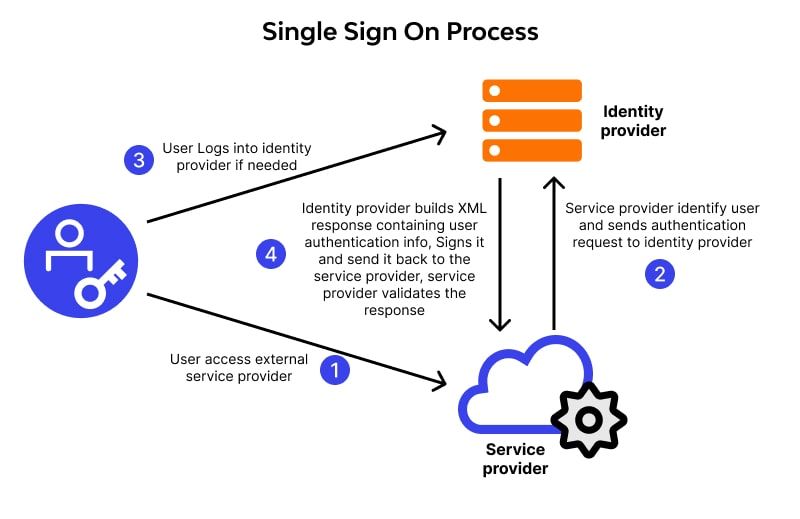
IAM Cloud SSO offers a centralised authentication mechanism that allows users to access multiple cloud services using a single set of credentials. This eliminates the need for users to remember and manage multiple passwords, reducing the risk of weak passwords or password reuse. By providing a seamless login experience, IAM Cloud SSO enhances user productivity and satisfaction while strengthening security measures.
One of the primary benefits of IAM Cloud SSO is enhanced security. With traditional authentication methods, such as username and password combinations, being susceptible to phishing attacks and credential theft, implementing SSO significantly reduces these risks. By enforcing strong authentication protocols and multi-factor authentication options, IAM Cloud SSO ensures that only authorised users gain access to sensitive data and applications.
Furthermore, IAM Cloud SSO simplifies access management for IT administrators by centralising user provisioning and deprovisioning processes. Administrators can easily grant or revoke access rights across various cloud applications from a single dashboard, ensuring consistent enforcement of security policies and compliance requirements. This not only saves time and resources but also minimises the risk of human errors in managing user access permissions.
Another advantage of IAM Cloud SSO is its ability to provide real-time visibility into user activities and access patterns. By monitoring user logins, application usage, and authentication attempts, organisations can proactively detect suspicious behaviour and potential security threats. This proactive approach to monitoring enhances overall cybersecurity posture and enables swift response to any security incidents.
In conclusion, IAM Cloud SSO offers numerous benefits for organisations seeking to enhance their cloud security posture while improving user experience. By centralising authentication processes, strengthening security measures, simplifying access management tasks, and providing real-time visibility into user activities, IAM Cloud SSO proves to be an essential component of modern identity management strategies in the cloud era.
Eight Key Benefits of IAM Cloud SSO: Enhancing Security, Simplifying Access, and Boosting Productivity
- Enhances security by reducing the risk of password-related vulnerabilities
- Simplifies user authentication with a single set of credentials for multiple cloud applications
- Improves user productivity and satisfaction by providing a seamless login experience
- Centralises access management, making it easier for IT administrators to provision and deprovision users
- Enforces strong authentication protocols and multi-factor authentication options for enhanced security
- Offers real-time visibility into user activities and access patterns for proactive threat detection
- Reduces the burden on users to remember and manage multiple passwords, enhancing convenience
- Facilitates compliance adherence by ensuring consistent enforcement of security policies across cloud applications
Challenges of IAM Cloud SSO: Vulnerabilities, Compatibility Issues, and Customisation Limitations
- Dependency on a single sign-on system increases vulnerability to a single point of failure.
- Integration with legacy systems may pose compatibility challenges and require additional resources.
- Complex implementation process, especially for organisations with diverse IT environments and cloud applications.
- Potential for service disruptions or downtime if the IAM Cloud SSO solution experiences technical issues.
- Limited customisation options may restrict certain advanced authentication configurations based on specific organisational requirements.
Enhances security by reducing the risk of password-related vulnerabilities
IAM Cloud SSO significantly enhances security by reducing the risk of password-related vulnerabilities. With the use of a single set of credentials for accessing multiple cloud services, users are less likely to resort to weak passwords or reuse the same password across different platforms. This proactive approach minimises the chances of password theft, phishing attacks, and unauthorised access attempts, thereby strengthening overall cybersecurity measures within an organisation’s IT infrastructure.
Simplifies user authentication with a single set of credentials for multiple cloud applications
IAM Cloud SSO simplifies user authentication by allowing individuals to access multiple cloud applications using a single set of credentials. This streamlined approach not only enhances user convenience and productivity but also strengthens security measures by reducing the likelihood of weak passwords or password reuse. By providing a seamless login experience across various cloud services, IAM Cloud SSO significantly improves user satisfaction while mitigating the risks associated with managing multiple sets of login credentials.
Improves user productivity and satisfaction by providing a seamless login experience
IAM Cloud SSO significantly enhances user productivity and satisfaction by offering a seamless login experience across multiple cloud applications. With the convenience of using a single set of credentials to access various services, users no longer have to juggle multiple passwords or undergo repetitive authentication processes. This streamlined approach not only saves time but also reduces user frustration, leading to increased efficiency and overall satisfaction with the authentication process. By simplifying the login experience, IAM Cloud SSO empowers users to focus on their tasks without unnecessary interruptions, ultimately boosting productivity and enhancing user experience in the cloud environment.
Centralises access management, making it easier for IT administrators to provision and deprovision users
Centralising access management through IAM Cloud SSO simplifies the task of provisioning and deprovisioning users for IT administrators. By providing a single dashboard to manage user access across multiple cloud applications, administrators can efficiently grant or revoke access rights with ease. This centralised approach not only saves time and effort but also ensures consistency in enforcing security policies and compliance requirements. With IAM Cloud SSO, IT administrators can streamline user management processes, reduce the risk of errors, and maintain better control over access permissions, ultimately enhancing overall security posture within the organisation.
Enforces strong authentication protocols and multi-factor authentication options for enhanced security
IAM Cloud SSO excels in enhancing security by enforcing robust authentication protocols and offering multi-factor authentication options. By requiring users to go through multiple layers of verification, such as biometric data or one-time passcodes, IAM Cloud SSO significantly reduces the risk of unauthorised access and data breaches. This proactive approach to authentication not only strengthens security measures but also provides peace of mind to organisations seeking to safeguard their sensitive information in the cloud.
Offers real-time visibility into user activities and access patterns for proactive threat detection
IAM Cloud SSO’s capability to provide real-time visibility into user activities and access patterns is a valuable pro that enhances organisational security measures. By continuously monitoring user logins, application usage, and authentication attempts, organisations can proactively detect any unusual behaviour or potential security threats. This proactive approach enables swift identification and response to suspicious activities, ultimately strengthening the overall cybersecurity posture of the organisation. With this level of insight and monitoring, IAM Cloud SSO empowers organisations to stay ahead of potential threats and mitigate risks effectively.
Reduces the burden on users to remember and manage multiple passwords, enhancing convenience
IAM Cloud SSO significantly reduces the burden on users by eliminating the need to remember and manage multiple passwords for accessing various cloud services. This enhanced convenience not only streamlines the user experience but also improves productivity by removing the frustration of password fatigue. With a single set of credentials, users can seamlessly access multiple applications, saving time and effort while ensuring secure authentication processes.
Facilitates compliance adherence by ensuring consistent enforcement of security policies across cloud applications
IAM Cloud SSO plays a crucial role in facilitating compliance adherence by ensuring the consistent enforcement of security policies across various cloud applications. By centralising user access management and authentication processes, IAM Cloud SSO helps organisations maintain a unified approach to security policy enforcement, thereby reducing the risk of non-compliance with regulatory requirements. This proactive measure not only enhances data protection and privacy but also demonstrates a commitment to upholding industry standards and best practices in information security governance.
Dependency on a single sign-on system increases vulnerability to a single point of failure.
Dependency on a single sign-on (SSO) system can present a significant drawback in terms of increased vulnerability to a single point of failure. In the event that the SSO system experiences downtime or a security breach, all connected cloud applications and services relying on it for authentication could become inaccessible or compromised. This dependency raises concerns about potential disruptions to business operations and data security, highlighting the importance of implementing robust backup and contingency plans to mitigate the risks associated with a single point of failure in an IAM Cloud SSO environment.
Integration with legacy systems may pose compatibility challenges and require additional resources.
Integration with legacy systems may present a significant drawback of IAM Cloud SSO, as these older systems may not be designed to support modern authentication protocols. This can lead to compatibility challenges that require additional resources and effort to overcome. IT teams may need to invest time and resources in developing custom connectors or middleware to bridge the gap between IAM Cloud SSO and legacy systems, potentially delaying the implementation process and increasing overall project costs. Moreover, maintaining compatibility with legacy systems may introduce complexities in managing user access across heterogeneous environments, posing a potential barrier to achieving seamless user authentication experiences.
Complex implementation process, especially for organisations with diverse IT environments and cloud applications.
The complexity of implementing IAM Cloud SSO can present a significant challenge, particularly for organisations with diverse IT environments and a wide array of cloud applications. Integrating SSO across various systems and platforms requires thorough planning, coordination, and technical expertise. The need to ensure seamless interoperability between existing infrastructure and cloud services can lead to a lengthy and intricate implementation process. Organisations may face compatibility issues, data migration complexities, and configuration hurdles when deploying IAM Cloud SSO, potentially causing disruptions to daily operations and requiring additional resources to overcome these obstacles.
Potential for service disruptions or downtime if the IAM Cloud SSO solution experiences technical issues.
One significant drawback of IAM Cloud SSO is the potential for service disruptions or downtime if the solution encounters technical issues. As organisations rely heavily on IAM Cloud SSO to manage user access across multiple cloud applications, any downtime or disruptions can hinder user productivity and impact business operations. In the event of technical issues, such as server failures or connectivity problems, users may face difficulties accessing critical resources, leading to frustration and potential delays in completing tasks. It is essential for organisations to have contingency plans in place to mitigate the impact of service disruptions and ensure continuity of operations during such instances.
Limited customisation options may restrict certain advanced authentication configurations based on specific organisational requirements.
One drawback of IAM Cloud SSO is its limited customisation options, which may hinder organisations with specific authentication requirements. The restrictions on customisation can prevent the implementation of advanced authentication configurations tailored to unique organisational needs. This limitation may pose challenges for organisations seeking to enforce complex security policies or integrate specialised authentication methods, potentially compromising the flexibility and adaptability of the IAM solution to meet diverse security demands.