
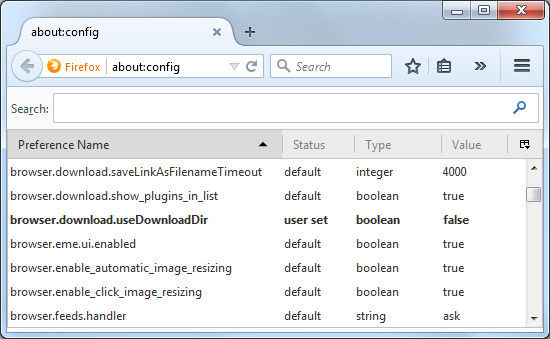
The Importance of Configuration Management in IT
Configuration management is a critical aspect of IT operations that involves the systematic management of configurations, settings, and changes in software, hardware, and network devices. It plays a vital role in ensuring the stability, security, and efficiency of IT systems within an organisation.
Benefits of Configuration Management:
Consistency: By maintaining consistent configurations across all devices and systems, configuration management helps prevent compatibility issues and ensures smooth operation.
Security: Proper configuration management practices help identify vulnerabilities and enforce security policies to protect sensitive data from breaches and cyber threats.
Compliance: Many industries have strict regulatory requirements regarding data protection and system configurations. Configuration management aids in ensuring compliance with these regulations.
Key Components of Configuration Management:
- Configuration Identification: Identifying all configuration items within the IT infrastructure.
- Change Management: Managing changes to configurations through a structured process to minimise risks.
- Configuration Control: Implementing controls to prevent unauthorised changes to configurations.
- Audit and Verification: Regular audits to verify that configurations align with established standards and policies.
- Status Accounting: Keeping track of the status of configuration items throughout their lifecycle.
- Audit Trail: Maintaining detailed records of configuration changes for accountability and troubleshooting purposes.
The Role of Automation in Configuration Management
In today’s complex IT environments, manual configuration management processes are no longer sufficient. Automation tools play a crucial role in streamlining configuration tasks, reducing human error, and ensuring consistency across systems. Automated configuration management also enables rapid deployment of updates and patches while maintaining system integrity.
In conclusion, effective configuration management is essential for maintaining a secure, compliant, and optimised IT infrastructure. By implementing robust processes supported by automation tools, organisations can enhance operational efficiency, reduce downtime, and mitigate risks associated with misconfigurations.
Seven Advantages of Configuration Management: Boosting Stability, Security, and Efficiency
- Enhances system stability by maintaining consistent configurations.
- Improves security through the identification and mitigation of vulnerabilities.
- Facilitates compliance with regulatory requirements related to data protection.
- Minimises compatibility issues by ensuring uniformity across devices and systems.
- Enables efficient change management processes to reduce risks associated with updates.
- Provides accountability and traceability through detailed audit trails of configuration changes.
- Streamlines operations and enhances productivity by automating configuration tasks.
Challenges of Configuration: Complexity, Human Error, and Insufficient Documentation
Enhances system stability by maintaining consistent configurations.
Maintaining consistent configurations through effective configuration management significantly enhances system stability. By ensuring that all software, hardware, and network devices are set up and maintained in a uniform manner, organisations can minimise compatibility issues, reduce the risk of unexpected errors or failures, and create a reliable IT environment. Consistency in configurations allows for smoother operation of systems, improves performance, and ultimately contributes to a more stable and resilient infrastructure that can support business operations effectively.
Improves security through the identification and mitigation of vulnerabilities.
Configuration management plays a crucial role in enhancing security within IT systems by identifying and mitigating vulnerabilities. By systematically managing configurations and settings, organisations can proactively identify potential security gaps and take necessary steps to address them. Through regular audits and monitoring, configuration management helps in identifying weaknesses in the system that could be exploited by malicious actors. By promptly addressing these vulnerabilities, organisations can strengthen their overall security posture and reduce the risk of cyber threats and data breaches.
Facilitates compliance with regulatory requirements related to data protection.
Configuration management plays a crucial role in facilitating compliance with regulatory requirements related to data protection. By implementing robust configuration control measures and enforcing security policies through configuration management practices, organisations can ensure that their IT systems adhere to the necessary regulations governing data privacy and security. Maintaining accurate records of configurations, conducting regular audits, and implementing controls to prevent unauthorised changes all contribute to creating a secure environment that meets the stringent standards set forth by regulatory bodies. Compliance with data protection regulations is essential for safeguarding sensitive information and maintaining trust with customers, making effective configuration management a key component in achieving regulatory compliance in today’s digital landscape.
Minimises compatibility issues by ensuring uniformity across devices and systems.
By ensuring uniformity across devices and systems, configuration management plays a crucial role in minimising compatibility issues within an organisation’s IT infrastructure. Consistent configurations help to harmonise the settings and parameters of various components, reducing the likelihood of conflicts that can arise from differences in hardware or software configurations. This proactive approach not only enhances system stability but also promotes seamless interactions between different devices, ultimately improving operational efficiency and user experience.
Enables efficient change management processes to reduce risks associated with updates.
Effective configuration management enables efficient change management processes, which play a crucial role in reducing risks associated with updates within IT systems. By carefully managing and controlling changes to configurations, organisations can minimise the likelihood of disruptions or errors that may result from updates. This proactive approach not only enhances system stability but also helps mitigate potential security vulnerabilities that could arise during the update process. Overall, the ability to streamline change management through configuration management leads to smoother transitions, improved operational continuity, and a lower risk of unexpected issues arising from updates.
Provides accountability and traceability through detailed audit trails of configuration changes.
One significant advantage of configuration management is its ability to offer accountability and traceability through comprehensive audit trails of configuration changes. By maintaining detailed records of every change made to configurations, organisations can easily track who made the changes, when they were made, and why they were implemented. This level of transparency not only enhances accountability within the IT environment but also provides valuable insights for troubleshooting, compliance audits, and identifying potential security breaches. The detailed audit trails serve as a crucial tool in ensuring the integrity and reliability of IT systems while enabling efficient management of configuration changes.
Streamlines operations and enhances productivity by automating configuration tasks.
Automating configuration tasks through effective configuration management streamlines operations and boosts productivity within an organisation. By leveraging automation tools, repetitive and time-consuming configuration processes can be executed swiftly and accurately, freeing up valuable time for IT professionals to focus on more strategic initiatives. This efficiency not only enhances productivity but also reduces the likelihood of human errors, ensuring consistency across systems and ultimately leading to a more efficient and reliable IT environment.
Complexity
Configuring and managing a large number of devices and systems can present a significant challenge due to the inherent complexity involved. Without adequate tools and automation in place, IT professionals may find themselves grappling with manual configurations that are prone to errors and inconsistencies. The time-consuming nature of managing configurations across numerous devices can lead to inefficiencies and potential disruptions in operations. Streamlining configuration processes through automation is crucial in addressing the complexity issue, enabling IT teams to handle configurations more efficiently and accurately, ultimately improving overall system reliability and performance.
Human Error
Manual configuration changes are susceptible to human error, posing a significant con in the realm of configuration management. Mistakes made during manual configurations can result in system downtime or introduce security vulnerabilities, potentially compromising the stability and integrity of IT systems. The reliance on manual processes increases the likelihood of misconfigurations, underscoring the importance of implementing automated tools and robust processes to mitigate the risks associated with human error in configuration management.
Lack of Documentation
Inadequate documentation of configuration settings poses a significant challenge in IT operations. Without comprehensive documentation, troubleshooting issues becomes a daunting task, as IT professionals may struggle to identify the root cause of problems or understand the historical changes that have occurred in the system over time. The lack of proper documentation not only hampers efficient problem-solving but also jeopardises the overall stability and security of the IT environment. Clear and detailed documentation is essential for ensuring transparency, facilitating knowledge transfer, and maintaining a reliable record of system configurations for future reference and analysis.