
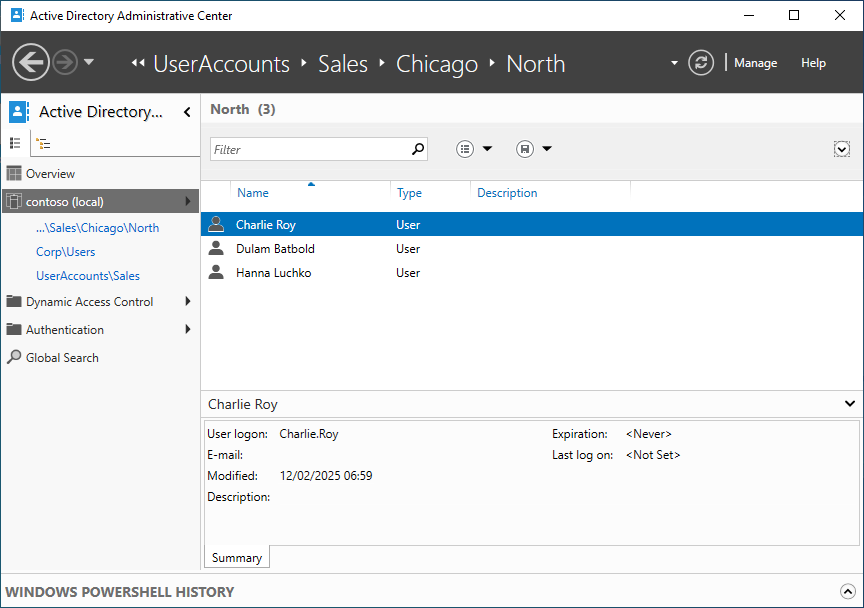
The Power of Active Directory Tools
Active Directory (AD) is a crucial component of many organisations’ IT infrastructure, serving as a central hub for managing users, computers, and resources. To effectively manage and secure an AD environment, administrators rely on a variety of tools specifically designed for Active Directory.
Benefits of AD Tools
AD tools offer numerous benefits that help streamline administrative tasks, enhance security, and improve overall efficiency. These tools provide administrators with the ability to:
- Automate routine tasks such as user provisioning and group management.
- Monitor AD health and performance in real-time to identify potential issues proactively.
- Enforce security policies and access controls to prevent unauthorised access.
- Simplify compliance with regulatory requirements by generating detailed reports and audit trails.
- Enable self-service capabilities for users to perform certain tasks without IT intervention.
Types of AD Tools
There is a wide range of AD tools available in the market, each catering to different aspects of Active Directory management. Some common types of AD tools include:
- User Provisioning Tools: These tools automate the process of creating user accounts, assigning permissions, and managing user profiles.
- Group Policy Management Tools: Tools that simplify the creation and enforcement of group policies across the network.
- Auditing and Compliance Tools: Solutions that track changes in AD, generate audit reports, and ensure compliance with industry regulations.
- Password Management Tools: Tools that enhance password security by enforcing password policies, resetting passwords, and enabling self-service password resets.
- Monitoring and Alerting Tools: Tools that monitor AD activity, detect anomalies, and send alerts in real-time to prevent security breaches.
In Conclusion
The use of Active Directory tools is essential for maintaining a secure, well-managed AD environment. By leveraging these tools effectively, organisations can streamline operations, strengthen security measures, and ensure compliance with industry standards. Investing in quality AD tools not only enhances productivity but also provides peace of mind knowing that your Active Directory is in safe hands.
Maximising Efficiency and Security: The Top 6 Advantages of Advanced AD Tools
- Automate routine tasks for increased efficiency.
- Enhance security by enforcing access controls and policies.
- Streamline user provisioning and management processes.
- Monitor AD health in real-time to proactively address issues.
- Simplify compliance with regulatory requirements through detailed reporting.
- Enable self-service capabilities for users, reducing IT intervention.
Challenges of Ad Tools: Navigating Complexity, Costs, Integration, and Upkeep
Automate routine tasks for increased efficiency.
Automating routine tasks is a key advantage of Active Directory tools, leading to increased efficiency in IT management. By automating tasks such as user provisioning, group management, and policy enforcement, administrators can save valuable time and resources. This automation not only reduces the likelihood of human error but also allows IT teams to focus on more strategic initiatives that drive business growth. Overall, the ability to automate routine tasks through AD tools results in a more streamlined and productive IT environment.
Enhance security by enforcing access controls and policies.
Active Directory tools play a crucial role in enhancing security within an organisation by enforcing access controls and policies. By utilising these tools, administrators can define and implement strict access controls that dictate who has permission to access specific resources and data within the Active Directory environment. Additionally, administrators can enforce security policies such as password complexity requirements, account lockout settings, and user account expirations to strengthen overall security measures. This proactive approach to security not only helps prevent unauthorised access but also ensures that sensitive information remains protected from potential threats and vulnerabilities.
Streamline user provisioning and management processes.
One of the key advantages of Active Directory tools is their ability to streamline user provisioning and management processes. By automating tasks such as creating user accounts, assigning permissions, and managing user profiles, these tools significantly reduce the time and effort required for administrative tasks. This efficiency not only saves valuable resources but also ensures that users have timely access to the resources they need, enhancing overall productivity within the organisation.
Monitor AD health in real-time to proactively address issues.
Monitoring Active Directory (AD) health in real-time is a significant advantage offered by AD tools. By continuously monitoring the performance and status of AD components, administrators can promptly identify any potential issues or anomalies before they escalate into critical problems. This proactive approach enables IT teams to take immediate action, troubleshoot issues efficiently, and maintain the overall health and stability of the AD environment. Real-time monitoring provided by AD tools ensures that any deviations from normal operations are detected early, allowing for timely intervention and minimising downtime or security risks.
Simplify compliance with regulatory requirements through detailed reporting.
One significant advantage of Active Directory tools is their ability to simplify compliance with regulatory requirements through detailed reporting. These tools enable administrators to generate comprehensive reports that document user activities, access permissions, and system changes within the Active Directory environment. By providing clear insights into compliance status and potential gaps, organisations can easily demonstrate adherence to regulatory standards and swiftly address any issues that may arise. This proactive approach not only ensures compliance but also enhances overall security posture by maintaining a transparent and well-documented audit trail.
Enable self-service capabilities for users, reducing IT intervention.
By enabling self-service capabilities for users, Active Directory tools empower individuals to perform certain tasks independently, thus reducing the need for constant IT intervention. This pro not only enhances user experience by granting more autonomy and flexibility but also lightens the workload of IT administrators, allowing them to focus on more strategic initiatives. Self-service features streamline processes such as password resets, profile updates, and access requests, ultimately promoting efficiency and productivity within the organisation’s IT environment.
Steep Learning Curve
Some Active Directory tools present a notable drawback in the form of a steep learning curve. These tools can be intricate and demand substantial training to harness their full potential, thereby creating a hurdle for inexperienced users. The complexity of such tools may deter new users from efficiently utilising them, leading to delays in implementation and potentially hindering the overall effectiveness of Active Directory management within an organisation.
Costly Investment
High-quality Active Directory tools can be a costly investment, posing a significant barrier to small businesses or organisations with constrained budgets. The expense associated with acquiring and implementing advanced AD tools may deter these entities from accessing the benefits that such tools offer, including streamlined management, enhanced security, and improved efficiency. The financial burden of investing in premium AD tools highlights the challenge that smaller organisations face in achieving optimal Active Directory management without compromising on quality due to budget constraints.
Integration Issues
Integration Issues: One significant drawback of using AD tools is the potential for integration issues, particularly compatibility challenges when incorporating these tools into existing IT systems. These compatibility issues can result in disruptions to operations, causing delays and inefficiencies in managing the Active Directory environment. Administrators may face complexities in ensuring seamless integration, which can hinder the smooth functioning of IT processes and impact overall productivity. Addressing these integration issues requires careful planning and testing to minimise potential disruptions and ensure that AD tools align effectively with the organisation’s existing infrastructure.
Maintenance Overhead
One significant drawback of using Active Directory tools is the maintenance overhead they impose on IT teams. The need for regular updates, patches, and maintenance tasks to ensure the smooth operation of these tools can significantly increase the administrative workload. IT teams must allocate time and resources to manage these maintenance activities, diverting their attention from other critical tasks. This ongoing maintenance requirement adds complexity and demands careful planning to minimise disruptions while keeping the Active Directory environment secure and efficient.