The Importance of Directory Security in Safeguarding Your Data

The Importance of Directory Security in Safeguarding Your Data

In today’s digital age, where data breaches and cyber threats are becoming increasingly prevalent, the security of your directories plays a crucial role in safeguarding sensitive information. A directory, such as Active Directory in a Windows environment or LDAP in a Linux environment, serves as a centralised database that stores user accounts, permissions, and other vital data for an organisation.

Ensuring the security of your directory is essential for protecting confidential information, preventing unauthorised access, and maintaining the integrity of your IT infrastructure. Here are some key reasons why directory security is paramount:

Access Control

Directory security enables you to control who has access to specific resources within your network. By implementing proper access controls and permissions, you can restrict users’ privileges based on their roles and responsibilities. This helps prevent unauthorised users from accessing sensitive data and minimises the risk of insider threats.

Data Protection

Directories store a wealth of critical information, including user credentials, group memberships, and organisational policies. Securing this data is vital to prevent identity theft, data loss, or manipulation by malicious actors. Robust directory security measures such as encryption and regular backups can help protect your data from cyber attacks and accidental deletions.

Compliance Requirements

Many industries have stringent regulatory requirements regarding data protection and privacy. Maintaining strong directory security not only helps you comply with industry standards such as GDPR or HIPAA but also demonstrates your commitment to safeguarding customer information. Failure to adhere to these regulations can result in hefty fines and reputational damage.

Business Continuity

In the event of a cyber incident or system failure, having secure directory services in place is crucial for ensuring business continuity. Regularly auditing your directories for vulnerabilities and suspicious activities can help you detect potential threats early on and mitigate risks before they escalate into full-blown security breaches.

Trust and Reputation

A strong emphasis on directory security not only protects your organisation’s assets but also enhances trust with customers, partners, and stakeholders. By demonstrating a commitment to safeguarding sensitive data through robust security practices, you can build a reputation as a reliable custodian of information and differentiate yourself from competitors.

In conclusion, prioritising directory security is fundamental in today’s digital landscape where cyber threats are ever-present. By investing in robust security measures, regular audits, employee training, and incident response plans, you can strengthen your defences against potential attacks and safeguard your organisation’s most valuable asset – its data.


Top 7 Essential Tips for Enhancing Directory Security

  1. Restrict access to directories by setting appropriate permissions.
  2. Regularly review and update directory access controls.
  3. Implement user authentication mechanisms to control access to directories.
  4. Encrypt sensitive data stored within directories.
  5. Monitor directory access logs for any suspicious activities.
  6. Backup important directories regularly to prevent data loss.
  7. Train employees on best practices for directory security.

Restrict access to directories by setting appropriate permissions.

To enhance directory security, it is crucial to restrict access to directories by setting appropriate permissions. By carefully managing permissions and access controls, organisations can ensure that only authorised users have the necessary privileges to view, modify, or delete sensitive data within directories. This proactive measure helps prevent unauthorised access and reduces the risk of data breaches, reinforcing the overall security posture of the IT infrastructure.

Regularly review and update directory access controls.

It is crucial to regularly review and update directory access controls to maintain a secure IT environment. By periodically assessing and adjusting user permissions, roles, and privileges within the directory, organisations can ensure that only authorised individuals have appropriate access to sensitive data and resources. This proactive approach helps mitigate the risk of unauthorised access, potential data breaches, and insider threats, ultimately strengthening the overall security posture of the system.

Implement user authentication mechanisms to control access to directories.

Implementing user authentication mechanisms is a crucial step in enhancing directory security. By controlling access to directories through authentication processes, organisations can ensure that only authorised users are granted entry to sensitive data and resources. User authentication adds an additional layer of protection, requiring users to verify their identities before accessing the directory, thus reducing the risk of unauthorised access and potential security breaches. This proactive approach helps organisations maintain a secure environment and safeguard critical information from malicious actors.

Encrypt sensitive data stored within directories.

To enhance directory security, it is advisable to encrypt sensitive data stored within directories. Encryption adds an extra layer of protection by converting data into a secure format that can only be accessed with the appropriate decryption key. By encrypting sensitive information such as user credentials, financial records, or personal details, organisations can mitigate the risk of unauthorised access and safeguard confidential data from potential cyber threats. Implementing encryption measures within directories helps ensure that even if a breach occurs, the stolen data remains unreadable and unusable to malicious actors, thereby strengthening overall data protection efforts.

Monitor directory access logs for any suspicious activities.

Monitoring directory access logs for any suspicious activities is a crucial tip in maintaining robust directory security. By regularly reviewing access logs, organisations can proactively identify any unusual or unauthorised attempts to access sensitive data within the directory. This proactive approach allows for the prompt detection of potential security breaches or insider threats, enabling timely intervention to mitigate risks and safeguard the integrity of the directory. Regular monitoring of access logs not only enhances security posture but also demonstrates a commitment to vigilance and compliance with data protection regulations.

Backup important directories regularly to prevent data loss.

Backing up important directories regularly is a crucial tip to enhance directory security and prevent data loss. By creating routine backups of critical data stored within directories, organisations can mitigate the impact of potential cyber threats, system failures, or accidental deletions. Regular backups ensure that in the event of a security breach or data corruption, organisations can restore their information promptly and minimise downtime, thereby safeguarding valuable assets and maintaining business continuity effectively.

Train employees on best practices for directory security.

Training employees on best practices for directory security is a crucial step in safeguarding sensitive information within an organisation. By educating staff on the importance of maintaining strong passwords, recognising phishing attempts, and following proper access control protocols, businesses can empower their workforce to proactively protect valuable data stored in directories. Effective training not only enhances overall security posture but also cultivates a culture of vigilance and responsibility towards maintaining the integrity of directory systems.

The Importance of Enterprise Identity Management Solutions

In today’s digital age, where data breaches and cyber threats are becoming increasingly prevalent, the need for robust enterprise identity management solutions has never been more critical. Organisations are recognising the importance of safeguarding their sensitive information and ensuring that only authorised individuals have access to valuable resources.

Enterprise identity management solutions encompass a range of technologies and processes designed to manage and secure digital identities within an organisation. These solutions play a vital role in controlling access to systems, applications, and data, thereby reducing the risk of unauthorised access and potential security breaches.

Key Benefits of Enterprise Identity Management Solutions

Enhanced Security: By implementing enterprise identity management solutions, businesses can strengthen their security posture by enforcing strict authentication protocols, role-based access controls, and multi-factor authentication methods. This helps prevent unauthorised users from gaining entry to sensitive information.

Increased Efficiency: Centralised identity management systems streamline user provisioning and deprovisioning processes, making it easier for IT administrators to manage user accounts across various platforms. This not only enhances operational efficiency but also reduces the risk of human errors that could compromise security.

Compliance Adherence: Many industries are subject to regulatory requirements concerning data privacy and security. Enterprise identity management solutions help organisations achieve compliance with regulations such as GDPR, HIPAA, PCI DSS, and more by ensuring proper access controls and audit trails are in place.

Choosing the Right Enterprise Identity Management Solution

When selecting an enterprise identity management solution for your organisation, it’s essential to consider factors such as scalability, integration capabilities with existing systems, user experience, and level of security offered. Whether you opt for on-premises solutions or cloud-based identity management services, choosing a solution that aligns with your business needs is crucial.

Furthermore, ongoing monitoring and regular updates are essential to ensure that your enterprise identity management solution remains effective against emerging threats and evolving security challenges. Regular audits and assessments can help identify vulnerabilities and areas for improvement within your identity management framework.

In Conclusion

Enterprise identity management solutions are a cornerstone of modern cybersecurity practices. By investing in robust identity management tools and processes, organisations can protect their valuable assets, maintain regulatory compliance, and mitigate the risks associated with cyber threats. As technology continues to advance, staying ahead of potential security risks through effective identity management remains paramount for businesses seeking to safeguard their digital infrastructure.


Understanding Enterprise Identity Management: Key Questions and Insights

  1. What is enterprise identity management?
  2. Why is enterprise identity management important for businesses?
  3. How does enterprise identity management enhance security?
  4. What are the key features of enterprise identity management solutions?
  5. How can enterprise identity management help with regulatory compliance?
  6. What factors should be considered when choosing an enterprise identity management solution?
  7. What are the best practices for implementing and maintaining an effective enterprise identity management system?

What is enterprise identity management?

Enterprise identity management, often referred to as identity and access management (IAM), is a comprehensive framework of policies, technologies, and processes that organisations use to manage digital identities and control access to their systems, applications, and data. It involves defining and enforcing user roles, permissions, authentication methods, and other security measures to ensure that only authorised individuals can access specific resources within the enterprise network. Enterprise identity management plays a crucial role in enhancing security, improving operational efficiency, and ensuring regulatory compliance within organisations of all sizes.

Why is enterprise identity management important for businesses?

Enterprise identity management is crucial for businesses due to its role in enhancing security, streamlining operations, and ensuring regulatory compliance. By implementing robust identity management solutions, businesses can control access to sensitive information, reducing the risk of data breaches and unauthorised access. Furthermore, centralised identity management systems improve operational efficiency by simplifying user provisioning and deprovisioning processes. This not only saves time and resources but also minimises the potential for human errors that could compromise security. Additionally, enterprise identity management solutions help businesses adhere to regulatory requirements such as GDPR, HIPAA, and PCI DSS by enforcing proper access controls and maintaining audit trails. Overall, enterprise identity management is essential for businesses looking to protect their assets, maintain compliance, and mitigate cybersecurity risks in today’s digital landscape.

How does enterprise identity management enhance security?

Enterprise identity management enhances security by implementing stringent authentication measures, access controls, and user provisioning processes. By verifying the identities of users and assigning them appropriate access privileges based on their roles within the organisation, enterprise identity management ensures that only authorised individuals can access sensitive data and resources. This proactive approach to security helps prevent unauthorised access, insider threats, and data breaches, thereby safeguarding valuable information from potential cyber attacks. Additionally, enterprise identity management solutions enable organisations to enforce policies such as multi-factor authentication and password complexity requirements, further strengthening the overall security posture of the enterprise.

What are the key features of enterprise identity management solutions?

Enterprise identity management solutions offer a comprehensive set of key features designed to enhance security and streamline access control within an organisation. Some of the essential features include robust authentication mechanisms, such as single sign-on (SSO) and multi-factor authentication (MFA), which help verify users’ identities securely. Role-based access control (RBAC) allows administrators to assign specific permissions based on users’ roles, ensuring that individuals have access only to the resources necessary for their job functions. Additionally, audit trails and reporting capabilities provide visibility into user activities, aiding in compliance adherence and threat detection. Centralised user provisioning and deprovisioning simplify account management processes, while password management tools enhance password security practices. Overall, these key features work together to fortify the organisation’s security posture and safeguard critical assets from unauthorised access.

How can enterprise identity management help with regulatory compliance?

Enterprise identity management plays a crucial role in helping organisations achieve regulatory compliance by enforcing strict access controls, authentication mechanisms, and audit trails. By implementing enterprise identity management solutions, businesses can ensure that only authorised individuals have access to sensitive data and systems, reducing the risk of data breaches and non-compliance with regulations such as GDPR, HIPAA, PCI DSS, and more. These solutions provide visibility into user activities, allowing organisations to track and monitor user behaviour to ensure adherence to regulatory requirements. Additionally, enterprise identity management facilitates the implementation of role-based access controls and segregation of duties, which are essential for maintaining compliance with industry-specific regulations.

What factors should be considered when choosing an enterprise identity management solution?

When selecting an enterprise identity management solution, several key factors should be carefully considered to ensure the chosen solution aligns with the organisation’s specific needs and requirements. Factors such as scalability, integration capabilities with existing systems, security features including authentication methods and access controls, user experience, compliance adherence with industry regulations, and ongoing support and maintenance options are crucial in making an informed decision. Additionally, evaluating the vendor’s reputation, track record in delivering effective identity management solutions, and their ability to provide timely updates and support for evolving security threats are essential considerations for organisations seeking a robust and reliable enterprise identity management solution.

What are the best practices for implementing and maintaining an effective enterprise identity management system?

When it comes to implementing and maintaining an effective enterprise identity management system, several best practices can help organisations enhance security and streamline operations. Firstly, conducting a thorough assessment of existing identity management processes and identifying key stakeholders’ requirements is crucial. Establishing clear policies and procedures for user access, authentication, and authorisation helps ensure consistency and compliance. Regularly reviewing and updating access controls, conducting periodic audits, and implementing multi-factor authentication are essential steps to bolster security. Additionally, providing comprehensive training for employees on security protocols and monitoring system activity for suspicious behaviour are vital components of maintaining an effective enterprise identity management system. By following these best practices, organisations can strengthen their cybersecurity posture and safeguard sensitive information effectively.

The Importance of Enterprise IAM Solutions in Today’s Digital Landscape

In the rapidly evolving digital landscape, managing identities and access within an enterprise has become a critical aspect of cybersecurity. Identity and Access Management (IAM) solutions play a pivotal role in ensuring that only authorised individuals have access to the right resources at the right time. Enterprises are increasingly turning to robust IAM solutions to enhance security, streamline operations, and meet compliance requirements.

Enhanced Security

Enterprise IAM solutions provide a centralised platform for managing user identities, access rights, and permissions across the organisation. By implementing strong authentication methods, such as multi-factor authentication and biometric verification, enterprises can significantly reduce the risk of unauthorised access and data breaches. IAM solutions also enable administrators to enforce security policies consistently and promptly revoke access when necessary.

Operational Efficiency

With the complexity of modern IT environments, managing user identities and access manually can be a daunting task. Enterprise IAM solutions automate many identity management processes, such as user provisioning, deprovisioning, and role-based access control. This automation not only reduces the burden on IT teams but also improves operational efficiency by ensuring that employees have timely access to the resources they need to perform their roles effectively.

Compliance Requirements

Many industries are subject to stringent regulatory requirements regarding data privacy and security. Enterprise IAM solutions help organisations align with these regulations by providing detailed audit trails, access reports, and compliance monitoring tools. By implementing IAM best practices, enterprises can demonstrate compliance with regulations such as GDPR, HIPAA, PCI DSS, and more.

Scalability and Flexibility

As enterprises grow and evolve, their identity management needs also change. Enterprise IAM solutions offer scalability and flexibility to adapt to changing business requirements. Whether it’s onboarding new employees, integrating third-party applications, or expanding into new markets, IAM solutions provide the agility needed to support business growth while maintaining security standards.

Conclusion

In conclusion, enterprise IAM solutions are indispensable tools for modern organisations looking to secure their digital assets effectively. By investing in robust IAM platforms tailored to their specific needs, enterprises can enhance security posture, improve operational efficiency, meet compliance requirements, and adapt to future challenges in identity management. As cyber threats continue to evolve, implementing a comprehensive IAM strategy is essential for safeguarding sensitive data and maintaining trust with customers and stakeholders.


Understanding Enterprise IAM Solutions: Answers to Eight Common Questions

  1. What does IAM stand for?
  2. What is the most used IAM solution?
  3. What is enterprise identity access management?
  4. What is IAM company?
  5. What is IAM for an enterprise?
  6. What are the four key aspects to IAM solutions?
  7. What is the IAM solution?
  8. What is an IAM solution?

What does IAM stand for?

IAM stands for Identity and Access Management. It refers to a comprehensive framework of policies, technologies, and processes that organisations use to manage digital identities and control access to their resources. IAM solutions play a crucial role in ensuring that only authorised individuals have the right level of access to systems, applications, and data within an enterprise. By implementing IAM best practices, organisations can enhance security, streamline operations, and maintain compliance with regulatory requirements.

What is the most used IAM solution?

When it comes to the most used IAM solution in the enterprise landscape, there isn’t a one-size-fits-all answer. The choice of IAM solution often depends on the specific needs, size, and industry of the organisation. However, some popular IAM solutions that are widely adopted by enterprises include Okta, Microsoft Azure Active Directory, IBM Security Identity Manager, Oracle Identity Management, and Ping Identity. Each of these solutions offers unique features and capabilities to address different aspects of identity and access management, catering to diverse requirements across various industries. It’s essential for organisations to evaluate their specific needs and conduct thorough research to determine the IAM solution that best aligns with their security objectives and operational goals.

What is enterprise identity access management?

Enterprise Identity Access Management (IAM) is a comprehensive approach to managing digital identities and controlling access to resources within an organisation. It involves the processes, policies, and technologies that enable businesses to securely authenticate users, authorise their access to specific systems or data, and monitor their activities. In essence, enterprise IAM solutions provide a centralised framework for managing user identities, enforcing security policies, and ensuring compliance with regulatory requirements. By implementing IAM best practices, enterprises can enhance security, streamline operations, and protect sensitive information from unauthorised access or misuse.

What is IAM company?

An IAM company, short for Identity and Access Management company, is a specialised organisation that provides solutions and services to help enterprises manage user identities, access rights, and permissions within their IT systems. These companies offer a range of products such as authentication tools, user provisioning systems, role-based access control mechanisms, and identity governance solutions. By partnering with an IAM company, businesses can enhance their cybersecurity posture, streamline identity management processes, ensure compliance with regulations, and improve operational efficiency. IAM companies play a crucial role in helping organisations protect their digital assets and mitigate the risks associated with unauthorised access and data breaches.

What is IAM for an enterprise?

Identity and Access Management (IAM) for an enterprise refers to a comprehensive framework of policies, technologies, and processes designed to manage digital identities and control access to resources within an organisation. IAM solutions enable enterprises to securely authenticate users, assign appropriate access privileges based on roles and responsibilities, monitor user activities, and ensure compliance with regulatory requirements. By centralising identity management and access control, IAM helps enterprises protect sensitive data, mitigate security risks, streamline operations, and maintain a secure digital environment.

What are the four key aspects to IAM solutions?

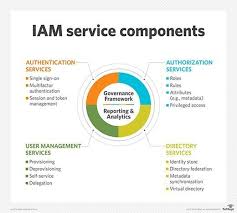
When considering Enterprise IAM solutions, it is essential to understand the four key aspects that form the foundation of effective identity and access management. Firstly, Identity Lifecycle Management involves the seamless management of user identities throughout their entire lifecycle, from onboarding to offboarding. Secondly, Access Management focuses on controlling and monitoring user access to resources based on their roles and permissions. Thirdly, Authentication and Authorisation mechanisms ensure that only authorised users can access specific resources through secure authentication methods. Lastly, Governance and Compliance address regulatory requirements by providing auditing capabilities, policy enforcement, and compliance reporting within the IAM framework. These four key aspects collectively contribute to a robust IAM strategy that enhances security, operational efficiency, and regulatory compliance within enterprises.

What is the IAM solution?

An Identity and Access Management (IAM) solution is a comprehensive framework that enables organisations to manage digital identities, control access to resources, and enforce security policies across their IT infrastructure. IAM solutions provide a centralised platform for creating, modifying, and revoking user identities, as well as defining and managing access rights based on roles and permissions. By implementing IAM solutions, businesses can enhance security, streamline identity management processes, ensure regulatory compliance, and improve operational efficiency. In essence, an IAM solution acts as a critical tool for safeguarding sensitive data, mitigating cyber risks, and maintaining the integrity of an organisation’s digital ecosystem.

What is an IAM solution?

An IAM solution, short for Identity and Access Management solution, is a comprehensive software platform designed to manage user identities, control access to resources, and ensure security within an enterprise environment. It serves as a centralised system that allows organisations to authenticate users, assign appropriate access rights based on roles and responsibilities, monitor user activities, and enforce security policies. IAM solutions play a crucial role in safeguarding sensitive data, streamlining operational processes, meeting compliance requirements, and mitigating security risks by providing a structured framework for identity management across the organisation.

The Role of Enterprise GRC Platforms in Modern Business

The Role of Enterprise GRC Platforms in Modern Business

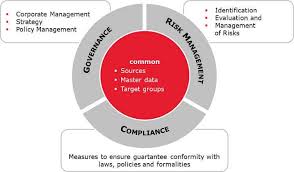
In today’s complex and fast-paced business environment, organisations face a myriad of challenges when it comes to governance, risk management, and compliance (GRC). Managing these aspects effectively is crucial for maintaining operational efficiency, ensuring regulatory compliance, and safeguarding the organisation against potential risks.

This is where Enterprise GRC platforms play a vital role. These platforms are comprehensive solutions that enable businesses to streamline their GRC processes, consolidate data from various sources, and gain actionable insights to make informed decisions.

Key Features of Enterprise GRC Platforms:

  • Centralised Data Management: Enterprise GRC platforms allow organisations to centralise all their GRC-related data in one place. This includes policies, controls, risk assessments, compliance requirements, and audit findings. Having a single source of truth enhances visibility and facilitates better decision-making.
  • Risk Assessment and Mitigation: These platforms provide tools for identifying, assessing, and prioritising risks across the organisation. By conducting thorough risk assessments and implementing mitigation strategies, businesses can proactively address potential threats to their operations.
  • Compliance Monitoring: Enterprise GRC platforms help organisations stay compliant with relevant regulations and standards by automating compliance monitoring processes. They enable companies to track regulatory changes, assess their impact on the business, and ensure adherence to compliance requirements.
  • Reporting and Analytics: With robust reporting capabilities and advanced analytics tools, enterprise GRC platforms empower businesses to generate customised reports, visualise data trends, and extract meaningful insights from their GRC activities. This enables stakeholders to monitor performance metrics and make data-driven decisions.

The Benefits of Implementing an Enterprise GRC Platform:

By adopting an Enterprise GRC platform, organisations can experience several benefits:

  • Enhanced Efficiency: Streamlining GRC processes through automation reduces manual effort and saves time for employees involved in governance activities.
  • Better Risk Management: Improved risk visibility allows businesses to proactively identify and mitigate risks before they escalate into major issues.
  • Increased Compliance: Ensuring regulatory compliance becomes more manageable with automated monitoring tools that track changes in regulations and facilitate adherence.
  • Data-Driven Decision-Making: Access to real-time data analytics enables stakeholders to make informed decisions based on accurate information about the organisation’s risk posture and compliance status.

In conclusion, Enterprise GRC platforms play a critical role in helping modern businesses navigate the complexities of governance, risk management, and compliance. By leveraging these platforms’ capabilities, organisations can strengthen their overall GRC framework, enhance operational resilience, and achieve sustainable growth in an increasingly regulated business landscape.


Top 5 Tips for Optimising Your Enterprise GRC Platform

  1. Ensure the enterprise GRC platform aligns with your organisation’s specific needs and goals.
  2. Regularly update and maintain the platform to ensure optimal performance and security.
  3. Provide comprehensive training to users to maximize the benefits of the GRC platform.
  4. Integrate the GRC platform with other relevant systems for seamless data sharing and analysis.
  5. Monitor regulatory changes and update compliance requirements within the GRC platform accordingly.

Ensure the enterprise GRC platform aligns with your organisation’s specific needs and goals.

To maximise the effectiveness of an Enterprise GRC platform, it is essential to ensure that the platform aligns closely with your organisation’s specific needs and goals. By customising the platform to address the unique requirements of your business, you can enhance its relevance and usability within your operational environment. This alignment enables you to focus on key areas of governance, risk management, and compliance that are most critical to your organisation, ultimately leading to a more tailored and efficient GRC strategy.

Regularly update and maintain the platform to ensure optimal performance and security.

It is essential for organisations utilising Enterprise GRC platforms to adhere to the best practice of regularly updating and maintaining the platform. By keeping the platform up-to-date, businesses can ensure optimal performance and security. Updates often include bug fixes, feature enhancements, and security patches that help safeguard the platform against emerging threats. Additionally, maintenance tasks such as data backups, system checks, and performance tuning contribute to the platform’s stability and reliability. Proactive maintenance not only enhances the efficiency of GRC processes but also reinforces the organisation’s overall cybersecurity posture.

Provide comprehensive training to users to maximize the benefits of the GRC platform.

To fully leverage the advantages of an Enterprise GRC platform, it is essential to offer thorough training to users. By providing comprehensive training sessions, organisations can ensure that employees understand how to effectively utilise the platform’s features and functionalities. Proper training empowers users to navigate the system efficiently, input data accurately, generate meaningful reports, and proactively address governance, risk management, and compliance issues. Investing in user education not only enhances the platform’s effectiveness but also fosters a culture of GRC awareness and accountability within the organisation.

Integrate the GRC platform with other relevant systems for seamless data sharing and analysis.

To maximise the effectiveness of an Enterprise GRC platform, it is advisable to integrate it with other pertinent systems within the organisation. By seamlessly sharing data and enabling cross-system analysis, this integration enhances the platform’s capabilities and provides a more comprehensive view of governance, risk management, and compliance processes. This interoperability not only streamlines operations but also facilitates informed decision-making based on a holistic understanding of the organisation’s GRC landscape.

Monitor regulatory changes and update compliance requirements within the GRC platform accordingly.

To ensure regulatory compliance and adapt to evolving standards, it is essential for organisations to monitor regulatory changes diligently and promptly update compliance requirements within the Enterprise GRC platform. By staying informed about regulatory updates and integrating them into the GRC platform, businesses can proactively adjust their policies, controls, and risk assessments to align with the latest legal requirements. This proactive approach not only helps mitigate compliance risks but also demonstrates a commitment to upholding ethical practices and operating within the bounds of the law.

The Importance of Enterprise Governance Risk and Compliance Platforms

Enterprise Governance Risk and Compliance (eGRC) platforms play a crucial role in helping organisations manage their operations effectively while adhering to regulatory requirements. These platforms integrate various functions such as risk management, compliance monitoring, and policy enforcement into a unified system, providing a comprehensive view of an organisation’s governance landscape.

Risk Management

One of the key features of eGRC platforms is their ability to centralise risk management processes. By identifying, assessing, and mitigating risks across different business units, eGRC platforms enable organisations to proactively address potential threats to their operations. This proactive approach not only helps in avoiding costly incidents but also enhances decision-making by providing real-time insights into the risk environment.

Compliance Monitoring

Ensuring compliance with industry regulations and internal policies is a critical aspect of corporate governance. eGRC platforms streamline compliance monitoring by automating the tracking of regulatory changes, assessing the impact on the organisation, and implementing controls to meet compliance requirements. This automation not only reduces manual effort but also minimises the risk of non-compliance penalties.

Policy Enforcement

eGRC platforms facilitate the enforcement of organisational policies by providing a centralised repository for policy documentation, communication, and attestation. Through automated workflows and notifications, these platforms ensure that employees are aware of relevant policies and procedures and acknowledge their understanding and adherence. This helps in fostering a culture of compliance within the organisation.

Integration and Reporting

An important advantage of eGRC platforms is their ability to integrate data from various sources such as internal systems, external databases, and third-party applications. By consolidating data into a single platform, organisations can generate comprehensive reports that provide insights into governance practices, risk exposure, and compliance status. These reports are invaluable for decision-makers in evaluating performance and making informed strategic decisions.

Conclusion

In today’s complex business environment, effective governance, risk management, and compliance are essential for sustainable growth and success. Enterprise Governance Risk and Compliance platforms offer organisations a holistic approach to managing these critical functions by providing integrated solutions that enhance operational efficiency, reduce risks, ensure regulatory compliance, and promote good corporate governance practices.

By investing in eGRC platforms, organisations can establish a solid foundation for sustainable growth while navigating the complexities of an ever-changing regulatory landscape.


Six Essential Tips for Optimising Enterprise Governance, Risk, and Compliance Platforms

  1. Ensure the platform aligns with your organisation’s specific governance requirements.
  2. Regularly update and review policies and procedures within the platform.
  3. Implement strong user access controls to protect sensitive data.
  4. Integrate the platform with other relevant systems for streamlined processes.
  5. Provide comprehensive training to users on how to effectively use the platform.
  6. Monitor and analyse data within the platform to identify potential risks and compliance issues.

Ensure the platform aligns with your organisation’s specific governance requirements.

To maximise the effectiveness of enterprise governance risk and compliance platforms, it is crucial to ensure that the platform aligns seamlessly with your organisation’s specific governance requirements. By customising the platform to reflect the unique policies, procedures, and risk tolerance levels of your organisation, you can enhance its ability to accurately assess risks, monitor compliance, and enforce policies. This alignment not only improves operational efficiency but also strengthens overall governance practices by tailoring the platform to meet the specific needs and objectives of your organisation.

Regularly update and review policies and procedures within the platform.

To maintain a robust enterprise governance risk and compliance framework, it is essential to regularly update and review policies and procedures within the platform. By staying proactive in updating policies to align with changing regulations and internal requirements, organisations can ensure that their governance practices remain effective and compliant. Regular reviews help in identifying gaps or outdated practices, allowing for timely adjustments to enhance operational efficiency and mitigate risks. Consistent policy updates and reviews demonstrate a commitment to upholding high standards of governance and compliance within the organisation.

Implement strong user access controls to protect sensitive data.

Implementing strong user access controls is a fundamental tip in ensuring the security of sensitive data within enterprise governance risk and compliance platforms. By setting up robust access controls, organisations can restrict user permissions based on roles and responsibilities, limiting access to only necessary data and functionalities. This proactive measure not only reduces the risk of unauthorised data breaches but also enhances compliance with regulatory requirements by ensuring that sensitive information is accessed only by authorised personnel. Strong user access controls are a critical component in safeguarding valuable data assets and maintaining the integrity of eGRC platforms.

Integrate the platform with other relevant systems for streamlined processes.

Integrating your enterprise governance risk and compliance platform with other relevant systems is a strategic move that can significantly enhance the efficiency of your processes. By connecting the eGRC platform with key systems such as internal databases, third-party applications, and reporting tools, you can streamline data flow, automate tasks, and ensure seamless communication across different functions. This integration not only reduces manual effort but also improves accuracy and timeliness in decision-making, ultimately strengthening your organisation’s overall governance framework.

Provide comprehensive training to users on how to effectively use the platform.

To maximise the benefits of enterprise governance risk and compliance platforms, it is essential to provide comprehensive training to users on how to effectively utilise the platform. By offering thorough training sessions, organisations can ensure that employees understand the functionalities of the eGRC platform, know how to navigate its features, and are proficient in carrying out their responsibilities within the system. Well-trained users are better equipped to leverage the full potential of the platform, leading to improved governance practices, enhanced risk management capabilities, and increased compliance with regulatory requirements. Investing in user training not only boosts operational efficiency but also fosters a culture of accountability and proactive engagement with governance processes.

Monitor and analyse data within the platform to identify potential risks and compliance issues.

To enhance enterprise governance risk and compliance practices, it is essential to regularly monitor and analyse data within the platform. By proactively examining the data, organisations can identify potential risks and compliance issues before they escalate into significant challenges. This proactive approach allows for timely interventions and strategic decision-making to mitigate risks and ensure adherence to regulations. Monitoring and analysing data within the platform not only strengthens risk management processes but also fosters a culture of continuous improvement and compliance excellence within the organisation.

The Importance of Change Auditor for Active Directory Queries

In today’s digital landscape, where cybersecurity threats are constantly evolving, organisations must prioritise the security and integrity of their IT infrastructure. Active Directory serves as the central hub for managing user accounts, permissions, and access to resources within a network. Monitoring and auditing changes within Active Directory is crucial for maintaining security, compliance, and operational efficiency.

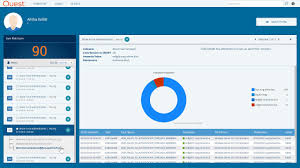
Change Auditor for Active Directory queries is a powerful tool that provides real-time monitoring and reporting capabilities to track changes made to Active Directory objects. By capturing detailed information about every change, such as who made the change, what was changed, and when it occurred, Change Auditor helps organisations detect suspicious activities and unauthorised modifications.

One of the key benefits of using Change Auditor is its ability to proactively identify potential security risks before they escalate into major incidents. By continuously monitoring changes in real-time, administrators can quickly respond to any anomalies or suspicious activities that could indicate a security breach or compliance violation.

Moreover, Change Auditor simplifies compliance management by generating comprehensive reports that document all changes made to Active Directory. These reports not only help organisations demonstrate compliance with regulatory requirements but also provide valuable insights into user behaviour and system performance.

By investing in Change Auditor for Active Directory queries, organisations can enhance their overall cybersecurity posture and reduce the risk of data breaches and insider threats. The proactive monitoring capabilities of Change Auditor enable IT teams to stay ahead of potential security issues and take immediate action to mitigate risks.

In conclusion, in an era where cybersecurity threats are on the rise, implementing robust monitoring and auditing solutions like Change Auditor for Active Directory queries is essential for protecting sensitive data, ensuring compliance with regulations, and maintaining the overall security of an organisation’s IT infrastructure.


Understanding and Utilising Change Auditor for Active Directory: Key FAQs

  1. What is change auditor for Active Directory?
  2. How do I audit user changes in Active Directory?
  3. How do I search in change auditor?
  4. How do you configure auditing settings in Active Directory?

What is change auditor for Active Directory?

Change Auditor for Active Directory is a sophisticated auditing tool designed to monitor and track changes made within an Active Directory environment. It provides real-time visibility into every modification, enabling organisations to effectively manage user accounts, permissions, and access to resources. By capturing detailed information about who made the change, what was changed, and when it occurred, Change Auditor enhances security by detecting suspicious activities and ensuring compliance with regulatory requirements. This powerful solution empowers IT teams to proactively identify potential security risks, simplify compliance management, and maintain the integrity of their Active Directory infrastructure.

How do I audit user changes in Active Directory?

Auditing user changes in Active Directory is a critical aspect of maintaining the security and integrity of your IT environment. With Change Auditor for Active Directory queries, you can easily track and monitor all modifications made to user accounts, permissions, group memberships, and other user-related attributes. By leveraging the real-time monitoring capabilities of Change Auditor, administrators can gain visibility into who made the changes, what changes were made, and when they occurred. This proactive approach to auditing user changes not only helps detect unauthorised activities and potential security breaches but also simplifies compliance management by providing detailed audit trails for regulatory purposes.

How do I search in change auditor?

Searching in Change Auditor for Active Directory queries is a straightforward process that empowers users to efficiently track and investigate changes within the Active Directory environment. By utilising the search functionality, users can easily filter and locate specific audit data based on various criteria such as user activity, object modifications, or time intervals. This feature allows administrators to quickly pinpoint relevant information, identify potential security incidents, and gain valuable insights into the activities occurring within their Active Directory infrastructure. With its intuitive search capabilities, Change Auditor streamlines the investigative process and enhances overall visibility and control over Active Directory changes.

How do you configure auditing settings in Active Directory?

Configuring auditing settings in Active Directory is a critical step in enhancing security and monitoring activities within the network. To configure auditing settings, administrators can utilise Group Policy to define which events should be audited, such as object access, account management, policy changes, and more. By accessing the Group Policy Management Console, administrators can navigate to the desired domain or organizational unit and configure the audit policy settings under “Advanced Audit Policy Configuration.” Here, they can specify the categories of events to audit and define whether success or failure events should be logged. Additionally, administrators can enable auditing for specific objects or attributes within Active Directory to track changes more granularly. Proper configuration of auditing settings in Active Directory is essential for maintaining visibility into user actions, detecting suspicious activities, and ensuring compliance with security standards.

The Importance of Cloud Identity Management Systems

In today’s digital age, where businesses are increasingly relying on cloud services for their operations, the need for robust identity management systems has become more critical than ever. Cloud Identity Management Systems play a crucial role in ensuring the security, efficiency, and compliance of an organisation’s IT infrastructure.

Enhanced Security

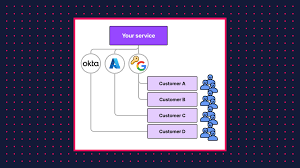
Cloud Identity Management Systems provide a secure framework for managing user identities, access controls, and permissions across cloud-based applications and services. By centralising user authentication and authorisation processes, these systems help prevent unauthorised access to sensitive data and resources.

Improved Efficiency

By streamlining the management of user identities and access rights, Cloud Identity Management Systems enable organisations to automate routine tasks such as user provisioning, deprovisioning, and password resets. This not only reduces the administrative burden on IT teams but also enhances overall operational efficiency.

Scalability and Flexibility

Cloud Identity Management Systems are designed to scale seamlessly with the growing needs of an organisation. Whether it’s onboarding new employees, integrating new applications, or expanding into new markets, these systems can adapt to changes quickly and efficiently without compromising security or performance.

Compliance and Governance

With increasing regulatory requirements around data privacy and security, Cloud Identity Management Systems help organisations maintain compliance with industry standards such as GDPR, HIPAA, or PCI DSS. By enforcing access controls, auditing user activities, and providing detailed reporting capabilities, these systems assist in demonstrating adherence to regulatory mandates.

Conclusion

In conclusion, Cloud Identity Management Systems are indispensable tools for modern businesses looking to secure their cloud environments effectively. By investing in a robust identity management solution tailored to their specific needs, organisations can mitigate security risks, improve operational efficiency, ensure compliance with regulations, and position themselves for future growth in the digital landscape.

Embracing the power of Cloud Identity Management Systems is not just a strategic choice but a necessity in safeguarding sensitive data and maintaining a competitive edge in today’s fast-paced business environment.


Understanding Cloud Identity Management: Key Components and Common Questions

  1. What are the four parts of IAM?
  2. What is cloud identity management?
  3. What is the purpose of IAM in cloud?
  4. What is the difference between IAM and cloud identity?
  5. What is cloud based identity?
  6. What is an example of a Cloud Identity?

What are the four parts of IAM?

In the realm of Cloud Identity Management Systems, IAM, or Identity and Access Management, comprises four essential components: identification, authentication, authorisation, and accountability. Identification involves uniquely identifying users within the system. Authentication verifies the identity of users through credentials such as passwords or biometric data. Authorisation determines what actions and resources users are allowed to access based on their authenticated identity. Lastly, accountability involves tracking and auditing user activities to ensure compliance with security policies and regulations. These four parts of IAM work together seamlessly to establish a secure and efficient framework for managing user identities and access controls in cloud environments.

What is cloud identity management?

Cloud identity management, in the context of cloud computing, refers to the set of processes, policies, and technologies used to manage and secure user identities and access rights across cloud-based applications and services. It involves centralising user authentication, authorisation, and permissions to ensure that only authorised individuals have access to resources while maintaining data security and compliance. Cloud identity management systems play a crucial role in enhancing security, improving operational efficiency, ensuring scalability, and facilitating regulatory compliance within organisations leveraging cloud services. By providing a comprehensive framework for managing user identities in the cloud environment, cloud identity management helps businesses streamline access control processes and protect sensitive data from unauthorised access or breaches.

What is the purpose of IAM in cloud?

In the realm of cloud computing, Identity and Access Management (IAM) serves a fundamental purpose in ensuring the security and integrity of cloud-based resources. IAM in the cloud is designed to manage user identities, control access permissions, and enforce security policies across various cloud services and applications. By centralising the management of user authentication and authorisation processes, IAM helps organisations prevent unauthorised access to sensitive data, mitigate security risks, maintain regulatory compliance, and streamline administrative tasks. Essentially, IAM in the cloud plays a pivotal role in safeguarding digital assets, enhancing operational efficiency, and supporting a robust security posture within cloud environments.

What is the difference between IAM and cloud identity?

When discussing cloud identity management systems, a common question that arises is the distinction between IAM (Identity and Access Management) and cloud identity. IAM typically refers to a broader framework encompassing the policies, processes, and technologies used to manage user identities and control access to resources within an organisation’s IT environment. On the other hand, cloud identity specifically focuses on managing identities and access controls for cloud-based services and applications. While IAM may include on-premises systems and hybrid environments, cloud identity is tailored to the unique requirements of cloud computing, providing seamless integration with various cloud platforms and services. Understanding this difference is crucial for organisations seeking to implement effective identity management strategies in the context of their evolving IT landscape.

What is cloud based identity?

Cloud-based identity, in the context of Cloud Identity Management Systems, refers to the practice of managing user identities, access controls, and permissions for cloud-based applications and services. It involves centralising the authentication and authorisation processes in a cloud environment, allowing organisations to securely manage user access to resources regardless of their location or device. By leveraging cloud-based identity solutions, businesses can streamline user provisioning, enforce security policies, and ensure compliance with regulatory requirements while benefiting from scalability, flexibility, and enhanced security measures tailored for the cloud ecosystem.

What is an example of a Cloud Identity?

An example of a Cloud Identity is a user account created and managed within a cloud-based application or service, such as Microsoft Azure Active Directory or Google Workspace. This Cloud Identity contains information about the user, including their username, password, and access permissions to specific resources hosted in the cloud. By using Cloud Identities, organisations can securely authenticate and authorise users to access cloud services, applications, and data from anywhere, at any time, with the assurance of robust security measures in place to protect sensitive information.

Cloud-Based Identity Management Solutions

The Evolution of Identity Management: Embracing Cloud-Based Solutions

In today’s digital landscape, organisations are increasingly turning to cloud-based identity management solutions to streamline their operations, enhance security, and adapt to the dynamic needs of a modern workforce. Cloud-based identity management offers a flexible and scalable approach to managing user identities, access controls, and security policies across various applications and resources.

Key Benefits of Cloud-Based Identity Management

Enhanced Security: Cloud-based identity management solutions provide robust security features such as multi-factor authentication, single sign-on, and automated user provisioning and deprovisioning. These features help organisations strengthen their security posture and mitigate the risks associated with data breaches and insider threats.

Scalability: Cloud-based identity management solutions can easily scale to accommodate the growth of an organisation without the need for extensive infrastructure investments. Whether you have ten users or ten thousand users, cloud-based solutions can adapt to your changing needs.

Simplified User Experience: By centralising user identities and access controls in the cloud, organisations can provide their employees with a seamless and consistent user experience across different applications and devices. This enhances productivity and reduces the burden on IT support teams.

Challenges and Considerations

While cloud-based identity management offers numerous benefits, organisations must also consider certain challenges when implementing these solutions. These include data privacy concerns, compliance requirements, integration complexities with existing systems, and ensuring continuous availability of critical services.

The Future of Identity Management

The future of identity management lies in leveraging advanced technologies such as artificial intelligence (AI) and machine learning (ML) to enhance security measures, automate routine tasks, and improve decision-making processes. As cyber threats continue to evolve, organisations will need agile and intelligent identity management solutions to stay ahead of potential risks.

Cloud-based identity management solutions are poised to revolutionise how organisations manage identities in an increasingly interconnected world. By embracing these innovative technologies, businesses can achieve greater efficiency, agility, and security in their operations.


Key Insights into Cloud-Based Identity Management Solutions: Addressing Common Questions

  1. What is cloud-based identity management?
  2. How does cloud-based identity management enhance security?
  3. What are the key features of cloud-based identity management solutions?
  4. How can cloud-based identity management help with compliance requirements?
  5. What are the advantages of using a cloud-based identity management solution over traditional methods?
  6. What factors should organisations consider when choosing a cloud-based identity management provider?
  7. Can cloud-based identity management solutions integrate with existing IT systems and applications?
  8. How scalable are cloud-based identity management solutions for growing businesses?
  9. What measures are in place to ensure data privacy and confidentiality in cloud-based identity management?

What is cloud-based identity management?

Cloud-based identity management is a modern approach to managing user identities, access controls, and security policies in the cloud. It involves centralising the management of user authentication, authorisation, and permissions across various applications and resources hosted in cloud environments. By leveraging cloud-based identity management solutions, organisations can streamline user provisioning processes, enforce security policies consistently, and ensure that only authorised individuals have access to sensitive data and applications. This approach offers flexibility, scalability, and enhanced security features to meet the evolving needs of businesses in a digital-first world.

How does cloud-based identity management enhance security?

Cloud-based identity management enhances security through a combination of advanced features and capabilities. By centralising user identities and access controls in the cloud, organisations can implement robust security measures such as multi-factor authentication, single sign-on, and automated user provisioning and deprovisioning. These features help strengthen the overall security posture by reducing the risk of unauthorised access, data breaches, and insider threats. Additionally, cloud-based solutions often provide real-time monitoring and reporting functionalities that enable organisations to quickly detect and respond to security incidents. The scalability and flexibility of cloud-based identity management also allow for seamless updates and patches to address emerging security threats, ensuring that organisations can adapt to evolving cybersecurity challenges effectively.

What are the key features of cloud-based identity management solutions?

Cloud-based identity management solutions offer a range of key features that enhance security, streamline operations, and improve user experience. Some of the prominent features include multi-factor authentication (MFA) for added security layers, single sign-on (SSO) for seamless access to multiple applications with one set of credentials, automated user provisioning and deprovisioning to efficiently manage user access rights, role-based access control (RBAC) for granular control over permissions, and centralised identity management to ensure consistency across various platforms. These features collectively empower organisations to strengthen their security posture, simplify user access management, and adapt to the dynamic requirements of a modern digital environment.

How can cloud-based identity management help with compliance requirements?

Cloud-based identity management plays a crucial role in helping organisations meet compliance requirements effectively. By centralising user identities, access controls, and security policies in the cloud, organisations can implement consistent and auditable processes to ensure compliance with regulatory standards such as GDPR, HIPAA, or PCI DSS. Cloud-based identity management solutions offer features like automated user provisioning, role-based access control, and detailed audit trails that help organisations demonstrate compliance to auditors and regulatory bodies. Additionally, these solutions enable real-time monitoring and enforcement of security policies, ensuring that sensitive data is protected and access is granted only to authorised personnel. By leveraging cloud-based identity management for compliance requirements, organisations can enhance their data protection practices and maintain trust with customers and stakeholders.

What are the advantages of using a cloud-based identity management solution over traditional methods?

When comparing cloud-based identity management solutions to traditional methods, the advantages are clear. Cloud-based solutions offer enhanced security features such as multi-factor authentication and automated user provisioning, strengthening an organisation’s security posture. Scalability is another key benefit, allowing businesses to easily adjust to changing user demands without the need for extensive infrastructure investments. Additionally, the simplified user experience provided by centralising identities in the cloud improves productivity and streamlines access across various applications and devices. Overall, cloud-based identity management solutions offer a more flexible, scalable, and secure approach compared to traditional methods.

What factors should organisations consider when choosing a cloud-based identity management provider?

When selecting a cloud-based identity management provider, organisations should carefully consider several key factors to ensure they choose the most suitable solution for their needs. Firstly, security measures offered by the provider, such as encryption protocols and compliance certifications, are crucial to safeguard sensitive data. Scalability and flexibility of the solution are also essential to accommodate future growth and changing requirements. Additionally, evaluating the provider’s integration capabilities with existing systems and applications is vital for seamless implementation. User experience features like single sign-on and self-service options can enhance productivity and user satisfaction. Lastly, considering the provider’s reputation, support services, and pricing structure will help organisations make an informed decision that aligns with their goals and budget constraints.

Can cloud-based identity management solutions integrate with existing IT systems and applications?

Cloud-based identity management solutions are designed to seamlessly integrate with existing IT systems and applications, providing organisations with a flexible and interoperable solution for managing user identities and access controls. By leveraging standard protocols such as SAML, OAuth, and LDAP, cloud-based identity management solutions can easily connect with a wide range of on-premises and cloud-based applications. This integration capability allows businesses to centralise user authentication and authorisation processes across their IT ecosystem, ensuring a consistent user experience while enhancing security and compliance measures.

How scalable are cloud-based identity management solutions for growing businesses?

Cloud-based identity management solutions offer exceptional scalability for growing businesses, adapting seamlessly to accommodate the evolving needs of an expanding organisation. Whether a business experiences rapid growth or fluctuating user numbers, cloud-based solutions can effortlessly scale to meet the demand without requiring significant infrastructure investments. This scalability ensures that businesses can efficiently manage user identities, access controls, and security policies as they grow, providing a flexible and cost-effective solution that aligns with their changing requirements.

What measures are in place to ensure data privacy and confidentiality in cloud-based identity management?

When it comes to ensuring data privacy and confidentiality in cloud-based identity management solutions, robust measures are implemented to safeguard sensitive information. Encryption techniques are commonly used to protect data both in transit and at rest, ensuring that only authorised users can access and decrypt the information. Access controls, such as role-based permissions and multi-factor authentication, help prevent unauthorised access to confidential data. Additionally, regular security audits and compliance checks are conducted to maintain adherence to industry regulations and standards, providing an extra layer of protection for user identities and personal information stored in the cloud.