Article: Services

The Importance of Quality Services in Today’s Business Landscape

In the fast-paced and competitive world of business, the quality of services provided can often be the key differentiator between success and failure. With consumers becoming increasingly discerning and demanding, companies must strive to deliver exceptional services that not only meet but exceed expectations.

Building Customer Trust and Loyalty

One of the primary reasons why high-quality services are crucial is their role in building customer trust and loyalty. When customers receive excellent service that caters to their needs and preferences, they are more likely to develop a sense of trust in the company. This trust forms the foundation of long-term relationships, leading to customer loyalty and repeat business.

Enhancing Brand Reputation

A company’s reputation is closely tied to the quality of its services. Positive experiences shared by satisfied customers can significantly enhance a brand’s reputation in the market. On the other hand, poor service delivery can quickly tarnish a company’s image and erode consumer confidence. By consistently delivering high-quality services, businesses can strengthen their brand reputation and differentiate themselves from competitors.

Driving Business Growth

Quality services play a vital role in driving business growth and profitability. Satisfied customers are more likely to recommend a company to others, leading to increased referrals and new business opportunities. Moreover, happy customers are willing to pay a premium for superior services, contributing to higher revenue streams. By prioritising service excellence, organisations can fuel sustainable growth and stay ahead in today’s dynamic marketplace.

Embracing Innovation and Continuous Improvement

To deliver top-notch services, companies must embrace innovation and continuous improvement. By staying abreast of industry trends, adopting new technologies, and listening to customer feedback, organisations can enhance their service offerings and stay relevant in an ever-changing landscape. The commitment to innovation ensures that businesses remain competitive and continue to meet evolving customer expectations.

Conclusion

In conclusion, quality services are indispensable for success in today’s business environment. From building customer trust and loyalty to enhancing brand reputation and driving growth, the impact of exceptional service delivery cannot be overstated. By prioritising service excellence, companies can create lasting relationships with customers, differentiate themselves from competitors, and pave the way for sustained success.


Understanding Services: Frequently Asked Questions and Answers

  1. What are called service?
  2. What is the meaning of Servis?
  3. What do you means by services?
  4. What are the 3 types of services?
  5. What does service mean in one word?
  6. What you mean by service?
  7. What are types of services?
  8. What are examples of services?

What are called service?

Services are intangible offerings provided by businesses to fulfil specific needs or requirements of customers. Unlike physical products, services are not tangible goods that can be touched or seen but rather activities, benefits, or satisfactions that are exchanged for money. Services encompass a wide range of activities, such as consulting, hospitality, healthcare, and education, among others. They are characterised by their intangible nature and the direct interaction between service providers and consumers. The quality and delivery of services play a crucial role in customer satisfaction and loyalty, making them a vital component of modern economies.

What is the meaning of Servis?

“Servis” is a term that is often used interchangeably with “service” in various contexts. In general, “servis” refers to the provision of assistance, support, or work performed for others to meet their needs or requirements. Whether it pertains to customer service, maintenance services, or any other form of assistance, the concept of “servis” underscores the importance of fulfilling obligations and delivering value to individuals or organisations seeking help or solutions. Understanding the meaning of “servis” is essential in appreciating the diverse ways in which services contribute to enhancing experiences and addressing challenges across different sectors.

What do you means by services?

Services refer to intangible offerings provided by businesses to meet the needs and requirements of customers. Unlike physical products, services are activities or benefits that are performed or delivered by a company to its clients. These can range from professional advice and technical support to healthcare services and entertainment experiences. In essence, services aim to address specific problems, deliver value, and enhance customer satisfaction through the provision of expertise, assistance, or solutions tailored to individual preferences. The quality and effectiveness of services play a crucial role in shaping customer perceptions, building relationships, and driving business success in various industries.

What are the 3 types of services?

In the realm of business and economics, services are commonly categorised into three main types: 1) Intangible Services, which include activities such as consulting, education, and healthcare that provide expertise or support without tangible products; 2) Tangible Services, encompassing physical goods accompanied by a service component, such as repairs or installations; and 3) Hybrid Services, a combination of both tangible products and intangible services to offer a comprehensive solution to consumers. Understanding these distinctions is essential for businesses to effectively design and deliver services that meet the diverse needs of customers across different industries.

What does service mean in one word?

In a single word, “service” encapsulates the essence of providing assistance, fulfilling needs, and delivering value to others. It embodies the act of serving with dedication, integrity, and a commitment to excellence. “Service” encompasses a wide range of actions aimed at meeting the requirements and expectations of individuals or organisations, ultimately striving to enhance their well-being and satisfaction.

What you mean by service?

When referring to “service,” we are describing the intangible actions or tasks performed to meet a specific need or requirement. Services encompass a wide range of activities provided by individuals, businesses, or organisations to address various customer demands. These can include anything from professional consultations and technical support to maintenance services and customer assistance. In essence, services involve the delivery of value through actions rather than tangible products, focusing on fulfilling customer needs and enhancing overall satisfaction.

What are types of services?

When it comes to services, there are various types that cater to different needs and industries. Common categories of services include professional services such as legal or accounting services, financial services like banking and insurance, healthcare services provided by medical professionals, transportation services such as airlines or taxi companies, and hospitality services offered by hotels and restaurants. Additionally, there are personal services like beauty salons or fitness centres, as well as public services provided by government agencies for the benefit of citizens. Each type of service plays a crucial role in fulfilling specific requirements and enhancing the overall quality of life for individuals and businesses alike.

What are examples of services?

Services encompass a wide range of intangible offerings that cater to various needs and preferences. Examples of services include healthcare provision by doctors and nurses, legal advice from solicitors, financial assistance from banks, education delivered by teachers, transportation services provided by taxi drivers or public transport operators, and hospitality offerings at hotels and restaurants. Additionally, services can extend to entertainment options such as streaming platforms, maintenance services for vehicles or appliances, and consulting services for businesses seeking expert advice. The diversity of services reflects the essential role they play in fulfilling societal demands and enhancing overall quality of life.

The Importance of Quality Service in Today’s Business Landscape

The Importance of Quality Service in Today’s Business Landscape

In the highly competitive world of business, providing quality service to customers has become more crucial than ever. In a market where products and prices can often be similar, it is the level of service that sets businesses apart and cultivates customer loyalty.

Quality service goes beyond just delivering a product or completing a transaction. It encompasses the entire customer experience, from the moment a potential customer interacts with your brand to post-purchase support. Businesses that prioritise service understand that every touchpoint with a customer is an opportunity to build trust and long-term relationships.

One of the key benefits of offering exceptional service is customer retention. Satisfied customers are more likely to return for future purchases and recommend your business to others. They become brand advocates who can significantly impact your reputation and bottom line.

Moreover, quality service can differentiate your business in a crowded marketplace. When customers receive personalised attention, prompt responses to queries, and efficient problem resolution, they are more likely to choose your business over competitors who may offer similar products but lack the same level of service.

Another important aspect of quality service is its role in building brand loyalty. Customers who feel valued and appreciated are more likely to remain loyal to your brand even when faced with tempting offers from competitors. By consistently exceeding customer expectations, businesses can create strong emotional connections that go beyond mere transactions.

Furthermore, providing excellent service can lead to valuable feedback and insights from customers. By actively listening to their needs and preferences, businesses can adapt their offerings and improve their operations based on real-time feedback. This continuous improvement cycle not only enhances the customer experience but also drives innovation within the organisation.

In conclusion, quality service is not just a desirable attribute for businesses; it is essential for survival in today’s competitive landscape. By prioritising service excellence, businesses can foster customer loyalty, differentiate themselves from competitors, build brand advocacy, and drive continuous improvement. In an age where customers have more choices than ever before, outstanding service remains a powerful differentiator that can elevate a business above the rest.


Essential FAQs About Our Service Offerings and Support

  1. What services do you offer?
  2. How can I request a service?
  3. What is the cost of your services?
  4. Do you provide customer support for your services?
  5. Can I cancel or modify a service once it has been requested?
  6. Are there any discounts or promotions available for your services?
  7. How long does it take to receive the service once requested?
  8. What sets your services apart from competitors?

What services do you offer?

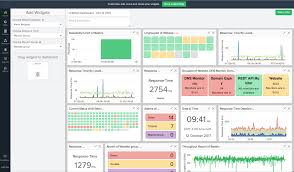
When inquired about the services we provide, it is essential to highlight the diverse range of solutions tailored to meet our clients’ specific needs. Our offerings encompass a comprehensive suite of services designed to enhance operational efficiency, ensure cybersecurity, and streamline compliance processes. From real-time monitoring and detailed reporting to compliance management and proactive threat detection, our services aim to provide a holistic approach towards safeguarding your IT infrastructure. By articulating the depth and breadth of our service portfolio, we strive to convey our commitment to delivering tailored solutions that address the unique challenges faced by our clients in today’s dynamic business landscape.

How can I request a service?

To request a service, simply follow our user-friendly process designed to make your experience seamless and efficient. Start by visiting our website and navigating to the ‘Services’ section, where you can browse through our offerings and select the specific service you require. Once you have identified the service that meets your needs, click on the ‘Request Service’ button and fill out the necessary details in the provided form. Our dedicated team will then review your request promptly and reach out to you to confirm the details and discuss any further requirements. We strive to make requesting a service as straightforward as possible, ensuring that your needs are met with professionalism and care throughout the process.

What is the cost of your services?

When inquiring about our services, one common question that arises is, “What is the cost of your services?” At our company, we understand the importance of transparency and clarity when it comes to pricing. Our pricing structure is designed to be fair, competitive, and reflective of the value we provide. We offer a range of service packages tailored to meet various needs and budgets, ensuring that our clients can choose the option that best aligns with their requirements. Additionally, we are committed to providing detailed information on pricing upfront to avoid any surprises and to build trust with our customers.

Do you provide customer support for your services?

Ensuring exceptional customer support is a top priority for our services. We understand the importance of being readily available to address any queries or concerns that our customers may have. Our dedicated support team is committed to providing timely and effective assistance to ensure a seamless experience for all users. Whether it’s troubleshooting technical issues, offering guidance on using our services, or simply providing clarifications, we strive to deliver high-quality customer support that exceeds expectations. Your satisfaction and success are paramount to us, and we are here to assist you every step of the way.

Can I cancel or modify a service once it has been requested?

Customers often wonder whether they can cancel or modify a service once it has been requested. The ability to cancel or modify a service typically depends on the terms and conditions outlined by the service provider. Some services may allow for cancellations or modifications within a certain timeframe or under specific circumstances, while others may have strict policies in place. It is advisable for customers to review the terms of service before requesting a service to understand their options in case changes are needed. Communication with the service provider is also key, as they may be able to offer solutions or alternatives depending on the situation.

Are there any discounts or promotions available for your services?

Customers often inquire about discounts or promotions available for our services. At our company, we periodically offer special deals and promotions to provide added value to our customers. These discounts may vary based on the type of service, timing, or specific promotions running at the time. We recommend checking our website or contacting our customer service team to inquire about any current discounts or promotions that may be applicable to the services you are interested in. Our goal is to ensure that our customers receive not only high-quality services but also opportunities to benefit from cost-saving offers when available.

How long does it take to receive the service once requested?

When it comes to the timeframe for receiving the service once requested, the duration can vary depending on the nature of the service and the provider’s operational processes. Typically, service providers aim to fulfil requests in a timely manner to meet customer expectations. Factors such as service complexity, availability of resources, and any specific requirements outlined in the request can influence the turnaround time. Communication between the customer and the provider regarding timelines and potential delays is essential to ensure a smooth and satisfactory service delivery experience.

What sets your services apart from competitors?

Our services stand out from competitors due to our unwavering commitment to excellence in every aspect of what we offer. From the moment you engage with us, you will experience a level of personalised attention and dedication that is unmatched in the industry. We pride ourselves on not only meeting but exceeding customer expectations, ensuring that every interaction leaves a lasting positive impression. Our team’s expertise, combined with innovative solutions tailored to your specific needs, sets us apart as a trusted partner dedicated to delivering exceptional results.

The Importance of Monitoring Software in Today’s Digital World

The Importance of Monitoring Software in Today’s Digital World

In the fast-paced and interconnected digital landscape of today, monitoring software plays a crucial role in ensuring the security, performance, and compliance of IT systems. From small businesses to large enterprises, the need for comprehensive monitoring solutions has never been more critical.

Security Monitoring

One of the primary functions of monitoring software is to enhance security measures within an organisation. By continuously monitoring network traffic, user activities, and system logs, monitoring software can detect suspicious behaviour, potential security breaches, and vulnerabilities that may otherwise go unnoticed. This proactive approach to security helps in preventing cyber attacks and safeguarding sensitive data.

Performance Monitoring

Monitoring software also plays a key role in optimising the performance of IT infrastructure. By tracking key performance metrics such as CPU usage, memory consumption, network latency, and application responsiveness, organisations can identify bottlenecks, troubleshoot issues proactively, and ensure that their systems operate at peak efficiency.

Compliance Monitoring

For businesses operating in regulated industries or those subject to data protection laws, compliance monitoring is essential. Monitoring software helps organisations adhere to industry regulations by tracking access controls, auditing changes to critical systems, and generating compliance reports. This ensures that companies meet legal requirements and maintain the trust of their customers.

The Benefits of Monitoring Software

  • Early Detection: Identify issues before they escalate into major problems.
  • Improved Productivity: Optimise system performance for increased efficiency.
  • Risk Mitigation: Minimise security risks and ensure regulatory compliance.
  • Data Insights: Gain valuable insights into system behaviour and user activities.
  • Cost Savings: Prevent costly downtime and maintenance through proactive monitoring.

In conclusion, monitoring software is an indispensable tool for modern businesses looking to secure their digital assets, enhance operational efficiency, and meet regulatory requirements. By investing in robust monitoring solutions tailored to their specific needs, organisations can stay ahead of potential threats and challenges in today’s dynamic technological landscape.


Top 5 Frequently Asked Questions About Monitoring Software

  1. What is monitoring software and how does it work?
  2. What are the key features to look for in monitoring software?
  3. How can monitoring software help improve network security?
  4. What are the benefits of using monitoring software for performance optimization?
  5. How does compliance monitoring software assist businesses in meeting regulatory requirements?

What is monitoring software and how does it work?

Monitoring software is a powerful tool designed to oversee and track various aspects of IT systems, networks, and applications. It works by continuously collecting data from the monitored environment, such as network traffic, system performance metrics, user activities, and security events. This data is then analysed in real-time or through scheduled reports to identify anomalies, trends, or potential issues. Monitoring software often utilises alerts and notifications to promptly inform administrators of critical events or deviations from normal operation. By providing visibility into the health and performance of IT infrastructure, monitoring software enables organisations to proactively manage their systems, enhance security measures, optimise resource allocation, and ensure compliance with regulations.

What are the key features to look for in monitoring software?

When considering monitoring software, it is essential to look for key features that can meet the specific needs of your organisation. Some crucial features to consider include real-time monitoring capabilities, customisable alerts and notifications, scalability to accommodate growth, comprehensive reporting tools, integration with other systems or applications, user-friendly interface for ease of use, and robust security measures to protect sensitive data. Additionally, features such as automated remediation actions, historical data analysis, and support for multiple platforms can enhance the effectiveness and efficiency of monitoring software in ensuring the security, performance, and compliance of your IT infrastructure.

How can monitoring software help improve network security?

Monitoring software plays a pivotal role in enhancing network security by providing real-time insights and proactive threat detection capabilities. By continuously monitoring network traffic, user activities, and system logs, monitoring software can identify suspicious patterns, unauthorised access attempts, and potential security breaches. This early detection allows IT teams to respond swiftly to mitigate risks, strengthen security measures, and prevent cyber attacks before they cause significant damage. Additionally, monitoring software enables organisations to track compliance with security policies, monitor the effectiveness of security controls, and generate detailed reports for auditing purposes. Overall, the comprehensive visibility offered by monitoring software is instrumental in fortifying network defences and safeguarding sensitive data from evolving cyber threats.

What are the benefits of using monitoring software for performance optimization?

When it comes to performance optimization, the benefits of using monitoring software are manifold. Monitoring software provides real-time insights into key performance metrics such as CPU usage, memory consumption, network latency, and application responsiveness. By tracking these metrics, organisations can identify bottlenecks, pinpoint inefficiencies, and troubleshoot issues proactively to ensure that their systems operate at peak efficiency. This proactive approach not only improves system performance but also enhances overall productivity by minimising downtime and maximising resource utilisation. Additionally, monitoring software enables businesses to make informed decisions based on data-driven insights, leading to better resource allocation and strategic planning for future growth and scalability.

How does compliance monitoring software assist businesses in meeting regulatory requirements?

Compliance monitoring software plays a pivotal role in helping businesses meet regulatory requirements by providing a comprehensive framework for tracking and managing adherence to industry-specific regulations. By continuously monitoring and analysing various aspects of an organisation’s operations, such as access controls, data handling practices, and system configurations, compliance monitoring software can identify deviations from regulatory standards in real-time. This proactive approach enables businesses to promptly address any non-compliance issues, generate detailed reports for auditing purposes, and demonstrate their commitment to upholding legal obligations. Ultimately, compliance monitoring software acts as a reliable ally for businesses seeking to navigate complex regulatory landscapes effectively and maintain the trust of stakeholders.

The Importance of Using a Monitoring Tool for Your Business

The Importance of Using a Monitoring Tool for Your Business

In today’s digital age, businesses rely heavily on their IT infrastructure to operate efficiently. With the increasing complexity of networks and systems, it has become crucial for organisations to implement robust monitoring tools to ensure the smooth functioning of their operations.

A monitoring tool is a software application that tracks and analyses the performance of various components within an IT environment. It provides real-time insights into the health and status of servers, applications, databases, and network devices. By using a monitoring tool, businesses can proactively identify issues before they escalate into major problems.

Benefits of Using a Monitoring Tool:

  • Early Detection of Issues: Monitoring tools can detect anomalies and performance degradation in real-time, allowing IT teams to address them promptly.
  • Improved System Performance: By monitoring key metrics such as CPU usage, memory consumption, and network traffic, businesses can optimise their systems for better performance.
  • Enhanced Security: Monitoring tools help in identifying security breaches and suspicious activities, enabling organisations to take immediate action to protect their data.
  • Compliance Management: Many monitoring tools offer features that assist businesses in meeting regulatory compliance requirements by tracking and reporting on critical parameters.
  • Cost Savings: Proactive monitoring reduces downtime and prevents costly system failures, ultimately saving businesses money in the long run.

Choosing the right monitoring tool for your business is essential. Consider factors such as scalability, ease of use, customisation options, and integration capabilities when selecting a solution that best fits your needs. Investing in a reliable monitoring tool can significantly enhance the efficiency and security of your IT infrastructure.

In conclusion, leveraging a monitoring tool is indispensable for modern businesses looking to maintain optimal performance and safeguard their critical assets. By implementing proactive monitoring practices, organisations can stay ahead of potential issues and ensure seamless operations in today’s dynamic digital landscape.


Top 9 Benefits of Using a Monitoring Tool for Enhanced System Performance and Security

  1. Real-time insights into system performance
  2. Early detection of issues before they escalate
  3. Improved security through threat identification
  4. Enhanced compliance management capabilities
  5. Optimisation of resource usage for cost savings
  6. Customisable alerts for proactive problem-solving
  7. Centralised monitoring of diverse IT components
  8. Scalability to accommodate business growth
  9. Increased operational efficiency and productivity


Challenges and Drawbacks of Implementing a Monitoring Tool

  1. 1. Initial Setup Complexity
  2. 2. Resource Intensive
  3. 3. False Alerts
  4. 4. Costly Licensing
  5. 5. Training Requirements
  6. 6. Compatibility Issues

Real-time insights into system performance

Having real-time insights into system performance is a significant advantage of using a monitoring tool. By continuously tracking key metrics such as CPU usage, memory consumption, and network traffic, businesses can promptly identify any anomalies or issues that may impact the performance of their IT infrastructure. This proactive approach allows IT teams to take immediate corrective actions, ensuring that systems operate optimally and potential problems are addressed before they escalate. Real-time monitoring empowers organisations to maintain peak performance levels and enhance overall operational efficiency in today’s fast-paced digital environment.

Early detection of issues before they escalate

One of the key advantages of using a monitoring tool is its ability to provide early detection of issues before they escalate into major problems. By continuously monitoring the performance and health of IT systems, businesses can swiftly identify anomalies and potential bottlenecks. This proactive approach allows IT teams to take immediate action, mitigating risks and preventing disruptions that could impact operations. Early detection not only helps in maintaining system reliability but also minimises downtime, ultimately leading to improved productivity and cost savings for the organisation.

Improved security through threat identification

One of the key advantages of using a monitoring tool is the enhanced security it provides through effective threat identification. By continuously monitoring and analysing network activities, system logs, and user behaviours, a monitoring tool can swiftly detect suspicious patterns or potential security breaches. This proactive approach enables businesses to identify and mitigate security threats before they escalate, strengthening their overall cybersecurity posture and safeguarding sensitive data from malicious actors.

Enhanced compliance management capabilities

Enhanced compliance management capabilities are a significant advantage of using monitoring tools in business operations. These tools play a crucial role in helping organisations adhere to regulatory requirements by tracking and reporting on essential parameters. By providing real-time insights into compliance status, monitoring tools enable businesses to identify and address any deviations promptly. This proactive approach not only ensures that the company remains compliant with industry standards and regulations but also minimises the risk of non-compliance penalties. Ultimately, the enhanced compliance management capabilities offered by monitoring tools contribute to a more secure and well-regulated business environment.

Optimisation of resource usage for cost savings

One significant advantage of using a monitoring tool is its capability to optimise resource usage, leading to cost savings for businesses. By tracking key metrics such as CPU usage, memory consumption, and network traffic in real-time, organisations can identify inefficiencies and allocate resources more effectively. This proactive approach not only improves system performance but also helps in reducing unnecessary expenditures on over-provisioned resources. With a monitoring tool in place, businesses can fine-tune their IT infrastructure to operate at peak efficiency, ultimately translating into tangible cost savings and improved ROI.

Customisable alerts for proactive problem-solving

Customisable alerts are a key advantage of using monitoring tools as they enable businesses to proactively address issues before they escalate. By setting up tailored alerts based on specific thresholds and criteria, IT teams can receive real-time notifications about potential problems in their systems. This proactive approach allows for swift problem-solving actions, minimising downtime and preventing disruptions to business operations. Customisable alerts empower organisations to stay ahead of issues and maintain the reliability and performance of their IT infrastructure effectively.

Centralised monitoring of diverse IT components

Centralised monitoring of diverse IT components is a significant advantage offered by monitoring tools. By consolidating the monitoring of various elements such as servers, applications, databases, and network devices into a single platform, businesses can gain a comprehensive view of their entire IT infrastructure. This centralisation streamlines the monitoring process, allowing IT teams to easily track performance metrics, detect issues across different components, and respond promptly to potential problems. With centralised monitoring, organisations can improve operational efficiency, enhance troubleshooting capabilities, and ensure the seamless functioning of their complex IT environment.

Scalability to accommodate business growth

A key advantage of using a monitoring tool is its scalability to accommodate business growth. As organisations expand and evolve, their IT infrastructure needs to adapt accordingly. Monitoring tools can easily scale up to monitor a growing number of devices, servers, and applications without compromising performance or efficiency. This flexibility ensures that businesses can seamlessly integrate new systems and technologies into their monitoring framework as they grow, allowing them to maintain visibility and control over their expanding IT environment.

Increased operational efficiency and productivity

Implementing a monitoring tool in your business can lead to a significant increase in operational efficiency and productivity. By continuously tracking the performance of IT systems and identifying potential issues in real-time, employees can work more effectively without disruptions caused by system downtime or performance bottlenecks. This proactive approach allows teams to focus on their core tasks, leading to enhanced productivity and streamlined operations across the organisation. With improved visibility and control over IT infrastructure, businesses can allocate resources more efficiently, ultimately driving overall operational efficiency to new heights.

1. Initial Setup Complexity

Setting up a monitoring tool can present a significant challenge due to its initial setup complexity. The process often involves intricate configurations and seamless integration with the existing systems within an organisation. This complexity can lead to delays in implementation and require dedicated expertise to ensure that the monitoring tool functions effectively. Businesses may encounter hurdles in navigating the setup phase, potentially impacting the timely deployment of critical monitoring capabilities across their IT infrastructure.

2. Resource Intensive

Some monitoring tools can be resource-intensive, posing a challenge for businesses as they consume a considerable amount of system resources. This high resource consumption can lead to performance issues within the monitored environment, affecting the overall efficiency of IT systems. The trade-off between comprehensive monitoring capabilities and the impact on system performance is a crucial consideration for organisations when selecting a monitoring tool. Balancing the need for detailed insights with the potential strain on resources is essential to ensure that monitoring activities do not hinder the smooth operation of critical business processes.

3. False Alerts

Monitoring tools, despite their benefits, can present a significant drawback in the form of false alerts. These erroneous notifications can result in alert fatigue among IT teams, causing them to overlook genuine issues amidst the noise of constant alerts. The challenge lies in distinguishing between false alarms and actual critical events, which can hamper the effectiveness of the monitoring tool and potentially delay response times to real threats. False alerts not only waste valuable time and resources but also undermine the trust and reliability of the monitoring system, highlighting the importance of fine-tuning alert configurations to minimise such occurrences.

4. Costly Licensing

High-end monitoring tools, while offering advanced features and functionalities, can present a significant drawback in the form of costly licensing fees. For small businesses operating within budget constraints, the financial burden of these licensing fees may pose a considerable challenge. Investing in such tools with expensive licensing models could strain the limited resources of small enterprises, making it difficult for them to justify the expense in relation to the benefits gained. As a result, organisations with limited financial flexibility may find it challenging to access the full capabilities of high-end monitoring tools due to the prohibitive costs associated with their licensing structures.

5. Training Requirements

One significant drawback of implementing a monitoring tool is the associated training requirements for users. To fully harness all the features and capabilities of a monitoring tool, users may need specialised training sessions, which can consume valuable time and incur additional costs for the organisation. This training investment adds an extra layer of complexity to the adoption process and may pose challenges in ensuring that all users are proficient in utilising the tool effectively.

6. Compatibility Issues

Ensuring compatibility with diverse IT infrastructures and technologies can present a significant challenge when deploying a monitoring tool. The complexity of modern IT environments, which often consist of a mix of legacy systems and cutting-edge technologies, can lead to compatibility issues that hinder the seamless integration of monitoring tools. Addressing these challenges requires careful planning, testing, and potentially additional resources to ensure that the monitoring tool functions effectively across all components of the infrastructure. Failure to overcome compatibility issues may result in gaps in monitoring coverage and limit the tool’s ability to provide comprehensive insights into the entire IT ecosystem.

The Importance of Active Directory Management

The Importance of Active Directory Management

Active Directory (AD) management is a critical aspect of maintaining a secure and efficient IT infrastructure within an organisation. AD serves as the centralised database that stores information and settings for users, computers, and resources on a network.

Effective AD management involves tasks such as user provisioning, group policy management, access control, security monitoring, and more. By properly managing AD, organisations can ensure data security, streamline IT operations, and enhance overall productivity.

Benefits of AD Management:

  • Enhanced Security: Proper AD management helps in enforcing security policies, controlling access to resources, and detecting potential security threats.
  • Improved Productivity: By automating user provisioning, password resets, and other routine tasks, AD management reduces manual effort and boosts productivity.
  • Regulatory Compliance: Organisations can ensure compliance with industry regulations by maintaining accurate user permissions and auditing changes within the AD environment.
  • Centralised Control: AD management provides a centralised platform for managing user accounts, devices, applications, and other network resources efficiently.
  • Error Prevention: Regular monitoring and maintenance of AD help in identifying issues early on and preventing potential errors that could impact network performance.

Best Practices for AD Management:

To optimise Active Directory management, organisations should consider implementing the following best practices:

  1. User Lifecycle Management: Establish processes for user onboarding, offboarding, and role-based access control to ensure efficient user lifecycle management.
  2. Regular Auditing: Conduct regular audits of AD configurations, permissions, and activities to identify security gaps or compliance issues.
  3. Automation Tools: Utilise automation tools to streamline repetitive tasks such as account provisioning, password resets, group policy updates, etc.
  4. Data Backup & Recovery: Implement robust backup solutions to protect critical data stored in Active Directory and enable quick recovery in case of data loss or system failure.
  5. Skill Development: Invest in training IT staff on best practices for AD management to ensure they have the necessary skills to handle complex tasks effectively.

In conclusion, Active Directory management plays a crucial role in maintaining a secure and well-organised IT environment. By following best practices and leveraging automation tools where possible, organisations can effectively manage their AD infrastructure to support business operations efficiently while mitigating risks associated with data security breaches or compliance violations.


Top 7 Tips for Effective Ad Management

  1. Set clear goals for your ad campaigns.
  2. Know your target audience and tailor your ads to them.
  3. Use compelling and relevant ad copy to attract attention.
  4. Monitor and analyse the performance of your ads regularly.
  5. Test different ad formats and placements to optimize results.
  6. Consider using A/B testing to compare ad variations.
  7. Stay updated on industry trends and adjust your strategies accordingly.

Set clear goals for your ad campaigns.

Setting clear goals for your Active Directory (AD) campaigns is essential for achieving success in managing your IT infrastructure effectively. By defining specific objectives, such as improving security controls, enhancing user access management, or ensuring regulatory compliance, you can align your AD management strategies with the broader goals of your organisation. Clear goals provide a roadmap for prioritising tasks, measuring progress, and evaluating the impact of your efforts, ultimately leading to a more secure and efficient AD environment.

Know your target audience and tailor your ads to them.

Understanding your target audience is a fundamental aspect of effective ad management. By knowing who your ads are intended for, you can tailor your messaging and content to resonate with their interests, needs, and preferences. This targeted approach not only increases the relevance of your ads but also enhances the likelihood of engaging with and converting potential customers. By aligning your ad campaigns with the characteristics and behaviours of your target audience, you can maximise the impact of your advertising efforts and achieve better results in reaching and influencing the right individuals.

Use compelling and relevant ad copy to attract attention.

To enhance the effectiveness of your Active Directory management strategy, it is essential to utilise compelling and relevant ad copy that captures attention and resonates with your target audience. By crafting engaging and informative ad content, you can attract users’ interest and encourage them to take action, whether it be exploring new features, adopting security measures, or adhering to compliance protocols. Thoughtfully curated ad copy not only boosts user engagement but also reinforces the value of your Active Directory services, ultimately contributing to a more successful and impactful management approach.

Monitor and analyse the performance of your ads regularly.

It is essential to monitor and analyse the performance of your ads regularly when managing Active Directory. By keeping a close eye on the effectiveness of your advertisements, you can gain valuable insights into user engagement, identify areas for improvement, and make informed decisions to optimise your ad campaigns. Regular monitoring allows you to track key metrics, such as click-through rates and conversion rates, helping you understand what resonates with your audience and adjust your strategies accordingly. This proactive approach ensures that your ads remain relevant and impactful in reaching your target audience within the Active Directory environment.

Test different ad formats and placements to optimize results.

To maximise the effectiveness of your advertising campaigns, it is essential to experiment with various ad formats and placements. Testing different ad formats, such as images, videos, or carousel ads, along with trying out diverse ad placements across platforms can help you identify the most impactful combinations for reaching your target audience and achieving optimal results. By continuously testing and refining your ad strategies based on performance data, you can enhance engagement levels, increase conversions, and ultimately improve the overall success of your advertising efforts.

Consider using A/B testing to compare ad variations.

Consider using A/B testing as a valuable strategy in your ad management efforts. A/B testing allows you to compare different variations of your ads to determine which performs better in terms of engagement, click-through rates, and conversions. By testing elements such as ad copy, visuals, calls to action, and targeting parameters, you can gather valuable insights into what resonates best with your target audience. This data-driven approach enables you to refine your ad campaigns effectively and optimise them for maximum impact and ROI.

To effectively manage Active Directory, it is essential to stay informed about current industry trends and adapt strategies accordingly. By keeping abreast of the latest developments in IT security, compliance requirements, and technological advancements, organisations can proactively adjust their AD management strategies to align with best practices and address emerging challenges. Regularly updating knowledge and practices ensures that AD environments remain secure, efficient, and compliant with evolving industry standards.

The Importance of Monitoring in Today’s Digital World

The Importance of Monitoring in Today’s Digital World

In the fast-paced and interconnected digital landscape of today, monitoring has become a critical aspect of maintaining the security, performance, and integrity of various systems and networks. Whether it’s monitoring network traffic, server performance, or user activities, the ability to track and analyse data in real-time is invaluable for businesses and organisations.

Enhancing Security

One of the primary reasons for implementing monitoring systems is to enhance security. By continuously monitoring network traffic and system logs, organisations can detect suspicious activities or potential security breaches promptly. This proactive approach allows them to take immediate action to mitigate risks and prevent data breaches or cyber attacks.

Optimising Performance

Monitoring also plays a crucial role in optimising system performance. By tracking key performance indicators such as CPU usage, memory consumption, and network latency, IT teams can identify bottlenecks or issues that may impact overall performance. This data-driven approach enables them to fine-tune configurations, allocate resources efficiently, and ensure that systems operate at peak efficiency.

Ensuring Compliance

For many industries, compliance with regulations and standards is a non-negotiable requirement. Monitoring solutions help organisations demonstrate compliance by capturing audit trails, generating reports, and ensuring that security policies are enforced consistently. This not only helps in meeting regulatory requirements but also instils trust among customers and stakeholders.

Improving Decision-Making

Real-time monitoring provides valuable insights that empower decision-makers to make informed choices. By analysing trends, patterns, and anomalies in data collected through monitoring tools, businesses can identify opportunities for improvement, anticipate potential issues before they escalate, and make strategic decisions based on accurate information.

Conclusion

In conclusion, monitoring is an indispensable practice in today’s digital world. It serves as a proactive measure to enhance security, optimise performance, ensure compliance with regulations, and improve decision-making processes. By investing in robust monitoring solutions and leveraging data-driven insights effectively, organisations can stay ahead of threats, maximise efficiency, and drive sustainable growth in an increasingly interconnected environment.


Essential FAQs on Monitoring: Importance, Benefits, and Tools for Businesses

  1. What is monitoring and why is it important?
  2. What are the benefits of implementing monitoring systems?
  3. How does monitoring help enhance cybersecurity?
  4. What are the key performance indicators that can be monitored in IT systems?
  5. How can monitoring help businesses ensure compliance with regulations?
  6. What tools and software are commonly used for monitoring network activities?
  7. How can organisations leverage data collected through monitoring for decision-making?

What is monitoring and why is it important?

Monitoring is the practice of observing and tracking various aspects of systems, networks, or activities to gather data for analysis and decision-making. It plays a crucial role in maintaining the security, performance, and compliance of IT infrastructures. By continuously monitoring key metrics such as network traffic, system performance, and user behaviour, organisations can detect anomalies, identify potential issues proactively, and take timely action to prevent security breaches or system failures. Monitoring also helps in optimising resource allocation, ensuring regulatory compliance, and enhancing overall operational efficiency. In essence, monitoring provides valuable insights that enable businesses to safeguard their assets, improve productivity, and make informed decisions in today’s dynamic digital landscape.

What are the benefits of implementing monitoring systems?

Implementing monitoring systems offers a multitude of benefits for organisations seeking to enhance their operational efficiency and security measures. By deploying monitoring solutions, businesses can proactively detect and address potential issues before they escalate, leading to improved system performance and reduced downtime. Additionally, monitoring systems provide valuable insights into network traffic, user activities, and system health, enabling informed decision-making and strategic planning. From enhancing cybersecurity measures to ensuring regulatory compliance and optimising resource allocation, the benefits of implementing monitoring systems are vast and essential in today’s dynamic digital landscape.

How does monitoring help enhance cybersecurity?

Monitoring plays a crucial role in enhancing cybersecurity by providing continuous surveillance of network activities, system logs, and user behaviours. By monitoring these aspects in real-time, organisations can swiftly detect and respond to potential security threats such as suspicious login attempts, unauthorised access, or unusual patterns of data transfer. This proactive approach enables security teams to identify vulnerabilities, mitigate risks promptly, and strengthen defences against cyber attacks. Additionally, monitoring helps in establishing a baseline of normal behaviour, making it easier to spot anomalies that could indicate malicious activities. Overall, monitoring is a fundamental component of cybersecurity strategies as it allows for early threat detection and effective incident response measures to safeguard critical assets and data.

What are the key performance indicators that can be monitored in IT systems?

When it comes to monitoring IT systems, there are several key performance indicators (KPIs) that organisations should pay close attention to. These KPIs include metrics such as CPU usage, memory utilization, network latency, disk I/O performance, and application response times. Monitoring these indicators provides valuable insights into the health and efficiency of IT systems, allowing businesses to identify bottlenecks, troubleshoot issues proactively, and optimise resource allocation for enhanced performance. By tracking these essential KPIs, organisations can ensure the smooth operation of their IT infrastructure and deliver a seamless user experience.

How can monitoring help businesses ensure compliance with regulations?

Monitoring plays a crucial role in helping businesses ensure compliance with regulations by providing real-time visibility into their systems and networks. By implementing monitoring solutions that track and record user activities, access logs, and system configurations, organisations can demonstrate adherence to regulatory requirements by maintaining detailed audit trails and generating compliance reports. Monitoring enables businesses to proactively identify any deviations from established security policies or regulatory standards, allowing them to take corrective actions promptly and mitigate potential compliance risks. Additionally, by continuously monitoring and analysing data, businesses can demonstrate due diligence in their efforts to comply with regulations, instilling trust among stakeholders and regulatory bodies.

What tools and software are commonly used for monitoring network activities?

When it comes to monitoring network activities, a variety of tools and software are commonly used to ensure comprehensive oversight and analysis. Network administrators often rely on popular solutions such as Wireshark, Nagios, SolarWinds Network Performance Monitor, PRTG Network Monitor, and Zabbix. These tools provide functionalities ranging from packet sniffing and traffic analysis to real-time performance monitoring and alerting. By leveraging these robust monitoring solutions, organisations can effectively track network traffic, identify potential issues, and maintain the security and efficiency of their networks.

How can organisations leverage data collected through monitoring for decision-making?

Organisations can leverage the data collected through monitoring to enhance their decision-making processes in various ways. By analysing trends, patterns, and anomalies in the data, businesses can gain valuable insights into their operations, performance, and potential risks. This data-driven approach allows decision-makers to make informed choices based on real-time information, anticipate challenges before they escalate, and identify opportunities for improvement. By harnessing the power of monitoring data, organisations can align their strategies with actionable insights, drive efficiency, and stay agile in a dynamic business environment.

The Importance of Directories in Organising Information

The Importance of Directories in Organising Information

In the digital age, where vast amounts of information are generated and stored every day, the need for efficient organisation and retrieval of data is more critical than ever. This is where directories play a crucial role.

A directory, also known as a folder, is a hierarchical structure used to store and organise files or other directories on a computer or network. It acts as a roadmap that helps users navigate through the stored information easily and quickly.

Directories provide several benefits in managing data:

  • Organisation: Directories help categorise related files into logical groupings, making it easier to locate specific information.
  • Navigation: By following the directory structure, users can navigate through different levels of folders to find the desired files efficiently.
  • Access Control: Directories allow administrators to set permissions at various levels, restricting or granting access to specific users or groups.
  • Consistency: Maintaining a consistent directory structure across an organisation ensures uniformity in file storage and retrieval processes.
  • Searchability: Search functions within directories enable users to quickly search for files based on keywords or metadata tags.

In addition to traditional file directories on computers, online directories play a significant role in organising web content. Web directories categorise websites based on topics or themes, providing users with curated lists of relevant sites for easy browsing.

Directories are not only essential for individual users but also for businesses and organisations looking to streamline their data management processes. By implementing well-structured directories, businesses can enhance productivity, collaboration, and data security within their operations.

In conclusion, directories serve as foundational elements in organising information effectively. Whether in digital storage systems or web environments, the role of directories in facilitating efficient data management cannot be overstated.


Top 7 Advantages of Using Directories for Efficient Data Management

  1. Efficient organisation of files and data
  2. Facilitates easy navigation through information
  3. Enables access control and permission management
  4. Maintains consistency in file storage processes
  5. Enhances searchability for quick retrieval of information
  6. Improves collaboration by structuring data logically
  7. Contributes to better data security measures


Challenges of Using Directories: Key Drawbacks to Consider

  1. Complexity
  2. Duplication
  3. Access Restrictions
  4. Navigation Issues
  5. Maintenance Overhead
  6. Security Risks

Efficient organisation of files and data

Directories offer the invaluable benefit of efficient organisation of files and data, providing users with a structured framework to categorise and store information in a logical manner. By grouping related files together within directories, users can easily locate and retrieve specific data without the need to sift through an overwhelming amount of content. This organisational efficiency not only saves time but also enhances productivity by streamlining the process of managing and accessing files. Additionally, directories enable users to maintain a clear overview of their data assets, facilitating better decision-making and ensuring that information is stored in a coherent and accessible way.

Facilitates easy navigation through information

Directories play a crucial role in facilitating easy navigation through information by providing a structured and hierarchical framework for organising data. By categorising related files into logical groupings within directories, users can easily traverse through different levels of folders to locate specific information efficiently. This streamlined navigation process saves time and effort, allowing users to access the desired data quickly and without unnecessary complexity. Ultimately, the intuitive layout of directories enhances user experience and productivity by enabling seamless exploration and retrieval of information.

Enables access control and permission management

Directories play a crucial role in enabling access control and permission management within a system. By setting permissions at various levels of the directory structure, administrators can regulate who has the authority to view, modify, or delete specific files or directories. This capability enhances security by ensuring that sensitive information is only accessible to authorised individuals while preventing unauthorised users from tampering with critical data. Access control through directories helps organisations maintain data integrity, confidentiality, and compliance with privacy regulations, making it an essential feature for effective information management.

Maintains consistency in file storage processes

Maintaining consistency in file storage processes is a key advantage of directories. By adhering to a structured hierarchy of folders and subfolders, directories ensure that files are stored in a uniform manner across systems. This consistency not only simplifies the process of locating and accessing files but also promotes standardisation in data organisation. With consistent file storage processes facilitated by directories, users can easily follow established conventions, reducing the risk of misplaced or duplicated files and fostering efficient data management practices within an organisation.

Enhances searchability for quick retrieval of information

Directories play a crucial role in enhancing searchability for quick retrieval of information. By organising files into logical groupings within a hierarchical structure, directories enable users to navigate through data efficiently and locate specific information with ease. This streamlined approach to data organisation not only saves time but also improves productivity by ensuring that users can quickly access the files they need, leading to enhanced efficiency in various tasks and projects.

Improves collaboration by structuring data logically

Directories play a crucial role in improving collaboration within organisations by structuring data logically. By categorising related files into organised folders, directories provide a clear and intuitive framework for team members to access and share information efficiently. This logical structure not only simplifies the process of locating specific data but also promotes consistency in how information is stored and retrieved. As a result, teams can collaborate more effectively, streamline their workflows, and enhance productivity by leveraging the structured data environment facilitated by directories.

Contributes to better data security measures

Directories play a pivotal role in enhancing data security measures by allowing administrators to implement access controls and permissions at various levels. By structuring data within directories, sensitive information can be safeguarded through restricted access, ensuring that only authorised users have the necessary permissions to view or modify specific files. This hierarchical organisation not only helps prevent unauthorised access but also enables quick identification of security breaches and suspicious activities within the system, thereby contributing significantly to bolstering overall data security protocols.

Complexity

The complexity associated with managing a deep directory structure can present a significant challenge in efficiently locating specific files. As directories grow deeper with multiple nested levels of folders and subfolders, users may find it increasingly difficult to navigate through the intricate hierarchy to find the exact file they need. This complexity can result in time-consuming searches and potential confusion, hampering productivity and causing frustration for individuals trying to access information swiftly within a convoluted directory system.

Duplication

Without proper oversight, one significant con of directories is the issue of duplication. Users, when managing files across different directories, may inadvertently create duplicate copies of the same file. This duplication can result in redundancy within the system, leading to wasted storage space and potential confusion regarding which version of a file is the most up-to-date. Inefficient handling of duplicates can also make data management more challenging and increase the risk of inconsistencies in information across various directories.

Access Restrictions

In rigid directory structures, one significant drawback is the challenge of managing access restrictions effectively. Setting and controlling access permissions at various levels within complex directory hierarchies can become a cumbersome task, leading to potential errors and inconsistencies. The intricate nature of enforcing access restrictions in such environments may result in difficulties for administrators in maintaining proper security protocols and ensuring that users have appropriate levels of access to files and directories. This limitation can hinder the overall efficiency and security of data management processes within organisations that rely on rigid directory structures.

Navigation Issues: Navigating through a convoluted directory hierarchy may confuse users and hinder efficient information retrieval. When directories become overly complex with multiple nested levels and unclear naming conventions, users can struggle to locate the files they need quickly. This can lead to frustration, wasted time, and potential errors in accessing or managing data. Simplifying directory structures and implementing intuitive navigation paths are essential to mitigate these challenges and ensure a seamless user experience when interacting with stored information.

Maintenance Overhead

One significant drawback of directories is the maintenance overhead they impose. Keeping directory structures up-to-date and well-organised demands a considerable amount of time and effort, particularly in extensive environments. Regular maintenance tasks such as adding new files, removing outdated ones, updating permissions, and restructuring folders can become cumbersome and resource-intensive, posing a challenge for administrators in ensuring the efficiency and accuracy of the directory system. The constant need for monitoring and upkeep adds to the operational complexity and can result in increased workload for IT personnel managing large-scale directory infrastructures.

Security Risks

Poorly configured directories or lax access controls within a system can lead to significant security risks. When directories are not set up correctly or access permissions are not properly managed, sensitive data becomes vulnerable to unauthorised access. This exposure can result in data breaches, leaks of confidential information, and potential compromises of the entire system’s security integrity. It is crucial for organisations to address these security concerns by implementing robust directory configurations and strict access controls to safeguard their valuable data from malicious threats.

The Importance of Business Directories in Today’s Digital Age

In the fast-paced and highly competitive world of business, having a strong online presence is crucial for success. One powerful tool that can significantly boost a company’s visibility and credibility is a business directory. Business directories are online platforms that list businesses within specific categories, making it easier for potential customers to find relevant services or products.

Business directories serve as a central hub where businesses can showcase their offerings, contact information, and other essential details. By being listed in reputable directories, companies can improve their online visibility and reach a wider audience. This increased exposure not only helps attract new customers but also enhances the company’s reputation and credibility.

Moreover, business directories play a vital role in improving search engine rankings. Search engines like Google consider the consistency and accuracy of business information across different platforms when determining search results. By ensuring that their details are up-to-date and consistent across various directories, businesses can improve their chances of appearing higher in search engine results pages.

For small and local businesses, business directories offer an excellent opportunity to compete with larger corporations on a level playing field. By listing their services in niche directories or local business listings, small enterprises can target specific audiences and increase their chances of being discovered by potential customers in their area.

Business directories also provide valuable backlinks to a company’s website, which can boost its domain authority and improve its overall online presence. These backlinks signal to search engines that the website is reputable and trustworthy, further enhancing its search engine optimisation (SEO) efforts.

In conclusion, business directories are indispensable tools for modern businesses looking to establish a robust online presence. By leveraging the benefits of these platforms, companies can enhance their visibility, attract new customers, improve search engine rankings, and ultimately drive growth and success in today’s digital age.


7 Essential Tips for Optimising Your Business Directory Listing

  1. Ensure your business information is accurate and up to date.
  2. Choose the right category for your business listing.
  3. Include high-quality images to make your listing more attractive.
  4. Encourage satisfied customers to leave positive reviews on the directory.
  5. Make use of keywords in your business description for better visibility in search results.
  6. Regularly monitor and respond to any feedback or reviews on your listing.
  7. Consider investing in premium features or advertising options offered by the directory for increased exposure.

Ensure your business information is accurate and up to date.

Ensuring that your business information is accurate and up to date is crucial when utilising a business directory. By maintaining precise details such as contact information, address, operating hours, and services offered, you not only provide potential customers with the correct information but also enhance your online credibility. Consistency across various directories improves your search engine rankings and helps customers trust in the reliability of your business. Keeping your information current reflects professionalism and demonstrates a commitment to customer satisfaction, ultimately contributing to the success of your business in the digital landscape.

Choose the right category for your business listing.

Selecting the appropriate category for your business listing in a business directory is crucial for maximising visibility and attracting the right audience. By choosing the right category that accurately reflects your products or services, you increase the chances of potential customers finding your business when searching within that specific niche. This strategic decision not only enhances your online presence but also ensures that you are targeting the most relevant audience, ultimately leading to increased traffic, conversions, and business growth.

Include high-quality images to make your listing more attractive.

Including high-quality images in your business directory listing is a powerful way to enhance its visual appeal and attract potential customers. Images not only make your listing more visually engaging but also help showcase your products or services in the best light possible. By incorporating compelling visuals, you can capture the attention of users browsing the directory and make a lasting impression that sets your business apart from competitors. High-quality images can convey professionalism, build trust with customers, and ultimately drive more traffic to your listing, increasing the likelihood of converting leads into loyal clients.

Encourage satisfied customers to leave positive reviews on the directory.

Encouraging satisfied customers to leave positive reviews on the business directory can significantly enhance your company’s online reputation and credibility. Positive reviews not only serve as testimonials of your excellent products or services but also influence potential customers’ purchasing decisions. By actively soliciting feedback from happy clients and guiding them towards leaving reviews on the directory, you can build trust with prospective customers and differentiate your business from competitors. Additionally, a higher number of positive reviews can improve your visibility in search results and attract more organic traffic to your business listing, ultimately leading to increased sales and success.

Make use of keywords in your business description for better visibility in search results.

To enhance your visibility in search results on business directories, it is essential to strategically incorporate relevant keywords into your business description. By including keywords that accurately reflect your products or services, you increase the chances of your listing appearing when users search for those terms. This practice not only improves your ranking in directory searches but also enhances your overall online presence and attracts potential customers who are actively seeking what you offer. Remember, using targeted keywords effectively can significantly boost your visibility and drive more traffic to your business profile.

Regularly monitor and respond to any feedback or reviews on your listing.

Regularly monitoring and responding to feedback or reviews on your business directory listing is essential for maintaining a positive online reputation and building trust with potential customers. By promptly addressing any comments, whether positive or negative, you demonstrate that you value customer input and are committed to providing excellent service. Engaging with feedback also allows you to address any concerns, showcase your responsiveness, and highlight your dedication to customer satisfaction, ultimately enhancing your credibility and standing out in a competitive market.

Consider investing in premium features or advertising options offered by the directory for increased exposure.

When utilising a business directory, it is advisable to consider investing in premium features or advertising options provided by the directory. By opting for these enhanced services, businesses can significantly boost their exposure and visibility to potential customers. Premium features often include prominent placement in search results, highlighted listings, and additional promotional tools that can set a business apart from competitors. Investing in such options can yield valuable returns by attracting more attention to the business and increasing the likelihood of generating leads and conversions.

The Importance of Directories in Organising Information

The Importance of Directories in Organising Information

Directories play a crucial role in organising and managing information efficiently. In both physical and digital realms, directories serve as navigational tools that help individuals locate specific items or resources quickly and effectively.

Physical Directories

In the physical world, directories are commonly found in public spaces such as shopping malls, office buildings, and educational institutions. These directories typically consist of maps, lists of businesses or departments, and other relevant information to guide visitors to their desired destinations. By providing a clear layout of the available options and their respective locations, physical directories enhance the overall user experience and facilitate seamless navigation.

Digital Directories

In the digital realm, directories are prevalent in various forms, such as file systems on computers, online databases, and website structures. Digital directories organise data into hierarchical structures that allow users to access specific files or information with ease. For example, an online business directory categorises companies based on industry type or location, enabling users to search for relevant services efficiently.

Benefits of Directories

  • Efficiency: Directories streamline the process of locating information by providing a structured framework for categorisation and retrieval.
  • Organisation: By arranging data in a logical manner, directories help prevent clutter and confusion, making it easier to maintain order.
  • Accessibility: Whether physical or digital, directories make information more accessible to users by offering clear pathways to desired content.
  • Navigation: Directories serve as guides that simplify the navigation process and reduce the time spent searching for specific items.
  • Consistency: Consistent use of directories ensures uniformity in how information is structured and presented across different platforms.

In Conclusion

Directories play a fundamental role in structuring information effectively and enhancing user experience in both physical and digital environments. By leveraging the organisational capabilities of directories, individuals and organisations can optimise their workflows, improve accessibility to data, and create seamless navigation experiences for users.


Top 5 Tips for Effective Directory Management

  1. Organize your files into separate directories for better file management.
  2. Use clear and descriptive names for your directories to easily identify their contents.
  3. Create subdirectories within main directories to further categorize your files.
  4. Regularly clean up and declutter your directories by removing unnecessary or outdated files.
  5. Backup important directories to prevent data loss in case of system failures.

Organize your files into separate directories for better file management.

Organising your files into separate directories is a valuable tip for enhancing file management efficiency. By creating distinct folders for different types of files or projects, you can maintain a structured and easily navigable system. This approach not only helps you locate specific files quickly but also reduces clutter and confusion within your storage space. With files categorised into separate directories, you can streamline your workflow, improve productivity, and ensure that important documents are always within reach when needed.

Use clear and descriptive names for your directories to easily identify their contents.

When managing directories, it is essential to utilise clear and descriptive names that accurately reflect the contents stored within them. By adopting this practice, users can quickly identify the purpose and relevance of each directory without the need for extensive exploration. Clear and descriptive naming conventions not only enhance organisational efficiency but also contribute to a more intuitive and user-friendly navigation experience within the directory structure.

Create subdirectories within main directories to further categorize your files.

Creating subdirectories within main directories is a valuable tip for efficiently organising and categorising files. By establishing a hierarchical structure of folders, users can easily navigate through their data and locate specific files with precision. Subdirectories offer a systematic approach to file management, allowing for deeper levels of categorisation based on content, project type, or any other relevant criteria. This practice not only enhances the overall organisation of files but also contributes to improved workflow efficiency and streamlined access to information when needed.

Regularly clean up and declutter your directories by removing unnecessary or outdated files.

Regularly cleaning up and decluttering your directories by removing unnecessary or outdated files is a key practice in maintaining an organised and efficient digital environment. By regularly purging obsolete data, you not only free up valuable storage space but also streamline the retrieval process for relevant information. This proactive approach helps prevent clutter, confusion, and potential security risks associated with retaining unnecessary files. Keeping your directories tidy ensures that you can easily locate and access important data when needed, promoting productivity and effective information management.

Backup important directories to prevent data loss in case of system failures.

Backing up important directories is a crucial practice to safeguard against data loss in the event of system failures. By regularly creating backup copies of essential directories, individuals and organisations can ensure that their critical information remains protected and accessible even in unforeseen circumstances. Implementing a robust backup strategy not only provides peace of mind but also serves as a proactive measure to mitigate the impact of potential data disasters, ultimately helping to maintain business continuity and safeguard valuable assets.