The Power of Mobile Apps

The Power of Mobile Apps

In today’s digital age, mobile applications, or apps, have become an integral part of our daily lives. From social networking to productivity tools, entertainment to e-commerce, there seems to be an app for almost everything. The rise of smartphones and tablets has paved the way for the widespread adoption of mobile apps, transforming how we communicate, work, and play.

Enhancing Convenience and Accessibility

One of the key benefits of mobile apps is their ability to enhance convenience and accessibility. With just a few taps on a screen, users can access a wealth of information, services, and entertainment wherever they are. Whether it’s checking the weather forecast, ordering food delivery, or managing finances on the go, apps make tasks quicker and more convenient than ever before.

Empowering Businesses and Entrepreneurs

For businesses and entrepreneurs, mobile apps offer a powerful platform to reach customers and expand their market presence. With the right app strategy, companies can engage with users in innovative ways, build brand loyalty, and drive revenue growth. From small startups to multinational corporations, investing in a well-designed app can be a game-changer in today’s competitive landscape.

Driving Innovation and Creativity

The world of mobile apps is a hotbed of innovation and creativity. Developers are constantly pushing boundaries to create new features, functionalities, and user experiences that captivate audiences. Whether it’s augmented reality games, fitness tracking apps, or language learning platforms, the diversity of apps available reflects the boundless creativity within the tech industry.

Challenges and Opportunities Ahead

While the potential of mobile apps is vast, there are also challenges that come with this rapidly evolving landscape. Security concerns, app store regulations, and user privacy issues are just some of the hurdles that developers and users must navigate. However, with challenges come opportunities for growth and improvement as stakeholders work together to shape a safer and more innovative app ecosystem.

Conclusion

Mobile apps have revolutionised how we interact with technology and each other. As we continue to embrace the power of mobile applications in our personal and professional lives, it’s clear that they will remain an essential tool for communication, creativity, and connectivity in the digital age.


Essential FAQs About Mobile Apps: Understanding, Downloading, and Ensuring Security

  1. What is a mobile app?
  2. How do I download an app on my smartphone or tablet?
  3. Are apps free to download and use?
  4. What are the most popular types of apps?
  5. How can I ensure the security of the apps I download?
  6. Can I develop my own app, and if so, how?
  7. Do apps consume a lot of data and battery on my device?
  8. Are there any privacy concerns associated with using mobile apps?

What is a mobile app?

A mobile app, short for mobile application, is a software programme designed to run on smartphones, tablets, or other mobile devices. These apps offer a wide range of functionalities, from providing information and entertainment to enabling productivity and communication. Mobile apps are typically downloaded and installed from app stores such as the Apple App Store or Google Play Store. They are tailored to take advantage of the unique features and capabilities of mobile devices, offering users a convenient and intuitive way to access services and content on the go.

How do I download an app on my smartphone or tablet?

To download an app on your smartphone or tablet, simply follow these steps. First, open the App Store (for iOS devices) or Google Play Store (for Android devices) on your device. Use the search bar to look for the app you want to download by typing its name. Once you find the app in the search results, tap on it to open the app’s page. Then, click on the “Download” or “Install” button. You may need to enter your Apple ID password (for iOS) or Google account password (for Android) to confirm the download. The app will start downloading and installing automatically, and once completed, you can find it on your device’s home screen or in the apps menu.

Are apps free to download and use?

When it comes to apps, the question of whether they are free to download and use is a common one. While many apps are indeed free to download from app stores, they often come with in-app purchases or advertisements that generate revenue for the developers. Some apps offer a basic version for free but require payment for premium features or content. Additionally, there are subscription-based apps that offer a free trial period before requiring a recurring fee for continued access. Ultimately, the cost of using an app can vary depending on its monetisation model, with users having the option to choose between free and paid offerings based on their preferences and needs.

When it comes to the most popular types of apps, a few categories stand out as perennial favourites among users. Social networking apps, such as Facebook, Instagram, and Twitter, continue to dominate the app landscape, enabling users to connect and share content with friends and followers. Messaging apps like WhatsApp and Messenger also rank high in popularity, facilitating instant communication through text, voice, and video. Additionally, entertainment apps for streaming music and videos, gaming apps for immersive gameplay experiences, and productivity apps for managing tasks efficiently are widely sought after by users seeking entertainment or productivity enhancements on their mobile devices.

How can I ensure the security of the apps I download?

Ensuring the security of the apps you download is crucial in safeguarding your personal information and device integrity. To enhance app security, it is recommended to download apps only from official app stores such as Google Play Store or Apple App Store, as they have stringent app vetting processes in place. Additionally, carefully review app permissions before installation to understand what data the app can access on your device. Keeping your apps updated with the latest security patches is essential, as developers often release updates to address vulnerabilities. Installing reputable mobile security software can also add an extra layer of protection against malicious apps and potential threats. By practising these measures diligently, you can minimise the risks associated with downloading apps and enjoy a safer mobile experience.

Can I develop my own app, and if so, how?

Developing your own mobile app is an exciting venture that allows you to bring your ideas to life and potentially reach a wide audience. To create your app, you will need to start by defining your concept and target audience. Next, you can choose a platform (such as iOS or Android) and decide whether you want to develop the app yourself or hire a professional developer. Learning programming languages like Swift for iOS or Java for Android can be beneficial if you opt for the DIY route. Alternatively, using app development tools and frameworks can streamline the process. Once your app is developed, testing, refining, and launching it on an app store are crucial steps towards making your app available to users worldwide.

Do apps consume a lot of data and battery on my device?

When it comes to the question of whether apps consume a lot of data and battery on your device, the answer can vary depending on the specific app and how you use it. Some apps are designed to be more data-intensive, such as streaming services or online games, which may consume a significant amount of data while in use. Similarly, apps that run background processes or send frequent notifications can drain your device’s battery more quickly. It’s important to monitor your data usage and battery consumption, adjust app settings where possible, and close apps when not in use to optimise performance and preserve battery life on your device.

Are there any privacy concerns associated with using mobile apps?

Using mobile apps raises valid privacy concerns for users. Many apps collect personal data such as location, browsing history, and contact information to tailor services and target advertisements. However, this data collection can sometimes lead to privacy breaches if not handled securely. Users must be cautious about granting permissions to apps and should review privacy policies to understand how their data will be used. It is essential for app developers to prioritise data protection measures and transparency to build trust with users and address the growing concerns around privacy in the digital age.
Tools to Monitor: Enhancing Visibility in IT Environments

Tools to Monitor: Enhancing Visibility in IT Environments

In today’s fast-paced digital landscape, monitoring the health and performance of your IT infrastructure is crucial for ensuring seamless operations and safeguarding against potential threats. With the increasing complexity of networks and systems, having the right tools to monitor various aspects of your environment is essential.

Network Monitoring Tools

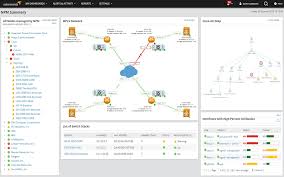
Network monitoring tools allow you to oversee the traffic and performance of your network infrastructure. These tools provide real-time insights into bandwidth usage, network latency, packet loss, and device availability. By monitoring network activity, you can identify bottlenecks, troubleshoot connectivity issues, and optimise resource allocation.

Server Monitoring Tools

Server monitoring tools enable you to track the health and performance of your servers. These tools monitor key metrics such as CPU usage, memory consumption, disk space, and server uptime. By proactively monitoring servers, you can prevent downtime, identify potential hardware failures, and ensure optimal performance across your server environment.

Application Performance Monitoring (APM) Tools

APM tools focus on monitoring the performance of applications running in your environment. These tools capture data on response times, error rates, transaction traces, and user experience metrics. By analysing application performance data, you can pinpoint issues affecting user satisfaction, troubleshoot application errors, and optimise overall application performance.

Security Information and Event Management (SIEM) Tools

SIEM tools provide comprehensive security monitoring by collecting and analysing security event data from various sources within your IT environment. These tools offer real-time threat detection capabilities, log management functionalities, and compliance reporting features. By using SIEM tools, you can detect security incidents early, investigate potential breaches efficiently, and enhance overall cybersecurity posture.

Investing in robust monitoring tools empowers organisations to gain deeper insights into their IT environments, proactively address issues before they escalate into major problems, and enhance overall operational efficiency. By leveraging these tools effectively, businesses can ensure the stability, security,

and performance of their IT infrastructure in an increasingly interconnected world.


Essential Tips for Selecting and Optimising Monitoring Tools

  1. Choose monitoring tools that are user-friendly and easy to navigate.
  2. Ensure the monitoring tools provide real-time alerts for timely response to issues.
  3. Look for monitoring tools that offer customizable dashboards to display relevant data.
  4. Regularly review and update the settings of your monitoring tools to align with your changing needs.
  5. Integrate monitoring tools with other systems or applications for a comprehensive view of performance.
  6. Train your team on how to effectively use the monitoring tools to maximise their benefits.

Choose monitoring tools that are user-friendly and easy to navigate.

When selecting monitoring tools for your IT environment, prioritise solutions that are user-friendly and intuitive to navigate. Opting for tools with a clear and straightforward interface can streamline the monitoring process, enabling your team to quickly access and interpret critical data. User-friendly monitoring tools not only enhance operational efficiency but also contribute to a more seamless monitoring experience, allowing users to focus on actionable insights rather than grappling with complex interfaces. By choosing tools that are easy to use, you can empower your team to make informed decisions and effectively manage the health and performance of your IT infrastructure.

Ensure the monitoring tools provide real-time alerts for timely response to issues.

To maximise the effectiveness of monitoring tools, it is essential to ensure that they offer real-time alerts for prompt responses to any issues that may arise. By setting up alerts that notify IT teams immediately when anomalies or potential problems are detected, organisations can take swift action to address issues before they escalate. Real-time alerts enable IT professionals to proactively manage and resolve issues, minimise downtime, and maintain the stability and security of their IT environments. Timely responses facilitated by real-time alerts can significantly enhance operational efficiency and contribute to a more resilient and reliable infrastructure.

Look for monitoring tools that offer customizable dashboards to display relevant data.

When exploring monitoring tools, it is advisable to seek out options that provide customisable dashboards for presenting pertinent data. Customisable dashboards allow users to tailor the display of information to their specific needs and preferences, enabling them to focus on the most relevant metrics and insights. By utilising tools with this feature, organisations can create personalised views that highlight key performance indicators, trends, and alerts, facilitating more effective monitoring and decision-making within their IT environments.

Regularly review and update the settings of your monitoring tools to align with your changing needs.

Regularly reviewing and updating the settings of your monitoring tools is essential to ensure that they remain aligned with your evolving needs. As your IT environment changes and grows, adjusting the configurations of your monitoring tools allows you to capture relevant data, identify emerging issues, and meet new performance requirements. By staying proactive in managing your monitoring tool settings, you can maximise their effectiveness in providing accurate insights and maintaining the security and efficiency of your IT infrastructure.

Integrate monitoring tools with other systems or applications for a comprehensive view of performance.

To maximise the effectiveness of monitoring tools, it is advisable to integrate them with other systems or applications within your IT environment. By integrating monitoring tools with complementary systems, such as ticketing platforms or automation solutions, organisations can achieve a more holistic and comprehensive view of performance. This integration enables seamless data sharing and correlation across different layers of the infrastructure, facilitating better decision-making, faster incident resolution, and improved overall operational efficiency. Embracing this approach allows businesses to proactively address issues and optimise their IT environment for enhanced productivity and reliability.

Train your team on how to effectively use the monitoring tools to maximise their benefits.

To fully leverage the benefits of monitoring tools, it is essential to invest in training your team on how to effectively utilise these tools. By providing comprehensive training sessions, you can empower your staff to navigate the functionalities of the monitoring tools efficiently, interpret the data accurately, and take proactive measures based on insights gained. Equipping your team with the necessary skills and knowledge will not only enhance their proficiency in monitoring IT environments but also contribute to maximising the value and effectiveness of the tools in safeguarding your network, servers, applications, and overall cybersecurity posture.

The Importance of Using Software to Manage Your Business Efficiently

In today’s fast-paced digital age, businesses are constantly seeking ways to streamline their operations and improve efficiency. One of the key tools that can help achieve this goal is software designed to manage various aspects of a business. From customer relationship management (CRM) systems to project management tools, the use of software has become essential for businesses looking to stay competitive in their respective industries.

Efficient Data Organisation

Software designed for business management allows companies to efficiently organise and store vast amounts of data. With features such as databases, cloud storage, and advanced search functionalities, businesses can easily access and retrieve important information when needed. This not only saves time but also ensures that data is secure and well-organised.

Improved Communication and Collaboration

Collaboration is key to the success of any business, and software tools facilitate seamless communication among team members. Project management software, for example, enables employees to collaborate on tasks, share documents, and track progress in real-time. This promotes transparency and enhances teamwork within the organisation.

Enhanced Customer Relationships

CRM software plays a crucial role in managing customer relationships effectively. By centralising customer data, tracking interactions, and automating marketing campaigns, businesses can provide personalised services to their clients. This leads to increased customer satisfaction and loyalty, ultimately driving business growth.

Streamlined Operations

Software designed for business management helps streamline various operational processes. From inventory management to financial reporting, these tools automate repetitive tasks and reduce manual errors. This not only increases efficiency but also allows employees to focus on more strategic activities that drive business success.

Adaptability and Scalability

Modern business environments are constantly evolving, requiring companies to be adaptable and scalable. Business management software offers flexibility by allowing businesses to customise features according to their specific needs. Additionally, these tools can easily scale as the business grows, ensuring that operations remain efficient regardless of size.

Conclusion

In conclusion, the use of software to manage various aspects of a business is essential for improving efficiency, enhancing communication, strengthening customer relationships, streamlining operations, and ensuring adaptability. By investing in the right software tools tailored to your business needs, you can stay ahead of the competition and achieve long-term success in today’s dynamic marketplace.


Top 6 Benefits of Using Software for Business Management

  1. Efficient data organisation and storage
  2. Improved communication and collaboration among team members
  3. Enhanced customer relationship management capabilities
  4. Streamlined operational processes through automation
  5. Adaptability to customise features according to specific business needs
  6. Scalability to support business growth and expansion


Challenges of Implementing Software Management Systems

  1. Initial Cost
  2. Learning Curve
  3. Technical Issues

Efficient data organisation and storage

Efficient data organisation and storage are crucial advantages of using software to manage business operations. By leveraging advanced databases, cloud storage solutions, and robust search capabilities, businesses can effectively store and retrieve vast amounts of information in a structured manner. This not only saves time but also ensures that data is secure, easily accessible, and well-organised. With software tools dedicated to data management, businesses can streamline their workflows, improve decision-making processes, and enhance overall productivity by having critical information at their fingertips whenever needed.

Improved communication and collaboration among team members

Improved communication and collaboration among team members is a significant benefit of using software to manage business operations. By leveraging tools such as project management software and communication platforms, team members can easily share information, collaborate on tasks in real-time, and track project progress efficiently. This enhanced connectivity fosters better teamwork, transparency, and accountability within the organisation, leading to increased productivity and ultimately contributing to the overall success of the business.

Enhanced customer relationship management capabilities

Enhanced customer relationship management capabilities are a significant advantage of using software to manage business operations. By centralising customer data, tracking interactions, and automating marketing campaigns, businesses can provide personalised services to their clients. This not only leads to increased customer satisfaction and loyalty but also enables companies to better understand their customers’ needs and preferences. With advanced CRM software, businesses can build stronger relationships with their customers, drive repeat business, and ultimately boost profitability.

Streamlined operational processes through automation

One significant advantage of using software to manage business operations is the streamlining of processes through automation. By implementing software tools that automate repetitive tasks such as data entry, reporting, and scheduling, businesses can significantly increase efficiency and reduce the likelihood of human error. This automation not only saves time but also allows employees to focus on more strategic activities that drive business growth. Additionally, automated processes ensure consistency and standardisation across operations, leading to improved productivity and overall effectiveness within the organisation.

Adaptability to customise features according to specific business needs

One significant advantage of using software for business management is its adaptability to customise features according to specific business needs. This flexibility allows companies to tailor the software to align with their unique processes, requirements, and objectives. By customising features, businesses can enhance efficiency, improve productivity, and address specific challenges effectively. Whether it’s adjusting workflows, creating personalised reports, or integrating third-party applications, the ability to customise software ensures that it aligns perfectly with the intricacies of the business, ultimately leading to greater operational success and competitive advantage.

Scalability to support business growth and expansion

Software designed for business management offers scalability to support business growth and expansion. As companies evolve and expand, their operational needs change, requiring flexible solutions that can adapt to new challenges. Business management software provides the scalability needed to accommodate increased data volumes, users, and processes without compromising efficiency. By easily scaling up or down based on business requirements, organisations can seamlessly integrate new functionalities and capabilities to support their growth trajectory. This scalability ensures that businesses can continue to operate smoothly and effectively as they expand into new markets or diversify their offerings.

Initial Cost

Implementing software to manage various aspects of a business can involve significant upfront costs, including licensing fees, training expenses, and customisation fees. The initial cost of adopting business management software can be a barrier for small and medium-sized enterprises with limited budgets. Additionally, the need for specialised training to utilise the software effectively can further increase the financial burden on businesses. Despite the long-term benefits that software solutions offer in terms of efficiency and productivity, the substantial initial investment required may deter some organisations from fully embracing these tools.

Learning Curve

One significant drawback of implementing software to manage business operations is the learning curve that employees may encounter. When introducing new software systems, employees may face challenges in adapting to unfamiliar interfaces and functionalities. This adjustment period can result in a temporary decrease in productivity as staff members require time to learn how to effectively utilise the new tools. The need for training and support during this transition phase is crucial to minimise disruptions and ensure a smooth integration of the software into daily workflows.

Technical Issues

Technical issues pose a significant con when using software to manage business operations. Software glitches, compatibility issues with existing systems, and downtime resulting from updates or maintenance can all disrupt the smooth flow of business activities and lead to costly delays. These technical challenges not only hinder productivity but also create frustration among employees who rely on these tools to perform their tasks efficiently. It is crucial for businesses to have robust contingency plans in place to address and mitigate such technical issues promptly to minimise their impact on overall operations.

The Importance of Using a Monitoring Tool for Your Business

The Importance of Using a Monitoring Tool for Your Business

In today’s fast-paced digital world, businesses rely heavily on their IT infrastructure to operate efficiently and effectively. With the increasing complexity of networks and systems, it has become crucial for organisations to implement robust monitoring tools to ensure the smooth running of their operations.

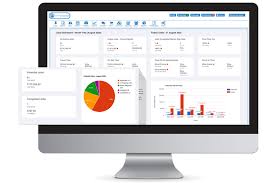
A monitoring tool is a software application that tracks various aspects of your IT environment, such as network performance, server health, application availability, and security threats. By continuously monitoring these components, businesses can proactively identify issues before they escalate into major problems that could disrupt operations or compromise data security.

One of the key benefits of using a monitoring tool is real-time visibility into your IT infrastructure. This means that you can quickly detect any anomalies or performance bottlenecks and take immediate action to resolve them. By having a comprehensive overview of your systems’ health and performance metrics, you can make informed decisions to optimise resource allocation and improve overall efficiency.

Furthermore, a monitoring tool can help enhance security measures by alerting you to potential threats or suspicious activities within your network. With the increasing frequency of cyber attacks and data breaches, having a proactive monitoring system in place is essential for safeguarding sensitive information and maintaining regulatory compliance.

Another advantage of using a monitoring tool is its ability to generate detailed reports and analytics. These insights provide valuable information about system usage trends, capacity planning, and performance metrics over time. By analysing this data, businesses can identify areas for improvement, streamline processes, and make strategic decisions to support their long-term growth objectives.

In conclusion, investing in a reliable monitoring tool is an essential step towards ensuring the stability, security, and efficiency of your business’s IT infrastructure. By leveraging the capabilities of such tools, organisations can mitigate risks, improve operational effectiveness, and ultimately drive business success in today’s competitive landscape.


Top 8 Tips for Optimising Your Monitor’s Performance and Ergonomics

  1. Adjust the monitor’s brightness and contrast for optimal viewing experience.
  2. Calibrate your monitor regularly to ensure accurate colours and display settings.
  3. Position the monitor at eye level to reduce strain on your neck and eyes.
  4. Clean the monitor screen with a soft, lint-free cloth to maintain clarity.
  5. Avoid placing the monitor near sources of glare or direct sunlight.
  6. Use a screensaver or power-saving mode when not actively using the monitor.
  7. Check for dead pixels by displaying a solid colour across the screen.
  8. Invest in a good quality monitor stand or mount for ergonomic positioning.

Adjust the monitor’s brightness and contrast for optimal viewing experience.

For an optimal viewing experience when using a monitor tool, it is recommended to adjust the brightness and contrast settings accordingly. By fine-tuning these visual parameters, users can enhance clarity, reduce eye strain, and achieve a more comfortable viewing environment. Adjusting the brightness and contrast levels not only improves the overall visual quality of the monitor display but also contributes to better readability and colour accuracy, ultimately enhancing the effectiveness of monitoring activities.

Calibrate your monitor regularly to ensure accurate colours and display settings.

Regularly calibrating your monitor is a crucial tip to maintain accurate colours and display settings. Over time, monitors can experience colour shifts and inconsistencies, affecting the overall visual quality of your screen. By calibrating your monitor regularly, you can ensure that colours are displayed correctly, images are true to life, and text is sharp and clear. This simple practice not only enhances your viewing experience but also ensures that your work is presented accurately and professionally.

Position the monitor at eye level to reduce strain on your neck and eyes.

Positioning the monitor at eye level is a simple yet effective tip to alleviate strain on your neck and eyes while working. By ensuring that the screen is at the correct height, you can maintain a more ergonomic posture, reducing the risk of discomfort or fatigue during extended periods of computer use. This adjustment promotes better alignment of the neck and spine, helping to prevent stiffness and potential long-term issues associated with poor sitting habits. Remembering to adjust your monitor to eye level can significantly enhance your comfort and productivity throughout the day.

Clean the monitor screen with a soft, lint-free cloth to maintain clarity.

To maintain clarity on your monitor screen, it is recommended to clean it with a soft, lint-free cloth. Regularly wiping the screen with a gentle cloth helps remove dust, smudges, and fingerprints that can accumulate over time and affect visibility. By keeping your monitor clean, you ensure optimal viewing quality and prolong the lifespan of your screen for a better overall user experience.

Avoid placing the monitor near sources of glare or direct sunlight.

To optimise the effectiveness of your monitor tool, it is advisable to avoid placing the monitor near sources of glare or direct sunlight. Glare and excessive sunlight can cause reflections on the screen, leading to eye strain and reduced visibility of displayed content. By positioning the monitor away from such sources, you can ensure a clearer and more comfortable viewing experience, enhancing productivity and reducing potential discomfort for users.

Use a screensaver or power-saving mode when not actively using the monitor.

To optimise energy efficiency and extend the lifespan of your monitor, it is advisable to utilise a screensaver or power-saving mode when the monitor is not in active use. By implementing this simple tip, you can reduce power consumption and contribute to environmental sustainability while also preserving the longevity of your monitor’s display components. This practice not only saves energy but also promotes responsible usage of resources in the workplace or at home.

Check for dead pixels by displaying a solid colour across the screen.

To ensure the optimal performance of your monitor tool, it is advisable to check for dead pixels by displaying a solid colour across the screen. This simple yet effective tip allows you to easily identify any pixel anomalies or defects that may impact the display quality. By examining the screen with a solid colour, such as white or black, you can pinpoint any dead pixels that appear as small, unchanging spots on the screen. Regularly performing this visual inspection helps maintain the integrity of your monitor and ensures a seamless viewing experience for all your computing tasks.

Invest in a good quality monitor stand or mount for ergonomic positioning.

Investing in a high-quality monitor stand or mount is a wise decision to achieve ergonomic positioning in your workspace. By elevating your monitor to the appropriate eye level and adjusting it to the optimal viewing angle, you can reduce strain on your neck and back, promoting better posture and overall comfort during extended periods of screen time. A well-positioned monitor not only enhances productivity but also contributes to long-term health and well-being in the workplace.

The Importance of Proper Setup in Any Endeavour

The Importance of Proper Setup in Any Endeavour

Whether you’re starting a new project, embarking on a business venture, or even just trying out a new hobby, the initial setup plays a crucial role in determining your success. The way you set things up at the beginning can significantly impact how smoothly things run and how easily you can achieve your goals.

Efficiency and Effectiveness

A proper setup ensures that you have everything you need to work efficiently and effectively. It involves laying down the foundation, organising resources, and establishing processes that streamline your workflow. By investing time and effort into setting things up correctly from the start, you can save yourself from unnecessary delays and frustrations down the line.

Clarity and Focus

Setting up properly provides clarity on what needs to be done and helps you maintain focus on your objectives. It creates a roadmap that guides your actions and decisions, preventing distractions and ensuring that you stay on track towards achieving your desired outcomes. A well-thought-out setup keeps you grounded and helps you navigate challenges with confidence.

Adaptability and Scalability

Moreover, a good setup allows for adaptability and scalability as circumstances change or as your project grows. By establishing flexible structures and systems at the outset, you can easily adjust to new requirements or expand your operations without having to overhaul everything from scratch. This foresight enables smoother transitions and sustainable progress over time.

Conclusion

In conclusion, never underestimate the power of a proper setup in any endeavour. Whether it’s setting up your workspace, configuring software tools, or defining project milestones, taking the time to do it right at the beginning pays off in the long run. By prioritising setup as an essential part of your process, you set yourself up for success and pave the way for smoother execution of your plans.


Top 5 Tips for Setting Up Your Equipment Efficiently

  1. Ensure all components are connected properly.
  2. Follow the manufacturer’s instructions carefully.
  3. Organize cables neatly to avoid clutter.
  4. Test the setup to ensure everything is working correctly.
  5. Consider the placement of equipment for optimal performance.

Ensure all components are connected properly.

To ensure a smooth and efficient setup process, it is crucial to verify that all components are connected properly. Whether it’s setting up a new electronic device, configuring a network system, or assembling equipment for a project, the correct connections are the backbone of functionality. By double-checking that each component is securely linked and aligned according to specifications, you can prevent potential issues such as malfunctions or performance gaps. Attention to detail in connecting components not only guarantees operational reliability but also sets the foundation for a successful setup that can withstand future challenges.

Follow the manufacturer’s instructions carefully.

When setting up any new equipment or product, it is crucial to follow the manufacturer’s instructions carefully. Manufacturers provide specific guidance on how to assemble, install, and operate their products to ensure optimal performance and safety. By adhering to these instructions, you can avoid potential issues, prevent damage to the item, and maximise its lifespan. Following the manufacturer’s guidelines also helps in maintaining any warranties or guarantees that may be associated with the product. Therefore, taking the time to follow these instructions diligently is a simple yet effective way to ensure a successful setup process.

Organize cables neatly to avoid clutter.

Organising cables neatly is a simple yet effective tip to prevent clutter and maintain a tidy workspace. By carefully arranging cables and keeping them untangled, you not only create a cleaner and more visually appealing environment but also make it easier to identify and access specific connections when needed. Neatly organised cables can improve airflow around electronic devices, reduce the risk of tripping hazards, and ultimately contribute to a more efficient and productive work setup.

Test the setup to ensure everything is working correctly.

It is crucial to test the setup thoroughly to verify that all components are functioning correctly. By conducting tests, you can identify any potential issues or errors early on and address them before they escalate into larger problems. Testing the setup not only ensures that everything is in working order but also provides peace of mind that your systems are reliable and ready for use. Regular testing can help maintain the efficiency and effectiveness of your setup over time, allowing you to make any necessary adjustments promptly.

Consider the placement of equipment for optimal performance.

When setting up your equipment, it is crucial to consider their placement for optimal performance. Proper positioning of devices such as computers, routers, and other hardware can significantly impact their efficiency and effectiveness. Ensure that equipment is placed in well-ventilated areas to prevent overheating and maintain stable operation. Additionally, positioning devices strategically can improve connectivity and signal strength, enhancing overall performance and user experience. By carefully planning the placement of your equipment, you can maximise their functionality and longevity while minimising potential issues that may arise from poor positioning.

The Power of Innovative Solutions in Today’s Business Landscape

The Power of Innovative Solutions in Today’s Business Landscape

In the fast-paced and ever-evolving world of business, the need for innovative solutions has never been more crucial. Companies across industries are constantly facing challenges that require creative and efficient approaches to stay competitive and meet the demands of modern consumers.

Driving Efficiency and Productivity

One of the key benefits of implementing innovative solutions is the ability to drive efficiency and productivity within an organisation. Whether it’s through automation, streamlined processes, or cutting-edge technologies, these solutions can help businesses optimise their operations and make the most out of their resources.

Enhancing Customer Experience

Another significant advantage of innovative solutions is their potential to enhance customer experience. By leveraging data analytics, AI-powered tools, or personalised services, companies can better understand their customers’ needs and preferences, leading to improved satisfaction and loyalty.

Staying Ahead of the Competition

In today’s competitive market landscape, staying ahead of the competition is essential for long-term success. Innovative solutions enable companies to differentiate themselves by offering unique products or services, implementing disruptive business models, or entering new markets with confidence.

Adapting to Change

Flexibility and adaptability are crucial qualities for any business looking to thrive in a dynamic environment. Innovative solutions provide companies with the tools they need to quickly adapt to market changes, regulatory requirements, or technological advancements without compromising on performance or quality.

The Role of Collaboration

Collaboration plays a vital role in fostering innovation within organisations. By encouraging cross-functional teams, promoting knowledge-sharing, and embracing diverse perspectives, companies can create a culture that nurtures creativity and drives continuous improvement through collaborative efforts.

Conclusion

In conclusion, innovative solutions are essential for businesses seeking growth, sustainability, and relevance in today’s business landscape. By embracing creativity, technology-driven approaches, and a culture of collaboration, companies can unlock new opportunities, overcome challenges, and achieve success in an increasingly competitive world.


7 Essential Tips for Effective Problem-Solving Solutions

  1. Identify the root cause of the problem before seeking a solution.
  2. Brainstorm multiple possible solutions to choose the most effective one.
  3. Consider both short-term and long-term implications of each solution.
  4. Seek input from others to gain different perspectives on potential solutions.
  5. Implement the chosen solution in a systematic and organised manner.
  6. Monitor the effectiveness of the solution and be prepared to adjust if needed.
  7. Document successful solutions for future reference.

Identify the root cause of the problem before seeking a solution.

In the quest for effective problem-solving, it is essential to adhere to the principle of identifying the root cause before embarking on finding a solution. By delving deep into the underlying issues that contribute to a problem, one can gain a comprehensive understanding of the situation and develop targeted solutions that address the core issue rather than just its symptoms. This approach not only leads to more sustainable and long-lasting solutions but also helps in preventing similar problems from arising in the future.

Brainstorm multiple possible solutions to choose the most effective one.

When faced with a problem, it is often beneficial to brainstorm multiple possible solutions before deciding on the most effective one. By exploring various options, individuals or teams can consider different perspectives, weigh the pros and cons of each solution, and ultimately choose the approach that is most likely to address the issue efficiently and successfully. This method not only encourages creativity and innovation but also ensures that the chosen solution is well-thought-out and tailored to meet the specific needs of the situation at hand.

Consider both short-term and long-term implications of each solution.

When evaluating potential solutions, it is crucial to consider both the short-term and long-term implications of each option. While a quick fix may provide immediate relief, it is essential to assess how it will impact the overall goals and sustainability of the business in the long run. By weighing the short-term benefits against potential long-term consequences, organisations can make informed decisions that align with their strategic objectives and ensure lasting success.

Seek input from others to gain different perspectives on potential solutions.

Seeking input from others is a valuable approach to gaining diverse perspectives on potential solutions. By involving different individuals with varying backgrounds, experiences, and expertise, you can uncover innovative ideas and alternative viewpoints that may not have been considered otherwise. This collaborative effort not only enriches the decision-making process but also promotes creativity and fosters a culture of teamwork that can lead to more effective and well-rounded solutions.

Implement the chosen solution in a systematic and organised manner.

When tackling a problem or challenge, it is crucial to implement the chosen solution in a systematic and organised manner. By following a structured approach, businesses can ensure that the solution is deployed effectively, with clear objectives, timelines, and responsibilities in place. This systematic implementation not only helps in avoiding confusion and errors but also allows for better monitoring of progress and adjustments as needed. Ultimately, a methodical approach to implementing solutions increases the likelihood of success and maximises the benefits gained from the chosen strategy.

Monitor the effectiveness of the solution and be prepared to adjust if needed.

Monitoring the effectiveness of a solution is crucial in ensuring its success within an organisation. By keeping a close eye on key performance indicators, feedback from users, and relevant metrics, businesses can evaluate the impact of the solution and identify areas for improvement. Being prepared to adjust the solution as needed demonstrates adaptability and a commitment to continuous enhancement, ultimately leading to better outcomes and increased efficiency in addressing challenges effectively.

Document successful solutions for future reference.

It is essential to document successful solutions for future reference as a best practice in effective problem-solving and knowledge management. By recording and detailing the steps taken to address and resolve challenges, organisations can build a repository of valuable insights that can be leveraged in similar situations in the future. Documenting successful solutions not only ensures consistency in problem resolution but also facilitates continuous learning and improvement within the team or organisation.

The Power of Finding the Right Solution

The Power of Finding the Right Solution

In our daily lives, we often encounter various challenges and problems that require solutions. Whether it’s a simple task or a complex issue, finding the right solution can make all the difference. The ability to identify and implement effective solutions is a valuable skill that can lead to success and progress in both personal and professional endeavours.

Understanding the Problem

Before seeking a solution, it is essential to fully understand the problem at hand. This involves analysing the root causes, potential obstacles, and desired outcomes. By gaining a clear understanding of the problem, one can develop a targeted approach towards finding a suitable solution.

The Importance of Innovation

Often, innovative solutions arise from thinking outside the box and exploring new possibilities. Embracing creativity and innovation can lead to breakthroughs that revolutionise how we approach challenges. By fostering a culture of innovation, individuals and organisations can stay ahead of the curve and adapt to ever-changing circumstances.

Collaboration and Communication

Effective solutions are often the result of collaboration and open communication. By engaging with others, sharing ideas, and leveraging collective expertise, diverse perspectives can contribute to developing robust solutions that address multifaceted issues. Collaboration fosters synergy and enables teams to achieve greater results than individual efforts alone.

Continuous Improvement

Finding a solution is not always a one-time event; it requires ongoing evaluation and refinement. Continuous improvement involves learning from past experiences, gathering feedback, and adapting strategies based on new information. By embracing a mindset of continuous improvement, individuals and organisations can evolve their solutions to meet changing needs effectively.

Conclusion

In conclusion, the power of finding the right solution lies in its ability to overcome challenges, drive progress, and achieve desired outcomes. By understanding problems thoroughly, embracing innovation, fostering collaboration, and committing to continuous improvement, individuals and organisations can navigate complexities with confidence and resilience. The journey towards finding solutions is an enriching process that empowers us to overcome obstacles and unlock new opportunities for growth.


Seven Essential Tips for Effective Problem Solving

  1. Clearly define the problem before seeking a solution.
  2. Brainstorm multiple possible solutions before deciding on one.
  3. Consider both short-term and long-term implications of the solution.
  4. Involve relevant stakeholders in the decision-making process.
  5. Ensure the chosen solution aligns with your goals and values.
  6. Monitor and evaluate the effectiveness of the implemented solution.
  7. Be open to adjusting or revising the solution if needed.

Clearly define the problem before seeking a solution.

It is crucial to clearly define the problem before embarking on the journey to find a solution. By taking the time to understand the root causes, scope, and implications of the problem at hand, individuals can develop a focused and targeted approach towards identifying effective solutions. Clarity in defining the problem not only streamlines the problem-solving process but also ensures that efforts are directed towards addressing the core issues rather than merely treating symptoms. This initial step lays a solid foundation for successful problem resolution and paves the way for innovative and sustainable solutions to emerge.

Brainstorm multiple possible solutions before deciding on one.

When faced with a problem, it is beneficial to brainstorm multiple possible solutions before settling on one. By exploring various options, individuals can consider different perspectives, weigh the pros and cons of each solution, and identify the most effective approach. Brainstorming encourages creativity and innovation, enabling individuals to think outside the box and come up with novel ideas that may not have been initially considered. This methodical process of generating multiple solutions fosters thorough analysis and ensures that the chosen solution is well-informed and strategically sound.

Consider both short-term and long-term implications of the solution.

When evaluating a solution, it is crucial to consider both the short-term and long-term implications it may have. While a quick fix may address immediate issues, overlooking long-term consequences can lead to future challenges. By assessing how a solution impacts not only the present situation but also its sustainability and effectiveness over time, individuals and organisations can make informed decisions that align with their overarching goals and objectives. Balancing short-term gains with long-term benefits ensures that the chosen solution is not only effective in the moment but also sets a solid foundation for continued success in the future.

Involve relevant stakeholders in the decision-making process.

In order to find effective solutions, it is crucial to involve relevant stakeholders in the decision-making process. By engaging individuals who have a vested interest or expertise in the issue at hand, a more comprehensive understanding of the problem can be gained. Involving stakeholders not only ensures that diverse perspectives are considered but also increases the likelihood of implementing a solution that is well-informed and supported by those directly impacted. Collaboration with relevant stakeholders fosters ownership, buy-in, and ultimately leads to more successful outcomes that address the needs of all involved parties.

Ensure the chosen solution aligns with your goals and values.

When considering a solution to a problem or challenge, it is crucial to ensure that the chosen approach aligns with your goals and values. By selecting a solution that resonates with your overarching objectives and core beliefs, you can establish a coherent and purposeful path towards resolution. This alignment not only enhances the effectiveness of the solution but also reinforces your commitment to staying true to your principles and aspirations. Ultimately, integrating solutions that mirror your goals and values can lead to more meaningful outcomes and sustainable success in the long run.

Monitor and evaluate the effectiveness of the implemented solution.

To ensure the success of any implemented solution, it is crucial to monitor and evaluate its effectiveness continuously. By establishing key performance indicators and metrics, organisations can track the impact of the solution over time and make informed decisions based on real-time data. Monitoring allows for the identification of potential issues or areas for improvement, enabling proactive adjustments to enhance the solution’s efficacy. Regular evaluation ensures that the solution aligns with the desired outcomes and remains relevant in a dynamic environment, ultimately leading to sustained success and continuous improvement.

Be open to adjusting or revising the solution if needed.

It is crucial to be open to adjusting or revising the solution if needed. Flexibility and adaptability are key components of problem-solving, as circumstances may change, new information may arise, or unexpected challenges may emerge. By remaining receptive to feedback and willing to make necessary modifications, individuals can ensure that their solutions remain effective and relevant in dynamic environments. Embracing a mindset that welcomes adjustments demonstrates resilience and a commitment to achieving optimal outcomes through continuous improvement.

The Importance of Compliance in Today’s Business Landscape

The Importance of Compliance in Today’s Business Landscape

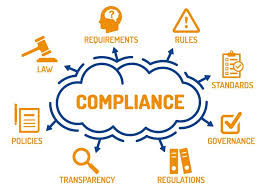
In today’s rapidly evolving business landscape, compliance has become a critical aspect of operations for organisations across industries. Compliance refers to the adherence to laws, regulations, guidelines, and standards relevant to a particular business or industry. It encompasses various areas such as data protection, financial reporting, environmental regulations, and more.

Compliance is essential for several reasons:

Legal Requirements

One of the primary reasons for compliance is to ensure that businesses operate within the boundaries of the law. Non-compliance can lead to severe consequences such as fines, legal action, and damage to reputation. By adhering to regulations and laws, businesses can avoid costly penalties and maintain their integrity.

Data Security

In an era where data breaches are increasingly common, compliance with data protection regulations is crucial. Businesses that handle sensitive information must comply with data security standards to protect customer data and maintain trust. Compliance helps mitigate the risk of data breaches and ensures that personal information is handled responsibly.

Risk Management

Compliance plays a significant role in risk management by identifying potential risks and implementing controls to mitigate them. By following regulatory requirements and industry standards, businesses can assess risks more effectively and take proactive measures to prevent issues before they escalate.

Reputation Management

Compliance contributes to maintaining a positive reputation for businesses. Customers, partners, and stakeholders are more likely to trust organisations that demonstrate a commitment to compliance and ethical practices. A strong reputation built on compliance can enhance brand value and attract new opportunities.

Competitive Advantage

Businesses that prioritise compliance gain a competitive edge in the market. Compliance demonstrates professionalism, reliability, and accountability, which can differentiate a company from its competitors. Customers are more likely to choose businesses that comply with regulations as it instils confidence in their ability to deliver quality products or services.

In conclusion, compliance is not just a legal requirement but a strategic imperative for businesses seeking long-term success. By embracing compliance practices across all aspects of operations, organisations can safeguard their interests, protect stakeholders’ trust, and position themselves as leaders in their respective industries.


The Eight Key Benefits of Compliance: Safeguarding Legal, Financial, and Ethical Integrity

  1. 1. Legal Protection
  2. 2. Data Security
  3. 3. Risk Mitigation
  4. 4. Reputation Management
  5. 5. Competitive Advantage
  6. 6. Cost Savings
  7. 7. Operational Efficiency
  8. 8. Ethical Standards


Challenges of Compliance: Balancing Time, Resources, Innovation, and Adaptability

  1. 1. Compliance can be time-consuming and resource-intensive, requiring dedicated efforts to ensure adherence to regulations.
  2. 2. Non-compliance with regulations can result in financial penalties, legal actions, and reputational damage for businesses.
  3. 3. The complexity of compliance requirements may vary across different industries and regions, making it challenging for businesses to navigate and comply with all relevant standards.
  4. 4. Strict compliance measures may limit innovation and flexibility within organisations as they focus on meeting regulatory requirements rather than exploring new opportunities.
  5. 5. Continuous changes in regulations and standards require businesses to stay updated and adapt quickly, leading to additional costs and operational complexities.

Compliance serves as a shield for businesses by providing legal protection through adherence to laws and regulations. By ensuring that all operations align with legal requirements, businesses can minimise the risk of facing legal issues or penalties. This proactive approach not only safeguards the company from potential litigation but also fosters a culture of accountability and responsibility within the organisation. Ultimately, compliance acts as a crucial safeguard that enables businesses to navigate the complex legal landscape with confidence and integrity.

2. Data Security

Compliance measures play a crucial role in enhancing data security practices by ensuring that businesses adhere to stringent regulations and standards. By following compliance requirements, organisations can effectively safeguard sensitive information from potential breaches, thereby reducing the risk of data theft or misuse. Implementing robust data security measures as part of compliance initiatives not only protects valuable data assets but also instils trust among customers and stakeholders in the organisation’s commitment to maintaining the confidentiality and integrity of their information.

3. Risk Mitigation

By adhering to compliance standards, businesses can effectively identify and address risks, leading to better risk mitigation strategies. Compliance guidelines help organisations assess potential threats and vulnerabilities within their operations, allowing them to implement appropriate controls and measures to minimise the impact of risks. This proactive approach not only enhances the overall security posture of the business but also instils confidence in stakeholders that the company is committed to managing risks responsibly.

4. Reputation Management

Compliance is a powerful tool for reputation management as it establishes trust with customers and stakeholders, ultimately enhancing a company’s standing in the eyes of the public. By demonstrating a commitment to following regulations and ethical practices, businesses can cultivate a positive image that resonates with their audience. This trust built on compliance not only safeguards the company’s reputation but also opens doors to new opportunities and strengthens relationships with key stakeholders.

5. Competitive Advantage

Compliant businesses leverage compliance as a strategic tool to gain a competitive advantage in the market. By adhering to regulations and industry standards, these organisations showcase their reliability and accountability to customers, partners, and stakeholders. This commitment to compliance not only sets them apart from competitors but also instils trust and confidence in their ability to deliver quality products or services consistently. Ultimately, compliance becomes a key differentiator that enhances their reputation and positions them as leaders in their industry.

6. Cost Savings

Cost savings is a compelling advantage of compliance, as businesses that adhere to regulations can avoid hefty non-compliance penalties, ultimately preserving substantial financial resources over time. By investing in compliance measures and ensuring regulatory adherence, organisations can prevent costly fines and legal repercussions, leading to improved financial stability and sustainability in the long term.

7. Operational Efficiency

Compliance frameworks play a crucial role in enhancing operational efficiency within organisations. By adhering to established regulations and standards, businesses can streamline processes, eliminate redundancies, and improve overall productivity. Compliance requirements often provide clear guidelines and best practices that help companies operate more efficiently, reducing errors and delays. This focus on compliance not only ensures regulatory adherence but also fosters a culture of efficiency and effectiveness across all levels of the organisation.

8. Ethical Standards

Compliance with regulations and standards fosters a culture of ethical behaviour within an organisation, promoting integrity and transparency. By adhering to ethical standards, businesses demonstrate their commitment to upholding moral values and conducting operations with honesty and fairness. This not only enhances trust among stakeholders but also cultivates a positive work environment where employees are encouraged to make ethical decisions in their daily activities. Ultimately, a strong emphasis on compliance with ethical standards contributes to the overall reputation and credibility of the organisation.

1. Compliance can be time-consuming and resource-intensive, requiring dedicated efforts to ensure adherence to regulations.

Compliance can present a significant challenge for businesses as it can be time-consuming and resource-intensive. Meeting regulatory requirements demands dedicated efforts, including extensive documentation, regular audits, and ongoing monitoring to ensure adherence to regulations. This can divert valuable time and resources away from core business activities, leading to increased costs and operational complexities. Balancing the need for compliance with other business priorities can prove to be a demanding task for organisations striving to maintain regulatory standards while remaining efficient and competitive in today’s fast-paced environment.

Non-compliance with regulations poses a significant risk to businesses, as it can lead to severe consequences such as financial penalties, legal actions, and reputational damage. When organisations fail to adhere to the required laws and standards, they not only face the possibility of hefty fines and legal repercussions but also risk tarnishing their reputation in the eyes of customers, partners, and stakeholders. The fallout from non-compliance can have long-lasting implications for a business’s bottom line and its standing in the market, making it a costly con that companies must diligently address to safeguard their operations.

3. The complexity of compliance requirements may vary across different industries and regions, making it challenging for businesses to navigate and comply with all relevant standards.

The complexity of compliance requirements presents a significant challenge for businesses, as these standards can vary greatly across different industries and regions. Navigating the intricate web of regulations and guidelines specific to each sector and geographical area can be daunting and time-consuming. Businesses often struggle to keep up with the evolving landscape of compliance, leading to potential gaps in adherence to all relevant standards. This variation in requirements adds a layer of complexity that complicates the compliance process and demands careful attention to detail to ensure full compliance across the board.

4. Strict compliance measures may limit innovation and flexibility within organisations as they focus on meeting regulatory requirements rather than exploring new opportunities.

Strict compliance measures, while crucial for maintaining regulatory standards and mitigating risks, can inadvertently stifle innovation and flexibility within organisations. When businesses become overly focused on meeting regulatory requirements, they may allocate excessive resources towards compliance efforts, leaving limited room for exploring new opportunities and embracing creative solutions. This narrow focus on adherence to regulations can hinder the ability of organisations to adapt quickly to changing market dynamics and innovate proactively. Striking a balance between compliance and innovation is essential for businesses to thrive in a competitive environment while ensuring regulatory obligations are met.

5. Continuous changes in regulations and standards require businesses to stay updated and adapt quickly, leading to additional costs and operational complexities.

One significant drawback of compliance is the constant evolution of regulations and standards, which demand businesses to stay informed and swiftly adjust their practices. This perpetual state of flux can result in additional expenses and operational intricacies as organisations strive to keep pace with the changing landscape of compliance requirements. The need for ongoing monitoring, training, and adjustments to policies and procedures can strain resources and create challenges for businesses aiming to maintain compliance while managing costs effectively.

The Importance of Ensuring a Secure Environment

The Importance of Ensuring a Secure Environment

In today’s digital age, the concept of security has never been more critical. From personal data to sensitive business information, the need to safeguard our digital assets is paramount. But what does it mean to be truly secure?

Security goes beyond just having strong passwords or antivirus software. It encompasses a holistic approach that involves protecting data at rest and in transit, securing networks from intrusions, and ensuring compliance with regulatory standards.

One of the key aspects of security is confidentiality. This means that only authorised individuals should have access to sensitive information. By implementing robust access controls and encryption mechanisms, organisations can prevent unauthorised users from gaining access to confidential data.

Integrity is another crucial element of security. It ensures that data remains accurate and trustworthy throughout its lifecycle. By implementing measures such as data validation and checksums, organisations can detect any unauthorised alterations to their information.

Availability is equally important when it comes to security. Organisations must ensure that their systems and data are accessible when needed. This involves implementing redundancies, backups, and disaster recovery plans to mitigate any potential downtime or loss of data.

Furthermore, compliance plays a significant role in security. Organisations must adhere to industry regulations and standards to protect themselves from legal repercussions and reputational damage. By conducting regular audits and assessments, organisations can ensure that they meet the necessary requirements.

Ultimately, a secure environment is one where data is protected from unauthorised access, maintained in its original state, readily available when needed, and compliant with relevant regulations. By prioritising security across all aspects of operations, organisations can build trust with their stakeholders and safeguard their future success.


Top 6 Frequently Asked Questions on Enhancing Online Security

  1. How can I secure my online accounts?
  2. What are the best practices for securing a home network?
  3. How do I protect my data from cyber threats?
  4. What is two-factor authentication and why is it important for security?
  5. How can businesses ensure the security of their customer’s personal information?
  6. What steps can individuals take to secure their mobile devices?

How can I secure my online accounts?

Securing your online accounts is crucial in today’s digital landscape to protect your personal information and prevent unauthorised access. To enhance the security of your online accounts, consider implementing strong, unique passwords for each account and enable two-factor authentication where available. Regularly update your passwords and be cautious of phishing attempts by verifying the authenticity of emails and links before providing any sensitive information. Additionally, consider using a reputable password manager to securely store and manage your login credentials across various platforms. By staying vigilant and proactive in safeguarding your online accounts, you can significantly reduce the risk of falling victim to cyber threats.

What are the best practices for securing a home network?

Securing a home network is essential to protect your personal data and devices from potential threats. Some of the best practices for enhancing the security of your home network include setting strong and unique passwords for your Wi-Fi network and devices, regularly updating firmware on routers and devices to patch vulnerabilities, enabling encryption such as WPA2 or WPA3 on your Wi-Fi network, disabling remote management features on your router, using a firewall to monitor incoming and outgoing traffic, implementing antivirus software on all devices connected to the network, and being cautious about clicking on suspicious links or downloading unknown files. By following these best practices, you can significantly reduce the risk of cyberattacks and safeguard your home network.

How do I protect my data from cyber threats?

Protecting your data from cyber threats is a crucial aspect of maintaining a secure digital environment. To safeguard your data effectively, it is essential to implement a multi-layered approach to security. Start by ensuring that all your devices and software are up to date with the latest security patches and updates. Utilise strong, unique passwords for each account and consider using two-factor authentication for an added layer of protection. Regularly back up your data to secure locations and encrypt sensitive information both at rest and in transit. Educate yourself and your team on common cyber threats such as phishing scams and social engineering tactics to prevent falling victim to malicious attacks. By staying vigilant, proactive, and informed, you can significantly reduce the risk of cyber threats compromising your valuable data.

What is two-factor authentication and why is it important for security?

Two-factor authentication is a security measure that requires users to provide two different forms of identification before gaining access to a system or account. Typically, this involves something the user knows (such as a password) and something the user has (such as a smartphone for receiving a verification code). This additional layer of security significantly enhances protection against unauthorised access, even if one factor is compromised. Two-factor authentication is crucial for security as it greatly reduces the risk of identity theft, phishing attacks, and data breaches by adding an extra barrier that malicious actors must overcome to gain access to sensitive information. By implementing two-factor authentication, organisations and individuals can significantly strengthen their overall security posture and better safeguard their digital assets.

How can businesses ensure the security of their customer’s personal information?

Businesses can ensure the security of their customers’ personal information by implementing robust data protection measures and adhering to best practices in cybersecurity. This includes encrypting sensitive data both in transit and at rest, implementing strong access controls to limit who can view or modify customer information, regularly updating security software to guard against vulnerabilities, and providing employee training on data security protocols. Conducting regular security audits and compliance checks can also help businesses identify and address any potential weaknesses in their systems, ensuring that customer data remains safe and protected from cyber threats.

What steps can individuals take to secure their mobile devices?

When it comes to securing mobile devices, individuals can take several proactive steps to enhance their digital safety. Firstly, setting up strong and unique passwords or biometric authentication methods can prevent unauthorised access in case the device is lost or stolen. Regularly updating the device’s operating system and applications ensures that security patches are up to date, addressing any known vulnerabilities. Installing reputable antivirus software and enabling device encryption adds an extra layer of protection against malware and data breaches. Additionally, being cautious with app permissions, avoiding public Wi-Fi networks for sensitive transactions, and enabling remote tracking and wiping features can further bolster the security of mobile devices. By following these best practices, individuals can significantly reduce the risk of cyber threats and safeguard their personal information.

The Importance of Monitoring in Today’s Digital World

The Importance of Monitoring in Today’s Digital World

In today’s fast-paced and interconnected digital world, monitoring has become a crucial aspect of maintaining the security, performance, and reliability of systems and networks. Whether it’s monitoring network traffic, server performance, or application behaviour, the ability to track and analyse data in real-time is essential for businesses to stay competitive and secure.

Security Monitoring

One of the primary reasons for implementing monitoring systems is to enhance security. By continuously monitoring network traffic and system logs, organisations can detect unusual patterns or suspicious activities that may indicate a potential cyber attack. Security monitoring tools can provide real-time alerts, enabling IT teams to respond swiftly to mitigate risks and protect sensitive data.

Performance Monitoring

Monitoring also plays a vital role in ensuring optimal performance of IT infrastructure. By tracking key performance indicators such as CPU usage, memory consumption, disk space, and network latency, administrators can identify bottlenecks or issues that may impact system efficiency. Performance monitoring allows proactive maintenance and resource allocation to prevent downtime and slowdowns.

Compliance Monitoring

For businesses operating in regulated industries, compliance monitoring is essential to ensure adherence to industry standards and regulations. Monitoring tools can help organisations track changes in configurations, user access permissions, and data handling practices to demonstrate compliance with legal requirements. Regular audits and reports generated by monitoring systems aid in meeting regulatory obligations.

Application Monitoring

In the era of cloud-based applications and digital services, application monitoring has become indispensable for delivering a seamless user experience. By monitoring application performance metrics such as response times, error rates, and user interactions, developers can identify areas for improvement and optimisation. Application monitoring enables rapid troubleshooting and enhances customer satisfaction.

Conclusion

Monitoring is not just a reactive measure but a proactive strategy for safeguarding digital assets and ensuring operational excellence. In today’s dynamic business environment, where cyber threats are ever-evolving and customer expectations are high, investing in robust monitoring solutions is imperative for staying ahead of the curve. By embracing comprehensive monitoring practices across all facets of IT operations, organisations can achieve greater resilience, efficiency, and security in an increasingly digitised world.


Top 8 Tips for Optimal Monitor Use and Maintenance

  1. Position your monitor at eye level to reduce strain on your neck and eyes.
  2. Adjust the brightness and contrast settings for optimal viewing comfort.
  3. Take regular breaks to rest your eyes from staring at the screen.
  4. Clean your monitor regularly with a soft, lint-free cloth to maintain clarity.
  5. Avoid placing your monitor in direct sunlight to prevent glare and overheating.
  6. Use a screensaver or turn off your monitor when not in use to save energy.
  7. Consider investing in a larger monitor for improved productivity and multitasking.
  8. Calibrate your monitor colours for accurate representation of images and videos.

Position your monitor at eye level to reduce strain on your neck and eyes.

Positioning your monitor at eye level is a simple yet effective tip to alleviate strain on your neck and eyes during prolonged computer use. By ensuring that the top of your screen is at eye level, you can maintain a more natural posture and reduce the need to tilt your head up or down. This ergonomic adjustment promotes better alignment of your spine and minimises the risk of neck pain and eye fatigue. Taking care of your workstation setup, including monitor placement, can significantly enhance your comfort and productivity while working at a computer.

Adjust the brightness and contrast settings for optimal viewing comfort.

To enhance your viewing experience and reduce eye strain, it is advisable to adjust the brightness and contrast settings of your monitor for optimal comfort. By customising these settings to suit your preferences and lighting conditions, you can create a more visually pleasing display that is easier on the eyes. Lowering the brightness in dimly lit environments and adjusting the contrast to improve clarity can help prevent fatigue and discomfort during extended periods of screen time. Taking a moment to fine-tune these settings can make a significant difference in your overall viewing comfort and productivity.

Take regular breaks to rest your eyes from staring at the screen.

It is essential to prioritise eye health when working on screens for extended periods. Taking regular breaks to rest your eyes from prolonged screen exposure can help reduce eye strain and fatigue. By looking away from the screen, focusing on distant objects, or practising eye relaxation exercises, you can alleviate the stress on your eyes and prevent potential discomfort or vision problems. Incorporating short breaks into your work routine not only benefits your eye health but also enhances overall productivity and well-being.

Clean your monitor regularly with a soft, lint-free cloth to maintain clarity.

To maintain optimal clarity and visual performance, it is advisable to clean your monitor regularly using a soft, lint-free cloth. Dust, fingerprints, and smudges can accumulate on the screen over time, affecting visibility and image quality. By gently wiping the monitor surface with a gentle cloth, you can remove dirt particles and ensure a clear, crisp display for a more enjoyable viewing experience. Regular cleaning not only enhances the aesthetics of your monitor but also prolongs its lifespan by preventing potential damage from debris buildup.

Avoid placing your monitor in direct sunlight to prevent glare and overheating.

To maintain optimal visibility and performance of your monitor, it is advisable to avoid placing it in direct sunlight. Direct sunlight can cause glare on the screen, making it difficult to view content clearly and comfortably. Moreover, prolonged exposure to sunlight can lead to overheating of the monitor, potentially affecting its longevity and performance. By positioning your monitor away from direct sunlight and ensuring adequate ventilation, you can enhance user experience and prolong the lifespan of your display device.

Use a screensaver or turn off your monitor when not in use to save energy.

Using a screensaver or turning off your monitor when not in use is a simple yet effective tip to save energy. By implementing this practice, you can reduce power consumption and lower your electricity bills. Screensavers may seem visually appealing, but they do not necessarily save energy. Turning off the monitor completely when idle not only conserves energy but also extends the lifespan of the monitor. It’s a small change that can make a significant impact on both your wallet and the environment.

Consider investing in a larger monitor for improved productivity and multitasking.

Consider investing in a larger monitor to enhance your productivity and multitasking capabilities. A larger screen provides more real estate for organising multiple windows and applications, allowing you to work more efficiently without constantly switching between tabs. With increased screen space, you can have multiple documents, spreadsheets, or web pages open simultaneously, making it easier to compare information and work on different tasks concurrently. Upgrading to a larger monitor can lead to a more comfortable and productive work environment, enabling you to maximise your workflow and focus on accomplishing tasks with greater ease.

Calibrate your monitor colours for accurate representation of images and videos.

To ensure accurate representation of images and videos on your monitor, it is essential to calibrate your monitor colours. By calibrating the colours, you can adjust the display settings to accurately reflect the true colours of the content being viewed. This not only enhances the viewing experience but also ensures that you are working with images and videos in their intended colour palette. Calibration helps maintain consistency across different devices and ensures that what you see on your screen matches the original content as closely as possible.