The Essence of Time

The Essence of Time

Time – a concept that governs our lives, yet remains one of the most elusive mysteries. It is both a constant companion and a relentless adversary, ticking away with unwavering precision.

From the moment we are born, time becomes our silent companion, guiding us through the milestones of life. We mark its passing with birthdays, anniversaries, and seasons changing. Yet, despite our best efforts to capture and control it, time slips through our fingers like sand in an hourglass.

Time is a powerful force that shapes our reality. It dictates the rhythm of nature – the rising and setting of the sun, the changing of tides, and the turning of seasons. It governs human history, marking epochs with events that echo through time.

Yet, for all its power and influence, time remains intangible. We measure it in seconds, minutes, hours – quantifying its passage with clocks and calendars. We try to bend it to our will, scheduling our days down to the minute. But time is indifferent to our desires, moving forward relentlessly.

As we navigate the complexities of modern life, time becomes both a precious commodity and a source of anxiety. We juggle responsibilities, deadlines, and commitments in a never-ending race against the clock. In a world that values productivity and efficiency above all else, time is often seen as a scarce resource to be maximised.

But perhaps we should pause for a moment amidst the hustle and bustle of daily life to appreciate the beauty of time itself. In its fleeting nature lies its true value – reminding us to cherish each moment as it comes and embrace the present without dwelling on the past or worrying about the future.

Time is not just a measure of duration; it is a reflection of life itself – ephemeral yet profound. So let us honour this precious gift by living each day with purpose and gratitude, knowing that every passing moment is an opportunity to create memories that will stand the test of time.


7 Essential Tips for Effective Time Management

  1. Plan your day ahead to make the most of your time.
  2. Set specific goals and deadlines to stay on track.
  3. Prioritise tasks based on their importance and urgency.
  4. Avoid multitasking as it can reduce efficiency and quality of work.
  5. Take regular breaks to recharge and maintain productivity.
  6. Learn to say ‘no’ to tasks that don’t align with your priorities.
  7. Reflect on how you spend your time to identify areas for improvement.

Plan your day ahead to make the most of your time.

To maximise the efficiency of your time, it is beneficial to plan your day ahead. By outlining tasks and setting priorities in advance, you can ensure a structured approach to your day and make the most of the time available. Planning allows for better time management, helps avoid last-minute rushes, and provides a clear direction for achieving goals. With a well-thought-out schedule, you can optimise productivity and reduce stress by knowing what needs to be accomplished and allocating time accordingly.

Set specific goals and deadlines to stay on track.

Setting specific goals and deadlines is a crucial tip for effective time management. By clearly defining what needs to be achieved and by when, individuals can stay focused, motivated, and on track with their tasks. Specific goals provide a sense of direction and purpose, while deadlines create a sense of urgency and help prioritise tasks. This strategy not only enhances productivity but also ensures that time is allocated efficiently towards achieving desired outcomes. By setting realistic goals and deadlines, individuals can better manage their time, reduce procrastination, and ultimately achieve success in their endeavours.

Prioritise tasks based on their importance and urgency.

When managing your time effectively, it is crucial to prioritise tasks based on their importance and urgency. By identifying which tasks are both important and time-sensitive, you can focus your efforts on tackling them first, ensuring that critical objectives are met in a timely manner. This approach allows you to allocate your resources wisely and maximise productivity by addressing high-priority tasks promptly while maintaining a clear sense of direction in achieving your goals.

Avoid multitasking as it can reduce efficiency and quality of work.

In the realm of time management, a valuable tip to enhance productivity is to steer clear of multitasking. While it may seem like a shortcut to getting more done, the reality is that multitasking can actually hinder efficiency and compromise the quality of work produced. By focusing on one task at a time, individuals can devote their full attention and energy to each job, leading to better outcomes and a more effective use of time. Embracing this approach allows for greater concentration, improved problem-solving abilities, and ultimately results in higher-quality work that stands out amidst the distractions of modern-day multitasking culture.

Take regular breaks to recharge and maintain productivity.

Taking regular breaks is a crucial strategy to recharge and sustain productivity throughout the day. By stepping away from tasks periodically, you allow your mind and body the opportunity to rest and rejuvenate. These short intervals of relaxation can help prevent burnout, enhance focus, and boost overall efficiency when you return to work. Embracing this practice not only improves your well-being but also ensures that you can maintain a high level of productivity consistently.

Learn to say ‘no’ to tasks that don’t align with your priorities.

In the realm of time management, a valuable tip to consider is the importance of learning to say ‘no’ to tasks that do not align with your priorities. By setting clear boundaries and prioritising tasks that truly matter to you, you can avoid spreading yourself too thin and focus on what is most essential. Saying ‘no’ to non-essential tasks not only helps in managing your time more effectively but also allows you to allocate your energy towards activities that align with your goals and values, ultimately leading to a more fulfilling and balanced life.

Reflect on how you spend your time to identify areas for improvement.

Take a moment to reflect on how you allocate your time each day. By assessing how you spend your time, you can pinpoint areas where improvements can be made. Whether it’s identifying time-wasting activities, setting priorities more effectively, or allocating more time to tasks that truly matter, self-reflection on time management can lead to increased productivity and a better work-life balance.

The Best IT GRC Software for Your Business

The Best IT GRC Software for Your Business

Implementing effective Governance, Risk, and Compliance (GRC) measures is essential for the success and security of any business operating in today’s digital landscape. With the increasing complexity of IT environments and regulatory requirements, investing in robust IT GRC software can streamline your compliance efforts and mitigate potential risks.

Key Features to Look for in IT GRC Software:

  • Comprehensive Risk Assessment: Choose software that offers thorough risk assessment capabilities to identify, evaluate, and prioritise risks across your IT infrastructure.
  • Policy Management: Look for tools that enable you to create, implement, and monitor compliance policies effectively to ensure adherence to industry regulations.
  • Incident Response: Opt for software that provides incident response functionalities to detect and respond to security incidents promptly.
  • Audit Trail Tracking: Select a solution that offers detailed audit trail tracking to monitor changes made within your IT systems and maintain accountability.
  • Compliance Reporting: Consider software that simplifies compliance reporting by generating customisable reports tailored to meet specific regulatory requirements.

The Top IT GRC Software Solutions in the Market:

There are several leading IT GRC software solutions available that cater to businesses of all sizes. Some of the top options include:

  1. ServiceNow GRC: Known for its comprehensive risk management capabilities and seamless integration with other ServiceNow modules.
  2. RSA Archer: A popular choice offering a wide range of GRC functionalities, including policy management, incident response, and compliance reporting.
  3. SAP GRC: Ideal for businesses using SAP systems, this software provides robust access control and risk analysis features.
  4. LogicManager: A user-friendly platform with strong risk assessment tools and customisable reporting options.

Conclusion

Selecting the best IT GRC software for your business is crucial in maintaining a secure and compliant operational environment. By considering key features such as risk assessment capabilities, policy management tools, incident response functionalities, audit trail tracking, and compliance reporting options, you can make an informed decision when choosing a solution that aligns with your business needs. Explore the top IT GRC software solutions mentioned above to enhance your organisation’s governance, risk management, and compliance practices.


Top 5 Tips for Choosing the Best IT GRC Software for Your Organisation

  1. Look for IT GRC software that offers comprehensive risk assessment and management capabilities.
  2. Choose a solution that provides real-time monitoring and reporting of compliance activities.
  3. Consider the scalability of the IT GRC software to ensure it can grow with your organisation’s needs.
  4. Prioritise user-friendly interfaces and ease of use to encourage adoption across teams.
  5. Opt for IT GRC software that integrates well with existing IT systems for seamless data sharing and analysis.

Look for IT GRC software that offers comprehensive risk assessment and management capabilities.

When seeking the best IT GRC software for your business, prioritise solutions that provide comprehensive risk assessment and management capabilities. By opting for software that offers in-depth risk evaluation tools, you can effectively identify, evaluate, and prioritise risks within your IT infrastructure. This proactive approach enables you to better mitigate potential threats and vulnerabilities, enhancing the overall security posture of your organisation. Selecting IT GRC software with robust risk assessment features empowers you to make informed decisions and safeguard your business against a wide range of risks in today’s dynamic digital landscape.

Choose a solution that provides real-time monitoring and reporting of compliance activities.

When selecting the best IT GRC software for your business, opt for a solution that offers real-time monitoring and reporting of compliance activities. This feature enables you to stay proactive in identifying potential risks and ensuring adherence to regulatory requirements as they occur. By having instant visibility into your organisation’s compliance status, you can swiftly address any issues that may arise, ultimately enhancing the overall security and governance of your IT environment.

Consider the scalability of the IT GRC software to ensure it can grow with your organisation’s needs.

When evaluating the best IT GRC software for your organisation, it is crucial to consider the scalability of the solution. Ensuring that the software can grow alongside your business’s evolving needs is essential for long-term success. Scalability allows you to expand the use of the software as your organisation grows, accommodating increased data volumes, users, and complexities without compromising performance or functionality. By selecting an IT GRC software with scalability in mind, you can future-proof your compliance and risk management efforts and adapt to changing business requirements seamlessly.

Prioritise user-friendly interfaces and ease of use to encourage adoption across teams.

When considering the best IT GRC software for your business, it is essential to prioritise user-friendly interfaces and ease of use. By selecting a solution that offers intuitive navigation and simple functionalities, you can encourage adoption across teams within your organisation. A user-friendly interface not only enhances productivity but also promotes engagement with the software, leading to more effective governance, risk management, and compliance practices throughout your business operations.

Opt for IT GRC software that integrates well with existing IT systems for seamless data sharing and analysis.

When selecting the best IT GRC software for your business, it is advisable to choose a solution that seamlessly integrates with your existing IT systems. Opting for software that facilitates smooth data sharing and analysis across different platforms can enhance the efficiency of your governance, risk management, and compliance processes. By ensuring compatibility and integration capabilities, you can maximise the value of your IT GRC software investment and streamline operations for better decision-making and risk mitigation.

The Importance of Cybersecurity in Today’s Digital World

The Importance of Cybersecurity in Today’s Digital World

In an increasingly interconnected world where digital technologies play a central role in our daily lives, cybersecurity has become a critical concern for individuals, businesses, and governments alike. The term “cybersecurity” refers to the practice of protecting computer systems, networks, and data from digital attacks and unauthorised access.

Cyber threats come in various forms, including malware, phishing scams, ransomware, and hacking attempts. These threats can result in data breaches, financial losses, reputation damage, and even disruption of essential services. As such, maintaining robust cybersecurity measures is essential to safeguarding sensitive information and ensuring the smooth functioning of digital infrastructure.

Businesses are particularly vulnerable to cyber attacks due to the vast amount of data they store and process. A breach in security can have severe consequences, leading to financial losses, legal repercussions, and loss of customer trust. Implementing effective cybersecurity measures is not only a matter of compliance but also a strategic investment in protecting valuable assets.

Individuals are also at risk in the digital landscape. Personal information stored online can be targeted by cybercriminals for identity theft or fraud. By practising good cybersecurity habits such as using strong passwords, keeping software updated, and being cautious of suspicious emails or links, individuals can reduce their vulnerability to cyber attacks.

Government agencies play a crucial role in cybersecurity as well. Protecting national security interests and critical infrastructure from cyber threats is paramount in today’s geopolitical landscape. Collaboration between public and private sectors is essential to sharing threat intelligence and developing coordinated responses to cyber incidents.

As technology continues to advance at a rapid pace, the need for robust cybersecurity measures will only increase. It is imperative for individuals, businesses, and governments to stay vigilant against evolving cyber threats and invest in proactive security measures to mitigate risks effectively.

By prioritising cybersecurity awareness, education, and best practices, we can collectively create a safer digital environment for all stakeholders involved. Remember: when it comes to cybersecurity, prevention is always better than cure.


9 Key Benefits of Cyber-Security: Protecting Data, Finances, and Trust

  1. Protects sensitive data from unauthorised access
  2. Prevents financial losses due to cyber attacks
  3. Safeguards personal information from identity theft
  4. Ensures the continuity of business operations
  5. Mitigates risks of malware infections and ransomware attacks
  6. Enhances trust and credibility with clients and customers
  7. Helps in compliance with data protection regulations
  8. Improves overall system performance and efficiency
  9. Strengthens national security against cyber threats


The Hidden Drawbacks of Cybersecurity: 7 Key Challenges

  1. Cybersecurity measures can be costly to implement and maintain, especially for small businesses with limited budgets.
  2. Over-reliance on technology-based security solutions may create a false sense of security, leading to vulnerabilities being overlooked.
  3. Constantly evolving cyber threats require regular updates and adaptations to security protocols, which can be time-consuming and resource-intensive.
  4. Complex cybersecurity measures may impede user experience and productivity within an organisation.
  5. Human error remains a significant factor in cybersecurity breaches, as employees may inadvertently compromise security through actions like clicking on malicious links or sharing sensitive information.
  6. The interconnected nature of digital systems means that a breach in one area can have far-reaching consequences across multiple networks and devices.
  7. Cybersecurity incidents often result in reputational damage for businesses, eroding customer trust and confidence.

Protects sensitive data from unauthorised access

In today’s digital landscape, one of the key advantages of robust cybersecurity measures is the protection of sensitive data from unauthorised access. By implementing strong security protocols, encryption techniques, and access controls, organisations can safeguard confidential information such as customer data, financial records, and intellectual property from malicious actors. Preventing unauthorised access not only helps maintain the trust of stakeholders but also ensures compliance with data protection regulations. Effective cybersecurity measures act as a barrier against potential breaches, mitigating the risk of data theft and preserving the integrity and confidentiality of valuable information.

Prevents financial losses due to cyber attacks

Effective cybersecurity measures play a crucial role in preventing financial losses resulting from cyber attacks. By implementing robust security protocols and staying vigilant against potential threats, businesses can safeguard their valuable assets and sensitive financial information from falling into the hands of cybercriminals. Proactive cybersecurity not only helps in avoiding costly data breaches and ransom demands but also protects organisations from potential legal liabilities and reputational damage that may arise from successful cyber attacks. Investing in cybersecurity is an essential strategy for mitigating financial risks and ensuring the long-term stability and resilience of businesses in today’s digital landscape.

Safeguards personal information from identity theft

In today’s digital age, one of the key advantages of robust cybersecurity measures is their ability to safeguard personal information from identity theft. By implementing strong security protocols and encryption techniques, individuals can protect their sensitive data from falling into the hands of cybercriminals who seek to exploit it for fraudulent purposes. Preventing identity theft through cybersecurity not only preserves individuals’ privacy and financial well-being but also fosters a sense of trust and confidence in online interactions and transactions.

Ensures the continuity of business operations

Cybersecurity plays a crucial role in ensuring the continuity of business operations. By implementing robust security measures, organisations can safeguard their digital assets and systems from cyber threats that could disrupt normal business activities. Preventing data breaches, malware attacks, and other cyber incidents not only protects sensitive information but also helps maintain the integrity and availability of critical systems. With a strong cybersecurity framework in place, businesses can operate smoothly without the fear of downtime or financial losses caused by cyber disruptions, thus enabling them to focus on their core operations and strategic goals with confidence.

Mitigates risks of malware infections and ransomware attacks

Incorporating robust cybersecurity measures helps mitigate the risks associated with malware infections and ransomware attacks. By implementing effective security protocols, organisations can significantly reduce the likelihood of malicious software infiltrating their systems and compromising sensitive data. Proactive measures such as regular software updates, network monitoring, and employee training on cybersecurity best practices play a crucial role in fortifying defences against these prevalent cyber threats. By prioritising cybersecurity, businesses can safeguard their operations against the potentially devastating consequences of malware and ransomware attacks, ensuring continuity and integrity in their digital environments.

Enhances trust and credibility with clients and customers

In today’s digital age, one significant advantage of prioritising cybersecurity is that it enhances trust and credibility with clients and customers. By implementing robust security measures to protect sensitive data and prevent cyber threats, businesses demonstrate their commitment to safeguarding customer information and maintaining the confidentiality of transactions. This proactive approach not only builds trust with clients but also enhances the reputation of the organisation as a reliable and secure partner in an increasingly interconnected world. Ultimately, investing in cybersecurity not only protects valuable assets but also strengthens relationships with customers by instilling confidence in the security of their data.

Helps in compliance with data protection regulations

Ensuring robust cybersecurity measures in place not only safeguards sensitive data from potential breaches but also plays a crucial role in compliance with data protection regulations. By implementing strong security protocols and encryption methods, organisations can effectively protect personal information and maintain the confidentiality and integrity of data as required by various data protection laws. Compliance with these regulations not only helps in avoiding hefty fines and legal consequences but also fosters trust with customers and stakeholders, demonstrating a commitment to upholding privacy rights and security standards in today’s digital landscape.

Improves overall system performance and efficiency

Enhancing cyber-security not only fortifies digital defences against potential threats but also contributes to improving overall system performance and efficiency. By implementing robust security measures, such as firewalls, encryption protocols, and intrusion detection systems, organisations can streamline operations and reduce the risk of system downtime caused by cyber attacks. A secure network environment allows for smoother data flow, faster response times, and optimal resource allocation, ultimately leading to enhanced productivity and a more resilient IT infrastructure.

Strengthens national security against cyber threats

In the realm of cybersecurity, one significant benefit is its ability to bolster national security by fortifying defences against cyber threats. As governments increasingly rely on digital infrastructure for critical operations and communication, the protection of sensitive data and systems from malicious actors becomes paramount. By implementing robust cybersecurity measures, nations can enhance their resilience against cyber attacks, safeguarding vital information, infrastructure, and services essential for maintaining national security in an ever-evolving digital landscape.

Cybersecurity measures can be costly to implement and maintain, especially for small businesses with limited budgets.

Implementing and maintaining cybersecurity measures can pose a significant financial challenge, particularly for small businesses operating with constrained budgets. The cost of acquiring and deploying robust security solutions, conducting regular assessments, and training staff on cybersecurity best practices can quickly add up, placing a strain on limited resources. As a result, small businesses may find it challenging to allocate sufficient funds towards comprehensive cybersecurity measures, leaving them more vulnerable to cyber threats and potential data breaches. Balancing the need for effective security with budgetary constraints remains a pressing concern for many small enterprises navigating the complex landscape of cybersecurity.

Over-reliance on technology-based security solutions may create a false sense of security, leading to vulnerabilities being overlooked.

In the realm of cybersecurity, one significant con to be wary of is the potential danger posed by an over-reliance on technology-based security solutions. While advanced tools and software can provide a layer of protection, solely depending on them may foster a false sense of security. This false sense can lead to critical vulnerabilities being overlooked or underestimated, leaving systems exposed to sophisticated cyber threats that can circumvent traditional defences. It is essential for organisations and individuals to complement technology-based solutions with robust risk assessment practices and human oversight to ensure comprehensive protection against evolving cyber risks.

Constantly evolving cyber threats require regular updates and adaptations to security protocols, which can be time-consuming and resource-intensive.

In the realm of cybersecurity, one significant challenge lies in the ever-evolving nature of cyber threats. The need for regular updates and adaptations to security protocols is paramount to staying ahead of malicious actors. However, this process can be both time-consuming and resource-intensive for organisations. Keeping pace with the rapidly changing landscape of cyber threats demands continuous monitoring, analysis, and implementation of new security measures, often requiring significant investments in technology, personnel training, and infrastructure upgrades. Balancing the need for robust cybersecurity with the practical constraints of time and resources poses a complex dilemma that organisations must navigate diligently to protect their digital assets effectively.

Complex cybersecurity measures may impede user experience and productivity within an organisation.

Complex cybersecurity measures, while crucial for protecting sensitive data and systems, can inadvertently hinder user experience and productivity within an organisation. Excessive security protocols, such as frequent password changes, multi-factor authentication, and strict access controls, may create barriers that slow down employees’ workflow and impede collaboration. When cybersecurity measures become overly cumbersome or time-consuming, employees may resort to workarounds or bypass security protocols altogether, compromising the effectiveness of the security framework. Striking a balance between robust cybersecurity practices and user-friendly processes is essential to ensure that security measures do not unnecessarily disrupt operational efficiency and employee productivity.

Human error stands out as a prominent drawback in the realm of cybersecurity, often leading to breaches and vulnerabilities within systems. Employees, whether due to lack of awareness or oversight, can unknowingly jeopardise security by engaging in risky behaviours such as clicking on malicious links or disclosing confidential information. These actions not only expose sensitive data to potential threats but also highlight the critical need for continuous training and vigilance among individuals to mitigate the impact of human error on cybersecurity measures.

The interconnected nature of digital systems means that a breach in one area can have far-reaching consequences across multiple networks and devices.

The interconnected nature of digital systems poses a significant con in cybersecurity as a breach in one area can have cascading effects across multiple networks and devices. A vulnerability exploited in one system can potentially spread like a domino effect, compromising the security of interconnected systems and amplifying the impact of the initial breach. This interconnectedness underscores the importance of comprehensive cybersecurity measures to not only protect individual networks but also to mitigate the potential ripple effects of cyber attacks on a broader scale.

Cybersecurity incidents often result in reputational damage for businesses, eroding customer trust and confidence.

Cybersecurity incidents pose a significant con for businesses as they can lead to reputational damage, ultimately eroding customer trust and confidence. When a company falls victim to a cyber attack or data breach, it not only faces financial losses and operational disruptions but also risks tarnishing its reputation in the eyes of customers. The loss of trust from clients and stakeholders can have long-lasting implications, impacting customer loyalty and brand credibility. Rebuilding trust post-incident can be challenging and time-consuming, highlighting the critical importance of robust cybersecurity measures in safeguarding both data integrity and business reputation.


The Importance of Nessus Active Directory Audit

Active Directory is a critical component of many organisations’ IT infrastructure, serving as the central hub for managing user accounts, permissions, and access to resources. With the increasing complexity of cyber threats and the growing emphasis on data security and compliance, it is more important than ever to ensure the integrity and security of your Active Directory environment.

Nessus Active Directory Audit is a powerful tool that can help organisations proactively monitor and assess the security of their Active Directory implementation. Nessus, known for its robust vulnerability scanning capabilities, extends its functionality to provide comprehensive auditing features specifically tailored for Active Directory environments.

Key Benefits of Nessus Active Directory Audit:

  • Vulnerability Detection: Nessus actively scans your Active Directory environment to identify potential security vulnerabilities, misconfigurations, and weaknesses that could be exploited by attackers.
  • Policy Compliance: Ensure that your Active Directory setup complies with industry standards and regulatory requirements by running predefined compliance checks provided by Nessus.
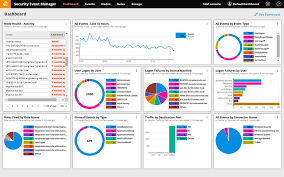
  • User Activity Monitoring: Track user activity within your Active Directory, including logon events, account modifications, and access permissions changes to detect suspicious behaviour or unauthorised actions.
  • Real-time Alerts: Receive immediate alerts for critical events or policy violations within your Active Directory environment, allowing you to respond swiftly to potential security incidents.
  • Reporting and Analysis: Generate detailed reports on the security posture of your Active Directory infrastructure, including actionable insights and recommendations for improving overall security.

By leveraging Nessus Active Directory Audit, organisations can enhance their cybersecurity defences and reduce the risk of data breaches or compliance violations. The proactive monitoring and auditing capabilities provided by Nessus empower IT teams to stay ahead of emerging threats and maintain a secure Active Directory environment.

In conclusion, investing in Nessus Active Directory Audit is a proactive step towards strengthening your organisation’s cybersecurity posture and safeguarding sensitive information stored within your Active Directory. With its comprehensive features and robust scanning capabilities, Nessus provides the tools needed to effectively audit and secure your Active Directory infrastructure in today’s ever-evolving threat landscape.


Top 7 Advantages of Using Nessus for Active Directory Audits

  1. Comprehensive vulnerability detection for Active Directory environment
  2. Real-time monitoring of user activity and security events
  3. Automated compliance checks to ensure adherence to industry standards
  4. Detailed reporting and analysis for actionable insights
  5. Customisable alerts for immediate response to security incidents
  6. Integration with Nessus’ powerful vulnerability scanning capabilities
  7. User-friendly interface for easy configuration and management


Challenges of Nessus Active Directory Audits: Learning Curves, Costs, and Configuration Complexities

  1. Steep Learning Curve
  2. Resource Intensive
  3. Costly Licensing
  4. Complex Configuration
  5. False Positives
  6. Limited Customisation
  7. Integration Challenges

Comprehensive vulnerability detection for Active Directory environment

One of the key advantages of Nessus Active Directory Audit is its ability to provide comprehensive vulnerability detection specifically tailored for the Active Directory environment. By actively scanning and assessing the security posture of Active Directory components, Nessus can identify potential vulnerabilities, misconfigurations, and weaknesses that could be exploited by malicious actors. This proactive approach to vulnerability detection allows organisations to address security gaps promptly, enhancing the overall resilience of their Active Directory infrastructure and reducing the risk of cyber threats impacting critical business operations.

Real-time monitoring of user activity and security events

One significant advantage of Nessus Active Directory Audit is its capability for real-time monitoring of user activity and security events within the Active Directory environment. This feature allows organisations to promptly detect and respond to any suspicious behaviour or security incidents, ensuring enhanced visibility and control over user actions. By monitoring user activity in real-time, Nessus empowers IT teams to proactively identify potential threats, unauthorised access attempts, or policy violations, thereby strengthening the overall security posture of the Active Directory infrastructure.

Automated compliance checks to ensure adherence to industry standards

One significant advantage of Nessus Active Directory Audit is its capability to conduct automated compliance checks, guaranteeing adherence to industry standards and regulatory requirements. By automating the process of verifying compliance with established guidelines, organisations can efficiently assess their Active Directory environment’s alignment with best practices and regulations without the need for manual intervention. This feature not only saves time and resources but also provides a proactive approach to maintaining a secure and compliant IT infrastructure, ultimately enhancing overall cybersecurity posture.

Detailed reporting and analysis for actionable insights

One of the key advantages of Nessus Active Directory Audit is its capability to provide detailed reporting and analysis, offering actionable insights for IT teams. By generating comprehensive reports on the security status of the Active Directory environment, Nessus enables organisations to gain valuable visibility into potential vulnerabilities, policy compliance issues, and user activity. These insights empower IT professionals to make informed decisions and take proactive measures to enhance security, address weaknesses, and mitigate risks effectively.

Customisable alerts for immediate response to security incidents

One significant advantage of Nessus Active Directory Audit is its customisable alerts feature, which enables organisations to set up tailored notifications for specific security events within their Active Directory environment. This capability allows for immediate response to potential security incidents, ensuring that IT teams can swiftly address and mitigate threats as they arise. By configuring alerts based on predefined criteria or user-defined parameters, organisations can proactively monitor their Active Directory infrastructure and take prompt action to safeguard against cyber threats and unauthorised activities.

Integration with Nessus’ powerful vulnerability scanning capabilities

One significant advantage of Nessus Active Directory Audit is its seamless integration with Nessus’ formidable vulnerability scanning capabilities. By leveraging this integration, organisations can benefit from a comprehensive security assessment that not only audits Active Directory settings but also identifies potential vulnerabilities within the network infrastructure. This synergy allows for a holistic approach to cybersecurity, enabling IT teams to proactively address security gaps and strengthen defences against emerging threats. The combination of Active Directory auditing and vulnerability scanning empowers organisations to enhance their overall security posture and mitigate risks effectively.

User-friendly interface for easy configuration and management

One of the standout benefits of Nessus Active Directory Audit is its user-friendly interface, which simplifies the configuration and management process for IT professionals. With an intuitive design and straightforward navigation, users can easily set up audit scans, configure monitoring parameters, and manage security policies without the need for extensive training or technical expertise. This streamlined approach not only saves time but also enhances overall efficiency, allowing organisations to proactively assess and secure their Active Directory environment with ease.

Steep Learning Curve

One notable drawback of Nessus Active Directory Audit is its steep learning curve, which may pose a challenge for users looking to maximise the benefits of its features and functionalities. Navigating through the complexities of the tool and understanding how to effectively interpret and act upon the audit results may require a significant investment of time and resources. This learning curve could potentially slow down the implementation process and hinder the immediate effectiveness of Nessus Active Directory Audit in enhancing the security posture of an organisation’s Active Directory environment.

Resource Intensive

One significant drawback of using Nessus Active Directory Audit is its resource-intensive nature. Conducting regular scans and audits with Nessus can place a heavy demand on system resources, potentially leading to a degradation in the performance of the Active Directory environment. The extensive scanning processes and data collection activities carried out by Nessus may strain server capacities, causing delays in user authentication, slower response times, and overall system inefficiencies. Organisations must carefully balance the benefits of thorough auditing with the potential impact on system performance when utilising Nessus for Active Directory security assessments.

Costly Licensing

One significant drawback of implementing Nessus Active Directory Audit is the potentially high cost associated with licensing. For organisations operating on limited budgets, the expense of Nessus licensing fees, particularly when factoring in additional modules or support services, can pose a financial challenge. The substantial investment required to acquire and maintain Nessus licenses may deter some organisations from fully utilising this powerful auditing tool, impacting their ability to enhance the security and compliance of their Active Directory environment effectively.

Complex Configuration

One significant drawback of using Nessus Active Directory Audit is the complexity involved in configuring the tool for auditing purposes. Setting up Nessus to effectively audit an Active Directory environment can be a challenging task that demands a certain level of expertise and time investment to ensure proper configuration. Organisations may face hurdles in navigating the intricacies of Nessus settings and customising them to align with their specific Active Directory requirements. This complexity can potentially lead to delays in implementation and require additional training or resources to overcome, making it a notable con for those seeking a straightforward auditing solution.

False Positives

False Positives are a notable drawback of using Nessus Active Directory Audit. As with any scanning tool, Nessus has the potential to produce false positives, indicating security issues that may not actually exist within the Active Directory environment. These false alerts can result in unnecessary investigations and actions, consuming valuable time and resources. Organisations must be vigilant in distinguishing between genuine security threats and false positives identified by Nessus to ensure an efficient and effective auditing process.

Limited Customisation

Some users have expressed a con regarding Nessus Active Directory Audit, citing limited customisation options. They find that the level of customisation available may not be as extensive as they require to meet their specific needs. This limitation can potentially hinder users who seek more tailored audit configurations to address unique aspects of their Active Directory environment.

Integration Challenges

One notable drawback of Nessus Active Directory Audit is the potential integration challenges it poses. The process of integrating Nessus with pre-existing security tools or workflows may encounter obstacles, primarily stemming from compatibility issues or configuration conflicts. These challenges can lead to delays in implementation and may require additional resources to resolve, impacting the efficiency and effectiveness of the overall security audit process. Organizations considering the adoption of Nessus Active Directory Audit should be prepared to address these integration hurdles to fully leverage its capabilities and benefits.

The Benefits of Using Free Active Directory Audit Tools

The Benefits of Using Free Active Directory Audit Tools

Active Directory (AD) is a critical component of many organisations’ IT infrastructure, managing user accounts, permissions, and access to resources. Ensuring the security and integrity of your AD environment is paramount in safeguarding sensitive data and preventing unauthorised access.

One effective way to enhance the security of your Active Directory is through regular auditing. Auditing allows you to track changes, monitor user activity, and detect potential security threats. While there are many paid AD audit tools available on the market, utilising free AD audit tools can also provide significant benefits.

Cost-Effective Solution

One of the primary advantages of using free AD audit tools is cost-effectiveness. For organisations with budget constraints or those looking to test the waters before investing in a paid solution, free tools offer a valuable alternative. You can leverage the features and functionalities of these tools without incurring any additional costs.

Enhanced Security

Free AD audit tools enable you to strengthen the security posture of your Active Directory by identifying vulnerabilities and suspicious activities. By conducting regular audits, you can proactively address security issues and prevent potential breaches before they occur. These tools help you maintain compliance with industry regulations and internal security policies.

User-Friendly Interface

Many free AD audit tools come with intuitive interfaces that make them easy to use for IT administrators and security professionals alike. These tools often provide comprehensive reports, real-time monitoring capabilities, and alerting mechanisms that simplify the auditing process. With user-friendly features, you can efficiently manage and monitor your Active Directory environment.

Community Support

Free AD audit tools often have active user communities that share best practices, troubleshooting tips, and custom scripts to enhance tool functionality. By being part of a community of users, you can benefit from collective knowledge and experiences that can help you optimise the use of the tool within your organisation.

Conclusion

Free Active Directory audit tools offer a range of benefits for organisations seeking to improve their IT security posture without incurring additional costs. By leveraging these tools, you can enhance the visibility into your AD environment, strengthen security controls, and mitigate risks effectively. Whether you are a small business or a large enterprise, incorporating free AD audit tools into your cybersecurity strategy can be a valuable asset in safeguarding your critical assets.


Top 5 Benefits of Free Ad Audit Tools for Organisations

  1. Cost-effective solution for organisations with budget constraints.
  2. Enhance security by identifying vulnerabilities and suspicious activities.
  3. User-friendly interfaces make them easy to use for IT professionals.
  4. Active user communities provide support and share best practices.
  5. Help maintain compliance with industry regulations and internal security policies.


Drawbacks of Free Ad Audit Tools: Key Limitations to Consider

  1. Limited feature set compared to paid tools
  2. Potential lack of dedicated technical support
  3. Higher risk of outdated or unsupported software
  4. Security and compliance limitations may exist
  5. Less frequent updates and patches for vulnerabilities
  6. Integration with other systems or tools may be limited

Cost-effective solution for organisations with budget constraints.

For organisations facing budget constraints, leveraging free Active Directory audit tools presents a cost-effective solution to enhance their IT security measures. By utilising these tools without incurring additional expenses, organisations can conduct regular audits, identify vulnerabilities, and monitor user activities to strengthen the security of their Active Directory environment. This budget-friendly approach allows organisations to proactively address security risks and maintain compliance with industry regulations, even when financial resources are limited.

Enhance security by identifying vulnerabilities and suspicious activities.

Free Active Directory audit tools play a crucial role in enhancing security by identifying vulnerabilities and suspicious activities within an organisation’s Active Directory environment. By conducting regular audits using these tools, IT administrators can proactively detect potential security weaknesses, such as misconfigurations or unauthorised access attempts. The ability to pinpoint and address these vulnerabilities promptly helps strengthen the overall security posture of the network, mitigating risks and safeguarding sensitive data from potential breaches.

User-friendly interfaces make them easy to use for IT professionals.

Free Active Directory audit tools offer a user-friendly interface that simplifies the auditing process for IT professionals. With intuitive design and easy navigation, these tools enable users to efficiently monitor and manage their Active Directory environment. The user-friendly features of free AD audit tools enhance usability, allowing IT professionals to conduct audits, generate reports, and identify security threats with ease. By providing a straightforward interface, these tools empower users to strengthen the security of their Active Directory without the need for extensive training or technical expertise.

Active user communities provide support and share best practices.

Active user communities associated with free Active Directory audit tools play a crucial role in enhancing the overall user experience and effectiveness of these tools. By fostering a collaborative environment where users can share best practices, troubleshooting tips, and innovative custom scripts, these communities empower individuals to maximise the functionality of the audit tools within their specific environments. The collective knowledge and experiences shared within these communities not only contribute to the continuous improvement of the tools but also provide valuable support to users, helping them address challenges and optimise their Active Directory auditing processes effectively.

Help maintain compliance with industry regulations and internal security policies.

Utilising free Active Directory audit tools can be instrumental in helping organisations maintain compliance with industry regulations and internal security policies. By conducting regular audits and monitoring activities within the Active Directory environment, these tools assist in identifying any deviations from established security protocols or regulatory requirements. This proactive approach not only ensures adherence to industry standards but also enhances the overall security posture of the organisation, mitigating potential risks and safeguarding sensitive data from unauthorised access.

Limited feature set compared to paid tools

When considering the use of free Active Directory audit tools, one significant drawback to keep in mind is the limited feature set they offer compared to their paid counterparts. While free tools can provide basic auditing functionalities and essential security monitoring capabilities, they often lack advanced features and customisation options that are available in paid tools. Organisations with complex IT environments or specific compliance requirements may find that free tools fall short in meeting their needs for comprehensive auditing and reporting. Investing in a paid AD audit tool may be necessary to access a broader range of features and tailored solutions that align more closely with the organisation’s security objectives and operational requirements.

Potential lack of dedicated technical support

One notable drawback of utilising free Active Directory audit tools is the potential lack of dedicated technical support. Unlike paid solutions that often come with comprehensive support services, free tools may not offer the same level of assistance in troubleshooting issues or addressing complex technical queries. This limitation can pose challenges for organisations that rely on prompt and expert guidance to resolve issues efficiently and maximise the effectiveness of the audit tool. In such cases, users may need to rely on online resources, community forums, or internal expertise to overcome technical hurdles, which could result in delays or suboptimal usage of the tool.

Higher risk of outdated or unsupported software

One significant drawback of relying on free Active Directory audit tools is the higher risk of encountering outdated or unsupported software. As these tools are often developed and maintained by individuals or small teams without dedicated resources, updates and ongoing support may be lacking. This can lead to compatibility issues with newer operating systems or Active Directory versions, leaving your IT environment vulnerable to security threats and hindering the effectiveness of your auditing efforts. It is essential to weigh the potential risks associated with using free tools against the cost savings they offer and consider investing in more robust solutions for long-term security and compliance.

Security and compliance limitations may exist

When utilising free Active Directory audit tools, organisations should be aware of potential security and compliance limitations that may exist. Due to the nature of free tools, they may not offer the same level of robust security features and regulatory compliance capabilities as their paid counterparts. This could result in gaps in monitoring, reporting, or alerting functionalities, which may hinder an organisation’s ability to effectively address security threats and maintain adherence to industry regulations. It is essential for businesses to carefully evaluate the trade-offs between cost savings and security/compliance requirements when opting for free AD audit tools.

Less frequent updates and patches for vulnerabilities

One significant drawback of using free Active Directory audit tools is the potential for less frequent updates and patches to address vulnerabilities. Unlike paid solutions that often have dedicated teams focused on continuous development and security updates, free tools may have limited resources available for maintaining and enhancing their software. This can result in longer intervals between updates, leaving your Active Directory environment exposed to emerging threats and vulnerabilities that could otherwise be mitigated with timely patches. It is crucial to weigh the convenience of free tools against the risks associated with potentially outdated software when considering your organisation’s cybersecurity strategy.

Integration with other systems or tools may be limited

When considering the use of free Active Directory audit tools, one significant drawback to keep in mind is that integration with other systems or tools may be limited. Unlike some paid solutions that offer seamless integration capabilities with various IT infrastructure components, free AD audit tools may lack the flexibility to connect and communicate effectively with other systems. This limitation can hinder the overall efficiency and effectiveness of your auditing processes, especially if your organisation relies on a diverse range of tools for monitoring and managing its IT environment. It is essential to assess the compatibility and interoperability of free AD audit tools with your existing systems before implementation to avoid potential challenges in data synchronisation and workflow automation.

The Growing Concern: Cyber Threats to National Security

In today’s interconnected world, the threat of cyber attacks on national security is a looming concern for governments worldwide. The rise of sophisticated cybercriminals and state-sponsored hacking groups has made it imperative for nations to fortify their defences against these digital threats.

Cyber attacks targeting critical infrastructure, government systems, and military networks pose a significant risk to national security. These attacks can disrupt essential services, steal sensitive information, or even sabotage vital operations, leading to severe consequences for a country’s stability and sovereignty.

One of the primary challenges in combating cyber threats is the constantly evolving nature of cybersecurity risks. Hackers are continuously developing new techniques and exploiting vulnerabilities in systems to breach defences. This dynamic landscape requires governments to stay vigilant and proactive in securing their digital assets.

Furthermore, the anonymity and global reach of cyber attacks make it difficult to attribute them to specific actors accurately. State-sponsored hacking activities further complicate the situation, as nations engage in cyber espionage or warfare under the guise of anonymity, blurring the lines between traditional warfare and cyber conflicts.

To address these challenges effectively, governments need to invest in robust cybersecurity measures, foster international cooperation on cyber defence strategies, and enhance information sharing mechanisms among intelligence agencies. Collaboration between public and private sectors is also crucial in safeguarding national security against cyber threats.

As technology continues to advance rapidly, the threat landscape will only become more complex. It is essential for policymakers, security experts, and industry leaders to work together proactively to mitigate cyber risks effectively and protect national interests from malicious actors in cyberspace.

By recognising the gravity of cyber threats to national security and taking decisive actions to strengthen defences, countries can better safeguard their critical infrastructure, sensitive data, and overall stability in an increasingly digital world.


Understanding Cyber Threats to National Security: Key Questions and Answers

  1. What are cyber threats to national security?
  2. How do cyber attacks pose a risk to national security?
  3. What critical infrastructure is vulnerable to cyber threats?
  4. Who are the primary actors behind cyber attacks on national security?
  5. How can governments protect their military networks from cyber threats?
  6. What role does international cooperation play in combating cyber threats to national security?
  7. What are the implications of a successful cyber attack on a country’s national security?

What are cyber threats to national security?

Cyber threats to national security encompass a wide range of malicious activities conducted in cyberspace that pose risks to a country’s critical infrastructure, government systems, and sensitive data. These threats include cyber attacks targeting key sectors such as energy, finance, healthcare, and defence, as well as espionage campaigns aimed at stealing classified information or disrupting essential services. State-sponsored hacking groups, criminal organisations, and hacktivist collectives are among the actors behind cyber threats to national security, leveraging advanced techniques to exploit vulnerabilities in digital systems and networks. The evolving nature of cyber threats requires governments to adopt proactive cybersecurity measures and collaborate with international partners to mitigate risks effectively and safeguard their sovereignty in the digital age.

How do cyber attacks pose a risk to national security?

Cyber attacks pose a significant risk to national security by targeting critical infrastructure, government systems, and military networks. These attacks can disrupt essential services, compromise sensitive information, and undermine the integrity of operations vital to a country’s stability and sovereignty. The interconnected nature of digital systems makes them vulnerable to exploitation by malicious actors seeking to cause widespread chaos or gain strategic advantages through cyber espionage or sabotage. The evolving tactics of cybercriminals and state-sponsored hackers challenge governments to continuously enhance their cybersecurity measures and collaborate internationally to detect, deter, and respond effectively to cyber threats that threaten the very foundation of national security.

What critical infrastructure is vulnerable to cyber threats?

Critical infrastructure across various sectors, such as energy, transportation, healthcare, and finance, is vulnerable to cyber threats that pose significant risks to national security. Power grids, transportation systems, hospitals, financial institutions, and government networks are among the key targets for cyber attacks due to their essential role in sustaining the functioning of society. Any disruption or compromise of these critical infrastructures can have far-reaching consequences, including economic instability, public safety concerns, and potential national security breaches. Protecting these vital systems from cyber threats requires a multi-faceted approach that involves robust cybersecurity measures, continuous monitoring, threat intelligence sharing, and collaboration between government agencies and private sector entities.

Who are the primary actors behind cyber attacks on national security?

In the realm of cyber threats to national security, the identification of primary actors behind cyber attacks is a complex and often elusive task. These actors can range from individual hackers and cybercriminal groups seeking financial gain to state-sponsored entities aiming to achieve political objectives or gather intelligence. The attribution of cyber attacks to specific actors is challenging due to the anonymity and sophisticated techniques employed in such activities. State-sponsored hacking groups, in particular, pose a significant threat as they operate with the resources and backing of governments, making it harder to trace their origins accurately. Understanding the diverse motivations and capabilities of these actors is crucial in developing effective strategies to defend against cyber threats to national security.

How can governments protect their military networks from cyber threats?

Governments can protect their military networks from cyber threats by implementing a multi-layered approach to cybersecurity. This involves deploying robust firewalls, intrusion detection systems, and encryption protocols to secure network communications. Regular security audits and penetration testing help identify vulnerabilities that could be exploited by malicious actors. Additionally, training personnel in cybersecurity best practices and implementing strict access controls can minimise the risk of insider threats. Collaborating with cybersecurity experts, sharing threat intelligence with allied nations, and staying abreast of emerging cyber threats are also essential strategies for governments to enhance the resilience of their military networks against cyber attacks.

What role does international cooperation play in combating cyber threats to national security?

International cooperation plays a pivotal role in combating cyber threats to national security by facilitating information sharing, coordinated responses, and collective efforts to strengthen cybersecurity measures globally. In the face of transnational cyber attacks that transcend borders, collaboration between nations is essential to identify and mitigate threats effectively. By sharing intelligence, best practices, and resources, countries can enhance their capabilities to detect, prevent, and respond to cyber incidents, thereby creating a more secure digital environment for all stakeholders. Additionally, international cooperation fosters trust among nations and promotes a united front against cyber adversaries, reinforcing the collective resilience of the global community in safeguarding national security in cyberspace.

What are the implications of a successful cyber attack on a country’s national security?

A successful cyber attack on a country’s national security can have far-reaching implications that extend beyond immediate disruptions. Such an attack can compromise critical infrastructure, disrupt essential services, steal sensitive information, undermine public trust in government institutions, and even pose a threat to the safety of citizens. The consequences may include economic losses, political instability, diplomatic tensions with other nations, and potential escalation into full-fledged cyber warfare. Furthermore, a successful cyber attack can erode a country’s reputation on the global stage and weaken its ability to defend against future threats. It is crucial for governments to recognise the severity of these implications and invest in robust cybersecurity measures to mitigate the risks posed by cyber threats to national security.

Azure Active Directory Access Control

Azure Active Directory Access Control

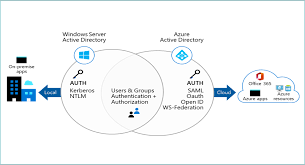
Azure Active Directory (Azure AD) is Microsoft’s cloud-based identity and access management service that helps your employees sign in and access resources securely. One crucial aspect of Azure AD is access control, which plays a vital role in ensuring that only authorised users can access specific resources within your organisation.

Role-Based Access Control (RBAC)

Azure AD offers Role-Based Access Control (RBAC), a method of managing access to resources based on the roles assigned to users. With RBAC, you can define roles with specific permissions and assign those roles to users or groups. This approach simplifies access management by granting permissions at a role level rather than individual user level.

Conditional Access Policies

Conditional Access Policies in Azure AD enable you to enforce additional security measures based on specific conditions. For example, you can require multi-factor authentication for users attempting to access sensitive data outside the corporate network or prompt for device compliance checks before granting access. These policies help strengthen security without compromising user experience.

Privileged Identity Management (PIM)

Azure AD Privileged Identity Management (PIM) provides oversight and control over privileged roles within your organisation. PIM allows you to monitor and manage who has access to privileged roles, require approval for elevation of privileges, and enforce just-in-time access for critical tasks. By implementing PIM, you can reduce the risk of misuse of privileged accounts.

Access Reviews

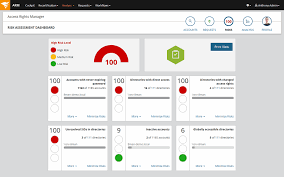
To maintain a secure environment, regular access reviews are essential. Azure AD offers automated access reviews that enable administrators to periodically review user access rights and ensure that permissions are up-to-date and aligned with business requirements. By conducting these reviews, you can mitigate the risk of excessive or inappropriate access.

Conclusion

Azure Active Directory provides robust access control capabilities that empower organisations to secure their resources effectively. By leveraging features such as RBAC, Conditional Access Policies, Privileged Identity Management, and Access Reviews, organisations can establish a strong security posture while enabling seamless collaboration and productivity for their users.


Essential Tips for Enhancing Access Control with Azure Active Directory

  1. Use Azure AD roles to assign permissions to users and groups.
  2. Implement conditional access policies to control access based on conditions.
  3. Enable multi-factor authentication for added security.
  4. Regularly review and audit user access rights in Azure AD.
  5. Utilise Privileged Identity Management for managing admin roles effectively.
  6. Set up role-based access control (RBAC) to restrict access based on job roles.
  7. Integrate with Azure AD Connect to synchronise on-premises directories with Azure AD.
  8. Monitor sign-ins and security alerts in Azure AD for potential threats.

Use Azure AD roles to assign permissions to users and groups.

When implementing access control in Azure Active Directory, a valuable tip is to utilise Azure AD roles to assign permissions to users and groups. By defining roles with specific sets of permissions and then assigning those roles to users or groups, organisations can streamline access management processes. This approach simplifies the task of granting and revoking permissions, as administrators can manage access at a role level rather than dealing with individual user permissions. Utilising Azure AD roles enhances security, ensures consistency in access control, and facilitates efficient administration of resources within the Azure environment.

Implement conditional access policies to control access based on conditions.

By implementing conditional access policies in Azure Active Directory, organisations can exert granular control over user access based on specific conditions. This powerful feature allows administrators to set rules that dictate when and how users can access resources, adding an extra layer of security to the authentication process. By defining conditions such as location, device compliance, or user risk level, organisations can tailor access controls to match their security requirements, thereby enhancing overall data protection and reducing the risk of unauthorised access.

Enable multi-factor authentication for added security.

Enabling multi-factor authentication in Azure Active Directory is a highly recommended practice to enhance security. By requiring users to provide an additional verification method beyond just a password, such as a code sent to their mobile device or biometric authentication, organisations can significantly reduce the risk of unauthorised access. Multi-factor authentication adds an extra layer of protection that strengthens the overall security posture of the environment, safeguarding sensitive data and resources from potential threats.

Regularly review and audit user access rights in Azure AD.

Regularly reviewing and auditing user access rights in Azure Active Directory is a critical practice to ensure the security and integrity of your organisation’s resources. By conducting periodic assessments of user permissions, you can identify and rectify any discrepancies or unauthorised access promptly. This proactive approach not only helps prevent potential security breaches but also ensures that users have the appropriate level of access required for their roles. Regular reviews and audits of user access rights in Azure AD are essential steps towards maintaining a robust security posture and safeguarding sensitive data within your environment.

Utilise Privileged Identity Management for managing admin roles effectively.

By utilising Privileged Identity Management within Azure Active Directory, organisations can effectively manage admin roles and enhance security measures. Privileged Identity Management offers oversight and control over privileged roles, allowing administrators to monitor and regulate access to critical resources. By implementing PIM, organisations can enforce just-in-time access, require approval for privilege elevation, and reduce the risk of unauthorised access or misuse of privileged accounts. This proactive approach ensures that only authorised personnel have elevated permissions when necessary, strengthening overall security posture within the Azure environment.

Set up role-based access control (RBAC) to restrict access based on job roles.

Setting up Role-Based Access Control (RBAC) in Azure Active Directory is a powerful way to manage access and enhance security within an organisation. By assigning specific roles with predefined permissions to users based on their job functions, administrators can effectively restrict access to resources and data. This approach not only simplifies access management but also ensures that individuals have the necessary level of access required to perform their duties, reducing the risk of unauthorised actions and enhancing overall security posture.

Integrate with Azure AD Connect to synchronise on-premises directories with Azure AD.

Integrating with Azure AD Connect allows organisations to synchronise their on-premises directories with Azure AD seamlessly. By establishing this connection, user accounts, groups, and attributes can be synchronised between on-premises environments and the cloud, ensuring a consistent identity management experience. This integration streamlines user provisioning and access control processes, enabling administrators to manage user identities centrally while leveraging the security features of Azure AD across both on-premises and cloud resources.

Monitor sign-ins and security alerts in Azure AD for potential threats.

Monitoring sign-ins and security alerts in Azure Active Directory is a crucial tip for maintaining a secure environment. By actively monitoring user sign-ins and staying vigilant for security alerts, organisations can swiftly identify and respond to potential threats. Keeping a close eye on user activity allows for early detection of suspicious behaviour, such as unusual sign-in locations or multiple failed login attempts, enabling proactive measures to mitigate security risks. By leveraging the monitoring capabilities of Azure AD, organisations can stay ahead of potential threats and safeguard their resources effectively.

The Importance of Cyber Network Security

The Importance of Cyber Network Security

In today’s digital age, where businesses and individuals rely heavily on interconnected networks for communication, transactions, and data storage, cyber network security has become more critical than ever before. Cyber threats are constantly evolving and becoming more sophisticated, posing significant risks to the integrity and confidentiality of sensitive information.

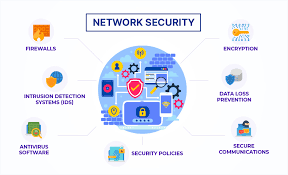
Effective cyber network security involves implementing robust measures to protect networks, systems, and data from cyber attacks. This includes deploying firewalls, intrusion detection systems, encryption protocols, access controls, and regular security audits to identify vulnerabilities and mitigate risks.

One of the primary reasons why cyber network security is essential is to safeguard the confidentiality of data. Businesses store vast amounts of sensitive information, such as customer details, financial records, and intellectual property, which can be targeted by cybercriminals for malicious purposes. A breach in network security can lead to data theft, financial losses, reputational damage, and legal consequences.

Furthermore, ensuring strong cyber network security is crucial for maintaining the availability and reliability of services. Downtime caused by cyber attacks can disrupt operations, result in financial losses due to service unavailability or downtime penalties.

Protecting the integrity of data is another key aspect of cyber network security. Cyber attacks aimed at altering or destroying data can have severe consequences for businesses and individuals alike. By implementing measures such as data backups and integrity checks, organisations can minimise the impact of such attacks.

In conclusion, investing in robust cyber network security measures is imperative for safeguarding sensitive information, maintaining operational continuity, and protecting against potential cyber threats. By staying vigilant and proactive in addressing cybersecurity risks, businesses can mitigate vulnerabilities and enhance their resilience in the face of evolving cyber threats.


Top 8 Frequently Asked Questions About Cyber and Network Security

  1. What is cyber and network security?
  2. Is cybersecurity a good career?
  3. What is cyber security?
  4. What is that cyber security?
  5. What is cyber networking?
  6. What are the five types of network security?
  7. What are the five types of cyber security?
  8. What are the 5 types of cyber security?

What is cyber and network security?

Cyber and network security refer to the practices and technologies implemented to protect computer systems, networks, and data from cyber threats. Cybersecurity focuses on safeguarding digital information against unauthorised access, data breaches, malware attacks, and other cyber risks. Network security, on the other hand, specifically addresses the protection of network infrastructure, including routers, switches, firewalls, and servers, to ensure secure data transmission and communication. Together, cyber and network security measures aim to establish a secure environment that defends against potential cyber attacks and maintains the confidentiality, integrity, and availability of sensitive information within an organisation’s IT infrastructure.

Is cybersecurity a good career?

In the realm of cyber network security, the question frequently asked is, “Is cybersecurity a good career?” The answer to this query is a resounding yes. Cybersecurity has emerged as a dynamic and high-demand field offering diverse opportunities for professionals seeking a rewarding career path. With the increasing prevalence of cyber threats and data breaches across industries, the demand for skilled cybersecurity experts continues to rise. A career in cybersecurity not only provides job security but also offers the chance to make a significant impact in safeguarding sensitive information and combating cyber threats. As technology evolves, so do the challenges in cybersecurity, making it an exciting and ever-evolving field for individuals passionate about protecting digital assets and ensuring online safety.

What is cyber security?

Cyber security encompasses a set of practices, technologies, and processes designed to protect networks, systems, and data from cyber threats. It involves safeguarding digital assets against unauthorised access, data breaches, malware infections, and other malicious activities carried out by cybercriminals. Cyber security aims to ensure the confidentiality, integrity, and availability of information stored and transmitted across digital networks. By implementing robust security measures such as encryption, access controls, firewalls, and regular monitoring, organisations can mitigate risks and strengthen their defences against evolving cyber threats in today’s interconnected world.

What is that cyber security?

Cyber security encompasses a range of practices, technologies, and processes designed to protect networks, systems, and data from cyber threats. It involves safeguarding digital assets from unauthorised access, use, disclosure, disruption, modification, or destruction. Cyber security measures include implementing firewalls, encryption protocols, access controls, and regular security audits to identify vulnerabilities and mitigate risks. By prioritising cyber security, individuals and organisations can enhance their resilience against cyber attacks and safeguard the confidentiality, integrity, and availability of sensitive information in today’s interconnected digital landscape.

What is cyber networking?

Cyber networking refers to the interconnected systems and devices that enable communication and data exchange over digital networks. It encompasses the infrastructure, protocols, and technologies used to facilitate the transfer of information between computers and other electronic devices. Cyber networking plays a crucial role in enabling individuals, businesses, and organisations to connect globally, share resources, access online services, and collaborate effectively. However, with the convenience of cyber networking comes the inherent risks of cyber threats, such as hacking, malware, phishing attacks, and data breaches. Implementing robust cyber network security measures is essential to protect against these risks and ensure the confidentiality, integrity, and availability of data transmitted over digital networks.

What are the five types of network security?

Network security encompasses various measures and strategies to protect networks from cyber threats. When considering the types of network security, five key categories stand out: 1) Access control, which regulates who can access the network and its resources; 2) Firewalls, acting as a barrier between internal and external networks to monitor and block potentially harmful traffic; 3) Intrusion Detection Systems (IDS) and Intrusion Prevention Systems (IPS), which detect and respond to suspicious activities or attacks in real-time; 4) Virtual Private Networks (VPNs), providing secure remote access for users connecting to the network from external locations; and 5) Encryption, ensuring that data transmitted across the network is securely encoded to prevent unauthorised interception. These types of network security measures work together to create a multi-layered defence system against cyber threats, safeguarding the integrity, confidentiality, and availability of network resources.

What are the five types of cyber security?

In the realm of cyber network security, understanding the five key types of cybersecurity is crucial for safeguarding digital assets against a myriad of threats. These types include network security, which focuses on protecting networks from unauthorised access and cyber attacks; application security, which involves securing software and applications from vulnerabilities that could be exploited by hackers; information security, which centres on safeguarding data integrity, confidentiality, and availability; endpoint security, which aims to protect individual devices like computers and mobile devices from cyber threats; and cloud security, which focuses on securing data stored in cloud environments to prevent data breaches and ensure secure access. By comprehensively addressing these various types of cybersecurity, organisations can fortify their defences and enhance their overall cyber resilience.

What are the 5 types of cyber security?

When considering the question “What are the 5 types of cyber security?”, it is important to understand the diverse approaches and strategies employed in safeguarding digital assets. The five primary types of cyber security encompass network security, which focuses on protecting networks from unauthorised access and cyber attacks; application security, which involves securing software and applications from vulnerabilities; information security, which entails safeguarding data integrity and confidentiality; endpoint security, which aims to secure individual devices like computers and mobile devices; and cloud security, which focuses on protecting data stored in cloud environments. Each type plays a crucial role in fortifying overall cyber defences and mitigating potential risks in the ever-evolving digital landscape.

Cybersecurity as a Service: Protecting Your Business in the Digital Age

The Rise of Cybersecurity as a Service

In today’s interconnected world, where businesses rely heavily on digital technologies, cybersecurity has become a top priority. With the increasing frequency and sophistication of cyber threats, organisations are seeking innovative solutions to protect their sensitive data and systems.

One such solution that has gained traction in recent years is Cybersecurity as a Service (CaaS). This model offers businesses the opportunity to outsource their cybersecurity needs to specialised providers who offer a range of security services on a subscription basis.

Benefits of Cybersecurity as a Service

There are several benefits to adopting CaaS for your organisation:

  • Cost-Effectiveness: By opting for CaaS, businesses can access high-quality cybersecurity services without the need to invest in expensive infrastructure or hire dedicated security professionals.
  • Scalability: CaaS providers offer flexible solutions that can scale according to the changing needs of your business, ensuring that you always have the right level of protection.
  • Expertise: CaaS providers are staffed with experienced cybersecurity professionals who stay abreast of the latest threats and best practices, giving you access to top-tier expertise.
  • 24/7 Monitoring: Many CaaS providers offer round-the-clock monitoring of your systems, enabling quick detection and response to any security incidents.
  • Compliance Assistance: CaaS offerings often include tools and services that help businesses comply with industry regulations and standards, reducing the risk of non-compliance penalties.

The Future of Cybersecurity as a Service

As cyber threats continue to evolve, the demand for robust cybersecurity solutions will only increase. Cybersecurity as a Service is poised to play a crucial role in helping businesses navigate this complex landscape by providing cost-effective, scalable, and expert-driven security services.

By partnering with a reputable CaaS provider, organisations can focus on their core operations while having peace of mind knowing that their digital assets are protected by industry-leading security measures. In an age where data breaches and cyber attacks are becoming more prevalent, investing in Cybersecurity as a Service is not just an option – it’s a necessity for safeguarding your business’s future.


Understanding Cybersecurity as a Service: Key Questions Answered

  1. What is the concept of security as a service?
  2. What is cyber security as a service?
  3. Is cybersecurity software as a service?
  4. What does DaaS mean in cybersecurity?
  5. What value does cybersecurity as a service provide organizations?
  6. Is cyber security a product or service?
  7. What is an example of security as a service?
  8. What are the benefits of cybersecurity as a service?

What is the concept of security as a service?

The concept of security as a service revolves around the idea of outsourcing cybersecurity functions to third-party providers who offer a range of security services on a subscription basis. This approach allows businesses to access expert security solutions without the need for in-house resources or infrastructure. Security as a service encompasses various offerings such as threat detection, incident response, compliance management, and 24/7 monitoring, providing organisations with scalable and cost-effective ways to enhance their security posture in an increasingly digital and interconnected world. By leveraging security as a service, businesses can benefit from specialised expertise and advanced technologies to protect their data, systems, and networks against evolving cyber threats.

What is cyber security as a service?

Cybersecurity as a Service (CaaS) is a comprehensive security solution offered by specialised providers to help businesses protect their digital assets and sensitive information from cyber threats. In essence, CaaS involves outsourcing various cybersecurity functions to experts who deliver services on a subscription basis. These services can include real-time monitoring, threat detection, incident response, compliance management, and security consulting. By leveraging CaaS, organisations can benefit from cost-effective, scalable, and expert-driven cybersecurity measures without the need for heavy investments in infrastructure or dedicated security teams. It provides businesses with access to top-tier security expertise and technologies to proactively defend against evolving cyber threats in today’s interconnected digital landscape.

Is cybersecurity software as a service?

In the realm of cybersecurity, the concept of Software as a Service (SaaS) has become increasingly prevalent. When it comes to cybersecurity solutions, many providers offer their services through a SaaS model, where users can access and utilise security software over the internet on a subscription basis. This approach allows businesses to benefit from advanced cybersecurity tools without the need for complex installations or maintenance. By leveraging cybersecurity software as a service, organisations can enhance their security posture, streamline operations, and stay protected against evolving cyber threats in a cost-effective and efficient manner.

What does DaaS mean in cybersecurity?

In the realm of cybersecurity, DaaS stands for “Detection as a Service,” a concept that has gained prominence in the ongoing battle against cyber threats. DaaS involves outsourcing the detection of security incidents and anomalies to specialised service providers who utilise advanced technologies and expertise to monitor networks, systems, and data for any signs of malicious activity. By leveraging DaaS solutions, organisations can enhance their threat detection capabilities, receive real-time alerts on potential security breaches, and proactively defend against cyber attacks. This proactive approach to cybersecurity empowers businesses to stay ahead of evolving threats and safeguard their digital assets effectively.

What value does cybersecurity as a service provide organizations?

Cybersecurity as a service offers organisations a multitude of value-added benefits. By opting for CaaS, businesses can access expert cybersecurity services without the need for extensive in-house resources or expertise. This model provides cost-effective solutions that scale according to the organisation’s needs, ensuring that they always have the right level of protection against evolving cyber threats. Additionally, CaaS providers offer 24/7 monitoring and rapid incident response capabilities, enhancing the overall security posture of the organisation. Furthermore, by leveraging CaaS offerings, organisations can streamline compliance with industry regulations and standards, reducing potential risks and liabilities associated with non-compliance. Overall, cybersecurity as a service empowers organisations to focus on their core operations while having peace of mind knowing that their digital assets are safeguarded by cutting-edge security measures and expert guidance.

Is cyber security a product or service?

In the realm of cybersecurity, the distinction between a product and a service is crucial but often blurred. While cybersecurity products encompass tangible tools such as firewalls, antivirus software, and encryption solutions that help fortify digital defences, cybersecurity as a service (CaaS) shifts the focus towards outsourced security offerings delivered by specialised providers on a subscription basis. CaaS extends beyond mere products by providing ongoing monitoring, threat detection, incident response, and expert guidance to bolster an organisation’s security posture. Therefore, while cybersecurity products offer essential protective measures, cybersecurity as a service offers a comprehensive approach that combines technology with proactive support and expertise to safeguard against evolving cyber threats effectively.

What is an example of security as a service?

Security as a Service encompasses a wide range of offerings aimed at enhancing the cybersecurity posture of businesses. One prominent example of Security as a Service is Managed Detection and Response (MDR) services. MDR providers offer continuous monitoring of an organisation’s network, endpoints, and cloud environments to detect and respond to security incidents in real-time. By leveraging advanced threat detection technologies and expert analysts, MDR services provide proactive threat hunting, incident response, and remediation support, helping businesses stay ahead of cyber threats and mitigate potential risks effectively.

What are the benefits of cybersecurity as a service?

When considering the benefits of cybersecurity as a service, businesses can expect cost-effectiveness, scalability, expertise, 24/7 monitoring, and compliance assistance. By opting for cybersecurity as a service, organisations gain access to high-quality security solutions without the need for significant upfront investments in infrastructure or dedicated security personnel. The scalable nature of these services ensures that businesses can adjust their level of protection according to their evolving needs. Moreover, the expertise provided by cybersecurity professionals at service providers guarantees access to up-to-date knowledge on emerging threats and best practices. With round-the-clock monitoring capabilities, businesses can swiftly detect and respond to security incidents. Additionally, many cybersecurity as a service offerings include tools and services to aid in compliance with industry regulations, reducing the risk of non-compliance penalties.