The Importance of Governance, Risk, and Compliance (GRC) Systems in Today’s Business Environment

In today’s complex and rapidly changing business landscape, organisations face a myriad of challenges when it comes to managing governance, risk, and compliance (GRC). To address these challenges effectively, many businesses are turning to GRC systems as a comprehensive solution for ensuring regulatory compliance, managing risks, and maintaining good governance practices.

What Are GRC Systems?

GRC systems are integrated platforms that help organisations streamline their processes for managing governance, risk, and compliance requirements. These systems provide a centralised framework for monitoring and addressing various aspects of GRC across the entire organisation. By consolidating data and automating workflows, GRC systems enable businesses to proactively identify risks, ensure adherence to regulations, and improve decision-making processes.

The Benefits of Implementing GRC Systems

There are several key benefits to implementing GRC systems within an organisation:

  • Enhanced Compliance: GRC systems help businesses stay compliant with industry regulations and standards by providing tools for tracking regulatory changes, assessing compliance levels, and generating reports.
  • Risk Mitigation: By centralising risk management processes, GRC systems enable organisations to identify potential risks early on, assess their impact, and implement mitigation strategies to reduce exposure.
  • Improved Governance: GRC systems promote good governance practices by establishing clear accountability structures, defining roles and responsibilities, and fostering transparency in decision-making processes.
  • Efficiency and Cost Savings: Automating GRC-related tasks through a unified system can help streamline operations, reduce manual errors, and lower costs associated with compliance management.

Challenges in Implementing GRC Systems

While the benefits of GRC systems are clear, implementing such a system can present its own set of challenges. Some common obstacles include:

  • Data Integration: Consolidating data from disparate sources into a single platform can be complex and time-consuming.
  • User Adoption: Ensuring that employees understand how to use the system effectively and comply with its requirements is crucial for successful implementation.
  • Customisation Needs: Different organisations have unique GRC requirements that may necessitate customising the system to align with specific business processes.

The Future of GRC Systems

As technology continues to evolve and regulatory landscapes become more stringent, the role of GRC systems in modern businesses is set to expand. Future advancements in artificial intelligence (AI), machine learning (ML), and automation will likely enhance the capabilities of GRC systems further by enabling predictive analytics, real-time monitoring of risks, and adaptive compliance strategies.

In conclusion, implementing a robust GRC system is essential for organisations looking to navigate the complexities of governance, risk management, and compliance effectively. By leveraging the power of technology through integrated platforms like GRC systems, businesses can proactively address challenges while driving sustainable growth in today’s competitive environment.


Understanding the Core Elements and Key Components of Governance, Risk, and Compliance (GRC) Systems

  1. What are the pillars of Governance, Risk, and Compliance?
  2. What is risk in GRC?
  3. What are the components of GRC?
  4. What are the three parts of Governance, Risk, and Compliance?

What are the pillars of Governance, Risk, and Compliance?

The pillars of Governance, Risk, and Compliance (GRC) form the foundational framework that underpins effective management of organisational processes. Governance represents the establishment of clear structures and accountability mechanisms to guide decision-making and ensure ethical conduct. Risk management focuses on identifying, assessing, and mitigating potential threats that could impact business objectives. Compliance involves adhering to relevant laws, regulations, and internal policies to maintain legal and ethical standards. Together, these pillars work in harmony to promote transparency, accountability, and resilience within an organisation’s GRC framework.

What is risk in GRC?

Risk in Governance, Risk, and Compliance (GRC) systems refers to the potential for adverse outcomes or events that could impact an organisation’s ability to achieve its objectives. In the context of GRC, risk encompasses various factors, including financial risks, operational risks, compliance risks, and strategic risks. Identifying and assessing risks is crucial for effective risk management within GRC frameworks, as it allows organisations to prioritise mitigation efforts and allocate resources appropriately. By understanding the nature of risk in GRC systems and implementing proactive measures to address potential threats, businesses can enhance their resilience and safeguard their operations against uncertainties in today’s dynamic business environment.

What are the components of GRC?

The components of Governance, Risk, and Compliance (GRC) systems encompass a holistic approach to managing the interconnected aspects of governance, risk management, and compliance within an organisation. These components typically include governance structures and processes that define roles, responsibilities, and decision-making frameworks; risk management tools and methodologies for identifying, assessing, and mitigating risks across the business; and compliance mechanisms to ensure adherence to regulatory requirements and industry standards. By integrating these key components into a unified system, businesses can enhance transparency, accountability, and efficiency in their GRC practices while fostering a culture of proactive risk mitigation and regulatory compliance.

What are the three parts of Governance, Risk, and Compliance?

Governance, Risk, and Compliance (GRC) encompass three essential components that are crucial for effective management within an organisation. Firstly, governance involves establishing clear structures, processes, and responsibilities to ensure accountability and transparency in decision-making. Secondly, risk management focuses on identifying, assessing, and mitigating potential risks that could impact the organisation’s objectives. Finally, compliance entails adhering to relevant laws, regulations, and internal policies to maintain ethical standards and avoid legal repercussions. Together, these three parts of GRC work in harmony to promote good governance practices, mitigate risks proactively, and uphold compliance standards within the organisation.
The Importance of Digital Access Management Systems

In today’s digital age, where data breaches and cyber threats are on the rise, ensuring secure access to digital resources is paramount for organisations of all sizes. This is where Digital Access Management Systems play a crucial role in safeguarding sensitive information and maintaining operational integrity.

What is a Digital Access Management System?

A Digital Access Management System is a comprehensive solution that enables businesses to control and manage user access to their digital assets securely. It encompasses various functionalities such as authentication, authorisation, and identity management to ensure that only authorised individuals can access specific resources within an organisation’s network.

The Benefits of Implementing a Digital Access Management System

Enhanced Security: By implementing robust authentication mechanisms like multi-factor authentication and single sign-on, organisations can significantly reduce the risk of unauthorised access to critical systems and data.

Improved Compliance: Digital Access Management Systems help organisations comply with industry regulations and standards by enforcing access controls, monitoring user activities, and generating audit trails for compliance reporting.

Increased Productivity: With streamlined access processes and simplified user authentication methods, employees can access the resources they need quickly and efficiently, leading to improved productivity across the organisation.

Key Features of a Digital Access Management System

– User Authentication: Verifying the identity of users through various methods such as passwords, biometrics, or security tokens.

– Authorisation: Assigning appropriate permissions based on user roles or attributes to control access to specific resources.

– Single Sign-On (SSO): Allowing users to log in once to access multiple applications or systems without the need to re-enter credentials.

– Multi-Factor Authentication (MFA): Adding an extra layer of security by requiring users to provide multiple forms of verification before granting access.

– Identity Federation: Facilitating secure identity sharing between trusted entities for seamless collaboration and resource sharing.

In Conclusion

A well-implemented Digital Access Management System is essential for protecting sensitive data, ensuring regulatory compliance, and enhancing overall cybersecurity posture. Organisations that invest in robust access management solutions are better equipped to mitigate security risks and safeguard their digital assets in an increasingly interconnected world.


Enhancing Security: Six Essential Tips for Effective Digital Access Management

  1. Implement multi-factor authentication to enhance security.
  2. Regularly review and update user access permissions to prevent unauthorised access.
  3. Utilise role-based access control to assign appropriate levels of access to users based on their roles.
  4. Monitor user activity and set up alerts for suspicious behaviour or unauthorized access attempts.
  5. Backup data regularly to prevent data loss in case of breaches or system failures.
  6. Train employees on best practices for digital access management and cybersecurity awareness.

Implement multi-factor authentication to enhance security.

Implementing multi-factor authentication is a highly effective measure to enhance the security of your digital access management system. By requiring users to provide multiple forms of verification before granting access, such as a password combined with a unique code sent to their mobile device, organisations can significantly reduce the risk of unauthorised access and data breaches. Multi-factor authentication adds an extra layer of protection that makes it much harder for malicious actors to compromise user accounts, thereby bolstering overall cybersecurity defences and safeguarding sensitive information.

Regularly review and update user access permissions to prevent unauthorised access.

Regularly reviewing and updating user access permissions is a fundamental practice in maintaining the security of a digital access management system. By conducting periodic audits of user permissions, organisations can identify and rectify any discrepancies or outdated access rights that may lead to potential security risks. This proactive approach helps prevent unauthorised access to sensitive data and resources, ensuring that only authorised individuals have the necessary permissions to perform their roles effectively within the system. Regular reviews also help organisations stay compliant with regulations and best practices, reinforcing the overall integrity of their digital access management framework.

Utilise role-based access control to assign appropriate levels of access to users based on their roles.

By utilising role-based access control within a digital access management system, organisations can efficiently assign appropriate levels of access to users based on their specific roles and responsibilities. This approach ensures that individuals have access only to the resources necessary for their job functions, reducing the risk of unauthorised access to sensitive information. Role-based access control not only enhances security measures but also simplifies access management processes by aligning permissions with user roles, ultimately improving overall operational efficiency and data protection within the organisation.

Monitor user activity and set up alerts for suspicious behaviour or unauthorized access attempts.

Monitoring user activity and setting up alerts for suspicious behaviour or unauthorized access attempts is a critical tip in maintaining the security of a Digital Access Management System. By actively tracking user interactions within the system, organisations can quickly identify any anomalies or irregularities that may indicate potential security threats. Setting up alerts for suspicious activities enables timely responses to mitigate risks and prevent unauthorised access to sensitive data. This proactive approach not only enhances the overall security posture of the system but also helps in safeguarding valuable digital assets from potential breaches or cyber attacks.

Backup data regularly to prevent data loss in case of breaches or system failures.

It is crucial to back up data regularly when utilising a Digital Access Management System to mitigate the risk of data loss in the event of security breaches or system failures. By maintaining up-to-date backups of critical information, organisations can ensure that they have a reliable copy of their data to restore operations swiftly and minimise disruptions caused by unforeseen incidents. Regular backups serve as a vital safety net, providing peace of mind and enabling quick recovery in the face of potential threats to data integrity.

Train employees on best practices for digital access management and cybersecurity awareness.

It is crucial to train employees on best practices for digital access management and raise cybersecurity awareness within the organisation. By educating staff on the importance of secure access protocols, password hygiene, and recognising potential cyber threats, businesses can empower their workforce to become proactive guardians of digital security. Training sessions that cover topics such as phishing scams, social engineering tactics, and data protection guidelines can help employees develop a vigilant mindset when it comes to safeguarding sensitive information and maintaining a secure digital environment.

Customer Identity Management Solutions

The Importance of Customer Identity Management Solutions

Customer identity management (CIM) solutions have become increasingly essential in today’s digital landscape. As businesses expand their online presence and interact with customers across various platforms, the need to securely manage customer identities has never been more critical.

Enhanced Security

CIM solutions provide a secure and reliable way to verify the identities of customers accessing online services. By implementing robust authentication processes such as multi-factor authentication and biometric verification, businesses can significantly reduce the risk of unauthorised access and data breaches.

Personalised Customer Experiences

Effective CIM solutions enable businesses to gather valuable customer data and create detailed profiles that help tailor products and services to individual preferences. By understanding customer behaviour and preferences, businesses can deliver personalised experiences that drive engagement and loyalty.

Regulatory Compliance

In an era of increasing data privacy regulations such as GDPR and CCPA, businesses must ensure that they handle customer data responsibly. CIM solutions help businesses adhere to regulatory requirements by implementing robust data protection measures, obtaining consent for data processing, and providing customers with greater control over their personal information.

Streamlined Operations

By centralising customer identity management processes, businesses can streamline operations and improve efficiency. CIM solutions allow for seamless integration with existing systems, reducing manual workloads and enabling automated workflows that enhance productivity.

Conclusion

In conclusion, customer identity management solutions play a pivotal role in helping businesses build trust with their customers, enhance security measures, drive personalised experiences, ensure regulatory compliance, and streamline operations. As the digital landscape continues to evolve, investing in robust CIM solutions is crucial for staying ahead of the curve and delivering exceptional customer experiences.


Top 6 Benefits of Customer Identity Management Solutions: Security, Personalisation, Compliance, Efficiency, and Control

  1. Enhanced security through robust authentication measures
  2. Personalised customer experiences based on detailed customer profiles
  3. Improved regulatory compliance by handling customer data responsibly
  4. Streamlined operations with centralised identity management processes
  5. Increased efficiency through seamless integration with existing systems
  6. Greater control and transparency for customers over their personal information


Challenges of Customer Identity Management Solutions: Implementation, Costs, User Experience, and Privacy Issues

  1. Complex Implementation
  2. Costly Maintenance
  3. User Friction
  4. Data Privacy Concerns

Enhanced security through robust authentication measures

Enhanced security through robust authentication measures is a key benefit of customer identity management solutions. By implementing advanced authentication methods such as multi-factor authentication and biometric verification, businesses can significantly strengthen their security posture and protect customer data from unauthorised access. These measures not only enhance the overall security of online services but also instil confidence in customers that their identities are being safeguarded effectively. In an age where cyber threats are increasingly sophisticated, robust authentication measures provided by customer identity management solutions are essential for mitigating risks and maintaining trust with customers.

Personalised customer experiences based on detailed customer profiles

Customer identity management solutions offer businesses the invaluable advantage of creating personalised customer experiences through detailed customer profiles. By gathering and analysing comprehensive data on customer preferences, behaviours, and interactions, businesses can tailor their products and services to meet individual needs effectively. This level of personalisation not only enhances customer satisfaction but also fosters stronger relationships with customers, ultimately leading to increased loyalty and engagement.

Improved regulatory compliance by handling customer data responsibly

Customer identity management solutions offer a significant advantage in enhancing regulatory compliance by ensuring the responsible handling of customer data. By implementing robust data protection measures, obtaining explicit consent for data processing, and empowering customers with greater control over their personal information, businesses can demonstrate a commitment to upholding data privacy regulations such as GDPR and CCPA. This proactive approach not only helps businesses avoid potential legal consequences but also builds trust with customers by prioritising the security and confidentiality of their sensitive data.

Streamlined operations with centralised identity management processes

Streamlined operations with centralised identity management processes is a key advantage of customer identity management solutions. By consolidating and centralising customer identity data and authentication processes, businesses can simplify their operations, reduce redundancies, and improve overall efficiency. This centralisation allows for seamless integration with existing systems, streamlining workflows and reducing the need for manual intervention. As a result, businesses can achieve greater productivity, enhance user experiences, and ensure consistent identity management practices across various touchpoints, ultimately leading to a more cohesive and streamlined operational environment.

Increased efficiency through seamless integration with existing systems

Customer identity management solutions offer a significant advantage in terms of increased efficiency by seamlessly integrating with existing systems. By harmonising customer identity management processes with established platforms, businesses can streamline operations, reduce manual effort, and enhance overall productivity. This seamless integration ensures that data flows smoothly between different systems, eliminating silos and enabling a more cohesive approach to managing customer identities. Ultimately, this efficiency boost allows businesses to focus on delivering exceptional customer experiences while optimising their internal processes for maximum effectiveness.

Greater control and transparency for customers over their personal information

Customer identity management solutions offer a significant advantage by providing customers with greater control and transparency over their personal information. By empowering individuals to manage their data preferences and permissions, businesses can build trust and foster stronger relationships with their customer base. This proactive approach not only enhances data security but also demonstrates a commitment to respecting customer privacy rights, ultimately leading to improved customer satisfaction and loyalty.

Complex Implementation

The complexity of implementing customer identity management solutions poses a notable challenge for businesses. The process can be time-consuming and resource-intensive, demanding a high level of expertise to navigate technical intricacies effectively. From integrating the system with existing infrastructure to configuring authentication processes, the implementation phase often requires careful planning and meticulous execution. Businesses may face hurdles in allocating sufficient resources and acquiring the necessary skills to ensure a smooth deployment, highlighting the conundrum of balancing operational demands with the need for robust customer identity management practices.

Costly Maintenance

One significant drawback of customer identity management solutions is the costly maintenance they entail. Businesses that implement CIM solutions must be prepared for ongoing expenses related to software updates, security patches, and staff training. These maintenance costs can add up over time, impacting the overall budget allocated for IT resources. Additionally, the need to stay current with evolving technologies and security measures can further strain financial resources, making it challenging for some businesses to sustain the long-term investment required for effective CIM solutions.

User Friction

One significant drawback of customer identity management solutions is the issue of user friction. The stringent authentication processes implemented in CIM solutions, such as complex password requirements or multi-factor authentication, can often result in user frustration. This heightened level of security, while necessary, may lead to a cumbersome user experience that could deter customers from engaging with online services. The risk of abandonment due to the inconvenience of authentication procedures highlights the delicate balance that businesses must strike between security measures and providing a seamless user journey.

Data Privacy Concerns

Collecting and storing customer data in Customer Identity Management (CIM) systems can raise significant data privacy concerns, particularly in light of escalating regulatory scrutiny. The consolidation of sensitive customer information within CIM platforms poses a risk of potential data breaches and misuse if not adequately protected. Customers may feel apprehensive about sharing personal details, such as contact information or payment details, due to fears of their data being compromised or misused. As regulations around data privacy continue to tighten, businesses must navigate the fine line between utilising customer data for personalised experiences and safeguarding individual privacy rights within their CIM solutions.

The Importance of Customer Identity and Access Management Systems

The Importance of Customer Identity and Access Management Systems

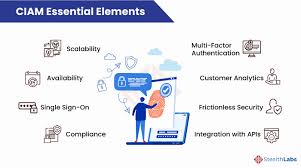
In today’s digital age, businesses are faced with the challenge of managing customer identities and access to their systems securely. Customer Identity and Access Management (CIAM) systems play a crucial role in addressing this challenge by providing a comprehensive solution for managing user identities, permissions, and access rights.

Enhanced Security

One of the primary benefits of implementing a CIAM system is enhanced security. By centralising customer identity management, businesses can enforce strong authentication methods, such as multi-factor authentication, to ensure that only authorised users can access their systems. This helps prevent unauthorised access and protects sensitive customer data from potential breaches.

Improved User Experience

CIAM systems also contribute to improving the user experience by offering seamless and convenient access to services across multiple channels. Customers can easily register, log in, and access their accounts without encountering unnecessary barriers or complexities. This streamlined process enhances customer satisfaction and loyalty.

Regulatory Compliance

With data privacy regulations becoming increasingly stringent, businesses must ensure compliance with laws such as GDPR and CCPA. A CIAM system helps organisations adhere to regulatory requirements by managing user consent, data permissions, and data governance effectively. This reduces the risk of non-compliance penalties and maintains trust with customers.

Personalised Marketing

By capturing valuable customer data through CIAM systems, businesses can gain insights into customer behaviour, preferences, and interactions. This data enables personalised marketing strategies that target specific customer segments with relevant offers and promotions. By delivering tailored experiences, businesses can enhance engagement and drive sales.

Scalability and Flexibility

As businesses grow and evolve, their identity management needs also change. CIAM systems offer scalability and flexibility to accommodate increasing numbers of users, diverse authentication methods, and integration with third-party applications. This adaptability ensures that businesses can meet the evolving demands of their customers while maintaining security standards.

Conclusion

In conclusion, Customer Identity and Access Management systems are essential for modern businesses looking to secure customer identities effectively while delivering seamless user experiences. By prioritising security, compliance, personalisation, scalability, and flexibility through CIAM solutions, organisations can build trust with customers and drive sustainable growth in today’s competitive landscape.


Six Essential Tips for Optimising Customer Identity and Access Management

  1. Implement multi-factor authentication to enhance security.
  2. Regularly review and update user access permissions to prevent unauthorized access.
  3. Ensure compliance with data protection regulations such as GDPR.
  4. Educate customers on best practices for creating strong passwords.
  5. Monitor user activity for any suspicious behaviour or unusual patterns.
  6. Provide a seamless and user-friendly experience during the authentication process.

Implement multi-factor authentication to enhance security.

Implementing multi-factor authentication is a crucial step in enhancing the security of a Customer Identity and Access Management system. By requiring users to provide multiple forms of verification before accessing their accounts, such as a password combined with a unique code sent to their mobile device, businesses can significantly reduce the risk of unauthorised access and data breaches. Multi-factor authentication adds an extra layer of protection that strengthens the overall security posture of the CIAM system, ensuring that customer identities and sensitive information are safeguarded against potential cyber threats.

Regularly review and update user access permissions to prevent unauthorized access.

To maintain a secure customer identity and access management system, it is crucial to regularly review and update user access permissions. By conducting routine audits of user permissions, businesses can identify and rectify any discrepancies or outdated access rights that may pose security risks. This proactive approach helps prevent unauthorised access to sensitive data and systems, ensuring that only authorised individuals have the necessary permissions to perform their roles effectively. Regular reviews and updates of user access permissions are essential measures in safeguarding customer information and maintaining the integrity of the CIAM system.

Ensure compliance with data protection regulations such as GDPR.

It is crucial for businesses to ensure compliance with data protection regulations like GDPR when implementing a Customer Identity and Access Management system. By adhering to GDPR guidelines, organisations can safeguard customer data privacy, establish transparent data practices, and gain customer trust. Compliance with GDPR involves obtaining explicit consent from customers for data processing, ensuring data accuracy and security, and providing individuals with control over their personal information. By prioritising GDPR compliance in CIAM strategies, businesses can demonstrate their commitment to protecting customer data rights and mitigate the risk of regulatory penalties.

Educate customers on best practices for creating strong passwords.

It is crucial for businesses to educate their customers on best practices for creating strong passwords as part of a comprehensive Customer Identity and Access Management system. By promoting the use of unique passwords that are complex and difficult to guess, customers can significantly enhance the security of their accounts. Encouraging practices such as incorporating a mix of letters, numbers, and special characters, as well as avoiding easily guessable information, can help mitigate the risk of password-related breaches. Empowering customers with knowledge on password security not only protects their personal information but also strengthens the overall security posture of the business.

Monitor user activity for any suspicious behaviour or unusual patterns.

Monitoring user activity for any suspicious behaviour or unusual patterns is a crucial tip when it comes to implementing a Customer Identity and Access Management system. By keeping a close eye on user interactions within the system, businesses can quickly detect potential security threats, such as unauthorised access attempts or abnormal usage patterns. This proactive approach not only helps in preventing security breaches but also allows businesses to take immediate action to protect customer data and maintain the integrity of their systems.

Provide a seamless and user-friendly experience during the authentication process.

To enhance the effectiveness of a Customer Identity and Access Management system, it is crucial to provide a seamless and user-friendly experience during the authentication process. By ensuring that customers can easily and intuitively verify their identities when accessing services or accounts, businesses can improve user satisfaction and streamline interactions. A smooth authentication process not only enhances security by reducing the likelihood of errors or vulnerabilities but also fosters trust and loyalty among customers, ultimately contributing to a positive overall customer experience.

Customer Identity and Access Management Solutions

The Importance of Customer Identity and Access Management Solutions

In today’s digital age, businesses are increasingly relying on online platforms to engage with customers. With this shift towards digital interactions, ensuring the security of customer identities and managing their access to services has become paramount.

What is Customer Identity and Access Management (CIAM)?

Customer Identity and Access Management (CIAM) refers to the processes and technologies that businesses use to securely capture, manage, and authenticate customer identities. CIAM solutions enable businesses to provide a seamless and secure user experience while protecting customer data from potential threats.

The Benefits of CIAM Solutions

Implementing CIAM solutions offers several benefits for both businesses and customers:

  • Enhanced Security: CIAM solutions help prevent unauthorised access to customer accounts through robust authentication methods such as multi-factor authentication.
  • Improved User Experience: By streamlining the registration and login processes, CIAM solutions enhance the overall user experience, leading to increased customer satisfaction.
  • Personalised Engagement: With CIAM, businesses can gather valuable customer data that allows for personalised marketing campaigns and tailored services based on individual preferences.
  • Regulatory Compliance: CIAM solutions aid in compliance with data protection regulations by ensuring that customer data is handled securely and transparently.

Choosing the Right CIAM Solution

When selecting a CIAM solution for your business, consider the following factors:

  • Scalability: Ensure that the chosen solution can accommodate your current needs as well as future growth in customer base.
  • Security Features: Look for features such as adaptive authentication, encryption, and threat detection capabilities to safeguard customer data.
  • User-Friendly Interface: Opt for a solution that provides a seamless user experience across various devices and platforms.
  • Data Privacy Compliance: Choose a CIAM solution that aligns with relevant data protection regulations such as GDPR or CCPA.

In Conclusion

Customer Identity and Access Management solutions play a crucial role in maintaining trust between businesses and their customers in an increasingly digital landscape. By investing in robust CIAM solutions, businesses can enhance security, improve user experience, and drive personalised engagement while ensuring compliance with data protection regulations.


Understanding Customer Identity and Access Management Solutions: Key FAQs

  1. What is a CIAM solution?
  2. What are access management solutions?
  3. What is CIAM API?
  4. How much does CIAM cost?

What is a CIAM solution?

A Customer Identity and Access Management (CIAM) solution is a comprehensive system designed to securely manage and authenticate customer identities within digital platforms. CIAM solutions enable businesses to capture, store, and protect customer data while allowing seamless access to services through secure authentication methods. By implementing CIAM solutions, businesses can enhance security measures, improve user experience, personalise customer engagement, and ensure compliance with data protection regulations. In essence, a CIAM solution acts as a centralised tool that safeguards customer identities and access rights across various online channels.

What are access management solutions?

Access management solutions are tools and technologies designed to control and monitor users’ access to digital resources within an organisation. These solutions encompass a range of capabilities, including user authentication, authorisation, and access control mechanisms. Access management solutions play a crucial role in ensuring that only authorised individuals can access specific systems or data, thereby enhancing security and compliance with regulatory requirements. By implementing access management solutions, businesses can effectively manage user privileges, track user activities, and mitigate the risk of unauthorised access or data breaches.

What is CIAM API?

A common query related to customer identity and access management solutions is, “What is CIAM API?” The CIAM API, or Customer Identity and Access Management Application Programming Interface, serves as a bridge between CIAM platforms and external applications or services. It enables seamless integration of CIAM functionalities, such as user authentication, registration, and profile management, into various digital channels and applications. By leveraging the CIAM API, businesses can enhance security, streamline user experiences, and ensure consistent identity management across their ecosystem of digital touchpoints.

How much does CIAM cost?

Determining the cost of Customer Identity and Access Management (CIAM) solutions can vary significantly depending on various factors such as the size of the business, the number of users, desired features, and deployment options. Typically, CIAM solutions are priced based on a subscription model or a one-time licensing fee. Additional costs may include implementation, customisation, training, and ongoing support. It is essential for businesses to carefully evaluate their specific requirements and budget constraints to choose a CIAM solution that aligns with their needs while delivering value in terms of security, user experience, and regulatory compliance.

Article: Active Directory Monitoring

The Importance of Active Directory Monitoring

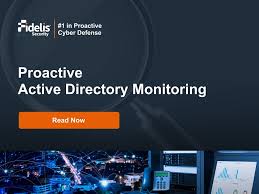
Active Directory (AD) is a crucial component of most modern IT infrastructures, serving as the central hub for managing user accounts, permissions, and access to resources. As organisations rely heavily on AD for their daily operations, ensuring its security and integrity is paramount. This is where active directory monitoring plays a vital role.

What is Active Directory Monitoring?

Active Directory monitoring involves the continuous tracking and analysis of activities within the AD environment. It provides real-time visibility into user actions, system changes, authentication events, and more. By monitoring AD effectively, organisations can detect suspicious behaviour, prevent security breaches, and ensure compliance with regulatory requirements.

The Benefits of Active Directory Monitoring

Enhanced Security: By monitoring user activities and system events in real-time, organisations can quickly identify potential security threats such as unauthorised access attempts or unusual account behaviour.

Improved Compliance: Many industry regulations require organisations to maintain strict control over their IT systems. Active directory monitoring helps in demonstrating compliance by providing detailed audit trails and reports of all activities within AD.

Proactive Incident Response: With active directory monitoring in place, IT teams can proactively respond to security incidents before they escalate. Immediate alerts and notifications enable swift action to mitigate risks and minimise potential damage.

Best Practices for Active Directory Monitoring

  • Define Monitoring Objectives: Establish clear goals for AD monitoring based on your organisation’s security policies and compliance requirements.
  • Implement Real-Time Alerts: Configure alerts to notify administrators of suspicious activities or critical events as they occur.
  • Regularly Review Logs: Analyse audit logs and reports regularly to identify trends, anomalies, or potential security issues.
  • Audit User Permissions: Monitor user permissions and access rights to prevent privilege abuse or unauthorised changes.
  • Update Monitoring Tools: Keep your monitoring tools up-to-date to ensure they can effectively capture and analyse AD data.

In Conclusion

Active directory monitoring is an essential practice for maintaining the security, compliance, and efficiency of your IT infrastructure. By investing in robust monitoring solutions and following best practices, organisations can safeguard their Active Directory environment against threats and vulnerabilities while ensuring smooth operations.


Top 5 Essential Tips for Effective Active Directory Monitoring

  1. Regularly review audit logs for any suspicious activities.
  2. Set up alerts for critical events such as password changes or failed login attempts.
  3. Monitor the replication status to ensure data consistency across domain controllers.
  4. Implement group policy monitoring to track changes in security settings.
  5. Use performance monitoring tools to detect and troubleshoot issues proactively.

Regularly review audit logs for any suspicious activities.

Regularly reviewing audit logs for any suspicious activities is a crucial aspect of effective Active Directory monitoring. By diligently examining these logs, organisations can promptly identify anomalies, unusual patterns, or potential security breaches within their AD environment. This proactive approach not only helps in mitigating risks but also enhances the overall security posture by enabling swift responses to any suspicious behaviour. Maintaining a vigilant eye on audit logs is key to ensuring the integrity and robustness of the Active Directory infrastructure.

Set up alerts for critical events such as password changes or failed login attempts.

Setting up alerts for critical events such as password changes or failed login attempts is a key tip in active directory monitoring. By configuring notifications for these specific activities, organisations can promptly detect and respond to potential security threats. Password changes and failed login attempts are often indicators of malicious intent or unauthorised access attempts. With alert mechanisms in place, IT teams can take immediate action to investigate suspicious behaviour, strengthen security measures, and safeguard the integrity of their Active Directory environment.

Monitor the replication status to ensure data consistency across domain controllers.

Monitoring the replication status is a critical aspect of active directory monitoring to maintain data consistency across domain controllers. By regularly checking the replication status, IT administrators can ensure that changes made on one domain controller are promptly and accurately propagated to others. This proactive approach helps prevent discrepancies or data conflicts within the Active Directory environment, ensuring that all domain controllers are in sync and operating effectively.

Implement group policy monitoring to track changes in security settings.

Implementing group policy monitoring is a crucial tip for effective Active Directory monitoring. By tracking changes in security settings through group policy monitoring, organisations can ensure that any modifications to access controls, permissions, or configurations are captured in real-time. This proactive approach not only helps in identifying potential security breaches but also allows administrators to maintain a secure and compliant Active Directory environment. Group policy monitoring provides valuable insights into who made the changes, when they were made, and what specific settings were altered, enabling swift response to any unauthorised or suspicious activities.

Use performance monitoring tools to detect and troubleshoot issues proactively.

Utilising performance monitoring tools is a valuable tip for effective Active Directory monitoring. By leveraging these tools, organisations can proactively detect and troubleshoot issues within their AD environment before they escalate. Performance monitoring tools provide real-time insights into system performance, resource usage, and potential bottlenecks, allowing IT teams to address issues promptly and optimise the overall health of their Active Directory infrastructure.

The Importance of Compliance and Risk Management Software in Today’s Business Landscape

In the fast-paced and ever-evolving world of business, organisations face a myriad of challenges when it comes to compliance and risk management. With regulatory requirements becoming more stringent and cyber threats on the rise, the need for robust solutions to ensure adherence to regulations and mitigate risks has never been greater.

What is Compliance and Risk Management Software?

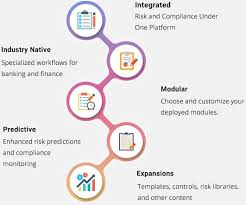
Compliance and risk management software are powerful tools designed to help businesses monitor, assess, and address compliance requirements as well as identify and manage potential risks. These software solutions provide a centralised platform for tracking regulatory changes, assessing vulnerabilities, implementing controls, and generating reports to demonstrate compliance.

The Benefits of Using Compliance and Risk Management Software

Implementing compliance and risk management software offers numerous benefits to organisations of all sizes across various industries:

  • Enhanced Compliance: By automating compliance monitoring processes, organisations can ensure adherence to relevant laws, regulations, and standards without the need for manual intervention.
  • Risk Identification: These software solutions enable businesses to identify potential risks proactively, allowing them to take timely action to mitigate these risks before they escalate.
  • Efficiency: Centralising compliance and risk management activities in a single platform streamlines processes, reduces duplication of efforts, and improves overall operational efficiency.
  • Data Security: With built-in security features, compliance and risk management software help protect sensitive data from breaches or unauthorised access.
  • Reporting Capabilities: Organisations can generate comprehensive reports on their compliance status, risk exposure, audit trails, and corrective actions taken for internal review or regulatory purposes.

The Future of Compliance and Risk Management Software

As regulatory requirements continue to evolve, businesses must stay ahead of the curve by investing in advanced compliance and risk management software. The future of these tools lies in their ability to leverage artificial intelligence (AI), machine learning (ML), and predictive analytics to predict potential risks, automate compliance tasks, and provide actionable insights for decision-making.

In conclusion, compliance and risk management software play a crucial role in helping organisations navigate the complex landscape of regulations and risks. By embracing these technological solutions, businesses can not only achieve greater compliance but also enhance their overall resilience against emerging threats in an increasingly digital world.


Top 5 Tips for Optimising Compliance and Risk Management Software in the UK

  1. Ensure the software aligns with regulatory requirements in the UK.
  2. Regularly update and maintain the software to address new risks and compliance standards.
  3. Implement user training to maximise the effectiveness of the software in managing risks.
  4. Integrate the compliance and risk management software with other systems for seamless data flow.
  5. Conduct regular audits to assess the performance and efficacy of the software in managing compliance and risks.

Ensure the software aligns with regulatory requirements in the UK.

It is essential to ensure that your chosen compliance and risk management software aligns with regulatory requirements in the UK. By selecting a software solution that is tailored to meet the specific regulations and standards set forth by governing bodies in the UK, you can effectively manage compliance obligations and mitigate risks more efficiently. Ensuring alignment with UK regulatory requirements not only helps your organisation stay on the right side of the law but also demonstrates a commitment to upholding the highest standards of governance and data security in today’s business landscape.

Regularly update and maintain the software to address new risks and compliance standards.

It is essential to regularly update and maintain compliance and risk management software to address new risks and compliance standards effectively. By keeping the software up-to-date, organisations can ensure that they are equipped to handle emerging threats and adapt to evolving regulatory requirements. Regular updates help enhance the software’s functionality, improve security features, and incorporate the latest best practices in compliance management. Proactive maintenance ensures that the software remains a reliable tool for monitoring, assessing, and mitigating risks while demonstrating continuous commitment to compliance excellence.

Implement user training to maximise the effectiveness of the software in managing risks.

To maximise the effectiveness of compliance and risk management software in managing risks, it is essential to implement user training. User training plays a crucial role in ensuring that employees understand how to utilise the software optimally, interpret the data it provides accurately, and adhere to best practices for risk mitigation. By investing in comprehensive training programmes, organisations can empower their staff to make informed decisions, proactively identify potential risks, and contribute to a culture of compliance across the business. Ultimately, well-trained users are key to unlocking the full potential of compliance and risk management software and enhancing overall risk management strategies within an organisation.

Integrate the compliance and risk management software with other systems for seamless data flow.

To maximise the effectiveness of compliance and risk management software, it is advisable to integrate it with other systems to ensure seamless data flow. By integrating these software solutions with existing platforms such as ERP systems, CRM tools, or security frameworks, organisations can consolidate data sources, streamline processes, and gain a holistic view of their compliance and risk landscape. This integration facilitates real-time data exchange, enhances decision-making capabilities, and promotes a more cohesive approach to managing regulatory requirements and mitigating risks across the business ecosystem.

Conduct regular audits to assess the performance and efficacy of the software in managing compliance and risks.

It is essential to conduct regular audits to evaluate the performance and effectiveness of compliance and risk management software in addressing regulatory requirements and mitigating potential risks. By conducting thorough assessments, organisations can identify any gaps or inefficiencies in the software’s functionality, allowing them to make necessary adjustments and improvements to enhance overall compliance and risk management practices. Regular audits also provide valuable insights into the software’s performance over time, enabling businesses to stay proactive in their approach to maintaining a robust compliance framework and effectively managing risks.

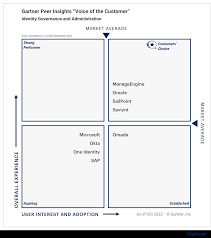
The Future of Identity and Access Management: Gartner IAM 2023 Insights

Identity and Access Management (IAM) is a critical aspect of cybersecurity, ensuring that the right individuals have the appropriate access to resources within an organisation. As technology evolves and threats become more sophisticated, staying ahead in IAM strategies is paramount. Gartner, a leading research and advisory company, has provided valuable insights into the future of IAM in their recent report for 2023.

Key Trends

Gartner’s IAM report for 2023 highlights several key trends that are shaping the future of identity and access management:

  • Zero Trust Architecture: The concept of Zero Trust, where no user or device is trusted by default, is gaining prominence in IAM strategies. Organisations are moving towards continuous verification and monitoring to enhance security.
  • Biometric Authentication: Biometric authentication methods such as facial recognition and fingerprint scanning are becoming more prevalent in IAM solutions, offering enhanced security and user convenience.
  • AI-Powered Identity Analytics: The use of artificial intelligence (AI) in identity analytics is on the rise, enabling organisations to detect anomalies and potential threats more effectively.
  • Regulatory Compliance: With data privacy regulations becoming stricter worldwide, IAM solutions are focusing on ensuring compliance with regulations such as GDPR and CCPA.

Challenges

Despite the advancements in IAM technologies, organisations face several challenges in implementing robust identity and access management strategies:

  • User Experience: Balancing security with user experience remains a challenge for many organisations. Finding the right balance between usability and security is crucial for successful IAM implementations.
  • Integration Complexity: Integrating various IAM solutions with existing IT infrastructure can be complex and time-consuming. Organisations need to plan carefully to ensure seamless integration.
  • Cybersecurity Threats: The evolving threat landscape poses a constant challenge for IAM practitioners. Staying ahead of cyber threats requires proactive monitoring and response capabilities.

Recommendations

Gartner’s report provides actionable recommendations for organisations looking to enhance their IAM strategies in 2023:

  1. Embrace Zero Trust: Implement Zero Trust principles to strengthen your organisation’s security posture and reduce the risk of insider threats.
  2. Invest in AI-Driven Solutions: Explore AI-powered identity analytics tools to improve threat detection capabilities and streamline access management processes.
  3. Prioritise User Education: Educate users about best practices in password management, multi-factor authentication, and other security measures to enhance overall cybersecurity awareness.

In conclusion, Gartner’s IAM report for 2023 offers valuable insights into the evolving landscape of identity and access management. By staying informed about key trends, addressing challenges proactively, and implementing recommended strategies, organisations can strengthen their cybersecurity posture and adapt to emerging threats effectively.


Key Insights and Strategies from Gartner IAM 2023: Navigating Trends, Technologies, and Compliance in Identity and Access Management

  1. Insightful analysis of key trends shaping the future of Identity and Access Management.
  2. Actionable recommendations to help organisations enhance their IAM strategies in 2023.
  3. Focus on emerging technologies such as Zero Trust Architecture and AI-driven solutions.
  4. Guidance on addressing challenges like user experience, integration complexity, and cybersecurity threats.
  5. Emphasis on regulatory compliance to ensure alignment with data privacy regulations.


Challenges of Gartner IAM 2023: Complex Implementation, Cost Considerations, and Skill Gap

  1. Complex Implementation
  2. Cost Considerations
  3. Skill Gap Challenges

Gartner’s IAM 2023 report provides an insightful analysis of key trends that are shaping the future of Identity and Access Management. By identifying and examining these trends, organisations can gain a deeper understanding of the evolving landscape of IAM and proactively adapt their strategies to meet emerging challenges. The report’s thorough analysis equips decision-makers with valuable insights into the latest developments in cybersecurity, enabling them to stay ahead of the curve and implement effective IAM solutions that align with industry best practices and regulatory requirements.

Actionable recommendations to help organisations enhance their IAM strategies in 2023.

One notable advantage of Gartner’s IAM 2023 report is its provision of actionable recommendations aimed at assisting organisations in improving their Identity and Access Management (IAM) strategies for the year ahead. These recommendations offer practical guidance on implementing cutting-edge IAM technologies, such as Zero Trust architecture and AI-driven solutions, to bolster security measures and mitigate potential risks. By following these expert suggestions, organisations can proactively enhance their IAM frameworks, strengthen their cybersecurity defences, and adapt to the evolving threat landscape in 2023 and beyond.

Focus on emerging technologies such as Zero Trust Architecture and AI-driven solutions.

The emphasis on emerging technologies like Zero Trust Architecture and AI-driven solutions in Gartner’s IAM 2023 report signifies a forward-thinking approach towards enhancing cybersecurity measures. Zero Trust Architecture, with its principle of continuous verification and monitoring, offers a proactive defence strategy against evolving threats. Additionally, the integration of AI-driven solutions in identity and access management not only enhances threat detection capabilities but also streamlines access management processes for greater efficiency. By prioritising these cutting-edge technologies, organisations can bolster their security posture and adapt to the dynamic cybersecurity landscape with confidence.

Guidance on addressing challenges like user experience, integration complexity, and cybersecurity threats.

One notable pro of Gartner’s IAM 2023 report is its comprehensive guidance on addressing key challenges faced by organisations in the realm of identity and access management. The report offers valuable insights and strategies to tackle issues such as enhancing user experience without compromising security, managing the complexity of integrating IAM solutions with existing infrastructure, and effectively mitigating cybersecurity threats in an ever-evolving threat landscape. By providing practical recommendations and best practices to navigate these challenges, Gartner’s IAM 2023 report equips organisations with the knowledge and tools needed to enhance their IAM strategies and bolster their overall cybersecurity posture.

Emphasis on regulatory compliance to ensure alignment with data privacy regulations.

One notable advantage highlighted in Gartner’s IAM 2023 report is the emphasis on regulatory compliance to ensure alignment with data privacy regulations. In an era of increasing data breaches and stringent privacy laws such as GDPR and CCPA, prioritising compliance within identity and access management strategies is crucial for organisations. By focusing on regulatory requirements, businesses can not only mitigate legal risks but also build trust with their customers by demonstrating a commitment to safeguarding sensitive information. Gartner’s recognition of this pro underscores the importance of integrating compliance measures into IAM frameworks to uphold data protection standards effectively.

Complex Implementation

One notable drawback highlighted in Gartner’s IAM 2023 report is the complexity associated with implementing the recommendations. Following the guidance provided in the report may necessitate a substantial allocation of resources and expertise, resulting in intricate implementation processes for organisations. The challenge lies in navigating through the complexities of integrating new IAM solutions with existing infrastructure while ensuring seamless functionality and minimal disruptions to daily operations. This con underscores the importance of careful planning and strategic execution to effectively leverage the insights from Gartner’s report and overcome the hurdles posed by complex implementation requirements.

Cost Considerations

Cost Considerations: One significant drawback highlighted in Gartner’s IAM 2023 report is the potential financial burden associated with adopting advanced IAM technologies and strategies. While these solutions are recommended for enhancing security and compliance, the high initial costs and ongoing expenses could pose challenges for organisations, putting a strain on their budgets. Balancing the need for robust IAM capabilities with cost considerations becomes crucial for decision-makers seeking to implement effective identity and access management practices in their organisations.

Skill Gap Challenges

One significant con highlighted in Gartner’s IAM 2023 report is the skill gap challenges that organisations may encounter. Implementing and maintaining the advanced IAM solutions recommended by Gartner requires skilled professionals with expertise in cybersecurity and identity management. However, finding or developing such specialised talent can be a daunting task for many organisations. The shortage of skilled professionals in the field poses a barrier to effectively leveraging the full potential of IAM technologies, potentially hindering organisations’ ability to enhance their security posture and adapt to evolving cyber threats. Addressing the skill gap challenges will be crucial for organisations looking to successfully implement Gartner’s recommended IAM strategies in 2023 and beyond.

Best Identity Management Solutions

The Top Identity Management Solutions for Secure Access Control

In today’s digital landscape, managing identities and controlling access to sensitive data is crucial for organisations of all sizes. With the rise of cyber threats and regulatory requirements, investing in robust identity management solutions has become a priority for businesses looking to safeguard their assets. Here are some of the best identity management solutions that can help you enhance security and streamline access control:

Microsoft Azure Active Directory

Microsoft Azure Active Directory (Azure AD) is a cloud-based identity and access management service that offers seamless integration with Microsoft products and third-party applications. With features such as single sign-on, multi-factor authentication, and role-based access control, Azure AD provides a comprehensive solution for managing user identities across your organisation.

Okta

Okta is a leading identity management platform that enables secure access to applications and data from any device. With its user-friendly interface and strong authentication capabilities, Okta simplifies the process of managing user identities while ensuring compliance with security policies. Organisations can benefit from Okta’s extensive integrations and adaptive authentication features.

IBM Security Identity Manager

IBM Security Identity Manager offers a robust solution for governing user access rights and enforcing security policies within an organisation. With its advanced workflow capabilities and automated provisioning processes, IBM Security Identity Manager helps streamline identity lifecycle management and reduce the risk of unauthorised access to critical resources.

OneLogin

OneLogin is a cloud-based identity and access management platform that simplifies user authentication and authorisation processes. With features such as single sign-on, adaptive authentication, and directory integration, OneLogin provides a secure way to manage user identities across various systems and applications.

SailPoint IdentityNow

SailPoint IdentityNow is an identity governance solution that helps organisations manage user access privileges effectively. By providing visibility into user entitlements and automating compliance processes, SailPoint IdentityNow enables enterprises to strengthen their security posture and meet regulatory requirements with ease.

Investing in the right identity management solution is essential for protecting your organisation’s sensitive data and ensuring compliance with industry regulations. By leveraging these top identity management platforms, you can enhance security controls, streamline access management processes, and mitigate the risks associated with unauthorised access.


Top 8 Tips for Choosing the Best Identity Management Solutions

  1. Implement multi-factor authentication for added security.
  2. Regularly review and update user access permissions.
  3. Utilise role-based access control to manage user privileges effectively.
  4. Ensure strong password policies are in place, including regular password changes.
  5. Encrypt sensitive data to protect it from unauthorised access.
  6. Monitor user activity and set up alerts for suspicious behaviour.
  7. Provide training to employees on best practices for identity management.
  8. Choose a reputable identity management solution provider with a track record of security.

Implement multi-factor authentication for added security.

To enhance security measures in identity management, implementing multi-factor authentication is a highly recommended practice. Multi-factor authentication adds an extra layer of protection by requiring users to provide multiple forms of verification before accessing sensitive data or applications. By combining something the user knows (like a password) with something they have (such as a mobile device or security token), organisations can significantly reduce the risk of unauthorised access and data breaches. This proactive approach helps strengthen security controls and ensures that only authorised individuals can gain access to critical resources, thereby bolstering overall cybersecurity posture.

Regularly review and update user access permissions.

Regularly reviewing and updating user access permissions is a critical practice in maintaining a secure identity management system. By periodically assessing and adjusting user privileges, organisations can ensure that only authorised individuals have access to sensitive data and resources. This proactive approach helps prevent potential security breaches caused by outdated or unnecessary access rights. Regular reviews also enable businesses to align user permissions with their current roles and responsibilities, enhancing overall data protection and compliance with regulatory requirements.

Utilise role-based access control to manage user privileges effectively.

Role-based access control (RBAC) is a fundamental component of effective identity management solutions. By utilising RBAC, organisations can assign specific roles to users based on their responsibilities and authority levels, ensuring that individuals have the appropriate access privileges to perform their tasks. This approach not only simplifies the process of managing user permissions but also enhances security by limiting access to sensitive data and systems only to those who require it for their job functions. Implementing RBAC as part of an identity management strategy can help organisations streamline access control processes, reduce the risk of data breaches, and maintain compliance with regulatory requirements.

Ensure strong password policies are in place, including regular password changes.

Ensuring strong password policies are in place, including regular password changes, is a fundamental aspect of effective identity management solutions. By requiring users to create complex passwords and regularly update them, organisations can significantly enhance the security of their systems and data. Strong passwords act as a crucial line of defence against cyber threats such as brute force attacks and password guessing. Regularly changing passwords reduces the risk of compromised credentials being used maliciously and helps maintain the integrity of user identities within the network. Implementing robust password policies is a proactive measure that strengthens overall security posture and contributes to a more secure access control environment.

Encrypt sensitive data to protect it from unauthorised access.

To enhance the security of your identity management solutions, it is crucial to encrypt sensitive data to safeguard it from unauthorised access. Encryption transforms data into a secure format that can only be decrypted with the appropriate keys or credentials, making it significantly more challenging for cyber attackers to intercept or misuse sensitive information. By implementing robust encryption practices, organisations can add an extra layer of protection to their data, ensuring that even if unauthorised users gain access to the system, the encrypted data remains unreadable and secure.

Monitor user activity and set up alerts for suspicious behaviour.

To enhance the security of your identity management system, it is crucial to monitor user activity and establish alerts for any suspicious behaviour. By actively tracking user actions within the system, such as login attempts, access requests, and data modifications, you can quickly detect anomalies that may indicate potential security threats. Setting up alerts for unusual patterns or unauthorised activities enables you to respond promptly to mitigate risks and prevent potential breaches. Monitoring user activity and implementing alert mechanisms are essential practices in maintaining a secure and compliant identity management environment.

Provide training to employees on best practices for identity management.

It is essential for organisations to provide training to employees on best practices for identity management. By educating staff on the importance of safeguarding their credentials, recognising phishing attempts, and following secure authentication procedures, businesses can significantly reduce the risk of data breaches and unauthorised access. Training sessions can empower employees to play an active role in maintaining a secure IT environment, fostering a culture of vigilance and accountability when it comes to managing identities within the organisation.

Choose a reputable identity management solution provider with a track record of security.

When selecting an identity management solution, it is crucial to opt for a reputable provider with a proven track record in security. By choosing a trusted identity management solution provider, you can have confidence in the reliability and effectiveness of the tools and services offered. A provider with a strong security track record demonstrates a commitment to safeguarding user identities and sensitive data, giving you peace of mind that your organisation’s security needs are in capable hands. Trusting a reputable provider ensures that your identity management solution is built on a foundation of robust security measures and industry best practices.

Wireless LAN Security: Safeguarding Your Network

Wireless LAN Security: Safeguarding Your Network

In today’s digital age, Wireless Local Area Networks (WLANs) have become ubiquitous in homes, businesses, and public spaces. While the convenience of wireless connectivity is undeniable, it also brings about security risks that must be addressed to protect sensitive data and ensure network integrity.

The Importance of WLAN Security

Securing your WLAN is crucial to prevent unauthorised access, data breaches, and other cyber threats. Without proper security measures in place, your network may be vulnerable to attacks such as eavesdropping, man-in-the-middle attacks, and rogue access point intrusions.

Best Practices for WLAN Security

Implementing robust security protocols is essential to fortify your WLAN against potential threats. Some best practices include:

  • Encryption: Enable WPA3 or WPA2 encryption to protect data transmitted over the network from being intercepted by malicious actors.
  • Strong Passwords: Use complex passwords for your wireless network and change them regularly to minimise the risk of unauthorised access.
  • Network Segmentation: Divide your WLAN into separate subnetworks to isolate critical systems and reduce the impact of a breach.
  • Firmware Updates: Regularly update the firmware of your wireless routers and access points to patch known vulnerabilities and enhance security.
  • Intrusion Detection Systems (IDS): Deploy IDS solutions to monitor network traffic and detect suspicious activities that may indicate a security breach.
  • User Authentication: Implement strong authentication mechanisms such as multi-factor authentication to verify the identity of users connecting to the WLAN.

The Future of WLAN Security

As wireless technology continues to evolve, so do security threats. It is essential for organisations and individuals alike to stay vigilant and adapt their security measures to counter emerging risks. From advanced encryption standards to AI-driven threat detection systems, the future of WLAN security holds promise for enhanced protection against cyber threats.

By prioritising WLAN security and following best practices, you can safeguard your network infrastructure and enjoy the benefits of wireless connectivity with peace of mind.


Essential FAQs on WLAN Security: Understanding Threats, Encryption, and Best Practices

  1. What is WLAN security and why is it important?
  2. What are the common threats to WLAN security?
  3. How can I secure my wireless network with encryption?
  4. What is the difference between WPA3 and WPA2 encryption?
  5. Why is using strong passwords crucial for WLAN security?
  6. How can I protect my WLAN from rogue access points?
  7. What role does network segmentation play in enhancing WLAN security?
  8. Are there any best practices for securing guest access on a WLAN?

What is WLAN security and why is it important?

Wireless Local Area Network (WLAN) security refers to the measures and protocols put in place to protect wireless networks from unauthorised access and cyber threats. It is crucial to prioritise WLAN security as it safeguards sensitive data, prevents intrusions, and maintains the integrity of network communications. Without adequate security measures, WLANs are vulnerable to attacks such as data interception, network hijacking, and malicious activities. By implementing strong encryption, authentication mechanisms, regular updates, and monitoring tools, organisations and individuals can mitigate risks and ensure a secure wireless environment for their operations. WLAN security is essential for maintaining confidentiality, integrity, and availability of network resources in an increasingly connected world.

What are the common threats to WLAN security?

When it comes to WLAN security, understanding the common threats is essential in safeguarding your network. Some prevalent threats to WLAN security include eavesdropping, where attackers intercept and monitor wireless communications to steal sensitive information. Another threat is rogue access points, which are unauthorised devices that mimic legitimate access points to lure users into connecting, enabling attackers to launch various cyber attacks. Additionally, man-in-the-middle attacks pose a significant risk, where hackers intercept and alter data exchanged between two parties without their knowledge. By being aware of these common threats and implementing robust security measures, such as encryption protocols and intrusion detection systems, you can mitigate risks and protect your WLAN from potential security breaches.

How can I secure my wireless network with encryption?

Securing your wireless network with encryption is essential to protect your data from potential threats. To secure your wireless network with encryption, you can enable advanced encryption protocols such as WPA3 or WPA2. These protocols encrypt the data transmitted over your WLAN, making it difficult for unauthorised users to intercept and decipher sensitive information. By setting up a strong encryption key and ensuring that all devices connecting to your network use the same encryption standard, you can create a secure communication channel that safeguards your data from eavesdropping and malicious attacks. Implementing encryption is a fundamental step in enhancing the security of your wireless network and maintaining the confidentiality of your communications.

What is the difference between WPA3 and WPA2 encryption?

When comparing WPA3 and WPA2 encryption protocols in the realm of WLAN security, the key distinction lies in their levels of security and resilience against modern cyber threats. WPA3, as the latest standard, introduces enhanced encryption mechanisms and protocols to address vulnerabilities identified in WPA2. It offers stronger protection against brute-force attacks, key reinstallation attacks, and other sophisticated hacking techniques. In contrast, WPA2, while still widely used and effective when configured correctly, may be more susceptible to certain types of attacks due to its older design. Transitioning to WPA3 can provide a more robust defence for wireless networks, ensuring a higher level of security for data transmission and network integrity.

Why is using strong passwords crucial for WLAN security?

Using strong passwords is crucial for WLAN security as they act as the first line of defence against unauthorised access to your wireless network. Weak or easily guessable passwords make it easier for malicious actors to infiltrate your WLAN, potentially compromising sensitive data and exposing your network to various cyber threats. Strong passwords, comprising a combination of letters, numbers, and special characters, significantly enhance the security of your WLAN by making it more challenging for attackers to crack them. By enforcing strong password practices, you create a robust barrier that helps protect your network from intrusions and ensures the confidentiality and integrity of your data.

How can I protect my WLAN from rogue access points?

To protect your WLAN from rogue access points, it is essential to implement proactive security measures. One effective strategy is to regularly scan your network for unauthorized devices and conduct thorough audits to detect any rogue access points. Utilising intrusion detection systems (IDS) can help monitor network traffic and identify suspicious activities that may indicate the presence of rogue devices. Additionally, enforcing strong encryption protocols, such as WPA3 or WPA2, and implementing robust authentication mechanisms can help prevent unauthorised access to your WLAN and mitigate the risk of rogue access point intrusions. By staying vigilant and employing these security practices, you can enhance the security of your WLAN and safeguard your network from potential threats posed by rogue access points.

What role does network segmentation play in enhancing WLAN security?

Network segmentation plays a crucial role in enhancing WLAN security by isolating different parts of the wireless network into separate segments, or subnetworks. By dividing the WLAN into distinct zones, each with its own security policies and access controls, network segmentation helps contain potential security breaches and limit the impact of any successful cyber attacks. This approach minimises the risk of unauthorised access to sensitive data or critical systems within the network, providing an additional layer of defence against threats such as malware propagation and lateral movement by malicious actors. In essence, network segmentation acts as a strategic barrier that enhances overall WLAN security posture and strengthens the resilience of the network infrastructure against evolving cyber threats.

Are there any best practices for securing guest access on a WLAN?

Securing guest access on a Wireless Local Area Network (WLAN) is a common concern for organisations looking to balance convenience with security. Implementing best practices for guest access can help mitigate risks associated with allowing external users onto the network. One key practice is to set up a separate guest network with restricted access to critical resources, ensuring that guests cannot compromise sensitive data or infrastructure. Additionally, using strong authentication methods, such as temporary login credentials or captive portals, can help verify the identity of guests before granting them access. Regularly monitoring and auditing guest network activity is also essential to detect any suspicious behaviour and maintain the overall security of the WLAN environment.