Best IT Risk Management Software

The Importance of Choosing the Best IT Risk Management Software

Effective IT risk management is crucial for businesses to safeguard their digital assets and maintain operational resilience in today’s rapidly evolving technology landscape. Utilising the right IT risk management software can significantly enhance an organisation’s ability to identify, assess, mitigate, and monitor risks effectively.

Key Features to Look for in IT Risk Management Software:

  • Risk Assessment Tools: The software should provide comprehensive tools for identifying and evaluating potential risks across the IT infrastructure.
  • Incident Response Capabilities: A robust incident response feature is essential for promptly addressing and mitigating security incidents.
  • Compliance Monitoring: Ensure that the software supports compliance with industry regulations and standards through monitoring and reporting functionalities.
  • Threat Intelligence Integration: Integration with threat intelligence feeds can enhance the software’s ability to detect emerging threats and vulnerabilities.
  • User-Friendly Interface: An intuitive interface that simplifies risk analysis and reporting is key for user adoption and efficiency.

The Best IT Risk Management Software Solutions in the Market:

XYZ Risk Manager: Known for its comprehensive risk assessment tools and real-time monitoring capabilities, XYZ Risk Manager is a top choice for organisations looking to proactively manage IT risks.

ABC Security Suite: ABC Security Suite offers a holistic approach to IT risk management, combining incident response features with advanced threat intelligence integration for enhanced security posture.

DEF Compliance Guard: DEF Compliance Guard specialises in compliance monitoring and reporting, making it an ideal solution for businesses operating in highly regulated industries.

In Conclusion

Selecting the best IT risk management software is a critical decision that can have a significant impact on an organisation’s cybersecurity posture. By prioritising solutions that offer comprehensive features, user-friendly interfaces, and integration capabilities, businesses can effectively mitigate risks and protect their valuable digital assets.


Essential FAQs on Selecting the Best IT Risk Management Software for Your Organisation

  1. 1. What are the key features to look for in IT risk management software?
  2. 2. How important is it to choose the right IT risk management software for my business?
  3. 3. What are the best IT risk management software solutions available in the market?
  4. 4. How can IT risk management software help in identifying and mitigating risks effectively?
  5. 5. Are there any specific compliance requirements that IT risk management software should meet?
  6. 6. What factors should I consider when selecting IT risk management software for my organisation?

1. What are the key features to look for in IT risk management software?

When considering the best IT risk management software, it is essential to look for key features that can enhance an organisation’s ability to effectively identify, assess, and mitigate risks. Some crucial features to consider include robust risk assessment tools that provide a comprehensive view of potential risks within the IT infrastructure. Incident response capabilities are also vital for addressing security incidents promptly. Additionally, compliance monitoring functionalities ensure adherence to industry regulations and standards. Integration with threat intelligence feeds can further strengthen the software’s ability to detect emerging threats, while a user-friendly interface simplifies risk analysis and reporting processes for improved efficiency and effectiveness in managing IT risks.

2. How important is it to choose the right IT risk management software for my business?

Choosing the right IT risk management software for your business is paramount in ensuring the security and resilience of your digital infrastructure. The software you select will play a crucial role in identifying, assessing, and mitigating potential risks that could impact your operations. By investing in a robust IT risk management solution, you can proactively monitor threats, respond to incidents promptly, and maintain compliance with industry regulations. The right software not only enhances your cybersecurity posture but also contributes to operational efficiency and peace of mind knowing that your business is well-protected against evolving cyber threats.

3. What are the best IT risk management software solutions available in the market?

When it comes to identifying the best IT risk management software solutions available in the market, organisations often seek comprehensive tools that can effectively address their risk mitigation needs. Leading software options such as XYZ Risk Manager, ABC Security Suite, and DEF Compliance Guard are highly regarded for their advanced features, including robust risk assessment capabilities, real-time monitoring, incident response functionalities, compliance monitoring tools, and seamless integration with threat intelligence feeds. These top-tier solutions empower businesses to proactively manage IT risks, enhance security posture, and ensure compliance with industry regulations. By selecting a software that aligns with their specific requirements and offers user-friendly interfaces, organisations can make informed decisions to safeguard their digital assets and maintain operational resilience in today’s dynamic cybersecurity landscape.

4. How can IT risk management software help in identifying and mitigating risks effectively?

Effective IT risk management software plays a crucial role in identifying and mitigating risks within an organisation’s IT infrastructure. By utilising advanced risk assessment tools, these software solutions can systematically analyse potential vulnerabilities and threats, providing insights into areas of weakness that require immediate attention. Additionally, IT risk management software enables proactive monitoring of security incidents and compliance breaches, allowing for swift responses to mitigate risks before they escalate. Through real-time alerts, detailed reporting capabilities, and integration with threat intelligence feeds, organisations can enhance their risk detection capabilities and implement targeted mitigation strategies to safeguard their digital assets effectively.

5. Are there any specific compliance requirements that IT risk management software should meet?

When considering the best IT risk management software, it is essential to evaluate whether the solution meets specific compliance requirements. Depending on the industry and regulatory environment in which an organisation operates, there may be stringent compliance standards that the software must adhere to. Common compliance requirements include GDPR, HIPAA, PCI DSS, ISO 27001, and more. Ensuring that the IT risk management software aligns with these regulations not only helps in maintaining legal obligations but also enhances data security and reduces the likelihood of potential breaches. Therefore, selecting software that caters to specific compliance needs is crucial for effective risk mitigation and overall organisational resilience.

6. What factors should I consider when selecting IT risk management software for my organisation?

When choosing IT risk management software for your organisation, several key factors should be carefully considered to ensure you select the most suitable solution. Factors to evaluate include the software’s ability to perform comprehensive risk assessments, its incident response capabilities for addressing security incidents promptly, compliance monitoring features to align with regulatory requirements, integration with threat intelligence feeds for enhanced threat detection, and a user-friendly interface that facilitates efficient risk analysis and reporting. By prioritising these factors during the selection process, you can identify IT risk management software that best meets your organisation’s specific needs and enhances your overall cybersecurity posture.
Enhancing Security: Leveraging Open Source Tools for Active Directory Audit

Audit Active Directory Open Source

The Importance of Auditing Active Directory with Open Source Tools

Active Directory is a critical component of many organisations’ IT infrastructure, serving as the central hub for user authentication, authorisation, and configuration management. Ensuring the security and integrity of Active Directory is paramount to safeguarding sensitive data and maintaining regulatory compliance.

One effective way to enhance the security of your Active Directory environment is through regular auditing. Auditing involves monitoring and analysing activities within Active Directory to detect suspicious behaviour, unauthorised access, and compliance violations. While there are commercial audit solutions available, organisations can also leverage open-source tools to achieve comprehensive auditing without incurring additional costs.

The Benefits of Using Open Source Tools for Active Directory Auditing:

  • Cost-Effective: Open source tools are typically free to use, making them an attractive option for organisations with budget constraints.
  • Community Support: Many open source projects have active communities of developers and users who contribute to improving the tools and providing support.
  • Transparency: Open source tools offer transparency into their codebase, allowing organisations to verify the tool’s functionality and security.
  • Customisation: Organisations can customise open source tools to suit their specific auditing requirements and integrate them seamlessly into their existing IT environment.
  • Ease of Integration: Open source tools often support common protocols and standards, making integration with Active Directory straightforward.

Popular Open Source Tools for Auditing Active Directory:

There are several reputable open-source tools available for auditing Active Directory, each offering unique features and capabilities. Some popular options include:

  1. OpenAudIT: A network auditing application that provides detailed insights into hardware, software, and users in an IT environment.
  2. SysKit Insights: A monitoring and reporting tool that offers real-time visibility into Active Directory performance metrics.
  3. LepideAuditor: An auditing solution that tracks changes made to objects in Active Directory and generates comprehensive reports for compliance purposes.

In conclusion, auditing Active Directory with open-source tools is a cost-effective and efficient way to enhance the security posture of your organisation. By leveraging the benefits of open source software, organisations can proactively monitor their Active Directory environment, identify potential threats, and maintain regulatory compliance without breaking the bank.


Exploring Open Source Solutions: Frequently Asked Questions on Auditing Active Directory

  1. What is Active Directory auditing?
  2. Why is auditing Active Directory important?
  3. What are open source tools for auditing Active Directory?
  4. How do open source tools compare to commercial audit solutions for Active Directory?
  5. Are open source audit tools secure for monitoring Active Directory?
  6. Can open source tools be customised to meet specific auditing requirements?
  7. How can organisations integrate open source audit tools with their existing Active Directory environment?
  8. What are the benefits of using open source tools for auditing Active Directory?

What is Active Directory auditing?

Active Directory auditing refers to the process of monitoring and analysing activities within an Active Directory environment to track changes, detect suspicious behaviour, and ensure compliance with security policies and regulations. By implementing auditing mechanisms, organisations can gain visibility into user actions, group modifications, permission changes, and other critical events within Active Directory. This proactive approach allows administrators to identify potential security threats, prevent unauthorised access, and maintain the integrity of their IT infrastructure. Leveraging open-source tools for Active Directory auditing can provide cost-effective solutions for organisations looking to strengthen their security posture without compromising on functionality or transparency.

Why is auditing Active Directory important?

Auditing Active Directory is crucial for maintaining the security and integrity of an organisation’s IT infrastructure. By conducting regular audits, businesses can monitor user activities, track changes to configurations, and detect any unauthorised access or suspicious behaviour within their Active Directory environment. Auditing helps to identify potential security threats, prevent data breaches, ensure compliance with regulatory requirements, and ultimately safeguard sensitive information. With the increasing sophistication of cyber threats, auditing Active Directory has become a fundamental practice in enhancing overall cybersecurity posture and mitigating risks associated with user management and access control.

What are open source tools for auditing Active Directory?

When it comes to auditing Active Directory using open source tools, there are several popular options available that cater to different auditing needs. Some widely used open source tools for auditing Active Directory include OpenAudIT, which provides detailed insights into hardware, software, and users within an IT environment. SysKit Insights is another valuable tool that offers real-time monitoring and reporting capabilities to track Active Directory performance metrics. Additionally, LepideAuditor is a trusted solution known for its ability to monitor changes made to objects in Active Directory and generate comprehensive reports essential for compliance purposes. These tools exemplify the diversity and effectiveness of open source options for auditing Active Directory, empowering organisations to enhance their security practices without the need for expensive commercial solutions.

How do open source tools compare to commercial audit solutions for Active Directory?

When comparing open source tools to commercial audit solutions for Active Directory, several factors come into play. Open source tools are often favoured for their cost-effectiveness, as they are typically free to use and can provide essential auditing functionalities without requiring a significant financial investment. On the other hand, commercial audit solutions may offer more advanced features, dedicated support services, and a higher level of assurance in terms of reliability and compliance with industry standards. Organisations must consider their specific requirements, budget constraints, and the level of support needed when deciding between open source and commercial audit solutions for Active Directory.

Are open source audit tools secure for monitoring Active Directory?

When considering the security implications of using open source audit tools to monitor Active Directory, it is essential to evaluate each tool’s reputation, community support, and code transparency. While open source tools can offer cost-effective solutions for auditing Active Directory, their security depends on factors such as the tool’s development process, regular updates, and vulnerability management. It is advisable to choose reputable open source tools with active community support and a transparent codebase to ensure that security vulnerabilities are promptly identified and addressed. By conducting thorough research and due diligence before implementing open source audit tools, organisations can leverage the benefits of these tools while maintaining a secure Active Directory monitoring environment.

Can open source tools be customised to meet specific auditing requirements?

When it comes to auditing Active Directory using open source tools, a commonly asked question is whether these tools can be customised to address specific auditing requirements. The answer is a resounding yes. One of the key advantages of open source software is its inherent flexibility, allowing organisations to tailor the tools to suit their unique needs. With access to the source code, IT teams can modify and extend the functionality of open source audit tools to align with specific auditing criteria, compliance standards, and reporting preferences. This customisation capability empowers organisations to create a bespoke auditing solution that precisely meets their requirements, enhancing the effectiveness and relevance of their Active Directory security practices.

How can organisations integrate open source audit tools with their existing Active Directory environment?

Organisations can seamlessly integrate open source audit tools with their existing Active Directory environment by following a few key steps. Firstly, they should ensure that the chosen open source tool is compatible with Active Directory and supports the necessary protocols for communication. Next, organisations can configure the tool to authenticate with Active Directory using service accounts or credentials with appropriate permissions. It is essential to establish a secure connection between the audit tool and Active Directory to safeguard sensitive data. Additionally, organisations should define the scope of auditing and configure the tool to monitor relevant activities within Active Directory effectively. Regular testing and monitoring of the integration process are crucial to ensure that the audit tool operates smoothly and provides accurate insights into Active Directory security and compliance.

What are the benefits of using open source tools for auditing Active Directory?

Organisations can reap numerous benefits by utilising open source tools for auditing Active Directory. Firstly, open source tools are cost-effective, as they are typically free to use, making them an attractive option for organisations looking to enhance their security without incurring additional expenses. Additionally, these tools benefit from active community support, ensuring ongoing development and assistance from a diverse group of users and developers. The transparency of open source tools allows organisations to verify their functionality and security, instilling confidence in the auditing process. Furthermore, the customisation capabilities of open source tools enable organisations to tailor the auditing process to meet their specific requirements, promoting greater flexibility and control over their Active Directory environment.

PCI Privileged Access Management

The Importance of PCI Privileged Access Management

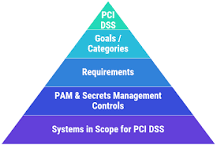
Privileged access management (PAM) is a critical component of any organisation’s cybersecurity strategy, particularly when it comes to maintaining compliance with the Payment Card Industry Data Security Standard (PCI DSS). PCI DSS outlines specific requirements for securing cardholder data, and privileged access management plays a key role in meeting these requirements.

What is PCI Privileged Access Management?

PCI privileged access management refers to the processes and technologies that organisations implement to control, monitor, and secure privileged accounts that have access to sensitive cardholder data. This includes accounts with elevated permissions that can potentially be exploited by cyber attackers to compromise the security of payment card information.

The Benefits of Implementing PCI PAM

By implementing PCI privileged access management, organisations can:

  • Enhance security: By restricting and monitoring privileged access, organisations can reduce the risk of data breaches and unauthorised activities.
  • Ensure compliance: Meeting PCI DSS requirements for privileged account management is essential for maintaining compliance and avoiding costly penalties.
  • Improve visibility: PAM solutions provide detailed insights into who has accessed sensitive data, when, and for what purpose, enabling better threat detection and incident response.
  • Streamline operations: Automating privilege management processes can increase operational efficiency and reduce the burden on IT teams.

Best Practices for PCI PAM

Organisations looking to enhance their PCI privileged access management should consider implementing the following best practices:

  1. Implement strong authentication mechanisms for privileged accounts.
  2. Enforce least privilege principles to restrict access based on job roles and responsibilities.
  3. Monitor and audit all privileged access activities in real-time.
  4. Regularly review and update access controls to align with changing business needs.
  5. Educate employees on the importance of secure privilege management practices.

In conclusion, PCI privileged access management is a crucial aspect of securing cardholder data and maintaining compliance with regulatory standards. By implementing robust PAM solutions and following best practices, organisations can strengthen their security posture, reduce risks, and safeguard sensitive information from cyber threats.


Understanding PCI Privileged Access Management: Standards, Management, Purpose, and PAM Usage

  1. What is PCI standard for?
  2. What is PCI management?
  3. What is the purpose of a PCI?
  4. What is Pam used for?

What is PCI standard for?

The Payment Card Industry Data Security Standard (PCI DSS) is a set of security standards established to ensure the secure handling of cardholder data and protect against payment card fraud. Compliance with the PCI DSS is mandatory for any organisation that processes, stores, or transmits payment card information. The standard aims to safeguard sensitive data, such as credit card numbers and personal information, by setting requirements for network security, access control measures, encryption protocols, regular monitoring, and vulnerability management. Adhering to the PCI DSS helps businesses build trust with customers, mitigate financial risks associated with data breaches, and demonstrate a commitment to maintaining a secure payment environment.

What is PCI management?

PCI management, in the context of cybersecurity and compliance, refers to the processes and practices implemented by organisations to ensure adherence to the Payment Card Industry Data Security Standard (PCI DSS). Specifically, PCI management involves the strategic handling of sensitive cardholder data, secure payment transactions, and the protection of systems and networks that store or process payment information. It encompasses a range of activities such as risk assessment, security controls implementation, monitoring, and reporting to maintain a secure environment for cardholder data. Effective PCI management is essential for businesses that handle payment card information to mitigate risks associated with data breaches and non-compliance with regulatory requirements.

What is the purpose of a PCI?

The purpose of the Payment Card Industry Data Security Standard (PCI DSS) is to ensure the secure handling of cardholder data to prevent fraud and protect sensitive information. PCI DSS sets out a comprehensive framework of security requirements that organisations that handle payment card data must adhere to in order to maintain the integrity and confidentiality of cardholder information. By implementing PCI DSS compliance measures, businesses can enhance their cybersecurity posture, build trust with customers, and mitigate the risk of data breaches and financial losses associated with compromised payment card data.

What is Pam used for?

Privileged Access Management (PAM) is a crucial cybersecurity tool used to control, monitor, and secure privileged accounts within an organisation. These privileged accounts typically have elevated permissions that grant access to sensitive data and critical systems. PAM solutions are utilised to enforce least privilege principles, ensuring that users only have access to the resources necessary for their specific job roles. By implementing PAM, organisations can enhance security by reducing the risk of insider threats, external cyber attacks, and data breaches. Additionally, PAM helps organisations maintain compliance with regulatory standards such as the Payment Card Industry Data Security Standard (PCI DSS) by providing detailed audit trails and monitoring capabilities for privileged access activities.

SAP Privileged Access Management Services

The Importance of SAP Privileged Access Management Services

In today’s digital landscape, data security is a top priority for organisations across all industries. With the increasing number of cyber threats and data breaches, protecting sensitive information has become more challenging than ever. For businesses using SAP systems, ensuring the security of privileged access is crucial to safeguarding critical data and maintaining compliance with regulations.

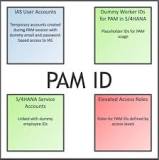
SAP Privileged Access Management (PAM) services offer a comprehensive solution to manage and monitor privileged user access within SAP environments. These services provide organisations with the tools and capabilities needed to control, secure, and audit privileged user activities effectively.

Key Features of SAP PAM Services:

  • Access Control: SAP PAM services enable organisations to define and enforce access policies for privileged users, ensuring that only authorised personnel can perform critical actions within the system.
  • Monitoring and Logging: The services offer real-time monitoring of privileged user activities, allowing organisations to detect suspicious behaviour and potential security threats promptly.
  • Segregation of Duties: SAP PAM services help prevent conflicts of interest by enforcing segregation of duties policies, reducing the risk of fraud and errors in critical business processes.
  • Audit and Compliance: Organisations can streamline audit processes and demonstrate compliance with regulatory requirements by maintaining detailed logs of privileged user actions and access controls.

The Benefits of Implementing SAP PAM Services:

By deploying SAP PAM services, organisations can enhance their overall security posture and mitigate the risks associated with privileged access misuse. Some key benefits include:

  • Improved Security: By implementing robust access controls and monitoring mechanisms, organisations can reduce the likelihood of unauthorised access and data breaches.
  • Enhanced Compliance: SAP PAM services help organisations meet regulatory requirements related to data security and privacy by providing comprehensive audit trails and reporting capabilities.
  • Operational Efficiency: By automating privilege management tasks and simplifying access request workflows, organisations can improve operational efficiency and reduce administrative overhead.
  • Risk Mitigation: Proactively identifying and addressing potential risks associated with privileged access helps organisations prevent security incidents that could result in financial losses or reputational damage.

In conclusion, SAP Privileged Access Management services play a vital role in helping organisations protect their valuable assets from internal and external threats. By implementing these services, businesses can strengthen their security posture, achieve regulatory compliance, enhance operational efficiency, and mitigate risks associated with privileged user access within their SAP environments.


Key Benefits of SAP Privileged Access Management Services: Enhancing Security and Compliance

  1. Enhances data security within SAP environments
  2. Provides robust access controls for privileged users
  3. Helps organisations meet regulatory compliance requirements
  4. Reduces the risk of unauthorised access and data breaches
  5. Streamlines audit processes with detailed logging capabilities
  6. Improves operational efficiency by automating privilege management tasks
  7. Mitigates risks associated with privileged access misuse


Challenges of SAP Privileged Access Management: Navigating Complex Implementation, High Costs, User Resistance, and Integration Hurdles

  1. Complex Implementation
  2. High Cost
  3. User Resistance
  4. Integration Challenges

Enhances data security within SAP environments

One significant advantage of SAP Privileged Access Management services is their ability to enhance data security within SAP environments. By implementing robust access controls, monitoring privileged user activities, and enforcing segregation of duties policies, these services help organisations safeguard sensitive data from unauthorised access and potential security threats. This proactive approach to managing privileged access ensures that only authorised personnel can perform critical actions within the system, reducing the risk of data breaches and ensuring the integrity of information stored in SAP systems.

Provides robust access controls for privileged users

SAP Privileged Access Management services offer a crucial benefit by providing robust access controls for privileged users within SAP environments. These controls ensure that only authorised personnel have access to sensitive data and critical system functions, reducing the risk of unauthorised activities and data breaches. By enforcing strict access policies, organisations can maintain a secure IT infrastructure and protect valuable assets from potential security threats. The ability to define and monitor privileged user access effectively enhances overall security measures and helps organisations proactively manage risks associated with privileged user accounts.

Helps organisations meet regulatory compliance requirements

SAP Privileged Access Management services offer a crucial advantage by assisting organisations in meeting regulatory compliance requirements. By providing robust access controls, detailed monitoring capabilities, and comprehensive audit trails, SAP PAM services enable businesses to demonstrate adherence to data security and privacy regulations. This proactive approach not only helps organisations avoid costly penalties for non-compliance but also enhances their overall governance practices, instilling trust among stakeholders and customers.

Reduces the risk of unauthorised access and data breaches

One significant advantage of SAP Privileged Access Management services is their ability to reduce the risk of unauthorised access and data breaches within organisations. By implementing robust access controls, monitoring mechanisms, and segregation of duties policies, these services effectively limit privileged user privileges to only authorised personnel. This proactive approach helps prevent malicious actors from gaining unauthorised access to sensitive information and critical systems, thereby enhancing overall cybersecurity and safeguarding valuable data assets from potential breaches.

Streamlines audit processes with detailed logging capabilities

One of the key advantages of SAP Privileged Access Management services is their ability to streamline audit processes through detailed logging capabilities. By maintaining comprehensive logs of privileged user activities and access controls, organisations can efficiently track and monitor all actions within their SAP environment. This feature not only simplifies the audit trail creation but also facilitates compliance with regulatory requirements by providing a clear record of who accessed what information and when. Ultimately, the detailed logging capabilities of SAP PAM services enhance transparency, accountability, and security posture within organisations using SAP systems.

Improves operational efficiency by automating privilege management tasks

One significant advantage of SAP Privileged Access Management services is their ability to enhance operational efficiency by automating privilege management tasks. By streamlining processes such as access request approvals, user provisioning, and role assignments, organisations can reduce manual intervention and administrative overhead. This automation not only saves time but also minimises the risk of human errors, ensuring that privileged access is granted and revoked promptly and accurately. As a result, businesses can operate more smoothly and effectively, focusing their resources on strategic initiatives rather than routine administrative tasks.

Mitigates risks associated with privileged access misuse

One significant advantage of SAP Privileged Access Management services is their ability to mitigate risks linked to the misuse of privileged access. By implementing robust access controls, monitoring mechanisms, and segregation of duties policies, organisations can effectively prevent unauthorised or inappropriate actions by privileged users within SAP environments. This proactive approach helps reduce the likelihood of security breaches, data leaks, fraud, and other malicious activities that could compromise sensitive information and disrupt business operations. SAP PAM services provide a crucial layer of protection against insider threats and external attacks, ensuring the integrity and confidentiality of critical data while maintaining compliance with regulatory requirements.

Complex Implementation

When considering SAP Privileged Access Management services, one must acknowledge the con of complex implementation. The process of implementing these services can be intricate and time-consuming, demanding a high level of expertise and dedicated resources. Organisations may face challenges in configuring the system to align with their specific requirements, integrating it seamlessly with existing infrastructure, and ensuring a smooth transition for users. The complexity of implementation can result in delays and additional costs, making it essential for businesses to carefully plan and allocate resources effectively to successfully deploy SAP PAM services.

High Cost

The con of SAP Privileged Access Management services lies in the high cost associated with deploying and maintaining them. This expense can be a significant barrier for many organisations, particularly smaller businesses operating on limited budgets. The financial investment required to implement SAP PAM services may outweigh the perceived benefits for some companies, making it challenging to justify the expenditure in relation to their security needs. As a result, these organisations may struggle to afford the robust security measures that SAP PAM services offer, leaving them potentially vulnerable to privileged access risks.

User Resistance

User Resistance can be a significant con of SAP Privileged Access Management services. Privileged users within the organisation may resist the implementation of access controls and monitoring tools, leading to potential challenges in enforcing security policies. This resistance can stem from concerns about perceived limitations on their autonomy or increased scrutiny of their actions. Overcoming user resistance requires effective communication, training, and collaboration to ensure that all stakeholders understand the importance of privileged access management in maintaining a secure IT environment. Failure to address user resistance can undermine the effectiveness of SAP PAM services and leave critical systems vulnerable to security threats.

Integration Challenges

Integration Challenges: One significant drawback of SAP Privileged Access Management services is the potential integration challenges they present. Incorporating SAP PAM services into an organisation’s existing IT infrastructure and applications may encounter compatibility issues, leading to the need for additional customisation efforts. This can result in delays in implementation, increased costs, and complexity in managing the interconnected systems effectively. Overcoming these integration hurdles requires careful planning, expertise, and resources to ensure a seamless and efficient deployment of SAP PAM services while maintaining the integrity and functionality of the overall IT environment.

Enhancing Security with the VA Identity and Access Management System (IAM)

Understanding VA Identity and Access Management System (IAM)

The Importance of VA Identity and Access Management System (IAM)

Identity and Access Management (IAM) is a crucial component of modern cybersecurity strategies, particularly in organisations that deal with sensitive data and information. The VA (Veterans Affairs) Identity and Access Management System plays a vital role in ensuring that only authorised individuals have access to specific resources within the VA network.

Key Features of VA IAM System

The VA IAM system provides a centralised platform for managing user identities, access rights, and permissions across various applications and systems used within the Veterans Affairs organisation. Some key features of the VA IAM system include:

  • Single Sign-On (SSO): Users can access multiple applications with just one set of login credentials, enhancing convenience and security.
  • Role-Based Access Control (RBAC): Administrators can assign specific roles to users based on their responsibilities, ensuring that they only have access to the resources necessary for their job functions.
  • Multi-Factor Authentication (MFA): An additional layer of security that requires users to provide multiple forms of verification before accessing sensitive information, reducing the risk of unauthorised access.
  • Audit Trails: The system logs user activities, providing a detailed record of who accessed what information and when, aiding in compliance efforts and incident response.

Benefits of Implementing VA IAM System

By adopting the VA IAM system, the organisation can enjoy several benefits:

  • Enhanced Security: By controlling user access and implementing security measures such as MFA, the risk of data breaches and unauthorised access is significantly reduced.
  • Improved Compliance: The system helps in meeting regulatory requirements by enforcing access controls, monitoring user activities, and generating audit reports for compliance audits.
  • User Productivity: SSO functionality simplifies the login process for users, saving time and reducing password fatigue.
  • Centralised Management: Administrators can efficiently manage user identities and access rights from a single console, streamlining IT operations.

In Conclusion

The VA Identity and Access Management System is a critical tool for safeguarding sensitive information, ensuring regulatory compliance, and enhancing operational efficiency within the Veterans Affairs organisation. By implementing robust IAM practices supported by advanced technologies, the VA can mitigate cybersecurity risks while empowering its workforce to fulfil their roles effectively.


Understanding Identity and Access Management (IAM): Key Roles and Functions in Cybersecurity

  1. What is IAM used for?
  2. What is the primary role of IAM in cybersecurity?
  3. What is an identity and access management system?
  4. Could you describe IAM in your own words?

What is IAM used for?

Identity and Access Management (IAM) plays a pivotal role in ensuring the security and integrity of digital resources within organisations like Veterans Affairs. IAM is primarily used to manage user identities, control access to sensitive information, and enforce security policies across various applications and systems. By utilising IAM solutions, such as the VA Identity and Access Management System, organisations can streamline user authentication processes, assign appropriate access levels based on roles, and track user activities for auditing and compliance purposes. Ultimately, IAM serves as a critical tool in protecting valuable data assets, enhancing operational efficiency, and maintaining regulatory compliance within complex IT environments like the VA network.

What is the primary role of IAM in cybersecurity?

In the realm of cybersecurity, Identity and Access Management (IAM) plays a fundamental role in safeguarding sensitive data and resources by managing user identities, access rights, and permissions. The primary function of IAM is to ensure that only authorised individuals have appropriate access to specific systems and information within an organisation’s network. By implementing IAM protocols such as authentication, authorisation, and accountability measures, cybersecurity professionals can effectively control user access, mitigate potential security risks, and maintain the integrity of critical assets. IAM serves as a crucial line of defence against cyber threats by enforcing strict access controls, monitoring user activities, and facilitating compliance with regulatory requirements to uphold the overall security posture of an organisation.

What is an identity and access management system?

An Identity and Access Management (IAM) system is a comprehensive framework designed to manage user identities, control access to resources, and ensure the security of an organisation’s digital assets. In the context of the VA (Veterans Affairs) Identity and Access Management System, IAM plays a crucial role in defining and enforcing policies that govern who has access to specific information or systems within the VA network. By centralising user authentication, authorisation, and administration processes, IAM systems like the one used by the VA help prevent unauthorised access, streamline user management tasks, and enhance overall cybersecurity posture.

Could you describe IAM in your own words?

The Identity and Access Management (IAM) system within the VA network serves as a comprehensive solution for managing user identities and controlling access to resources. In essence, IAM is like a digital gatekeeper that ensures only authorised individuals can enter specific areas of the network based on their roles and permissions. It simplifies the process of user authentication, enhances security through measures like multi-factor authentication, and maintains a detailed log of user activities for monitoring and compliance purposes. IAM essentially acts as a safeguard, protecting sensitive information while enabling efficient access management within the Veterans Affairs organisation.

The Power of Oracle Identity Management Suite

Oracle Identity Management Suite is a comprehensive and integrated solution that offers organisations a robust set of tools to manage user identities, secure access to applications, and enforce compliance. With its advanced features and scalability, Oracle Identity Management Suite has become a go-to solution for businesses looking to streamline their identity and access management processes.

Key Features

One of the standout features of Oracle Identity Management Suite is its ability to centralise identity administration across various systems and applications. By providing a single point of control, organisations can efficiently manage user accounts, roles, and privileges without the need for multiple disparate systems.

Another key feature is the suite’s strong authentication capabilities, which help enhance security by implementing multi-factor authentication methods. This ensures that only authorised users can access critical resources, reducing the risk of unauthorised access and data breaches.

Benefits

Organisations that implement Oracle Identity Management Suite can benefit from improved operational efficiency and reduced IT costs. By automating identity provisioning and deprovisioning processes, businesses can streamline user lifecycle management and reduce the burden on IT administrators.

Furthermore, the suite’s compliance management features help organisations meet regulatory requirements by enforcing access policies and providing detailed audit trails. This not only ensures data security but also helps in demonstrating compliance during audits.

Scalability

Oracle Identity Management Suite is designed to scale with the growing needs of an organisation. Whether you are a small business or a large enterprise, the suite can adapt to your requirements and support a diverse range of use cases. Its flexible architecture allows for easy integration with existing systems and applications, making it an ideal choice for businesses seeking a future-proof identity management solution.

Conclusion

In conclusion, Oracle Identity Management Suite offers a comprehensive set of tools to help organisations effectively manage user identities, secure access to applications, and ensure compliance with regulations. With its advanced features, scalability, and robust security capabilities, the suite empowers businesses to take control of their identity management processes and safeguard their critical assets.


Top 5 Tips for Optimising Oracle Identity Management Suite Security

  1. Ensure proper configuration of user access controls to prevent unauthorised access.
  2. Regularly review and update user permissions to align with organisational changes.
  3. Implement multi-factor authentication for an added layer of security.
  4. Utilise automated provisioning and deprovisioning processes to manage user accounts efficiently.
  5. Monitor system logs and audit trails for suspicious activities or potential security breaches.

Ensure proper configuration of user access controls to prevent unauthorised access.

Ensuring the proper configuration of user access controls is crucial when utilising Oracle Identity Management Suite to prevent unauthorised access to sensitive data and resources. By carefully defining and enforcing access policies, organisations can restrict user permissions based on roles and responsibilities, reducing the risk of security breaches. Implementing robust user access controls not only enhances data security but also helps maintain regulatory compliance by ensuring that only authorised users have appropriate levels of access to critical systems and information.

Regularly review and update user permissions to align with organisational changes.

Regularly reviewing and updating user permissions in Oracle Identity Management Suite is crucial to ensuring that access rights align with organisational changes. By conducting periodic audits of user permissions, businesses can mitigate the risk of unauthorised access and maintain compliance with security policies. This proactive approach not only enhances data security but also streamlines user management processes, allowing organisations to adapt quickly to evolving business needs and maintain a secure and efficient IT environment.

Implement multi-factor authentication for an added layer of security.

By implementing multi-factor authentication within the Oracle Identity Management Suite, organisations can significantly enhance their security posture. This additional layer of protection requires users to provide multiple forms of verification before accessing sensitive resources, making it much harder for unauthorised individuals to gain entry. By combining something the user knows (like a password) with something they have (such as a mobile device for receiving one-time codes), multi-factor authentication adds an extra level of assurance that only legitimate users can access critical systems and data. This proactive security measure not only helps prevent unauthorised access but also strengthens overall cybersecurity defences within the organisation.

Utilise automated provisioning and deprovisioning processes to manage user accounts efficiently.

By utilising automated provisioning and deprovisioning processes within the Oracle Identity Management Suite, organisations can efficiently manage user accounts with ease. Automation streamlines the user lifecycle management process, allowing for seamless onboarding and offboarding of users. This not only enhances operational efficiency but also reduces the risk of human errors and ensures that access privileges are granted and revoked in a timely manner. Automated provisioning and deprovisioning processes are essential components in maintaining a secure and well-managed identity environment within an organisation.

Monitor system logs and audit trails for suspicious activities or potential security breaches.

It is crucial to monitor system logs and audit trails within the Oracle Identity Management Suite to detect any suspicious activities or potential security breaches. By regularly reviewing these logs, administrators can proactively identify unusual behaviour, unauthorised access attempts, or policy violations. Monitoring system logs not only helps in maintaining the integrity of the identity management system but also plays a vital role in enhancing overall security posture by enabling swift responses to any security incidents that may arise. Regular monitoring of logs is a fundamental practice in ensuring the confidentiality, integrity, and availability of critical data and resources within the Oracle Identity Management Suite.

Maximise Security with Oracle Identity and Access Management Suite

Article: Oracle Identity and Access Management Suite

The Power of Oracle Identity and Access Management Suite

Oracle Identity and Access Management Suite is a comprehensive solution that provides organisations with the tools they need to secure their digital assets, manage user identities, and control access to sensitive information. This suite offers a range of features that help businesses streamline their security processes and ensure compliance with regulatory requirements.

Key Components of Oracle IAM Suite

The Oracle IAM Suite consists of several key components that work together to provide a robust security framework:

  • Identity Governance: This component helps organisations manage user identities, roles, and entitlements effectively. It enables businesses to enforce access policies, detect violations, and remediate risks.
  • Access Management: Access Management allows businesses to control user access to applications and resources. It includes features such as single sign-on, multi-factor authentication, and session management.
  • Directory Services: The suite includes a directory service that stores user information securely and enables efficient authentication and authorisation processes.
  • Federation Services: Federation Services facilitate secure identity propagation across different systems and applications, enabling seamless user access across the organisation.
  • User Lifecycle Management: This component automates the process of managing user accounts throughout their lifecycle, from onboarding to offboarding, ensuring efficient access management practices.

Benefits of Oracle IAM Suite

The Oracle IAM Suite offers numerous benefits for organisations looking to enhance their security posture:

  • Enhanced Security: By implementing robust identity and access management controls, businesses can reduce the risk of data breaches and unauthorised access.
  • Compliance: The suite helps organisations meet regulatory requirements by enforcing access policies, auditing user activities, and generating compliance reports.
  • User Experience: With features like single sign-on and self-service password reset, users can enjoy a seamless experience while accessing applications securely.
  • Efficiency: Automation capabilities streamline identity management processes, reducing manual effort and improving operational efficiency.

In Conclusion

The Oracle Identity and Access Management Suite is a powerful solution for organisations seeking to strengthen their security posture and streamline access management processes. By leveraging its comprehensive features and capabilities, businesses can protect their digital assets effectively while ensuring compliance with industry regulations. Embracing Oracle IAM Suite can help organisations stay ahead in today’s dynamic cybersecurity landscape.


Enhancing Security and Efficiency: The Benefits of Oracle Identity and Access Management Suite

  1. Comprehensive security solution for managing user identities and access control
  2. Helps organisations enforce access policies and detect violations effectively
  3. Streamlines identity management processes through automation
  4. Enhances user experience with features like single sign-on and self-service password reset
  5. Facilitates compliance with regulatory requirements by generating audit reports
  6. Improves operational efficiency by reducing manual effort in access management


Challenges of Oracle Identity and Access Management Suite: Complexity, Cost, Resource Demands, and Customisation Limits

  1. Complex Implementation
  2. High Cost
  3. Resource Intensive
  4. Limited Customisation

Comprehensive security solution for managing user identities and access control

The Oracle Identity and Access Management Suite stands out as a comprehensive security solution that excels in managing user identities and access control. By offering a robust set of tools and features, this suite empowers organisations to enforce stringent access policies, monitor user activities, and prevent unauthorised access to sensitive information. With a focus on identity governance and access management, Oracle IAM Suite provides businesses with the necessary framework to secure their digital assets effectively while ensuring compliance with regulatory requirements.

Helps organisations enforce access policies and detect violations effectively

The Oracle Identity and Access Management Suite offers a significant advantage to organisations by helping them enforce access policies and detect violations effectively. By utilising this feature, businesses can proactively monitor user activities, identify any unauthorised access attempts or policy breaches, and take immediate action to mitigate risks. This capability not only enhances the overall security posture of the organisation but also ensures compliance with regulatory requirements, ultimately safeguarding sensitive data and maintaining a secure digital environment.

Streamlines identity management processes through automation

One of the key advantages of the Oracle Identity and Access Management Suite is its ability to streamline identity management processes through automation. By automating tasks such as user provisioning, deprovisioning, and role management, organisations can significantly reduce manual effort and human error in managing user identities. This not only enhances operational efficiency but also ensures that access privileges are granted and revoked promptly, improving overall security posture. With automation at the core of its identity management capabilities, Oracle IAM Suite empowers businesses to efficiently manage user identities while minimising risks associated with outdated or inconsistent access controls.

Enhances user experience with features like single sign-on and self-service password reset

The Oracle Identity and Access Management Suite significantly enhances user experience by offering convenient features such as single sign-on and self-service password reset. With single sign-on, users can access multiple applications with a single set of credentials, eliminating the need to remember and enter multiple passwords. Additionally, the self-service password reset functionality empowers users to reset their passwords independently, reducing reliance on IT support for routine password management tasks. These user-centric features not only improve convenience and productivity but also contribute to a seamless and secure access experience within the organisation’s digital ecosystem.

Facilitates compliance with regulatory requirements by generating audit reports

One significant advantage of the Oracle Identity and Access Management Suite is its ability to facilitate compliance with regulatory requirements by generating comprehensive audit reports. This feature allows organisations to easily track and monitor user activities, access permissions, and security controls within their IT environment. By providing detailed insights into access management practices, the suite empowers businesses to demonstrate adherence to regulatory standards, identify potential vulnerabilities, and proactively address security risks. Ultimately, the capability to generate audit reports enhances transparency, accountability, and overall compliance efforts within an organisation.

Improves operational efficiency by reducing manual effort in access management

The Oracle Identity and Access Management Suite offers a significant advantage by enhancing operational efficiency through the automation of access management processes. By reducing the need for manual intervention in managing user access to applications and resources, organisations can streamline their operations, save time, and minimise the risk of human error. This improvement allows businesses to allocate resources more effectively, focus on strategic initiatives, and ensure a smoother user experience while maintaining robust security measures.

Complex Implementation

Setting up Oracle Identity and Access Management Suite can pose a significant challenge due to its complex implementation process. Organisations may find it time-consuming and demanding, as it necessitates specialised expertise to configure the suite effectively. The intricate nature of the setup can lead to delays in deployment and require dedicated resources to ensure a smooth implementation. Overcoming the hurdle of complexity in setting up the Oracle IAM Suite is crucial for organisations aiming to leverage its robust security features efficiently.

High Cost

The main drawback of the Oracle Identity and Access Management Suite is its high cost. The licensing fees associated with implementing the suite can be prohibitively expensive, particularly for small to medium-sized businesses operating within constrained budgets. This financial barrier may deter organisations from fully benefiting from the advanced security features and comprehensive identity management capabilities offered by Oracle IAM Suite, potentially limiting their ability to enhance their security posture and comply with regulatory requirements effectively.

Resource Intensive

One notable drawback of the Oracle Identity and Access Management Suite is its resource-intensive nature. The maintenance and management of the suite often demand dedicated IT resources, which can significantly increase the overall operational costs for organisations. The need for specialised personnel to handle the complex configurations and ongoing monitoring may pose a challenge for businesses with limited IT budgets or manpower. This resource burden can impact the scalability and agility of implementing the suite, potentially hindering its adoption and effectiveness in some environments.

Limited Customisation

Some users may encounter a drawback of limited customisation when utilising the Oracle Identity and Access Management Suite. While the suite offers a range of robust features, some individuals may find that the level of customisation options available does not meet their specific preferences or requirements. This limitation could potentially hinder users who seek highly tailored solutions to align with their unique security needs and operational workflows. It is essential for organisations to assess their customisation needs carefully to determine if the Oracle IAM Suite aligns effectively with their desired level of flexibility and configuration capabilities.

Understanding Oracle IAM Solution

The Power of Oracle IAM Solution

Oracle Identity and Access Management (IAM) Solution is a comprehensive suite of tools designed to manage user access to resources across an organisation. With the increasing complexity of IT environments and the growing number of security threats, having a robust IAM solution is crucial for safeguarding sensitive data and ensuring regulatory compliance.

Key Features of Oracle IAM Solution:

  • Identity Governance: Oracle IAM provides capabilities for managing user identities, roles, and entitlements. This includes defining access policies, enforcing segregation of duties, and automating user provisioning and deprovisioning processes.
  • Access Management: The solution offers single sign-on (SSO) functionality, allowing users to access multiple applications with a single set of credentials. It also includes features such as multi-factor authentication, session management, and risk-based authentication.
  • Directory Services: Oracle IAM integrates with directory services like LDAP to centralise user authentication and authorisation. This simplifies user management across various systems and applications.
  • Identity Federation: By supporting standards like SAML and OAuth, Oracle IAM enables secure identity federation between different organisations or cloud services. This facilitates seamless collaboration while maintaining security.
  • Compliance Management: The solution helps organisations meet regulatory requirements by providing audit trails, reporting tools, and policy enforcement mechanisms. It ensures that access controls are aligned with industry standards and internal policies.

Benefits of Implementing Oracle IAM Solution:

By deploying Oracle IAM Solution, organisations can experience several benefits:

  • Enhanced Security: Centralised identity management reduces the risk of unauthorised access and data breaches. Role-based access control ensures that users have the appropriate level of privileges based on their roles within the organisation.
  • Increased Efficiency: Automation of identity lifecycle processes streamlines user provisioning and deprovisioning tasks. This improves operational efficiency and reduces manual errors associated with managing user accounts.
  • Better User Experience: Single sign-on capabilities simplify the login process for users, enhancing their experience while accessing multiple applications. This leads to increased productivity and satisfaction among employees.
  • Auditing and Reporting: Oracle IAM provides detailed audit logs and reporting tools that help organisations track user activities, monitor compliance status, and generate insights for continuous improvement in security practices.

In conclusion, Oracle IAM Solution offers a comprehensive set of features to address the evolving challenges in identity management and access control. By leveraging this powerful toolset, organisations can strengthen their security posture, streamline operations, and ensure regulatory compliance in today’s digital landscape.


9 Advantages of Oracle IAM Solutions: Boosting Security, Compliance, and Efficiency

  1. Enhances security by centralising identity management
  2. Improves compliance with regulatory requirements
  3. Streamlines user provisioning and deprovisioning processes
  4. Facilitates single sign-on for seamless access to multiple applications
  5. Enforces role-based access control for better data protection
  6. Provides detailed audit logs for monitoring user activities
  7. Supports secure identity federation between organisations
  8. Increases operational efficiency through automation
  9. Enhances user experience with simplified login processes


Challenges of Implementing Oracle IAM Solutions: Key Concerns to Consider

  1. Complex Implementation Process
  2. High Cost of Ownership
  3. Steep Learning Curve
  4. Customisation Limitations
  5. Resource Intensive
  6. Integration Challenges
  7. Vendor Lock-In

Enhances security by centralising identity management

One of the key advantages of Oracle IAM Solution is its ability to enhance security by centralising identity management. By consolidating user identities, roles, and access privileges into a centralised system, organisations can effectively control and monitor user access across their IT infrastructure. This centralisation reduces the risk of unauthorised access and data breaches, as administrators can easily enforce consistent access policies and quickly revoke access when necessary. Furthermore, centralised identity management promotes better visibility and accountability, ensuring that users have appropriate levels of access based on their roles within the organisation. Overall, this feature strengthens security measures and helps organisations maintain a more secure and compliant environment.

Improves compliance with regulatory requirements

One significant advantage of implementing the Oracle IAM Solution is its ability to enhance compliance with regulatory requirements. By providing robust identity governance, access management, and auditing capabilities, Oracle IAM ensures that organisations can effectively monitor and enforce access controls in alignment with industry regulations. This proactive approach not only helps in meeting compliance standards but also strengthens data security measures, mitigates risks of non-compliance penalties, and instils trust among stakeholders in the organisation’s commitment to upholding regulatory mandates.

Streamlines user provisioning and deprovisioning processes

One of the key advantages of Oracle IAM Solution is its ability to streamline user provisioning and deprovisioning processes. By automating these essential tasks, organisations can efficiently manage user access to resources, saving time and reducing the risk of errors associated with manual account management. This feature not only enhances operational efficiency but also ensures that users have timely access to the resources they need while maintaining security by promptly revoking access when users no longer require it.

Facilitates single sign-on for seamless access to multiple applications

One key advantage of Oracle IAM Solution is its ability to facilitate single sign-on, enabling users to access multiple applications seamlessly with a single set of credentials. This feature enhances user experience by eliminating the need to remember and enter different login details for each application, thereby saving time and reducing frustration. By streamlining the authentication process, Oracle IAM Solution not only improves efficiency but also enhances security by centralising access control and ensuring consistent authentication across various systems and platforms.

Enforces role-based access control for better data protection

One of the key advantages of Oracle IAM Solution is its ability to enforce role-based access control, enhancing data protection within organisations. By assigning roles to users based on their responsibilities and permissions, the system ensures that individuals only have access to the resources necessary for their specific tasks. This proactive approach not only reduces the risk of unauthorised data exposure but also helps in preventing insider threats by limiting access to sensitive information. Role-based access control provided by Oracle IAM Solution plays a vital role in safeguarding critical data assets and maintaining a secure environment for organisational operations.

Provides detailed audit logs for monitoring user activities

One notable advantage of the Oracle IAM Solution is its provision of detailed audit logs that enable thorough monitoring of user activities. These audit logs offer valuable insights into user interactions within the system, allowing administrators to track access attempts, changes in permissions, and other critical events. By having a comprehensive overview of user activities, organisations can enhance security measures, detect anomalies promptly, and maintain a transparent record of all system actions for compliance and forensic purposes.

Supports secure identity federation between organisations

One significant advantage of Oracle IAM Solution is its capability to support secure identity federation between organisations. By facilitating seamless and secure authentication and authorisation processes across different entities, Oracle IAM enables efficient collaboration while maintaining robust security measures. This feature not only enhances interoperability between systems but also ensures that sensitive data remains protected during cross-organisational interactions. Organizations can trust Oracle IAM to establish a trusted identity framework that promotes secure information sharing and streamlined workflows across diverse environments.

Increases operational efficiency through automation

One of the key advantages of implementing Oracle IAM Solution is its ability to enhance operational efficiency through automation. By automating identity lifecycle processes such as user provisioning and deprovisioning, organisations can streamline repetitive tasks, reduce manual errors, and improve overall productivity. This automation not only saves time and resources but also ensures that users have timely access to the resources they need, leading to a more agile and efficient IT environment.

Enhances user experience with simplified login processes

One notable advantage of the Oracle IAM Solution is its ability to enhance user experience through simplified login processes. By offering single sign-on functionality, users can access multiple applications with ease using a single set of credentials. This streamlined approach not only saves time and effort for users but also reduces the frustration associated with managing multiple login credentials. The simplified login process contributes to improved productivity and user satisfaction, ultimately leading to a more efficient and seamless user experience within the organisation.

Complex Implementation Process

One notable drawback of Oracle IAM Solution is the complex implementation process it entails. Establishing the system can be a time-consuming endeavour that demands a high level of expertise. The intricate setup and configuration requirements may pose challenges for organisations, potentially resulting in delays in the deployment of the solution. This complexity could necessitate additional resources and careful planning to ensure a smooth and successful implementation of Oracle IAM Solution.

High Cost of Ownership

The high cost of ownership is a significant drawback of Oracle IAM Solution. The substantial initial investment required to implement the solution, along with the ongoing expenses for maintenance and support, can pose challenges for organisations with budget constraints. The financial burden of licensing fees, hardware infrastructure, and skilled personnel needed to manage the system may deter some businesses from fully utilising the capabilities of Oracle IAM Solution. It is essential for organisations to carefully evaluate the total cost of ownership and consider alternative solutions that align better with their budgetary limitations to ensure a sustainable investment in identity and access management.

Steep Learning Curve

One significant drawback of the Oracle IAM Solution is its steep learning curve, which can pose challenges for both users and administrators. Navigating the platform effectively may prove to be daunting, necessitating thorough training to grasp its full range of capabilities. The complexity of the system could potentially lead to delays in implementation and hinder the adoption of advanced features, resulting in a longer onboarding process and increased resource allocation for training purposes.

Customisation Limitations

Customising Oracle IAM Solution to align with specific business needs may pose challenges due to inherent limitations, potentially hindering the adaptability of the system to cater to unique use cases. The constraints in customisation could restrict the flexibility required for organisations seeking tailored solutions that deviate from standard configurations. This con highlights the importance of evaluating the balance between out-of-the-box functionality and customisation capabilities when considering Oracle IAM Solution for comprehensive identity and access management needs.

Resource Intensive

One significant drawback of the Oracle IAM Solution is its resource-intensive nature. Implementing and running the solution may require a considerable investment in hardware resources and system configurations to ensure optimal performance. This can lead to increased infrastructure overheads for organisations, potentially adding to the overall cost of deploying and maintaining the Oracle IAM Solution. The need for robust hardware and system setups can pose a challenge for smaller businesses or those with limited IT budgets, as they may struggle to meet the resource requirements necessary for efficient operation of the solution.

Integration Challenges

Integration Challenges: One significant drawback of Oracle IAM Solution is the potential integration challenges it presents when connecting with existing IT systems and applications. Compatibility issues may arise, requiring additional time and resources to ensure a smooth and seamless operation. This can lead to delays in implementation and potentially disrupt the overall functionality of the integrated environment. Organisations considering Oracle IAM Solution must be prepared to address these integration challenges proactively to maximise the benefits of the solution while minimising disruptions to existing workflows.

Vendor Lock-In

One significant drawback of Oracle IAM Solution is the risk of vendor lock-in. When an organisation adopts Oracle’s IAM Solution, it becomes heavily reliant on the proprietary technologies and frameworks offered by Oracle. This dependency can create challenges if the organisation later decides to switch to alternative IAM solutions, as the transition process can be intricate and expensive. The integration of Oracle IAM Solution with existing systems and applications may lead to compatibility issues and require substantial resources for migration, making it difficult for organisations to explore other options without incurring significant costs and disruptions.

Article: Open Source Identity Management Solutions

The Power of Open Source Identity Management Solutions

In today’s digital landscape, managing identities and access control has become a critical aspect of cybersecurity for organisations of all sizes. Traditional identity management solutions can be costly and complex to implement, especially for smaller businesses and non-profit organisations.

This is where open source identity management solutions come into play. Open source software provides a cost-effective and flexible alternative to proprietary solutions, allowing businesses to customise and scale their identity management systems according to their specific needs.

Benefits of Open Source Identity Management Solutions:

  • Cost-Effective: One of the primary advantages of open source identity management solutions is their cost-effectiveness. Since the software is freely available for use and modification, organisations can significantly reduce their licensing and implementation costs.
  • Customisation: Open source solutions offer flexibility in customising features and functionalities to suit the unique requirements of an organisation. This allows businesses to tailor their identity management systems to align with their security policies and compliance needs.
  • Community Support: The open source community provides a wealth of resources, including forums, documentation, and user-contributed plugins. Organisations can benefit from community-driven support and collaboration when implementing open source identity management solutions.
  • Transparency: Open source software is built on transparency, allowing organisations to inspect the source code for security vulnerabilities or backdoors. This level of transparency enhances trust and confidence in the security of the identity management system.
  • Scalability: As businesses grow, their identity management needs evolve. Open source solutions offer scalability options that enable organisations to expand their systems without being tied down by restrictive licensing agreements.
  • Innovation: The collaborative nature of open source development fosters innovation and rapid iteration. Organisations benefit from continuous updates and enhancements driven by a global community of developers.

Open source identity management solutions empower organisations to take control of their cybersecurity strategies while maintaining cost-efficiency and flexibility. By leveraging the benefits of open source software, businesses can enhance their security posture and streamline access control processes in today’s dynamic digital environment.


Eight Advantages of Open Source Identity Management Solutions: Cost, Customisation, Community Support, and More

  1. Cost-effective alternative to proprietary solutions
  2. Customisable to suit specific organisational needs
  3. Access to a supportive open source community for assistance
  4. Increased transparency through open access to source code
  5. Scalable options that grow with the organisation
  6. Continuous innovation driven by global developer collaboration
  7. Enhanced security through community-driven updates and enhancements
  8. Flexibility in adapting to evolving cybersecurity requirements


Challenges of Open Source Identity Management: Limited Vendor Support, Integration Complexity, and Security Concerns

  1. Limited Vendor Support
  2. Integration Complexity
  3. Security Concerns

Cost-effective alternative to proprietary solutions

One significant advantage of open source identity management solutions is their cost-effectiveness as a viable alternative to proprietary solutions. By leveraging open source software, organisations can significantly reduce licensing and implementation costs associated with traditional identity management systems. This financial flexibility allows businesses, especially smaller enterprises and non-profit organisations, to allocate resources more efficiently towards customising and enhancing their identity management infrastructure to meet their specific security needs without compromising on quality or functionality.

Customisable to suit specific organisational needs

Open source identity management solutions offer a significant advantage in their customisability to meet specific organisational requirements. This flexibility allows businesses to tailor the features and functionalities of the identity management system according to their unique security policies, compliance mandates, and operational workflows. By customising the solution, organisations can ensure that their identity management processes align seamlessly with their business objectives and IT infrastructure, ultimately enhancing overall efficiency and security posture.

Access to a supportive open source community for assistance

Access to a supportive open source community for assistance is a significant advantage of utilising open source identity management solutions. Organisations benefit from a vast network of like-minded individuals and experts who are willing to offer guidance, share knowledge, and troubleshoot issues. This collaborative environment fosters innovation and problem-solving, ensuring that users have access to timely support and resources to optimise their identity management systems. The community-driven nature of open source software enhances the overall user experience and promotes continuous learning and improvement within the cybersecurity realm.

Increased transparency through open access to source code

Increased transparency through open access to the source code is a significant advantage of open source identity management solutions. By allowing organisations to inspect the codebase, potential vulnerabilities or backdoors can be identified and addressed proactively. This transparency not only enhances trust in the security of the system but also empowers businesses to take control of their cybersecurity posture. With visibility into the source code, organisations can ensure that their identity management system meets their specific security requirements and compliance standards, ultimately leading to a more robust and secure IT environment.

Scalable options that grow with the organisation

One significant advantage of open source identity management solutions is their scalable options that seamlessly grow alongside the organisation. This flexibility allows businesses to expand their identity management systems in line with their evolving needs, without being constrained by rigid licensing agreements or costly upgrades. By utilising scalable open source solutions, organisations can efficiently adapt to changes in user numbers, access requirements, and security protocols, ensuring a robust and future-proof identity management framework that can support the organisation’s growth and development.

Continuous innovation driven by global developer collaboration

Continuous innovation in open source identity management solutions is propelled by the collaborative efforts of developers worldwide. The diverse perspectives and expertise brought together by the global developer community result in rapid iteration and the introduction of cutting-edge features and enhancements. This collaborative approach ensures that open source identity management solutions remain at the forefront of technological advancements, providing organisations with access to innovative tools that address evolving cybersecurity challenges effectively.

Enhanced security through community-driven updates and enhancements

Open source identity management solutions offer enhanced security through community-driven updates and enhancements. The collaborative nature of open source development allows a global community of developers to continuously identify and address security vulnerabilities, ensuring that the software remains robust and resilient against emerging threats. By harnessing the collective expertise of the community, organisations can benefit from timely patches and improvements that bolster the overall security posture of their identity management systems, instilling confidence in the reliability and integrity of their cybersecurity measures.

Flexibility in adapting to evolving cybersecurity requirements

Open source identity management solutions offer a significant advantage in their flexibility to adapt to evolving cybersecurity requirements. As the digital landscape continues to change rapidly, organisations face new challenges and threats that demand agile responses. Open source software allows businesses to customise and modify their identity management systems to meet the latest cybersecurity standards and regulations. This flexibility enables organisations to stay ahead of emerging threats, enhance their security posture, and ensure compliance with evolving industry practices, all while maintaining control over their identity management infrastructure.

Limited Vendor Support

Open source identity management solutions, despite their many advantages, face a significant drawback in the form of limited vendor support. Unlike proprietary software that comes with dedicated vendor support, open source solutions may lack the same level of direct assistance. This can present challenges for organisations when dealing with complex issues or requiring timely resolution of technical problems. The absence of immediate vendor support in open source identity management solutions underscores the importance of having internal expertise or relying on community forums for troubleshooting and problem-solving.

Integration Complexity

Integrating open source identity management solutions with existing IT infrastructure and applications can present a significant challenge due to the complexity involved. Organisations may face compatibility issues, data migration hurdles, and the need for specialised expertise to ensure seamless integration. This process of aligning different systems and applications can lead to extended implementation timelines and higher costs as additional resources may be required to navigate the intricacies of integration. The integration complexity stands as a notable con of open source identity management solutions, highlighting the importance of careful planning and skilled professionals to overcome these challenges effectively.

Security Concerns

Security Concerns: Despite the transparency offered by open source identity management solutions, a notable con is the increased burden on organisations to uphold system security. In this model, the onus shifts entirely to the organisation to identify and address potential security risks. Without adequate expertise and resources dedicated to security measures, there is a heightened risk of overlooking crucial vulnerabilities that could compromise the integrity of the identity management system. This highlights the importance of investing in skilled personnel and robust security protocols to mitigate such risks effectively.