Skip to content
sitelogo

"Securing Your Directory, Ensuring Your Future"

  • About us
  • Contact
sitelogo

"Securing Your Directory, Ensuring Your Future"

Category Archives: access management

  1. Home  > 
  2. Archive by category "access management"
  3. ( Page2 )
identity management
Unlocking Security and Efficiency: The Power of Identity Management
0
activedirectoryaudit 20, Sep, 2024
  • access management, identity management

The Importance of Identity Management in Today’s Digital World

The Importance of Identity Management in Today’s Digital World

In the fast-paced and interconnected world of today, where digital interactions have become the norm, the need for robust identity management practices has never been more critical. Identity management refers to the processes and technologies used to ensure that the right individuals have access to the right resources at the right time.

Effective identity management is essential for both security and efficiency in various contexts, including businesses, government agencies, healthcare institutions, and more. By implementing strong identity management practices, organisations can safeguard sensitive data, prevent unauthorised access, and streamline user access to resources.

The Key Components of Identity Management

Identity management encompasses several key components that work together to establish and maintain digital identities securely:

  • Authentication: The process of verifying an individual’s identity through credentials such as passwords, biometrics, or security tokens.
  • Authorisation: Determining what resources or services an authenticated individual is allowed to access based on their permissions.
  • Account Provisioning: Managing user accounts throughout their lifecycle, from creation to modification to deactivation.
  • Single Sign-On (SSO): Allowing users to access multiple applications with a single set of login credentials.
  • Identity Governance: Establishing policies and procedures for managing identities and ensuring compliance with regulations.

The Benefits of Effective Identity Management

Implementing a robust identity management strategy offers numerous benefits to organisations:

  • Enhanced Security: By ensuring that only authorised individuals have access to sensitive data and resources, identity management helps prevent data breaches and cyber attacks.
  • Improved User Experience: Streamlining user authentication processes through SSO and other mechanisms enhances user convenience and productivity.
  • Auditing and Compliance: Identity management solutions provide detailed audit trails that help organisations track user activities and demonstrate compliance with regulations.
  • Cost Savings: Efficient identity management reduces administrative overheads associated with managing user accounts manually.

In Conclusion

In conclusion, identity management plays a vital role in safeguarding digital assets, maintaining regulatory compliance, and enhancing operational efficiency. Organisations that prioritise strong identity management practices are better equipped to navigate the complexities of today’s digital landscape securely. By investing in robust identity management solutions, businesses can protect their data assets while enabling seamless access for authorised users.


Top 6 Tips for Effective Identity Management and Security

  1. Implement strong authentication methods, such as multi-factor authentication.
  2. Regularly review and update user access permissions to ensure least privilege principle.
  3. Utilise identity verification processes for new user registrations.
  4. Encrypt sensitive data related to user identities to protect confidentiality.
  5. Monitor user activities and behaviour for any anomalies or suspicious actions.
  6. Provide regular training on cybersecurity best practices and the importance of safeguarding personal information.

Implement strong authentication methods, such as multi-factor authentication.

To enhance security and protect sensitive data, it is crucial to implement strong authentication methods, such as multi-factor authentication. By requiring users to provide multiple forms of verification before accessing systems or data, multi-factor authentication significantly reduces the risk of unauthorised access. This additional layer of security goes beyond traditional password-based authentication, making it more challenging for malicious actors to compromise user accounts. Incorporating multi-factor authentication into identity management practices strengthens overall security posture and helps organisations mitigate the growing threat of cyber attacks in today’s digital landscape.

Regularly review and update user access permissions to ensure least privilege principle.

To maintain a secure and efficient identity management system, it is crucial to adhere to the principle of least privilege by regularly reviewing and updating user access permissions. By following this tip, organisations can ensure that users only have access to the resources necessary for their roles, reducing the risk of unauthorised access and potential security breaches. Regular reviews help identify and remove unnecessary permissions, while updates ensure that access rights align with current job responsibilities. This proactive approach not only enhances security but also promotes a streamlined and effective user access control process within the organisation.

Utilise identity verification processes for new user registrations.

To enhance security and mitigate risks, it is advisable to incorporate identity verification processes for new user registrations. By implementing robust verification methods such as two-factor authentication, biometric scans, or email confirmation, organisations can validate the identities of individuals seeking access to their systems or services. This proactive approach not only helps in preventing unauthorised access but also instils confidence in the integrity of user identities within the system.

Encrypt sensitive data related to user identities to protect confidentiality.

To enhance security in identity management, it is crucial to encrypt sensitive data associated with user identities. By encrypting this information, organisations can safeguard confidentiality and prevent unauthorised access to personal details, passwords, and other sensitive data. Encryption adds an extra layer of protection, ensuring that even if data is compromised, it remains unreadable and secure. Implementing encryption measures for user identity-related data is a fundamental practice in maintaining the integrity and privacy of digital identities.

Monitor user activities and behaviour for any anomalies or suspicious actions.

Monitoring user activities and behaviour for any anomalies or suspicious actions is a crucial aspect of effective identity management. By keeping a close eye on how users interact with systems and data, organisations can quickly detect and respond to potential security threats. Identifying unusual patterns or deviations from normal behaviour can help prevent data breaches, unauthorised access, and other malicious activities. Regular monitoring allows for timely intervention, ensuring the integrity of the digital environment and maintaining a high level of security for sensitive information.

Provide regular training on cybersecurity best practices and the importance of safeguarding personal information.

It is essential to provide regular training on cybersecurity best practices and emphasise the importance of safeguarding personal information as part of effective identity management. By educating employees on how to recognise and respond to potential security threats, organisations can empower their staff to act as the first line of defence against cyber attacks. Training sessions that cover topics such as password security, phishing awareness, and data protection not only enhance individual awareness but also contribute to a culture of security consciousness within the organisation. This proactive approach helps mitigate risks and reinforces the significance of maintaining robust identity management practices in today’s digital landscape.
identity and access management
Securing Your Digital Assets: The Importance of Identity and Access Management
0
activedirectoryaudit 5, Mar, 2024
  • access management, identity management

Article: Identity and Access Management

The Importance of Identity and Access Management in Today’s Digital Landscape

In the rapidly evolving world of cybersecurity, organisations face increasing challenges in safeguarding their digital assets and sensitive information. One crucial aspect of maintaining a secure environment is implementing robust Identity and Access Management (IAM) practices.

What is Identity and Access Management?

Identity and Access Management refers to the framework of policies, technologies, and processes that organisations use to manage digital identities and control access to their systems and data. IAM solutions help ensure that only authorised individuals have appropriate access to resources while preventing unauthorised users from compromising security.

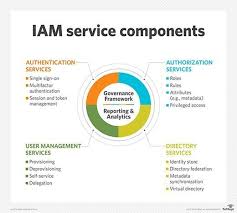
The Key Components of IAM

Effective IAM typically involves several key components, including:

  • Authentication: Verifying the identity of users through credentials such as passwords, biometrics, or security tokens.
  • Authorisation: Determining what resources or data users can access based on their roles or permissions.
  • Account Management: Creating, updating, and deleting user accounts securely to maintain accurate identity information.
  • Single Sign-On (SSO): Allowing users to access multiple applications with a single set of credentials for improved user experience.
  • Multifactor Authentication (MFA): Adding an extra layer of security by requiring users to provide multiple forms of verification.
  • Audit and Compliance: Monitoring user activities, generating reports, and ensuring compliance with regulations.

The Benefits of Implementing IAM

By adopting a comprehensive IAM strategy, organisations can enjoy various benefits:

  • Enhanced Security: IAM helps prevent data breaches, insider threats, and unauthorised access by enforcing strict access controls.
  • Improved Productivity: Streamlining user authentication processes reduces password fatigue and enhances overall efficiency.
  •  

    “Understanding the Three A’s: The Cornerstones of Identity and Access Management”

    3. “Fundamental Principles Underpinning Identity and Access Management (IAM)

    1. What are the four components of an identity and access management system?
    2. What are the three A’s of identity and access management?
    3. What are the principles of IAM?
    4. What is the role of IAM?

    What are the four components of an identity and access management system?

    In the realm of Identity and Access Management (IAM), understanding the four fundamental components of an IAM system is crucial for establishing robust security measures. These components include Authentication, Authorisation, Account Management, and Audit and Compliance. Authentication involves verifying the identity of users through various means such as passwords or biometrics. Authorisation determines the level of access users have to resources based on their roles or permissions. Account Management focuses on securely managing user accounts, including creation, updates, and deletions. Lastly, Audit and Compliance ensure that user activities are monitored, reports are generated, and regulatory requirements are met to maintain a secure and compliant environment.

    What are the three A’s of identity and access management?

    In the realm of Identity and Access Management (IAM), the concept of the three A’s holds significant importance. The three A’s refer to Authentication, Authorisation, and Accountability. Authentication involves verifying the identity of users through various means such as passwords or biometrics. Authorisation determines what resources or data users can access based on their roles and permissions. Accountability ensures that user actions are logged and auditable, promoting transparency and compliance within an organisation’s IAM framework. Understanding and implementing the three A’s of IAM is essential for maintaining a secure and efficient access control system in today’s digital landscape.

    What are the principles of IAM?

    The principles of Identity and Access Management (IAM) revolve around ensuring secure and efficient access to digital resources within an organisation. Key principles include the need for strong authentication methods to verify user identities, strict authorisation processes to control resource access based on roles and permissions, effective account management procedures for maintaining accurate user information, implementation of Single Sign-On (SSO) for seamless user experience across multiple applications, the use of Multifactor Authentication (MFA) for added security layers, and regular audit and compliance checks to monitor user activities and ensure adherence to regulations. By adhering to these IAM principles, organisations can establish a robust security framework that protects sensitive data while enabling smooth access for authorised users.

    What is the role of IAM?

    The role of Identity and Access Management (IAM) is pivotal in ensuring the security and integrity of digital assets within an organisation. IAM plays a crucial role in managing user identities, controlling access to resources, and enforcing security policies. By defining and enforcing who has access to what information, IAM helps prevent unauthorised access, data breaches, and insider threats. Additionally, IAM solutions streamline user authentication processes, enhance operational efficiency, and facilitate compliance with regulatory requirements. Overall, IAM serves as the cornerstone of effective cybersecurity strategies by providing a comprehensive framework for managing identities and access rights across the enterprise.

Latest articles

  • Enhancing Cyber Defence: Implementing the Best Network Security Practices
  • Enhancing Cyber Defence: The Role of Advanced Network Security Products
  • Enhancing Network Infrastructure Through Cloud Security Measures
  • Enhancing Business Resilience: The Critical Role of SaaS Cyber Security
  • Enhancing Cyber Defence: The Role of Network Security Companies in Safeguarding Digital Networks

Latest comments

  1. activedirectoryaudit on Discover the Top Active Directory Auditing Tools for Effective Security Monitoring
  2. вован казино сайт on Discover the Top Active Directory Auditing Tools for Effective Security Monitoring
  3. activedirectoryaudit on Mitigating the Impact of a Data Breach: Strategies for Businesses
  4. activedirectoryaudit on Enhancing Security Through Audit of User Account Management Group Policy Objects (GPO)
  5. activedirectoryaudit on Mitigating the Impact of Data Breaches: Strategies for Businesses in the UK

Archive

  • March 2026
  • February 2026
  • January 2026
  • December 2025
  • November 2025
  • October 2025
  • September 2025
  • August 2025
  • July 2025
  • June 2025
  • May 2025
  • April 2025
  • March 2025
  • February 2025
  • January 2025
  • December 2024
  • November 2024
  • October 2024
  • September 2024
  • August 2024
  • July 2024
  • June 2024
  • May 2024
  • April 2024
  • March 2024
  • February 2024

Categories

  • access management
  • access point
  • ad solutions
  • analytics seo
  • application software
  • audit board
  • auditboard
  • automic
  • aws
  • azure
  • backlink analysis
  • backlink check
  • backlink checker
  • backlink checker tool
  • backlink watch
  • backlinks checker
  • backlinkwatch
  • bad
  • bulk seo
  • business directories
  • ccna
  • change management
  • check
  • check backlinks
  • check point
  • checkers
  • checkers free
  • checkpoint
  • cisco
  • cloud
  • competitor analysis
  • compliance audit
  • compliance software
  • endpoint security
  • enterprise security
  • eset
  • free backlink tool
  • free backlinks
  • free keyword tool
  • gap
  • gartner
  • google
  • google analytics
  • google analytics checker
  • google search
  • gov
  • grc software
  • id solutions
  • identity management
  • internet of things
  • kaspersky
  • keyword analysis
  • keyword analysis tool
  • keyword checker
  • keyword research
  • keyword research tool
  • keyword tool
  • link analysis
  • link audit
  • link checker
  • link research tools
  • links analytics
  • local
  • local government
  • local government association
  • management
  • management audit
  • manager tools
  • monitoring tools
  • monitors
  • network security
  • norton
  • onetrust
  • open audit
  • openiam
  • private network
  • pulse network
  • pulse secure
  • pulsesecure
  • remote access vpn
  • research
  • screen
  • security service company
  • semrush
  • semrush free
  • seo
  • seo audit
  • seo audit tool
  • seo check
  • software
  • software as a service
  • ssl vpn
  • toxic links
  • ubiquiti
  • Uncategorized
  • unifi
  • used
  • virtual private network
  • wi public service
  • windows
  • windows server
  • zscaler
Copyright © 2026 activedirectoryaudit.com