
The Ever-Present Menace: Security Threats in Cyber Security
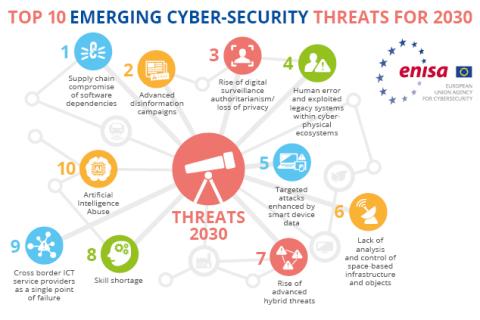
In today’s digital age, the importance of cyber security cannot be overstated. With the increasing reliance on technology for personal, professional, and governmental activities, the threat landscape has also evolved rapidly. Cyber criminals are constantly devising new ways to exploit vulnerabilities and compromise sensitive data. Understanding the various security threats is crucial for individuals and organisations to protect themselves effectively.
Common Types of Security Threats
Malware: Malicious software, such as viruses, worms, and ransomware, can infiltrate systems through email attachments, downloads, or compromised websites. Once inside a system, malware can steal data, disrupt operations, or even render the system unusable.
Phishing: Phishing attacks involve tricking individuals into providing sensitive information by posing as a trustworthy entity. These attacks often occur through deceptive emails or messages that appear legitimate but are designed to steal login credentials or financial details.
DDoS Attacks: Distributed Denial of Service (DDoS) attacks overwhelm a system with an excessive amount of traffic, causing it to become slow or unavailable. These attacks can disrupt online services and lead to financial losses for businesses.
The Impact of Security Threats
Cyber security threats can have far-reaching consequences beyond financial losses. Data breaches can result in reputational damage for organisations and undermine customer trust. Additionally, compromised systems may lead to regulatory fines for non-compliance with data protection laws.
Protecting Against Security Threats
To mitigate the risks posed by security threats, individuals and organisations should implement robust cyber security measures. This includes regularly updating software to patch known vulnerabilities, using strong passwords and multi-factor authentication, conducting employee training on recognising phishing attempts, and deploying firewalls and intrusion detection systems.
By staying informed about the latest security threats and taking proactive steps to enhance cyber security defences, individuals and organisations can better safeguard their digital assets from malicious actors.
Understanding and Mitigating Cyber Security Threats: A Guide to Common Questions and Effective Strategies
- What are common types of malware used in cyber security threats?
- How can individuals protect themselves from phishing attacks?
- What is a DDoS attack and how does it impact online services?
- What are the potential consequences of a data breach?
- Why is it important for organisations to stay updated on cyber security threats?
- What measures can businesses take to prevent ransomware attacks?
- How do hackers exploit vulnerabilities in software to launch cyber attacks?
- What role does employee training play in mitigating security threats?
- Are there regulations that mandate data protection practices to prevent security breaches?
What are common types of malware used in cyber security threats?
When it comes to security threats in cyber security, understanding the common types of malware is essential for safeguarding digital assets. Malware, short for malicious software, encompasses a variety of harmful programs designed to infiltrate systems and cause damage. Some prevalent types of malware used in cyber security threats include viruses, worms, and ransomware. Viruses attach themselves to legitimate files and replicate when executed, spreading throughout a system. Worms are self-replicating malware that can propagate across networks without user intervention. Ransomware encrypts files or locks users out of their systems until a ransom is paid. Being aware of these common types of malware empowers individuals and organisations to implement effective defences against cyber attacks.
How can individuals protect themselves from phishing attacks?
Phishing attacks are a prevalent threat in cyber security, often targeting individuals through deceptive emails or messages. To protect themselves from such attacks, individuals can take several proactive measures. Firstly, it is essential to verify the authenticity of emails and messages by checking the sender’s email address and scrutinising any suspicious links or attachments. Secondly, never disclose sensitive information such as passwords or financial details in response to unsolicited requests. Utilising spam filters and anti-phishing software can also help identify and block phishing attempts. Lastly, staying informed about common phishing tactics and regularly educating oneself on best practices for online security can further enhance protection against these malicious attacks. By remaining vigilant and implementing these preventive measures, individuals can significantly reduce their vulnerability to phishing threats in the digital realm.
What is a DDoS attack and how does it impact online services?
A Distributed Denial of Service (DDoS) attack is a malicious attempt to disrupt the normal functioning of an online service by overwhelming it with a flood of traffic from multiple sources. This flood of traffic, often generated by a network of compromised devices controlled by the attacker, can consume the target’s bandwidth and resources, making the service slow or completely unavailable to legitimate users. The impact of a DDoS attack on online services can be severe, leading to downtime, loss of revenue, damage to reputation, and potential data breaches. Businesses and organisations must have robust DDoS mitigation strategies in place to detect and mitigate such attacks effectively in order to maintain the availability and reliability of their online services.
What are the potential consequences of a data breach?
A data breach can have severe repercussions, ranging from financial losses to reputational damage. When sensitive information is compromised, individuals and organisations may face legal consequences, such as fines for non-compliance with data protection regulations. Moreover, the trust and confidence of customers and stakeholders can be significantly eroded, leading to long-term harm to the brand’s reputation. Data breaches also open the door to identity theft, fraud, and other cyber crimes, putting individuals at risk of personal harm. Therefore, the potential consequences of a data breach underscore the critical importance of robust cyber security measures to prevent such incidents and protect valuable data assets.
Why is it important for organisations to stay updated on cyber security threats?
In the realm of cyber security, it is paramount for organisations to stay updated on emerging threats due to the ever-evolving nature of cyber attacks. By remaining vigilant and informed about the latest tactics used by malicious actors, organisations can proactively fortify their defences and mitigate potential risks. Understanding current cyber security threats allows businesses to adapt their security measures accordingly, identify vulnerabilities in their systems, and implement timely safeguards to protect sensitive data and maintain operational continuity. Regular updates on cyber security threats enable organisations to stay one step ahead of cyber criminals and uphold the integrity of their digital assets and reputation.
What measures can businesses take to prevent ransomware attacks?
In the face of rising ransomware attacks, businesses can implement several key measures to enhance their defences and mitigate the risk of falling victim to such malicious threats. Firstly, regular employee training on identifying phishing emails and suspicious links can help prevent initial entry points for ransomware. Secondly, maintaining up-to-date antivirus software and firewalls, along with regular system updates to patch vulnerabilities, is crucial in bolstering overall cyber security resilience. Additionally, implementing data backup protocols and storing backups offline can provide a safety net in case of a ransomware attack, enabling businesses to recover critical data without succumbing to extortion demands. Lastly, establishing incident response plans and conducting regular security assessments can further strengthen a business’s readiness to combat ransomware attacks effectively.
How do hackers exploit vulnerabilities in software to launch cyber attacks?
Hackers exploit vulnerabilities in software to launch cyber attacks by identifying weaknesses or flaws in the code that can be manipulated to gain unauthorised access or disrupt system operations. They often use techniques such as scanning for known vulnerabilities, reverse engineering software to find hidden weaknesses, or employing social engineering tactics to trick users into unwittingly providing access. Once a vulnerability is identified, hackers can exploit it by deploying malware, executing denial-of-service attacks, or stealing sensitive data. It is crucial for software developers and users to stay vigilant and promptly address any identified vulnerabilities through patches and updates to prevent potential cyber attacks.
What role does employee training play in mitigating security threats?
Employee training plays a crucial role in mitigating security threats in cyber security. By educating employees on best practices for identifying and responding to potential threats, organisations can significantly reduce the risk of successful cyber attacks. Training helps employees recognise phishing emails, avoid clicking on suspicious links, and understand the importance of maintaining strong passwords. Additionally, well-informed employees are more likely to report security incidents promptly, enabling swift action to contain and mitigate potential breaches. Investing in comprehensive and ongoing training programmes empowers employees to become proactive defenders of organisational cyber security, ultimately strengthening the overall resilience of the business against evolving threats.
Are there regulations that mandate data protection practices to prevent security breaches?
In the realm of cyber security, one frequently asked question revolves around regulations that mandate data protection practices to prevent security breaches. The answer is affirmative, as various regulatory bodies worldwide have established frameworks and laws to enforce data protection standards. For instance, the General Data Protection Regulation (GDPR) in the European Union sets stringent requirements for handling personal data to safeguard individuals’ privacy rights. Similarly, in the United States, laws like the Health Insurance Portability and Accountability Act (HIPAA) and the California Consumer Privacy Act (CCPA) impose obligations on organisations to implement measures that mitigate security risks and protect sensitive information from breaches. Compliance with these regulations is crucial for businesses to avoid penalties and uphold trust with their customers regarding data security.