
The Importance of Network Security Solutions
In today’s digital age, where businesses rely heavily on technology to operate efficiently, network security has become a top priority. With the increasing number of cyber threats and data breaches, implementing robust network security solutions is essential to safeguard sensitive information and maintain the integrity of your IT infrastructure.
Types of Network Security Solutions
There are various types of network security solutions available to protect your organisation from cyber attacks:
- Firewalls: Firewalls act as a barrier between your internal network and external threats. They monitor incoming and outgoing network traffic based on predetermined security rules to prevent unauthorised access.
- Antivirus Software: Antivirus software detects and removes malicious software such as viruses, worms, and trojans from your network devices to prevent them from causing harm.
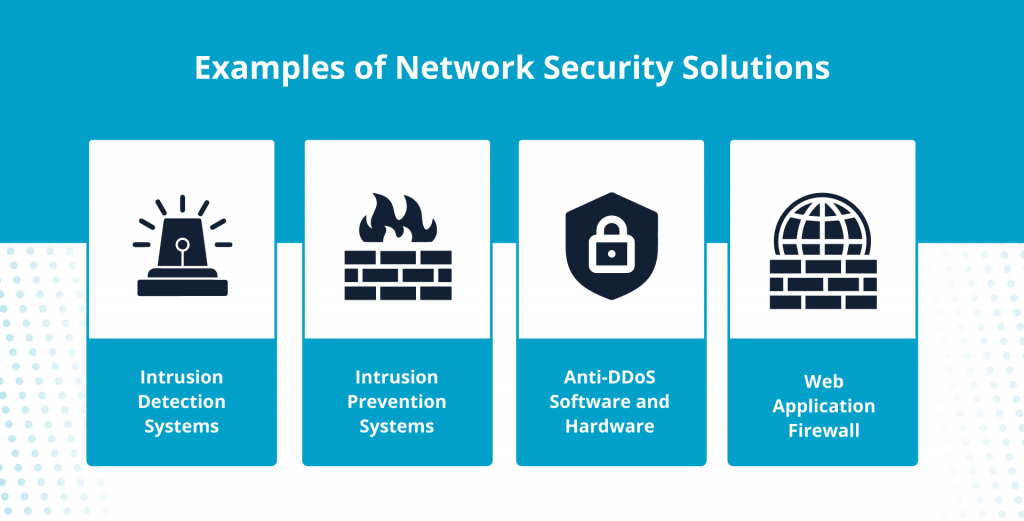
- Intrusion Detection Systems (IDS) and Intrusion Prevention Systems (IPS): IDS monitor network traffic for suspicious activities or known attack patterns, while IPS can automatically block or mitigate identified threats in real-time.
- Virtual Private Networks (VPNs): VPNs encrypt data transmitted over public networks, ensuring secure communication between remote users and the corporate network.
- Data Loss Prevention (DLP): DLP solutions help prevent the unauthorised transfer of sensitive data by monitoring, detecting, and blocking data leaks.
The Benefits of Network Security Solutions
Implementing effective network security solutions offers numerous benefits to organisations:
- Data Protection: Secure networks protect confidential information from being accessed by unauthorised users.
- Regulatory Compliance: Many industries have specific regulations regarding data security. Network security solutions help ensure compliance with these requirements.
- Business Continuity: By preventing cyber attacks and downtime caused by security breaches, network security solutions help maintain business operations without disruption.
- Cyber Threat Mitigation: Proactive monitoring and threat detection capabilities help organisations identify and respond to potential cyber threats before they cause significant damage.
In Conclusion
In conclusion, investing in comprehensive network security solutions is crucial for protecting your organisation’s digital assets and maintaining a secure environment. By implementing a combination of firewalls, antivirus software, intrusion detection systems, VPNs, and other tools, you can significantly reduce the risk of cyber attacks and safeguard your business from potential threats. Prioritising network security not only protects your data but also enhances trust with customers and partners by demonstrating a commitment to safeguarding their information.
Top 5 Essential Network Security Solutions for Enhanced Protection
- Ensure all devices are equipped with updated antivirus software.
- Implement strong password policies and use multi-factor authentication where possible.
- Regularly update and patch all software and firmware to protect against known vulnerabilities.
- Encrypt sensitive data both in transit and at rest to prevent unauthorised access.
- Monitor network traffic for any suspicious activity or anomalies that may indicate a security breach.
Ensure all devices are equipped with updated antivirus software.
To enhance network security, it is crucial to ensure that all devices within the network are equipped with updated antivirus software. Antivirus software plays a vital role in detecting and removing malicious threats that could compromise the integrity of the network. By regularly updating antivirus software on all devices, organisations can effectively mitigate the risk of malware infections and cyber attacks, safeguarding sensitive data and maintaining a secure network environment.
Implement strong password policies and use multi-factor authentication where possible.
To enhance network security, it is crucial to implement robust password policies and utilise multi-factor authentication whenever feasible. Strong password policies, including requirements for complex and unique passwords, help prevent unauthorised access to sensitive information. Additionally, incorporating multi-factor authentication adds an extra layer of security by requiring users to provide multiple forms of verification before accessing systems or data. By combining these practices, organisations can significantly strengthen their defences against cyber threats and protect their networks from potential breaches.
Regularly update and patch all software and firmware to protect against known vulnerabilities.
It is crucial to regularly update and patch all software and firmware within your network security solutions to mitigate known vulnerabilities effectively. By staying current with updates, you ensure that any identified weaknesses or bugs are addressed promptly, reducing the risk of exploitation by cyber attackers. Keeping your systems up-to-date not only enhances their overall security posture but also demonstrates a proactive approach to safeguarding your network against potential threats.
Encrypt sensitive data both in transit and at rest to prevent unauthorised access.
To enhance network security, it is crucial to encrypt sensitive data both in transit and at rest. Encrypting data in transit ensures that information exchanged between devices or networks is secure and cannot be intercepted by malicious actors. Similarly, encrypting data at rest protects stored information from unauthorised access, adding an extra layer of defence against potential breaches. By implementing robust encryption protocols, organisations can significantly reduce the risk of data theft and maintain the confidentiality and integrity of their critical data assets.
Monitor network traffic for any suspicious activity or anomalies that may indicate a security breach.
Monitoring network traffic for any suspicious activity or anomalies is a critical aspect of effective network security solutions. By continuously monitoring the flow of data within your network, organisations can proactively identify potential security breaches and take immediate action to mitigate risks. Detecting unusual patterns or unauthorised access attempts in real-time allows for timely intervention, preventing cyber threats from causing significant harm. This proactive approach to monitoring network traffic not only strengthens the overall security posture but also helps maintain the integrity and confidentiality of sensitive information within the organisation’s IT infrastructure.