
The Ever-Evolving Landscape of Cyber Threats
In today’s digital age, the threat landscape for cybersecurity is constantly evolving, with cybercriminals becoming increasingly sophisticated in their tactics. It is crucial for individuals and organisations to stay informed about the latest cyber threats to protect themselves from potential attacks.
Ransomware Attacks on the Rise
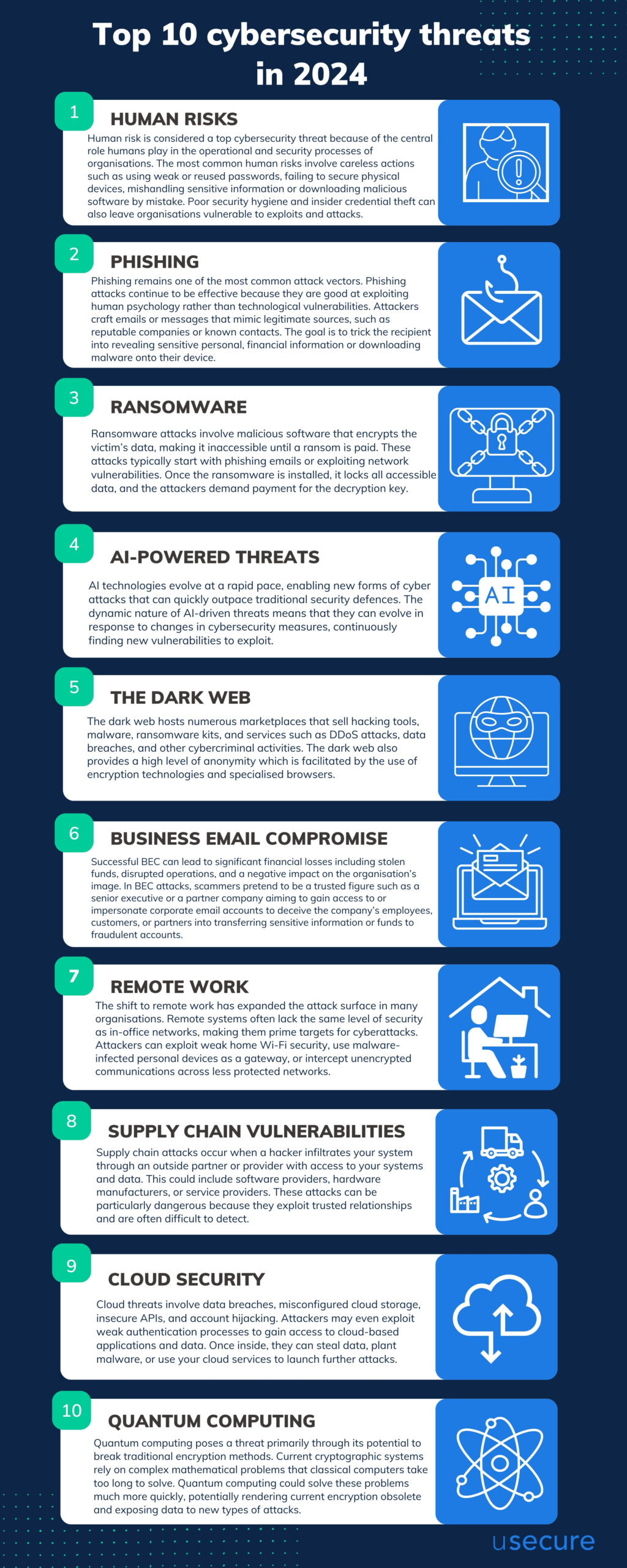
Ransomware attacks have been a prevalent threat in recent years, with cybercriminals using malicious software to encrypt data and demand ransom payments for its release. These attacks can cripple businesses and individuals, causing significant financial losses and reputational damage.
Phishing Scams Targeting Personal Information
Phishing scams remain a common method used by cybercriminals to trick individuals into revealing sensitive information such as login credentials and financial details. These scams often involve fraudulent emails or websites that appear legitimate, making it essential for users to exercise caution when sharing personal information online.
Data Breaches and Identity Theft
Data breaches continue to pose a significant threat, with cybercriminals targeting organisations to steal sensitive data such as customer information and intellectual property. The stolen data can be used for identity theft, financial fraud, or sold on the dark web, highlighting the importance of robust cybersecurity measures.
IOT Vulnerabilities Exploited by Cybercriminals
The proliferation of Internet of Things (IoT) devices has introduced new security challenges, as these connected devices often lack adequate security features. Cybercriminals can exploit vulnerabilities in IoT devices to launch attacks on networks or compromise user privacy, emphasising the need for enhanced IoT security protocols.
Protecting Against Cyber Threats
To mitigate the risks posed by cyber threats, individuals and organisations should implement proactive cybersecurity measures such as using strong passwords, keeping software up-to-date, and investing in reliable security solutions. Staying informed about the latest cyber threats and adopting a vigilant approach to online security are essential steps towards safeguarding against potential attacks.
Top 5 Tips to Safeguard Against the Latest Cyber Threats
- Keep your software and operating systems up to date to prevent vulnerabilities that can be exploited by cyber attackers.
- Be cautious of phishing emails and messages that may trick you into revealing sensitive information or downloading malicious attachments.
- Use strong, unique passwords for each of your online accounts to reduce the risk of unauthorized access.
- Enable two-factor authentication whenever possible to add an extra layer of security to your accounts.
- Regularly back up your important data to a secure location in case of ransomware attacks or data breaches.
Keep your software and operating systems up to date to prevent vulnerabilities that can be exploited by cyber attackers.
Keeping your software and operating systems up to date is a crucial step in safeguarding against the latest cyber threats. By regularly applying software updates and patches, you can address known vulnerabilities that cyber attackers may exploit to gain unauthorized access to your systems or data. Proactively updating your software not only enhances the overall security posture of your devices but also reduces the risk of falling victim to malicious activities such as ransomware attacks, phishing scams, and data breaches. Prioritising software updates is a simple yet effective way to bolster your defences against evolving cyber threats and minimise the potential impact of security breaches on your digital assets.
Be cautious of phishing emails and messages that may trick you into revealing sensitive information or downloading malicious attachments.
It is crucial to exercise caution when dealing with phishing emails and messages, as they can deceive individuals into disclosing sensitive information or downloading harmful attachments. Cybercriminals often use sophisticated tactics to make these communications appear legitimate, making it essential for recipients to scrutinise such messages carefully. By remaining vigilant and refraining from clicking on suspicious links or providing personal details in response to unsolicited requests, individuals can mitigate the risk of falling victim to phishing scams and protect themselves from potential cyber threats.
Use strong, unique passwords for each of your online accounts to reduce the risk of unauthorized access.
Using strong, unique passwords for each of your online accounts is a crucial step in mitigating the risk of unauthorised access and protecting your sensitive information from cyber threats. By creating complex passwords that are unique to each account, you significantly enhance the security of your online presence, making it more challenging for cybercriminals to compromise multiple accounts if one password is breached. Implementing this practice not only strengthens your defences against potential attacks but also reinforces the importance of proactive cybersecurity measures in safeguarding your digital identity and privacy.
Enable two-factor authentication whenever possible to add an extra layer of security to your accounts.
Enabling two-factor authentication whenever possible is a crucial step in enhancing the security of your online accounts. By requiring an additional verification method beyond just a password, such as a unique code sent to your mobile device, two-factor authentication significantly reduces the risk of unauthorised access to your accounts. This extra layer of security can help safeguard your personal information and sensitive data from cyber threats, providing you with added peace of mind when navigating the digital landscape.
Regularly back up your important data to a secure location in case of ransomware attacks or data breaches.
Regularly backing up your important data to a secure location is a crucial step in safeguarding against the growing threat of ransomware attacks and data breaches. By maintaining up-to-date backups, individuals and organisations can mitigate the impact of potential cyber incidents, ensuring that vital information remains accessible even in the event of an attack. This proactive measure not only protects valuable data but also provides peace of mind knowing that critical information is securely stored and can be restored if needed.