
The Importance of Using a Keyword Gap Analysis Tool
In the competitive landscape of digital marketing, understanding your competitors’ strategies and identifying opportunities for growth is crucial. One effective way to achieve this is through the use of a keyword gap analysis tool.
What is a Keyword Gap Analysis Tool?
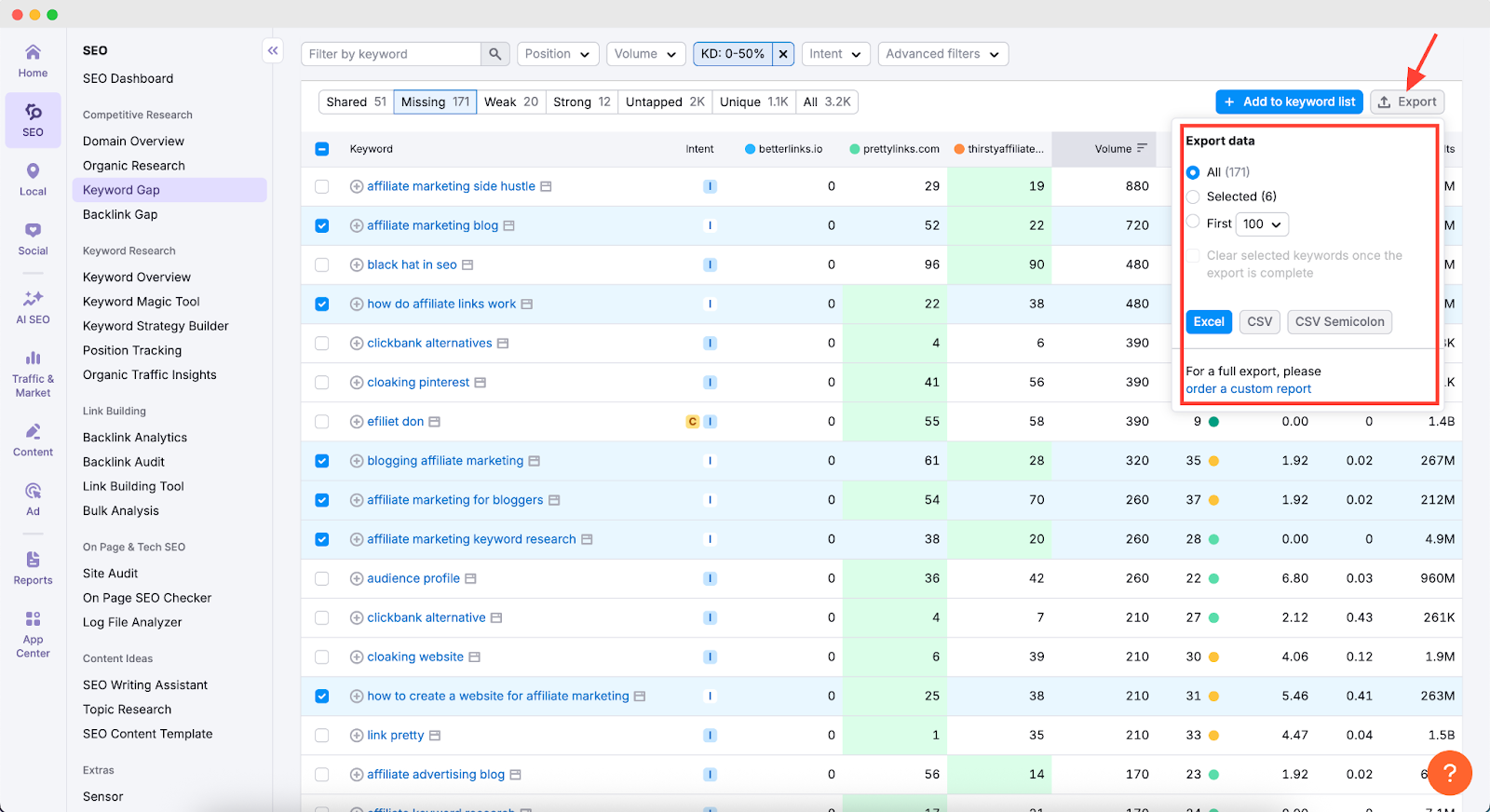
A keyword gap analysis tool is a valuable instrument that allows you to compare your website’s keywords with those of your competitors. By conducting a thorough analysis, you can uncover keywords that your competitors are ranking for but you are not. This information provides insights into areas where you may be missing out on potential traffic and allows you to adjust your SEO strategy accordingly.
The Benefits of Using a Keyword Gap Analysis Tool:
- Identifying Untapped Opportunities: By identifying keywords that your competitors are ranking for but you are not, you can uncover new opportunities to target relevant search terms and attract more organic traffic to your website.
- Improving SEO Strategy: Armed with the data from a keyword gap analysis tool, you can refine your SEO strategy by incorporating high-performing keywords that align with your business objectives and target audience.
- Gaining Competitive Advantage: Understanding where your competitors excel in terms of keyword rankings can help you differentiate your brand and gain a competitive edge in the market.
- Enhancing Content Strategy: By identifying gaps in your keyword coverage, you can create targeted content that addresses these areas and improves the relevance and visibility of your website.
Conclusion
A keyword gap analysis tool is an essential asset for any digital marketer looking to enhance their SEO performance and stay ahead of the competition. By leveraging this tool effectively, you can uncover valuable insights, optimise your keyword strategy, and drive organic growth for your online presence.
Maximising SEO Success: 9 Benefits of Using a Keyword Gap Analysis Tool
- Identifies untapped keyword opportunities
- Helps refine SEO strategy for better performance
- Provides insights into competitor keyword rankings
- Allows for targeted content creation based on identified gaps
- Enhances visibility in search engine results pages (SERPs)
- Aids in gaining a competitive advantage in the market
- Improves overall website traffic and organic search performance
- Enables better understanding of target audience search behaviour
- Facilitates continuous monitoring and adjustment of keyword strategies
Challenges and Limitations of Keyword Gap Analysis Tools: Costs, Time, and Data Reliability
- May require additional cost for premium tools offering comprehensive keyword analysis
- Time-consuming process to manually review and analyse keyword data
- Dependence on accurate and up-to-date data from the tool for effective analysis
- Potential limitations in the number of competitors that can be compared simultaneously
- Difficulty in interpreting and prioritising the identified keyword gaps for actionable insights
- Risk of overlooking long-tail keywords or niche terms that may be valuable but not captured by the tool
- Possible discrepancies in keyword rankings between different tools, leading to inconsistent results
Identifies untapped keyword opportunities
One significant advantage of using a keyword gap analysis tool is its ability to identify untapped keyword opportunities. By comparing your website’s keywords with those of your competitors, this tool can reveal specific search terms that your competitors are ranking for but you are not. This valuable insight enables you to pinpoint areas where you can expand your keyword strategy, target relevant search terms, and attract additional organic traffic to your website. By leveraging these untapped keyword opportunities, you can enhance your SEO performance and increase visibility in search engine results, ultimately driving growth and engagement for your online presence.
Helps refine SEO strategy for better performance
Utilising a keyword gap analysis tool can significantly enhance SEO strategy by providing valuable insights into areas where improvements can be made. By identifying keywords that competitors are ranking for but the website is not, businesses can refine their SEO approach to target high-performing keywords that align with their objectives and audience. This process enables a more targeted and effective strategy, ultimately leading to improved search engine performance and increased visibility in search results.
Provides insights into competitor keyword rankings
A significant advantage of using a keyword gap analysis tool is its ability to provide valuable insights into competitor keyword rankings. By comparing your website’s keyword performance with that of your competitors, you can identify specific keywords that they are ranking for but you are not. This information allows you to understand where your competitors are excelling in terms of search visibility and adjust your SEO strategy accordingly to capture similar opportunities and improve your own keyword rankings.
Allows for targeted content creation based on identified gaps
One significant advantage of using a keyword gap analysis tool is that it enables businesses to create targeted content by identifying gaps in their keyword coverage. By pinpointing the keywords that competitors are ranking for but they are not, organisations can tailor their content strategy to address these specific areas. This approach ensures that the content produced is highly relevant to the target audience and aligns with SEO best practices, ultimately improving visibility and driving organic traffic to their website.
Enhances visibility in search engine results pages (SERPs)
Utilising a keyword gap analysis tool can significantly boost a website’s visibility in search engine results pages (SERPs). By identifying and incorporating relevant keywords that competitors are ranking for but the website is not, businesses can strategically enhance their SEO efforts to target high-performing search terms. This proactive approach not only increases the chances of appearing in SERPs for a wider range of queries but also improves the overall visibility and reach of the website, ultimately driving more organic traffic and potential leads to the site.
Aids in gaining a competitive advantage in the market
Utilising a keyword gap analysis tool can significantly aid businesses in gaining a competitive advantage within their market. By identifying the keywords that competitors are ranking for but the business is not, organisations can strategically adjust their SEO tactics to target these valuable search terms. This proactive approach enables companies to differentiate themselves, enhance their online visibility, and attract a larger share of relevant organic traffic. Ultimately, leveraging a keyword gap analysis tool empowers businesses to stay ahead of the competition and strengthen their position in the digital landscape.
Improves overall website traffic and organic search performance
By utilising a keyword gap analysis tool, websites can significantly enhance their overall traffic and organic search performance. This tool allows businesses to identify untapped keyword opportunities that their competitors are leveraging, enabling them to optimise their SEO strategy and target relevant search terms effectively. By bridging the keyword gaps, websites can attract more organic traffic, improve their search engine rankings, and ultimately drive increased visibility and engagement across their online platforms.
Enables better understanding of target audience search behaviour
An essential benefit of utilising a keyword gap analysis tool is its capability to enhance the understanding of target audience search behaviour. By comparing the keywords your competitors are ranking for with your own, you can gain valuable insights into the specific search terms and phrases that resonate with your target audience. This information allows you to tailor your SEO strategy to align more closely with the search behaviour of your audience, ultimately improving the relevance and visibility of your website in search engine results.
Facilitates continuous monitoring and adjustment of keyword strategies
Facilitates continuous monitoring and adjustment of keyword strategies: One significant advantage of using a keyword gap analysis tool is its ability to enable ongoing monitoring and adjustment of keyword strategies. By regularly analysing the keywords that your competitors are ranking for but you are not, you can stay agile in adapting your SEO approach to remain competitive. This proactive monitoring allows you to identify emerging trends, adjust your target keywords, and refine your content strategy to ensure optimal performance in search engine rankings. Ultimately, the tool empowers you to make informed decisions and keep your keyword strategies aligned with evolving market dynamics.
May require additional cost for premium tools offering comprehensive keyword analysis
One drawback of utilising a keyword gap analysis tool is that obtaining a more comprehensive keyword analysis may necessitate investing in premium tools, leading to additional costs. While basic tools may provide some insights, the full scope of competitive keyword data and advanced features often require upgrading to premium versions. This can pose a financial challenge for businesses operating on tight budgets or seeking cost-effective solutions for their SEO strategies. Therefore, the potential need for additional expenditure on premium tools offering in-depth keyword analysis is a notable con to consider when utilising keyword gap analysis tools.
Time-consuming process to manually review and analyse keyword data
One significant drawback of using a keyword gap analysis tool is the time-consuming process involved in manually reviewing and analysing keyword data. Conducting a thorough analysis requires combing through extensive lists of keywords, comparing them with competitors’ data, and identifying gaps and opportunities. This manual review can be labour-intensive and may consume valuable resources that could be allocated to other marketing efforts. Moreover, the time required for this process may delay the implementation of necessary SEO adjustments, potentially impacting the timeliness and effectiveness of your overall digital marketing strategy.
Dependence on accurate and up-to-date data from the tool for effective analysis
A significant drawback of relying on a keyword gap analysis tool is the inherent dependence on accurate and up-to-date data provided by the tool for effective analysis. Inaccurate or outdated information can lead to misguided strategic decisions, as the success of the analysis hinges on the reliability of the data. Without precise data, marketers may overlook critical keyword opportunities or base their strategies on flawed insights, ultimately hindering their SEO efforts and competitive positioning. Therefore, ensuring the tool’s data accuracy and timeliness is paramount to deriving meaningful conclusions and maximising the tool’s potential benefits.
Potential limitations in the number of competitors that can be compared simultaneously
One notable drawback of using a keyword gap analysis tool is the potential limitation in the number of competitors that can be compared simultaneously. This constraint may restrict the depth of competitive insights that can be gathered, as analysing only a limited set of competitors may not provide a comprehensive view of the competitive landscape. In highly competitive industries with numerous players vying for visibility, this limitation could hinder the ability to identify all relevant keyword opportunities and fully understand the strategies employed by a broader range of competitors. As a result, users of such tools may need to carefully select and prioritise which competitors to analyse, potentially overlooking valuable data from lesser-known or emerging competitors that could impact their SEO strategy.
Difficulty in interpreting and prioritising the identified keyword gaps for actionable insights
One significant drawback of using a keyword gap analysis tool is the challenge associated with interpreting and prioritising the identified keyword gaps to derive actionable insights. While the tool can provide a wealth of data on keywords that competitors are ranking for but you are not, making sense of this information and determining which gaps to address first can be complex. Without a clear strategy for prioritisation, businesses may struggle to effectively utilise the insights gained from the analysis, leading to inefficiencies in their SEO efforts. This difficulty in interpretation and prioritisation underscores the importance of not just collecting data but also having a well-defined plan for implementing changes based on the findings.
Risk of overlooking long-tail keywords or niche terms that may be valuable but not captured by the tool
One notable drawback of using a keyword gap analysis tool is the risk of overlooking long-tail keywords or niche terms that may hold significant value but are not captured by the tool’s analysis. These specific and often less competitive keywords can be crucial in attracting highly targeted traffic to a website. By focusing solely on mainstream keywords identified by the tool, there is a possibility of missing out on valuable opportunities to cater to niche audiences and improve overall search visibility. Therefore, it is essential for digital marketers to supplement their keyword research with additional methods to ensure comprehensive coverage across all potential search terms.
Possible discrepancies in keyword rankings between different tools, leading to inconsistent results
One significant drawback of using keyword gap analysis tools is the potential for discrepancies in keyword rankings across different tools, resulting in inconsistent results. This inconsistency can arise due to variations in algorithms, data sources, or methodologies used by different tools to track and analyse keyword performance. As a result, marketers may encounter challenges in accurately identifying gaps in their keyword strategy and making informed decisions based on conflicting data. It is essential for users of keyword analysis tools to be aware of these discrepancies and exercise caution when interpreting and acting upon the results to ensure the effectiveness of their SEO efforts.