
The Importance of IT Infrastructure Services in Today’s Business Landscape
In the modern digital age, having a robust and reliable IT infrastructure is crucial for the success of any business. IT infrastructure services encompass a wide range of offerings that support the technology needs of organisations, from small businesses to large enterprises. These services are designed to ensure that a company’s IT systems operate efficiently, securely, and in alignment with its business goals.
Key Components of IT Infrastructure Services
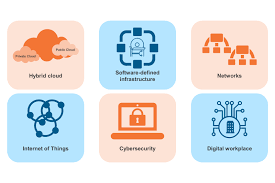
IT infrastructure services typically include network management, data storage and backup solutions, cloud computing services, cybersecurity measures, hardware and software maintenance, and technical support. These components work together to create a stable and secure environment for an organisation’s digital operations.
The Benefits of Outsourcing IT Infrastructure Services
Many businesses choose to outsource their IT infrastructure services to specialised providers for several reasons. Outsourcing allows companies to access expertise that may not be available in-house, reduce operational costs by only paying for the services they need, improve scalability and flexibility in adapting to changing technology requirements, and enhance overall efficiency by freeing up internal resources to focus on core business activities.
Trends Shaping the Future of IT Infrastructure Services
As technology continues to evolve rapidly, several trends are shaping the future of IT infrastructure services. These include the increasing adoption of cloud-based solutions for greater agility and cost-effectiveness, the rise of artificial intelligence and automation tools for enhanced system monitoring and management, the growing importance of cybersecurity measures in response to cyber threats, and the emphasis on sustainability through energy-efficient data centres and eco-friendly practices.
Conclusion
In conclusion, IT infrastructure services play a vital role in supporting the digital operations of businesses across industries. By investing in reliable IT infrastructure services and staying abreast of emerging trends, organisations can ensure that their technology environments remain secure, efficient, and adaptable to future challenges. Whether through outsourcing or building internal capabilities, prioritising IT infrastructure is key to driving innovation and maintaining a competitive edge in today’s dynamic business landscape.
Understanding IT Infrastructure Services: Key Areas, Roles, and Components
- What are the three main areas of IT infrastructure?
- What is the role of IT infrastructure services?
- What are the 3 types of IT infrastructure?
- What are the 7 domains of IT infrastructure?
- Which are examples of IT infrastructure?
- What are the 7 components of IT infrastructure?
- What are the 3 primary components of IT infrastructure?
What are the three main areas of IT infrastructure?
When considering IT infrastructure services, it is essential to understand the three main areas that form the foundation of a robust technological environment. These areas include networking, which encompasses the hardware and software components that enable communication and data exchange within an organisation; computing, which involves servers, storage devices, and virtualisation technologies to support data processing and storage needs; and security, focusing on safeguarding digital assets through measures such as firewalls, encryption, access controls, and threat detection systems. A well-rounded IT infrastructure strategy addresses these key areas to ensure a secure, efficient, and resilient technology ecosystem for business operations.
What is the role of IT infrastructure services?
The role of IT infrastructure services is pivotal in supporting the technological framework that underpins the operations of modern businesses. These services encompass a wide array of functions, including network management, data storage, cybersecurity, cloud computing, and technical support. Essentially, IT infrastructure services ensure that an organisation’s digital systems operate efficiently, securely, and in alignment with its strategic objectives. By providing the necessary tools and resources to maintain and enhance IT environments, these services enable businesses to streamline processes, improve productivity, adapt to technological advancements, and ultimately drive business growth and success in today’s competitive landscape.
What are the 3 types of IT infrastructure?
In the realm of IT infrastructure services, one frequently asked question revolves around the classification of IT infrastructure into three distinct types. These types include physical infrastructure, which encompasses hardware components such as servers, networking devices, and storage systems; digital infrastructure, which refers to software applications, databases, and virtualised environments that support digital operations; and human infrastructure, comprising the skilled professionals who manage and maintain the IT systems. Understanding these three types of IT infrastructure is crucial for organisations seeking to build a comprehensive and efficient technology environment that meets their business objectives.
What are the 7 domains of IT infrastructure?
The seven domains of IT infrastructure refer to the key areas that make up a comprehensive IT environment within an organisation. These domains include networking, hardware, software, data, security, people, and processes. Networking involves the connections and communication pathways that enable data exchange. Hardware encompasses physical devices such as servers, computers, and peripherals. Software refers to applications and programs used to perform tasks. Data involves the storage and management of information. Security focuses on protecting systems and data from threats. People are the individuals who manage and use IT resources. Processes are the procedures and protocols that govern IT operations. Understanding and effectively managing these seven domains is essential for maintaining a resilient and efficient IT infrastructure that supports business objectives.
Which are examples of IT infrastructure?
In the realm of IT infrastructure services, examples of essential components include networking equipment such as routers, switches, and firewalls that facilitate data communication within an organisation. Servers play a pivotal role in storing and processing data, while storage devices like hard drives and cloud storage solutions ensure data accessibility and security. Additionally, software applications, operating systems, and virtualisation technologies form part of the IT infrastructure ecosystem, enabling efficient operations and seamless user experiences. These examples collectively form the backbone of an organisation’s IT infrastructure, supporting its digital operations and strategic objectives.
What are the 7 components of IT infrastructure?
When discussing IT infrastructure services, a commonly asked question revolves around the essential components that make up an organisation’s IT environment. The 7 key components of IT infrastructure typically include networking hardware, such as routers and switches, data storage devices for storing and managing information, servers that host applications and data, software applications that enable various functions, security measures to protect against threats, cloud services for scalability and flexibility, and IT support services to ensure smooth operations and address technical issues promptly. Understanding these fundamental components is crucial for building a resilient and efficient IT infrastructure that supports the digital needs of modern businesses.
What are the 3 primary components of IT infrastructure?
In the realm of IT infrastructure services, understanding the fundamental components is essential for building a strong technological foundation. When asked about the three primary components of IT infrastructure, it typically refers to networking hardware, such as routers and switches that facilitate communication between devices; server systems that store and process data, applications, and services; and data storage solutions for securely storing and managing vast amounts of information. These three core elements work in tandem to create a reliable and efficient IT infrastructure that supports the digital operations of businesses effectively.