
The Importance of Identity Services in Today’s Digital World
In the fast-paced and interconnected digital landscape of today, the need for robust identity services has never been more critical. Identity services play a crucial role in ensuring secure access to various online resources while safeguarding sensitive information from cyber threats.
Enhanced Security
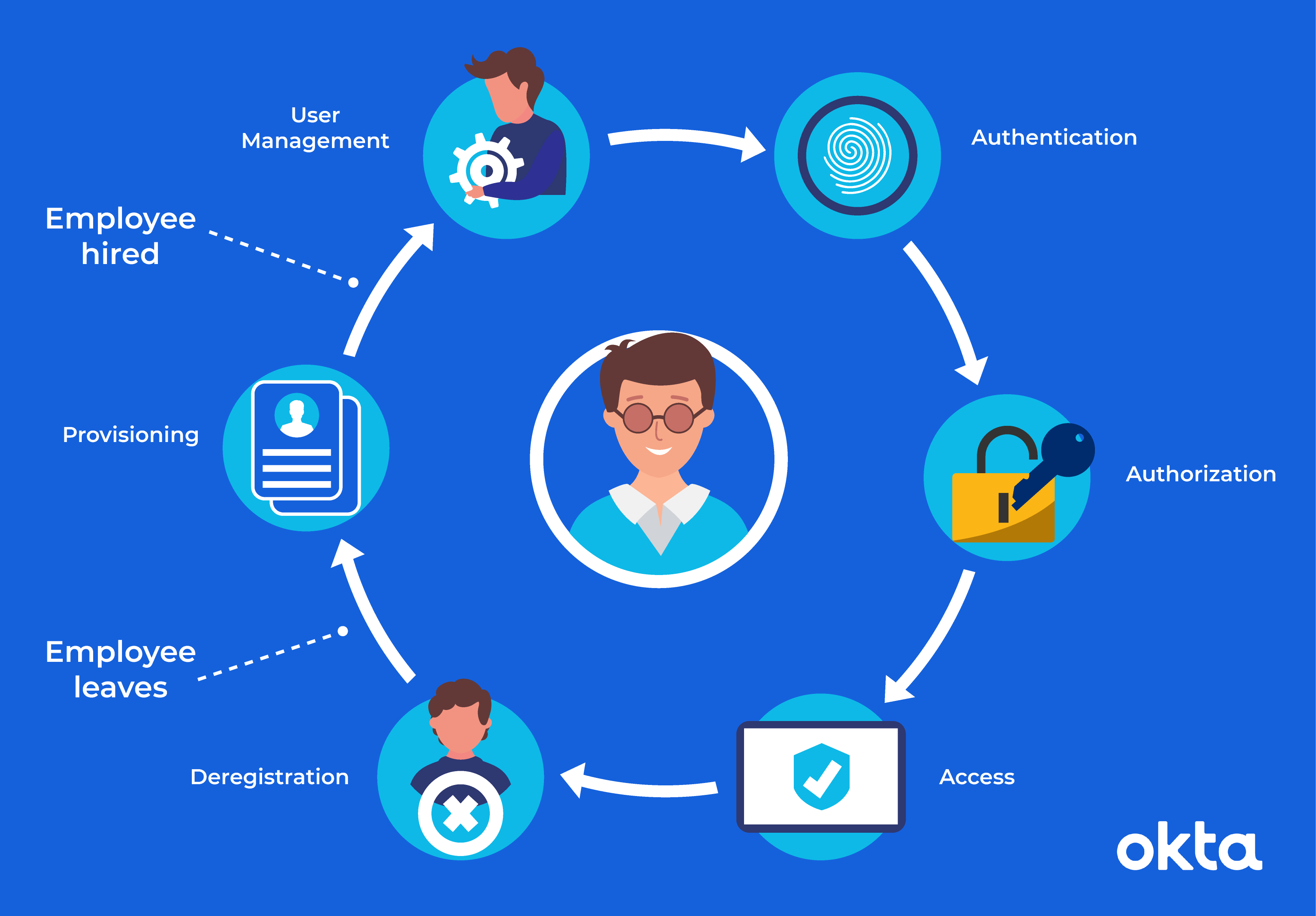
Identity services provide a secure framework for managing user identities, authentication, and authorisation. By implementing multi-factor authentication, encryption protocols, and access controls, organisations can significantly reduce the risk of unauthorised access to their systems and data.
Improved User Experience
Efficient identity services streamline user authentication processes, making it easier for individuals to access the resources they need quickly. Single sign-on capabilities enable users to navigate seamlessly across different platforms without the hassle of repeated logins, enhancing productivity and user experience.
Regulatory Compliance
With stringent data protection regulations such as GDPR and HIPAA in place, organisations must ensure that they adhere to compliance requirements concerning user data privacy and security. Identity services offer features such as audit trails and role-based access control to help businesses demonstrate compliance with regulatory standards.
Risk Mitigation
Identity services help mitigate risks associated with insider threats, phishing attacks, and credential theft by implementing advanced security measures. By monitoring user activities and detecting anomalies in real-time, organisations can proactively identify and respond to potential security breaches before they escalate.
Scalability and Flexibility
Scalable identity services cater to the evolving needs of businesses by accommodating growth, mergers, or changes in organisational structure. Cloud-based identity solutions offer flexibility and accessibility across diverse devices and locations, empowering enterprises to adapt to dynamic business environments with ease.
Conclusion
In conclusion, identity services are indispensable tools for modern organisations seeking to establish a secure digital presence while enhancing operational efficiency. By investing in robust identity management solutions, businesses can fortify their defences against cyber threats, improve user experiences, ensure regulatory compliance, and foster sustainable growth in an increasingly digital world.
Top 5 Essential Tips for Enhancing Identity Services Security
- Ensure strong authentication methods are in place, such as multi-factor authentication.
- Regularly review and update user access permissions to prevent unauthorised access.
- Implement encryption techniques to protect sensitive identity data.
- Use reputable identity verification services to verify the authenticity of users.
- Educate employees and users on best practices for protecting personal information.
Ensure strong authentication methods are in place, such as multi-factor authentication.
To enhance the security of your digital assets, it is crucial to implement robust authentication measures like multi-factor authentication. By requiring users to provide multiple forms of verification before accessing sensitive information, such as a password combined with a unique code sent to their mobile device, organisations can significantly reduce the risk of unauthorised access and data breaches. Multi-factor authentication adds an extra layer of protection against cyber threats, ensuring that only authorised individuals can securely access critical resources.
Regularly review and update user access permissions to prevent unauthorised access.
Regularly reviewing and updating user access permissions is a fundamental practice in maintaining the security of digital assets and preventing unauthorised access. By conducting routine audits of user privileges and permissions, organisations can ensure that individuals only have access to the resources necessary for their roles, reducing the risk of data breaches or insider threats. Proactively managing user access helps to enforce the principle of least privilege, where users are granted only the minimum level of access required to perform their tasks effectively. This proactive approach to identity management enhances overall security posture and strengthens defences against potential security vulnerabilities.
Implement encryption techniques to protect sensitive identity data.
To enhance the security of sensitive identity data, it is crucial to implement encryption techniques as a protective measure. Encryption helps safeguard personal information by converting it into a secure format that can only be accessed with the appropriate decryption key. By encrypting sensitive data, organisations can prevent unauthorised access and ensure that confidential information remains protected both in transit and at rest. This proactive approach to security not only helps mitigate the risk of data breaches but also demonstrates a commitment to maintaining the privacy and integrity of individuals’ identities.
Use reputable identity verification services to verify the authenticity of users.
To enhance security and trust in online interactions, it is advisable to utilise reputable identity verification services to validate the authenticity of users. By leveraging trusted identity verification solutions, organisations can verify the identities of individuals accessing their platforms, thereby reducing the risk of fraudulent activities and enhancing overall cybersecurity measures. Implementing robust identity verification processes not only safeguards sensitive information but also instils confidence among users, fostering a secure and reliable digital environment for all stakeholders involved.
Educate employees and users on best practices for protecting personal information.
It is crucial to educate employees and users on best practices for safeguarding personal information when utilising identity services. By raising awareness about the importance of strong passwords, avoiding phishing scams, and being cautious with sharing sensitive data, individuals can play a proactive role in enhancing cybersecurity. Training sessions and regular reminders about data protection measures can empower users to make informed decisions and minimise the risk of data breaches or identity theft. Ultimately, promoting a culture of security awareness among employees and users is key to maintaining the integrity of personal information in today’s digital landscape.