
The Importance of a Compliance Document Management System
In today’s regulatory environment, businesses are faced with a multitude of compliance requirements that they must adhere to in order to operate legally and ethically. One key aspect of compliance is the management of documents that demonstrate adherence to these regulations. This is where a Compliance Document Management System (CDMS) plays a crucial role.
What is a Compliance Document Management System?
A Compliance Document Management System is a software solution designed to help organisations manage, store, and track all documents related to compliance requirements. These can include legal documents, policies, procedures, audit reports, and more. By centralising all compliance-related documentation in one secure location, organisations can streamline their compliance processes and ensure easy access to necessary information.
The Benefits of Using a CDMS
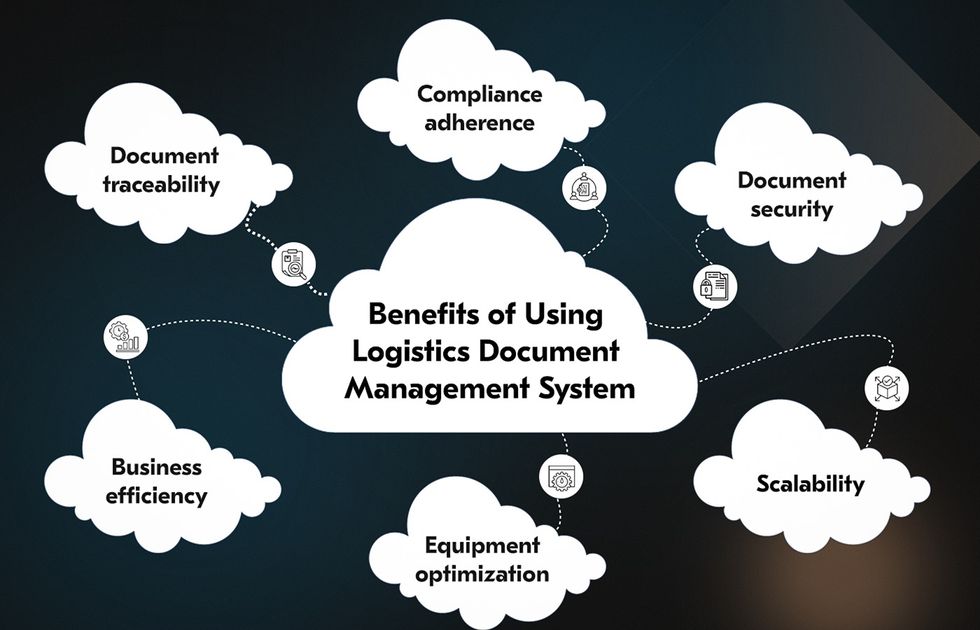
- Enhanced Security: A CDMS provides robust security features to protect sensitive compliance documents from unauthorised access or tampering.
- Improved Accessibility: With a centralised repository, authorised users can easily retrieve the latest versions of compliance documents whenever needed.
- Version Control: CDMS ensures that only the most up-to-date versions of documents are accessible, reducing the risk of using outdated information.
- Audit Trail: The system maintains an audit trail of document activities, tracking changes and providing transparency for compliance audits.
- Efficiency and Productivity: By automating document management processes, organisations can save time and resources typically spent on manual document handling.
Implementing a CDMS
When implementing a Compliance Document Management System, organisations should consider their specific compliance requirements and choose a system that aligns with their needs. It is essential to involve key stakeholders in the selection process and provide adequate training to ensure successful adoption across the organisation.
In conclusion, a Compliance Document Management System is an invaluable tool for organisations striving to maintain regulatory compliance efficiently and effectively. By investing in a CDMS, businesses can mitigate risks, improve operational processes, and demonstrate their commitment to upholding legal and industry standards.
9 Essential Tips for Effective Compliance Document Management
- Ensure all documents are accessible to authorised personnel only.
- Regularly update and review compliance documents for accuracy.
- Implement a robust version control system to track document changes.
- Use encryption to protect sensitive information within documents.
- Establish clear naming conventions for easy document retrieval.
- Schedule routine audits to ensure adherence to compliance requirements.
- Train staff on proper document handling and management procedures.
- Automate workflows where possible to increase efficiency and reduce errors.
- Maintain a secure backup of all critical compliance documents.
Ensure all documents are accessible to authorised personnel only.
It is essential to ensure that all documents within a Compliance Document Management System are accessible only to authorised personnel. By restricting access to sensitive compliance documents, organisations can prevent unauthorised individuals from viewing or modifying critical information. Implementing robust security measures, such as user authentication and role-based permissions, helps maintain confidentiality and integrity of the documentation. This practice not only enhances data security but also ensures that compliance requirements are met without compromising on data privacy.
Regularly update and review compliance documents for accuracy.
It is essential for organisations to regularly update and review their compliance documents to ensure accuracy and relevance. By staying proactive in maintaining the content of these documents, businesses can reflect any changes in regulations, policies, or procedures promptly. This practice not only helps in keeping the documentation up-to-date but also demonstrates a commitment to compliance and continuous improvement within the organisation. Regular updates and reviews of compliance documents contribute to a robust Compliance Document Management System that supports adherence to legal requirements and industry standards effectively.
Implement a robust version control system to track document changes.
To enhance the integrity and reliability of compliance document management, it is advisable to implement a robust version control system that tracks changes made to documents. By maintaining a clear record of document revisions, organisations can ensure that only the most current and accurate information is accessed and utilised. This proactive approach not only promotes transparency and accountability but also helps in demonstrating compliance with regulatory requirements by providing a detailed history of document modifications.
Use encryption to protect sensitive information within documents.
Utilising encryption to safeguard sensitive information contained within documents is a fundamental practice in maintaining the security and integrity of a Compliance Document Management System. By applying encryption techniques, organisations can ensure that confidential data remains protected from unauthorised access or interception. Encryption adds an additional layer of security, making it challenging for malicious actors to decipher sensitive information even if they gain access to the documents. This proactive approach not only helps in meeting compliance requirements but also instils trust among stakeholders regarding the confidentiality and privacy of critical data stored within the system.
Establish clear naming conventions for easy document retrieval.
Establishing clear naming conventions is a crucial tip for effective compliance document management systems. By implementing a standardised naming structure for documents, organisations can significantly improve document retrieval processes. Clear and consistent naming conventions make it easier for users to search for and locate specific documents quickly, reducing the risk of confusion or errors. This simple yet essential practice enhances efficiency, promotes organisation within the system, and ultimately contributes to maintaining compliance with regulatory requirements.
Schedule routine audits to ensure adherence to compliance requirements.
To maintain a high level of compliance and ensure adherence to regulatory requirements, it is essential to schedule routine audits within the Compliance Document Management System. By conducting regular audits, organisations can systematically review their documentation, processes, and controls to identify any gaps or non-compliance issues. These audits not only help in detecting potential risks but also demonstrate a proactive approach towards maintaining a culture of compliance within the organisation. Regular monitoring through audits ensures that the Compliance Document Management System remains up-to-date and effective in supporting the organisation’s compliance efforts.
Train staff on proper document handling and management procedures.
Training staff on proper document handling and management procedures is a crucial tip when implementing a Compliance Document Management System. By educating employees on best practices for creating, storing, and accessing compliance-related documents, organisations can ensure that data integrity is maintained and regulatory requirements are met. Proper training can help prevent errors, reduce the risk of non-compliance, and empower staff to effectively utilise the CDMS to its full potential. Investing in training demonstrates a commitment to maintaining a culture of compliance within the organisation and equips employees with the knowledge and skills needed to contribute to a successful compliance document management strategy.
Automate workflows where possible to increase efficiency and reduce errors.
Automating workflows within a Compliance Document Management System is a valuable tip that can significantly enhance operational efficiency and minimise errors. By utilising automation capabilities, organisations can streamline document-related processes, such as approvals, notifications, and version control, saving time and resources that would otherwise be spent on manual tasks. Automation not only speeds up workflows but also reduces the likelihood of human errors, ensuring that compliance documents are handled accurately and consistently. Overall, incorporating automation into the system empowers businesses to operate more efficiently while maintaining compliance standards effectively.
Maintain a secure backup of all critical compliance documents.
It is crucial to maintain a secure backup of all critical compliance documents as part of an effective Compliance Document Management System. By ensuring that backups are regularly updated and securely stored, organisations can safeguard against data loss, corruption, or unauthorised access. In the event of unforeseen incidents such as system failures or cyberattacks, having reliable backups in place ensures that vital compliance documentation remains intact and accessible, enabling businesses to quickly recover and resume operations without compromising regulatory requirements.