
The Importance of Banking Regulatory Compliance Software
In the fast-paced and highly regulated world of banking, compliance with regulatory requirements is paramount. Banks and financial institutions face a myriad of rules and regulations imposed by local and international governing bodies to ensure transparency, security, and stability in the financial system.
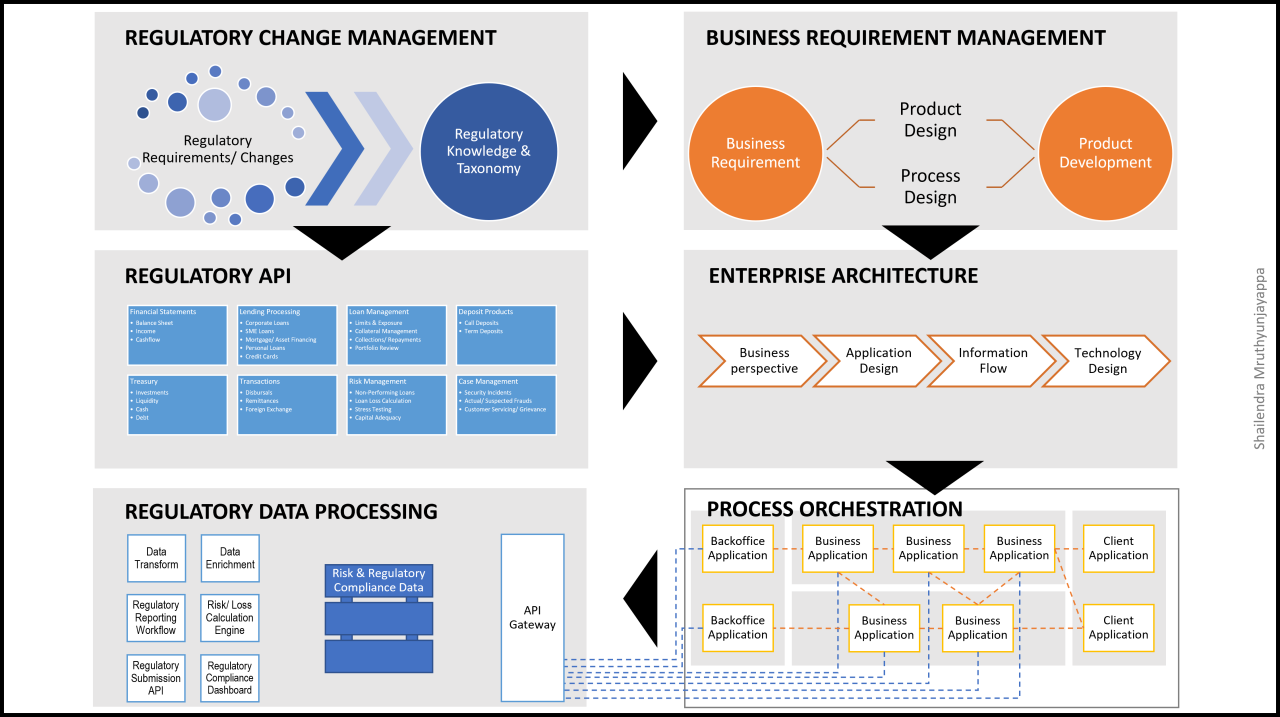
One key aspect of maintaining compliance in the banking sector is the use of regulatory compliance software. This specialised software is designed to help banks streamline their compliance processes, monitor regulatory changes, and ensure adherence to complex regulations.
Benefits of Banking Regulatory Compliance Software:
- Automated Compliance Monitoring: Regulatory compliance software automates the monitoring of regulatory changes, helping banks stay up-to-date with evolving requirements.
- Risk Assessment: By analysing data and transactions, compliance software can identify potential risks and alert banks to suspicious activities that may violate regulations.
- Reporting and Documentation: These tools generate detailed reports and documentation required for audits, making it easier for banks to demonstrate compliance to regulatory authorities.
- Audit Trail: Compliance software creates a comprehensive audit trail that tracks all activities related to compliance efforts, providing transparency and accountability.
- Efficiency and Cost Savings: By automating repetitive tasks and streamlining processes, regulatory compliance software helps banks improve efficiency and reduce operational costs associated with manual compliance efforts.
The Future of Banking Compliance:
As regulatory requirements continue to evolve and become more stringent, the role of banking regulatory compliance software will only grow in importance. Banks that invest in advanced compliance solutions will be better equipped to navigate the complex regulatory landscape, mitigate risks, and maintain trust with customers and regulators alike.
In conclusion, banking regulatory compliance software is a crucial tool for modern financial institutions looking to stay compliant in an increasingly regulated environment. By leveraging technology to enhance their compliance efforts, banks can ensure operational efficiency, reduce risks, and build a solid foundation for long-term success in the dynamic world of banking.
Enhancing Efficiency and Accuracy: The Benefits of Banking Regulatory Compliance Software
- Automates compliance monitoring processes, saving time and reducing human error.
- Enhances risk assessment capabilities by analysing data for potential regulatory violations.
- Generates detailed reports and documentation required for audits with ease.
- Creates a comprehensive audit trail to track all compliance-related activities.
- Improves efficiency by automating repetitive tasks associated with compliance management.
- Helps banks stay up-to-date with evolving regulatory requirements through automated alerts.
- Enhances transparency and accountability in compliance efforts.
- Reduces operational costs by streamlining compliance processes and reducing manual effort.
Challenges of Banking Regulatory Compliance Software: Cost, Complexity, and Security Concerns
- Initial Cost
- Complexity
- Integration Issues
- Maintenance Requirements
- False Positives
- Data Security Risks
Automates compliance monitoring processes, saving time and reducing human error.
Automating compliance monitoring processes through banking regulatory compliance software offers significant advantages to financial institutions. By leveraging technology to oversee and track regulatory changes, this software saves valuable time and minimises the risk of human error. The automated system ensures that banks stay current with evolving regulations, enabling them to focus on strategic initiatives while maintaining a high level of compliance. This proactive approach not only enhances operational efficiency but also strengthens the overall compliance framework, ultimately contributing to a more robust and secure banking environment.
Enhances risk assessment capabilities by analysing data for potential regulatory violations.
One significant advantage of banking regulatory compliance software is its ability to enhance risk assessment capabilities through the analysis of data for potential regulatory violations. By leveraging advanced algorithms and data analytics, this software can scrutinise vast amounts of information to identify irregularities or suspicious activities that may breach regulatory guidelines. This proactive approach not only helps banks detect potential violations early on but also empowers them to take corrective actions swiftly, thereby strengthening their overall compliance posture and reducing the likelihood of costly penalties or reputational damage.
Generates detailed reports and documentation required for audits with ease.
One significant advantage of banking regulatory compliance software is its ability to generate detailed reports and documentation essential for audits effortlessly. By automating the process of compiling and organising data, this software streamlines the audit preparation process, saving valuable time and resources for banks. The comprehensive reports produced by the software not only ensure compliance with regulatory requirements but also provide a clear and transparent overview of the bank’s adherence to regulations, facilitating smoother audit procedures and demonstrating a commitment to regulatory compliance.
Creates a comprehensive audit trail to track all compliance-related activities.
One significant advantage of banking regulatory compliance software is its ability to create a comprehensive audit trail that meticulously tracks all compliance-related activities. This feature ensures transparency and accountability within financial institutions, allowing for a detailed record of every step taken to maintain regulatory compliance. By capturing and documenting each action, from policy changes to transaction monitoring, the audit trail serves as a valuable tool for internal reviews, external audits, and regulatory inspections. Ultimately, this capability not only enhances the efficiency of compliance processes but also reinforces the integrity and trustworthiness of banks in adhering to stringent regulatory standards.
Improves efficiency by automating repetitive tasks associated with compliance management.
Banking regulatory compliance software offers a significant advantage by enhancing efficiency through the automation of repetitive tasks linked to compliance management. By automating these tasks, banks can streamline their processes, reduce manual errors, and allocate resources more effectively. This automation not only saves time but also allows compliance teams to focus on more strategic initiatives, ultimately leading to a more efficient and productive compliance management process within the banking sector.
Helps banks stay up-to-date with evolving regulatory requirements through automated alerts.
One significant advantage of banking regulatory compliance software is its ability to assist banks in staying current with ever-changing regulatory demands by providing automated alerts. This feature ensures that banks are promptly notified of any updates or modifications to regulations, allowing them to adapt their compliance practices swiftly and efficiently. By leveraging automated alerts, banks can proactively address new regulatory requirements, reducing the risk of non-compliance and demonstrating a commitment to upholding the highest standards of regulatory adherence.
Enhances transparency and accountability in compliance efforts.
One significant advantage of banking regulatory compliance software is its ability to enhance transparency and accountability in compliance efforts. By providing a clear audit trail of activities related to regulatory compliance, this software ensures that banks can easily track and monitor all compliance-related actions. This increased transparency not only helps in demonstrating adherence to regulations to regulatory authorities but also fosters a culture of accountability within the organisation, ensuring that all compliance processes are conducted with integrity and precision.
Reduces operational costs by streamlining compliance processes and reducing manual effort.
One significant advantage of banking regulatory compliance software is its ability to reduce operational costs by streamlining compliance processes and minimising manual effort. By automating repetitive tasks and simplifying complex regulatory procedures, this software enables banks to operate more efficiently and effectively. The automation of compliance activities not only saves time but also reduces the need for extensive manual intervention, ultimately leading to cost savings for financial institutions. This streamlined approach not only enhances productivity but also ensures that banks can allocate resources more strategically, focusing on core business activities while maintaining regulatory compliance standards.
Initial Cost
One notable drawback of banking regulatory compliance software is the initial cost involved in its implementation. Banks and financial institutions may face substantial upfront expenses for acquiring licenses, setting up the software infrastructure, and providing training to staff members. These costs can pose a financial challenge, especially for smaller institutions or those operating on tight budgets. The investment required for implementing compliance software may deter some organisations from adopting these solutions, despite their long-term benefits in ensuring regulatory adherence and risk management.
Complexity
The complexity of banking regulatory compliance software poses a significant challenge for financial institutions. The intricacies of these systems often demand specialised knowledge and continuous support to effectively navigate and utilise the software’s full potential. This complexity can lead to operational challenges, as banks may need to invest in training their staff or rely on external experts to manage and maintain the software. The ongoing need for specialised expertise adds an additional layer of complexity and cost, which can strain resources and hinder the seamless integration of compliance software into existing banking operations.
Integration Issues
Integrating compliance software with existing banking systems and processes can pose a significant challenge due to potential integration issues. This con of banking regulatory compliance software can lead to time-consuming and disruptive implementation processes. The need to align the new software with established systems, data structures, and workflows within a bank can result in delays and operational disruptions. Ensuring seamless integration is crucial to avoid compatibility issues and maintain the efficiency of banking operations while implementing regulatory compliance measures.
Maintenance Requirements
Regular updates and maintenance of banking regulatory compliance software are essential to uphold its effectiveness, but this can pose a significant challenge in terms of resources. The need for ongoing updates to align with changing regulations and security standards, as well as the maintenance of the software to address any issues or bugs, can be resource-intensive for financial institutions. Allocating time and manpower to ensure the software remains up-to-date and optimally functional adds to the operational demands faced by banks, potentially straining their resources and impacting overall efficiency.
False Positives
One significant drawback of banking regulatory compliance software is the issue of false positives. These false alerts or positives can result in unnecessary investigations that consume valuable time and resources. When compliance software incorrectly flags a legitimate transaction or activity as non-compliant, it can lead to delays in processing, increased workload for compliance teams, and potential strain on relationships with customers. Addressing and resolving false positives effectively becomes crucial to ensure that banks can focus their resources on genuine compliance issues and maintain operational efficiency without being bogged down by inaccurate alerts.
Data Security Risks
Storing sensitive financial data within banking regulatory compliance software can introduce a significant con in the form of data security risks. If not adequately protected against cyber threats, such as hacking or data breaches, the stored information becomes vulnerable to exploitation. The potential consequences of compromised data security include financial losses, reputational damage, and regulatory penalties. Therefore, it is crucial for banks to implement robust security measures to safeguard sensitive information and mitigate the risks associated with using compliance software for storing financial data.