The Importance of Using an Audit Tool for Your Business

The Importance of Using an Audit Tool for Your Business

Running a successful business involves more than just providing excellent products or services. It also requires careful monitoring and management of various aspects of your operations, including finances, compliance, and security. One essential tool that can significantly benefit your business is an audit tool.

What is an Audit Tool?

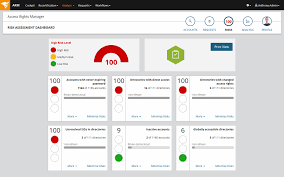
An audit tool is a software application designed to help businesses assess, evaluate, and improve their processes, procedures, and controls. It enables organisations to conduct systematic examinations of their operations to identify potential risks, inefficiencies, or non-compliance issues.

The Benefits of Using an Audit Tool

Implementing an audit tool in your business can offer several advantages:

  • Enhanced Compliance: Audit tools can help ensure that your business adheres to relevant laws, regulations, and industry standards by identifying areas where compliance may be lacking.
  • Risk Mitigation: By conducting regular audits with the help of an audit tool, you can proactively identify and address potential risks before they escalate into significant problems.
  • Improved Efficiency: Audit tools streamline the auditing process by automating repetitive tasks, allowing you to focus on analysing results and making informed decisions.
  • Data Security: With data breaches becoming increasingly common, audit tools provide insights into the security of your systems and help you implement measures to protect sensitive information.
  • Better Decision-Making: The data generated by audit tools can provide valuable insights that enable informed decision-making and strategic planning for your business.

Choosing the Right Audit Tool

When selecting an audit tool for your business, consider factors such as ease of use, scalability, reporting capabilities, and integration with existing systems. It’s essential to choose a tool that aligns with your specific auditing needs and supports your overall business objectives.

In conclusion, incorporating an audit tool into your business processes can help you achieve greater transparency, efficiency, and compliance while mitigating risks and enhancing security. By leveraging the capabilities of an audit tool effectively, you can drive continuous improvement and long-term success for your organisation.


8 Essential Tips for Optimising Your Audit Tool

  1. Ensure the audit tool is user-friendly for easy navigation.
  2. Customise the audit tool to align with your specific audit requirements.
  3. Regularly update the audit tool to incorporate any changes in regulations or standards.
  4. Implement security measures to protect sensitive audit data stored in the tool.
  5. Provide adequate training to users on how to effectively use the audit tool.
  6. Utilise features such as automated reminders and notifications for timely audits.
  7. Conduct periodic reviews of the audit tool’s performance and make necessary improvements.
  8. Encourage feedback from users to enhance the functionality and efficiency of the audit tool.

Ensure the audit tool is user-friendly for easy navigation.

It is crucial to ensure that the audit tool you choose is user-friendly to facilitate easy navigation and usage. A user-friendly interface can streamline the auditing process, allowing users to access features efficiently and navigate through the tool with ease. By prioritising usability in your audit tool selection, you can enhance productivity, reduce training time for staff, and ultimately maximise the benefits of implementing such a tool in your business operations.

Customise the audit tool to align with your specific audit requirements.

To maximise the effectiveness of your audit processes, it is crucial to customise the audit tool to align with your specific audit requirements. By tailoring the settings and configurations of the tool to match the unique needs of your business, you can ensure that it captures relevant data, identifies key risks, and generates insights that are directly applicable to your operations. Customisation allows you to focus on areas of priority, streamline the auditing process, and ultimately enhance the value derived from using the audit tool within your organisation.

Regularly update the audit tool to incorporate any changes in regulations or standards.

It is crucial to regularly update the audit tool to ensure that it reflects any changes in regulations or standards. By staying current with updates, businesses can maintain compliance with evolving requirements and enhance the effectiveness of their auditing processes. Updating the audit tool enables organisations to adapt to new regulatory frameworks, address emerging risks, and align their practices with industry best practices. This proactive approach not only safeguards against potential non-compliance issues but also demonstrates a commitment to upholding the highest standards of governance and accountability within the business environment.

Implement security measures to protect sensitive audit data stored in the tool.

It is crucial to implement robust security measures to safeguard sensitive audit data stored within the audit tool. By ensuring that the data is protected through encryption, access controls, and regular monitoring, businesses can mitigate the risk of unauthorised access or data breaches. Taking proactive steps to secure this information not only helps maintain compliance with data protection regulations but also instils trust among stakeholders regarding the confidentiality and integrity of the audit process.

Provide adequate training to users on how to effectively use the audit tool.

It is crucial to provide adequate training to users on how to effectively utilise the audit tool. By offering comprehensive training sessions, users can gain a clear understanding of the tool’s functionalities and maximise its potential in conducting thorough audits. Proper training ensures that users can navigate the tool efficiently, interpret results accurately, and implement necessary actions based on audit findings. Investing in user training not only enhances the tool’s effectiveness but also empowers users to contribute significantly to the overall success of auditing processes within the organisation.

Utilise features such as automated reminders and notifications for timely audits.

To maximise the effectiveness of your audit tool, make use of features like automated reminders and notifications to ensure timely audits. By setting up automated alerts, you can stay on top of your audit schedule and avoid missing critical deadlines. These reminders can help you proactively plan and execute audits, enabling you to maintain compliance, identify risks promptly, and make informed decisions based on up-to-date information. Embracing these features enhances the efficiency of your auditing process and contributes to a more robust overall risk management strategy for your business.

Conduct periodic reviews of the audit tool’s performance and make necessary improvements.

To ensure the effectiveness of an audit tool, it is crucial to conduct regular reviews of its performance and make any necessary improvements. By periodically evaluating how the audit tool is functioning in practice, businesses can identify areas for enhancement or optimisation. This proactive approach allows organisations to stay ahead of potential issues, maintain the tool’s relevance to evolving business needs, and maximise its value in supporting efficient auditing processes. Regular performance reviews help ensure that the audit tool remains a valuable asset in promoting compliance, risk management, and operational excellence within the business environment.

Encourage feedback from users to enhance the functionality and efficiency of the audit tool.

Encouraging feedback from users is a valuable practice to enhance the functionality and efficiency of an audit tool. By actively seeking input from those who interact with the tool on a regular basis, businesses can gain insights into user experiences, identify areas for improvement, and implement changes that align more closely with user needs. User feedback not only helps to fine-tune the features and usability of the audit tool but also fosters a collaborative environment where users feel valued and engaged in the continuous enhancement of the tool. Ultimately, incorporating user feedback can lead to a more effective and user-friendly audit tool that better serves the organisation’s auditing objectives.

Article: Management Solutions

The Importance of Effective Management Solutions

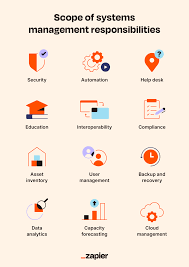
In today’s fast-paced and dynamic business environment, the need for efficient management solutions has never been more critical. Organisations across various industries are constantly seeking ways to streamline their operations, improve productivity, and stay ahead of the competition. This is where effective management solutions play a crucial role.

Enhancing Operational Efficiency

Management solutions encompass a wide range of tools and strategies aimed at optimising processes and workflows within an organisation. By implementing the right management solutions, businesses can automate repetitive tasks, eliminate bottlenecks, and enhance overall operational efficiency. This not only saves time and resources but also allows employees to focus on more strategic initiatives that drive growth.

Improving Decision-Making

Another key benefit of management solutions is their ability to provide valuable insights through data analysis and reporting. By collecting and analysing relevant data, decision-makers can gain a better understanding of their business performance, customer behaviour, market trends, and more. This enables informed decision-making based on real-time information rather than intuition or guesswork.

Empowering Collaboration

Effective management solutions often include collaboration tools that facilitate communication and teamwork among employees. Whether it’s project management software, cloud-based platforms, or virtual meeting tools, these solutions enable seamless collaboration regardless of physical location or time zone. This fosters a culture of teamwork, innovation, and knowledge sharing within the organisation.

Ensuring Compliance and Security

In an increasingly regulated business landscape, compliance with industry standards and data security regulations is non-negotiable. Management solutions help organisations maintain compliance by automating regulatory processes, ensuring data integrity, and implementing robust security measures. This not only protects sensitive information but also builds trust with customers and stakeholders.

Conclusion

Effective management solutions are essential for modern businesses looking to thrive in a competitive market environment. By investing in the right tools and strategies, organisations can streamline their operations, make informed decisions, foster collaboration among teams, and ensure compliance with regulations. As technology continues to evolve, embracing innovative management solutions will be key to staying agile and resilient in the face of change.


Top 9 Frequently Asked Questions About Management Solutions and Their Benefits

  1. What are management solutions and why are they important?
  2. How can management solutions help improve operational efficiency?
  3. What types of tools are included in management solutions?
  4. Do management solutions provide insights for decision-making?
  5. How do management solutions facilitate collaboration within an organisation?
  6. What role do management solutions play in ensuring compliance with regulations?
  7. Are there specific security features offered by management solutions?
  8. Can management solutions be customised to suit the needs of different industries?
  9. What are the key considerations when selecting a management solution for a business?

What are management solutions and why are they important?

Management solutions encompass a diverse set of tools and strategies designed to streamline operations, enhance productivity, and drive organisational success. These solutions play a crucial role in modern businesses by automating tasks, providing valuable insights through data analysis, fostering collaboration among teams, and ensuring compliance with regulations. They are important because they enable businesses to operate more efficiently, make informed decisions based on data-driven insights, empower employees to work together effectively, and maintain security and regulatory compliance in an ever-changing business landscape. In essence, management solutions are the backbone of a well-structured and successful organisation.

How can management solutions help improve operational efficiency?

Management solutions play a pivotal role in enhancing operational efficiency by streamlining processes, automating tasks, and providing valuable insights for informed decision-making. By implementing management solutions, organisations can eliminate manual inefficiencies, reduce errors, and optimise workflows to ensure smooth operations. These solutions enable businesses to centralise data, track performance metrics, and identify areas for improvement, ultimately leading to increased productivity and cost savings. With the ability to automate routine tasks and provide real-time visibility into operations, management solutions empower businesses to operate more efficiently and effectively in today’s competitive landscape.

What types of tools are included in management solutions?

Management solutions encompass a diverse array of tools designed to streamline operations, enhance productivity, and drive business growth. These tools may include project management software for efficient task allocation and tracking, customer relationship management (CRM) systems for maintaining client interactions, analytics platforms for data-driven decision-making, communication tools for seamless collaboration, and security solutions to safeguard sensitive information. By integrating these various tools into a unified management solution, organisations can effectively manage their resources, optimise processes, and achieve their strategic objectives with greater efficiency and effectiveness.

Do management solutions provide insights for decision-making?

Management solutions play a crucial role in providing valuable insights for decision-making within organisations. By leveraging data analysis and reporting capabilities, management solutions offer a comprehensive view of business performance, customer behaviour, market trends, and other key metrics. These insights empower decision-makers to make informed choices based on real-time information rather than relying on intuition alone. With the ability to access timely and accurate data, management solutions enable businesses to adapt quickly to changing circumstances, identify opportunities for growth, and mitigate risks effectively.

How do management solutions facilitate collaboration within an organisation?

Management solutions play a crucial role in facilitating collaboration within an organisation by providing tools and platforms that enable seamless communication and teamwork among employees. By integrating features such as project management software, cloud-based collaboration platforms, and virtual meeting tools, management solutions allow team members to share information, coordinate tasks, and work together on projects regardless of their physical location. These solutions promote transparency, efficiency, and real-time interaction, fostering a culture of collaboration that enhances productivity and innovation across the organisation.

What role do management solutions play in ensuring compliance with regulations?

Management solutions play a crucial role in ensuring compliance with regulations by providing organisations with the tools and capabilities to automate regulatory processes, monitor adherence to standards, and enforce security protocols. These solutions help businesses stay up-to-date with evolving regulatory requirements, conduct regular audits to identify non-compliance issues, and generate reports for regulatory authorities. By centralising compliance management through management solutions, organisations can mitigate risks, avoid costly penalties, and build a reputation for trustworthiness and integrity in their respective industries.

Are there specific security features offered by management solutions?

When it comes to management solutions, security features are a crucial aspect that organisations consider. Many management solutions offer specific security features to safeguard sensitive data and protect against cyber threats. These features may include encryption capabilities, access control mechanisms, audit trails for monitoring user activities, and integration with security protocols such as multi-factor authentication. By incorporating robust security measures into their management solutions, businesses can enhance data protection, mitigate risks, and ensure compliance with industry regulations.

Can management solutions be customised to suit the needs of different industries?

When it comes to management solutions, a common question often asked is whether they can be customised to suit the specific needs of different industries. The answer is a resounding yes. Management solutions are designed to be flexible and adaptable, allowing for customisation to align with the unique requirements of various industries. Whether it’s tailoring reporting features, integrating industry-specific modules, or adjusting workflows to meet regulatory standards, management solutions can be customised to enhance efficiency and effectiveness within different sectors. This versatility ensures that organisations can leverage management solutions that are tailored to their industry nuances, ultimately maximising their operational performance and competitiveness.

What are the key considerations when selecting a management solution for a business?

When selecting a management solution for a business, several key considerations should be taken into account to ensure optimal effectiveness and suitability. Firstly, it is essential to assess the specific needs and objectives of the organisation to identify the areas where management solutions can add the most value. Additionally, evaluating the scalability and flexibility of the solution is crucial to accommodate future growth and changing business requirements. Integration capabilities with existing systems and ease of implementation are also important factors to consider to minimise disruptions and maximise efficiency. Furthermore, security features, compliance with industry regulations, ongoing support services, and cost-effectiveness play significant roles in determining the most suitable management solution for a business’s unique operations.

The Importance of a Management System

The Importance of a Management System

A management system is a structured framework used by organisations to manage their processes, procedures, and resources effectively. It provides a systematic approach to achieving the organisation’s objectives and ensuring continuous improvement.

Benefits of a Management System

Implementing a management system offers numerous benefits:

  • Efficiency: By defining processes and responsibilities, a management system helps streamline operations and reduce waste.
  • Consistency: Standardised procedures ensure consistency in product or service quality.
  • Risk Management: Identifying and addressing risks proactively minimises potential disruptions to the organisation.
  • Compliance: Meeting regulatory requirements and industry standards becomes more manageable with a well-implemented management system.
  • Customer Satisfaction: Consistently delivering high-quality products or services enhances customer satisfaction and loyalty.
  • Continuous Improvement: Regular monitoring and evaluation lead to ongoing improvements in processes and performance.

Types of Management Systems

There are various types of management systems tailored to different aspects of an organisation, such as:

  • Quality Management System (QMS): Focuses on meeting customer requirements and enhancing product/service quality.
  • Environmental Management System (EMS): Addresses environmental impact mitigation and sustainability practices.
  • Health and Safety Management System (HSMS): Ensures workplace safety compliance and employee well-being.

Implementing a Management System

To implement an effective management system, organisations should follow these key steps:

  1. Evaluate Needs: Identify the specific requirements, objectives, and scope of the management system.
  2. Create Documentation: Develop clear policies, procedures, and guidelines for consistent implementation.


Key Benefits of Implementing a Management System

  1. Enhances operational efficiency
  2. Promotes consistency in processes
  3. Facilitates better decision-making
  4. Improves risk management practices
  5. Increases employee accountability
  6. Enhances customer satisfaction
  7. Ensures regulatory compliance
  8. Drives continuous improvement


Challenges of Management Systems: Complexity, Cost, Resistance to Change, and Over-Standardisation

  1. Complexity
  2. Cost
  3. Resistance to Change
  4. Over-Standardisation

Enhances operational efficiency

Enhancing operational efficiency is a key advantage of implementing a management system within an organisation. By defining clear processes, roles, and responsibilities, a management system streamlines operations and minimises inefficiencies. With improved coordination and communication, tasks are executed more effectively, leading to increased productivity and reduced waste. This boost in operational efficiency not only saves time and resources but also allows the organisation to deliver products or services more promptly and consistently to meet customer demands. Ultimately, a well-implemented management system contributes to overall organisational success by optimising performance and maximising output.

Promotes consistency in processes

Promoting consistency in processes is a significant advantage of implementing a management system within an organisation. By establishing standardised procedures and guidelines, a management system ensures that tasks are carried out in a uniform manner across departments and teams. This consistency not only enhances the quality of products or services delivered but also fosters clarity and efficiency in operations. Employees can rely on established processes to achieve reliable outcomes, leading to increased productivity and customer satisfaction. Overall, the promotion of consistency through a management system contributes to the overall stability and effectiveness of an organisation’s functioning.

Facilitates better decision-making

A key advantage of a management system is its ability to facilitate better decision-making within an organisation. By providing structured processes, data-driven insights, and clear performance indicators, a well-implemented management system empowers decision-makers to make informed and strategic choices. This enables leaders to assess risks, identify opportunities, and align decisions with the organisation’s goals more effectively. Ultimately, the facilitation of better decision-making through a management system contributes to improved outcomes and long-term success for the organisation.

Improves risk management practices

Implementing a management system significantly enhances risk management practices within an organisation. By systematically identifying, assessing, and addressing risks, a well-structured management system enables proactive mitigation strategies to be implemented. This approach not only helps in minimising potential disruptions and losses but also fosters a culture of risk awareness and preparedness across all levels of the organisation. Ultimately, improved risk management practices contribute to greater operational resilience and long-term sustainability.

Increases employee accountability

One significant advantage of a management system is its ability to increase employee accountability within an organisation. By clearly defining roles, responsibilities, and expectations, a well-implemented management system ensures that employees understand their individual contributions to the overall goals of the company. This clarity fosters a sense of ownership and accountability among employees, encouraging them to take pride in their work and deliver results in a timely and efficient manner. As a result, increased employee accountability not only enhances productivity but also promotes a culture of transparency and trust within the workplace.

Enhances customer satisfaction

Implementing a management system can significantly enhance customer satisfaction by ensuring consistent quality in products or services. By establishing standardised procedures and processes, organisations can meet and even exceed customer expectations. A well-implemented management system enables businesses to deliver reliable and high-quality outputs, leading to increased trust, loyalty, and positive feedback from customers. Ultimately, enhancing customer satisfaction through a robust management system can contribute to long-term relationships with clients and sustainable business growth.

Ensures regulatory compliance

Ensuring regulatory compliance is a crucial benefit of implementing a management system within an organisation. By adhering to relevant laws, regulations, and industry standards, a management system helps mitigate legal risks and potential penalties. It provides a structured approach to monitoring and maintaining compliance, ensuring that the organisation operates ethically and within the boundaries set by authorities. Additionally, demonstrating regulatory compliance enhances the organisation’s reputation and trustworthiness among stakeholders, fostering long-term sustainability and growth.

Drives continuous improvement

A significant advantage of a management system is its ability to drive continuous improvement within an organisation. By establishing processes for regular evaluation, feedback, and adjustment, a management system creates a culture of ongoing enhancement. This focus on continuous improvement encourages employees to identify areas for development, implement changes, and monitor the outcomes. As a result, organisations can adapt to evolving challenges, enhance efficiency, and strive for excellence in their operations and outcomes.

Complexity

Implementing and maintaining a management system can present a significant challenge due to its inherent complexity. The process often demands meticulous planning, thorough documentation, and ongoing monitoring to ensure effectiveness. Organisations may find themselves allocating substantial time and resources to navigate the intricacies of the system, from initial implementation to continuous upkeep. The need for dedicated personnel and expertise adds another layer of complexity, making it essential for businesses to carefully consider the investment of time and resources required for successful management system integration.

Cost

Setting up a management system can present a notable challenge in terms of cost. The initial investment required for training personnel, acquiring specialised software, and conducting thorough audits can be substantial. These expenses may pose a barrier for some organisations looking to implement a management system, especially for smaller businesses with limited budgets. The financial outlay involved in establishing and maintaining the system can be a deterrent, impacting the willingness of organisations to commit to the necessary resources for effective implementation.

Resistance to Change

Resistance to Change is a significant con associated with management systems. When organisations implement new processes or procedures through a management system, employees may exhibit resistance to these changes. This resistance can stem from various factors such as fear of the unknown, reluctance to abandon familiar methods, or concerns about increased workload. As a result, overcoming this resistance and ensuring successful adoption of the new practices becomes a challenge for management. Effective communication, training, and involvement of employees in the change process are crucial in addressing this con and fostering a smoother transition towards improved processes and outcomes.

Over-Standardisation

Excessive standardisation within a management system can hinder organisational growth by stifling creativity and innovation. When processes are overly rigid and uniform, employees may feel constrained in their ability to think outside the box and propose new ideas. This lack of flexibility can lead to a stagnant work environment where innovative solutions are overlooked in favour of adherence to strict standards. Embracing some level of flexibility within the management system is crucial to fostering a culture of creativity and encouraging employees to explore new approaches that can drive progress and success for the organisation.

The Art of Effective Management

The Art of Effective Management

Management is a crucial skill that plays a significant role in the success of any organisation. Whether it’s overseeing a team, a project, or an entire company, effective management is essential for achieving goals and driving growth.

Key Elements of Management

Effective management involves a combination of leadership, communication, decision-making, and problem-solving skills. A good manager not only sets clear objectives but also motivates and guides their team towards achieving them.

Importance of Time Management

Time management is another critical aspect of effective management. Prioritising tasks, setting deadlines, and delegating responsibilities are key components of managing time efficiently. By optimising time management, managers can increase productivity and meet deadlines effectively.

Building Strong Teams

A successful manager understands the importance of building strong teams. This involves hiring the right people, fostering collaboration, providing feedback and support, and recognising individual strengths within the team. A cohesive team can achieve more together than individuals working in isolation.

Adapting to Change

In today’s fast-paced business environment, adaptability is crucial for effective management. Managers need to be flexible and open to change, able to pivot strategies when needed and navigate uncertainty with confidence. Adapting to change requires strong leadership skills and the ability to inspire trust in times of transition.

Continuous Improvement

Effective managers are committed to continuous improvement. They seek feedback from their team members, evaluate performance metrics, identify areas for growth, and implement strategies for ongoing development. By constantly striving for improvement, managers can lead their teams to greater success.


9 Essential Tips for Effective Management and Productivity

  1. Set clear goals and priorities.
  2. Create a schedule or to-do list.
  3. Delegate tasks when possible.
  4. Stay organised and tidy.
  5. Communicate effectively with your team.
  6. Take regular breaks to avoid burnout.
  7. Adapt to changes and be flexible.
  8. Seek feedback for continuous improvement.
  9. Celebrate achievements, both big and small.

Set clear goals and priorities.

Setting clear goals and priorities is a fundamental tip in effective management. By defining specific objectives and outlining key priorities, managers provide direction for their team members and ensure alignment towards common goals. Clear goals help in focusing efforts, making informed decisions, and tracking progress effectively. Prioritising tasks based on their importance and urgency allows managers to allocate resources efficiently and maximise productivity. When everyone understands the overarching goals and priorities, it fosters a cohesive work environment where individuals can work collaboratively towards shared success.

Create a schedule or to-do list.

Creating a schedule or to-do list is a valuable tip for effective management. By organising tasks and setting priorities, managers can ensure that important responsibilities are completed in a timely manner. A well-planned schedule helps in allocating time efficiently, avoiding procrastination, and reducing stress. With a clear outline of daily tasks, managers can stay focused, track progress, and maintain productivity levels. Additionally, a to-do list serves as a visual reminder of pending tasks, enabling managers to stay on top of their workload and achieve their objectives effectively.

Delegate tasks when possible.

Delegating tasks when possible is a key strategy in effective management. By assigning responsibilities to team members based on their strengths and skills, managers can not only lighten their own workload but also empower their team members to take ownership of their work. Delegation fosters a sense of trust and accountability within the team, allowing individuals to develop new skills and grow professionally. It also ensures that tasks are completed efficiently and effectively, leading to improved productivity and overall success for the organisation.

Stay organised and tidy.

Staying organised and tidy is a fundamental tip in effective management. By maintaining a clutter-free and structured workspace, managers can enhance productivity, focus, and efficiency. A tidy environment not only promotes a sense of professionalism but also allows for quick access to essential tools and resources when needed. Being organised helps managers stay on top of their tasks, deadlines, and priorities, enabling them to lead their teams effectively and achieve desired outcomes with ease.

Communicate effectively with your team.

Effective communication is a cornerstone of successful management. When you communicate clearly and openly with your team, you foster trust, collaboration, and understanding. By sharing information, providing feedback, and actively listening to your team members, you create a supportive environment where everyone feels valued and heard. Effective communication ensures that goals are clearly understood, expectations are transparent, and challenges are addressed promptly. It is through open communication that a manager can build strong relationships with their team and lead them towards achieving shared objectives.

Take regular breaks to avoid burnout.

Taking regular breaks is a crucial aspect of effective management to prevent burnout. In the fast-paced world of leadership and decision-making, it’s easy to become overwhelmed by constant demands and responsibilities. By incorporating short breaks into your work routine, you give yourself the opportunity to recharge, refocus, and maintain a healthy work-life balance. These brief moments of rest not only boost productivity but also enhance mental clarity and overall well-being, allowing you to approach challenges with renewed energy and resilience. Remember, prioritising self-care through regular breaks is not a sign of weakness but a smart strategy for long-term success in managing both yourself and your team effectively.

Adapt to changes and be flexible.

Adapting to changes and being flexible are essential qualities in effective management. In today’s dynamic and ever-evolving business landscape, managers must be ready to adjust strategies, processes, and priorities as circumstances shift. By embracing flexibility, managers can navigate challenges with resilience and lead their teams through transitions smoothly. Being adaptable allows managers to stay agile, respond to new opportunities swiftly, and foster a culture of innovation within their organisation.

Seek feedback for continuous improvement.

Seeking feedback for continuous improvement is a fundamental aspect of effective management. By actively soliciting input from team members, managers can gain valuable insights into areas that require enhancement and identify opportunities for growth. Feedback provides a platform for open communication, fosters a culture of collaboration, and demonstrates a manager’s commitment to ongoing development. Embracing feedback not only empowers individuals within the team but also contributes to the overall success and productivity of the organisation.

Celebrate achievements, both big and small.

Recognising and celebrating achievements, no matter how big or small, is a key aspect of effective management. By acknowledging the efforts and successes of individuals within a team, managers can boost morale, motivation, and overall team spirit. Celebrating achievements creates a positive work culture where employees feel valued and appreciated for their contributions, ultimately leading to increased engagement and productivity. It also fosters a sense of accomplishment and encourages continuous improvement as team members strive towards reaching new goals.

The Importance of Change Management in Business

The Importance of Change Management in Business

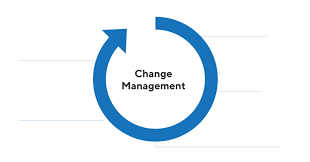
Change is inevitable in any organisation, and how well a business manages change can determine its success or failure. Change management is a structured approach to transitioning individuals, teams, and organisations from their current state to a desired future state effectively.

Why is Change Management Important?

Change management helps mitigate risks that come with any change initiative. It ensures that changes are implemented smoothly with minimal disruption to the business operations. By having a structured approach to change, organisations can increase the likelihood of project success and employee acceptance.

Key Elements of Change Management

  • Communication: Clear and consistent communication is essential to keep all stakeholders informed about the upcoming changes, the reasons behind them, and how it will impact them.
  • Employee Involvement: Involving employees in the change process can increase their commitment and reduce resistance to change. Employees should feel empowered to provide feedback and be part of the decision-making process.
  • Training and Support: Providing adequate training and support for employees during a change initiative can help them adapt to new processes or systems more effectively.
  • Leadership Support: Strong leadership support is crucial for driving change within an organisation. Leaders should champion the change, set an example, and address any concerns or resistance that may arise.
  • Monitoring and Evaluation: Continuous monitoring of the change process allows organisations to identify any issues early on and make necessary adjustments. Evaluation helps measure the effectiveness of the change initiative against set goals.

The Benefits of Effective Change Management

An effective change management strategy can lead to increased employee morale, improved productivity, enhanced customer satisfaction, and overall organisational resilience. By embracing change management practices, businesses can adapt more quickly to market trends, technological advancements, and other external factors that impact their operations.

In conclusion, change management plays a vital role in helping businesses navigate through periods of transition successfully. By prioritising effective communication, employee involvement, training, leadership support, and monitoring processes during times of change, organisations can achieve their desired outcomes while minimising potential disruptions.


Seven Key Advantages of Effective Change Management: Boosting Agility, Morale, and Success in Organisations

  1. Enhances organisational agility and adaptability to market changes.
  2. Improves employee morale and reduces resistance to change.
  3. Increases the likelihood of project success and goal achievement.
  4. Facilitates smoother transitions during periods of organisational change.
  5. Enhances communication and collaboration among team members.
  6. Helps identify and mitigate risks associated with change initiatives.
  7. Promotes a culture of continuous improvement and innovation within the organisation.


Six Drawbacks of Change Management: Employee Resistance, Costly Implementation, Productivity Challenges, Unplanned Delays, Communication Breakdowns, and Priority Imbalance

  1. Resistance from employees who are comfortable with the current processes and reluctant to change.
  2. Implementation costs can be high, especially when training, support, and new systems are required.
  3. Change management may lead to temporary productivity dips as employees adjust to new ways of working.
  4. Unforeseen delays in the change process can disrupt business operations and impact timelines.
  5. Ineffective communication about changes can cause confusion and uncertainty among employees.
  6. Overemphasis on change management may divert attention from other critical business priorities.

Enhances organisational agility and adaptability to market changes.

One significant benefit of change management is its ability to enhance organisational agility and adaptability to market changes. By implementing effective change management practices, businesses can respond swiftly and efficiently to evolving market trends, customer demands, and competitive landscapes. This agility allows organisations to stay ahead of the curve, seize new opportunities, and navigate challenges with greater flexibility and resilience. Ultimately, by embracing change management, businesses can position themselves as dynamic and adaptive entities that are well-equipped to thrive in today’s fast-paced business environment.

Improves employee morale and reduces resistance to change.

One significant benefit of change management is its ability to improve employee morale and reduce resistance to change within an organisation. By involving employees in the change process, providing clear communication, and offering support and training, employees feel empowered and more willing to embrace the changes. When employees are engaged and understand the reasons behind the changes, they are more likely to adapt positively, leading to higher morale levels and a smoother transition overall. This proactive approach helps create a supportive environment where employees feel valued and motivated, ultimately contributing to the success of the change initiative.

Increases the likelihood of project success and goal achievement.

Implementing change management in an organisation significantly enhances the likelihood of project success and goal achievement. By following a structured approach to transitioning individuals, teams, and processes from the current state to the desired future state, change management helps align efforts towards common objectives. Clear communication, employee involvement, and effective leadership support foster a conducive environment for project success by ensuring that all stakeholders are on board and working towards the same goals. This proactive approach minimises resistance to change and maximises the chances of achieving desired outcomes within set timelines.

Facilitates smoother transitions during periods of organisational change.

Change management plays a crucial role in facilitating smoother transitions during periods of organisational change. By implementing structured change management processes, businesses can effectively navigate through transitions with minimal disruption to their operations. Clear communication, employee engagement, and proper training all contribute to easing the transition process for individuals and teams within the organisation. This proactive approach helps employees understand the reasons behind the changes, aligns them with the new direction, and equips them with the necessary skills to adapt smoothly to the evolving environment. Ultimately, by embracing change management practices, organisations can ensure that transitions are managed efficiently and successfully, leading to improved outcomes and increased resilience in the face of change.

Enhances communication and collaboration among team members.

One significant benefit of change management is its ability to enhance communication and collaboration among team members. By implementing structured change processes, organisations create opportunities for open dialogue, sharing of ideas, and collective problem-solving. Clear communication channels foster a sense of unity and transparency within teams, leading to improved collaboration and synergy. When team members feel heard and valued during times of change, they are more likely to work together towards common goals, driving innovation and productivity across the organisation.

Helps identify and mitigate risks associated with change initiatives.

Change management plays a crucial role in helping organisations identify and mitigate risks associated with change initiatives. By implementing a structured approach to change, businesses can proactively assess potential risks, such as resistance from employees, operational disruptions, or financial impacts. Through careful planning, communication, and stakeholder engagement, change management enables businesses to anticipate challenges and implement strategies to address them effectively. By addressing risks early on in the change process, organisations can increase the likelihood of successful outcomes and minimise negative impacts on their operations.

Promotes a culture of continuous improvement and innovation within the organisation.

Change management promotes a culture of continuous improvement and innovation within the organisation by encouraging employees to embrace change as an opportunity for growth and development. By implementing structured change processes, organisations create a supportive environment where new ideas are welcomed, and creativity is nurtured. This fosters a mindset of innovation, where employees are motivated to seek better ways of working and actively contribute to the organisation’s success through ongoing improvements. Ultimately, a culture of continuous improvement and innovation leads to increased efficiency, competitiveness, and adaptability in today’s dynamic business landscape.

Resistance from employees who are comfortable with the current processes and reluctant to change.

Resistance from employees who are comfortable with the current processes and reluctant to change is a significant con of change management. This resistance can stem from various factors, such as fear of the unknown, uncertainty about their roles post-change, or simply a preference for familiar routines. Managing this resistance requires careful communication, empathy, and involvement of employees in the change process. Ignoring or dismissing employees’ concerns can lead to prolonged resistance, decreased morale, and ultimately hinder the success of the change initiative. Addressing this con effectively is crucial for ensuring a smooth transition and gaining employee buy-in for the proposed changes.

Implementation costs can be high, especially when training, support, and new systems are required.

One significant drawback of change management is the potential for high implementation costs, particularly when extensive training, ongoing support, and the adoption of new systems are necessary. These expenses can place a financial strain on organisations, especially those with limited budgets or resources. Allocating funds for training programmes, hiring external consultants, or investing in new technology can be a considerable financial commitment that may not always yield immediate returns. Additionally, the cost of downtime during the transition period and the productivity loss as employees adjust to new processes can further exacerbate the financial burden of implementing change management initiatives.

Change management may lead to temporary productivity dips as employees adjust to new ways of working.

During change management initiatives, one significant drawback is the potential for temporary productivity dips as employees adapt to new ways of working. The learning curve associated with implementing changes can result in a period of adjustment where efficiency may temporarily decrease. Employees may need time to familiarise themselves with new processes, tools, or systems, which can impact productivity levels in the short term. However, with proper support, training, and communication throughout the transition period, organisations can help mitigate these productivity dips and ensure a smoother adjustment process for their employees.

Unforeseen delays in the change process can disrupt business operations and impact timelines.

Unforeseen delays in the change process pose a significant con of change management, as they have the potential to disrupt business operations and impact timelines adversely. These delays can result from various factors such as unexpected technical issues, resistance from employees, or inadequate planning. When changes do not progress as scheduled, it can lead to inefficiencies, increased costs, and missed opportunities for the organisation. Addressing and mitigating these unforeseen delays is crucial to ensure that change initiatives are implemented smoothly and effectively without causing undue disruptions to the business.

Ineffective communication about changes can cause confusion and uncertainty among employees.

Ineffective communication about changes within an organisation can lead to confusion and uncertainty among employees. When employees are not adequately informed about the reasons for change, how it will impact them, and what steps are being taken, they may feel anxious and resistant to the proposed changes. Uncertainty can breed rumours and misinformation, further exacerbating the lack of clarity. Without clear communication channels in place, employees may struggle to understand their roles in the change process, resulting in decreased morale, productivity, and overall engagement within the organisation.

Overemphasis on change management may divert attention from other critical business priorities.

An inherent con of change management is the risk of overemphasising its importance, which can potentially divert attention and resources away from other critical business priorities. While managing change is crucial for organisational growth and adaptation, focusing excessively on change initiatives may lead to neglecting essential aspects of business operations such as customer service, product development, or financial stability. It is essential for businesses to strike a balance between implementing effective change management strategies and maintaining a holistic approach to address all facets of their operations to ensure long-term success and sustainability.

The Role of a Manager in Today’s Workplace

The Role of a Manager in Today’s Workplace

Managers play a crucial role in the success and efficiency of any organisation. They are responsible for overseeing teams, guiding projects, and ensuring that goals are met. In today’s fast-paced and dynamic workplace environment, the role of a manager has evolved to encompass a diverse set of skills and responsibilities.

Leadership

One of the key functions of a manager is to provide leadership to their team. Effective managers inspire and motivate employees to achieve their best performance. They set clear goals, communicate expectations, and lead by example. A good manager fosters a positive work culture that encourages collaboration, innovation, and growth.

Decision-Making

Managers are often faced with making critical decisions that impact the direction of a project or the organisation as a whole. They must weigh various factors, analyse data, and consider input from team members before making informed decisions. A skilled manager is able to make timely and effective choices that benefit both the team and the company.

Communication

Effective communication is essential for managers to convey expectations, provide feedback, and resolve conflicts within the team. Managers must be adept at both listening and articulating ideas clearly to ensure that information flows smoothly across all levels of the organisation. Strong communication skills help build trust among team members and enhance productivity.

Problem-Solving

Managers are often tasked with identifying and solving complex problems that arise during projects or daily operations. They must think critically, analyse situations from multiple perspectives, and devise creative solutions to overcome challenges. A good manager remains calm under pressure and approaches problems with a strategic mindset.

Adaptability

In today’s rapidly changing business landscape, managers need to be adaptable and flexible in their approach to leadership. They must be open to new ideas, embrace change, and continuously learn new skills to stay ahead in their role. Adaptable managers can navigate uncertainty with resilience and guide their teams through transitions effectively.

In conclusion, managers play a pivotal role in driving organisational success through effective leadership, decision-making, communication, problem-solving, and adaptability. Their contributions are essential for fostering a productive work environment where teams thrive and businesses flourish.


Exploring the Role of Management: Definitions, Functions, and Key Characteristics

  1. What is the meaning of managers?
  2. What is your definition of a manager?
  3. What is your definition of manager?
  4. What is the introduction of manager?
  5. What is a good name for a manager?
  6. What is the role of a manager?
  7. What is the correct meaning of manager?
  8. What are the 3 roles of a manager?

What is the meaning of managers?

Managers are individuals within an organisation who hold positions of authority and responsibility for overseeing a team or department to achieve specific goals and objectives. The role of managers involves tasks such as planning, organising, directing, and controlling resources to ensure efficient operations and successful outcomes. Managers are tasked with making decisions, providing guidance to their team members, and ensuring that projects are completed in line with the organisation’s strategic direction. Effective managers possess strong leadership skills, excellent communication abilities, and a strategic mindset to navigate challenges and drive performance within their teams.

What is your definition of a manager?

A manager is a key figure within an organisation who holds the responsibility of overseeing and coordinating the activities of a team or department to achieve specific goals and objectives. In essence, a manager is tasked with leading, guiding, and supporting their team members to ensure that tasks are completed efficiently and effectively. A successful manager possesses strong leadership skills, the ability to make strategic decisions, excellent communication capabilities, and a knack for problem-solving. Ultimately, a manager plays a crucial role in driving the success of a team or organisation by providing direction, support, and motivation to achieve desired outcomes.

What is your definition of manager?

A manager is a key figure within an organisation who holds the responsibility of overseeing and coordinating various aspects of operations to ensure the achievement of goals and objectives. In essence, a manager is tasked with leading a team, making decisions, setting priorities, and managing resources effectively. They play a vital role in guiding and motivating employees, fostering collaboration, and maintaining a productive work environment. A successful manager possesses strong leadership skills, excellent communication abilities, sound judgement, and the capacity to adapt to changing circumstances swiftly. Ultimately, a manager is instrumental in driving performance, facilitating growth, and steering the organisation towards success.

What is the introduction of manager?

The introduction of a manager typically involves highlighting the essential role they play within an organisation. Managers are tasked with overseeing teams, guiding projects, and ensuring that goals are achieved efficiently. They provide leadership, make critical decisions, communicate effectively, solve problems, and adapt to changing circumstances in today’s dynamic workplace environment. A manager’s introduction often emphasises their responsibility for driving organisational success through effective team management and strategic decision-making.

What is a good name for a manager?

When considering a suitable name for a manager, it is essential to choose one that reflects professionalism, leadership qualities, and authority. Common names such as “Director”, “Supervisor”, or “Team Leader” convey a sense of responsibility and managerial status. Additionally, names that include specific job titles or departmental affiliations, such as “Operations Manager” or “Sales Manager”, can provide clarity and context to the role. Ultimately, a good name for a manager should command respect, inspire confidence, and align with the individual’s duties and responsibilities within the organisation.

What is the role of a manager?

The role of a manager encompasses a diverse range of responsibilities aimed at guiding and overseeing teams to achieve organisational goals. A manager is tasked with providing leadership, setting clear objectives, and motivating team members to perform at their best. They are responsible for making important decisions, solving problems, and ensuring effective communication within the team. A skilled manager acts as a mentor, coach, and mediator, fostering a positive work culture that encourages collaboration and innovation. Ultimately, the role of a manager is pivotal in driving productivity, managing resources efficiently, and facilitating the success of both individuals and the organisation as a whole.

What is the correct meaning of manager?

The term “manager” refers to an individual within an organisation who is responsible for overseeing a team or a specific area of operations. Managers are entrusted with tasks such as setting goals, making decisions, coordinating activities, and guiding their team towards achieving objectives. They play a vital role in ensuring that resources are optimally utilised, processes run smoothly, and targets are met efficiently. A manager’s primary focus is on leading and supporting their team members, fostering a positive work environment, and driving success through effective planning and execution.

What are the 3 roles of a manager?

In the realm of management, there are three fundamental roles that a manager typically fulfils: planning, organising, and controlling. Planning involves setting objectives, determining strategies, and outlining the steps needed to achieve goals. Organising entails structuring resources, delegating tasks, and establishing a framework for efficient operations. Controlling encompasses monitoring progress, evaluating performance, and making adjustments to ensure that objectives are met effectively. These three roles form the cornerstone of a manager’s responsibilities in overseeing teams and driving success within an organisation.

The Importance of Control in Everyday Life

The Importance of Control in Everyday Life

Control is a fundamental concept that influences various aspects of our lives. From managing personal tasks to governing complex systems, the ability to exert control plays a crucial role in achieving desired outcomes and maintaining order. Let’s explore the significance of control and how it impacts different spheres of life.

Personal Control

At an individual level, control refers to the power to make decisions and take actions that shape our lives. Having a sense of control over one’s choices, emotions, and behaviours can lead to increased confidence, autonomy, and overall well-being. People who feel in control are more likely to set goals, overcome challenges, and navigate life’s uncertainties with resilience.

Control in Relationships

In interpersonal relationships, control influences dynamics between individuals. Healthy relationships involve a balance of power and mutual respect where both parties feel empowered to express themselves and make decisions. Issues arise when one person seeks to exert excessive control over the other, leading to conflicts, mistrust, and imbalance in the relationship.

Control in Work Environment

Within professional settings, control plays a critical role in productivity, efficiency, and job satisfaction. Employees who have a degree of autonomy and control over their work processes are more likely to be engaged, motivated, and innovative. Organisations that promote a culture of trust and empowerment tend to see higher levels of employee retention and performance.

Control in Systems and Processes

In complex systems such as technology, finance, or healthcare, control mechanisms are essential for ensuring stability, security, and compliance. Control measures such as access restrictions, monitoring tools, and quality assurance protocols help prevent errors, mitigate risks, and maintain the integrity of operations. Without effective controls in place, systems are vulnerable to failures and vulnerabilities.

The Balance of Control

While control is valuable for achieving goals and maintaining order, it is essential to strike a balance between exerting control and allowing flexibility. Overly rigid control can stifle creativity, limit innovation, and impede growth. Finding the right balance between structure and adaptability is key to navigating complex environments effectively.

In Conclusion

Control is a multifaceted concept that influences various aspects of our lives – from personal empowerment to organisational governance. By understanding the importance of control and implementing effective strategies for managing it responsibly across different domains, we can enhance our ability to achieve success while fostering resilience and adaptability in an ever-changing world.


Six Key Strategies for Mastering Control: Prioritisation, Time Management, Delegation, Balance, Problem-Solving, and Assertiveness

  1. Set clear goals and priorities to help maintain focus.
  2. Practice time management techniques to stay organised and in control of your schedule.
  3. Learn to delegate tasks effectively to avoid feeling overwhelmed.
  4. Take regular breaks to prevent burnout and maintain a sense of balance.
  5. Develop problem-solving skills to handle unexpected challenges with confidence.
  6. No” is a complete sentence – learn when and how to say it assertively.

Set clear goals and priorities to help maintain focus.

Setting clear goals and priorities is a fundamental tip for maintaining control in any endeavour. By defining specific objectives and identifying key priorities, individuals can focus their efforts and resources on what truly matters, thereby minimising distractions and increasing productivity. Clear goals provide a sense of direction and purpose, guiding decision-making processes and ensuring that time and energy are allocated efficiently. When priorities are established, individuals can better manage their tasks, allocate resources effectively, and stay on track towards achieving their desired outcomes. This proactive approach to goal-setting not only enhances control over one’s actions but also fosters a sense of clarity and purpose in navigating challenges and opportunities.

Practice time management techniques to stay organised and in control of your schedule.

To maintain a sense of control over your schedule and enhance productivity, it is advisable to incorporate time management techniques into your daily routine. By practising effective time management strategies, such as prioritising tasks, setting realistic deadlines, and allocating dedicated time slots for specific activities, you can stay organised and focused on achieving your goals. Managing your time efficiently not only helps you make the most of each day but also reduces stress and enhances your overall sense of control over your schedule.

Learn to delegate tasks effectively to avoid feeling overwhelmed.

Learning to delegate tasks effectively is a crucial skill in maintaining control and preventing overwhelm. By entrusting responsibilities to others who are capable of handling them, individuals can focus their time and energy on high-priority tasks that require their expertise. Delegation not only lightens the workload but also fosters collaboration, empowers team members, and enhances overall productivity. Effective delegation is about assigning tasks strategically, providing clear instructions, and offering support when needed, ultimately leading to a more efficient and harmonious work environment.

Take regular breaks to prevent burnout and maintain a sense of balance.

Taking regular breaks is a crucial tip for maintaining control over one’s well-being and productivity. In today’s fast-paced world, the pressure to constantly work and deliver can lead to burnout and a sense of imbalance. By incorporating short breaks into our daily routine, we allow ourselves time to recharge, refocus, and regain perspective. These moments of rest not only prevent burnout but also enhance our ability to stay in control of our tasks and emotions, ultimately leading to a more balanced and sustainable approach to work and life.

Develop problem-solving skills to handle unexpected challenges with confidence.

Developing problem-solving skills is crucial in mastering control over unexpected challenges with confidence. By honing the ability to analyse situations, identify potential solutions, and make informed decisions, individuals can navigate unforeseen obstacles with resilience and composure. Problem-solving skills empower individuals to approach challenges methodically, adapt to changing circumstances, and effectively overcome hurdles that may arise. With a strong foundation in problem-solving, individuals can enhance their sense of control and tackle unexpected challenges with a proactive and confident mindset.

No” is a complete sentence – learn when and how to say it assertively.

Understanding the power of the word “No” is essential in asserting control over our boundaries and decisions. “No” is a complete sentence that holds the strength to establish limits, protect our time and energy, and communicate assertiveness. Learning when and how to confidently say “No” enables us to prioritise our needs, set clear boundaries, and maintain a healthy balance in our relationships and commitments. Embracing the assertive use of “No” empowers us to take charge of our lives with confidence and integrity.

The Art of Management

The Art of Management

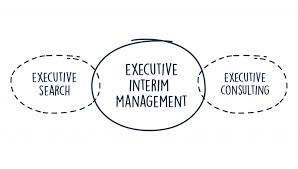
Management is a fundamental aspect of any organisation, encompassing the coordination of resources and people to achieve specific goals efficiently and effectively. It is both a science and an art, requiring a delicate balance of technical skills, interpersonal abilities, and strategic thinking.

Key Components of Management

Effective management involves various key components:

  • Planning: Setting objectives, developing strategies, and outlining tasks to achieve desired outcomes.
  • Organising: Structuring resources, roles, and responsibilities to facilitate goal attainment.
  • Leading: Inspiring and guiding individuals towards common objectives through motivation, communication, and decision-making.
  • Controlling: Monitoring progress, evaluating performance, and making adjustments to ensure alignment with goals.

The Role of a Manager

A manager plays a crucial role in overseeing these components and ensuring that the organisation functions smoothly. They must possess strong leadership skills to inspire their team while also being adept at problem-solving, decision-making, and effective communication. Managers are responsible for creating a positive work environment that fosters collaboration, innovation, and productivity.

The Evolution of Management Practices

Management practices have evolved over time in response to changing business landscapes and technological advancements. Traditional hierarchical structures have given way to more agile approaches that emphasise flexibility, adaptability, and continuous improvement. Modern managers are expected to be visionary leaders who can navigate complexity and drive innovation.

The Importance of Effective Management

Effective management is critical for organisational success. It ensures that resources are optimally utilised, risks are mitigated, and goals are achieved in a timely manner. Good management fosters employee engagement, enhances customer satisfaction, and ultimately contributes to the long-term sustainability of the organisation.

In Conclusion

In conclusion, management is not just about overseeing tasks; it is about inspiring people to reach their full potential and guiding organisations towards success. By mastering the art of management through continuous learning and adaptation, leaders can steer their teams through challenges towards a brighter future.


Essential Management Insights: Key Terms, Definitions, Types, and Functions Explored

  1. What are the 5 words for management?
  2. What are the 5 definition of management?
  3. What is the best definition of management?
  4. What are the 3 types of management?
  5. What are the 5 functions of management?
  6. What is management and its types?
  7. What are the 4 types of management?
  8. What is the main definition of management?

What are the 5 words for management?

When discussing the concept of management, it is essential to understand that it encompasses a wide array of skills and responsibilities. While there is no definitive list of five words that encapsulate the essence of management, some key terms often associated with effective management include planning, organising, leading, controlling, and coordinating. These words highlight the multifaceted nature of management, emphasising the need for strategic thinking, resource allocation, leadership qualities, performance evaluation, and cohesive teamwork. Successful management relies on a combination of these elements to achieve organisational goals and drive sustainable growth.

What are the 5 definition of management?

In the realm of management, the question “What are the 5 definitions of management?” often arises as individuals seek to grasp the multifaceted nature of this discipline. Management can be defined in various ways, including as the process of planning, organising, leading, and controlling resources to achieve organisational goals effectively. It is also viewed as a set of activities aimed at coordinating and optimising the efforts of individuals within an organisation. Furthermore, management is described as a skill that involves decision-making, problem-solving, and interpersonal communication to drive performance and innovation. Embracing these diverse definitions allows individuals to gain a holistic understanding of the dynamic and essential role that management plays in shaping successful organisations.

What is the best definition of management?

One of the most frequently asked questions in the realm of management is, “What is the best definition of management?” Management can be defined as the process of planning, organising, leading, and controlling resources within an organisation to achieve specific goals effectively and efficiently. It involves coordinating people, processes, and tasks to ensure that objectives are met in a structured and strategic manner. A comprehensive definition of management encompasses not only the technical aspects of overseeing operations but also the interpersonal skills required to inspire and guide individuals towards shared objectives.

What are the 3 types of management?

In the realm of management, individuals often inquire about the three primary types of management that form the foundation of organisational structure and leadership. These types include strategic management, operational management, and project management. Strategic management focuses on setting long-term goals and devising plans to achieve them, guiding the overall direction of the organisation. Operational management involves overseeing daily activities and ensuring efficient execution of tasks to meet objectives. Project management is centred around planning, executing, and monitoring specific projects to deliver desired outcomes within defined constraints. Each type of management plays a distinct role in driving organisational success and aligning efforts towards common goals.

What are the 5 functions of management?

One frequently asked question in the field of management is, “What are the 5 functions of management?” The 5 functions of management, as identified by renowned management theorist Henri Fayol, include planning, organising, leading, coordinating, and controlling. Planning involves setting goals and determining the best course of action to achieve them. Organising entails structuring resources and tasks to facilitate goal attainment. Leading focuses on inspiring and guiding individuals towards common objectives. Coordinating involves aligning efforts across different departments or teams. Controlling encompasses monitoring progress, evaluating performance, and making adjustments to ensure goals are met effectively. These functions form the foundation of effective management practices in organisations worldwide.

What is management and its types?

Management is the process of coordinating and overseeing resources, people, and activities within an organisation to achieve specific goals effectively. It involves planning, organising, leading, and controlling to ensure that objectives are met efficiently. In terms of types of management, there are several approaches that organisations may adopt based on their structure and needs. Common types include strategic management, operational management, human resource management, financial management, and project management. Each type focuses on different aspects of the business and requires specific skills and expertise to effectively manage operations and drive success. Understanding the various types of management allows organisations to tailor their strategies and practices to meet their unique requirements and challenges.

What are the 4 types of management?

In the realm of management, the question “What are the 4 types of management?” often arises, referring to the four primary types of management styles commonly identified in organisational settings. These include autocratic management, where decisions are made by a single individual with little input from others; democratic management, which involves collaborative decision-making among team members; laissez-faire management, where employees are given significant freedom and autonomy in their roles; and strategic management, focusing on long-term planning and goal-setting to steer the organisation towards success. Each type of management style has its own strengths and weaknesses, and understanding these approaches can help leaders determine the most suitable method for achieving their organisational objectives.

What is the main definition of management?

The main definition of management can be summarised as the process of planning, organising, leading, and controlling resources within an organisation to achieve specific goals effectively and efficiently. Management involves coordinating people, processes, and systems to ensure that objectives are met in a structured and strategic manner. It encompasses the art of decision-making, problem-solving, delegation, and communication to drive productivity and success within a business or institution. Ultimately, management is about guiding individuals and resources towards common objectives while adapting to changing environments and challenges in a dynamic world.

Software is Software

The Fundamental Truth: Software is Software

In the realm of technology, there’s a fundamental truth that often gets overlooked amidst the buzzwords and jargon: software is software. Whether it’s a complex enterprise application or a simple mobile app, at its core, all software operates on the same principles.

While the specific functionalities and complexities of software may vary greatly, the underlying concepts remain constant. From coding languages to algorithms, from user interfaces to databases, every piece of software follows a set of rules and structures that define how it functions.

Understanding this truth is essential for both developers and users. For developers, recognising that software is software means embracing best practices and standards that have stood the test of time. It means prioritising reliability, security, and scalability in their code to ensure that their creations can withstand the demands of real-world usage.

For users, acknowledging that software is software can lead to more informed decision-making. Whether choosing between different applications or evaluating new technologies, knowing that the same foundational principles apply can help users navigate the ever-changing landscape of digital tools with confidence.

Ultimately, remembering that software is software reminds us of the power and potential inherent in technology. It highlights the creativity and innovation that drive progress in the digital age. By embracing this truth, we can harness the full capabilities of software to shape a better future for all.

© 2022 SoftwareIsSoftware.com. All rights reserved.


Seven Essential Tips for Effective Software Management and Security

  1. Regularly update your software to ensure you have the latest features and security patches.
  2. Backup your data regularly to prevent loss in case of software malfunctions or crashes.
  3. Use reputable sources for downloading software to avoid malware and other security threats.
  4. Read user reviews and ratings before installing new software to gauge its reliability and performance.
  5. Take the time to learn how to use new software properly through tutorials or user guides.
  6. Customise your software settings to suit your preferences and improve efficiency in your tasks.
  7. Consider investing in premium versions of software if you rely on them for important tasks, as they often provide better support and features.

Regularly update your software to ensure you have the latest features and security patches.

Regularly updating your software is crucial to ensure that you have access to the latest features and security patches. By staying up-to-date with software updates, you not only benefit from improved functionality and performance enhancements but also protect your systems from potential vulnerabilities and cyber threats. Keeping your software current demonstrates a proactive approach to maintaining the integrity and security of your digital assets, ultimately contributing to a more efficient and secure computing environment.

Backup your data regularly to prevent loss in case of software malfunctions or crashes.

It is crucial to heed the advice of backing up your data regularly to safeguard against potential loss in the event of software malfunctions or crashes. By adhering to this practice, you can ensure that your important files and information are securely stored and easily recoverable if unforeseen technical issues arise. Regular backups serve as a safety net, providing peace of mind and protection against data loss, ultimately enabling you to continue your work seamlessly without the fear of losing valuable data.

Use reputable sources for downloading software to avoid malware and other security threats.

When it comes to downloading software, it is crucial to use reputable sources to safeguard your system against malware and other security threats. By obtaining software from trusted and verified platforms, you significantly reduce the risk of inadvertently installing malicious programs that can compromise your data and system integrity. Prioritising reputable sources not only ensures the authenticity and reliability of the software but also contributes to maintaining a secure digital environment for yourself and others. Remember, a cautious approach to downloading software can go a long way in protecting your devices from potential cyber threats.

Read user reviews and ratings before installing new software to gauge its reliability and performance.

Before diving into installing new software, it’s wise to heed the advice of others by reading user reviews and ratings. This simple tip can offer valuable insights into the reliability and performance of the software you’re considering. By tapping into the experiences of fellow users, you can gain a clearer understanding of what to expect, helping you make informed decisions about which tools to incorporate into your digital arsenal. Taking a moment to review feedback from others can save you time and potential headaches down the line, ensuring that the software you choose aligns with your needs and expectations.

Take the time to learn how to use new software properly through tutorials or user guides.

Taking the time to learn how to use new software properly through tutorials or user guides is a valuable investment in maximising the benefits of the technology at hand. By familiarising oneself with the functionalities and features of the software, users can enhance their efficiency, productivity, and overall experience. Tutorials and user guides provide essential insights and tips that empower users to navigate the software effectively, troubleshoot common issues, and unlock hidden capabilities. Embracing this learning process not only builds confidence in utilising the software but also opens up new possibilities for innovation and creativity in leveraging its full potential.

Customise your software settings to suit your preferences and improve efficiency in your tasks.

Customising your software settings to align with your preferences can significantly enhance efficiency in completing tasks. By tailoring the software to suit your workflow and habits, you can streamline processes, reduce time wastage, and boost productivity. Whether adjusting display options, shortcut keys, or notification settings, personalising your software experience allows you to work more comfortably and effectively. Embracing this tip not only improves your overall user experience but also empowers you to make the most out of the tools at your disposal.

Consider investing in premium versions of software if you rely on them for important tasks, as they often provide better support and features.

When it comes to utilising software for critical tasks, it is prudent to consider investing in premium versions that offer enhanced support and features. Premium software packages typically come with dedicated customer support services, ensuring prompt assistance in case of any issues or queries. Moreover, these versions often include advanced features and functionalities that can significantly improve efficiency and productivity. By opting for premium software solutions, users can benefit from a higher level of reliability and performance, ultimately enhancing their overall experience and outcomes.

Public WiFi Security

The Importance of Public WiFi Security

Public WiFi networks have become an integral part of our daily lives, offering convenient internet access in locations such as cafes, airports, hotels, and shopping centres. While these networks provide connectivity on the go, they also pose significant security risks that users need to be aware of.

Risks of Using Public WiFi

One of the primary risks of using public WiFi is the potential for data interception by cybercriminals. Since public networks are often unencrypted or use weak encryption methods, sensitive information such as passwords, financial details, and personal data transmitted over these networks can be easily intercepted.

Another common threat is the presence of malicious actors who set up fake WiFi hotspots with names similar to legitimate ones. Users unknowingly connect to these rogue networks, allowing hackers to monitor their online activities and steal their information.

Best Practices for Secure Public WiFi Usage

  • Use a Virtual Private Network (VPN): A VPN encrypts your internet traffic, providing an additional layer of security when using public WiFi.
  • Avoid Accessing Sensitive Information: Refrain from logging into sensitive accounts or conducting financial transactions on public networks.
  • Enable Two-Factor Authentication: Add an extra layer of security by enabling two-factor authentication on your accounts.
  • Keep Software Updated: Ensure that your device’s operating system and security software are up to date to protect against known vulnerabilities.
  • Awareness: Be cautious when connecting to public WiFi networks and verify the legitimacy of the network with staff if in doubt.

Conclusion

While public WiFi offers convenience, it is essential for users to prioritise security when connecting to these networks. By following best practices and staying vigilant, individuals can reduce the risk of falling victim to cyber threats while enjoying the benefits of staying connected on the go.


8 Essential Tips for Secure Use of Public Wi-Fi Networks in the UK

  1. Avoid accessing sensitive information on public wifi networks.
  2. Use a virtual private network (VPN) to encrypt your internet connection.
  3. Turn off sharing settings to prevent unauthorized access to your device.
  4. Be cautious of fake wifi networks that mimic legitimate ones.
  5. Keep your device’s software and security patches up to date.
  6. Use two-factor authentication for an extra layer of security.
  7. Consider using a firewall to block unauthorized access to your device.
  8. Always log out of accounts and forget the network after using public wifi.

Avoid accessing sensitive information on public wifi networks.

It is crucial to avoid accessing sensitive information when using public WiFi networks to mitigate the risk of data interception by cybercriminals. Logging into accounts or conducting financial transactions on these unsecured networks can expose personal information to potential threats. By refraining from accessing sensitive data while connected to public WiFi, individuals can safeguard their privacy and reduce the likelihood of falling victim to malicious activities aimed at exploiting vulnerabilities in these networks.

Use a virtual private network (VPN) to encrypt your internet connection.

Using a virtual private network (VPN) to encrypt your internet connection is a crucial step in enhancing your security when accessing public WiFi networks. By utilising a VPN, you create a secure tunnel for your data to travel through, shielding it from potential eavesdroppers and cyber threats. This added layer of encryption helps safeguard your sensitive information, such as passwords and personal details, ensuring a more secure online experience, even when connecting to unsecured public WiFi hotspots.

Turn off sharing settings to prevent unauthorized access to your device.

To enhance your security while using public WiFi, it is advisable to turn off sharing settings on your device. By disabling sharing options, you can prevent unauthorised access to your device and sensitive information. This simple step helps safeguard your data and privacy, reducing the risk of potential security breaches when connected to public networks.

Be cautious of fake wifi networks that mimic legitimate ones.

It is crucial to exercise caution when connecting to public WiFi networks, particularly in being wary of fake WiFi networks that mimic legitimate ones. Cybercriminals often create deceptive hotspots with names similar to trusted networks to lure unsuspecting users into connecting. By falling prey to these fake networks, individuals risk exposing their sensitive information to hackers who can intercept data transmissions and compromise their online security. Vigilance and verifying the authenticity of WiFi connections are essential steps in safeguarding personal data while using public networks.

Keep your device’s software and security patches up to date.

It is crucial to keep your device’s software and security patches up to date when using public WiFi networks. Regularly updating your operating system and security software helps protect your device against known vulnerabilities and ensures that you have the latest security features in place. By staying current with software updates, you can enhance the overall security of your device and reduce the risk of falling victim to cyber threats while connected to public WiFi.

Use two-factor authentication for an extra layer of security.

Utilising two-factor authentication adds an additional layer of security when accessing accounts over public WiFi networks. By requiring a second form of verification beyond just a password, such as a unique code sent to a mobile device, users can significantly enhance the protection of their sensitive information. This extra step helps to thwart potential cyber threats and safeguard personal data from unauthorised access, ensuring a more secure online experience, especially when connected to potentially vulnerable public WiFi networks.

Consider using a firewall to block unauthorized access to your device.

When using public WiFi networks, it is advisable to consider implementing a firewall to enhance your device’s security. Firewalls act as a barrier between your device and potential threats, blocking unauthorised access attempts and safeguarding your sensitive information. By setting up a firewall, you can add an extra layer of protection to prevent malicious actors from infiltrating your device while connected to public WiFi, thus reducing the risk of data breaches and cyber attacks.

Always log out of accounts and forget the network after using public wifi.

It is crucial to always log out of accounts and forget the network after using public WiFi to enhance your security. By logging out of your accounts, you prevent unauthorized access to your sensitive information in case someone gains access to the network. Forgetting the network ensures that your device does not automatically connect to potentially risky networks in the future, reducing the chances of falling victim to cyber threats. This simple practice adds an extra layer of protection and helps safeguard your personal data when using public WiFi networks.