The Importance of Access Management in IT Security

The Importance of Access Management in IT Security

Access management is a critical component of maintaining a secure and efficient IT environment. In today’s digital age, where data breaches and cyber threats are prevalent, controlling who has access to what resources within an organisation is paramount to safeguarding sensitive information and preventing unauthorised activities.

What is Access Management?

Access management refers to the process of granting or revoking permissions to users, allowing them to interact with specific systems, applications, or data. It involves defining user roles, setting access levels, enforcing security policies, and monitoring user activities to ensure compliance with organisational rules and regulations.

The Benefits of Effective Access Management

Implementing robust access management practices offers several benefits:

  • Enhanced Security: By restricting access to sensitive data only to authorised personnel, organisations can mitigate the risk of data breaches and insider threats.
  • Compliance: Access management helps organisations comply with industry regulations and standards by ensuring that only approved individuals can access confidential information.
  • Improved Productivity: Streamlining access permissions reduces the time spent on manual access requests and approvals, allowing employees to focus on their core tasks.
  • Audit Trails: Monitoring user activities through access management tools provides valuable insights into who accessed what information and when, aiding in forensic investigations and compliance audits.
  • Cross-Platform Integration: Access management solutions can be integrated across various platforms and applications, providing a seamless user experience while maintaining security controls.

Best Practices for Access Management

To ensure effective access management, organisations should consider the following best practices:

  1. User Authentication: Implement multi-factor authentication methods to verify users’ identities before granting access.
  2. User Provisioning: Automate the process of creating, modifying, and deleting user accounts based on predefined roles and responsibilities.
  3. Role-Based Access Control (RBAC): Assign permissions based on job roles rather than individual users to simplify access control.
  4. Regular Reviews: Conduct periodic reviews of user privileges to ensure that they align with current job requirements and responsibilities.
  5. Auditing and Monitoring: Monitor user activities in real-time and maintain audit logs for accountability and compliance purposes.

In conclusion, effective access management is essential for safeguarding sensitive information, ensuring regulatory compliance, enhancing productivity, and mitigating security risks. By implementing robust access control measures and adhering to best practices, organisations can fortify their IT security posture in an increasingly interconnected digital landscape.


Top 5 Benefits of Effective Access Management for Organisations

  1. Enhanced security by restricting access to sensitive data only to authorised personnel.
  2. Compliance with industry regulations and standards through controlled access to confidential information.
  3. Improved productivity by streamlining access permissions and reducing manual approval processes.
  4. Creation of audit trails for monitoring user activities and aiding in forensic investigations.
  5. Seamless integration across platforms and applications for a unified user experience with maintained security controls.


Challenges in Access Management: Navigating Complexity, User Resistance, Costs, Overhead, and Security Misconceptions

  1. Complexity
  2. User Resistance
  3. Cost
  4. Overhead
  5. False Sense of Security

Enhanced security by restricting access to sensitive data only to authorised personnel.

One of the key advantages of access management is the bolstering of security through the restriction of sensitive data access exclusively to authorised personnel. By implementing stringent access controls, organisations can significantly reduce the risk of data breaches and insider threats. This proactive approach ensures that confidential information remains protected from unauthorised access, enhancing overall data security and safeguarding critical assets from potential malicious activities.

Compliance with industry regulations and standards through controlled access to confidential information.

Ensuring compliance with industry regulations and standards is a crucial benefit of access management. By controlling access to confidential information and limiting it to authorised personnel only, organisations can adhere to regulatory requirements and uphold industry standards effectively. This proactive approach not only mitigates the risk of non-compliance penalties but also instils trust among stakeholders by demonstrating a commitment to data security and privacy. Access management plays a pivotal role in maintaining the integrity of sensitive information while aligning with the legal frameworks that govern data protection across various sectors.

Improved productivity by streamlining access permissions and reducing manual approval processes.

Improved productivity is a significant benefit of access management, achieved through the streamlining of access permissions and the reduction of manual approval processes. By implementing efficient access controls, organisations can empower employees to swiftly access the resources they need to perform their tasks without unnecessary delays or bureaucratic hurdles. This streamlined approach not only saves time but also enhances overall operational efficiency, allowing staff to focus on their core responsibilities and contribute more effectively to the organisation’s goals.

Creation of audit trails for monitoring user activities and aiding in forensic investigations.

The creation of audit trails through access management plays a crucial role in monitoring user activities and assisting in forensic investigations. By maintaining detailed records of who accessed what information and when, organisations can track user behaviour, detect anomalies, and investigate security incidents effectively. These audit trails not only provide transparency and accountability but also serve as valuable evidence in identifying the source of breaches or unauthorised access, helping organisations enhance their overall security posture and compliance efforts.

Seamless integration across platforms and applications for a unified user experience with maintained security controls.

Seamless integration across platforms and applications is a key advantage of access management, enabling organisations to provide a unified user experience while upholding stringent security controls. By implementing access management solutions that can span multiple systems and applications, businesses can streamline user interactions, simplify authentication processes, and ensure consistent security protocols across their entire IT infrastructure. This seamless integration not only enhances user productivity and satisfaction but also strengthens overall security measures by maintaining a cohesive approach to access control and data protection across diverse platforms.

Complexity

The complexity associated with implementing and managing access management systems poses a significant challenge for organisations. It demands a high level of expertise and dedicated resources to navigate the intricacies of setting up and maintaining effective access controls. From defining user roles and permissions to integrating access management across multiple platforms, the intricacy of these systems can lead to potential errors, delays, and increased operational costs. Balancing security requirements with user convenience while ensuring compliance further adds to the complexity, making it essential for organisations to invest in skilled professionals and robust resources to address this con effectively.

User Resistance

User resistance is a common con of access management within organisations. Employees may push back against access restrictions that impose limitations on their flexibility or convenience. When users feel that their ability to perform tasks efficiently is hindered by stringent access controls, they may become frustrated and less inclined to comply with security protocols. This resistance can create challenges for IT administrators in enforcing access policies and maintaining a secure environment, highlighting the importance of striking a balance between security measures and user convenience to ensure successful implementation of access management strategies.

Cost

One notable drawback of access management is the financial aspect, particularly the costs involved. Implementing access management solutions often requires a substantial initial investment in software, hardware, and implementation services. Additionally, ongoing maintenance expenses for updates, licensing fees, and staff training can further strain the budget. The financial burden of access management can be a deterrent for some organisations, especially smaller businesses with limited resources, making it challenging to fully embrace comprehensive access control measures despite their importance in enhancing security and compliance.

Overhead

One significant drawback of access management is the potential for increased administrative overhead. The process of maintaining access controls, including tasks like user provisioning and role management, can be time-consuming and resource-intensive for organisations. This administrative burden may lead to delays in granting access permissions, complexities in managing user roles, and challenges in keeping up with evolving security requirements. The overhead associated with access management can strain IT resources and impact operational efficiency, highlighting the need for streamlined processes and automation to alleviate this con.

False Sense of Security

Relying solely on access management measures can lead to a false sense of security within an organisation. While access controls are crucial in restricting user permissions and data access, they are not foolproof against all security threats. Overemphasis on access management may overshadow other potential vulnerabilities that could be exploited by malicious actors. It is essential for organisations to adopt a holistic approach to cybersecurity that addresses various layers of protection to effectively mitigate risks and safeguard sensitive information from evolving cyber threats.

The Importance of Audit Tools in Ensuring Cybersecurity

The Importance of Audit Tools in Ensuring Cybersecurity

In today’s digital age, where cyber threats are ever-present, organisations must be proactive in safeguarding their sensitive data and IT infrastructure. One crucial aspect of maintaining cybersecurity is the use of audit tools that help monitor, analyse, and secure systems effectively.

What are Audit Tools?

Audit tools are software applications designed to track and record activities within an information system or network. These tools provide valuable insights into user actions, system configurations, and potential security vulnerabilities. By conducting regular audits using these tools, organisations can identify weaknesses, enforce compliance with security policies, and detect suspicious behaviour.

The Benefits of Using Audit Tools

Enhanced Security: Audit tools enable organisations to detect unauthorised access attempts, unusual patterns of activity, and potential security breaches promptly. By monitoring system logs and user actions, these tools help prevent data breaches and mitigate risks effectively.

Compliance Management: Many industries have stringent regulatory requirements regarding data protection and privacy. Audit tools assist organisations in demonstrating compliance with regulations such as GDPR, HIPAA, or PCI DSS by providing detailed reports on security measures implemented and incidents detected.

Improved Operational Efficiency: By automating the auditing process, organisations can save time and resources that would otherwise be spent manually reviewing logs and monitoring systems. Audit tools streamline the identification of vulnerabilities and allow for timely remediation actions to be taken.

Popular Audit Tools

There is a wide range of audit tools available in the market catering to different aspects of cybersecurity auditing. Some popular audit tools include:

  • Nessus: A vulnerability scanner that helps identify weaknesses in networks and systems.
  • Splunk: A comprehensive platform for log management, analysis, and real-time monitoring.
  • Nmap: A network mapping tool that provides valuable insights into network topology and services running on devices.
  • SolarWinds Security Event Manager: An integrated solution for log management, threat detection, and compliance reporting.

In Conclusion

Audit tools play a critical role in maintaining a robust cybersecurity posture for organisations of all sizes. By leveraging these tools effectively, businesses can proactively identify vulnerabilities, respond to incidents swiftly, and demonstrate compliance with regulatory requirements. Investing in reliable audit tools is an essential step towards safeguarding sensitive data assets and ensuring business continuity in an increasingly digital world.


Essential FAQs on Audit Tools: Functionality, Benefits, and Best Practices for Organisations

  1. What are audit tools and how do they work?
  2. Why are audit tools important for cybersecurity?
  3. What are the key benefits of using audit tools in an organisation?
  4. How can audit tools help with compliance management?
  5. What features should I look for in choosing an audit tool for my organisation?
  6. Are there different types of audit tools available, and how do they differ?
  7. How often should audits be conducted using audit tools?
  8. Can audit tools integrate with other security solutions for a more comprehensive approach?

What are audit tools and how do they work?

Audit tools are software applications designed to monitor, analyse, and secure information systems and networks effectively. These tools work by tracking and recording user activities, system configurations, and security events within an organisation’s IT environment. By conducting regular audits using these tools, businesses can identify vulnerabilities, detect unauthorised access attempts, and ensure compliance with security policies and regulations. Audit tools provide valuable insights into the overall health of an organisation’s cybersecurity posture, enabling proactive risk management and incident response.

Why are audit tools important for cybersecurity?

Audit tools are essential for cybersecurity as they provide organisations with the means to proactively monitor, analyse, and secure their IT systems. By utilising audit tools, businesses can detect and respond to security threats in real-time, identify vulnerabilities before they are exploited by malicious actors, and ensure compliance with industry regulations. These tools offer valuable insights into user activities, system configurations, and potential risks, allowing organisations to strengthen their security posture and protect sensitive data from cyber attacks. In essence, audit tools serve as a crucial component of a comprehensive cybersecurity strategy by enabling continuous monitoring and assessment of an organisation’s digital environment.

What are the key benefits of using audit tools in an organisation?

Audit tools offer a multitude of key benefits to organisations seeking to enhance their cybersecurity measures. By utilising audit tools, businesses can effectively monitor and track user activities, system configurations, and potential security vulnerabilities. This proactive approach enables the timely detection of unauthorised access attempts, suspicious behaviour, and security breaches, thereby bolstering the overall security posture. Additionally, audit tools aid in ensuring compliance with regulatory requirements by providing detailed reports on security measures implemented and incidents identified. Furthermore, these tools contribute to improved operational efficiency by automating the auditing process, saving valuable time and resources while facilitating prompt remediation actions. Overall, the key benefits of using audit tools in an organisation include heightened security levels, enhanced compliance management, and streamlined operational processes.

How can audit tools help with compliance management?

Audit tools play a crucial role in compliance management by providing organisations with the necessary capabilities to demonstrate adherence to regulatory requirements and industry standards. These tools enable businesses to monitor and analyse their systems, user activities, and data access to ensure compliance with laws such as GDPR, HIPAA, or PCI DSS. By generating detailed reports, identifying security gaps, and automating audit processes, audit tools streamline the compliance monitoring process and help organisations avoid penalties for non-compliance. Overall, audit tools serve as essential instruments in maintaining a secure and compliant operational environment.

What features should I look for in choosing an audit tool for my organisation?

When selecting an audit tool for your organisation, it is essential to consider several key features to ensure it meets your specific needs effectively. Firstly, look for comprehensive monitoring capabilities that allow you to track user activities, system changes, and potential security threats in real-time. Secondly, prioritise audit tools with robust reporting functionalities that provide detailed insights into compliance status, security incidents, and trend analysis. Additionally, consider scalability and compatibility with your existing IT infrastructure to ensure seamless integration and efficient performance. Lastly, seek out audit tools that offer customisation options and automation features to streamline the auditing process and adapt to evolving cybersecurity requirements within your organisation. By prioritising these features, you can select an audit tool that enhances your cybersecurity posture and helps safeguard your critical data assets effectively.

Are there different types of audit tools available, and how do they differ?

When it comes to audit tools, there are various types available, each serving specific purposes and functionalities. The different types of audit tools can be categorised based on their focus areas, such as vulnerability assessment tools, log management tools, compliance auditing tools, and network scanning tools. Vulnerability assessment tools like Nessus are designed to identify weaknesses in systems and networks. Log management tools such as Splunk help in monitoring and analysing system logs for security incidents. Compliance auditing tools ensure adherence to regulatory requirements like GDPR or HIPAA. Network scanning tools like Nmap provide insights into network topology and services running on devices. Each type of audit tool plays a distinct role in enhancing cybersecurity measures by addressing specific aspects of auditing and monitoring processes effectively.

How often should audits be conducted using audit tools?

When it comes to conducting audits using audit tools, the frequency of these assessments is a common concern for organisations seeking to maintain robust cybersecurity practices. The ideal frequency of audits using audit tools depends on various factors, including the size of the organisation, the complexity of its IT infrastructure, industry regulations, and the level of security risks faced. In general, it is recommended that organisations conduct regular audits at least annually as a baseline measure. However, for high-risk environments or industries with strict compliance requirements, more frequent audits, such as quarterly or even monthly assessments, may be necessary to ensure timely detection and mitigation of security vulnerabilities. Ultimately, the frequency of audits using audit tools should be determined based on a thorough risk assessment and tailored to meet the specific needs and challenges faced by each organisation.

Can audit tools integrate with other security solutions for a more comprehensive approach?

When considering audit tools, a commonly asked question is whether they can integrate with other security solutions to provide a more comprehensive approach to cybersecurity. The ability of audit tools to seamlessly integrate with existing security systems and technologies is crucial in creating a unified defence strategy. By integrating audit tools with other security solutions such as SIEM platforms, vulnerability scanners, and endpoint protection systems, organisations can gain a holistic view of their IT environment, enhance threat detection capabilities, and streamline incident response processes. This integration not only improves the overall effectiveness of cybersecurity measures but also ensures that potential gaps in security defences are identified and addressed promptly.

The Importance of Using an Auditing Tool in Your Organisation

The Importance of Using an Auditing Tool in Your Organisation

As organisations strive to maintain the security and integrity of their data and systems, the role of auditing tools has become increasingly crucial. An auditing tool is a software application that helps in monitoring, tracking, and analysing various activities within an IT infrastructure. Whether it’s for compliance purposes, security monitoring, or performance optimization, auditing tools play a vital role in ensuring the smooth operation of an organisation.

Benefits of Using an Auditing Tool:

  • Enhanced Security: Auditing tools help in identifying and mitigating security threats by monitoring user activities, detecting anomalies, and alerting administrators to potential risks.
  • Compliance Management: Organisations are often required to comply with industry regulations and standards. Auditing tools provide detailed reports that help demonstrate compliance with these requirements.
  • Improved Performance: By tracking system performance metrics and analysing usage patterns, auditing tools can help identify areas for improvement and optimisation.
  • Audit Trail Creation: Auditing tools maintain a detailed audit trail of all activities within the system, which can be invaluable for forensic investigations or troubleshooting.
  • User Accountability: With auditing tools in place, users are held accountable for their actions as all their activities are logged and monitored.

Choosing the Right Auditing Tool:

When selecting an auditing tool for your organisation, consider factors such as scalability, ease of use, reporting capabilities, and integration with existing systems. It’s essential to choose a tool that aligns with your specific requirements and provides the features necessary to effectively monitor and secure your IT infrastructure.

In conclusion, investing in a reliable auditing tool is essential for any organisation looking to enhance its security posture, ensure regulatory compliance, and optimise performance. By leveraging the capabilities of auditing tools, organisations can proactively detect issues, prevent security breaches, and maintain a robust IT environment.


Top 5 Frequently Asked Questions About Auditing Tools

  1. What are the 3 types of auditing?
  2. What are the 3 types of audits?
  3. What are auditing tools in Excel?
  4. What is a software auditing tool?
  5. What is meant by audit tools?

What are the 3 types of auditing?

Auditing can be categorised into three main types: internal auditing, external auditing, and forensic auditing. Internal auditing involves assessing and improving the effectiveness of internal controls within an organisation to enhance operational efficiency and risk management. External auditing, on the other hand, is conducted by independent professionals to provide an objective evaluation of a company’s financial statements and compliance with regulations. Forensic auditing focuses on investigating financial discrepancies and potential fraud through detailed analysis and evidence gathering. Each type of auditing serves a specific purpose in ensuring transparency, accountability, and integrity in business operations.

What are the 3 types of audits?

In the realm of auditing, there are three primary types of audits that organisations commonly undertake: internal audits, external audits, and forensic audits. Internal audits are conducted by internal teams to evaluate and improve the effectiveness of internal controls and processes. External audits, on the other hand, are performed by independent third-party auditors to provide an objective assessment of an organisation’s financial statements or compliance with regulations. Forensic audits involve a detailed examination of financial records and transactions to uncover potential fraud or misconduct. Each type of audit serves a distinct purpose in ensuring transparency, accountability, and compliance within an organisation.

What are auditing tools in Excel?

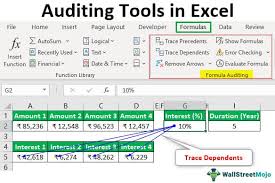
Auditing tools in Excel refer to a set of features and functionalities that help users track, analyse, and review changes made to spreadsheets. These tools enable users to audit formulas, trace precedents and dependents, identify errors, and ensure the accuracy of calculations within Excel workbooks. By utilising auditing tools in Excel, users can easily navigate complex formulas, troubleshoot errors, and maintain data integrity. These features play a crucial role in enhancing the transparency and reliability of data analysis processes conducted using Excel spreadsheets.

What is a software auditing tool?

A software auditing tool is a specialised software application designed to monitor, track, and analyse various activities within an IT infrastructure. It provides organisations with the capability to oversee user actions, system changes, and network traffic to ensure compliance with regulations, enhance security measures, and optimise performance. By generating detailed reports and maintaining an audit trail of activities, a software auditing tool helps organisations maintain accountability, identify vulnerabilities, and address potential risks effectively.

What is meant by audit tools?

Audit tools refer to software applications or solutions designed to monitor, track, and analyse various activities within an IT infrastructure. These tools play a crucial role in enhancing security, ensuring compliance with regulations, and optimising performance within an organisation. By providing detailed insights into user activities, system performance metrics, and audit trails of events, audit tools help organisations maintain a secure and efficient IT environment. Essentially, audit tools serve as a proactive mechanism for identifying potential risks, maintaining accountability among users, and facilitating effective management of IT resources.

The Importance of Cyber Security

The Importance of Cyber Security

In today’s digital age, where technology plays a central role in our personal and professional lives, the importance of cyber security cannot be overstated. Cyber security encompasses the practices, technologies, and processes designed to protect networks, devices, programs, and data from attack, damage, or unauthorised access.

Cyber threats are constantly evolving and becoming more sophisticated. Hackers and cybercriminals are always on the lookout for vulnerabilities to exploit for financial gain or malicious intent. From phishing scams to ransomware attacks, the risks posed by cyber threats are real and can have devastating consequences for individuals and organisations alike.

Implementing robust cyber security measures is essential to safeguard sensitive information, maintain the integrity of systems, and protect privacy. Organisations need to invest in firewalls, encryption tools, intrusion detection systems, and regular security audits to mitigate the risks posed by cyber threats.

Furthermore, raising awareness about cyber security among employees is crucial. Human error remains one of the leading causes of data breaches. By educating staff about best practices such as creating strong passwords, identifying phishing attempts, and keeping software up to date, organisations can significantly reduce their vulnerability to cyber attacks.

Government agencies also play a vital role in promoting cyber security through legislation and regulation. Data protection laws such as the General Data Protection Regulation (GDPR) set standards for how personal data should be handled and provide individuals with greater control over their information.

In conclusion, prioritising cyber security is not just an option – it’s a necessity in today’s interconnected world. By staying vigilant, adopting best practices, and investing in the right tools and technologies, individuals and organisations can better protect themselves against the ever-evolving landscape of cyber threats.


Top 4 Frequently Asked Questions About Cyber Security Careers and Concepts

  1. Is cybersecurity a good career?
  2. What is the study of cyber security?
  3. What is the main role of cyber security?
  4. What are the 5 types of cyber security?

Is cybersecurity a good career?

Considering the rapid growth of cyber threats and the increasing reliance on digital technologies across all sectors, pursuing a career in cybersecurity can be a highly rewarding choice. Cybersecurity professionals are in high demand as organisations seek to protect their data and systems from malicious actors. With opportunities for continuous learning, career advancement, and competitive salaries, entering the cybersecurity field can offer a fulfilling and stable career path. As cyber attacks become more sophisticated, the need for skilled professionals who can detect, prevent, and respond to security incidents continues to rise, making cybersecurity an excellent career choice for those passionate about technology and safeguarding critical information assets.

What is the study of cyber security?

The study of cyber security involves the exploration of strategies, technologies, and practices aimed at safeguarding digital systems, networks, and data from malicious attacks or unauthorised access. It encompasses a comprehensive examination of threat detection, risk management, incident response, and compliance with security standards. Students pursuing cyber security education delve into topics such as cryptography, network security, ethical hacking, and cyber forensics to develop the skills necessary to protect information assets in an increasingly interconnected world. By understanding the principles and methodologies of cyber security, individuals can contribute to creating resilient and secure digital environments that combat evolving cyber threats effectively.

What is the main role of cyber security?

The main role of cyber security is to safeguard digital systems, networks, and data from malicious attacks, unauthorised access, and potential breaches. By implementing a range of preventive measures, such as firewalls, encryption protocols, and intrusion detection systems, cyber security aims to protect sensitive information and ensure the integrity and availability of digital assets. Additionally, cyber security plays a critical role in identifying vulnerabilities, responding to incidents swiftly, and maintaining compliance with data protection regulations to mitigate risks effectively in today’s rapidly evolving threat landscape.

What are the 5 types of cyber security?

There are five primary types of cyber security measures that organisations can implement to protect their digital assets and data from cyber threats. These include network security, which involves securing the organisation’s network infrastructure to prevent unauthorised access and attacks; application security, which focuses on securing software applications and systems from vulnerabilities and exploits; information security, which encompasses the protection of sensitive data through encryption, access controls, and data loss prevention measures; endpoint security, which involves securing individual devices such as computers, mobile devices, and servers from cyber threats like malware and phishing attacks; and cloud security, which focuses on protecting data stored in cloud environments through encryption, identity management, and secure configurations. By implementing a combination of these cyber security measures, organisations can enhance their overall security posture and mitigate the risks posed by cyber threats.

The Importance of Protection in Today’s Digital World

Protection plays a crucial role in safeguarding our assets, whether physical or digital. In today’s interconnected world, where information is constantly shared and accessed online, the need for robust protection measures has never been more critical.

When we talk about protection in the digital realm, we often refer to cybersecurity – the practice of defending computers, servers, mobile devices, networks, and data from malicious attacks. These attacks can come in various forms, such as viruses, malware, phishing scams, ransomware, and more. Without adequate protection measures in place, individuals and organisations are vulnerable to cyber threats that can result in data breaches, financial losses, reputational damage, and even legal consequences.

One of the fundamental aspects of protection is prevention. By implementing proactive security measures like firewalls, antivirus software, encryption protocols, multi-factor authentication, and regular software updates, individuals and businesses can significantly reduce their risk of falling victim to cyberattacks. Prevention is always better than cure when it comes to cybersecurity.

Furthermore, education and awareness play a vital role in enhancing protection levels. Educating users about best practices for online safety – such as creating strong passwords, being cautious of suspicious emails or links, and avoiding public Wi-Fi networks for sensitive transactions – can help mitigate potential risks and strengthen overall security posture.

In addition to protecting against external threats, it’s essential to consider internal risks as well. Insider threats – whether intentional or unintentional – pose a significant challenge to security. Organisations must implement access controls, privilege management systems, monitoring tools, and employee training programmes to mitigate the risks associated with insider threats.

Ultimately, protection is not a one-time effort but an ongoing commitment that requires constant vigilance and adaptation. As cyber threats continue to evolve in sophistication and frequency, individuals and organisations must stay ahead by investing in cutting-edge technologies and staying informed about emerging trends in cybersecurity.

In conclusion,protection is the cornerstone of a secure digital environment. By prioritising cybersecurity measures,

we can create a safer online world for everyone.


Key Benefits of Robust Protection Measures for Data and Cybersecurity

  1. Enhances data security and confidentiality
  2. Mitigates the risk of cyberattacks and data breaches
  3. Protects against malware, viruses, and other malicious threats
  4. Safeguards personal and financial information from theft
  5. Ensures compliance with regulatory requirements and standards
  6. Builds trust with customers and stakeholders
  7. Preserves the reputation of individuals and organisations
  8. Promotes a culture of cybersecurity awareness and best practices


Potential Drawbacks of Implementing Extensive Protection Measures

  1. Over-reliance on protection measures may create a false sense of security, leading individuals or organisations to overlook other critical aspects of cybersecurity.
  2. Implementing and maintaining robust protection measures can be resource-intensive, requiring investments in technology, training, and ongoing monitoring.
  3. Excessive protection measures may sometimes hinder user experience or operational efficiency, causing frustration among users and impacting productivity.

Enhances data security and confidentiality

Enhancing data security and confidentiality is a fundamental pro of protection measures in today’s digital landscape. By implementing robust security protocols, such as encryption, access controls, and data loss prevention mechanisms, organisations can safeguard sensitive information from unauthorised access or breaches. This not only helps maintain the trust of customers and stakeholders but also ensures compliance with data protection regulations. Protection measures play a vital role in preserving the integrity and confidentiality of data, ultimately contributing to a secure and resilient digital ecosystem.

Mitigates the risk of cyberattacks and data breaches

Effective protection measures play a vital role in mitigating the risk of cyberattacks and data breaches. By implementing robust cybersecurity protocols, organisations can significantly reduce their vulnerability to malicious intrusions and safeguard sensitive information from falling into the wrong hands. Proactive protection not only helps prevent potential financial losses and reputational damage but also ensures compliance with data privacy regulations. Prioritising security measures is essential in today’s digital landscape to maintain trust with customers, protect valuable assets, and uphold the integrity of business operations.

Protects against malware, viruses, and other malicious threats

Protection is essential in safeguarding systems and data against a myriad of malicious threats, including malware, viruses, and other harmful entities. By implementing robust security measures such as antivirus software, firewalls, and regular system scans, organisations can effectively shield themselves from the damaging effects of cyber threats. These protective measures act as a barrier, preventing malicious actors from infiltrating networks, compromising sensitive information, and causing disruption to operations. With adequate protection in place, businesses can mitigate the risks associated with malware attacks and ensure the integrity and confidentiality of their digital assets.

Safeguards personal and financial information from theft

Protection serves as a vital shield that safeguards personal and financial information from the clutches of cyber thieves and fraudsters. By implementing robust security measures such as encryption, secure authentication protocols, and regular monitoring, individuals can fortify their sensitive data against theft and unauthorised access. This proactive approach not only instils confidence in users to conduct online transactions securely but also helps in preventing identity theft, financial fraud, and other malicious activities that could jeopardise one’s personal and financial well-being.

Ensures compliance with regulatory requirements and standards

Ensuring compliance with regulatory requirements and standards is a crucial benefit of robust protection measures. By implementing strong security protocols and practices, organisations can demonstrate their commitment to upholding industry regulations and safeguarding sensitive data. Compliance not only helps mitigate legal risks and potential fines but also enhances trust with customers and stakeholders. By prioritising protection, businesses can maintain a competitive edge in the market while fostering a culture of accountability and responsibility in handling confidential information.

Builds trust with customers and stakeholders

Building trust with customers and stakeholders is a key benefit of robust protection measures. When individuals and organisations demonstrate a commitment to safeguarding sensitive information and maintaining the integrity of their systems, it instils confidence in their ability to handle data responsibly. By prioritising protection, businesses show that they value the privacy and security of their customers, which can lead to stronger relationships, increased loyalty, and enhanced reputation in the marketplace. Trust is the foundation of successful partnerships, and by investing in protection, organisations can build a solid framework for long-term trust and collaboration with their valued customers and stakeholders.

Preserves the reputation of individuals and organisations

Preserving the reputation of individuals and organisations is a key benefit of robust protection measures. In today’s interconnected world, where information spreads rapidly and reputations can be tarnished in an instant, safeguarding against cyber threats is essential to maintaining trust and credibility. By implementing effective protection strategies, such as encryption protocols, secure access controls, and regular security audits, individuals and organisations can demonstrate their commitment to data privacy and integrity. This proactive approach not only safeguards sensitive information from falling into the wrong hands but also helps build a positive reputation based on reliability, professionalism, and trustworthiness.

Promotes a culture of cybersecurity awareness and best practices

Promoting a culture of cybersecurity awareness and best practices is a significant pro of protection measures. By emphasising the importance of security within an organisation or community, individuals become more vigilant and informed about potential threats. This proactive approach encourages regular training sessions, knowledge sharing, and adherence to security protocols, fostering a collective responsibility towards safeguarding digital assets. Ultimately, a culture of cybersecurity awareness not only enhances overall protection but also creates a resilient environment where everyone plays a role in defending against cyber threats.

Over-reliance on protection measures may create a false sense of security, leading individuals or organisations to overlook other critical aspects of cybersecurity.

An inherent con of excessive reliance on protection measures is the potential to foster a false sense of security, which can inadvertently divert attention away from equally important facets of cybersecurity. While robust protection measures are essential in fortifying defences against cyber threats, solely focusing on them may result in neglecting other crucial components such as employee training, incident response planning, and regular security assessments. This over-reliance can create blind spots within an organisation’s security posture, leaving them vulnerable to threats that could have been mitigated through a more holistic approach to cybersecurity.

Implementing and maintaining robust protection measures can be resource-intensive, requiring investments in technology, training, and ongoing monitoring.

Implementing and maintaining robust protection measures can be a significant challenge due to the resource-intensive nature of such endeavours. It often necessitates substantial investments in technology, training, and continuous monitoring to ensure effective security protocols are in place. The financial costs associated with acquiring and deploying advanced cybersecurity solutions, conducting regular staff training sessions, and dedicating resources to monitor and respond to potential threats can strain budgets, especially for smaller organisations with limited resources. Balancing the need for comprehensive protection with the realities of budget constraints poses a conundrum for many businesses striving to fortify their defences against evolving cyber threats.

Excessive protection measures may sometimes hinder user experience or operational efficiency, causing frustration among users and impacting productivity.

Excessive protection measures, while intended to enhance security, can inadvertently impede user experience and operational efficiency. When security protocols become overly restrictive or cumbersome, users may encounter obstacles that slow down their workflow, leading to frustration and decreased productivity. For instance, frequent password changes, complex authentication processes, or stringent access controls can create barriers that hinder user interactions with systems and applications. Striking a balance between robust protection and user-friendly design is essential to ensure that security measures do not compromise the overall usability and efficiency of digital environments.

The Importance of Assessments in Personal and Professional Development

The Importance of Assessments in Personal and Professional Development

Assessments play a crucial role in both personal and professional development by providing valuable insights into an individual’s strengths, weaknesses, and areas for improvement. Whether conducted in an educational setting, workplace environment, or for personal growth purposes, assessments offer a structured way to evaluate performance and progress.

Educational Assessments

In educational settings, assessments are used to measure students’ knowledge, skills, and understanding of various subjects. These assessments can take the form of exams, quizzes, projects, or standardised tests. By evaluating students’ performance through assessments, educators can identify areas where additional support is needed and tailor their teaching methods to better meet the needs of individual learners.

Professional Assessments

In the professional world, assessments are commonly used for recruitment, performance evaluations, and skills development. Psychometric assessments help employers gauge a candidate’s suitability for a particular role based on their personality traits, aptitudes, and cognitive abilities. Performance appraisals provide employees with feedback on their work performance and help identify areas for growth and advancement within the organisation.

Personal Development Assessments

For personal development purposes, individuals often undertake self-assessments to gain a better understanding of their strengths, interests, and values. Personality assessments like Myers-Briggs Type Indicator (MBTI) or StrengthsFinder can provide insights into one’s behavioural preferences and unique qualities. These assessments empower individuals to make informed decisions about their career paths, relationships, and personal growth strategies.

The Benefits of Assessments

Assessments offer several benefits that contribute to personal and professional growth:

  • Identifying strengths and weaknesses
  • Setting goals for improvement
  • Enhancing self-awareness
  • Fostering continuous learning
  • Promoting objective decision-making
  • Facilitating career planning
  • Improving communication skills

By embracing assessments as a tool for evaluation and development, individuals can unlock their full potential and achieve success in various aspects of life.


Understanding Assessments: Common Questions and Their Answers

  1. What is the meaning of assessment in B Ed?
  2. What’s the meaning of a assessment?
  3. What is the meaning of under assessment?
  4. What is the purpose of the assessment?
  5. What do you mean by assessment?
  6. What’s the meaning of assessment?
  7. What is assessment and example?

What is the meaning of assessment in B Ed?

In the context of a Bachelor of Education (B.Ed) programme, assessment refers to the systematic process of evaluating students’ learning outcomes, progress, and achievements. Assessments in B.Ed courses encompass various methods such as exams, assignments, projects, presentations, and practical demonstrations to gauge students’ understanding of educational concepts and their ability to apply them in teaching contexts. The primary goal of assessment in B.Ed is to measure students’ competency in teaching practices, content knowledge, pedagogical skills, and classroom management techniques. Through assessments, educators can provide constructive feedback to aspiring teachers, guide their professional development, and ensure that they are well-prepared to excel in the field of education.

What’s the meaning of a assessment?

An assessment refers to the process of evaluating or appraising someone or something to determine their performance, capabilities, or qualities in a particular context. It involves gathering information, analysing data, and reaching conclusions based on established criteria. Assessments can take various forms, such as tests, surveys, observations, or interviews, and are commonly used in educational, professional, and personal settings to measure progress, identify areas for improvement, and make informed decisions. The primary goal of an assessment is to provide valuable insights that guide individuals or organisations towards achieving their goals and enhancing overall effectiveness.

What is the meaning of under assessment?

The term “under assessment” refers to a situation where an individual, project, or entity is currently being evaluated or reviewed to determine their performance, progress, or compliance with certain criteria. When something is described as being “under assessment,” it indicates that a formal examination or analysis is taking place to assess its current status and identify areas for improvement or further action. This process of assessment helps in providing valuable feedback and insights that can guide decision-making and facilitate growth and development in the relevant context.

What is the purpose of the assessment?

The purpose of an assessment is to evaluate and measure an individual’s or a group’s knowledge, skills, abilities, or performance in a specific area. Assessments serve as a valuable tool to gather information about the strengths and weaknesses of the assessed entity, whether it be a student, employee, or organisation. By defining clear objectives and criteria for assessment, the process aims to provide insights that can inform decision-making, identify areas for improvement, track progress over time, and ultimately support personal and professional development. The primary goal of assessments is to generate meaningful data that can guide individuals and institutions towards achieving their desired outcomes effectively.

What do you mean by assessment?

An assessment refers to the process of evaluating or appraising something, typically to gather information, make judgments, or determine the quality or value of a particular entity. In educational contexts, assessments are used to measure students’ knowledge and skills, while in professional settings, assessments help gauge performance and potential. Assessments can take various forms, such as tests, interviews, observations, or self-assessments, and they play a vital role in providing valuable insights for personal growth, decision-making, and improvement strategies.

What’s the meaning of assessment?

The concept of assessment encompasses the process of evaluating and measuring an individual’s knowledge, skills, abilities, or performance in a specific area. Assessment aims to provide insights into one’s strengths and weaknesses, allowing for informed decisions regarding personal or professional development. It serves as a tool to gauge progress, set goals for improvement, and make well-informed decisions based on the outcomes obtained. Ultimately, assessment plays a pivotal role in enhancing self-awareness, guiding learning processes, and facilitating growth across various domains of life.

What is assessment and example?

Assessment is the process of evaluating and measuring an individual’s knowledge, skills, abilities, or performance in a particular area. It involves gathering information through various methods to make informed decisions about a person’s capabilities or progress. An example of assessment could be a teacher administering a written test to assess students’ understanding of a specific subject matter. Through this assessment, the teacher can determine the students’ level of comprehension and identify areas where additional support may be needed to enhance learning outcomes. Overall, assessments serve as valuable tools for gauging proficiency and guiding improvement efforts in educational and professional settings.

The Importance of Assessment in Personal and Professional Growth

The Importance of Assessment in Personal and Professional Growth

Assessment plays a crucial role in both personal and professional development. It involves evaluating one’s skills, knowledge, strengths, and weaknesses to gain insights into areas that require improvement. Whether in an educational setting, career advancement, or self-improvement journey, assessment provides valuable feedback that guides individuals towards growth and success.

Educational Assessment

In the realm of education, assessment is used to measure students’ understanding of subjects, identify learning gaps, and tailor teaching strategies to meet their needs. Through assessments such as exams, quizzes, and projects, educators can gauge students’ progress and provide targeted support to enhance their learning outcomes.

Career Development

Assessment is equally important in professional settings. Employees undergo performance evaluations to assess their job performance, set goals for improvement, and determine training needs. By receiving constructive feedback through assessments, individuals can enhance their skills, boost productivity, and progress in their careers.

Self-Assessment

Self-assessment is a powerful tool for personal growth. By reflecting on one’s abilities, values, and goals, individuals can identify areas for self-improvement and take proactive steps towards achieving them. Self-assessment fosters self-awareness and empowers individuals to make informed decisions about their personal development journey.

The Benefits of Assessment

  • Identifying Strengths: Assessment helps individuals recognise their strengths and leverage them for success.
  • Highlighting Weaknesses: By pinpointing areas that need improvement, assessment guides individuals towards growth opportunities.
  • Setting Goals: Assessments assist in setting realistic goals based on current capabilities and desired outcomes.
  • Tracking Progress: Regular assessments enable individuals to track their progress over time and make adjustments as needed.
  • Promoting Growth Mindset: Embracing assessment fosters a growth mindset that values continuous learning and development.

In conclusion, assessment is a valuable tool for personal and professional growth. By embracing assessment practices in various aspects of life, individuals can unlock their full potential, overcome challenges, and achieve success on their unique journeys of development.


Six Essential Tips for Effective Student Assessment

  1. Clearly communicate assessment criteria to students in advance.
  2. Use a variety of assessment methods to cater to different learning styles.
  3. Provide constructive feedback that highlights strengths and areas for improvement.
  4. Ensure assessments are fair, reliable, and valid measures of student learning.
  5. Encourage self-assessment and reflection to enhance student understanding of their own progress.
  6. Regularly review and adjust assessment strategies based on feedback and outcomes.

Clearly communicate assessment criteria to students in advance.

It is essential to clearly communicate assessment criteria to students in advance to ensure transparency and fairness in the evaluation process. By providing clear guidelines on what will be assessed, how it will be assessed, and the expectations for each assessment task, students can better understand what is required of them and how they will be evaluated. This proactive approach not only helps students prepare effectively but also empowers them to demonstrate their knowledge and skills confidently, leading to a more meaningful learning experience and accurate assessment outcomes.

Use a variety of assessment methods to cater to different learning styles.

Utilising a diverse range of assessment methods is essential to accommodate various learning styles effectively. By incorporating assessments such as written assignments, oral presentations, group projects, and practical demonstrations, educators can cater to the diverse needs and preferences of learners. This approach not only ensures a more comprehensive evaluation of students’ understanding but also provides opportunities for individuals to showcase their strengths in different formats. Embracing a variety of assessment methods promotes inclusivity, engagement, and a deeper level of learning that resonates with each student’s unique way of processing information.

Provide constructive feedback that highlights strengths and areas for improvement.

When conducting assessments, it is essential to provide constructive feedback that not only acknowledges individuals’ strengths but also identifies areas for improvement. By highlighting accomplishments and positive attributes, individuals are encouraged and motivated to continue excelling in their endeavours. Simultaneously, addressing areas that require development offers valuable guidance for growth and enhancement. Constructive feedback serves as a roadmap for individuals to build upon their strengths while actively working towards overcoming challenges, ultimately fostering continuous progress and personal development.

Ensure assessments are fair, reliable, and valid measures of student learning.

It is essential to ensure that assessments are fair, reliable, and valid measures of student learning. Fair assessments provide all students with an equal opportunity to demonstrate their knowledge and skills without bias or discrimination. Reliability ensures that assessment results are consistent and dependable, reflecting students’ true abilities accurately. Valid assessments measure what they intend to assess, aligning closely with learning objectives and providing meaningful insights into students’ progress and achievements. By prioritising fairness, reliability, and validity in assessments, educators can effectively evaluate student learning outcomes and support continuous improvement in teaching practices.

Encourage self-assessment and reflection to enhance student understanding of their own progress.

Encouraging self-assessment and reflection is a valuable tip in the realm of assessment, particularly in educational settings. By empowering students to evaluate their own progress and reflect on their learning journey, they gain a deeper understanding of their strengths, weaknesses, and areas for improvement. Self-assessment promotes metacognition and self-awareness, enabling students to take ownership of their learning process and set meaningful goals for growth. Through this introspective practice, students not only enhance their academic performance but also develop essential skills for lifelong learning and personal development.

Regularly review and adjust assessment strategies based on feedback and outcomes.

Regularly reviewing and adjusting assessment strategies based on feedback and outcomes is a fundamental tip for ensuring the effectiveness of assessment processes. By actively seeking feedback from stakeholders and analysing assessment outcomes, individuals can identify areas for improvement and make necessary adjustments to enhance the validity and reliability of assessments. This iterative approach not only promotes continuous improvement but also ensures that assessment strategies remain aligned with evolving goals and objectives, ultimately leading to more meaningful and actionable insights for personal and professional growth.

The Importance of Regularly Assessing Your Business Processes

The Importance of Regularly Assessing Your Business Processes

Assessing your business processes is a critical aspect of maintaining efficiency, identifying areas for improvement, and ensuring long-term success. By regularly evaluating how your business operates, you can uncover inefficiencies, streamline operations, and adapt to changing market conditions.

Identifying Inefficiencies

Regular assessments allow you to pinpoint bottlenecks, redundancies, and other inefficiencies that may be hindering your business performance. By identifying these areas, you can implement targeted solutions to improve productivity and reduce waste.

Adapting to Change

In today’s fast-paced business environment, change is constant. Regular assessments help you stay agile and responsive to market shifts, technological advancements, and evolving customer demands. By assessing your processes regularly, you can adapt quickly to changes and maintain a competitive edge.

Improving Customer Satisfaction

Efficient business processes directly impact customer satisfaction. By assessing how your business operates from the customer’s perspective, you can identify pain points and areas for improvement. This leads to enhanced customer experiences, increased loyalty, and positive word-of-mouth referrals.

Ensuring Compliance

Many industries are subject to regulations and compliance standards that govern how businesses operate. Regular assessments help ensure that your processes adhere to legal requirements and industry best practices. By staying compliant, you mitigate risks and build trust with stakeholders.

Enhancing Decision-Making

Assessing your business processes provides valuable insights that inform strategic decision-making. Data-driven assessments enable you to make informed choices about resource allocation, process improvements, and future investments. This leads to more effective decision-making and better outcomes for your business.

In conclusion, regularly assessing your business processes is essential for maintaining competitiveness, driving growth, and achieving long-term success. By prioritising assessments as a fundamental part of your operational strategy, you position your business for continued innovation and excellence in a dynamic marketplace.


Essential FAQs on Assessing Business Processes and Operations

  1. What is the purpose of assessing business processes?
  2. How often should business processes be assessed?
  3. What are the benefits of regularly assessing business operations?
  4. How can assessments help identify inefficiencies in a business?
  5. What role does assessing play in adapting to changing market conditions?
  6. In what ways do assessments contribute to improving customer satisfaction?
  7. Why is ensuring compliance through assessments important for businesses?
  8. How do data-driven assessments enhance decision-making within an organisation?
  9. What are the key considerations when conducting a comprehensive assessment of business processes?

What is the purpose of assessing business processes?

Assessing business processes serves the fundamental purpose of evaluating and improving the efficiency, effectiveness, and overall performance of an organisation’s operations. By conducting assessments, businesses can identify areas of strength and weakness within their processes, pinpoint opportunities for enhancement, and streamline workflows to maximise productivity. The primary goal of assessing business processes is to drive continuous improvement, ensure alignment with strategic objectives, adapt to changing market dynamics, enhance customer satisfaction, and maintain compliance with regulatory requirements. Ultimately, the purpose of assessing business processes is to foster innovation, mitigate risks, and sustain long-term success in a competitive business landscape.

How often should business processes be assessed?

Regular assessment of business processes is crucial for maintaining operational efficiency and driving continuous improvement. The frequency of assessments may vary depending on the nature of the business, industry regulations, and internal requirements. In general, it is recommended to conduct business process assessments on a regular basis, such as annually or bi-annually, to ensure that operations remain aligned with strategic goals, identify areas for enhancement, and adapt to changing market dynamics. By establishing a consistent schedule for assessing business processes, organisations can proactively address inefficiencies, mitigate risks, and foster a culture of innovation and agility.

What are the benefits of regularly assessing business operations?

Regularly assessing business operations offers a multitude of benefits that are crucial for sustained success. By conducting regular assessments, businesses can identify inefficiencies, streamline processes, and enhance overall productivity. This proactive approach enables organisations to adapt swiftly to market changes, technological advancements, and customer preferences. Moreover, regular assessments help in ensuring compliance with regulations and industry standards, reducing risks and building trust with stakeholders. Ultimately, the practice of regularly assessing business operations empowers companies to make informed decisions, drive continuous improvement, and maintain a competitive edge in today’s dynamic business landscape.

How can assessments help identify inefficiencies in a business?

Assessments play a crucial role in identifying inefficiencies within a business by providing a systematic and structured way to evaluate its processes, operations, and performance. Through assessments, businesses can analyse key metrics, workflows, and outcomes to pinpoint bottlenecks, redundancies, or areas where resources are being underutilised. By examining these aspects in detail, assessments reveal inefficiencies that may go unnoticed in day-to-day operations. This insight enables businesses to make informed decisions on streamlining processes, reallocating resources effectively, and implementing targeted improvements to enhance overall efficiency and productivity.

What role does assessing play in adapting to changing market conditions?

Assessing plays a crucial role in adapting to changing market conditions by providing businesses with valuable insights into their current processes, performance, and customer needs. Through regular assessments, organisations can identify areas that require improvement or adjustment to align with shifting market trends and demands. By evaluating key metrics, analysing customer feedback, and monitoring industry changes, businesses can make informed decisions on how to modify their strategies, products, and services to remain competitive and responsive to evolving market conditions. Effective assessment enables businesses to proactively address challenges, seize opportunities, and stay agile in a dynamic business landscape.

In what ways do assessments contribute to improving customer satisfaction?

Assessments play a crucial role in enhancing customer satisfaction by providing valuable insights into the efficiency and effectiveness of business processes. By evaluating customer feedback, measuring performance metrics, and identifying areas for improvement through assessments, businesses can tailor their products and services to better meet customer needs and expectations. This proactive approach not only results in higher-quality offerings but also fosters stronger relationships with customers, leading to increased loyalty and positive experiences that ultimately drive overall satisfaction levels.

Why is ensuring compliance through assessments important for businesses?

Ensuring compliance through assessments is crucial for businesses to uphold legal standards, industry regulations, and best practices. By conducting regular assessments, businesses can identify areas where they may be falling short of compliance requirements and take corrective action promptly. Compliance assessments help mitigate risks, protect sensitive data, and build trust with customers and stakeholders. Furthermore, demonstrating a commitment to compliance through thorough assessments enhances the reputation of the business and reduces the likelihood of costly fines or legal consequences. Overall, prioritising compliance through assessments is essential for maintaining integrity, credibility, and sustainability in today’s complex business landscape.

How do data-driven assessments enhance decision-making within an organisation?

Data-driven assessments play a crucial role in enhancing decision-making within an organisation by providing valuable insights based on objective analysis of relevant data. By utilising data to assess various aspects of operations, performance, and outcomes, organisations can make informed decisions that are grounded in evidence rather than intuition or assumptions. These assessments enable leaders to identify trends, patterns, and opportunities that may otherwise go unnoticed, allowing for more effective resource allocation, process improvements, and strategic planning. Ultimately, data-driven assessments empower organisations to make decisions with confidence, leading to better outcomes and increased competitiveness in today’s dynamic business landscape.

What are the key considerations when conducting a comprehensive assessment of business processes?

When conducting a comprehensive assessment of business processes, several key considerations play a crucial role in ensuring a thorough and effective evaluation. Firstly, it is essential to define clear objectives and scope for the assessment to focus on specific areas that align with business goals. Identifying key stakeholders and involving them in the assessment process can provide valuable insights and perspectives. Utilising relevant data and metrics to measure performance and identify areas for improvement is vital for making informed decisions. Additionally, considering the impact of technology, regulatory requirements, and market trends on business processes helps in adapting strategies for long-term success. Lastly, fostering a culture of continuous improvement and collaboration within the organisation ensures that the assessment leads to actionable outcomes that drive positive change and enhance overall efficiency.

Azure AD Identity Management

The Power of Azure AD Identity Management

Azure Active Directory (Azure AD) is Microsoft’s cloud-based identity and access management service that helps your organisation secure and manage users and devices. With Azure AD Identity Management, businesses can streamline user authentication, enhance security, and simplify access control across various applications and services.

Key Features of Azure AD Identity Management:

  • Single Sign-On (SSO): Azure AD enables users to access multiple applications with just one set of credentials, improving user experience and productivity.
  • Multi-Factor Authentication (MFA): Enhance security by requiring users to provide additional verification methods beyond passwords, such as SMS codes or biometric data.
  • Identity Protection: Detect potential vulnerabilities and risky sign-in behaviours in real-time to prevent unauthorised access to your resources.
  • Self-Service Password Reset: Empower users to reset their passwords securely without IT intervention, reducing helpdesk costs and improving efficiency.
  • Conditional Access: Define policies based on specific conditions to control access to applications and resources, ensuring secure access from trusted locations or devices.

Benefits of Azure AD Identity Management:

Azure AD Identity Management offers numerous benefits for organisations looking to enhance their security posture and streamline identity management processes:

  • Centralised User Management: Manage user identities from a single location, simplifying administration tasks and ensuring consistency across your IT environment.
  • Enhanced Security: Implement advanced security measures such as MFA, conditional access policies, and risk-based authentication to protect against threats and data breaches.
  • User Productivity: Enable seamless access to applications with SSO capabilities, reducing the need for multiple logins and improving user productivity.
  • Auditing and Reporting: Monitor user activities, generate reports on sign-in events, and track changes in identity configurations for compliance purposes.
  • Scalability: Scale your identity management solution according to your organisation’s needs without the hassle of managing on-premises infrastructure.

In conclusion, Azure AD Identity Management is a powerful tool that can help organisations effectively manage identities, strengthen security controls, and improve user experience in today’s digital landscape. By leveraging the features and benefits of Azure AD, businesses can achieve a more secure and efficient identity management strategy that aligns with modern IT requirements.


Top 8 Tips for Effective Azure AD Identity Management

  1. Enable Multi-Factor Authentication (MFA) for an added layer of security.
  2. Regularly review and clean up unused accounts to reduce security risks.
  3. Implement Conditional Access policies to control access based on conditions like location or device.
  4. Utilise Privileged Identity Management (PIM) to manage, control, and monitor access within Azure AD.
  5. Set up self-service password reset to reduce helpdesk requests and improve user experience.
  6. Integrate Azure AD with other applications using Single Sign-On (SSO) for seamless user authentication.
  7. Monitor sign-in activities and set up alerts for suspicious behaviour through Azure AD Identity Protection.
  8. Regularly update security configurations and keep abreast of new features and best practices in Azure AD.

Enable Multi-Factor Authentication (MFA) for an added layer of security.

By enabling Multi-Factor Authentication (MFA) in Azure AD Identity Management, organisations can significantly enhance their security posture by adding an extra layer of protection to user authentication processes. MFA requires users to verify their identity using multiple factors, such as passwords, SMS codes, or biometric data, reducing the risk of unauthorised access even if passwords are compromised. This proactive measure not only strengthens security but also ensures that sensitive data and resources are better safeguarded against potential threats and cyber attacks.

Regularly review and clean up unused accounts to reduce security risks.

Regularly reviewing and cleaning up unused accounts in Azure AD Identity Management is a crucial tip to reduce security risks within your organisation. By identifying and removing accounts that are no longer in use or associated with active users, you can significantly decrease the potential attack surface and minimise the risk of unauthorised access. This proactive approach helps maintain a more secure environment by ensuring that only necessary accounts have access to your resources, ultimately strengthening your overall security posture.

Implement Conditional Access policies to control access based on conditions like location or device.

By implementing Conditional Access policies within Azure AD Identity Management, organisations can exert granular control over user access based on specific conditions such as location or device type. This strategic approach enhances security by allowing administrators to define rules that determine when and how users can access resources, ensuring that sensitive data remains protected and reducing the risk of unauthorised access. Conditional Access policies empower businesses to enforce access controls tailored to their unique security requirements, ultimately bolstering overall cybersecurity posture and safeguarding against potential threats.

Utilise Privileged Identity Management (PIM) to manage, control, and monitor access within Azure AD.

By utilising Privileged Identity Management (PIM) within Azure AD, organisations can effectively manage, control, and monitor access to critical resources. PIM allows administrators to assign just-in-time privileged roles to users, ensuring that elevated permissions are only granted when necessary and for a limited duration. By implementing PIM, businesses can enhance security by reducing the risk of excessive access rights and unauthorised use of privileged accounts. Additionally, PIM provides detailed logging and reporting capabilities, enabling administrators to track and audit privileged access activities within Azure AD for improved governance and compliance.

Set up self-service password reset to reduce helpdesk requests and improve user experience.

Setting up self-service password reset in Azure AD Identity Management can significantly benefit organisations by reducing the burden on helpdesk teams and enhancing user experience. By allowing users to reset their passwords independently, organisations can streamline the password recovery process, saving time and resources for IT support staff. This feature empowers users to regain access to their accounts quickly and securely, leading to increased productivity and satisfaction. Ultimately, implementing self-service password reset not only improves operational efficiency but also strengthens security by enabling users to manage their credentials proactively.

Integrate Azure AD with other applications using Single Sign-On (SSO) for seamless user authentication.

By integrating Azure AD with other applications using Single Sign-On (SSO), organisations can achieve seamless user authentication across multiple platforms. This tip enhances user experience by allowing users to access various applications with a single set of credentials, eliminating the need for multiple logins. With SSO, users can navigate between different services effortlessly, boosting productivity and reducing the burden of remembering and managing multiple passwords. This integration not only streamlines the authentication process but also strengthens security measures by centralising user access control and ensuring consistent identity management practices across the organisation’s digital ecosystem.

Monitor sign-in activities and set up alerts for suspicious behaviour through Azure AD Identity Protection.

By utilising Azure AD Identity Protection, organisations can enhance their security posture by actively monitoring sign-in activities and configuring alerts for any suspicious behaviour. This feature enables businesses to stay vigilant against potential threats and swiftly respond to any unusual login attempts or risky behaviours within their Azure AD environment. By setting up alerts for suspicious activities, organisations can proactively identify and mitigate security risks, ensuring the integrity of their identity management processes and safeguarding sensitive data from unauthorised access.

Regularly update security configurations and keep abreast of new features and best practices in Azure AD.

To ensure robust security and optimal performance in Azure AD Identity Management, it is essential to regularly update security configurations and stay informed about new features and best practices. By keeping abreast of the latest developments in Azure AD, organisations can proactively enhance their identity management strategies, address emerging threats, and leverage new functionalities to strengthen their overall security posture. Regular updates and continuous learning enable businesses to adapt to evolving cybersecurity challenges and maximise the benefits of Azure AD for secure user authentication and access control.