The Importance of STM Software in Academic Publishing

In the realm of academic publishing, Science, Technology, and Medicine (STM) play a crucial role in advancing knowledge and disseminating research findings. STM software has become an indispensable tool for researchers, publishers, and institutions alike, revolutionising the way scholarly content is created, reviewed, and distributed.

Enhancing Collaboration and Efficiency

STM software facilitates seamless collaboration among researchers by providing a platform for sharing data, collaborating on manuscripts, and reviewing each other’s work. This collaborative approach not only accelerates the research process but also ensures that findings are rigorously evaluated before publication.

Streamlining Peer Review Processes

Peer review is a cornerstone of academic publishing, ensuring the quality and credibility of scholarly articles. STM software streamlines the peer review process by automating manuscript submission, reviewer assignment, and feedback collection. This not only expedites the publication timeline but also improves the overall quality of published research.

Ensuring Compliance and Accessibility

STM software plays a vital role in ensuring compliance with industry standards and regulations. From data privacy to copyright management, these tools help publishers adhere to best practices and legal requirements. Additionally, STM software enhances accessibility by providing digital archives of scholarly content that can be easily searched, accessed, and cited by researchers worldwide.

Driving Innovation in Publishing

With the rapid advancements in technology, STM software continues to drive innovation in academic publishing. From artificial intelligence-powered manuscript screening to interactive data visualisations in research articles, these tools are reshaping how scholarly content is created and consumed. By embracing these technological advancements, publishers can stay ahead of the curve and deliver cutting-edge research to their audiences.

The Future of STM Software

As the landscape of academic publishing evolves, so too will STM software. With an increasing focus on open access publishing, data sharing initiatives, and transparent peer review processes, these tools will continue to adapt to meet the changing needs of researchers and readers alike. The future of STM software holds promise for greater collaboration, efficiency, and innovation in scholarly communication.

In conclusion, STM software has become an essential component of modern academic publishing. By leveraging these tools effectively, publishers can enhance collaboration among researchers, streamline peer review processes, ensure compliance with regulations, and drive innovation in the dissemination of scholarly content. As we look towards the future of academic publishing, it is clear that STM software will play a pivotal role in shaping the way research is conducted and shared globally.


Common Questions About STM Software and Hardware: A Quick Guide

  1. What is STM processor?
  2. Is STM32 in C or C++?
  3. What is the cost of STM typing software?
  4. What is STM chip?
  5. What is STM software?
  6. Which software is used for STM32?

What is STM processor?

The term “STM processor” refers to a Scalable Tile Manycore processor, which is a type of processor architecture designed for high-performance computing tasks. STM processors are known for their ability to efficiently handle parallel processing and complex computations by utilising multiple cores arranged in a scalable tile configuration. This design allows STM processors to deliver significant computational power while maintaining energy efficiency, making them ideal for applications that require intensive data processing and analysis. Researchers and developers often turn to STM processors for tasks such as scientific simulations, artificial intelligence algorithms, and big data analytics due to their ability to handle large workloads effectively.

Is STM32 in C or C++?

The STM32 microcontroller series is primarily programmed using the C programming language, which is commonly used for embedded systems development. While C++ can also be used to program STM32 microcontrollers, C remains the dominant language due to its efficiency, simplicity, and widespread support in the embedded systems community. Developers can choose between C and C++ based on their project requirements and familiarity with each language’s features and capabilities. Ultimately, both languages are viable options for programming STM32 microcontrollers, offering flexibility and versatility in embedded systems development.

What is the cost of STM typing software?

When considering the cost of STM typing software, it is essential to understand that pricing can vary depending on the specific features, functionalities, and licensing options offered by different providers. Some STM typing software may be available as standalone products with one-time purchase fees, while others may operate on subscription-based models with monthly or annual payments. Additionally, customised solutions or enterprise-level packages tailored to the needs of academic institutions or publishing houses may involve higher costs but offer comprehensive support and scalability. It is advisable to explore various options, request quotes from vendors, and assess the value proposition of each solution to determine the most cost-effective and suitable STM typing software for your requirements.

What is STM chip?

The STM chip, also known as the Security Token Module chip, is a crucial component in cybersecurity systems that provides secure storage and processing of sensitive information. This chip is designed to enhance the security of electronic devices by safeguarding cryptographic keys, authentication data, and other critical information from unauthorised access or tampering. By utilising advanced encryption techniques and secure storage mechanisms, the STM chip plays a vital role in protecting digital assets and ensuring the integrity of data transmissions in various applications, including smart cards, mobile devices, and IoT devices.

What is STM software?

STM software, short for Science, Technology, and Medicine software, is a specialised tool used in academic publishing to streamline the creation, review, and dissemination of scholarly content within these disciplines. It serves as a comprehensive platform that facilitates collaboration among researchers, manages the peer review process efficiently, ensures compliance with industry standards and regulations, and drives innovation in scholarly communication. STM software plays a pivotal role in advancing knowledge and enhancing the accessibility of research findings by providing digital archives of scholarly content that can be easily searched and accessed by researchers worldwide.

Which software is used for STM32?

When it comes to programming and development for STM32 microcontrollers, the most commonly used software is the STM32CubeIDE. This integrated development environment (IDE) is specifically designed by STMicroelectronics to support the entire STM32 portfolio, offering a comprehensive set of tools for coding, compiling, debugging, and deploying applications on STM32 devices. With its user-friendly interface and extensive features tailored for STM32 development, STM32CubeIDE has become a popular choice among developers working with STM32 microcontrollers.
Apache Identity Management

The Importance of Apache Identity Management

Apache identity management plays a crucial role in ensuring the security and efficiency of web servers running on the Apache platform. With the increasing complexity of online threats and the growing need for secure access control, managing user identities within Apache servers has become a key priority for organisations.

Benefits of Apache Identity Management

Implementing robust identity management practices with Apache offers several benefits:

  • Enhanced Security: By enforcing strict authentication and authorisation mechanisms, Apache identity management helps prevent unauthorised access to sensitive data and resources.
  • Centralised Control: Centralising user identities and permissions simplifies administration tasks and ensures consistency across multiple applications and services.
  • Auditing Capabilities: Apache identity management enables detailed logging and auditing of user activities, facilitating compliance with regulatory requirements.
  • Scalability: Scalable identity management solutions allow organisations to accommodate growth without compromising security or performance.
  • User Experience: Implementing efficient identity management improves the user experience by providing seamless access to authorised resources while maintaining security standards.

Best Practices for Apache Identity Management

To maximise the effectiveness of Apache identity management, consider implementing these best practices:

  1. Strong Authentication: Utilise multi-factor authentication methods to enhance security and verify user identities effectively.
  2. Role-Based Access Control (RBAC): Implement RBAC policies to assign permissions based on roles, reducing complexity and ensuring least privilege access.
  3. Password Policies: Enforce strong password policies, including regular password updates and complexity requirements, to mitigate password-related vulnerabilities.
  4. Regular Auditing: Conduct regular audits of user accounts, permissions, and access logs to identify anomalies or potential security threats proactively.
  5. Educate Users: Provide training on secure login practices and raise awareness about the importance of protecting user credentials to prevent social engineering attacks.

In Conclusion

In today’s digital landscape, effective Apache identity management is essential for safeguarding valuable assets, maintaining regulatory compliance, and delivering a seamless user experience. By implementing robust authentication mechanisms, access controls, and monitoring capabilities within Apache servers, organisations can enhance their security posture and mitigate risks associated with unauthorised access or data breaches.


Understanding Apache Identity Management: Key Questions Answered

  1. What is the difference between identity management and SSO?
  2. What is an identity management tool?
  3. What is the architecture of syncope?
  4. How to use Apache Syncope?
  5. What are the features of Apache Syncope?

What is the difference between identity management and SSO?

When discussing Apache identity management, a common query often arises regarding the distinction between identity management and Single Sign-On (SSO). Identity management primarily focuses on managing user identities, controlling access permissions, and ensuring security within an organisation’s IT systems. On the other hand, SSO is a specific authentication mechanism that allows users to access multiple applications or services with a single set of credentials. While identity management encompasses a broader scope of managing user identities and permissions across various platforms, SSO simplifies the user experience by eliminating the need for multiple logins while maintaining security through secure authentication protocols. Understanding this difference is crucial for organisations aiming to implement effective access control strategies within their Apache servers.

What is an identity management tool?

An identity management tool is a software solution designed to facilitate the administration, control, and security of user identities within an organisation’s IT infrastructure. It enables businesses to manage user access rights, authentication processes, and permissions across various systems and applications centrally. By using an identity management tool, organisations can streamline user provisioning, enforce security policies, and ensure compliance with regulatory requirements. These tools often incorporate features such as single sign-on (SSO), multi-factor authentication (MFA), role-based access control (RBAC), and auditing capabilities to enhance overall security and efficiency in managing user identities.

What is the architecture of syncope?

The architecture of Apache Syncope is designed to provide a comprehensive identity management solution that addresses the complexities of modern IT environments. Syncope follows a modular architecture, consisting of core components such as the Identity Repository, Workflow Engine, and RESTful APIs. The Identity Repository stores user identities and attributes, while the Workflow Engine manages approval processes and governance workflows. By leveraging RESTful APIs, Syncope offers seamless integration with existing systems and applications, enabling efficient identity provisioning and management. This flexible architecture allows organisations to customise and extend Syncope’s functionality to meet their specific identity management requirements effectively.

How to use Apache Syncope?

Apache Syncope is a powerful open-source identity management system that provides comprehensive solutions for managing user identities and access control within organisations. To utilise Apache Syncope effectively, users can follow a structured approach that involves installation, configuration, and integration with existing systems. By leveraging its user-friendly interface and robust features, such as role-based access control and workflow automation, organisations can streamline identity management processes and enhance security across their IT infrastructure. Apache Syncope offers extensive documentation and community support to guide users through the implementation process, making it a valuable tool for simplifying identity management tasks and ensuring compliance with security standards.

What are the features of Apache Syncope?

Apache Syncope is a powerful open-source identity management system that offers a range of advanced features to streamline user provisioning, access control, and identity governance. Some key features of Apache Syncope include comprehensive user lifecycle management, role-based access control (RBAC) capabilities, fine-grained entitlements management, integration with external systems through connectors, robust auditing and reporting functionalities, and support for multi-tenancy environments. With its extensible architecture and flexible configuration options, Apache Syncope empowers organisations to efficiently manage user identities, enforce security policies, and ensure compliance with regulatory requirements within their IT infrastructure.

The Importance of Identity Services in Today’s Digital World

The Importance of Identity Services in Today’s Digital World

In the fast-paced and interconnected digital landscape of today, the need for robust identity services has never been more critical. Identity services play a crucial role in ensuring secure access to various online resources while safeguarding sensitive information from cyber threats.

Enhanced Security

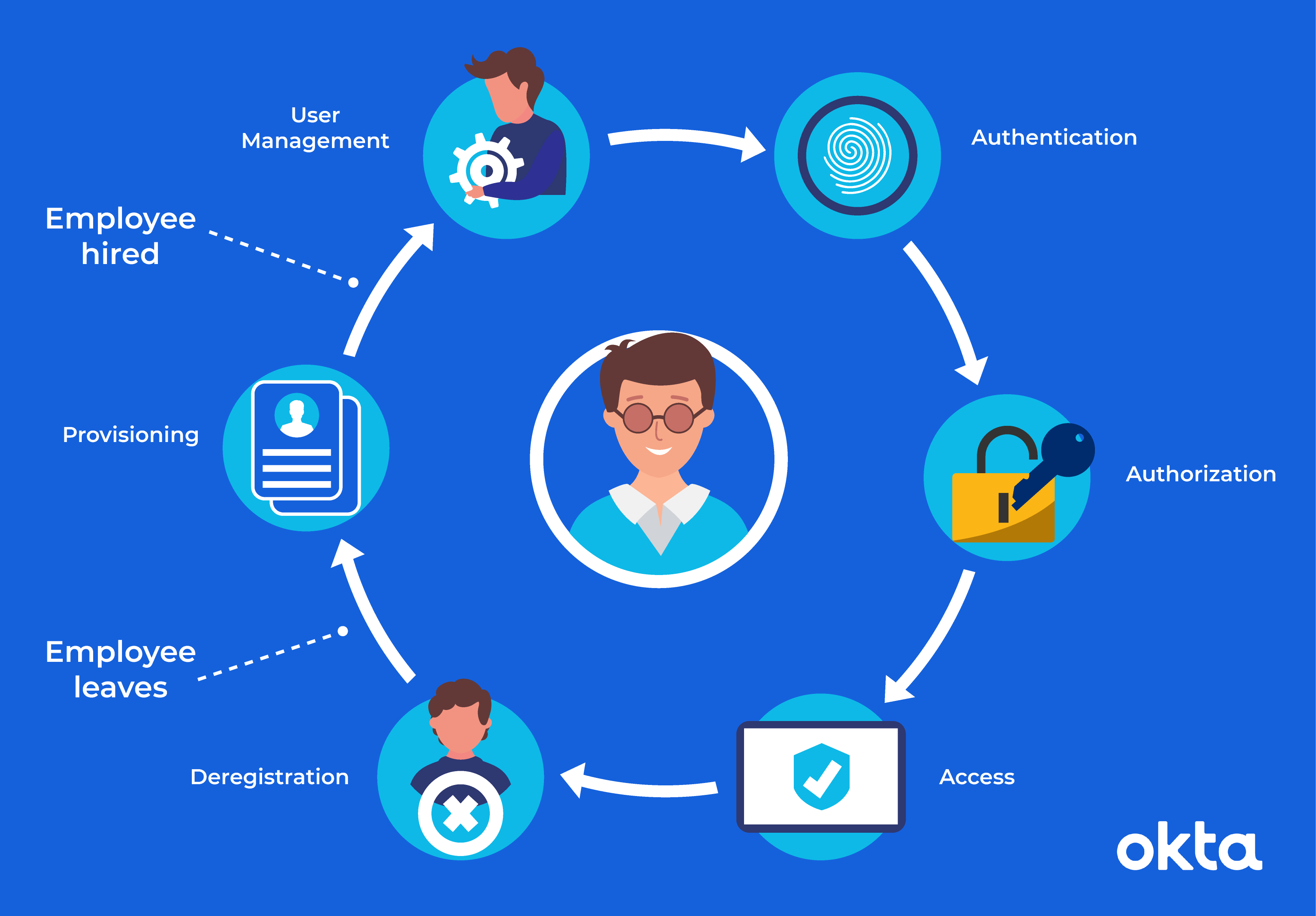
Identity services provide a secure framework for managing user identities, authentication, and authorisation. By implementing multi-factor authentication, encryption protocols, and access controls, organisations can significantly reduce the risk of unauthorised access to their systems and data.

Improved User Experience

Efficient identity services streamline user authentication processes, making it easier for individuals to access the resources they need quickly. Single sign-on capabilities enable users to navigate seamlessly across different platforms without the hassle of repeated logins, enhancing productivity and user experience.

Regulatory Compliance

With stringent data protection regulations such as GDPR and HIPAA in place, organisations must ensure that they adhere to compliance requirements concerning user data privacy and security. Identity services offer features such as audit trails and role-based access control to help businesses demonstrate compliance with regulatory standards.

Risk Mitigation

Identity services help mitigate risks associated with insider threats, phishing attacks, and credential theft by implementing advanced security measures. By monitoring user activities and detecting anomalies in real-time, organisations can proactively identify and respond to potential security breaches before they escalate.

Scalability and Flexibility

Scalable identity services cater to the evolving needs of businesses by accommodating growth, mergers, or changes in organisational structure. Cloud-based identity solutions offer flexibility and accessibility across diverse devices and locations, empowering enterprises to adapt to dynamic business environments with ease.

Conclusion

In conclusion, identity services are indispensable tools for modern organisations seeking to establish a secure digital presence while enhancing operational efficiency. By investing in robust identity management solutions, businesses can fortify their defences against cyber threats, improve user experiences, ensure regulatory compliance, and foster sustainable growth in an increasingly digital world.


Top 5 Essential Tips for Enhancing Identity Services Security

  1. Ensure strong authentication methods are in place, such as multi-factor authentication.
  2. Regularly review and update user access permissions to prevent unauthorised access.
  3. Implement encryption techniques to protect sensitive identity data.
  4. Use reputable identity verification services to verify the authenticity of users.
  5. Educate employees and users on best practices for protecting personal information.

Ensure strong authentication methods are in place, such as multi-factor authentication.

To enhance the security of your digital assets, it is crucial to implement robust authentication measures like multi-factor authentication. By requiring users to provide multiple forms of verification before accessing sensitive information, such as a password combined with a unique code sent to their mobile device, organisations can significantly reduce the risk of unauthorised access and data breaches. Multi-factor authentication adds an extra layer of protection against cyber threats, ensuring that only authorised individuals can securely access critical resources.

Regularly review and update user access permissions to prevent unauthorised access.

Regularly reviewing and updating user access permissions is a fundamental practice in maintaining the security of digital assets and preventing unauthorised access. By conducting routine audits of user privileges and permissions, organisations can ensure that individuals only have access to the resources necessary for their roles, reducing the risk of data breaches or insider threats. Proactively managing user access helps to enforce the principle of least privilege, where users are granted only the minimum level of access required to perform their tasks effectively. This proactive approach to identity management enhances overall security posture and strengthens defences against potential security vulnerabilities.

Implement encryption techniques to protect sensitive identity data.

To enhance the security of sensitive identity data, it is crucial to implement encryption techniques as a protective measure. Encryption helps safeguard personal information by converting it into a secure format that can only be accessed with the appropriate decryption key. By encrypting sensitive data, organisations can prevent unauthorised access and ensure that confidential information remains protected both in transit and at rest. This proactive approach to security not only helps mitigate the risk of data breaches but also demonstrates a commitment to maintaining the privacy and integrity of individuals’ identities.

Use reputable identity verification services to verify the authenticity of users.

To enhance security and trust in online interactions, it is advisable to utilise reputable identity verification services to validate the authenticity of users. By leveraging trusted identity verification solutions, organisations can verify the identities of individuals accessing their platforms, thereby reducing the risk of fraudulent activities and enhancing overall cybersecurity measures. Implementing robust identity verification processes not only safeguards sensitive information but also instils confidence among users, fostering a secure and reliable digital environment for all stakeholders involved.

Educate employees and users on best practices for protecting personal information.

It is crucial to educate employees and users on best practices for safeguarding personal information when utilising identity services. By raising awareness about the importance of strong passwords, avoiding phishing scams, and being cautious with sharing sensitive data, individuals can play a proactive role in enhancing cybersecurity. Training sessions and regular reminders about data protection measures can empower users to make informed decisions and minimise the risk of data breaches or identity theft. Ultimately, promoting a culture of security awareness among employees and users is key to maintaining the integrity of personal information in today’s digital landscape.

The Importance of Password Access Management

The Importance of Password Access Management

In today’s digital age, where cyber threats are constantly evolving, effective password access management is crucial for maintaining the security of sensitive information. Passwords serve as the first line of defence against unauthorised access to data and systems, making it essential for individuals and organisations to implement robust practices in managing password access.

Enhancing Security

Strong password access management practices involve creating complex passwords that are difficult to guess or crack. It is essential to use a combination of letters, numbers, and special characters to increase the complexity of passwords. Additionally, regular password updates and avoiding the reuse of passwords across multiple accounts can significantly enhance security.

Reducing Risk

By implementing password access management protocols such as multi-factor authentication (MFA) and biometric verification, organisations can reduce the risk of unauthorised access even if passwords are compromised. MFA requires users to provide additional verification beyond just a password, adding an extra layer of security to sensitive accounts and systems.

Compliance Requirements

Many industries have specific compliance requirements related to password access management. Organisations handling sensitive data or operating in regulated sectors must adhere to these standards to avoid penalties and protect their reputation. Implementing strong password policies ensures compliance with industry regulations and data protection laws.

Employee Training

Effective password access management also involves educating employees about best practices for creating and safeguarding passwords. Training programmes can help raise awareness about the importance of strong passwords, phishing attacks, and social engineering tactics used by cybercriminals to exploit weak credentials.

Continuous Monitoring

Regular monitoring of user accounts and login activities is essential for detecting any suspicious behaviour or unauthorised access attempts. By implementing automated monitoring tools and alert systems, organisations can quickly identify potential security breaches and take proactive measures to mitigate risks.

Conclusion

In conclusion, password access management plays a critical role in safeguarding sensitive information from cyber threats. By implementing strong password policies, multi-factor authentication, employee training programmes, and continuous monitoring practices, organisations can enhance their security posture and reduce the risk of data breaches. Prioritising effective password access management is key to maintaining a secure digital environment in today’s interconnected world.


9 Essential Tips for Effective Password Management and Security

  1. Create strong and unique passwords for each account.
  2. Use a mix of letters (upper and lower case), numbers, and special characters in your passwords.
  3. Avoid using easily guessable information like birthdays or names in your passwords.
  4. Change your passwords regularly, ideally every 3-6 months.
  5. Do not share your passwords with others or write them down where they can be easily found.
  6. Consider using a reputable password manager to securely store and manage your passwords.
  7. Enable two-factor authentication whenever possible for an added layer of security.
  8. Be cautious of phishing attempts that try to trick you into revealing your password.
  9. Monitor your accounts for any suspicious activity regularly.

Create strong and unique passwords for each account.

Creating strong and unique passwords for each account is a fundamental tip in password access management. By using a combination of letters, numbers, and special characters, individuals can enhance the security of their accounts and reduce the risk of password-related breaches. Avoiding the reuse of passwords across multiple accounts is crucial, as it prevents cybercriminals from gaining access to multiple accounts if one password is compromised. Implementing this practice ensures that each account remains protected with its own distinct and robust password, strengthening overall cybersecurity measures.

Use a mix of letters (upper and lower case), numbers, and special characters in your passwords.

To enhance the security of your passwords, it is advisable to incorporate a combination of letters (both upper and lower case), numbers, and special characters. By using this mix of characters, you increase the complexity of your passwords, making them more resistant to hacking attempts. This practice significantly strengthens the security of your accounts and helps safeguard your sensitive information from potential cyber threats.

Avoid using easily guessable information like birthdays or names in your passwords.

It is crucial to avoid using easily guessable information such as birthdays or names in your passwords when implementing effective password access management practices. Cybercriminals often exploit personal details to crack passwords and gain unauthorised access to accounts. By steering clear of predictable information in your passwords, you enhance the security of your accounts and reduce the risk of falling victim to malicious attacks. Opting for unique and complex combinations of characters ensures a stronger defence against potential breaches, safeguarding your sensitive data and online privacy.

Change your passwords regularly, ideally every 3-6 months.

It is recommended to change your passwords regularly, ideally every 3-6 months, as part of effective password access management. By changing passwords at regular intervals, you reduce the likelihood of unauthorised access to your accounts and sensitive information. Regular password changes help mitigate the risk of security breaches resulting from compromised credentials or data leaks. Implementing this practice enhances the overall security of your online accounts and systems, contributing to a proactive approach in safeguarding your digital assets.

Do not share your passwords with others or write them down where they can be easily found.

It is crucial to maintain the security of your passwords by refraining from sharing them with others or storing them in easily accessible locations. Sharing passwords compromises the confidentiality of your accounts and increases the risk of unauthorised access. Similarly, writing down passwords in places where they can be easily found, such as on sticky notes or in unprotected digital files, poses a significant security threat. By keeping your passwords confidential and secure, you can effectively protect your sensitive information and maintain the integrity of your online accounts.

Consider using a reputable password manager to securely store and manage your passwords.

When it comes to password access management, a valuable tip is to consider using a reputable password manager to securely store and manage your passwords. Password managers provide a convenient and secure way to generate complex passwords for different accounts, store them in an encrypted vault, and autofill login credentials when needed. By utilising a trusted password manager, you can enhance the security of your online accounts, reduce the risk of password-related vulnerabilities, and streamline the process of maintaining strong and unique passwords across various platforms.

Enable two-factor authentication whenever possible for an added layer of security.

Enabling two-factor authentication whenever possible is a highly recommended practice in password access management. By requiring users to provide an additional verification method beyond just a password, such as a unique code sent to their mobile device or generated by an authenticator app, two-factor authentication adds an extra layer of security that significantly reduces the risk of unauthorised access. This simple yet effective measure can greatly enhance the overall security of accounts and systems, making it harder for cybercriminals to compromise sensitive information.

Be cautious of phishing attempts that try to trick you into revealing your password.

It is essential to exercise caution and vigilance when it comes to phishing attempts that aim to deceive individuals into disclosing their passwords. Cybercriminals often use sophisticated tactics to trick users into revealing sensitive information, such as passwords, through fraudulent emails or websites. By remaining cautious and verifying the authenticity of requests for password information, individuals can protect themselves from falling victim to phishing scams and safeguard their personal and confidential data from unauthorised access.

Monitor your accounts for any suspicious activity regularly.

It is essential to monitor your accounts regularly for any signs of suspicious activity as part of effective password access management. By keeping a close eye on login activities and user interactions, you can quickly identify any unusual behaviour that may indicate a security breach. Regular monitoring allows you to detect potential threats early on and take prompt action to protect your sensitive information and systems from unauthorised access.

The Importance of System Management

The Importance of System Management

System management plays a crucial role in the efficient functioning of any organisation’s IT infrastructure. It encompasses a range of activities aimed at ensuring that all components of a system work together harmoniously to achieve the desired outcomes.

Benefits of Effective System Management

Effective system management offers several benefits to an organisation:

  • Optimised Performance: Proper system management helps in optimising the performance of hardware and software components, leading to smoother operations and improved productivity.
  • Enhanced Security: By implementing robust security measures and regular updates, system management helps in safeguarding sensitive data and protecting the system from cyber threats.
  • Cost Efficiency: Proactive system management can prevent costly downtime and repairs by identifying issues early and addressing them before they escalate.
  • Compliance: System management ensures that the organisation complies with relevant regulations and standards, reducing legal risks and potential penalties.
  • Scalability: A well-managed system is more adaptable to changes in workload or business requirements, allowing for seamless scalability as the organisation grows.

Key Components of System Management

The key components of effective system management include:

  1. Monitoring: Continuous monitoring of system performance, resources usage, and security events to identify issues promptly.
  2. Maintenance: Regular maintenance tasks such as software updates, hardware checks, and backups to ensure smooth operations.
  3. Configuration Management: Managing configurations across systems to maintain consistency and prevent conflicts.
  4. Security Management: Implementing security policies, access controls, and threat detection mechanisms to protect the system from cyber threats.
  5. Incident Response: Developing protocols for responding to incidents such as breaches or failures swiftly and effectively.

In Conclusion

In today’s digital age, effective system management is essential for organisations to stay competitive, secure, and efficient. By investing in proper system management practices, businesses can streamline their operations, mitigate risks, and ensure long-term success in an increasingly interconnected world.


Key Benefits of Effective System Management: Performance, Security, and Growth

  1. Enhanced system performance
  2. Improved security measures
  3. Cost efficiency through proactive maintenance
  4. Ensured compliance with regulations
  5. Scalability to accommodate business growth
  6. Centralised management of IT resources
  7. Streamlined troubleshooting and issue resolution
  8. Increased reliability and uptime


Challenges in System Management: Navigating Complexity, Cost, and Change

  1. Complexity
  2. Cost
  3. Time-Consuming
  4. Risk of Errors
  5. Resistance to Change
  6. Dependency on Tools

Enhanced system performance

Enhanced system performance is a key benefit of effective system management. By optimising the configuration, monitoring resources, and implementing timely updates, organisations can ensure that their systems operate at peak efficiency. This leads to faster response times, increased productivity, and a smoother user experience. With enhanced system performance, businesses can meet demands effectively, handle larger workloads efficiently, and ultimately achieve better outcomes across their operations.

Improved security measures

Implementing improved security measures through effective system management is paramount in safeguarding sensitive data and protecting organisations from evolving cyber threats. By regularly updating security protocols, monitoring for suspicious activities, and enforcing access controls, system management enhances the resilience of IT infrastructures against potential breaches and vulnerabilities. This proactive approach not only mitigates risks but also instils confidence in stakeholders regarding the confidentiality and integrity of critical information within the system.

Cost efficiency through proactive maintenance

Cost efficiency through proactive maintenance is a significant advantage of effective system management. By implementing regular maintenance tasks and addressing potential issues before they escalate, organisations can avoid costly downtime, repairs, and disruptions to their operations. Proactive maintenance not only helps in optimising the performance of hardware and software components but also contributes to extending the lifespan of IT assets, ultimately saving money in the long run. Investing in proactive maintenance as part of system management strategy is a prudent approach towards maximising cost efficiency and ensuring the smooth functioning of an organisation’s IT infrastructure.

Ensured compliance with regulations

Ensuring compliance with regulations is a significant benefit of effective system management. By adhering to relevant laws and standards, organisations can avoid legal risks, financial penalties, and reputational damage. System management facilitates the implementation of necessary controls and processes to meet regulatory requirements, such as data protection laws or industry-specific guidelines. This proactive approach not only safeguards the organisation from non-compliance issues but also builds trust with stakeholders by demonstrating a commitment to ethical practices and responsible governance.

Scalability to accommodate business growth

Scalability, a key benefit of effective system management, allows organisations to smoothly accommodate business growth by expanding their IT infrastructure as needed. With scalable systems in place, businesses can easily adapt to increased workloads, new requirements, and evolving technologies without major disruptions. This flexibility ensures that the IT environment remains agile and responsive to changes, supporting the organisation’s expansion and innovation efforts seamlessly.

Centralised management of IT resources

Centralised management of IT resources is a significant advantage of system management that brings efficiency and control to an organisation’s technology ecosystem. By consolidating the oversight of various IT assets, including hardware, software, and data, into a centralised system, businesses can streamline processes, reduce duplication of efforts, and ensure uniformity across their infrastructure. This approach simplifies maintenance tasks, enhances security measures, and facilitates better resource allocation, ultimately leading to improved productivity and cost-effectiveness for the organisation.

Streamlined troubleshooting and issue resolution

Streamlined troubleshooting and issue resolution is a significant advantage of effective system management. By implementing proactive monitoring and maintenance practices, organisations can quickly identify and address issues before they escalate, leading to minimal downtime and disruptions. This proactive approach not only enhances productivity but also improves user satisfaction by resolving problems swiftly and efficiently. System management enables IT teams to streamline their troubleshooting processes, pinpoint root causes of issues, and implement timely solutions, ultimately ensuring the smooth operation of the system and supporting uninterrupted business activities.

Increased reliability and uptime

Increased reliability and uptime are key advantages of effective system management. By implementing proactive monitoring, regular maintenance, and timely updates, organisations can significantly reduce the risk of system failures and downtime. This results in improved reliability, ensuring that critical systems remain operational when needed most. Enhanced uptime means that employees can work efficiently without disruptions, customers receive uninterrupted services, and overall business productivity is maximised. System management plays a vital role in maintaining the stability and availability of IT infrastructures, ultimately contributing to the smooth functioning of an organisation’s operations.

Complexity

System management poses a significant challenge due to its inherent complexity, demanding a high level of specialised knowledge and skills to navigate and maintain IT systems effectively. The intricate nature of system management tasks, such as configuring networks, monitoring performance, and ensuring security protocols, necessitates expertise in various technical areas. Without the requisite proficiency, organisations may struggle to optimise their systems efficiently, leaving them vulnerable to operational disruptions and security breaches. The complexity of system management underscores the importance of investing in skilled professionals or advanced tools to address these challenges proactively and safeguard the integrity of IT infrastructures.

Cost

Implementing comprehensive system management solutions can present a significant challenge in terms of cost. The upfront investment required for acquiring the necessary software, hardware, and training resources can strain an organisation’s budget. This financial burden may deter some businesses, especially smaller ones, from fully embracing robust system management practices. Balancing the cost considerations with the long-term benefits of efficient system management becomes a crucial decision-making factor for organisations looking to optimise their IT infrastructure while managing their financial resources effectively.

Time-Consuming

Managing system configurations, updates, and security measures can be notably time-consuming, diverting valuable resources from other essential tasks within an organisation. The intricate nature of system management demands meticulous attention to detail and regular monitoring, which can consume significant amounts of time that could otherwise be allocated to strategic initiatives or core business activities. This diversion of resources towards system management tasks may hinder overall productivity and agility, potentially impacting the organisation’s ability to respond swiftly to dynamic market conditions or emerging opportunities.

Risk of Errors

One significant con of system management is the risk of errors introduced by human oversight or mistakes during the management processes. These errors, if left unchecked, can result in system downtime, data loss, or security vulnerabilities. It is crucial to closely monitor and mitigate the potential impact of human errors in system management to prevent disruptions and safeguard the integrity and security of the IT infrastructure.

Resistance to Change

Resistance to change is a significant con of system management within an organisation. Employees may exhibit reluctance or hesitance towards embracing new system management practices or tools, thereby impeding the adoption of more efficient processes. This resistance can stem from various factors such as fear of the unknown, lack of understanding about the benefits of the changes, or simply being comfortable with existing routines. Overcoming this resistance requires effective communication, training, and support to help employees navigate through transitions and realise the advantages that improved system management can bring to both their individual workflows and the overall efficiency of the organisation.

Dependency on Tools

Dependency on Tools: Over-reliance on automated system management tools may lead to issues if the tools malfunction or fail to address specific needs. While these tools can streamline processes and enhance efficiency, relying too heavily on them without human oversight can result in vulnerabilities when unexpected situations arise. It is important for organisations to strike a balance between leveraging automation for system management tasks and maintaining the flexibility to intervene manually when necessary, ensuring a robust and adaptable approach to IT infrastructure maintenance.

The Rise of Hybrid Web Access Management

The Rise of Hybrid Web Access Management

In today’s digital landscape, businesses are increasingly adopting hybrid web access management solutions to address the complex challenges of secure user authentication and authorisation. This innovative approach combines the benefits of both on-premises and cloud-based systems to provide a seamless and robust security framework.

Benefits of Hybrid Web Access Management

One of the key advantages of hybrid web access management is its flexibility. Organisations can leverage their existing on-premises infrastructure while also taking advantage of the scalability and accessibility offered by cloud solutions. This hybrid model allows for a more tailored approach to security, accommodating diverse user needs and evolving business requirements.

Moreover, hybrid web access management enhances user experience by providing a unified login process across various applications and platforms. Users can enjoy streamlined access without compromising security, thanks to advanced authentication mechanisms and adaptive policies that adapt to different risk levels.

Challenges and Considerations

Despite its numerous benefits, implementing a hybrid web access management solution comes with its own set of challenges. Ensuring seamless integration between on-premises and cloud components requires careful planning and expertise. Additionally, maintaining consistent security standards across hybrid environments demands continuous monitoring and updates.

Organisations considering a hybrid approach must carefully evaluate their specific needs, compliance requirements, and budget constraints. Collaboration between IT teams, security experts, and stakeholders is essential to develop a comprehensive strategy that aligns with business goals while mitigating potential risks.

The Future of Hybrid Web Access Management

As cyber threats continue to evolve, the role of hybrid web access management in safeguarding sensitive data and resources will become increasingly crucial. By combining the strengths of on-premises and cloud technologies, organisations can establish a resilient security framework that adapts to changing threat landscapes.

Looking ahead, advancements in artificial intelligence and machine learning are expected to further enhance the capabilities of hybrid web access management systems. These technologies will enable proactive threat detection, behavioural analytics, and dynamic policy enforcement for improved security posture.

© 2023 The Hybrid Web Access Management Gazette – All rights reserved.


Understanding Hybrid Web Access Management: Key Questions and Insights

  1. What is hybrid web access management?
  2. How does hybrid web access management differ from traditional access management?
  3. What are the benefits of implementing a hybrid web access management solution?
  4. What challenges may arise when integrating on-premises and cloud components in hybrid web access management?
  5. How can organisations ensure the security of their data and resources in a hybrid web access management environment?
  6. What are the future trends and advancements expected in the field of hybrid web access management?

What is hybrid web access management?

Hybrid web access management refers to a comprehensive security approach that combines elements of both on-premises and cloud-based systems to ensure secure user authentication and authorisation across various applications and platforms. This innovative model allows organisations to leverage the strengths of their existing infrastructure while taking advantage of the scalability and flexibility offered by cloud solutions. By integrating on-premises and cloud components, hybrid web access management provides a seamless user experience, robust security measures, and adaptive policies that cater to diverse user needs and evolving business requirements.

How does hybrid web access management differ from traditional access management?

Hybrid web access management differs from traditional access management by combining the strengths of both on-premises and cloud-based solutions to create a more versatile and comprehensive security framework. While traditional access management systems are typically limited to on-premises environments, hybrid solutions offer the flexibility to leverage cloud services for enhanced scalability and accessibility. This approach allows organisations to adapt to evolving business needs and user requirements more effectively. Additionally, hybrid web access management often incorporates advanced authentication mechanisms and adaptive policies that provide a seamless user experience while maintaining robust security measures across diverse platforms and applications.

What are the benefits of implementing a hybrid web access management solution?

Implementing a hybrid web access management solution offers a range of benefits for organisations seeking to enhance their security posture and user experience. By combining on-premises and cloud-based systems, businesses can leverage the scalability and flexibility of cloud technologies while utilising existing infrastructure investments. This hybrid approach allows for seamless integration across various applications and platforms, providing users with a unified login experience. Enhanced security features, such as advanced authentication methods and adaptive policies, ensure robust protection against evolving cyber threats while accommodating diverse user needs. Overall, a hybrid web access management solution delivers improved security, efficiency, and user satisfaction, making it a valuable investment for modern businesses.

What challenges may arise when integrating on-premises and cloud components in hybrid web access management?

When integrating on-premises and cloud components in hybrid web access management, several challenges may arise. One common challenge is ensuring seamless interoperability between different systems and platforms, as on-premises and cloud environments may have distinct architectures and security protocols. Maintaining consistent security standards across hybrid infrastructures is another critical issue, requiring robust authentication mechanisms, encryption protocols, and access control policies to protect sensitive data. Additionally, managing user identities and access rights across diverse environments can be complex, necessitating careful planning and coordination to prevent security gaps or compliance violations. Effective communication between IT teams, security experts, and stakeholders is essential to address these challenges proactively and ensure a smooth integration process that enhances both security and user experience.

How can organisations ensure the security of their data and resources in a hybrid web access management environment?

In a hybrid web access management environment, organisations can ensure the security of their data and resources by implementing a comprehensive security strategy that combines best practices from both on-premises and cloud-based systems. Utilising strong authentication methods such as multi-factor authentication and single sign-on, organisations can verify user identities and control access to sensitive information. Encryption protocols should be employed to protect data both in transit and at rest, while regular security audits and monitoring help detect and mitigate potential threats. Establishing clear access controls, enforcing least privilege principles, and educating users on cybersecurity best practices are also essential steps in safeguarding data integrity and resource confidentiality in a hybrid web access management setting.

In the realm of hybrid web access management, future trends and advancements are poised to revolutionise the way organisations approach security and user authentication. Anticipated developments include a greater emphasis on interoperability between on-premises and cloud-based systems, enabling seamless access across diverse environments. Enhanced user-centric authentication methods, such as biometrics and adaptive authentication, are expected to become more prevalent to bolster security while improving user experience. Moreover, the integration of artificial intelligence and machine learning algorithms will play a pivotal role in detecting anomalies, predicting threats, and automating response mechanisms within hybrid web access management frameworks. These advancements signify a shift towards proactive, intelligent security solutions that adapt to evolving cyber threats and business requirements.

The Importance of Hybrid Identity Management

The Importance of Hybrid Identity Management

In today’s digital landscape, organisations are increasingly adopting hybrid IT infrastructures that combine on-premises systems with cloud services. This shift towards hybrid environments brings numerous benefits in terms of flexibility, scalability, and cost-efficiency. However, it also introduces new challenges, particularly in managing user identities across disparate platforms.

Hybrid identity management is the practice of securely managing user identities and access rights across both on-premises and cloud-based systems. By integrating identity management solutions that span these environments, organisations can ensure a seamless user experience while maintaining strong security protocols.

The Benefits of Hybrid Identity Management

Enhanced Security: Centralised identity management enables consistent enforcement of security policies and access controls across all IT resources, reducing the risk of unauthorised access and data breaches.

Improved User Experience: With a unified identity system, users can access both on-premises and cloud applications using a single set of credentials, simplifying the login process and enhancing productivity.

Scalability: Hybrid identity management solutions can scale to accommodate growing user bases and changing business requirements without sacrificing security or performance.

Key Considerations for Implementing Hybrid Identity Management

Integration: Ensure that your identity management solution seamlessly integrates with your existing on-premises infrastructure and cloud services to provide a unified view of user identities.

Security: Implement robust authentication mechanisms, such as multi-factor authentication and role-based access controls, to protect sensitive data and prevent unauthorised access.

Compliance: Ensure that your hybrid identity management solution complies with relevant regulations and industry standards to avoid potential legal or regulatory issues.

In Conclusion

Hybrid identity management plays a crucial role in enabling organisations to leverage the benefits of hybrid IT environments while maintaining strong security practices. By implementing a comprehensive identity management strategy that spans both on-premises and cloud systems, businesses can enhance security, improve user experience, and drive digital transformation initiatives effectively.


Understanding Hybrid Identity Management: Key Questions and Answers

  1. What is a hybrid identity system using Microsoft Technologies?
  2. What is an example of a hybrid identity?
  3. What is meant by hybrid identities?
  4. What is hybrid identity theory?
  5. What is a hybrid identity administrator?

What is a hybrid identity system using Microsoft Technologies?

A hybrid identity system using Microsoft Technologies combines on-premises Active Directory services with cloud-based Azure Active Directory (Azure AD) to create a unified identity management solution. This integration allows organisations to synchronise user identities, credentials, and access rights across both environments, enabling seamless access to resources and applications regardless of their location. By leveraging Microsoft’s technologies, such as Azure AD Connect and Azure AD Seamless Single Sign-On, businesses can benefit from enhanced security, simplified user authentication processes, and improved overall productivity within their hybrid IT infrastructures.

What is an example of a hybrid identity?

In the context of hybrid identity management, an example of a hybrid identity is when a user within an organisation has a single set of credentials that grant them access to both on-premises resources, such as internal applications and databases, and cloud-based services like Office 365 or Azure. This unified identity allows the user to seamlessly navigate between different environments without the need for multiple logins, enhancing convenience and productivity while maintaining security standards across both platforms.

What is meant by hybrid identities?

Hybrid identities refer to the combination of on-premises and cloud-based user identities within an organisation’s IT environment. In the context of hybrid identity management, these identities are managed centrally to ensure seamless access to resources across both traditional on-premises systems and modern cloud services. By integrating and synchronising these hybrid identities, organisations can streamline user authentication processes, enhance security measures, and provide a cohesive user experience that spans multiple platforms. This approach enables businesses to leverage the advantages of both on-premises and cloud infrastructures while maintaining a consistent and secure identity management framework.

What is hybrid identity theory?

Hybrid identity theory, in the context of identity management, refers to the integration of multiple identity sources and systems to create a unified and comprehensive view of user identities across on-premises and cloud environments. This approach recognises that individuals may have different identities and access requirements depending on the systems they interact with, and aims to bridge these identities seamlessly. By combining elements of traditional on-premises identity management with modern cloud-based solutions, hybrid identity theory enables organisations to effectively manage user access rights, enhance security protocols, and streamline authentication processes in today’s increasingly complex IT landscapes.

What is a hybrid identity administrator?

A hybrid identity administrator is a key role within an organisation responsible for managing user identities and access rights across both on-premises and cloud-based systems. This individual plays a crucial role in ensuring the seamless integration of identity management solutions that span diverse IT environments. A hybrid identity administrator is tasked with implementing and maintaining security policies, authentication mechanisms, and access controls to safeguard sensitive data and prevent unauthorised access. By overseeing the centralised management of user identities, a hybrid identity administrator helps streamline user experiences, enhance security protocols, and ensure compliance with regulatory requirements in hybrid IT infrastructures.

Hybrid Cloud Identity and Access Management

The Importance of Hybrid Cloud Identity and Access Management

In today’s digital landscape, many organisations are embracing the benefits of hybrid cloud environments to combine the flexibility of public cloud services with the control of private infrastructure. However, managing identities and controlling access across these hybrid environments can present unique challenges.

What is Hybrid Cloud Identity and Access Management?

Hybrid cloud identity and access management (IAM) refers to the processes and technologies used to ensure that only authorised individuals have access to resources in a hybrid cloud environment. This includes managing user identities, enforcing access policies, and securing sensitive data across both on-premises and cloud-based systems.

The Challenges of Hybrid Cloud IAM

One of the main challenges of hybrid cloud IAM is maintaining consistent security controls across diverse IT infrastructures. Organisations must balance the need for seamless user experiences with robust security measures to protect against data breaches and insider threats.

Another challenge is ensuring compliance with industry regulations and internal policies when data is stored in multiple locations. Organisations need to implement IAM solutions that provide visibility into user activities, facilitate audit trails, and enable quick responses to security incidents.

Benefits of Effective Hybrid Cloud IAM

By implementing a comprehensive hybrid cloud IAM strategy, organisations can achieve several benefits:

  • Enhanced Security: Centralised identity management and access controls help prevent unauthorised access to sensitive data.
  • Improved Compliance: Meeting regulatory requirements becomes easier with consistent IAM policies across all environments.
  • Increased Efficiency: Streamlining user provisioning and deprovisioning processes reduces administrative overhead.
  • Better User Experience: Providing secure yet convenient access to resources enhances productivity for employees and partners.
  • Cost Savings: Optimising IAM processes can lead to cost reductions through automation and resource utilisation improvements.

Best Practices for Hybrid Cloud IAM

To effectively manage identities and access in a hybrid cloud environment, organisations should consider implementing the following best practices:

  1. Implement Single Sign-On (SSO): Enable users to log in once to access multiple applications securely.
  2. Use Multi-Factor Authentication (MFA): Add an extra layer of security by requiring additional verification steps during login.
  3. Regularly Review Access Permissions: Conduct periodic reviews of user privileges to ensure least-privilege access.


Understanding Hybrid Cloud Identity and Access Management: Key FAQs

  1. What is hybrid cloud management?
  2. What is hybrid cloud user management?
  3. What is the difference between IAM and cloud identity?
  4. What is hybrid identity management?
  5. What is identity and access management in cloud?
  6. What is hybrid IAM?
  7. What are the 4 pillars of identity and access management?

What is hybrid cloud management?

Hybrid cloud management refers to the practice of overseeing and coordinating the deployment, operation, and maintenance of IT resources across a combination of on-premises infrastructure and cloud services. In the context of identity and access management, hybrid cloud management involves implementing strategies and tools to effectively control user identities, enforce access policies, and secure data in a hybrid environment. This approach allows organisations to leverage the scalability and flexibility of cloud services while maintaining control over critical assets hosted on-premises. By integrating identity management solutions that span both environments seamlessly, hybrid cloud management enables efficient resource allocation, enhanced security controls, and streamlined user experiences across diverse IT landscapes.

What is hybrid cloud user management?

Hybrid cloud user management refers to the practice of overseeing and controlling user identities, permissions, and access rights in a hybrid cloud environment that combines both on-premises infrastructure and cloud services. It involves managing user accounts, defining roles and permissions, enforcing security policies, and ensuring seamless access to resources across the hybrid IT landscape. By implementing effective hybrid cloud user management strategies, organisations can maintain security, compliance, and operational efficiency while allowing users to securely interact with applications and data regardless of their location within the hybrid environment.

What is the difference between IAM and cloud identity?

When discussing hybrid cloud identity and access management, a common question that arises is the distinction between IAM (Identity and Access Management) and cloud identity. IAM typically refers to the broader set of processes and technologies used to manage user identities, control access to resources, and enforce security policies across various IT environments, including on-premises systems and cloud services. On the other hand, cloud identity specifically focuses on managing user identities and access within cloud-based applications and services. While IAM encompasses a more comprehensive approach to security and access control across hybrid environments, cloud identity specifically addresses the unique challenges associated with managing identities in cloud-centric infrastructures. Understanding this difference is crucial for organisations seeking to implement effective identity management strategies in hybrid cloud settings.

What is hybrid identity management?

Hybrid identity management refers to the practice of integrating and managing user identities across both on-premises and cloud-based environments within a hybrid cloud infrastructure. This approach allows organisations to maintain a unified identity framework that spans their traditional IT systems and cloud services. By combining on-premises directories with cloud-based identity solutions, hybrid identity management enables seamless authentication, access control, and user provisioning across diverse IT environments. It enhances security, simplifies user experience, and ensures consistent governance while adapting to the evolving needs of modern businesses operating in hybrid cloud settings.

What is identity and access management in cloud?

Identity and access management (IAM) in the cloud refers to the set of processes and technologies that organisations use to control and secure access to their cloud-based resources. It involves managing user identities, defining access policies, and enforcing security measures to ensure that only authorised individuals can access sensitive data stored in the cloud. IAM in the cloud plays a crucial role in protecting against data breaches, insider threats, and unauthorised access by providing a centralised framework for authentication, authorisation, and auditing of user activities across various cloud services and applications.

What is hybrid IAM?

Hybrid IAM, short for Hybrid Identity and Access Management, refers to the integration of identity and access management solutions across both on-premises and cloud-based environments. In essence, hybrid IAM combines the security measures and user access controls of traditional on-premises systems with the scalability and flexibility offered by cloud services. This approach allows organisations to manage user identities, enforce access policies, and secure data seamlessly across hybrid IT infrastructures. By bridging the gap between on-premises and cloud environments, hybrid IAM provides a comprehensive solution to address the complexities of modern IT architectures while ensuring robust security measures are in place.

What are the 4 pillars of identity and access management?

In the realm of hybrid cloud identity and access management, understanding the four fundamental pillars is crucial for establishing a robust security framework. The four pillars of identity and access management encompass identification, authentication, authorisation, and accountability. Identification involves uniquely identifying users and entities within the system. Authentication verifies the identity of users through credentials or biometric factors. Authorisation determines the level of access granted to authenticated users based on predefined policies. Lastly, accountability ensures that all actions within the system are traceable to specific individuals, enhancing transparency and security across hybrid cloud environments. Mastering these pillars is essential for maintaining a secure and compliant IAM strategy in today’s complex IT landscapes.

The Importance of Identity and Access Management (I&A) Systems

Identity and Access Management (I&A) systems play a crucial role in today’s digital landscape, where data security and privacy are paramount concerns for organisations of all sizes. These systems are designed to manage user identities, control access to sensitive information, and ensure compliance with regulatory requirements.

Enhanced Security

One of the primary benefits of an I&A management system is enhanced security. By implementing robust authentication mechanisms, such as multi-factor authentication and biometric verification, organisations can significantly reduce the risk of unauthorised access to critical systems and data. These systems also enable administrators to set granular access controls based on roles and responsibilities, further strengthening the overall security posture.

Improved Productivity

Effective I&A management systems streamline user provisioning and deprovisioning processes, ensuring that employees have the right level of access to perform their job functions efficiently. By automating these tasks, organisations can reduce administrative overheads and minimise the risk of human errors that could lead to security breaches or compliance violations.

Regulatory Compliance

In today’s regulatory environment, compliance with data protection laws such as GDPR, HIPAA, and PCI DSS is non-negotiable. I&A management systems help organisations meet these requirements by maintaining audit trails of user activities, enforcing segregation of duties, and facilitating regular access reviews. This not only helps avoid costly fines but also builds trust with customers who expect their data to be handled securely.

Scalability and Flexibility

As organisations grow and evolve, their IT environments become more complex. I&A management systems offer scalability and flexibility to adapt to changing business needs without compromising security. Whether it’s integrating new applications or onboarding a large number of users quickly, these systems provide the agility required to support organisational growth while maintaining control over access rights.

Conclusion

In conclusion, Identity and Access Management (I&A) systems are indispensable tools for modern businesses looking to safeguard their digital assets, enhance operational efficiency, and comply with regulatory mandates. By investing in a robust I&A management system, organisations can establish a strong foundation for secure identity governance that aligns with their strategic objectives.


Optimising Your I&A Management System: 8 Essential Tips for Enhanced Efficiency and Security

  1. Ensure data accuracy by regularly updating and validating information.
  2. Implement strict access controls to protect sensitive information.
  3. Train employees on how to use the system effectively to maximise its benefits.
  4. Regularly audit the system to identify any issues or areas for improvement.
  5. Integrate the system with other relevant tools and software for seamless operations.
  6. Establish clear guidelines and procedures for data input and retrieval within the system.
  7. Backup data regularly to prevent loss in case of system failures or errors.
  8. Seek feedback from users to continuously improve the system’s functionality and user experience.

Ensure data accuracy by regularly updating and validating information.

To maintain the integrity and effectiveness of an Identity and Access Management (I&A) system, it is crucial to ensure data accuracy by regularly updating and validating information. By keeping user profiles, access permissions, and other identity-related data up to date, organisations can minimise the risk of security gaps or compliance issues arising from outdated or incorrect information. Regular validation processes help identify discrepancies or inconsistencies in the system, allowing administrators to rectify errors promptly and maintain a reliable foundation for secure access control. By prioritising data accuracy through consistent updates and validation checks, organisations can enhance the overall security posture of their I&A management system.

Implement strict access controls to protect sensitive information.

Implementing strict access controls is a fundamental aspect of safeguarding sensitive information within an Identity and Access Management (I&A) system. By setting up granular permissions and authentication mechanisms, organisations can ensure that only authorised users have access to critical data. This proactive approach not only minimises the risk of data breaches but also helps maintain compliance with regulatory requirements. Strict access controls provide an additional layer of security, reinforcing the overall integrity of the I&A management system and enhancing protection against potential threats.

Train employees on how to use the system effectively to maximise its benefits.

To maximise the benefits of an Identity and Access Management (I&A) system, it is essential to train employees on how to use the system effectively. Providing comprehensive training ensures that users understand the importance of maintaining secure access practices, such as using strong passwords, enabling multi-factor authentication, and following access control policies. By empowering employees with the knowledge and skills to navigate the I&A system efficiently, organisations can enhance data security, improve productivity, and foster a culture of compliance across the workforce.

Regularly audit the system to identify any issues or areas for improvement.

Regularly auditing an Identity and Access Management (I&A) system is essential to maintaining its effectiveness and security. By conducting routine audits, organisations can identify any potential issues, vulnerabilities, or areas for improvement within the system. This proactive approach allows for timely remediation of security gaps, optimisation of access controls, and alignment with evolving business requirements. Regular audits also help ensure compliance with regulations and industry standards, ultimately contributing to a robust and resilient I&A management framework that safeguards critical data and resources.

Integrate the system with other relevant tools and software for seamless operations.

Integrating your Identity and Access Management (I&A) system with other relevant tools and software is a crucial tip for ensuring seamless operations within your organisation. By connecting your I&A system with complementary technologies such as Single Sign-On (SSO), privileged access management, and security information and event management (SIEM) solutions, you can create a unified ecosystem that enhances security, improves user experience, and simplifies administrative tasks. This integration allows for better visibility into user activities, facilitates automated provisioning processes, and enables quick response to security incidents. Overall, integrating your I&A system with other tools paves the way for a more efficient and effective approach to managing identities and access rights across your IT infrastructure.

Establish clear guidelines and procedures for data input and retrieval within the system.

To ensure effective Identity and Access Management (I&A) system operation, it is crucial to establish clear guidelines and procedures for data input and retrieval within the system. By defining specific protocols for how user data is entered into the system and how it can be accessed, organisations can maintain data integrity, prevent unauthorised modifications, and enhance overall security. Clear guidelines also help streamline processes, improve efficiency, and ensure compliance with regulatory requirements. Additionally, having well-defined procedures for data input and retrieval promotes consistency across the organisation and reduces the likelihood of errors or misuse of sensitive information.

Backup data regularly to prevent loss in case of system failures or errors.

Regularly backing up data is a crucial tip in Identity and Access Management (I&A) systems to prevent loss in the event of system failures or errors. By creating routine backups of user identities, access permissions, and audit logs, organisations can ensure that critical information is safeguarded against unexpected incidents. In the event of a system failure or data corruption, having up-to-date backups enables quick restoration of services and minimises downtime, thus maintaining business continuity and preserving the integrity of the I&A management system.

Seek feedback from users to continuously improve the system’s functionality and user experience.

Seeking feedback from users is a valuable practice in Identity and Access Management (I&A) systems as it allows organisations to gather insights directly from those who interact with the system on a daily basis. By soliciting feedback, organisations can identify pain points, usability issues, and areas for improvement, ultimately enhancing the system’s functionality and user experience. This user-centric approach not only fosters a culture of continuous improvement but also ensures that the I&A management system evolves in alignment with user needs and preferences, leading to higher adoption rates and overall satisfaction among stakeholders.

The Importance of i9 Compliance Software in Ensuring Legal Workforce

The Importance of i9 Compliance Software in Ensuring Legal Workforce

Employers across various industries are required to verify the identity and employment eligibility of their employees through the completion of Form I-9, as mandated by the US Citizenship and Immigration Services (USCIS). Ensuring compliance with these regulations is crucial to avoid penalties and legal repercussions.

i9 compliance software plays a vital role in simplifying and streamlining the process of verifying employee documentation and maintaining accurate records. This software automates the verification process, reduces errors, and provides a secure platform for storing sensitive employee information.

One of the key benefits of i9 compliance software is its ability to conduct real-time checks on employee information against government databases, ensuring that all documentation is valid and up-to-date. This helps employers maintain a legal workforce and avoid hiring individuals who are not authorised to work in the country.

Furthermore, i9 compliance software offers features such as automatic reminders for expiring documents, audit trails for tracking changes, and electronic signature capabilities for a paperless verification process. These functionalities not only enhance efficiency but also provide a comprehensive solution for maintaining compliance with immigration laws.

In today’s dynamic regulatory environment, where immigration laws are subject to frequent changes and enforcement actions are on the rise, investing in i9 compliance software is essential for businesses of all sizes. By utilising this technology, employers can mitigate risks associated with non-compliance, protect their reputation, and ensure a legal workforce that contributes to their success.

Overall, i9 compliance software serves as a valuable tool for organisations seeking to navigate the complex landscape of immigration regulations while upholding their responsibilities as employers. With its advanced features and user-friendly interface, this software empowers businesses to stay compliant with confidence.


Top 5 Tips for Maximising Efficiency and Security with i9 Compliance Software

  1. Ensure the i9 compliance software is up-to-date with the latest regulations.
  2. Regularly train staff on how to use the i9 compliance software effectively.
  3. Implement strong security measures to protect sensitive employee information stored in the software.
  4. Utilize features that automate and streamline the i9 verification process for efficiency.
  5. Regularly audit and review data within the i9 compliance software to ensure accuracy and compliance.

Ensure the i9 compliance software is up-to-date with the latest regulations.

It is essential to ensure that the i9 compliance software is regularly updated to align with the latest regulations governing employment eligibility verification. By keeping the software up-to-date, employers can stay informed about any changes in immigration laws and requirements, ensuring that their verification processes remain accurate and compliant. This proactive approach not only helps in avoiding potential penalties for non-compliance but also demonstrates a commitment to maintaining a legal workforce in accordance with current legal standards.

Regularly train staff on how to use the i9 compliance software effectively.

To maximise the benefits of i9 compliance software, it is essential to regularly train staff on how to utilise the tool effectively. By providing ongoing training sessions, employees can stay informed about the software’s features and functionalities, ensuring that they can navigate the system with confidence and accuracy. This proactive approach not only enhances user proficiency but also promotes a culture of compliance within the organisation, ultimately leading to smoother operations and reduced risk of errors in the verification process.

Implement strong security measures to protect sensitive employee information stored in the software.

It is crucial to implement robust security measures to safeguard sensitive employee information stored in i9 compliance software. By ensuring that the software is protected with strong encryption, access controls, and regular security audits, organisations can mitigate the risk of data breaches and unauthorised access. Prioritising data security not only helps maintain compliance with privacy regulations but also builds trust with employees whose personal information is being handled. Strong security measures are essential in safeguarding the integrity and confidentiality of employee data within i9 compliance software.

Utilize features that automate and streamline the i9 verification process for efficiency.

By utilising features within i9 compliance software that automate and streamline the i9 verification process, businesses can significantly enhance efficiency in ensuring workforce compliance. These automation tools not only reduce manual errors but also expedite the verification process by conducting real-time checks on employee documentation. By leveraging such features, organisations can save time, improve accuracy, and maintain up-to-date records effortlessly, ultimately leading to a more streamlined and effective i9 verification process.

Regularly audit and review data within the i9 compliance software to ensure accuracy and compliance.

Regularly auditing and reviewing data within the i9 compliance software is a crucial practice to uphold accuracy and compliance with immigration regulations. By conducting routine checks on employee documentation and information stored in the system, organisations can identify any discrepancies or errors promptly. This proactive approach not only helps maintain the integrity of records but also ensures that all employees are authorised to work in the country, mitigating potential risks of non-compliance. By prioritising regular audits, businesses demonstrate their commitment to upholding legal workforce practices and safeguarding against penalties or legal issues related to incorrect or outdated information.