The Power of Advertising

The Power of Advertising

Advertising is a fundamental component of modern business and marketing strategies. It is a powerful tool that allows companies to communicate with their target audience, build brand awareness, and drive sales. In today’s competitive market landscape, effective advertising can make all the difference between success and obscurity.

Why is Advertising Important?

Advertising plays a crucial role in creating demand for products and services. By showcasing the unique features and benefits of their offerings, companies can attract potential customers and persuade them to make a purchase. Through strategic advertising campaigns, businesses can influence consumer behaviour, shape perceptions, and establish a strong brand identity.

The Different Forms of Advertising

Advertising comes in various forms, including print ads, television commercials, online banners, social media promotions, and more. Each medium offers unique advantages and reaches different audiences. The key is to select the right mix of advertising channels that align with your marketing objectives and target demographic.

The Impact of Digital Advertising

In recent years, digital advertising has revolutionised the way companies promote their products and services. With the rise of online platforms and social media networks, businesses now have unprecedented access to global audiences at a fraction of the cost compared to traditional advertising methods. Digital advertising allows for precise targeting, real-time analytics, and greater flexibility in campaign management.

Crafting an Effective Advertising Strategy

To maximise the impact of your advertising efforts, it is essential to develop a well-thought-out strategy that aligns with your overall marketing goals. Define your target audience, set clear objectives, choose the right channels, create compelling ad content, monitor performance metrics, and continuously optimise your campaigns based on feedback and data analysis.

The Future of Advertising

As consumer behaviours evolve and technology advances rapidly, the landscape of advertising continues to transform. From AI-powered targeting algorithms to immersive virtual reality experiences, the future holds endless possibilities for innovative advertising techniques. Companies that embrace change, stay ahead of trends, and engage with their audience authentically will thrive in this dynamic environment.

In conclusion, advertising remains an indispensable tool for businesses seeking growth and success in today’s fast-paced market environment. By harnessing the power of effective advertising strategies across diverse channels, companies can connect with consumers on a deeper level, build lasting relationships with their audience, and drive sustainable business growth.


Essential Insights into Advertising: Understanding Its Purpose, Principles, Types, and Role in Business

  1. What is the use of advertising?
  2. Why is the advertising?
  3. What are the 5 principles of advertising?
  4. What is advertising and why?
  5. What do you mean advertising?
  6. What is advertisement and its types?
  7. What is the definition of advertising?
  8. What is advertising in a business?
  9. What is known as advertising?
  10. What do you mean by advertising?

What is the use of advertising?

Advertising serves a multitude of purposes in the business world, making it a vital component of any marketing strategy. Its primary function is to create awareness about products or services, driving demand and influencing consumer behaviour. Through advertising, companies can differentiate themselves from competitors, build brand recognition, and establish a loyal customer base. Additionally, advertising helps businesses communicate their value proposition effectively to target audiences, ultimately leading to increased sales and revenue generation. Overall, the use of advertising is instrumental in shaping perceptions, driving engagement, and fostering long-term relationships with customers.

Why is the advertising?

The question “Why is advertising?” is a common inquiry that delves into the fundamental purpose and significance of advertising in the business world. Advertising serves as a vital communication tool that enables companies to reach their target audience, build brand recognition, and drive sales. By showcasing products or services through various channels, advertising helps businesses create awareness, influence consumer behaviour, and differentiate themselves from competitors. Ultimately, advertising plays a crucial role in connecting businesses with consumers, fostering brand loyalty, and sustaining market presence in an increasingly competitive landscape.

What are the 5 principles of advertising?

The five principles of advertising serve as guiding pillars for creating impactful and successful marketing campaigns. These principles include attention, interest, desire, action, and satisfaction. Attention aims to capture the audience’s interest through compelling visuals or messages. Interest involves piquing curiosity and engaging the viewer with relevant content. Desire focuses on creating a need or want for the product or service being advertised. Action prompts the audience to take a specific step, such as making a purchase or visiting a website. Finally, satisfaction ensures that customers are content with their decision and experience after engaging with the advertisement. By adhering to these principles, advertisers can craft persuasive and effective campaigns that resonate with their target audience.

What is advertising and why?

Advertising is a strategic communication tool used by businesses to promote their products or services to target audiences. It serves as a way to create brand awareness, influence consumer behaviour, and drive sales. Through advertising, companies can convey their unique selling points, build credibility, and differentiate themselves from competitors in the market. By reaching out to potential customers through various channels such as print, digital, or broadcast media, advertising helps businesses establish a strong presence, connect with their audience on an emotional level, and ultimately achieve their marketing objectives.

What do you mean advertising?

Advertising refers to the strategic communication of promotional messages to a target audience with the aim of promoting products, services, or brands. It is a vital component of marketing that involves creating awareness, generating interest, and influencing consumer behaviour. Through various mediums such as print, television, online platforms, and social media, advertising seeks to convey key information about offerings, differentiate them from competitors, and ultimately drive sales. Effective advertising campaigns are carefully crafted to resonate with the intended audience and achieve specific business objectives.

What is advertisement and its types?

Advertising is a strategic communication tool used by businesses to promote their products or services to a target audience. It encompasses various forms and channels through which companies convey their messages to consumers. The types of advertisements can be categorised into different mediums, including print ads, television commercials, radio spots, online banners, social media promotions, and more. Each type of advertisement offers unique advantages in reaching specific audiences and achieving marketing objectives. Understanding the different types of advertising allows businesses to tailor their campaigns effectively and engage with consumers across diverse platforms to drive brand awareness and sales.

What is the definition of advertising?

Advertising can be defined as a strategic communication process used by businesses and organisations to promote their products, services, or brand to a target audience. It involves the creation and dissemination of persuasive messages through various media channels with the aim of influencing consumer behaviour and generating sales. Effective advertising seeks to capture attention, convey key messages, evoke emotions, and ultimately drive desired actions from the audience. By leveraging creative concepts, market insights, and consumer psychology, advertising plays a vital role in building brand awareness, shaping perceptions, and fostering customer loyalty in today’s competitive marketplace.

What is advertising in a business?

Advertising in a business refers to the strategic communication and promotion of products or services to target audiences with the aim of generating awareness, interest, and ultimately driving sales. It encompasses a variety of marketing techniques and channels, such as print ads, television commercials, digital banners, social media campaigns, and more. Effective advertising in a business involves crafting compelling messages that resonate with consumers, selecting the most relevant channels to reach the target demographic, and measuring the impact of advertising efforts through key performance indicators. By investing in advertising, businesses can enhance brand visibility, differentiate themselves from competitors, and ultimately achieve their marketing objectives.

What is known as advertising?

Advertising, in the realm of marketing and business, refers to the strategic communication of messages by companies or organisations to promote their products, services, or brands to a target audience. It encompasses various forms of media such as print, television, radio, online platforms, and social media. The primary goal of advertising is to create awareness, generate interest, and ultimately persuade consumers to take a desired action, such as making a purchase or engaging with the brand. Effective advertising involves crafting compelling messages that resonate with the intended audience and strategically selecting the most suitable channels to reach them.

What do you mean by advertising?

Advertising refers to the strategic communication process used by businesses and organisations to promote their products, services, or brands to a target audience. It involves creating and disseminating persuasive messages through various channels such as print media, television, radio, online platforms, and social media. The primary goal of advertising is to raise awareness, generate interest, and ultimately drive consumer action, whether it be making a purchase, visiting a website, or engaging with a brand. By leveraging creative content and effective messaging, advertising plays a vital role in influencing consumer behaviour and shaping perceptions of products and services in the competitive marketplace.


The Importance of Audit in Ensuring Organisational Integrity

The Importance of Audit in Ensuring Organisational Integrity

Audit plays a crucial role in maintaining the integrity and transparency of organisations across various industries. It involves the systematic examination of financial records, operational processes, and compliance with regulations to ensure accuracy, efficiency, and adherence to standards.

Key Aspects of Audit:

Financial Audit: Financial audit involves the assessment of an organisation’s financial statements to verify their accuracy and reliability. This type of audit helps stakeholders, including investors and regulators, gain confidence in the financial health of the entity.

Operational Audit: Operational audit focuses on evaluating an organisation’s operational processes and procedures to identify inefficiencies, risks, and opportunities for improvement. By conducting operational audits, businesses can enhance their performance and streamline their operations.

Compliance Audit: Compliance audit ensures that organisations adhere to relevant laws, regulations, and internal policies. By conducting regular compliance audits, companies can mitigate legal risks, prevent non-compliance issues, and maintain a strong ethical culture.

The Benefits of Audit:

Enhanced Transparency: Audit promotes transparency by providing stakeholders with accurate and reliable information about an organisation’s financial health and operational performance.

Risk Mitigation: Through audit processes, businesses can identify potential risks and vulnerabilities in their operations, allowing them to implement controls and safeguards to mitigate these risks effectively.

Improved Efficiency: Operational audits help organisations identify inefficiencies in their processes and procedures, leading to enhanced productivity and cost savings.

The Role of Auditors:

Auditors are professionals trained to conduct independent assessments of an organisation’s financial statements, operations, and compliance practices. They play a critical role in providing objective evaluations that help businesses improve their performance and maintain accountability.

In Conclusion:

Audit is a fundamental process that contributes to the credibility, reliability, and sustainability of organisations. By embracing audit practices across different areas of their operations, businesses can enhance trust among stakeholders, mitigate risks effectively, and drive continuous improvement.


Five Key Benefits of Auditing: Bolstering Transparency, Risk Management, Compliance, Decision Support, and Operational Efficiency

  1. Enhances transparency and accountability within organisations.
  2. Identifies potential risks and vulnerabilities for proactive mitigation.
  3. Ensures compliance with laws, regulations, and internal policies.
  4. Provides stakeholders with reliable information for decision-making.
  5. Helps improve operational efficiency and streamline processes.


Four Key Drawbacks of Audit Processes: Time, Sensitivity, Fatigue, and Compliance Risks

  1. Audit processes can be time-consuming and resource-intensive, requiring significant manpower and financial investment.
  2. Audits may uncover sensitive information or operational weaknesses that could potentially damage the reputation of the organisation.
  3. There is a risk of audit fatigue among employees who may feel overwhelmed by frequent audits, leading to decreased morale and productivity.
  4. In some cases, audit findings may result in regulatory fines or penalties if non-compliance issues are identified.

Enhances transparency and accountability within organisations.

Audit plays a pivotal role in enhancing transparency and accountability within organisations. By conducting regular audits of financial records, operational processes, and compliance practices, companies can provide stakeholders with accurate and reliable information about their performance. This transparency not only builds trust with investors, regulators, and customers but also fosters a culture of accountability within the organisation itself. Through audit, businesses demonstrate their commitment to integrity and responsible governance, ultimately strengthening their reputation and sustainability in the long run.

Identifies potential risks and vulnerabilities for proactive mitigation.

One significant advantage of audit processes is their ability to identify potential risks and vulnerabilities within an organisation proactively. By conducting thorough assessments and reviews, audits can pinpoint areas of weakness or exposure to threats before they escalate into significant issues. This proactive approach enables businesses to implement timely and effective mitigation strategies, strengthening their resilience against potential risks and safeguarding their operations and assets.

Ensures compliance with laws, regulations, and internal policies.

Ensuring compliance with laws, regulations, and internal policies is a key benefit of audit processes. By conducting regular audits, organisations can verify that they are operating within the boundaries set by relevant authorities and are adhering to established guidelines and standards. This proactive approach not only helps mitigate legal risks and potential penalties but also fosters a culture of ethical behaviour and accountability within the organisation. Audits provide assurance that the business is conducting its operations in a responsible and lawful manner, ultimately enhancing trust among stakeholders and safeguarding the organisation’s reputation.

Provides stakeholders with reliable information for decision-making.

Audit plays a pivotal role in providing stakeholders with reliable information essential for informed decision-making. By conducting thorough examinations of financial records, operational processes, and compliance standards, audits offer a clear and accurate picture of an organisation’s performance and integrity. This transparency enables stakeholders, including investors, regulators, and management, to make well-informed decisions based on trustworthy data, ultimately contributing to the long-term success and sustainability of the business.

Helps improve operational efficiency and streamline processes.

Audit plays a vital role in helping organisations improve operational efficiency and streamline processes. By conducting operational audits, businesses can identify bottlenecks, inefficiencies, and redundancies in their operations. Through a systematic review of processes and procedures, audit enables companies to implement best practices, eliminate waste, and optimise workflows. This proactive approach not only enhances productivity but also contributes to cost savings and overall organisational effectiveness.

Audit processes can be time-consuming and resource-intensive, requiring significant manpower and financial investment.

Audit processes can present a notable challenge due to their time-consuming and resource-intensive nature, demanding substantial manpower and financial investment. The thorough examination of financial records, operational procedures, and compliance standards can require a significant allocation of human resources and financial resources. Organisations may find themselves dedicating considerable time and effort to ensure the accuracy and integrity of audit outcomes, potentially impacting other essential business activities. Despite these challenges, the investment in robust audit processes remains crucial for maintaining transparency, identifying risks, and upholding regulatory compliance within organisations.

Audits may uncover sensitive information or operational weaknesses that could potentially damage the reputation of the organisation.

Audits, while essential for ensuring organisational integrity, carry the con of potentially revealing sensitive information or operational weaknesses that could harm the reputation of the organisation. The discovery of vulnerabilities or non-compliance issues during an audit may lead to negative public perception, erode stakeholder trust, and impact the overall reputation of the business. Organisations must address these findings promptly and implement corrective measures to mitigate any potential damage to their image and credibility in the eyes of customers, investors, and other stakeholders.

There is a risk of audit fatigue among employees who may feel overwhelmed by frequent audits, leading to decreased morale and productivity.

One significant drawback of audits is the potential for audit fatigue among employees within an organisation. The constant cycle of audits can create a sense of overwhelm and stress, ultimately resulting in decreased morale and productivity among staff members. When employees feel burdened by the frequency and intensity of audits, it can lead to a negative impact on their job satisfaction and overall performance, potentially hindering the organisation’s efficiency and effectiveness in the long run.

In some cases, audit findings may result in regulatory fines or penalties if non-compliance issues are identified.

In certain instances, one significant drawback of audits is the potential for regulatory fines or penalties to be imposed upon organisations following the discovery of non-compliance issues. When audit findings reveal violations of regulations or failure to meet legal requirements, businesses may face financial consequences in the form of fines or penalties. These punitive measures can not only impact the financial stability of the organisation but also tarnish its reputation and credibility in the eyes of stakeholders and the public. Thus, organisations must proactively address non-compliance issues identified during audits to avoid facing costly repercussions.

The Importance of Auditing in Business

The Importance of Auditing in Business

Auditing is a crucial process that plays a significant role in ensuring the financial integrity and transparency of businesses. It involves the systematic examination and verification of financial records, transactions, and operations to provide assurance to stakeholders regarding the accuracy and reliability of financial information.

There are several key reasons why auditing is essential for businesses:

Compliance with Regulations

Businesses are required to comply with various laws and regulations related to financial reporting. Auditing helps ensure that companies adhere to these regulations, reducing the risk of legal penalties and sanctions.

Detection of Errors and Fraud

Auditors are trained to identify errors, discrepancies, or fraudulent activities within financial records. By conducting audits regularly, businesses can detect and address issues promptly, safeguarding their assets and reputation.

Financial Decision-Making

Accurate financial information is essential for making informed business decisions. Audited financial statements provide stakeholders with reliable data that they can use to assess the company’s performance and make strategic decisions.

Investor Confidence

Investors, lenders, and other stakeholders rely on audited financial statements to evaluate the financial health and stability of a business. By undergoing regular audits, companies can enhance investor confidence and attract potential investors.

Operational Efficiency

Auditing not only focuses on financial aspects but also evaluates operational processes and controls. By identifying areas for improvement, audits help businesses enhance efficiency, reduce risks, and strengthen internal controls.

In conclusion, auditing is a fundamental practice that contributes to the long-term success and sustainability of businesses. By conducting thorough audits regularly, companies can mitigate risks, ensure compliance, improve decision-making processes, and build trust with stakeholders.


Five Essential Tips for Effective Auditing: A Guide to Standards, Documentation, Verification, Communication, and Continuous Learning

  1. Ensure compliance with auditing standards and regulations.
  2. Maintain accurate and detailed audit documentation.
  3. Independently verify the accuracy of financial statements and records.
  4. Communicate effectively with clients to gather necessary information.
  5. Regularly update auditing skills and knowledge to stay current with industry trends.

Ensure compliance with auditing standards and regulations.

To uphold the integrity and credibility of audit processes, it is imperative for organisations to ensure strict compliance with auditing standards and regulations. Adhering to established guidelines not only promotes transparency and accuracy in financial reporting but also demonstrates a commitment to ethical business practices. By following auditing standards diligently, companies can instil trust among stakeholders, mitigate risks, and uphold their reputation in the business community. Compliance with regulations is a cornerstone of effective auditing practices that ultimately contribute to the overall success and sustainability of an organisation.

Maintain accurate and detailed audit documentation.

It is crucial for businesses to maintain accurate and detailed audit documentation as part of their auditing process. Comprehensive records of audit activities, findings, and conclusions provide a clear trail of accountability and transparency. Detailed documentation not only ensures compliance with regulatory requirements but also facilitates effective communication with stakeholders. By keeping meticulous records, businesses can track audit progress, identify trends, and make informed decisions based on reliable information. Additionally, well-documented audits help in revisiting past assessments, learning from previous experiences, and continuously improving internal processes for better risk management and overall organisational performance.

Independently verify the accuracy of financial statements and records.

It is essential for businesses to independently verify the accuracy of their financial statements and records through auditing. By conducting thorough and independent examinations, companies can ensure the reliability and integrity of their financial information. This process not only helps in detecting errors or discrepancies but also provides stakeholders with confidence in the transparency and trustworthiness of the company’s financial reporting. Independent verification through auditing is a critical step towards maintaining financial accountability and building credibility with investors, regulators, and other stakeholders.

Communicate effectively with clients to gather necessary information.

Effective communication with clients is a crucial tip when it comes to auditing as it ensures the smooth gathering of necessary information for the audit process. By maintaining clear and open lines of communication, auditors can establish trust with clients, clarify expectations, and obtain relevant data in a timely manner. This proactive approach not only helps in conducting a thorough audit but also fosters a collaborative relationship that enhances the overall audit experience for both parties. Clear communication ensures that all stakeholders are on the same page, leading to more accurate results and valuable insights for the client’s business.

It is essential for professionals in the auditing field to continuously update their skills and knowledge to remain abreast of industry trends and best practices. By staying current with the latest developments in auditing methodologies, regulations, and technologies, auditors can enhance their effectiveness in identifying risks, detecting fraud, and providing valuable insights to businesses. Regular training and education help auditors adapt to evolving challenges and maintain a high standard of performance in delivering accurate and reliable audit services.

The Importance of Audits in Business

The Importance of Audits in Business

Audit processes play a crucial role in ensuring the transparency, accuracy, and compliance of financial records within a business. Conducted by independent professionals, audits provide an objective evaluation of an organisation’s financial statements, internal controls, and operational processes.

Enhancing Financial Integrity

One of the primary purposes of audits is to verify the accuracy and reliability of financial information presented by a company. By examining financial records, auditors can identify errors, discrepancies, or potential fraud that may impact the integrity of financial reporting. This process helps to instil confidence in stakeholders, including investors, creditors, and regulators.

Ensuring Compliance

Audits are essential for ensuring that businesses comply with relevant laws, regulations, and industry standards. By conducting compliance audits, organisations can identify areas where they may be falling short of legal requirements or best practices. This proactive approach helps mitigate risks and prevents potential penalties or sanctions for non-compliance.

Improving Operational Efficiency

Apart from financial matters, audits also evaluate the effectiveness of internal controls and operational processes within a business. By assessing how well procedures are followed and risks are managed, audits can highlight areas for improvement that can enhance operational efficiency and reduce inefficiencies or vulnerabilities.

Enhancing Trust and Accountability

Regular audits demonstrate a commitment to transparency and accountability within an organisation. By allowing external parties to review and validate its operations, a business shows that it values integrity and is dedicated to maintaining high standards of governance. This transparency builds trust with stakeholders and fosters a culture of accountability throughout the organisation.

Conclusion

In conclusion, audits are essential mechanisms for promoting financial integrity, ensuring compliance with regulations, improving operational efficiency, and enhancing trust within businesses. By investing in audit processes regularly, organisations can safeguard their reputation, mitigate risks, and drive sustainable growth in today’s complex business environment.


Seven Essential Tips for Streamlining Your Audit Process: Enhancing Accuracy and Compliance in Financial Management

  1. Ensure all financial records are accurate and up-to-date.
  2. Maintain clear documentation of all transactions and financial activities.
  3. Adhere to relevant accounting standards and regulations.
  4. Regularly review internal controls to prevent errors or fraud.
  5. Engage with auditors proactively and provide necessary information promptly.
  6. Implement recommendations from previous audits to improve processes.

Ensure all financial records are accurate and up-to-date.

It is crucial to ensure that all financial records are accurate and up-to-date when conducting audits. Maintaining precise financial documentation not only facilitates a smooth auditing process but also enhances the reliability of financial reporting. By regularly updating records, businesses can identify and rectify any errors or discrepancies promptly, promoting transparency and trustworthiness in their financial operations. Accuracy in financial records is fundamental for making informed business decisions and demonstrating compliance with regulatory requirements during audits.

Maintain clear documentation of all transactions and financial activities.

Maintaining clear documentation of all transactions and financial activities is a fundamental tip when it comes to audits. Detailed and organised records not only facilitate the auditing process but also demonstrate transparency and accountability within an organisation. By documenting every transaction accurately, businesses can provide auditors with the necessary evidence to verify the integrity of their financial statements and internal controls. Clear documentation not only ensures compliance with regulations but also helps in identifying any discrepancies or irregularities that may require further investigation, ultimately enhancing the overall credibility and trustworthiness of the business operations.

Adhere to relevant accounting standards and regulations.

To ensure the accuracy and integrity of financial reporting, it is imperative for businesses to adhere to relevant accounting standards and regulations. By following established guidelines and requirements set forth by regulatory bodies, companies can demonstrate their commitment to transparency and compliance. Compliance with accounting standards not only helps in maintaining accurate financial records but also builds trust with stakeholders by providing a clear and consistent framework for financial reporting. Adhering to these standards ensures that financial information is presented in a uniform manner, facilitating comparability and enhancing the credibility of the organisation’s financial statements.

Regularly review internal controls to prevent errors or fraud.

Regularly reviewing internal controls is a critical practice in safeguarding businesses against errors and fraud. By consistently assessing the effectiveness of internal processes and mechanisms, organisations can proactively identify weaknesses and vulnerabilities that may be exploited by malicious actors. This proactive approach not only helps prevent financial inaccuracies and fraudulent activities but also promotes a culture of accountability and transparency within the company. By prioritising regular reviews of internal controls, businesses can strengthen their defences, uphold integrity, and maintain trust with stakeholders.

Engage with auditors proactively and provide necessary information promptly.

Engaging with auditors proactively and promptly providing the necessary information is a key tip for successful audits. By establishing open communication and cooperation with auditors from the outset, organisations can streamline the audit process and demonstrate a commitment to transparency. Timely provision of requested documentation and data not only expedites the audit timeline but also reflects positively on the organisation’s efficiency and compliance readiness. Proactive engagement allows for addressing any potential issues or concerns early on, fostering a collaborative environment that ultimately leads to a smoother and more effective audit experience.

Implement recommendations from previous audits to improve processes.

Implementing recommendations from previous audits is a crucial step in enhancing processes and ensuring continuous improvement within an organisation. By carefully evaluating and acting upon the findings and suggestions provided in past audit reports, businesses can address weaknesses, streamline operations, and strengthen internal controls. This proactive approach not only demonstrates a commitment to learning from past mistakes but also fosters a culture of accountability and excellence. By incorporating these recommendations into daily practices, businesses can drive positive change, mitigate risks, and ultimately enhance their overall performance and resilience.

Regular audits are a vital component of maintaining financial transparency and operational efficiency within businesses. By conducting thorough audits, organisations can identify potential risks, ensure compliance with regulations, and enhance trust with stakeholders. Implementing a proactive approach to audits not only helps in detecting and addressing issues promptly but also demonstrates a commitment to upholding high standards of governance and accountability.

The Importance of Being Audited: Ensuring Transparency and Accountability

When it comes to maintaining trust and credibility in any organisation, the process of being audited plays a crucial role. An audit is a systematic examination of records, documents, processes, and procedures to ensure compliance with regulations, identify potential risks, and improve overall efficiency. It provides an independent evaluation of an entity’s financial statements or operational practices, offering stakeholders valuable insights into its performance and integrity.

One of the key benefits of undergoing an audit is the assurance it provides to external parties, such as investors, creditors, regulators, and customers. By having a third-party auditor review your financial statements or business operations, you demonstrate a commitment to transparency and accountability. This not only enhances your reputation but also instils confidence in those who rely on your organisation’s information for decision-making purposes.

Moreover, audits help detect errors, irregularities, or inefficiencies that may otherwise go unnoticed. By identifying areas for improvement or potential risks early on, organisations can take proactive measures to address issues before they escalate into larger problems. This proactive approach not only safeguards the interests of stakeholders but also contributes to the long-term sustainability of the business.

From a regulatory perspective, audits are often mandatory for certain entities to ensure compliance with legal requirements and industry standards. By adhering to these regulations and voluntarily undergoing audits where necessary, organisations demonstrate their commitment to upholding ethical practices and meeting their obligations to society at large.

Ultimately, being audited is not just about meeting regulatory requirements; it is about fostering a culture of accountability and continuous improvement within an organisation. By embracing the audit process as an opportunity for learning and growth, businesses can enhance their operations, build trust with stakeholders, and position themselves for long-term success in an increasingly competitive environment.


Eight Essential Tips for a Smooth and Successful Audit Process

  1. Ensure all financial records are accurate and up-to-date.
  2. Keep detailed documentation of all transactions and expenses.
  3. Follow proper accounting practices and principles.
  4. Cooperate fully with the auditors during the audit process.
  5. Review internal controls to prevent errors or fraud.
  6. Address any discrepancies or issues identified during the audit.
  7. Be transparent and honest in your financial reporting.
  8. Consider hiring professional auditors for a thorough examination.

Ensure all financial records are accurate and up-to-date.

To ensure a successful audit process, it is essential to maintain accurate and up-to-date financial records. Keeping meticulous records of transactions, expenses, revenue, and other financial activities not only facilitates the audit process but also demonstrates a commitment to transparency and accountability. By regularly reconciling accounts, verifying entries, and documenting all financial transactions in a timely manner, organisations can mitigate errors, identify discrepancies early on, and provide auditors with reliable data for their evaluation. Accurate financial records serve as the foundation for sound decision-making and play a critical role in building trust with stakeholders and regulatory bodies.

Keep detailed documentation of all transactions and expenses.

To ensure a thorough and accurate audit process, it is essential to keep detailed documentation of all transactions and expenses. Maintaining comprehensive records not only helps in verifying the financial integrity of an organisation but also facilitates transparency and accountability. By documenting each transaction with supporting evidence, such as invoices, receipts, and payment records, businesses can provide auditors with the necessary information to validate the accuracy and legitimacy of their financial activities. This practice not only streamlines the audit process but also demonstrates a commitment to compliance and good governance.

Follow proper accounting practices and principles.

It is essential to follow proper accounting practices and principles when undergoing an audit. By adhering to established guidelines such as accurate record-keeping, timely financial reporting, and consistency in financial transactions, organisations can ensure the integrity and reliability of their financial information. Following these practices not only facilitates the audit process by providing a clear trail of financial activities but also demonstrates a commitment to transparency and compliance with regulatory standards. Consistency in applying accounting principles helps maintain the accuracy of financial statements, enabling auditors to assess the organisation’s financial health with confidence.

Cooperate fully with the auditors during the audit process.

To ensure a smooth and effective audit process, it is essential to cooperate fully with the auditors. By providing prompt access to requested information, being transparent about processes and procedures, and addressing any queries or concerns in a timely manner, you not only demonstrate your commitment to compliance but also facilitate the auditors’ work. Cooperation fosters a collaborative environment that enables auditors to perform their assessments thoroughly and accurately, leading to valuable insights and recommendations for improving internal controls and operational efficiency. Embracing open communication and cooperation with auditors ultimately strengthens the credibility of the audit findings and reinforces trust with stakeholders.

Review internal controls to prevent errors or fraud.

Reviewing internal controls is a critical step in ensuring the integrity of financial processes and safeguarding against errors or fraud. By conducting a thorough evaluation of the systems and procedures in place, organisations can identify weaknesses or vulnerabilities that may be exploited by malicious actors or result in unintentional mistakes. Implementing robust internal controls not only helps mitigate risks but also promotes transparency, accountability, and efficiency within the organisation. Regular reviews and updates to internal controls demonstrate a commitment to sound governance practices and contribute to a culture of trust and reliability.

Address any discrepancies or issues identified during the audit.

It is essential to address any discrepancies or issues identified during the audit promptly and effectively. By acknowledging and rectifying these findings, organisations demonstrate their commitment to transparency and accountability. Taking corrective action not only helps in resolving existing problems but also prevents similar issues from reoccurring in the future. Proactively addressing audit findings showcases a dedication to continuous improvement and strengthens trust with stakeholders by showcasing a commitment to upholding high standards of integrity and compliance.

Be transparent and honest in your financial reporting.

It is essential to uphold transparency and honesty in your financial reporting practices when undergoing an audit. By accurately presenting your financial information without concealment or distortion, you demonstrate integrity and build credibility with stakeholders. Transparency not only fosters trust but also enables auditors to assess the true financial health of your organisation, leading to more accurate evaluations and informed decision-making. Embracing openness in financial reporting sets a strong foundation for effective audits and reinforces a culture of accountability within your organisation.

Consider hiring professional auditors for a thorough examination.

When seeking a comprehensive evaluation of your financial statements or operational practices, it is advisable to consider hiring professional auditors. Professional auditors bring a wealth of expertise and experience to the audit process, ensuring a thorough examination that adheres to industry standards and best practices. By entrusting the audit to qualified professionals, you can gain valuable insights, identify potential risks, and receive recommendations for improvement based on their independent assessment. This proactive approach not only enhances the credibility of the audit findings but also demonstrates a commitment to transparency and accountability in your organisation’s operations.

The Importance of Security in Today’s Digital Landscape

The Importance of Security in Today’s Digital Landscape

In an increasingly interconnected world, the importance of security cannot be overstated. With the rapid advancement of technology and the proliferation of digital devices, our lives have become more intertwined with the online realm than ever before. From personal data to critical business information, the need to safeguard our digital assets has never been more crucial.

Protecting Personal Information

One of the primary concerns in today’s digital landscape is the protection of personal information. With online transactions, social media interactions, and cloud storage becoming commonplace, individuals are constantly sharing sensitive data that needs to be kept secure. From financial details to medical records, safeguarding personal information is essential to prevent identity theft, fraud, and other cybercrimes.

Securing Business Assets

For businesses, security is paramount to protect valuable assets such as intellectual property, customer databases, and proprietary information. A breach in security can have devastating consequences, leading to financial losses, reputational damage, and legal liabilities. Implementing robust security measures is essential for businesses to mitigate risks and maintain trust with their customers.

Cyber Threats and Vulnerabilities

The digital landscape is rife with cyber threats and vulnerabilities that can exploit weaknesses in security systems. Malware, phishing attacks, ransomware, and data breaches are just a few examples of the dangers that individuals and organisations face on a daily basis. Staying ahead of these threats requires constant vigilance and proactive measures to identify and address potential vulnerabilities.

Building a Culture of Security

Creating a culture of security is essential for individuals and organisations alike. This involves raising awareness about cybersecurity best practices, educating users on how to spot potential threats, and promoting a proactive approach to security management. By instilling a sense of responsibility towards security at all levels, we can collectively work towards creating a safer digital environment for everyone.

Conclusion

Security is not just a buzzword – it’s a fundamental aspect of our digital lives that requires constant attention and investment. By prioritising security at both the individual and organisational levels, we can better protect ourselves against cyber threats and ensure a safer online experience for all.


Six Key Benefits of Robust Security Measures: From Personal Protection to Business Assurance

  1. Enhances protection of personal information
  2. Safeguards critical business assets from cyber threats
  3. Reduces the risk of identity theft and fraud
  4. Ensures compliance with data protection regulations
  5. Promotes trust and confidence among users and customers
  6. Helps prevent financial losses due to security breaches


Five Drawbacks of Stringent Security Measures: A UK Perspective

  1. Security measures can be cumbersome and time-consuming to implement, potentially slowing down workflows.
  2. Over-reliance on security software may create a false sense of security, leading to complacency in monitoring for real threats.
  3. Complex security protocols may confuse users and result in human error, inadvertently compromising security.
  4. High-security standards can be costly to maintain, especially for small businesses or individuals with limited budgets.
  5. Constantly evolving cyber threats make it challenging to stay ahead of potential vulnerabilities, requiring regular updates and adaptations to security measures.

Enhances protection of personal information

Enhancing security measures significantly boosts the protection of personal information in today’s digital age. By implementing robust security protocols, individuals can safeguard their sensitive data from malicious cyber threats such as identity theft, financial fraud, and unauthorised access. Strong encryption methods, multi-factor authentication, and regular security updates all contribute to creating a secure environment where personal information remains confidential and out of reach from cybercriminals. Prioritising security not only instils trust and confidence in online interactions but also ensures that individuals have greater control over their privacy in an increasingly interconnected world.

Safeguards critical business assets from cyber threats

One of the key advantages of robust security measures is their ability to safeguard critical business assets from a wide range of cyber threats. By implementing strong security protocols, businesses can protect valuable intellectual property, customer data, and proprietary information from malicious actors seeking to exploit vulnerabilities in their systems. This proactive approach not only helps prevent financial losses and reputational damage but also instils trust among customers and stakeholders, ensuring the long-term viability and success of the organisation.

Reduces the risk of identity theft and fraud

One significant advantage of prioritising security measures is the reduction in the risk of identity theft and fraud. By implementing robust security protocols, individuals and organisations can safeguard sensitive personal information, financial details, and confidential data from falling into the wrong hands. This proactive approach not only protects individuals from potential cybercrimes but also helps in maintaining trust and credibility in online transactions and interactions. Ultimately, by reducing the risk of identity theft and fraud through enhanced security measures, a safer digital environment can be established for all users.

Ensures compliance with data protection regulations

Ensuring compliance with data protection regulations is a crucial benefit of robust security measures. By implementing effective security protocols, organisations can safeguard sensitive data and personal information in accordance with legal requirements such as the GDPR. Compliance not only helps to avoid hefty fines and legal repercussions but also builds trust with customers and stakeholders, demonstrating a commitment to upholding privacy rights and maintaining ethical standards in data handling practices. Prioritising security for regulatory compliance not only protects the organisation but also fosters a culture of accountability and transparency in data management processes.

Promotes trust and confidence among users and customers

In today’s digital age, security plays a vital role in fostering trust and confidence among users and customers. When individuals know that their personal information is protected and their online interactions are secure, they are more likely to engage with digital platforms without fear of privacy breaches or data theft. For businesses, demonstrating a commitment to robust security measures not only instils confidence in customers but also strengthens brand reputation and loyalty. By prioritising security, organisations can build lasting relationships based on trust and reliability in an increasingly interconnected world.

Helps prevent financial losses due to security breaches

One significant advantage of robust security measures is their ability to prevent financial losses resulting from security breaches. By investing in effective security protocols, organisations can safeguard their valuable assets and sensitive data from cyber threats such as hacking, malware, and data breaches. Preventing unauthorised access to financial information and protecting against fraudulent activities not only preserves the integrity of the business but also helps avoid costly repercussions that could arise from compromised security systems. Prioritising security not only safeguards financial resources but also upholds trust with customers and stakeholders, ultimately contributing to the long-term success and sustainability of the organisation.

Security measures can be cumbersome and time-consuming to implement, potentially slowing down workflows.

Security measures, while crucial for safeguarding digital assets, can present a significant con in their implementation. The process of implementing security measures can often be cumbersome and time-consuming, potentially causing disruptions and slowing down workflows. From setting up complex authentication protocols to regular system updates and monitoring, the additional steps required to ensure security can sometimes hinder efficiency and productivity. Balancing the need for robust security with the seamless operation of systems remains a challenge that organisations must navigate to maintain a secure yet agile digital environment.

Over-reliance on security software may create a false sense of security, leading to complacency in monitoring for real threats.

An inherent con of security measures is the potential for over-reliance on security software, which can inadvertently breed a false sense of security. This false sense of protection may lull individuals or organisations into a state of complacency, where they believe that the mere presence of security software is enough to ward off all threats. However, this can lead to a dangerous oversight in actively monitoring and addressing real threats that may bypass or evade the automated defences provided by such software. Vigilance and proactive monitoring remain crucial in ensuring comprehensive security against evolving cyber threats.

Complex security protocols may confuse users and result in human error, inadvertently compromising security.

Complex security protocols, while designed to enhance protection, can inadvertently lead to a conundrum for users. The intricate nature of these protocols may overwhelm individuals, causing confusion and frustration in navigating through layers of authentication processes. This complexity increases the likelihood of human error, such as forgetting passwords or misconfiguring settings, which ultimately compromises security rather than fortifying it. Striking a balance between robust security measures and user-friendly interfaces is essential to mitigate the risk of unintentional security breaches caused by user confusion and errors.

High-security standards can be costly to maintain, especially for small businesses or individuals with limited budgets.

Maintaining high-security standards can present a significant challenge, particularly for small businesses or individuals operating on limited budgets. The costs associated with implementing and maintaining robust security measures, such as advanced encryption protocols, regular security audits, and cybersecurity training, can quickly add up and strain financial resources. As a result, some organisations and individuals may be forced to make compromises in their security practices, leaving them more vulnerable to potential cyber threats. Balancing the need for effective security with budgetary constraints remains a complex issue in today’s digital landscape.

Constantly evolving cyber threats make it challenging to stay ahead of potential vulnerabilities, requiring regular updates and adaptations to security measures.

In today’s digital landscape, the ever-evolving nature of cyber threats presents a significant challenge in maintaining robust security measures. The constant emergence of new and sophisticated threats makes it difficult to stay ahead of potential vulnerabilities, necessitating regular updates and adaptations to security protocols. Organisations must remain vigilant and proactive in their approach to cybersecurity to effectively mitigate risks and safeguard their digital assets against evolving threats that seek to exploit weaknesses in their defences.

The Importance of Security Audit in Safeguarding Your Business

The Importance of Security Audit in Safeguarding Your Business

In today’s digital landscape, where cyber threats are constantly evolving, ensuring the security of your business data and systems is paramount. One essential practice that organisations must undertake regularly is a security audit.

What is a Security Audit?

A security audit is a systematic evaluation of an organisation’s information systems, policies, and procedures to identify vulnerabilities, assess security controls, and ensure compliance with regulatory requirements. It involves reviewing and analysing various aspects of the IT infrastructure to detect potential risks and weaknesses that could be exploited by malicious actors.

The Benefits of Security Audits

Conducting regular security audits offers several key benefits:

  • Identifying Vulnerabilities: By conducting thorough assessments, security audits help identify weaknesses in the system that could be exploited by cyber attackers.
  • Enhancing Security Controls: Audits provide insights into the effectiveness of existing security controls and help organisations strengthen their defences against potential threats.
  • Compliance Assurance: Many industries have strict regulatory requirements regarding data protection. Security audits ensure that organisations comply with relevant laws and standards.
  • Risk Mitigation: By proactively identifying risks and vulnerabilities, organisations can take corrective actions to mitigate potential security breaches before they occur.
  • Protecting Reputation: A robust security posture not only safeguards sensitive data but also enhances the reputation and trustworthiness of the organisation among customers and partners.

The Process of Conducting a Security Audit

The process of conducting a security audit typically involves the following steps:

  1. Planning: Define the scope, objectives, and methodologies for the audit.
  2. Data Collection: Gather information about the IT infrastructure, policies, procedures, and security controls in place.
  3. Analysis: Evaluate the collected data to identify vulnerabilities and assess compliance with security standards.
  4. Reporting: Document findings, recommendations for improvement, and action plans to address identified issues.
  5. Action Plan Implementation: Implement corrective measures based on audit findings to enhance overall security posture.


“The Essential Role of a Security Auditor Explained”

“The Quintet of Objectives: Key Goals in Conducting a Security Audit”

4. “Demyst

  1. What is security audit checklist?
  2. What is the role of a security auditor?
  3. What are the five main objectives in security audit?
  4. What is safety and security audit?

What is security audit checklist?

A security audit checklist is a comprehensive list of items, tasks, and requirements that organisations use to assess the effectiveness of their security measures and ensure compliance with industry standards and regulations. This checklist typically includes key areas such as network security, access controls, data protection, incident response procedures, and employee training. By following a security audit checklist, businesses can systematically evaluate their security posture, identify vulnerabilities, and implement necessary controls to safeguard their sensitive information from potential threats. It serves as a structured guide for conducting thorough assessments and helps organisations stay proactive in addressing security risks.

What is the role of a security auditor?

The role of a security auditor is pivotal in ensuring the robustness and integrity of an organisation’s cybersecurity measures. Security auditors are responsible for conducting comprehensive assessments of IT systems, networks, and policies to identify vulnerabilities, assess security controls, and evaluate compliance with regulatory standards. They play a crucial role in proactively detecting potential risks and weaknesses that could pose threats to the confidentiality, integrity, and availability of sensitive data. By providing expert analysis and recommendations, security auditors help organisations strengthen their security posture, mitigate risks, and maintain a secure environment against evolving cyber threats.

What are the five main objectives in security audit?

In a security audit, the five main objectives are to identify vulnerabilities within the system, assess the effectiveness of existing security controls, ensure compliance with regulatory requirements, mitigate risks associated with potential security breaches, and safeguard the reputation of the organisation. By focusing on these key objectives, a security audit aims to strengthen the overall security posture of the business and protect its critical assets from cyber threats.

What is safety and security audit?

A safety and security audit is a comprehensive evaluation process that assesses the measures and protocols in place to protect individuals, assets, and information within an organisation. It involves examining the effectiveness of safety procedures, physical security controls, cybersecurity measures, and compliance with relevant regulations. By conducting a safety and security audit, organisations can identify potential risks, vulnerabilities, and gaps in their security infrastructure, enabling them to implement necessary improvements to enhance overall safety and security levels. This proactive approach helps mitigate threats, prevent incidents, and ensure a secure environment for all stakeholders involved.

The Importance of VPN Firewalls in Securing Your Online Activities

The Importance of VPN Firewalls in Securing Your Online Activities

As the digital landscape continues to evolve, ensuring the security and privacy of your online activities has become more critical than ever. One essential tool that plays a significant role in safeguarding your data and online communications is a VPN firewall.

What is a VPN Firewall?

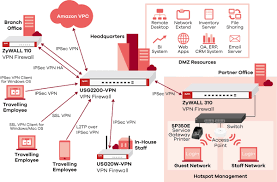
A VPN firewall combines the functionalities of a virtual private network (VPN) and a firewall to provide comprehensive protection for your internet connection. While a VPN encrypts your data and masks your IP address to ensure anonymity, a firewall acts as a barrier against potential cyber threats by monitoring and controlling incoming and outgoing network traffic.

Key Benefits of Using a VPN Firewall:

  • Data Encryption: By encrypting your internet traffic, a VPN firewall prevents hackers and snoopers from intercepting sensitive information such as passwords, financial details, and personal messages.
  • IP Address Masking: With a VPN firewall, your real IP address is hidden, making it difficult for third parties to track your online activities or determine your physical location.
  • Enhanced Privacy: By routing your internet traffic through secure servers, a VPN firewall adds an extra layer of privacy protection, shielding you from surveillance and data collection by ISPs or government agencies.
  • Cyber Threat Prevention: The firewall component of a VPN firewall actively monitors network traffic for suspicious activity and blocks malicious content or potential cyber attacks before they can reach your device.
  • Bypassing Geo-Restrictions: Many VPN firewalls allow you to access geo-blocked content by connecting to servers located in different countries, giving you unrestricted access to websites and streaming services.

Conclusion

In conclusion, investing in a reliable VPN firewall is an effective way to enhance the security, privacy, and freedom of your online experiences. Whether you’re browsing the web, accessing sensitive information, or communicating with others over the internet, having a robust security solution like a VPN firewall can give you peace of mind knowing that your data is protected from prying eyes and malicious actors.


Seven Essential Tips for Enhancing Your Online Security with a VPN Firewall

  1. Always enable your VPN firewall for added security.
  2. Regularly update your VPN firewall software to protect against new threats.
  3. Choose a VPN provider that offers a built-in firewall for convenience.
  4. Configure your VPN firewall settings to meet your security needs.
  5. Avoid using public Wi-Fi without activating your VPN firewall.
  6. Monitor your VPN firewall logs for any suspicious activity.
  7. Educate yourself on best practices for using a VPN firewall effectively.

Always enable your VPN firewall for added security.

Ensuring the optimal security of your online activities is paramount, and one simple yet crucial tip is to always enable your VPN firewall. By activating your VPN firewall, you create an additional layer of protection that encrypts your data, hides your IP address, and actively blocks potential cyber threats. This proactive measure not only enhances your online privacy but also significantly reduces the risk of unauthorised access to your sensitive information. Remember, enabling your VPN firewall is a fundamental step towards safeguarding your digital presence and maintaining a secure browsing experience.

Regularly update your VPN firewall software to protect against new threats.

Regularly updating your VPN firewall software is a crucial step in maintaining the security of your online activities. By staying up-to-date with the latest software patches and security updates, you ensure that your VPN firewall is equipped to protect against emerging threats and vulnerabilities. Cyber attackers are constantly evolving their tactics, so by keeping your VPN firewall software current, you enhance its effectiveness in safeguarding your data and privacy from potential risks. Make it a priority to regularly check for updates and apply them promptly to strengthen the defences of your VPN firewall and stay one step ahead of cyber threats.

Choose a VPN provider that offers a built-in firewall for convenience.

When selecting a VPN provider, opting for one that includes a built-in firewall can greatly enhance convenience and security. By choosing a VPN service that integrates a firewall into its offerings, users can benefit from a comprehensive solution that combines data encryption, IP masking, and network traffic monitoring in a single package. This integrated approach not only simplifies the setup process but also ensures that users have access to robust protection against online threats without the need for additional configurations or software installations. Ultimately, choosing a VPN provider with a built-in firewall can streamline your online security measures and provide peace of mind during your internet activities.

Configure your VPN firewall settings to meet your security needs.

When using a VPN firewall, it is crucial to configure the settings to align with your specific security requirements. By customising the VPN firewall settings, you can enhance the level of protection for your online activities and data. Adjusting parameters such as encryption protocols, network access controls, and intrusion detection settings allows you to tailor the firewall to suit your security preferences. By taking the time to configure your VPN firewall according to your needs, you can maximise its effectiveness in safeguarding your internet connection and maintaining a secure online environment.

Avoid using public Wi-Fi without activating your VPN firewall.

When it comes to safeguarding your online activities, a crucial tip is to avoid using public Wi-Fi networks without activating your VPN firewall. Public Wi-Fi hotspots are notorious for their lack of security, making them prime targets for cybercriminals seeking to intercept sensitive information transmitted over these networks. By enabling your VPN firewall before connecting to public Wi-Fi, you create a secure tunnel for your data, encrypting it and shielding it from potential threats lurking on the network. This simple precaution can significantly enhance your online privacy and protect your personal data from falling into the wrong hands.

Monitor your VPN firewall logs for any suspicious activity.

It is crucial to regularly monitor your VPN firewall logs for any signs of suspicious activity. By reviewing these logs, you can proactively identify and address potential security threats before they escalate. Paying attention to anomalies or unusual patterns in the logs can help you detect unauthorised access attempts, data breaches, or other malicious activities that may compromise the security of your network. Stay vigilant and stay informed by staying on top of your VPN firewall logs to ensure a robust defence against cyber threats.

Educate yourself on best practices for using a VPN firewall effectively.

To maximise the benefits of a VPN firewall, it is crucial to educate yourself on the best practices for its effective use. Understanding how to configure and optimise your VPN firewall settings, staying updated on security protocols, and being aware of potential vulnerabilities can significantly enhance the protection it offers. By staying informed and implementing recommended practices, you can ensure that your VPN firewall operates at its full potential, safeguarding your online activities with the highest level of security and privacy.

The Importance of Real-Time Active Directory Monitoring

The Importance of Real-Time Active Directory Monitoring

In today’s digital landscape, organisations rely heavily on their Active Directory (AD) to manage user accounts, permissions, and access to resources. However, with the increasing sophistication of cyber threats, traditional methods of periodic auditing are no longer sufficient to ensure the security and integrity of AD environments. This is where real-time AD monitoring plays a crucial role.

What is Real-Time AD Monitoring?

Real-time AD monitoring involves continuous tracking and analysis of activities within the Active Directory environment. By capturing and analysing events as they occur, organisations can swiftly detect any suspicious behaviour, unauthorised access attempts, or policy violations.

The Benefits of Real-Time Monitoring

Immediate Threat Detection: Real-time monitoring allows organisations to identify security incidents as they happen, enabling quick response and mitigation actions to prevent potential data breaches.

Enhanced Security Posture: By monitoring AD activities in real time, organisations can proactively identify vulnerabilities and strengthen their security defences before they are exploited by malicious actors.

Compliance Adherence: Real-time monitoring helps organisations maintain compliance with regulatory requirements by providing up-to-date insights into user activities and changes within the AD environment.

Implementing Real-Time AD Monitoring

To effectively implement real-time AD monitoring, organisations should invest in advanced monitoring tools that offer features such as event log analysis, anomaly detection, and alert notifications. These tools enable IT teams to stay vigilant against potential threats and take immediate action to safeguard the integrity of their Active Directory.

Conclusion

In conclusion, real-time Active Directory monitoring is essential for modern organisations seeking to fortify their cybersecurity defences and maintain operational resilience. By embracing real-time monitoring solutions, businesses can stay ahead of threats, protect sensitive data, and ensure the smooth functioning of their IT infrastructure in an increasingly digital world.


Six Key Advantages of Real-Time Ad Monitoring: Bolstering Security and Compliance

  1. Immediate threat detection
  2. Enhanced security posture
  3. Proactive identification of vulnerabilities
  4. Real-time response to security incidents
  5. Maintaining compliance with regulations
  6. Preventing data breaches in a timely manner


Challenges of Real-Time Ad Monitoring: Resource Strain, Alert Overload, Setup Complexity, Privacy Issues, and Cost Implications

  1. Increased resource consumption due to continuous monitoring processes.
  2. Potential for false positive alerts leading to alert fatigue for IT teams.
  3. Complexity in setting up and configuring real-time monitoring tools.
  4. Privacy concerns related to constant tracking of user activities within the AD environment.
  5. Cost implications of investing in high-quality real-time monitoring solutions.

Immediate threat detection

Immediate threat detection is a key advantage of real-time Active Directory monitoring. By capturing and analysing events as they occur, organisations can swiftly identify and respond to security incidents in real time. This proactive approach enables IT teams to take immediate action to mitigate potential risks, prevent data breaches, and safeguard the integrity of their Active Directory environment. Immediate threat detection plays a crucial role in enhancing overall cybersecurity posture and ensuring the continuous protection of critical IT assets.

Enhanced security posture

Real-time Active Directory monitoring offers the significant benefit of enhancing an organisation’s security posture. By continuously tracking and analysing activities within the AD environment as they occur, businesses can proactively identify vulnerabilities and potential security threats. This proactive approach allows IT teams to strengthen their security defences promptly, mitigating risks before they are exploited by malicious actors. Ultimately, enhanced security posture through real-time monitoring helps organisations bolster their overall cybersecurity resilience and safeguard critical IT assets effectively.

Proactive identification of vulnerabilities

Real-time Active Directory monitoring offers the significant advantage of proactive identification of vulnerabilities within the IT environment. By continuously analysing activities and changes in real time, organisations can detect potential weaknesses before they are exploited by cyber threats. This proactive approach enables IT teams to address security gaps promptly, strengthen defences, and prevent security incidents, ultimately enhancing the overall security posture of the Active Directory infrastructure.

Real-time response to security incidents

Real-time Active Directory monitoring offers the significant advantage of enabling immediate response to security incidents. By continuously tracking and analysing activities within the AD environment as they occur, organisations can swiftly detect and respond to any suspicious behaviour or unauthorised access attempts. This proactive approach allows IT teams to take prompt action to mitigate potential threats, prevent data breaches, and maintain the security integrity of their Active Directory system in real-time.

Maintaining compliance with regulations

Real-time Active Directory monitoring offers a significant advantage in maintaining compliance with regulations. By continuously tracking and analysing user activities and changes within the AD environment, organisations can ensure that they adhere to regulatory requirements in real time. This proactive approach not only helps in identifying potential compliance issues promptly but also enables organisations to address them swiftly, reducing the risk of non-compliance penalties and enhancing overall data security measures.

Preventing data breaches in a timely manner

Real-time Active Directory monitoring plays a crucial role in preventing data breaches in a timely manner. By continuously tracking and analysing activities within the AD environment, organisations can swiftly detect any suspicious behaviour or unauthorised access attempts. This proactive approach enables IT teams to respond promptly to potential security incidents, mitigating risks and safeguarding sensitive data from falling into the wrong hands. The ability to identify and address threats in real time is essential in maintaining the integrity of the Active Directory and preventing costly data breaches that could have far-reaching consequences for an organisation.

Increased resource consumption due to continuous monitoring processes.

One significant drawback of real-time Active Directory monitoring is the increased resource consumption resulting from the continuous monitoring processes. As the monitoring tools constantly track and analyse activities within the AD environment, they require additional computing power and storage capacity. This can lead to higher demands on system resources, potentially affecting the overall performance and efficiency of the IT infrastructure. Organisations need to carefully balance the benefits of real-time monitoring with its impact on resource utilisation to ensure optimal operational functionality.

Potential for false positive alerts leading to alert fatigue for IT teams.

One significant drawback of real-time Active Directory monitoring is the potential for false positive alerts, which can contribute to alert fatigue among IT teams. False positives occur when monitoring tools mistakenly identify normal or harmless activities as security threats, triggering unnecessary alerts. As IT teams receive a high volume of false alarms, they may become desensitised to genuine security incidents, leading to decreased efficiency in incident response and potentially overlooking critical issues amidst the noise of false alerts. This alert fatigue can strain resources and hinder the effectiveness of real-time monitoring efforts in maintaining the security of the Active Directory environment.

Complexity in setting up and configuring real-time monitoring tools.

One significant drawback of real-time Active Directory monitoring is the complexity involved in setting up and configuring monitoring tools. Implementing real-time monitoring solutions often requires a deep understanding of IT infrastructure, security protocols, and event log management. The intricate configurations and customisations needed to ensure the accurate detection of threats can be time-consuming and resource-intensive for organisations. Moreover, the technical expertise required to fine-tune monitoring tools may pose a challenge for teams without specialised skills, potentially leading to delays in deployment and increased operational overhead.

Privacy concerns arise with the constant tracking of user activities within the Active Directory environment in real-time monitoring. Organisations must balance the need for enhanced security with respect for individual privacy rights. Continuous monitoring of user actions may raise questions about the extent of surveillance and data collection, potentially leading to apprehensions among employees about their privacy being compromised. It is crucial for companies to establish clear policies and transparent communication regarding real-time monitoring practices to address these privacy concerns and maintain trust within their workforce.

Cost implications of investing in high-quality real-time monitoring solutions.

One significant drawback of real-time Active Directory monitoring is the cost implications associated with investing in high-quality monitoring solutions. Implementing and maintaining advanced real-time monitoring tools can require a substantial financial commitment, especially for organisations with limited budgets. The expenses may include software licenses, hardware upgrades, training for IT staff, and ongoing support services. While the benefits of real-time monitoring are undeniable, the financial burden of acquiring top-tier solutions can pose a challenge for some businesses, potentially limiting their ability to enhance their cybersecurity posture effectively.

Article: Security Breach Detection Systems

The Importance of Security Breach Detection Systems

In today’s digital landscape, where cyber threats are constantly evolving and becoming more sophisticated, the need for robust security breach detection systems has never been more critical. These systems play a vital role in safeguarding organisations against malicious activities that could compromise their sensitive data and disrupt their operations.

How Security Breach Detection Systems Work

Security breach detection systems are designed to monitor network traffic, system logs, and user activities in real-time to identify any unusual or suspicious behaviour that may indicate a security breach. By analysing patterns and anomalies, these systems can detect potential threats early on, allowing organisations to take proactive measures to mitigate risks.

The Benefits of Security Breach Detection Systems

Implementing security breach detection systems offers several benefits, including:

  • Early Threat Detection: These systems can detect security breaches as they occur, enabling rapid response and mitigation.
  • Reduced Downtime: By identifying and addressing security incidents promptly, organisations can minimise downtime and maintain business continuity.
  • Data Protection: Security breach detection systems help protect sensitive data from falling into the wrong hands, safeguarding the reputation and trust of the organisation.
  • Regulatory Compliance: Many industries have strict regulations regarding data security. Implementing these systems can help organisations comply with regulatory requirements.
  • Cost Savings: Detecting security breaches early can prevent costly data breaches and minimise the financial impact on the organisation.

In Conclusion

Security breach detection systems are indispensable tools for modern organisations looking to fortify their cybersecurity posture. By investing in these systems, businesses can stay one step ahead of cyber threats and protect their valuable assets from potential harm. In an era where cyber attacks are on the rise, implementing robust security breach detection systems is not just a best practice – it’s a necessity for ensuring long-term success and resilience in the face of evolving threats.


Seven Key Advantages of Security Breach Detection Systems: Bolstering Cyber Resilience and Protecting Business Integrity

  1. Early detection of security breaches
  2. Proactive threat mitigation
  3. Minimised downtime and business disruption
  4. Protection of sensitive data
  5. Enhanced regulatory compliance
  6. Cost savings by preventing data breaches
  7. Improved overall cybersecurity posture


Six Drawbacks of Security Breach Detection Systems: False Positives, Complexity, High Costs, Resource Demands, Skill Dependency, and Privacy Issues

  1. False Positives
  2. Complexity
  3. Cost
  4. Resource Intensive
  5. Skill Dependency
  6. Privacy Concerns

Early detection of security breaches

One significant advantage of security breach detection systems is their ability to provide early detection of security breaches. By monitoring network traffic, system logs, and user activities in real-time, these systems can swiftly identify any unusual or suspicious behaviour that may indicate a potential security breach. Early detection allows organisations to respond promptly to mitigate risks, minimise the impact of the breach, and prevent further damage to their systems and data. This proactive approach not only enhances the organisation’s cybersecurity posture but also helps maintain business continuity by addressing threats before they escalate.

Proactive threat mitigation

One significant advantage of security breach detection systems is their ability to facilitate proactive threat mitigation. By continuously monitoring network activities and analysing data for any signs of potential security breaches, these systems enable organisations to detect threats early on and take immediate action to mitigate risks before they escalate. This proactive approach not only helps in preventing security incidents but also minimises the impact of breaches, enhancing overall cybersecurity resilience and safeguarding sensitive data from malicious actors.

Minimised downtime and business disruption

One significant advantage of security breach detection systems is their ability to minimise downtime and business disruption. By promptly identifying and addressing security incidents, these systems help organisations mitigate the impact of potential breaches on their operations. With swift detection and response mechanisms in place, businesses can swiftly contain threats, restore normalcy to their systems, and ensure uninterrupted productivity. This proactive approach not only safeguards the continuity of operations but also enhances overall resilience against cybersecurity threats, allowing businesses to maintain a competitive edge in today’s dynamic digital landscape.

Protection of sensitive data

One significant advantage of security breach detection systems is their ability to protect sensitive data from falling into the wrong hands. By continuously monitoring network traffic and user activities, these systems can swiftly identify any suspicious behaviour that may indicate a potential security breach. This proactive approach not only helps in detecting and mitigating security incidents promptly but also ensures that confidential information remains secure, safeguarding the reputation and trust of the organisation.

Enhanced regulatory compliance

One significant advantage of security breach detection systems is their ability to enhance regulatory compliance for organisations. By implementing these systems, businesses can better adhere to industry-specific regulations and data protection laws. The real-time monitoring and analysis capabilities of these systems enable companies to quickly identify and respond to security incidents, ensuring that they meet the stringent requirements set forth by regulatory bodies. This proactive approach not only helps in avoiding costly non-compliance penalties but also instils trust among customers and stakeholders by demonstrating a commitment to protecting sensitive information in accordance with legal mandates.

Cost savings by preventing data breaches

One significant advantage of security breach detection systems is the potential for cost savings by preventing data breaches. By identifying and addressing security incidents in their early stages, organisations can avoid the financial repercussions associated with data breaches, such as regulatory fines, legal fees, remediation costs, and reputational damage. Investing in robust security breach detection systems not only enhances the overall cybersecurity posture of an organisation but also helps mitigate the financial impact of potential breaches, ultimately leading to long-term cost savings and preserving the integrity of the business.

Improved overall cybersecurity posture

An essential benefit of security breach detection systems is the significant enhancement they bring to an organisation’s overall cybersecurity posture. By continuously monitoring network activities and swiftly identifying potential security breaches, these systems bolster the organisation’s ability to proactively address vulnerabilities and mitigate risks. This proactive approach not only strengthens the resilience of the IT infrastructure but also instils a culture of heightened awareness and readiness against evolving cyber threats. Ultimately, improved overall cybersecurity posture achieved through the implementation of breach detection systems reinforces the organisation’s ability to safeguard critical assets and maintain operational continuity in an increasingly digital world.

False Positives

One significant drawback of security breach detection systems is the occurrence of false positives. These systems, while effective in flagging potential security threats, can sometimes produce false alarms, indicating the presence of a threat where none actually exists. This can result in wasted time and resources as security teams are forced to investigate and respond to non-existent or benign issues, diverting their attention away from genuine security incidents. False positives not only create unnecessary workloads but also have the potential to undermine confidence in the system’s accuracy and reliability.

Complexity

The complexity involved in implementing and managing security breach detection systems poses a significant challenge for organisations. These systems often require specialised knowledge and expertise to set up effectively, as well as ongoing maintenance to ensure optimal performance. The intricacies of configuring and fine-tuning these systems can be daunting, especially for those without a background in cybersecurity. Moreover, the ever-evolving nature of cyber threats demands constant updates and adjustments to the system, adding to the complexity of maintenance. Navigating through this intricate process can be time-consuming and resource-intensive, highlighting a notable drawback of security breach detection systems in terms of their complexity.

Cost

One notable drawback of security breach detection systems is the associated cost. High-quality systems often come with a hefty price tag, encompassing not only the initial acquisition but also deployment and ongoing maintenance expenses. For many organisations, this financial commitment can be substantial, posing a challenge in terms of budget allocation and resource management. The investment required to implement top-tier security breach detection systems may deter some businesses from fully embracing these crucial cybersecurity measures, potentially leaving them vulnerable to sophisticated cyber threats.

Resource Intensive

One significant drawback of security breach detection systems is their resource-intensive nature. These systems often require substantial computing resources to continuously monitor and analyse network traffic and system data. As a result, they may compete for resources with other critical IT operations, leading to potential performance issues and slowdowns in overall system functionality. Organisations must carefully balance the need for robust security measures with the impact on system performance when implementing such resource-intensive security solutions.

Skill Dependency

One significant drawback of security breach detection systems is the skill dependency it entails. Effectively utilising these systems typically necessitates personnel with expertise in cybersecurity, well-versed in best practices and incident response protocols. Without skilled individuals to operate and interpret the data generated by these systems, organisations may struggle to identify and respond promptly to security breaches, leaving their networks vulnerable to potential threats. This skill dependency can pose a challenge for businesses that lack the resources or expertise to maintain a proficient cybersecurity team, highlighting a potential barrier to maximising the benefits of security breach detection systems.

Privacy Concerns

Constant monitoring by security breach detection systems may raise privacy concerns among employees or individuals whose activities are being monitored. The intrusive nature of continuous surveillance can lead to feelings of discomfort and a sense of being constantly scrutinised. Employees may worry about their personal information being accessed or their every move being tracked, potentially leading to a decrease in morale and productivity. Balancing the need for robust security measures with respect for individual privacy rights is crucial to maintain a positive work environment and uphold ethical standards within an organisation.