Azure AD Privileged Identity Management: Enhancing Security in the Cloud

Azure AD Privileged Identity Management: Enhancing Security in the Cloud

In today’s digital landscape, securing privileged identities is crucial for safeguarding sensitive data and preventing cyber threats. Azure Active Directory (Azure AD) Privileged Identity Management (PIM) is a powerful tool that helps organisations manage, control, and monitor access to critical resources within their Azure environment.

What is Azure AD Privileged Identity Management?

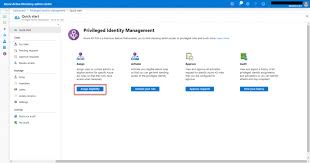
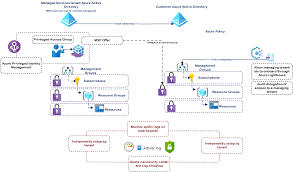
Azure AD PIM enables organisations to manage and monitor access to privileged roles in Azure AD, Azure resources, and other Microsoft Online Services. By using Azure AD PIM, administrators can enforce just-in-time access, multi-factor authentication, and approval workflows for users requesting elevated permissions.

Key Features of Azure AD PIM:

  • Just-In-Time Access: Users can request privileged roles for a limited duration, reducing the risk of long-term exposure.
  • Multi-Factor Authentication: Additional layer of security to verify the identity of users accessing privileged roles.
  • Approval Workflows: Requests for elevated permissions can be routed to designated approvers for review and authorisation.
  • Audit Logs: Detailed logs capture all changes made by users with privileged access, aiding in compliance and security investigations.
  • Schedule Reviews: Regular reviews of privileged roles ensure that only authorised users have access to critical resources.

The Benefits of Using Azure AD PIM:

Azure AD PIM offers several benefits to organisations looking to enhance their security posture:

  • Reduced Exposure: Just-in-time access minimises the risk of prolonged exposure to elevated permissions.
  • Improved Compliance: Audit logs and role reviews help organisations meet regulatory requirements and internal policies.
  • Elevated Security: Multi-factor authentication adds an extra layer of protection against unauthorised access.
  • Easier Monitoring: Centralised dashboard provides visibility into who has access to what resources and when.

In Conclusion

Azure AD Privileged Identity Management is a valuable tool for organisations seeking to strengthen their security posture in the cloud. By implementing just-in-time access, multi-factor authentication, approval workflows, and audit capabilities, organisations can effectively manage and monitor privileged identities within their Azure environment. With Azure AD PIM, businesses can reduce risks associated with elevated permissions while maintaining compliance with industry regulations.


Top 8 Benefits of Azure AD Privileged Identity Management for Enhanced Security and Compliance

  1. Enhances security by enforcing just-in-time access to privileged roles.
  2. Reduces the risk of prolonged exposure to elevated permissions.
  3. Provides multi-factor authentication for added security.
  4. Offers approval workflows for reviewing and authorising access requests.
  5. Facilitates regular reviews of privileged roles to ensure compliance.
  6. Generates detailed audit logs for tracking changes made by users with privileged access.
  7. Centralised dashboard provides visibility into who has access to critical resources.
  8. Helps organisations meet regulatory requirements and internal security policies.


Challenges of Azure AD Privileged Identity Management: Configuration, Costs, Adoption, and Customisation

  1. Complex Configuration
  2. Cost Consideration
  3. User Adoption Challenges
  4. Limited Customisation

Enhances security by enforcing just-in-time access to privileged roles.

Azure AD Privileged Identity Management enhances security by enforcing just-in-time access to privileged roles. This proactive approach ensures that users only have temporary access to elevated permissions when needed, reducing the risk of prolonged exposure and potential misuse of privileges. By granting access on a temporary basis, organisations can effectively limit the window of vulnerability, enhancing overall security posture and mitigating the threat of unauthorised access to critical resources within their Azure environment.

Reduces the risk of prolonged exposure to elevated permissions.

Azure AD Privileged Identity Management’s capability to reduce the risk of prolonged exposure to elevated permissions is a significant advantage for organisations aiming to enhance their security posture. By implementing just-in-time access controls, users are granted temporary privileged roles only when needed, minimising the window of vulnerability. This proactive approach helps mitigate the chances of unauthorised access or misuse of elevated permissions over an extended period, thereby bolstering overall security and reducing potential threats within the Azure environment.

Provides multi-factor authentication for added security.

Azure AD Privileged Identity Management offers a significant advantage by providing multi-factor authentication for enhanced security. This feature adds an extra layer of protection to verify the identity of users accessing privileged roles within the Azure environment. By requiring multiple forms of verification, such as passwords, biometrics, or security tokens, organisations can significantly reduce the risk of unauthorised access to critical resources. Multi-factor authentication is a powerful tool in mitigating cybersecurity threats and ensuring that only authorised personnel can utilise elevated permissions, thereby bolstering overall security measures in the cloud environment.

Offers approval workflows for reviewing and authorising access requests.

Azure AD Privileged Identity Management provides a valuable feature by offering approval workflows for reviewing and authorising access requests. This capability ensures that requests for elevated permissions undergo a structured review process, where designated approvers can assess the necessity and legitimacy of the access before granting it. By incorporating approval workflows, organisations can enforce a layer of accountability and oversight in managing privileged identities, enhancing security measures and compliance with regulatory standards.

Facilitates regular reviews of privileged roles to ensure compliance.

Azure AD Privileged Identity Management facilitates regular reviews of privileged roles to ensure compliance with regulatory requirements and internal policies. By enabling organisations to schedule periodic reviews of who has access to elevated permissions, Azure AD PIM helps maintain a secure and accountable environment. These regular audits not only enhance security by identifying and addressing any unnecessary or outdated privileges but also demonstrate a commitment to governance and data protection standards. Regular role reviews are essential in mitigating risks associated with privileged access and ensuring that access rights align with business needs and security best practices.

Generates detailed audit logs for tracking changes made by users with privileged access.

Azure AD Privileged Identity Management offers the valuable benefit of generating detailed audit logs that track changes made by users with privileged access. These logs provide organisations with a comprehensive record of activities, allowing them to monitor and analyse any modifications made to critical resources. By maintaining a clear trail of actions taken by privileged users, Azure AD PIM enhances transparency, accountability, and security within the Azure environment. Organizations can leverage these audit logs to investigate incidents, ensure compliance with regulations, and proactively detect any unauthorised or suspicious activities, ultimately strengthening their overall cybersecurity posture.

Centralised dashboard provides visibility into who has access to critical resources.

The centralised dashboard feature of Azure AD Privileged Identity Management offers a significant advantage by providing clear visibility into the individuals who have access to critical resources within an organisation’s Azure environment. This functionality allows administrators to easily monitor and track privileged access, ensuring that only authorised users are granted permissions to sensitive data and resources. By having a comprehensive overview of access rights through the centralised dashboard, organisations can effectively manage security risks, detect any anomalies, and maintain a secure environment in line with best practices and compliance standards.

Helps organisations meet regulatory requirements and internal security policies.

Azure AD Privileged Identity Management plays a crucial role in helping organisations meet regulatory requirements and internal security policies. By providing detailed audit logs, role reviews, and just-in-time access controls, Azure AD PIM enables businesses to monitor and manage privileged identities effectively. This proactive approach not only enhances security measures but also ensures compliance with industry regulations and internal security protocols. Organizations can rest assured that their critical resources are accessed only by authorised personnel, reducing the risk of data breaches and maintaining a robust security posture in the cloud environment.

Complex Configuration

Setting up Azure AD Privileged Identity Management can present a significant challenge due to its complex configuration requirements. Implementing the necessary settings and policies may demand a considerable investment of time and expertise from IT administrators. The intricate nature of configuring Azure AD PIM can lead to potential delays in deployment and may require additional training to ensure proper setup and management. Organizations considering the adoption of Azure AD PIM should be prepared for the complexities involved in the initial configuration process to effectively leverage its security benefits in the long run.

Cost Consideration

Cost Consideration: One significant drawback of implementing Azure AD Privileged Identity Management is the potential increase in costs, particularly for organisations with a substantial number of users or resources. The additional expenses associated with licensing, user subscriptions, and potentially required infrastructure upgrades can pose a financial challenge for some businesses. It is essential for organisations to carefully assess and plan for these costs before deciding to adopt Azure AD PIM to ensure that the benefits outweigh the financial implications.

User Adoption Challenges

User Adoption Challenges can pose a significant con when implementing Azure AD Privileged Identity Management. Users may encounter difficulties in adjusting to the new access management procedures introduced by Azure AD PIM, resulting in resistance or confusion. This resistance can hinder the smooth transition to more secure access practices and potentially delay the full realisation of the benefits that Azure AD PIM offers. Effective communication, training, and support are essential to address these challenges and ensure successful user adoption of the new privileged identity management processes.

Limited Customisation

Some organisations may encounter a drawback of Azure AD Privileged Identity Management in its limited customisation capabilities. While the tool offers robust security features, some businesses with unique security needs may find that the level of customisation options provided by Azure AD PIM is insufficient to address their specific requirements. This limitation could potentially hinder organisations that require highly tailored security configurations to align with their internal policies or industry regulations. In such cases, organisations may need to explore additional solutions or workarounds to complement Azure AD PIM and achieve a more bespoke security setup.
The Backbone of Modern Business: Understanding IT Infrastructure

Information Technology (IT) infrastructure serves as the foundation for the digital operations of businesses worldwide. From small startups to large corporations, the efficiency and security of IT infrastructure play a crucial role in driving productivity, innovation, and growth. Let’s delve into what IT infrastructure entails and why it is essential in today’s interconnected world.

Components of IT Infrastructure

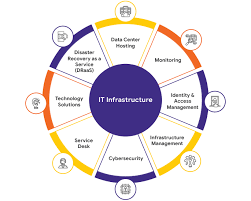
IT infrastructure encompasses a broad range of components that work together to support the flow and processing of data within an organisation. These components include:

  • Hardware: This includes servers, computers, networking devices, storage devices, and other physical equipment that form the backbone of an organisation’s IT operations.
  • Software: Operating systems, applications, databases, and other software solutions are essential for managing data, facilitating communication, and enabling various business processes.
  • Networking: Routers, switches, firewalls, and other networking devices establish connections between different parts of the infrastructure and enable communication both internally and externally.
  • Data Centres: These facilities house servers, storage devices, and networking equipment that store and process vast amounts of data critical to business operations.
  • Cloud Services: Cloud computing services provide scalable resources such as storage, processing power, and applications over the internet without the need for on-premises hardware.

The Importance of Reliable IT Infrastructure

A robust IT infrastructure is vital for businesses to operate efficiently in today’s digital landscape. Here are some key reasons why investing in reliable IT infrastructure is crucial:

  • Enhanced Productivity: A well-designed IT infrastructure streamlines processes, automates tasks, and enables employees to collaborate seamlessly – ultimately boosting productivity across all departments.
  • Data Security: Protecting sensitive data from cyber threats is paramount. A secure IT infrastructure with robust security measures helps safeguard valuable information from breaches or unauthorised access.
  • Scalability: As businesses grow or adapt to changing market demands, their IT infrastructure must be scalable to accommodate increased workloads or new technologies without compromising performance.
  • Business Continuity: In the event of disruptions such as natural disasters or system failures, a resilient IT infrastructure ensures that critical systems remain operational and data remains accessible to minimise downtime.

The Future of IT Infrastructure

The evolution of technology continues to shape the future of IT infrastructure. Trends such as edge computing, artificial intelligence (AI), Internet of Things (IoT), and hybrid cloud environments are influencing how organisations design their infrastructures to meet growing demands for speed, agility, and innovation.

In conclusion,a solid understanding of IT infrastructure is essential for businesses looking to thrive in a digital-first world. By investing in reliable hardware,

software,

networking solutions,

data centres,

and cloud services,

organisations can build a resilient foundation that supports growth,

security,

and innovation.

Stay tuned for more insights on how technology continues to transform the way we do business!


Essential Tips for Robust IT Infrastructure Management

  1. Regularly update software and security patches to protect against cyber threats.
  2. Implement strong password policies and consider multi-factor authentication for enhanced security.
  3. Backup data regularly to prevent loss in case of system failures or cyber attacks.
  4. Monitor network traffic and system logs for early detection of any unusual activities or breaches.
  5. Ensure hardware components are properly maintained and replaced when necessary to avoid downtime.
  6. Consider cloud services for scalability, flexibility, and improved disaster recovery capabilities.

Regularly update software and security patches to protect against cyber threats.

To safeguard your IT infrastructure against cyber threats, it is crucial to regularly update software and security patches. By staying current with updates, you ensure that your systems are equipped with the latest protections against vulnerabilities that could be exploited by malicious actors. These updates not only enhance the overall security of your infrastructure but also help to mitigate the risk of potential breaches and data compromises. Prioritising software and security patch updates is a proactive measure that can significantly bolster your defences and contribute to a more secure digital environment for your business operations.

Implement strong password policies and consider multi-factor authentication for enhanced security.

To bolster the security of your IT infrastructure, it is advisable to implement stringent password policies and explore the adoption of multi-factor authentication. Strong password policies, such as requiring complex passwords and regular password changes, can significantly reduce the risk of unauthorised access to sensitive data. Additionally, integrating multi-factor authentication adds an extra layer of security by verifying users’ identities through multiple methods, such as passwords, biometrics, or security tokens. By combining these measures, organisations can enhance their security posture and mitigate potential cybersecurity threats effectively.

Backup data regularly to prevent loss in case of system failures or cyber attacks.

Regularly backing up data is a fundamental practice in safeguarding against potential data loss due to system failures or cyber attacks. By creating and maintaining backups of critical information, organisations can mitigate the impact of unforeseen events and ensure that valuable data remains accessible and secure. In the event of a disaster or security breach, having up-to-date backups enables swift recovery and minimises downtime, allowing businesses to resume operations with minimal disruption.

Monitor network traffic and system logs for early detection of any unusual activities or breaches.

Monitoring network traffic and system logs is a critical tip in IT infrastructure management. By regularly monitoring these elements, organisations can proactively detect any unusual activities or potential security breaches. Early detection allows for swift response and mitigation of threats, helping to safeguard sensitive data and maintain the integrity of the IT environment. Continuous monitoring not only enhances security but also provides valuable insights into network performance, helping businesses ensure smooth operations and optimal efficiency.

Ensure hardware components are properly maintained and replaced when necessary to avoid downtime.

To maintain a reliable IT infrastructure, it is crucial to ensure that hardware components are adequately maintained and replaced when needed to prevent downtime. Regular maintenance, such as cleaning, updating firmware, and monitoring performance, can help identify issues before they escalate. By proactively replacing ageing or faulty hardware components, businesses can minimise the risk of unexpected failures that could disrupt operations. Investing in the timely replacement of hardware not only enhances system reliability but also contributes to a smoother and more efficient IT environment overall.

Consider cloud services for scalability, flexibility, and improved disaster recovery capabilities.

When evaluating options to enhance IT infrastructure, it is advisable to consider incorporating cloud services for their scalability, flexibility, and improved disaster recovery capabilities. Cloud services offer the ability to scale resources up or down based on demand, providing businesses with the flexibility to adapt to changing needs efficiently. Additionally, leveraging cloud solutions can enhance disaster recovery strategies by enabling data backups and redundancy in geographically diverse locations, ensuring business continuity in the face of unforeseen disruptions. By embracing cloud services, organisations can achieve greater agility and resilience in their IT infrastructure while optimising operational efficiency.

The Importance of Privileged Identity Management Solutions

The Importance of Privileged Identity Management Solutions

Privileged Identity Management (PIM) solutions play a crucial role in enhancing the security posture of organisations by effectively managing and monitoring access to sensitive systems and data. In today’s digital landscape, where cyber threats are becoming more sophisticated, protecting privileged accounts is paramount to prevent data breaches and maintain compliance with regulations.

What is Privileged Identity Management?

Privileged Identity Management involves the management of accounts with elevated permissions within an organisation’s IT infrastructure. These accounts, often referred to as privileged accounts or superuser accounts, have extensive access rights that, if compromised, can result in severe consequences for the organisation.

The Benefits of PIM Solutions

Implementing a robust Privileged Identity Management solution offers several key benefits:

  • Enhanced Security: PIM solutions help prevent unauthorised access to critical systems and data by enforcing strict access controls and monitoring privileged account activities in real-time.
  • Risk Mitigation: By proactively identifying and addressing security vulnerabilities related to privileged accounts, organisations can reduce the risk of insider threats and external cyber attacks.
  • Compliance Adherence: PIM solutions assist organisations in meeting regulatory requirements related to data protection and access control by providing detailed audit trails and reports on privileged account usage.
  • Operational Efficiency: Centralised management of privileged identities streamlines administrative tasks, improves visibility into user activities, and simplifies the process of granting or revoking access privileges.

Choosing the Right PIM Solution

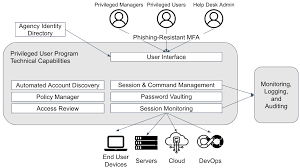
When selecting a Privileged Identity Management solution for your organisation, consider factors such as scalability, integration capabilities with existing security tools, ease of deployment and use, as well as vendor reputation for reliability and customer support. A comprehensive PIM solution should offer advanced features such as session monitoring, password vaulting, role-based access control, and automated privilege elevation.

In Conclusion

In conclusion, investing in a robust Privileged Identity Management solution is essential for safeguarding sensitive assets, maintaining regulatory compliance, and strengthening overall cybersecurity defences. By implementing effective PIM practices, organisations can mitigate risks associated with privileged access while ensuring operational efficiency and data protection in an increasingly interconnected digital environment.


8 Essential Tips for Effective Privileged Identity Management Solutions

  1. Implement role-based access control to restrict privileges based on job functions.
  2. Regularly review and update user permissions to ensure least privilege access.
  3. Enable multi-factor authentication for added security when accessing privileged accounts.
  4. Monitor and log all privileged account activities for auditing and accountability.
  5. Automate password management processes to reduce human error and enhance security.
  6. Implement session recording to track actions taken during privileged sessions.
  7. Establish a process for emergency access that requires approval and monitoring.
  8. Regularly conduct training sessions for users on best practices in privileged identity management.

Implement role-based access control to restrict privileges based on job functions.

Implementing role-based access control (RBAC) is a fundamental tip in enhancing privileged identity management solutions. By assigning access rights and permissions based on specific job functions, organisations can effectively restrict privileges to only those necessary for employees to perform their roles. This approach not only minimises the risk of unauthorised access to sensitive systems and data but also streamlines the management of privileged accounts by ensuring that users have the appropriate level of access required for their responsibilities. RBAC helps enforce the principle of least privilege, reducing the attack surface and enhancing overall security posture within an organisation’s IT infrastructure.

Regularly review and update user permissions to ensure least privilege access.

Regularly reviewing and updating user permissions is a fundamental practice in Privileged Identity Management solutions to enforce the principle of least privilege access. By conducting periodic audits of user permissions, organisations can ensure that individuals only have access to the resources necessary for their roles, reducing the risk of unauthorised activities and potential security breaches. This proactive approach not only enhances security but also promotes compliance with regulatory requirements by maintaining a tight control over privileged access within the IT environment.

Enable multi-factor authentication for added security when accessing privileged accounts.

Enabling multi-factor authentication for accessing privileged accounts is a crucial tip in enhancing security within a Privileged Identity Management solution. By requiring an additional layer of verification beyond passwords, such as a code sent to a mobile device or biometric authentication, multi-factor authentication significantly reduces the risk of unauthorised access to sensitive systems and data. This added security measure helps safeguard privileged accounts against cyber threats and ensures that only authorised users with verified identities can access critical resources, strengthening overall security posture and mitigating the potential impact of security breaches.

Monitor and log all privileged account activities for auditing and accountability.

Monitoring and logging all privileged account activities is a critical tip in Privileged Identity Management solutions. By tracking and recording every action taken by privileged users, organisations can establish a comprehensive audit trail that enhances accountability and transparency. This practice not only aids in detecting suspicious or unauthorised activities but also ensures compliance with regulatory requirements by providing detailed insights into who accessed what information and when. Ultimately, monitoring and logging privileged account activities are essential steps towards strengthening security measures and mitigating the risks associated with elevated access rights within an organisation’s IT infrastructure.

Automate password management processes to reduce human error and enhance security.

Automating password management processes is a valuable tip when implementing a Privileged Identity Management solution. By automating these tasks, organisations can significantly reduce the potential for human error in handling sensitive passwords, thereby enhancing overall security. Automated password management not only streamlines the process of updating and rotating passwords but also minimises the risk of unauthorised access to privileged accounts. This proactive approach ensures that passwords are changed regularly and in a secure manner, contributing to a more robust security posture and mitigating the likelihood of security breaches due to weak or compromised credentials.

Implement session recording to track actions taken during privileged sessions.

Implementing session recording as part of a Privileged Identity Management solution is a critical step towards enhancing security and accountability within an organisation’s IT infrastructure. By enabling session recording, organisations can track and monitor all actions taken during privileged sessions, providing a detailed audit trail of activities for compliance purposes and forensic analysis. This feature not only strengthens security by detecting any suspicious or unauthorised behaviour but also ensures transparency and oversight in the use of privileged accounts, ultimately reducing the risk of data breaches and insider threats.

Establish a process for emergency access that requires approval and monitoring.

Establishing a process for emergency access that necessitates approval and monitoring is a crucial aspect of effective Privileged Identity Management. By implementing a structured procedure for granting emergency access privileges, organisations can ensure that such access is only granted when absolutely necessary and with appropriate authorisation. Monitoring the usage of emergency access helps in maintaining accountability and oversight, allowing for prompt detection of any unauthorised activities or potential security breaches. This proactive approach not only enhances security measures but also reinforces compliance with regulatory requirements, ultimately strengthening the overall security posture of the organisation.

Regularly conduct training sessions for users on best practices in privileged identity management.

Regularly conducting training sessions for users on best practices in privileged identity management is essential for promoting a culture of security awareness within an organisation. By educating users on the importance of safeguarding privileged accounts and following established protocols, employees can become proactive participants in maintaining a secure IT environment. Through training, users can learn how to identify potential security risks, adhere to access control policies, and recognise the significance of their role in protecting sensitive data. Ultimately, ongoing training empowers users to make informed decisions that contribute to the overall effectiveness of the privileged identity management solution and enhance the organisation’s cybersecurity posture.

The Importance of Auditing Active Directory for Enhanced Security

In today’s digital age, where cyber threats are ever-evolving and becoming more sophisticated, the need for robust security measures within organisations is paramount. One crucial aspect of maintaining a secure IT infrastructure is auditing Active Directory, a vital component in most corporate networks.

Active Directory serves as the centralised hub for managing users, computers, and resources within a network environment. It plays a critical role in controlling access to sensitive data, enforcing security policies, and ensuring smooth operations across various IT systems. However, without proper monitoring and auditing in place, organisations are left vulnerable to potential security breaches and compliance issues.

Why Audit Active Directory?

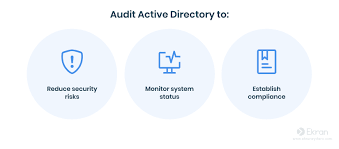
Auditing Active Directory involves tracking and recording all user activities, changes to configurations, and access permissions within the directory. By conducting regular audits, organisations can achieve the following benefits:

  • Enhanced Security: Auditing helps identify suspicious activities, unauthorized access attempts, and potential security gaps that could compromise the integrity of the network.
  • Compliance Adherence: Many regulatory standards require organisations to maintain detailed logs of user actions and system changes. Auditing Active Directory ensures compliance with data protection laws and industry regulations.
  • Insightful Reporting: Auditing generates comprehensive reports that provide valuable insights into user behaviour, system performance, and adherence to security policies. This information can be used to improve security measures and streamline IT operations.
  • Incident Response: In the event of a security incident or data breach, audit logs play a crucial role in investigating the root cause, identifying affected systems, and implementing remediation measures swiftly.

Best Practices for Auditing Active Directory

To maximise the effectiveness of auditing Active Directory, organisations should consider implementing the following best practices:

  1. Enable Audit Policies: Configure audit policies within Active Directory to track critical events such as logon attempts, account modifications, and group policy changes.
  2. Regular Review of Audit Logs: Monitor audit logs regularly to detect anomalies or suspicious activities that may indicate a security threat.
  3. Implement Real-time Monitoring: Utilise tools that offer real-time monitoring capabilities to promptly identify and respond to security incidents as they occur.
  4. Automate Audit Processes: Automate audit processes where possible to reduce manual effort and ensure consistent monitoring across all systems.

In conclusion, auditing Active Directory is an essential practice for maintaining a secure IT environment and safeguarding sensitive data from potential threats. By proactively monitoring user activities and system changes within Active Directory, organisations can strengthen their cybersecurity posture, achieve regulatory compliance, and mitigate risks effectively.

Contact us today to learn more about how our advanced audit solutions can help enhance the security of your Active Directory environment.


Top 5 Essential Tips for Auditing Active Directory Security

  1. Regularly review user accounts to ensure only authorised personnel have access
  2. Monitor and log changes made to group memberships and permissions
  3. Perform regular security assessments to identify vulnerabilities in Active Directory
  4. Enforce strong password policies and multi-factor authentication for added security
  5. Keep Active Directory servers updated with the latest security patches

Regularly review user accounts to ensure only authorised personnel have access

Regularly reviewing user accounts within Active Directory is a crucial step in maintaining a secure IT environment. By conducting routine audits of user accounts, organisations can ensure that only authorised personnel have access to sensitive data and resources. This practice helps identify and remove inactive or outdated accounts, detect any unauthorised access attempts, and prevent potential security breaches. By staying vigilant and verifying user permissions on a regular basis, organisations can strengthen their security posture and reduce the risk of insider threats or unauthorised access to critical systems.

Monitor and log changes made to group memberships and permissions

Monitoring and logging changes made to group memberships and permissions within Active Directory is a critical aspect of maintaining a secure and compliant IT environment. By tracking these modifications, organisations can effectively manage access control, detect unauthorised changes, and ensure that users have the appropriate level of permissions. Detailed audit logs provide valuable insights into who made the changes, when they were made, and what specific modifications were implemented, enabling swift identification and response to potential security threats or compliance issues. Implementing robust monitoring practices for group memberships and permissions is essential for enhancing overall security posture and safeguarding sensitive data within the network.

Perform regular security assessments to identify vulnerabilities in Active Directory

Performing regular security assessments is a critical step in ensuring the robustness of your Active Directory environment. By conducting thorough evaluations, organisations can proactively identify vulnerabilities and weaknesses that could potentially be exploited by malicious actors. These assessments help in fortifying security measures, implementing necessary patches or updates, and strengthening overall resilience against cyber threats. Regular security assessments not only enhance the protection of sensitive data within Active Directory but also demonstrate a commitment to maintaining a secure IT infrastructure in line with best practices and compliance standards.

Enforce strong password policies and multi-factor authentication for added security

To enhance the security of your Active Directory environment, it is crucial to enforce strong password policies and implement multi-factor authentication. By requiring users to create complex passwords that include a combination of letters, numbers, and special characters, you can significantly reduce the risk of unauthorized access through password guessing or brute-force attacks. Additionally, implementing multi-factor authentication adds an extra layer of security by requiring users to verify their identity through a secondary method, such as a code sent to their mobile device. These measures help fortify your network against potential security threats and enhance overall data protection.

Keep Active Directory servers updated with the latest security patches

Ensuring that Active Directory servers are regularly updated with the latest security patches is a critical aspect of maintaining a secure IT environment. By promptly applying security patches released by software vendors, organisations can address known vulnerabilities and strengthen the overall resilience of their Active Directory infrastructure against potential cyber threats. Failing to keep servers updated exposes them to exploitation by malicious actors, putting sensitive data and network integrity at risk. Therefore, prioritising the timely installation of security patches is essential in safeguarding the confidentiality, integrity, and availability of Active Directory services.

The Importance of Privileged Identity Management Systems

The Importance of Privileged Identity Management Systems

In today’s digital landscape, where data breaches and cyber threats are on the rise, protecting sensitive information and critical systems is paramount. One crucial aspect of cybersecurity is managing privileged identities effectively. Privileged accounts have elevated access rights within an organisation’s IT infrastructure, making them prime targets for cyber attackers.

A Privileged Identity Management (PIM) system is a comprehensive solution designed to safeguard privileged accounts and mitigate the risks associated with their misuse. These systems provide centralised control over access rights, monitoring of privileged activities, and enforcement of security policies to prevent unauthorised access.

Key Benefits of Privileged Identity Management Systems:

  • Enhanced Security: PIM systems help prevent insider threats and external attacks by limiting access to sensitive data and critical systems only to authorised personnel.
  • Compliance: Organisations can meet regulatory requirements and industry standards by implementing robust privileged identity management controls.
  • Improved Operational Efficiency: By automating privilege provisioning and deprovisioning processes, PIM systems streamline administrative tasks and reduce the risk of human error.
  • Auditing and Monitoring: Detailed logging and real-time monitoring capabilities enable organisations to track privileged activities, detect anomalies, and investigate security incidents promptly.
  • Risk Mitigation: Proactive identification of vulnerabilities in privileged access helps mitigate security risks before they can be exploited by malicious actors.

Implementing a Privileged Identity Management system is essential for any organisation looking to strengthen its cybersecurity posture and protect critical assets from potential threats. By investing in PIM solutions, businesses can proactively manage privileged accounts, reduce the attack surface, and enhance overall security resilience in an increasingly complex digital environment.


Understanding Privileged Identity Management Systems: Key FAQs Explained

  1. What is the purpose of Azure PIM?
  2. What is PAM and PIM?
  3. What is privilege management system?
  4. What is privileged identity management system?

What is the purpose of Azure PIM?

Azure Privileged Identity Management (PIM) serves a crucial role in enhancing security within Azure environments by providing just-in-time access to privileged roles. The primary purpose of Azure PIM is to minimise the exposure of high-impact roles, such as global administrator or application administrator, by enforcing the principle of least privilege. By implementing Azure PIM, organisations can effectively manage and monitor access to privileged roles, reduce the risk of unauthorised activities, and ensure compliance with security best practices. Additionally, Azure PIM offers enhanced visibility into privileged role assignments and enables organisations to streamline the process of granting temporary access when needed, thereby strengthening overall security posture in Azure environments.

What is PAM and PIM?

Privileged Access Management (PAM) and Privileged Identity Management (PIM) are two essential components of cybersecurity that focus on securing privileged accounts within an organisation’s IT infrastructure. PAM primarily deals with managing and controlling access to privileged accounts, ensuring that only authorised users can access sensitive data and critical systems. On the other hand, PIM is more concerned with the lifecycle management of privileged identities, including provisioning, monitoring, and revoking access rights as needed. Both PAM and PIM play a crucial role in mitigating security risks associated with privileged accounts and are integral parts of a comprehensive cybersecurity strategy aimed at protecting valuable assets from cyber threats.

What is privilege management system?

A privilege management system, also known as Privileged Identity Management (PIM) system, is a sophisticated solution designed to oversee and control access to privileged accounts within an organisation’s IT infrastructure. These accounts have elevated permissions that grant users the authority to perform critical tasks and access sensitive data. The privilege management system enforces security policies, restricts access to privileged accounts based on defined roles and responsibilities, monitors privileged activities in real-time, and provides detailed audit logs for compliance purposes. By implementing a privilege management system, organisations can enhance security, reduce the risk of insider threats and cyber attacks, and ensure accountability and transparency in managing privileged identities effectively.

What is privileged identity management system?

A Privileged Identity Management system, often abbreviated as PIM, is a robust cybersecurity solution designed to protect and control access to privileged accounts within an organisation’s IT infrastructure. These accounts hold elevated permissions that can grant users extensive control over critical systems and sensitive data. Privileged Identity Management systems help mitigate the risks associated with these powerful accounts by enforcing strict access controls, monitoring privileged activities in real-time, and ensuring compliance with security policies and regulations. By centralising management of privileged identities, PIM systems play a vital role in enhancing security, reducing the likelihood of insider threats or external attacks, and safeguarding organisations against potential data breaches or cyber incidents.

Identity Access Management Solutions

The Importance of Identity Access Management Solutions

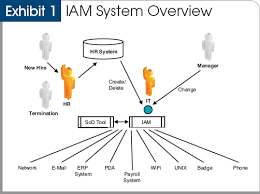
Identity Access Management (IAM) solutions play a crucial role in today’s digital landscape where data security and privacy are paramount. IAM refers to the processes and technologies used to manage and control access to resources within an organisation. It encompasses the management of user identities, authentication, authorisation, and privileges.

Benefits of IAM Solutions

Implementing robust IAM solutions offers a range of benefits for businesses:

  • Enhanced Security: IAM solutions help organisations strengthen their security posture by ensuring that only authorised individuals have access to sensitive data and systems.
  • Compliance: IAM solutions assist in meeting regulatory requirements by providing detailed audit trails and access controls.
  • Improved Productivity: By streamlining user access processes, IAM solutions can enhance productivity by reducing the time spent on manual tasks.
  • User Experience: IAM solutions can provide a seamless user experience by enabling single sign-on capabilities and simplifying access across multiple systems.
  • Risk Mitigation: Effective IAM solutions help mitigate risks associated with insider threats, data breaches, and unauthorised access.

Key Features of IAM Solutions

IAM solutions typically include a range of features designed to secure digital identities and manage access effectively:

  • User Provisioning: Automated processes for creating, updating, and disabling user accounts.
  • Authentication: Multi-factor authentication methods to verify user identities securely.
  • Authorisation: Role-based access controls to assign permissions based on job roles or responsibilities.
  • Audit Trails: Logging and reporting capabilities to track user activities and changes in access rights.
  • Password Management: Tools for enforcing strong password policies and facilitating password resets.

The Future of IAM

As organisations continue to embrace cloud computing, mobile technologies, and remote work environments, the role of IAM solutions will become even more critical. The future of IAM is likely to involve advanced biometric authentication methods, artificial intelligence for threat detection, and increased integration with Internet of Things (IoT) devices.

In conclusion, implementing robust Identity Access Management solutions is essential for safeguarding sensitive data, ensuring compliance with regulations, and enhancing overall security posture. By investing in effective IAM strategies, organisations can better protect their digital assets while enabling seamless access for authorised users.


Understanding Identity Access Management Solutions: Key FAQs and Their Importance

  1. What is Identity Access Management (IAM) and why is it important?
  2. How does IAM enhance security within an organisation?
  3. What are the key components of an IAM solution?
  4. How can IAM solutions help with regulatory compliance?
  5. What are the common challenges in implementing IAM solutions?
  6. What benefits can businesses expect from investing in IAM solutions?

What is Identity Access Management (IAM) and why is it important?

Identity Access Management (IAM) is a set of processes and technologies that organisations use to manage and control access to their digital resources. It involves managing user identities, defining access privileges, enforcing security policies, and monitoring user activities. IAM is crucial because it helps organisations ensure that only authorised individuals have access to sensitive data and systems, reducing the risk of data breaches, insider threats, and compliance violations. By implementing robust IAM solutions, businesses can enhance security, streamline access management processes, improve productivity, and meet regulatory requirements effectively. IAM plays a vital role in safeguarding digital assets and maintaining the integrity of an organisation’s data infrastructure.

How does IAM enhance security within an organisation?

Identity Access Management (IAM) enhances security within an organisation by implementing robust controls and processes to manage user access to critical resources. By enforcing authentication mechanisms such as multi-factor authentication and strong password policies, IAM ensures that only authorised individuals can access sensitive data and systems. Role-based access controls further restrict privileges based on job roles, reducing the risk of unauthorised access. IAM solutions also provide detailed audit trails and monitoring capabilities, allowing organisations to track user activities, detect anomalies, and respond promptly to security incidents. Overall, IAM strengthens security by mitigating risks associated with insider threats, data breaches, and compliance violations, thereby safeguarding the organisation’s digital assets and maintaining a secure environment for operations.

What are the key components of an IAM solution?

When considering Identity Access Management (IAM) solutions, it is crucial to understand the key components that form the foundation of an effective IAM system. The primary components typically include user provisioning, authentication mechanisms, authorisation controls, audit trails, and password management tools. User provisioning involves the automated creation, modification, and deactivation of user accounts to ensure timely access management. Authentication methods such as multi-factor authentication enhance security by verifying user identities through multiple factors. Authorisation controls enable organisations to assign permissions based on roles or responsibilities, ensuring that users have appropriate access levels. Audit trails provide detailed logs and reports on user activities and access changes for compliance and security monitoring purposes. Password management tools help enforce strong password policies and facilitate secure password resets when needed. These key components collectively contribute to a robust IAM solution that enhances security, compliance, and operational efficiency within an organisation’s digital ecosystem.

How can IAM solutions help with regulatory compliance?

IAM solutions play a vital role in helping organisations achieve regulatory compliance by providing robust access controls, detailed audit trails, and user authentication mechanisms. By implementing IAM solutions, businesses can ensure that only authorised individuals have access to sensitive data and systems, thus meeting the requirements set forth by regulatory bodies. IAM solutions enable organisations to enforce security policies, monitor user activities, and generate compliance reports that demonstrate adherence to regulations. Additionally, IAM solutions facilitate the management of user identities and permissions, streamlining compliance processes and reducing the risk of non-compliance penalties.

What are the common challenges in implementing IAM solutions?

Implementing Identity Access Management (IAM) solutions can pose several challenges for organisations. One common challenge is the complexity of integrating IAM systems with existing IT infrastructure and applications. Ensuring seamless interoperability and data consistency across various platforms can be a daunting task. Additionally, managing user identities and access rights effectively while maintaining compliance with regulatory requirements presents another significant challenge. Balancing security measures with user convenience is also crucial to prevent hindrances to productivity. Moreover, keeping up with evolving security threats and technologies requires continuous monitoring and updates to IAM solutions, adding another layer of complexity to implementation efforts. Addressing these challenges proactively is key to successful deployment and operation of IAM solutions within an organisation.

What benefits can businesses expect from investing in IAM solutions?

Businesses can expect a multitude of benefits from investing in Identity Access Management (IAM) solutions. Firstly, IAM solutions enhance security by ensuring that only authorised individuals have access to sensitive data and systems, thereby reducing the risk of data breaches and insider threats. Additionally, IAM solutions streamline user access processes, improving productivity by automating account management tasks. Compliance is also a key benefit, as IAM solutions help businesses meet regulatory requirements through detailed audit trails and access controls. Furthermore, IAM solutions provide a seamless user experience with features like single sign-on capabilities, enhancing user satisfaction and efficiency. Overall, investing in IAM solutions not only strengthens security measures but also contributes to improved operational effectiveness and regulatory compliance for businesses.

Article: Identity and Access Management Solutions

The Importance of Identity and Access Management Solutions

In today’s digital age, where data breaches and cyber threats are becoming increasingly prevalent, the need for robust identity and access management solutions has never been more critical. Organisations must ensure that only authorised individuals have access to sensitive information while maintaining a seamless user experience. This is where identity and access management (IAM) solutions come into play.

What is Identity and Access Management?

Identity and access management is a framework of policies, technologies, and processes that manage digital identities and control user access to systems, applications, and data within an organisation. IAM solutions help organisations authenticate users’ identities, grant appropriate permissions based on roles or attributes, monitor user activities, and ensure compliance with security policies.

The Benefits of IAM Solutions

Implementing robust IAM solutions offers several benefits to organisations:

  • Enhanced Security: IAM solutions help prevent unauthorised access to critical systems and data by enforcing strong authentication methods and access controls.
  • Improved Compliance: Organisations can adhere to regulatory requirements such as GDPR, HIPAA, or PCI DSS by implementing IAM solutions that enforce data privacy and security standards.
  • Increased Efficiency: Automated provisioning and deprovisioning of user accounts streamline administrative tasks, reducing the risk of human errors.
  • Better User Experience: IAM solutions enable seamless single sign-on experiences for users across multiple applications, increasing productivity and satisfaction.

The Future of IAM

As cyber threats continue to evolve, the future of identity and access management is likely to focus on advanced technologies such as biometric authentication, adaptive access controls based on user behaviour analytics, and integration with cloud services. Organisations must stay agile in adopting these innovations to stay ahead of cyber threats while ensuring a frictionless user experience.

In Conclusion

Identity and access management solutions are a cornerstone of modern cybersecurity strategies. By investing in robust IAM frameworks, organisations can protect their sensitive data, maintain regulatory compliance, improve operational efficiency, and deliver a secure yet seamless user experience in an increasingly interconnected digital world.


Top 7 Advantages of Identity and Access Management Solutions

  1. Enhanced security by preventing unauthorised access to critical systems and data.
  2. Improved compliance with regulatory requirements such as GDPR, HIPAA, or PCI DSS.
  3. Increased efficiency through automated provisioning and deprovisioning of user accounts.
  4. Better user experience with seamless single sign-on across multiple applications.
  5. Centralised control over user access rights, reducing the risk of data breaches.
  6. Cost-effective management of user identities and access privileges.
  7. Scalability to accommodate organisational growth and evolving security needs.


Challenges of Identity and Access Management Solutions

  1. Complex Implementation
  2. User Resistance
  3. Costly Maintenance
  4. Single Point of Failure

Enhanced security by preventing unauthorised access to critical systems and data.

Enhanced security is a fundamental benefit of implementing identity and access management solutions. By preventing unauthorised access to critical systems and data, organisations can safeguard their sensitive information from potential breaches and cyber threats. IAM solutions enforce strong authentication methods and access controls, ensuring that only authorised individuals can access specific resources based on their roles or attributes. This proactive approach to security not only protects valuable data but also instils trust among stakeholders and helps maintain the integrity of the organisation’s digital infrastructure.

Improved compliance with regulatory requirements such as GDPR, HIPAA, or PCI DSS.

One of the key advantages of implementing identity and access management solutions is the enhanced compliance with regulatory mandates such as GDPR, HIPAA, or PCI DSS. By enforcing strict access controls, authentication mechanisms, and data protection measures, IAM solutions help organisations align with the stringent requirements set forth by these regulations. This not only mitigates the risk of non-compliance penalties but also instils trust among customers and stakeholders regarding the secure handling of sensitive information in accordance with industry standards.

Increased efficiency through automated provisioning and deprovisioning of user accounts.

One significant advantage of identity and access management solutions is the increased efficiency achieved through automated provisioning and deprovisioning of user accounts. By automating the process of creating and removing user accounts, organisations can streamline administrative tasks, reduce the risk of errors, and ensure that users have timely access to the resources they need. This not only enhances operational efficiency but also improves security by promptly revoking access for users who no longer require it, thereby mitigating potential risks associated with dormant accounts.

Better user experience with seamless single sign-on across multiple applications.

One significant advantage of identity and access management solutions is the enhancement of user experience through seamless single sign-on functionality across multiple applications. By enabling users to access various systems and services with a single set of credentials, IAM solutions streamline the authentication process and eliminate the need for repetitive logins. This not only saves time and effort for users but also enhances productivity and satisfaction by providing a frictionless and unified access experience across different platforms.

Centralised control over user access rights, reducing the risk of data breaches.

Centralised control over user access rights is a key advantage of identity and access management solutions, significantly reducing the risk of data breaches. By consolidating user permissions and access controls into a centralised system, organisations can effectively manage and monitor who has access to sensitive data and resources. This proactive approach enhances security measures by ensuring that only authorised individuals have the necessary permissions, mitigating the potential for unauthorised access and data leaks. Centralised control also enables quick detection and response to any suspicious activities, bolstering overall cybersecurity posture and safeguarding valuable information from external threats.

Cost-effective management of user identities and access privileges.

Cost-effective management of user identities and access privileges is a significant advantage of implementing identity and access management (IAM) solutions within an organisation. By centralising the management of user identities and access rights, IAM systems streamline administrative tasks, reduce the risk of errors, and enhance operational efficiency. This proactive approach not only saves time and resources but also minimises the potential costs associated with data breaches or compliance violations that may occur due to inadequate user access controls. Overall, cost-effective IAM solutions contribute to a more secure and financially sustainable IT environment for businesses of all sizes.

Scalability to accommodate organisational growth and evolving security needs.

One significant advantage of identity and access management solutions is their scalability to accommodate organisational growth and evolving security needs. As businesses expand and their IT environments become more complex, IAM solutions can easily adapt to support a growing number of users, devices, and applications. This scalability ensures that organisations can efficiently manage access controls and security policies across their expanding infrastructure while staying ahead of emerging threats and compliance requirements. By providing a flexible framework that can scale with the organisation, IAM solutions offer a sustainable approach to enhancing security posture and meeting evolving business demands.

Complex Implementation

The complexity of implementing identity and access management solutions poses a significant challenge for organisations. The process can be time-consuming and demanding, necessitating a high level of expertise and dedicated resources. From designing the system architecture to configuring access controls and integrating with existing IT infrastructure, each step requires meticulous planning and execution. The intricacies involved in deploying IAM solutions may lead to delays in implementation, increased costs, and potential disruptions to business operations as organisations navigate through the complexities of securing their digital identities effectively.

User Resistance

User resistance is a significant con of implementing identity and access management solutions. When users encounter changes to authentication processes or access controls, they may resist adopting the new system due to unfamiliarity or perceived inconvenience. This resistance can create friction within the organisation, impacting user morale and potentially decreasing overall productivity. Overcoming user resistance through effective communication, training, and user engagement strategies is crucial to successful implementation and acceptance of IAM solutions.

Costly Maintenance

One significant drawback of identity and access management solutions is the costly maintenance associated with their upkeep. Organisations investing in IAM solutions must allocate resources for regular software updates, user account management, and system integrations, all of which can result in ongoing expenses. These costs can pose a financial burden for businesses, especially those operating on tight budgets, making it challenging to sustain the necessary level of security and compliance without incurring significant maintenance overheads.

Single Point of Failure

A significant drawback of identity and access management solutions is the risk associated with a single point of failure. When an organisation relies on a centralised IAM system, the entire security infrastructure becomes vulnerable to exploitation if the system is compromised. This weakness could lead to severe security breaches, putting sensitive data and critical systems at risk. Organisations must carefully consider this con when implementing IAM solutions and take proactive measures to mitigate the potential impact of a single point of failure on their overall security posture.

Azure Privileged Identity Management

The Importance of Azure Privileged Identity Management

Azure Privileged Identity Management (PIM) is a crucial tool for managing, controlling, and monitoring access within your Azure environment. In today’s dynamic and interconnected digital landscape, the security of privileged identities is paramount to safeguarding sensitive data and preventing security breaches.

What is Azure PIM?

Azure PIM provides a comprehensive solution for managing privileged access to Azure resources. It allows organisations to identify, govern, and monitor access rights for users who carry out sensitive tasks. By implementing Azure PIM, organisations can reduce the risk of unauthorised access and ensure that only authorised users have elevated privileges when needed.

Key Features of Azure PIM

  • Just-In-Time Access: Azure PIM enables users to request elevated access for a specified period, reducing the risk of prolonged exposure to sensitive permissions.
  • Role-Based Access Control: Users are assigned roles based on their job responsibilities, ensuring that they have the necessary permissions to perform their tasks without unnecessary access.
  • Audit and Monitoring: Azure PIM provides detailed logs and reports on privileged access activities, allowing organisations to track changes and detect suspicious behaviour.
  • Approval Workflows: Requests for elevated access go through an approval process, ensuring that all access changes are authorised by the appropriate personnel.

The Benefits of Implementing Azure PIM

By adopting Azure PIM, organisations can enhance their security posture in several ways:

  • Reduced Exposure: Just-In-Time access minimises the exposure of sensitive permissions, reducing the attack surface for potential threats.
  • Improved Compliance: Azure PIM helps organisations meet regulatory requirements by enforcing least privilege principles and providing audit trails for privileged activities.
  • Elevated Security: Role-based access control ensures that users only have the permissions necessary for their roles, limiting the impact of insider threats or compromised accounts.
  • Efficient Access Management: Centralised management of privileged identities streamlines access requests and approvals, enhancing operational efficiency.

In Conclusion

Azure Privileged Identity Management is a powerful tool that empowers organisations to protect their critical assets by managing privileged access effectively. By implementing Azure PIM’s features and best practices, organisations can strengthen their security posture, mitigate risks, and ensure compliance with industry regulations in today’s rapidly evolving threat landscape.


Top 5 Frequently Asked Questions About Azure Privileged Identity Management (PIM)

  1. What is Azure Privileged Identity Management (PIM) and why is it important?
  2. How does Azure PIM help in managing and controlling access to Azure resources?
  3. What are the key features of Azure Privileged Identity Management?
  4. How does Azure PIM enhance security and compliance within an organisation?
  5. What are the best practices for implementing and utilising Azure Privileged Identity Management effectively?

What is Azure Privileged Identity Management (PIM) and why is it important?

Azure Privileged Identity Management (PIM) is a crucial component of Azure’s security infrastructure that allows organisations to manage and control access to privileged roles within their Azure environment. It provides a comprehensive solution for identifying, monitoring, and governing access rights for users who perform sensitive tasks. Azure PIM is important because it helps organisations reduce the risk of unauthorised access to critical resources by implementing just-in-time access, role-based access control, approval workflows, and audit capabilities. By enforcing least privilege principles and enhancing visibility into privileged activities, Azure PIM strengthens security postures, improves compliance with regulations, and mitigates the risks associated with insider threats or compromised accounts.

How does Azure PIM help in managing and controlling access to Azure resources?

Azure Privileged Identity Management (PIM) plays a vital role in managing and controlling access to Azure resources by providing a robust set of tools and features. With Azure PIM, organisations can implement just-in-time access, allowing users to request temporary elevated permissions only when needed, thereby reducing the risk of prolonged exposure to sensitive resources. Additionally, role-based access control ensures that users are assigned permissions based on their job roles, limiting unnecessary access and adhering to the principle of least privilege. By enforcing approval workflows for access requests and providing detailed audit logs, Azure PIM enables organisations to monitor and govern privileged access effectively, enhancing security posture and compliance with regulatory requirements.

What are the key features of Azure Privileged Identity Management?

Azure Privileged Identity Management (PIM) offers a range of key features designed to enhance security and control over privileged access within Azure environments. Some of the prominent features include Just-In-Time access, which allows users to request temporary elevation of privileges, reducing prolonged exposure to sensitive permissions. Role-Based Access Control assigns permissions based on job roles, ensuring users have only the necessary access rights. Audit and monitoring capabilities provide detailed logs for tracking privileged activities, while approval workflows ensure that all access changes are authorised through a controlled process. These features collectively contribute to strengthening security, enforcing least privilege principles, and facilitating efficient access management in Azure PIM.

How does Azure PIM enhance security and compliance within an organisation?

Azure Privileged Identity Management (PIM) plays a pivotal role in enhancing security and compliance within an organisation by providing a robust framework for managing and monitoring privileged access to Azure resources. By utilising features such as Just-In-Time access, role-based access control, audit and monitoring capabilities, and approval workflows, Azure PIM effectively reduces the risk of unauthorised access, enforces least privilege principles, and maintains detailed logs of privileged activities. This proactive approach not only minimises the exposure of sensitive permissions but also helps organisations meet regulatory requirements, improve operational efficiency, and mitigate insider threats or compromised accounts. Azure PIM serves as a critical tool in safeguarding critical assets, strengthening security posture, and ensuring adherence to compliance standards in today’s complex cybersecurity landscape.

What are the best practices for implementing and utilising Azure Privileged Identity Management effectively?

When it comes to implementing and utilising Azure Privileged Identity Management effectively, several best practices can help organisations maximise the security and efficiency of their privileged access management. Firstly, defining clear roles and responsibilities for users and regularly reviewing and updating these assignments is essential. Implementing just-in-time access and enforcing the principle of least privilege can reduce exposure to sensitive permissions. Additionally, setting up approval workflows for access requests, regularly auditing privileged activities, and providing comprehensive training to users on Azure PIM functionalities are key practices for ensuring a robust and secure privileged identity management framework within the Azure environment.

The Importance of Infrastructure in Today’s Digital World

Infrastructure plays a crucial role in supporting the modern digital landscape that we rely on every day. From the roads and bridges that allow goods to be transported to the data centres and networks that enable seamless communication, infrastructure forms the backbone of our society. In this article, we will explore the significance of infrastructure and how it shapes our daily lives.

What is Infrastructure?

Infrastructure refers to the fundamental facilities and systems necessary for a society to function efficiently. This includes physical structures like buildings, roads, and utilities, as well as digital infrastructure such as telecommunications networks and data centres. Without robust infrastructure in place, businesses would struggle to operate, communities would be isolated, and technological advancements would be hindered.

The Role of Infrastructure in Connectivity

In today’s interconnected world, infrastructure plays a vital role in enabling communication and connectivity. High-speed internet access, mobile networks, and fibre-optic cables form the digital infrastructure that allows us to communicate with anyone around the globe instantaneously. Without reliable digital infrastructure, remote work, online education, e-commerce, and social media platforms would not be possible.

Infrastructure for Economic Development

Investment in infrastructure is closely linked to economic development. Well-maintained roads and transportation systems facilitate the movement of goods and people, supporting trade and commerce. Similarly, modern energy grids and water supply systems are essential for businesses to operate efficiently. By investing in infrastructure projects, governments can stimulate economic growth and create job opportunities.

Sustainability and Infrastructure

As concerns about climate change grow, sustainability has become a critical consideration in infrastructure development. Green buildings that incorporate energy-efficient technologies help reduce carbon emissions. Renewable energy sources like solar panels and wind turbines are increasingly integrated into power grids to promote sustainability. By prioritising eco-friendly infrastructure solutions, we can mitigate environmental impact while meeting our societal needs.

The Future of Infrastructure

Looking ahead, the future of infrastructure will be shaped by technological advancements such as artificial intelligence (AI), Internet of Things (IoT), and smart cities initiatives. AI-powered algorithms can optimise traffic flow on road networks, IoT devices can monitor utility usage in real-time for efficient resource management, and smart cities leverage data analytics to enhance urban planning. These innovations highlight the transformative potential of technology in redefining how we design and utilise infrastructure.

In conclusion, infrastructure serves as the foundation upon which our modern society is built. By investing in resilient physical and digital infrastructures that prioritise connectivity, economic growth, sustainability, and innovation, we can create a more prosperous future for generations to come.


Understanding Infrastructure: Key FAQs Answered

  1. What do mean by infrastructure?
  2. What are the three main types of infrastructure?
  3. What are the 5 infrastructure?
  4. What are 3 different types of infrastructure?
  5. What is the best example of infrastructure?
  6. What are the 5 basic infrastructure?

What do mean by infrastructure?

Infrastructure refers to the essential systems and facilities that support the functioning of a society or organisation. It encompasses both physical structures, such as buildings, roads, and utilities, as well as digital components like telecommunications networks and data centres. Essentially, infrastructure provides the foundation for various activities to take place efficiently and effectively. Without robust infrastructure in place, everyday operations would be severely hindered, impacting everything from transportation and communication to commerce and technological advancements. Understanding the broad scope of infrastructure helps highlight its critical role in shaping our modern world.

What are the three main types of infrastructure?

Infrastructure can be categorised into three main types: transportation infrastructure, social infrastructure, and economic infrastructure. Transportation infrastructure encompasses roads, bridges, railways, airports, and ports that facilitate the movement of goods and people. Social infrastructure includes schools, hospitals, parks, and public facilities that support the well-being and quality of life within communities. Economic infrastructure comprises utilities such as energy grids, water supply systems, and communication networks that underpin economic activities and business operations. Each type of infrastructure plays a vital role in sustaining society’s functionality and promoting growth across various sectors.

What are the 5 infrastructure?

Infrastructure refers to the essential systems and facilities that support a functioning society. The five key types of infrastructure include transportation (roads, bridges, airports), energy (power plants, grids), water (dams, pipelines), communication (telecommunications networks, internet infrastructure), and social infrastructure (schools, hospitals). Each of these infrastructure sectors plays a vital role in sustaining economic activities, ensuring public health and safety, and fostering connectivity within communities. By investing in and maintaining these critical infrastructure components, societies can thrive and progress towards a more sustainable future.

What are 3 different types of infrastructure?

Infrastructure can be categorised into three main types: transportation infrastructure, which includes roads, bridges, railways, and airports essential for the movement of goods and people; communication infrastructure, encompassing telecommunications networks, internet services, and data centres that enable seamless connectivity and information exchange; and utility infrastructure, comprising energy grids, water supply systems, and waste management facilities crucial for supporting daily living activities. These three types of infrastructure form the backbone of modern society, facilitating economic development, communication networks, and sustainable living practices.

What is the best example of infrastructure?

When considering the best example of infrastructure, one often thinks of transportation networks such as highways or railway systems. These vital arteries of connectivity enable the movement of people and goods, fostering economic growth and social cohesion. Additionally, modern digital infrastructure, including high-speed internet and telecommunications networks, plays a pivotal role in connecting individuals globally and driving innovation in various sectors. Both physical and digital infrastructures are essential components that underpin the functioning of society and contribute significantly to its development and progress.

What are the 5 basic infrastructure?

The five basic infrastructure components essential for supporting a functioning society are transportation, communication, energy, water supply, and waste management. Transportation infrastructure includes roads, bridges, and public transport systems that enable the movement of people and goods. Communication infrastructure encompasses telecommunications networks and internet connectivity vital for information exchange. Energy infrastructure involves power generation facilities and distribution networks to ensure a reliable electricity supply. Water supply infrastructure includes reservoirs, treatment plants, and pipelines for delivering clean water to homes and businesses. Waste management infrastructure covers systems for collecting, treating, and disposing of waste to maintain environmental cleanliness. These fundamental pillars of infrastructure are integral to sustaining modern life and fostering societal development.

The Importance of Identities in the Digital Age

The Importance of Identities in the Digital Age

In today’s digital age, the concept of identity has taken on a whole new level of significance. With the increasing reliance on technology and online platforms, our identities have become more complex and multifaceted than ever before.

Identities are no longer limited to just our physical attributes or personal characteristics. In the virtual world, identities encompass a wide range of elements, including our online personas, social media profiles, digital footprints, and even biometric data.

Our digital identities play a crucial role in how we interact with the world around us. They shape how we present ourselves online, how we engage with others in cyberspace, and how we access various services and information. As such, safeguarding and managing our identities have become paramount in ensuring security and privacy in an increasingly interconnected world.

The Challenges of Identity Management

With the proliferation of online accounts and services, managing our identities has become a complex task. From creating secure passwords to protecting personal information from data breaches, individuals face numerous challenges in maintaining the integrity of their digital identities.

Identity theft, phishing scams, and cyberattacks are just some of the threats that can compromise our identities and lead to serious consequences. As a result, organisations and individuals alike must implement robust identity management practices to mitigate risks and protect sensitive information.

The Future of Identities

As technology continues to advance at a rapid pace, the future of identities is likely to undergo further transformations. Biometric authentication methods, blockchain technology for identity verification, and artificial intelligence-driven identity solutions are just some of the innovations shaping the future landscape of digital identities.

It is essential for individuals to stay informed about emerging trends in identity management and take proactive measures to secure their digital presence. By understanding the importance of identities in the digital age and adopting best practices for identity protection, we can navigate cyberspace with confidence and peace of mind.


9 Essential Tips for Respecting and Supporting Diverse Identities

  1. Respect others’ identities and use the correct pronouns when addressing them.
  2. Do not make assumptions about someone’s identity based on their appearance or background.
  3. Listen to and validate people’s experiences with their own identities.
  4. Educate yourself about different identities and be open to learning from others.
  5. Avoid stereotypes and generalisations when discussing identities.
  6. Support diversity and inclusion in all aspects of life, including workplaces and communities.
  7. Be an ally to marginalized groups by amplifying their voices and advocating for their rights.
  8. Challenge discrimination and prejudice against any identity group you encounter.
  9. Remember that everyone has a unique identity shaped by various factors, so treat each person as an individual.

Respect others’ identities and use the correct pronouns when addressing them.

It is crucial to respect others’ identities and use the correct pronouns when addressing them. Acknowledging and honouring an individual’s chosen pronouns is a fundamental aspect of showing respect and inclusivity. By using the pronouns that align with a person’s gender identity, we demonstrate acceptance and support for their self-expression. This simple yet meaningful gesture contributes to creating a more inclusive and welcoming environment where everyone feels valued and respected for who they are.

Do not make assumptions about someone’s identity based on their appearance or background.

It is crucial to refrain from making assumptions about an individual’s identity solely based on their appearance or background. Each person is unique, and identity encompasses a complex blend of experiences, beliefs, and characteristics that go beyond external factors. By avoiding preconceived notions and embracing diversity, we can foster a more inclusive and respectful environment where individuals are valued for who they truly are rather than stereotypes or superficial judgments.

Listen to and validate people’s experiences with their own identities.

It is crucial to listen to and validate people’s experiences with their own identities. Each individual has a unique perspective and understanding of their identity, shaped by personal history, culture, and beliefs. By actively listening to others’ experiences and acknowledging the validity of their self-perception, we promote inclusivity, empathy, and respect for diversity. This practice fosters a more inclusive and supportive environment where individuals feel valued and understood for who they truly are.

Educate yourself about different identities and be open to learning from others.

To enhance your understanding of identities, it is crucial to educate yourself about the diverse range of identities that exist and remain receptive to learning from others. By embracing a mindset of openness and curiosity, you can broaden your perspective on how individuals define themselves and navigate the complexities of identity in today’s society. Engaging in conversations with people from various backgrounds and listening to their experiences can foster empathy, respect, and a deeper appreciation for the rich tapestry of identities that shape our world.

Avoid stereotypes and generalisations when discussing identities.

When discussing identities, it is crucial to avoid stereotypes and generalisations. Each individual’s identity is unique and multifaceted, shaped by a combination of personal experiences, beliefs, and cultural backgrounds. Stereotyping or making broad generalisations can oversimplify complex identities and perpetuate harmful biases. By embracing diversity and recognising the nuances of each person’s identity, we foster a more inclusive and respectful environment where individuals feel valued for their authentic selves.

Support diversity and inclusion in all aspects of life, including workplaces and communities.

Supporting diversity and inclusion in all aspects of life, from workplaces to communities, is essential for fostering a more equitable and harmonious society. Embracing individuals from diverse backgrounds, cultures, and perspectives not only enriches our collective experiences but also promotes innovation and creativity. By creating inclusive environments where everyone feels valued and respected, we can build stronger communities and workplaces that celebrate the unique identities and contributions of each individual. Encouraging diversity and inclusion is not just a moral imperative but also a strategic advantage that leads to greater collaboration, empathy, and understanding among people from all walks of life.

Be an ally to marginalized groups by amplifying their voices and advocating for their rights.

In the realm of identities, a powerful tip is to act as an ally to marginalised groups by amplifying their voices and advocating for their rights. By actively supporting and standing in solidarity with those who face discrimination and oppression, we contribute to creating a more inclusive and equitable society. Through our actions and advocacy, we can help uplift the voices of marginalized communities, challenge systemic injustices, and work towards a future where everyone’s identity is respected and celebrated.

Challenge discrimination and prejudice against any identity group you encounter.

It is crucial to challenge discrimination and prejudice against any identity group you encounter. By actively confronting bias and promoting inclusivity, we can create a more accepting and equitable society. Embracing diversity and respecting all individuals regardless of their background or identity fosters a sense of unity and mutual respect. Standing up against discrimination helps build a community where everyone feels valued and accepted, contributing to a more harmonious and compassionate world.

Remember that everyone has a unique identity shaped by various factors, so treat each person as an individual.

It is essential to remember that each individual possesses a distinct identity influenced by a myriad of factors such as personal experiences, beliefs, and cultural background. By acknowledging and respecting the uniqueness of each person, we can foster a more inclusive and understanding environment. Treating others as individuals allows us to appreciate their perspectives, values, and contributions, promoting mutual respect and empathy in our interactions. Embracing diversity in identities enriches our relationships and promotes a sense of unity amidst our differences.