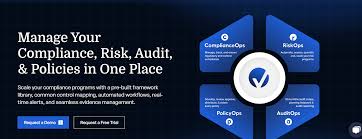
The Importance of Audit and Risk Management Software in Today’s Business Environment

The Importance of Audit and Risk Management Software in Today’s Business Environment

In today’s rapidly evolving business landscape, organisations face a myriad of challenges when it comes to managing risks and ensuring compliance with regulations. One crucial tool that has emerged to address these challenges is audit and risk management software.

Enhancing Compliance

Audit and risk management software plays a vital role in helping businesses adhere to regulatory requirements. By automating the auditing process, organisations can easily monitor their operations, identify potential risks, and ensure that they are compliant with industry standards and regulations.

Improving Risk Identification

Effective risk management is essential for the long-term success of any business. Audit and risk management software provides organisations with the tools they need to identify, assess, and mitigate risks proactively. By leveraging advanced analytics and reporting capabilities, businesses can gain valuable insights into potential threats and take timely action to minimise their impact.

Increasing Operational Efficiency

Manual auditing processes are time-consuming and prone to errors. Audit and risk management software streamlines these processes by automating repetitive tasks, allowing employees to focus on more strategic initiatives. This not only improves operational efficiency but also reduces the likelihood of human error, enhancing the overall accuracy of audits.

Enhancing Decision-Making

By providing real-time data insights and comprehensive reports, audit and risk management software empowers decision-makers to make informed choices that drive business growth. The ability to access up-to-date information on risks and compliance issues enables organisations to respond quickly to changing circumstances and make decisions that align with their strategic objectives.

Conclusion

Audit and risk management software is a valuable asset for modern businesses looking to navigate the complexities of regulatory compliance and risk mitigation. By leveraging advanced technology solutions, organisations can enhance their operational efficiency, improve decision-making processes, and safeguard their long-term success in an increasingly competitive business environment.


Understanding Audit and Risk Management Software: Key Features, Benefits, and Its Role in Compliance and Decision-Making

  1. What is audit and risk management software?
  2. How does audit and risk management software help in ensuring regulatory compliance?
  3. What are the key features of audit and risk management software?
  4. How can audit and risk management software improve operational efficiency?
  5. What role does audit and risk management software play in identifying and mitigating risks?
  6. How does audit and risk management software contribute to informed decision-making within an organisation?

What is audit and risk management software?

Audit and risk management software is a powerful tool designed to help organisations streamline their auditing processes, manage risks effectively, and ensure compliance with industry regulations. This software automates the auditing process, enabling businesses to monitor their operations, identify potential risks, and take proactive measures to mitigate them. By providing advanced analytics, reporting capabilities, and real-time data insights, audit and risk management software empowers businesses to make informed decisions that drive operational efficiency and enhance overall security. It serves as a comprehensive solution for businesses seeking to strengthen their risk management practices and maintain a robust compliance framework in today’s dynamic business environment.

How does audit and risk management software help in ensuring regulatory compliance?

Audit and risk management software plays a crucial role in ensuring regulatory compliance by providing organisations with the tools needed to monitor their operations, identify potential risks, and adhere to industry regulations. By automating the auditing process, this software enables businesses to conduct thorough assessments of their activities, detect any deviations from compliance standards, and take corrective actions promptly. With features such as real-time monitoring and detailed reporting, audit and risk management software empowers organisations to proactively address compliance issues, mitigate risks, and demonstrate adherence to regulatory requirements effectively.

What are the key features of audit and risk management software?

When considering audit and risk management software, it is essential to understand its key features that can significantly benefit organisations. Some of the crucial features include automated auditing capabilities, real-time monitoring of risks, customisable reporting functionalities, integration with existing systems for seamless data flow, compliance tracking tools to ensure adherence to regulations, and advanced analytics for identifying potential threats. These features collectively empower businesses to enhance their risk management processes, improve compliance efforts, and make informed decisions based on accurate and up-to-date data insights.

How can audit and risk management software improve operational efficiency?

Audit and risk management software plays a crucial role in enhancing operational efficiency by automating and streamlining auditing processes. By replacing manual tasks with automated workflows, organisations can save time and resources, allowing employees to focus on more strategic initiatives. The software provides real-time insights into potential risks and compliance issues, enabling proactive decision-making to address issues promptly. Additionally, by centralising data and generating comprehensive reports, audit and risk management software empowers businesses to identify inefficiencies, implement corrective measures, and improve overall performance across various operational areas.

What role does audit and risk management software play in identifying and mitigating risks?

Audit and risk management software plays a crucial role in identifying and mitigating risks within organisations. By leveraging advanced analytics and automation capabilities, this software enables businesses to conduct thorough audits of their operations, pinpoint potential risks, and assess their potential impact. Through real-time monitoring and reporting functionalities, organisations can proactively identify vulnerabilities, compliance gaps, and emerging threats. By providing actionable insights and facilitating timely risk mitigation strategies, audit and risk management software empowers businesses to strengthen their resilience against uncertainties and safeguard their assets effectively.

How does audit and risk management software contribute to informed decision-making within an organisation?

Audit and risk management software plays a crucial role in contributing to informed decision-making within an organisation by providing key insights and data-driven intelligence. By automating the auditing process and consolidating risk information into comprehensive reports, this software enables decision-makers to have a clear understanding of the potential risks facing the organisation. With real-time data insights on compliance issues and identified risks, stakeholders can make informed choices that align with the company’s strategic objectives. This proactive approach to risk management allows organisations to respond swiftly to emerging threats, seize opportunities, and ultimately drive sustainable growth and success.

The Importance of IT Governance, Risk, and Compliance Framework

In today’s rapidly evolving business landscape, organisations face a myriad of challenges when it comes to managing their IT infrastructure. With the increasing complexity of technology systems and the growing threat of cyberattacks, having a robust IT governance, risk, and compliance (GRC) framework in place is essential for ensuring the security, reliability, and regulatory compliance of an organisation’s IT environment.

IT Governance

IT governance involves the strategic alignment of IT with business objectives to ensure that technology investments support organisational goals. A well-defined IT governance framework establishes clear roles and responsibilities, decision-making processes, and performance metrics to enhance transparency and accountability in IT management.

IT Risk Management

Effective IT risk management is crucial for identifying, assessing, and mitigating potential threats to an organisation’s IT systems. By implementing risk assessment methodologies and controls, organisations can proactively manage risks such as data breaches, system failures, and compliance violations to safeguard their critical assets and operations.

Compliance Framework

A compliance framework outlines the policies, procedures, and controls that an organisation must adhere to in order to meet regulatory requirements and industry standards. By establishing a comprehensive compliance framework aligned with relevant laws and regulations, organisations can avoid legal penalties, reputational damage, and financial losses resulting from non-compliance.

The Benefits of an Integrated GRC Framework

Integrating IT governance, risk management, and compliance into a unified framework offers several benefits for organisations:

  • Enhanced Decision-Making: A holistic GRC approach enables informed decision-making by providing a comprehensive view of risks, opportunities, and compliance obligations.
  • Improved Security: By identifying vulnerabilities and implementing controls through risk management practices, organisations can enhance the security posture of their IT infrastructure.
  • Regulatory Compliance: A well-designed compliance framework ensures that organisations meet legal requirements and industry standards effectively while minimising compliance-related risks.
  • Operational Efficiency: Streamlining processes through integrated GRC practices enhances operational efficiency by reducing redundancies, improving resource allocation, and optimising performance.

In Conclusion

In conclusion, implementing a robust IT governance risk and compliance framework is essential for modern organisations seeking to navigate the complexities of the digital landscape successfully. By proactively managing risks, aligning IT with business objectives, and ensuring regulatory compliance through an integrated GRC approach, organisations can enhance their resilience against threats while driving innovation and sustainable growth in today’s dynamic business environment.


Five Essential Tips for Strengthening IT Governance, Risk, and Compliance Frameworks

  1. Establish clear policies and procedures for IT governance, risk management, and compliance.
  2. Regularly assess and monitor IT risks to identify potential threats and vulnerabilities.
  3. Ensure compliance with relevant laws, regulations, and industry standards in the IT environment.
  4. Implement controls and safeguards to mitigate risks and maintain a secure IT infrastructure.
  5. Provide ongoing training and awareness programs to educate employees about IT governance, risk, and compliance practices.

Establish clear policies and procedures for IT governance, risk management, and compliance.

To establish a strong foundation for effective IT governance, risk management, and compliance, it is crucial to develop clear and comprehensive policies and procedures. Clear policies define the guidelines and principles governing IT operations, risk assessment, and compliance practices within an organisation. By outlining specific procedures for decision-making, risk mitigation, and regulatory adherence, organisations can ensure consistency, transparency, and accountability in their IT practices. These well-defined policies and procedures serve as a roadmap for aligning IT activities with business objectives, managing risks proactively, and maintaining compliance with relevant laws and regulations.

Regularly assess and monitor IT risks to identify potential threats and vulnerabilities.

Regularly assessing and monitoring IT risks is a fundamental practice within the IT governance risk and compliance framework. By conducting systematic evaluations of potential threats and vulnerabilities in an organisation’s IT environment, businesses can proactively identify areas of weakness and implement appropriate controls to mitigate risks effectively. This ongoing monitoring enables organisations to stay ahead of emerging cyber threats, safeguard critical assets, and maintain compliance with regulatory requirements, ultimately strengthening the overall security posture of the IT infrastructure.

Ensure compliance with relevant laws, regulations, and industry standards in the IT environment.

It is crucial for organisations to ensure compliance with relevant laws, regulations, and industry standards within their IT environment. By adhering to legal requirements and industry best practices, organisations can mitigate risks associated with non-compliance, such as financial penalties, reputational damage, and operational disruptions. Implementing robust controls and processes aligned with regulatory frameworks not only helps safeguard sensitive data and critical assets but also demonstrates a commitment to ethical business practices and stakeholder trust. Prioritising compliance within the IT governance risk and compliance framework is essential for fostering a culture of accountability, transparency, and integrity in managing IT resources effectively.

Implement controls and safeguards to mitigate risks and maintain a secure IT infrastructure.

To ensure effective IT governance, risk management, and compliance within an organisation, it is crucial to implement controls and safeguards that help mitigate potential risks and maintain a secure IT infrastructure. By establishing robust security measures, access controls, encryption protocols, and monitoring mechanisms, organisations can proactively identify vulnerabilities, prevent security breaches, and safeguard sensitive data from unauthorized access or manipulation. These controls not only enhance the resilience of the IT environment but also demonstrate a commitment to regulatory compliance and data protection standards, fostering trust with stakeholders and ensuring the overall integrity of the organisation’s operations.

Provide ongoing training and awareness programs to educate employees about IT governance, risk, and compliance practices.

To enhance the effectiveness of an IT governance, risk, and compliance framework, it is crucial to implement ongoing training and awareness programs for employees. By providing comprehensive education on IT governance, risk management, and compliance practices, organisations can empower their staff to make informed decisions and adhere to established policies and procedures. Through continuous training initiatives, employees can develop a deeper understanding of the importance of maintaining a secure and compliant IT environment, ultimately contributing to the overall success of the organisation’s GRC efforts.

Micro Focus Identity Governance

The Power of Micro Focus Identity Governance

Micro Focus Identity Governance is a cutting-edge solution that empowers organisations to effectively manage and secure their digital identities. In today’s interconnected world, where data breaches and cyber threats are prevalent, having robust identity governance is crucial for maintaining security and compliance.

With Micro Focus Identity Governance, businesses can streamline identity management processes, automate user access controls, and ensure regulatory compliance with ease. The platform offers a comprehensive set of features designed to enhance security, reduce risks, and improve operational efficiency.

Key Features of Micro Focus Identity Governance:

  • Automated User Provisioning: Simplify the onboarding and offboarding processes by automating user access requests, approvals, and revocations.
  • Role-Based Access Control: Define roles and permissions based on job functions to ensure that users have the appropriate level of access to resources.
  • Segregation of Duties (SoD) Analysis: Identify and mitigate conflicts in user roles to prevent fraud and enforce compliance with regulations.
  • Policy Enforcement: Enforce security policies across the organisation to protect sensitive data and ensure adherence to industry standards.
  • Audit Trail and Reporting: Track user activities, generate audit reports, and monitor compliance in real-time for greater visibility and control.

Micro Focus Identity Governance is designed to adapt to the evolving needs of modern enterprises. By centralising identity management processes and providing a unified view of user access rights, organisations can strengthen their security posture while enabling seamless collaboration across departments.

Whether you are a small business or a large enterprise, Micro Focus Identity Governance offers scalable solutions that cater to your specific requirements. By leveraging advanced technologies such as artificial intelligence and machine learning, the platform anticipates risks proactively and helps organisations stay ahead of potential threats.

In conclusion, Micro Focus Identity Governance is a comprehensive solution that empowers organisations to take control of their digital identities effectively. By implementing best practices in identity governance, businesses can safeguard their assets, maintain regulatory compliance, and build a foundation for secure digital transformation.


9 Essential Tips for Effective Micro Focus Identity Governance Management

  1. Regularly review and update access rights to ensure only authorised users have appropriate permissions.
  2. Implement segregation of duties to prevent conflicts of interest and reduce the risk of fraud.
  3. Utilise automated workflows for efficient user provisioning and deprovisioning processes.
  4. Integrate with existing IT systems for seamless identity governance across the organization.
  5. Enforce strong password policies to enhance security and protect against unauthorised access.
  6. Monitor user activity and behaviour to detect any suspicious or unusual actions in real-time.
  7. Provide regular training on identity governance best practices to employees and stakeholders.
  8. Conduct regular audits and assessments to identify gaps in identity governance processes.
  9. Stay informed about industry trends and updates in identity governance for continuous improvement.

Regularly review and update access rights to ensure only authorised users have appropriate permissions.

It is essential to regularly review and update access rights within Micro Focus Identity Governance to guarantee that only authorised users possess the appropriate permissions. By conducting periodic assessments of user access levels, organisations can prevent unauthorised access and reduce the risk of security breaches. This proactive approach not only enhances data security but also ensures compliance with regulatory requirements, promoting a secure and well-managed digital environment.

Implement segregation of duties to prevent conflicts of interest and reduce the risk of fraud.

By implementing segregation of duties within Micro Focus Identity Governance, organisations can effectively prevent conflicts of interest and reduce the risk of fraud. This essential tip ensures that no single individual has unchecked control over critical processes or sensitive data, thereby enhancing security and compliance measures. By clearly defining roles and responsibilities and enforcing separation between conflicting tasks, businesses can establish a robust framework that promotes transparency, accountability, and integrity within their identity governance practices.

Utilise automated workflows for efficient user provisioning and deprovisioning processes.

By utilising automated workflows within Micro Focus Identity Governance, organisations can significantly enhance the efficiency of their user provisioning and deprovisioning processes. Automated workflows streamline the onboarding and offboarding of users by automating access requests, approvals, and revocations. This not only reduces manual intervention but also ensures that users are granted or revoked access promptly based on predefined rules and policies. By leveraging automated workflows, businesses can improve operational efficiency, minimise errors, and enhance security by maintaining accurate user access levels throughout their digital ecosystem.

Integrate with existing IT systems for seamless identity governance across the organization.

To maximise the effectiveness of Micro Focus Identity Governance, it is essential to integrate the platform with existing IT systems within the organisation. By seamlessly connecting with other systems and applications, businesses can achieve a holistic approach to identity governance that spans across departments and functions. This integration enables streamlined user access management, consistent enforcement of security policies, and enhanced visibility into user activities. Ultimately, integrating Micro Focus Identity Governance with existing IT systems paves the way for a unified and robust identity governance framework that strengthens security measures and ensures compliance throughout the organisation.

Enforce strong password policies to enhance security and protect against unauthorised access.

Enforcing strong password policies is a fundamental tip in Micro Focus Identity Governance to bolster security measures and safeguard against unauthorised access. By requiring users to create complex passwords that include a mix of letters, numbers, and special characters, organisations can significantly reduce the risk of password-related breaches. Strong passwords act as a crucial line of defence, making it harder for malicious actors to compromise accounts and gain unauthorised entry into sensitive systems or data. Implementing stringent password policies within the framework of Micro Focus Identity Governance strengthens overall security posture and reinforces the integrity of digital identities across the organisation.

Monitor user activity and behaviour to detect any suspicious or unusual actions in real-time.

Monitoring user activity and behaviour in real-time is a crucial tip for maximising the effectiveness of Micro Focus Identity Governance. By continuously monitoring user actions, organisations can swiftly detect any suspicious or unusual behaviour that may indicate a potential security threat. Real-time monitoring enables proactive responses to mitigate risks, prevent unauthorised access, and ensure the integrity of the IT environment. This proactive approach enhances overall security posture and helps organisations stay one step ahead of cyber threats, reinforcing the importance of vigilance in safeguarding digital identities.

Provide regular training on identity governance best practices to employees and stakeholders.

It is essential to provide regular training on identity governance best practices to employees and stakeholders when implementing Micro Focus Identity Governance. By educating individuals across the organisation about the importance of maintaining secure access controls, enforcing policies, and adhering to compliance regulations, businesses can enhance overall security posture and mitigate potential risks effectively. Training sessions help raise awareness about the significance of identity governance and empower users to make informed decisions that contribute to a more secure digital environment.

Conduct regular audits and assessments to identify gaps in identity governance processes.

Conducting regular audits and assessments is a crucial tip when it comes to Micro Focus Identity Governance. By proactively reviewing and evaluating the effectiveness of identity governance processes, organisations can pinpoint potential gaps or vulnerabilities that may compromise security and compliance. These audits help in identifying areas for improvement, ensuring that access controls are aligned with business requirements, and mitigating risks associated with unauthorised access or data breaches. Regular assessments not only enhance the overall security posture but also demonstrate a commitment to maintaining a robust identity governance framework in line with industry best practices.

Staying informed about industry trends and updates in identity governance is essential for achieving continuous improvement in security practices. By keeping abreast of the latest developments, organisations can proactively adapt their identity governance strategies to address emerging threats and compliance requirements. Regularly monitoring industry trends also enables businesses to leverage new technologies and best practices that enhance the effectiveness of their identity governance processes. Ultimately, staying informed empowers organisations to strengthen their security posture, mitigate risks, and ensure ongoing compliance with regulatory standards in an ever-evolving digital landscape.

Best Identity Access Management Solutions

The Best Identity Access Management Solutions for Enhanced Security

Identity and Access Management (IAM) is crucial for businesses to control and manage user access to sensitive data and resources. With the increasing number of cyber threats, having robust IAM solutions is essential to safeguard your organisation’s digital assets. Here are some of the best IAM solutions that can help enhance your security posture:

Okta

Okta is a cloud-based IAM solution that offers single sign-on, multi-factor authentication, and user provisioning capabilities. It provides seamless integration with various applications and platforms, making it a popular choice for businesses of all sizes.

Microsoft Azure Active Directory

Azure Active Directory is Microsoft’s cloud-based IAM solution that enables secure access to applications and resources across on-premises and cloud environments. It offers advanced security features such as conditional access policies and identity protection to help prevent unauthorised access.

IBM Security Identity Governance and Intelligence

IBM’s IAM solution combines identity governance with intelligence capabilities to provide comprehensive visibility into user access rights and activities. It helps organisations streamline compliance processes and detect potential risks proactively.

SailPoint IdentityNow

SailPoint IdentityNow is a cloud-based IAM platform that focuses on identity governance, access management, and password management. It offers automated provisioning and deprovisioning workflows to ensure that users have the right level of access at all times.

Ping Identity

Ping Identity provides IAM solutions that include single sign-on, multi-factor authentication, and API security capabilities. It helps organisations secure customer identities and enable seamless user experiences across various channels.

Choosing the right IAM solution depends on your organisation’s specific requirements and security objectives. By investing in a reliable IAM platform, you can strengthen your security posture, improve operational efficiency, and ensure compliance with regulatory standards.


Top Questions About Choosing the Best Identity and Access Management Solutions

  1. Which one is the recommended best practice for identity and access management?
  2. Who is Okta’s biggest competitor?
  3. How do I choose an IAM solution?
  4. Which IAM solution is best?

When it comes to identifying the recommended best practice for identity and access management (IAM), the consensus often points towards implementing a comprehensive IAM solution that encompasses a combination of features such as single sign-on, multi-factor authentication, user provisioning, and identity governance. This approach ensures a layered security framework that not only simplifies user access but also strengthens authentication processes and enforces access controls effectively. By adopting a holistic IAM strategy that aligns with industry standards and regulatory requirements, organisations can establish a robust security posture that mitigates risks and safeguards sensitive data from unauthorised access.

Who is Okta’s biggest competitor?

One of the most frequently asked questions regarding the best identity access management solutions is, “Who is Okta’s biggest competitor?” Okta, a prominent player in the IAM market, faces stiff competition from various companies offering similar services. One of Okta’s biggest competitors is Microsoft with its Azure Active Directory solution. Azure Active Directory provides a comprehensive set of identity and access management features that compete directly with Okta’s offerings. Both companies are leaders in the IAM space, and organisations often compare their capabilities to determine the best fit for their specific security and business needs.

How do I choose an IAM solution?

When considering how to choose an Identity Access Management (IAM) solution, several key factors should be taken into account to ensure that the chosen solution aligns with your organisation’s needs. Firstly, assess your current IT infrastructure and identify the specific requirements for user access control, authentication methods, and compliance regulations. Next, evaluate the scalability and flexibility of the IAM solution to accommodate future growth and technological advancements. Additionally, consider the ease of integration with existing systems and applications to streamline deployment processes. It is also essential to review the security features offered by the IAM solution, such as multi-factor authentication, role-based access control, and audit trails to enhance data protection. Lastly, seek feedback from industry experts and references from other organisations using the IAM solution to gain insights into its performance and reliability.

Which IAM solution is best?

When it comes to determining the best Identity Access Management (IAM) solution, there is no one-size-fits-all answer. The effectiveness of an IAM solution depends on various factors such as the size of the organisation, specific security requirements, integration capabilities with existing systems, and budget constraints. It is essential for businesses to conduct a thorough evaluation of different IAM solutions based on their unique needs and objectives. By considering factors like scalability, ease of implementation, security features, and vendor reputation, organisations can identify the IAM solution that aligns best with their overall security strategy and business goals. Consulting with cybersecurity experts and conducting pilot tests can also help in determining which IAM solution is the most suitable for a particular organisation.

Garancy Identity Manager: Enhancing Security and Efficiency

Garancy Identity Manager: Enhancing Security and Efficiency

In today’s digital age, where data breaches and cyber threats are prevalent, managing identities and access rights within an organisation is crucial for maintaining security. Garancy Identity Manager is a powerful solution designed to streamline identity management processes, strengthen security measures, and improve operational efficiency.

Key Features of Garancy Identity Manager:

  • Centralised Identity Management: Garancy Identity Manager provides a centralised platform for managing user identities, access rights, and permissions across the entire IT infrastructure. This ensures consistency and control over user access.
  • Automated Provisioning and Deprovisioning: With automated provisioning and deprovisioning capabilities, Garancy Identity Manager simplifies the onboarding and offboarding processes for employees, contractors, and partners. This reduces the risk of orphaned accounts or unauthorised access.
  • Role-Based Access Control: The solution offers role-based access control (RBAC) functionality, allowing administrators to assign permissions based on job roles or responsibilities. This granular control enhances security by limiting access to sensitive data.
  • Compliance Management: Garancy Identity Manager helps organisations meet regulatory compliance requirements by providing audit trails, reporting tools, and policy enforcement mechanisms. This facilitates compliance with data protection laws and industry standards.
  • Password Management: The solution includes password management features such as password policies, self-service password reset options, and multi-factor authentication capabilities. This strengthens password security and reduces the risk of credential theft.

The Benefits of Implementing Garancy Identity Manager:

By deploying Garancy Identity Manager within your organisation, you can experience a range of benefits:

  • Enhanced Security: Strengthen security measures by controlling user access rights and permissions effectively.
  • Improved Operational Efficiency: Streamline identity management processes to reduce manual tasks and increase productivity.
  • Auditing Capabilities: Generate detailed audit logs to track user activities and ensure compliance with regulations.
  • User Experience: Provide users with seamless access to resources while maintaining a high level of security.

In conclusion, Garancy Identity Manager is a comprehensive solution that empowers organisations to manage identities securely, efficiently, and in compliance with regulatory requirements. By implementing this advanced identity management tool, businesses can mitigate risks associated with unauthorised access while enhancing operational effectiveness in today’s complex IT environments.


Enhancing Security and Efficiency: The Top 7 Advantages of Garancy Identity Manager

  1. Centralised identity management for streamlined control.
  2. Automated provisioning and deprovisioning processes for efficient user lifecycle management.
  3. Role-based access control to enhance security and limit data exposure.
  4. Compliance management features for regulatory adherence.
  5. Password management tools to strengthen security measures.
  6. Detailed audit trails for monitoring user activities.
  7. Improved operational efficiency through streamlined processes.


Challenges of Using Garancy Identity Manager: Implementation, Costs, and Support Limitations

  1. Complex Implementation Process
  2. Steep Learning Curve
  3. Costly Licensing Fees
  4. Limited Customisation Options
  5. Dependency on Vendor Support

Centralised identity management for streamlined control.

Garancy Identity Manager offers a significant advantage through its centralised identity management feature, enabling organisations to achieve streamlined control over user identities and access rights. By consolidating identity management functions into a single platform, administrators can efficiently manage user permissions, roles, and access across the entire IT infrastructure. This centralisation not only simplifies the process of granting or revoking access but also enhances security by providing a unified view of user activities and permissions. With centralised identity management, organisations can ensure consistent control over user access while reducing the complexity associated with managing identities in a distributed environment.

Automated provisioning and deprovisioning processes for efficient user lifecycle management.

Garancy Identity Manager offers automated provisioning and deprovisioning processes that streamline user lifecycle management within an organisation. By automating the onboarding and offboarding of users, this feature enhances operational efficiency and reduces the burden on IT administrators. With automated provisioning, new users can quickly gain access to the necessary resources, ensuring a smooth transition into their roles. Similarly, automated deprovisioning promptly revokes access rights for departing employees, mitigating security risks associated with lingering accounts. This proactive approach to user lifecycle management not only saves time and effort but also strengthens security measures by maintaining control over user access throughout their tenure within the organisation.

Role-based access control to enhance security and limit data exposure.

Garancy Identity Manager offers a significant advantage through its role-based access control feature, which plays a crucial role in enhancing security and limiting data exposure within an organisation. By implementing role-based access control, administrators can assign specific permissions based on job roles or responsibilities, ensuring that users only have access to the resources necessary for their tasks. This granular control not only strengthens security by preventing unauthorised access but also minimises the risk of data exposure by restricting sensitive information to only those who require it. With Garancy Identity Manager’s role-based access control, organisations can effectively manage user permissions and bolster their overall security posture.

Compliance management features for regulatory adherence.

Garancy Identity Manager offers robust compliance management features that enable organisations to adhere to regulatory requirements effectively. By providing audit trails, reporting tools, and policy enforcement mechanisms, Garancy Identity Manager ensures that businesses can maintain compliance with data protection laws and industry standards. This proactive approach not only helps in meeting regulatory obligations but also enhances overall security posture by identifying and addressing potential compliance gaps swiftly.

Password management tools to strengthen security measures.

Garancy Identity Manager offers robust password management tools to enhance security measures within an organisation. By implementing features such as password policies, self-service password reset options, and multi-factor authentication capabilities, the solution empowers businesses to strengthen password security and reduce the risk of credential theft. This proactive approach not only safeguards sensitive data but also instils confidence in users that their access credentials are well-protected, contributing to a more secure and resilient IT environment.

Detailed audit trails for monitoring user activities.

Garancy Identity Manager offers a significant advantage with its provision of detailed audit trails for monitoring user activities. This feature allows organisations to track and review every action taken within the system, providing valuable insights into user behaviour, access patterns, and potential security risks. By maintaining thorough audit logs, businesses can enhance their security posture, detect anomalies promptly, and ensure compliance with regulatory requirements. The ability to monitor user activities in such detail not only strengthens overall security but also promotes transparency and accountability across the organisation’s identity management processes.

Improved operational efficiency through streamlined processes.

Garancy Identity Manager offers a significant advantage in enhancing operational efficiency by streamlining processes related to identity management. By centralising and automating tasks such as user provisioning, deprovisioning, and access control, organisations can reduce manual effort and potential errors. This streamlined approach not only saves time but also increases productivity by allowing IT teams to focus on strategic initiatives rather than routine administrative tasks. Overall, the improved operational efficiency brought by Garancy Identity Manager translates into cost savings, better resource allocation, and a more agile response to changing business needs.

Complex Implementation Process

Setting up Garancy Identity Manager can pose a challenge due to its complex implementation process, which demands a substantial investment of time and resources. The intricate nature of the system may necessitate thorough planning, configuration, and integration with existing IT infrastructure, potentially leading to delays in deployment. Organisations considering the adoption of Garancy Identity Manager should be prepared for the commitment required to navigate through the complexities of implementation to fully leverage its capabilities for robust identity management and security enhancement.

Steep Learning Curve

One notable drawback of Garancy Identity Manager is its steep learning curve, which can present a challenge for users who are unfamiliar with the platform. Navigating the various features and functionalities of the system may prove difficult without adequate training and support. This complexity could potentially lead to delays in implementation and hinder user adoption, highlighting the importance of providing comprehensive training resources to ensure a smooth transition and effective use of the software.

Costly Licensing Fees

The con of Garancy Identity Manager lies in its costly licensing fees, which may pose a significant financial challenge for small to medium-sized businesses. The initial investment and ongoing expenses related to licensing can strain limited budgets and deter organisations with restricted resources from fully benefiting from this advanced identity management solution. As a result, the affordability of Garancy Identity Manager may be a concern for businesses seeking cost-effective identity management solutions without compromising on security and efficiency.

Limited Customisation Options

One drawback of Garancy Identity Manager is its limited customisation options, which may pose challenges for users looking to tailor the solution to align with their specific business requirements or workflows. The predefined configurations and lack of flexibility in customising certain aspects of the system could hinder organisations from fully adapting the identity management tool to suit their unique operational needs. This limitation may result in a less than optimal fit for businesses seeking highly customised solutions to address their individual identity management challenges effectively.

Dependency on Vendor Support

One notable drawback of Garancy Identity Manager is its dependency on vendor support for issue resolution and implementing changes. This reliance on vendor assistance can result in potential delays in addressing issues or making necessary modifications to the system. Organisations using Garancy Identity Manager may experience challenges in achieving timely solutions or updates, impacting operational efficiency and agility. It is essential for users to consider the implications of relying on vendor support when evaluating the implementation of this identity management solution.

The Importance of Active Directory Network Access Control

In today’s digital age, where data breaches and cyber threats are on the rise, securing your network infrastructure is paramount. One crucial aspect of network security is controlling access to resources within your organisation’s Active Directory. Active Directory Network Access Control (NAC) plays a vital role in ensuring that only authorised users and devices can access sensitive data and applications.

What is Active Directory Network Access Control?

Active Directory NAC is a security solution that enforces policies to determine which users and devices are allowed to connect to the network and what level of access they have. By integrating with Active Directory, NAC solutions can authenticate users, check device compliance, and apply access controls based on predefined rules.

The Benefits of Implementing Active Directory NAC

Implementing Active Directory NAC offers several key benefits for enhancing network security:

  • Improved Security: By restricting access to authorised users and devices, NAC helps prevent unauthorised access to sensitive data and resources.
  • Compliance: NAC solutions can enforce security policies to ensure compliance with industry regulations and internal policies.
  • Visibility: With NAC in place, administrators gain visibility into who is accessing the network, what devices they are using, and their activity, helping in threat detection and incident response.
  • Control: Administrators can set granular access controls based on user roles, device types, or locations, allowing for tailored security measures.

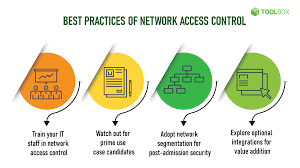
Best Practices for Active Directory NAC Implementation

To maximise the effectiveness of Active Directory NAC, consider the following best practices:

  • Define Clear Policies: Establish comprehensive access control policies based on business requirements and security needs.
  • Regular Auditing: Conduct regular audits of user accounts, permissions, and device compliance to ensure adherence to security standards.
  • User Training: Educate users on best practices for secure network access and the importance of adhering to company policies.
  • Maintain Updates: Keep NAC solutions up-to-date with the latest patches and configurations to address emerging threats.

In Conclusion

In conclusion, Active Directory Network Access Control is a vital component of a robust cybersecurity strategy. By implementing NAC solutions that integrate with your organisation’s Active Directory environment, you can strengthen your network security posture, mitigate risks, and safeguard critical assets from unauthorised access. Prioritising network access control through Active Directory integration is essential in today’s threat landscape where data protection is paramount.


Understanding Active Directory Network Access Control: Key FAQs and Best Practices

  1. What is Active Directory Network Access Control (NAC)?
  2. Why is Active Directory NAC important for network security?
  3. How does Active Directory NAC enhance compliance with regulations?
  4. What are the key benefits of implementing Active Directory Network Access Control?
  5. How does Active Directory NAC help in preventing unauthorised access to resources?
  6. What are the best practices for deploying Active Directory NAC solutions?
  7. Can Active Directory NAC be integrated with other security tools and systems?
  8. How can organisations ensure user awareness and training on Active Directory Network Access Control?

What is Active Directory Network Access Control (NAC)?

Active Directory Network Access Control (NAC) is a crucial security measure that plays a pivotal role in governing access to network resources within an organisation’s Active Directory environment. NAC solutions are designed to enforce policies that determine which users and devices are permitted to connect to the network, as well as the level of access they are granted. By integrating with Active Directory, NAC helps authenticate users, assess device compliance, and apply access controls based on predefined rules. In essence, Active Directory NAC serves as a safeguard against unauthorised access, ensuring that only authorised individuals and devices can securely access sensitive data and applications within the network.

Why is Active Directory NAC important for network security?

Active Directory Network Access Control (NAC) is crucial for network security due to its ability to enforce stringent access policies and regulate user and device permissions within an organisation’s network infrastructure. By integrating with Active Directory, NAC solutions authenticate users, verify device compliance, and apply access controls based on predefined rules. This level of control ensures that only authorised users and devices can access sensitive data and resources, reducing the risk of unauthorised breaches and data leaks. Active Directory NAC enhances security posture by providing visibility into network activity, enabling compliance enforcement, and empowering administrators to implement tailored security measures. In today’s cyber threat landscape, where data protection is paramount, Active Directory NAC plays a pivotal role in safeguarding networks against malicious actors and ensuring the integrity of critical assets.

How does Active Directory NAC enhance compliance with regulations?

Active Directory Network Access Control (NAC) plays a crucial role in enhancing compliance with regulations by enforcing security policies that align with industry standards and internal requirements. By integrating with Active Directory, NAC solutions can authenticate users, validate device compliance, and apply access controls based on predefined rules. This level of control ensures that only authorised users and devices have access to sensitive data and resources, thereby reducing the risk of non-compliance with regulatory mandates. Through granular access controls and real-time monitoring capabilities, Active Directory NAC provides visibility into network activities, aids in auditing processes, and helps organisations demonstrate adherence to regulatory frameworks effectively.

What are the key benefits of implementing Active Directory Network Access Control?

When considering the implementation of Active Directory Network Access Control (NAC), it is essential to understand the key benefits it offers. By implementing NAC, organisations can significantly enhance their network security posture. The key benefits include improved security through access restriction to authorised users and devices, ensuring compliance with industry regulations and internal policies, increased visibility into network activities for better threat detection, and granular control over access based on user roles, device types, or locations. Active Directory NAC empowers administrators to enforce stringent security measures while providing a comprehensive overview of network access, ultimately contributing to a more secure and resilient IT environment.

How does Active Directory NAC help in preventing unauthorised access to resources?

Active Directory Network Access Control (NAC) plays a crucial role in preventing unauthorised access to resources by enforcing strict security policies and authentication mechanisms. By integrating with Active Directory, NAC solutions verify user identities, check device compliance, and evaluate user permissions before granting access to network resources. This proactive approach ensures that only authorised users with the necessary credentials and compliant devices can connect to the network, significantly reducing the risk of unauthorised access attempts. Furthermore, Active Directory NAC provides administrators with granular control over access permissions, allowing them to define specific rules and restrictions based on user roles, device types, or other criteria to effectively safeguard critical resources from potential security threats.

What are the best practices for deploying Active Directory NAC solutions?

When it comes to deploying Active Directory Network Access Control (NAC) solutions, adhering to best practices is essential for ensuring a secure and efficient implementation. Some key best practices include defining clear access control policies that align with business requirements, conducting regular audits to monitor user accounts and device compliance, providing comprehensive user training on secure network access protocols, and maintaining up-to-date NAC solutions through regular updates and patches. By following these best practices, organisations can establish a robust Active Directory NAC environment that enhances network security, enforces compliance, and mitigates potential risks effectively.

Can Active Directory NAC be integrated with other security tools and systems?

One frequently asked question regarding Active Directory Network Access Control is whether it can be integrated with other security tools and systems. The answer is yes, Active Directory NAC can indeed be seamlessly integrated with a variety of security solutions to enhance overall network security. By integrating with tools such as intrusion detection systems, endpoint protection platforms, and security information and event management (SIEM) systems, organisations can create a comprehensive security ecosystem that offers layered protection and improved visibility into network activities. This integration allows for more robust threat detection, rapid response to incidents, and better enforcement of security policies across the network infrastructure.

How can organisations ensure user awareness and training on Active Directory Network Access Control?

Organisations can ensure user awareness and training on Active Directory Network Access Control by implementing a comprehensive education programme that focuses on the importance of network security and the role of Active Directory NAC in safeguarding sensitive data. Conducting regular training sessions, workshops, and simulations can help users understand the significance of adhering to access control policies, recognising potential security threats, and following best practices for secure network access. Providing clear guidelines, resources, and support materials tailored to different user roles can empower employees to proactively engage with Active Directory NAC measures and contribute to a culture of cybersecurity awareness within the organisation. By fostering a culture of continuous learning and reinforcing the importance of network security protocols, organisations can enhance user compliance and readiness in effectively utilising Active Directory Network Access Control to protect critical assets.

The Significance of Governance Risk and Compliance in Gartner Magic Quadrant

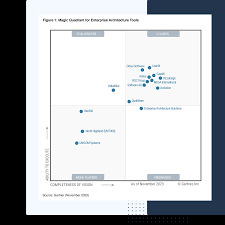
When it comes to evaluating technology vendors in the realm of Governance, Risk, and Compliance (GRC), the Gartner Magic Quadrant serves as a beacon of guidance for organisations seeking top-tier solutions. Gartner, a renowned research and advisory company, conducts thorough assessments of vendors based on their completeness of vision and ability to execute within the GRC market.

The Gartner Magic Quadrant categorises vendors into four quadrants: Leaders, Challengers, Visionaries, and Niche Players. Each quadrant signifies different strengths and capabilities that vendors bring to the table in addressing the complex challenges of governance, risk management, and compliance.

Leaders

Vendors positioned in the Leaders quadrant demonstrate a strong combination of vision and execution. They excel in providing comprehensive GRC solutions that meet the evolving needs of organisations. These vendors typically have a broad range of functionalities, a solid track record of customer satisfaction, and a clear understanding of market trends.

Challengers

Challengers are vendors with robust capabilities in delivering GRC solutions but may lack the same level of innovation or strategic vision as Leaders. They are often well-established players in the market with a focus on operational excellence and customer service.

Visionaries

Visionaries are vendors that showcase innovative approaches to GRC challenges. They may introduce new technologies or methodologies that have the potential to disrupt the market positively. While Visionaries may not have as extensive a customer base as Leaders or Challengers, their forward-thinking strategies set them apart.

Niche Players

Niche Players are vendors that specialise in specific aspects of GRC or cater to niche markets. While they may not offer as broad a range of functionalities as Leaders or Challengers, Niche Players can provide tailored solutions that address unique requirements effectively.

For organisations navigating the complexities of governance, risk management, and compliance, consulting the Gartner Magic Quadrant can offer valuable insights into selecting the right vendor partner. By understanding each vendor’s position within the quadrant and aligning it with their specific needs, organisations can make informed decisions that drive success in managing risk and ensuring compliance.

In conclusion, the Gartner Magic Quadrant serves as an indispensable tool for evaluating GRC vendors’ capabilities and guiding organisations towards selecting partners that can help them navigate the ever-changing landscape of governance risk and compliance with confidence.


Essential Tips for Navigating the Gartner Magic Quadrant on Governance, Risk, and Compliance

  1. Stay updated with the latest Gartner Magic Quadrant reports on governance risk and compliance.
  2. Understand the criteria used by Gartner to evaluate vendors in the Magic Quadrant.
  3. Compare different vendors’ positions in the Magic Quadrant to make informed decisions.
  4. Consider not only the leaders but also niche players in the Magic Quadrant for specific needs.
  5. Look beyond just the placement on the quadrant and delve into detailed vendor profiles and capabilities.
  6. Evaluate how well a vendor’s offering aligns with your organisation’s governance, risk, and compliance needs.
  7. Seek feedback from existing users of solutions from vendors featured in the Magic Quadrant.
  8. Consider factors like scalability, integration capabilities, and customer support when selecting a vendor.
  9. Regularly reassess your governance risk and compliance strategies based on updates in Gartner reports.

Stay updated with the latest Gartner Magic Quadrant reports on governance risk and compliance.

Staying updated with the latest Gartner Magic Quadrant reports on governance risk and compliance is crucial for organisations striving to enhance their GRC strategies. By regularly reviewing these reports, businesses can gain valuable insights into the evolving landscape of GRC technology vendors, identify market trends, and make informed decisions when selecting partners to address their governance, risk, and compliance needs. Keeping abreast of the Gartner Magic Quadrant reports ensures that organisations stay ahead of the curve and align their GRC initiatives with industry-leading solutions and best practices.

Understand the criteria used by Gartner to evaluate vendors in the Magic Quadrant.

To make informed decisions when assessing vendors in the Gartner Magic Quadrant for Governance Risk and Compliance, it is crucial to understand the criteria employed by Gartner in their evaluation process. Gartner evaluates vendors based on factors such as completeness of vision and ability to execute within the GRC market. Understanding these criteria can provide valuable insights into how vendors are positioned within the quadrant and help organisations align their specific needs with a vendor’s strengths. By grasping the evaluation criteria, organisations can navigate the complexities of selecting a vendor that best suits their governance, risk management, and compliance requirements, ultimately leading to more successful partnerships and effective GRC solutions.

Compare different vendors’ positions in the Magic Quadrant to make informed decisions.

To make well-informed decisions in the realm of governance, risk, and compliance, it is crucial to compare different vendors’ positions in the Gartner Magic Quadrant. By examining where vendors fall within the quadrant – whether they are Leaders, Challengers, Visionaries, or Niche Players – organisations can gain valuable insights into each vendor’s strengths and weaknesses. This comparative analysis enables businesses to align their specific requirements with a vendor’s capabilities, ultimately guiding them towards selecting a partner that best meets their GRC needs. Making use of the Gartner Magic Quadrant as a reference point empowers organisations to navigate the complex landscape of GRC solutions with clarity and confidence.

Consider not only the leaders but also niche players in the Magic Quadrant for specific needs.

When delving into the Gartner Magic Quadrant for Governance, Risk, and Compliance, it is essential to broaden the scope beyond just the Leaders quadrant. While Leaders exhibit comprehensive solutions, considering Niche Players can be advantageous for addressing specific organisational requirements. Niche Players often offer tailored approaches that cater to unique needs, providing focused solutions that may align more closely with niche challenges or specialised use cases. By exploring both ends of the spectrum in the Magic Quadrant, organisations can ensure they find a GRC vendor that not only meets their general requirements but also addresses specific needs effectively and efficiently.

Look beyond just the placement on the quadrant and delve into detailed vendor profiles and capabilities.

When utilising the Gartner Magic Quadrant for Governance, Risk, and Compliance, it is essential to go beyond merely assessing a vendor’s position on the quadrant. By delving into the detailed vendor profiles and capabilities, organisations can gain a deeper understanding of what each vendor offers in terms of solutions, strengths, and areas of expertise. This thorough examination allows for a more nuanced evaluation that considers factors beyond just placement on the quadrant, enabling informed decision-making that aligns with specific business requirements and objectives.

Evaluate how well a vendor’s offering aligns with your organisation’s governance, risk, and compliance needs.

It is crucial to assess how closely a vendor’s solution aligns with your organisation’s governance, risk, and compliance requirements when considering options in the Gartner Magic Quadrant. By evaluating the extent to which a vendor’s offering addresses your specific needs and challenges in GRC, you can make an informed decision that best serves your organisation’s objectives. Understanding the alignment between your organisation’s goals and the capabilities of a vendor’s solution is key to establishing a successful partnership that enhances your governance practices, mitigates risks effectively, and ensures compliance with regulatory standards.

To enhance decision-making when evaluating vendors featured in the Gartner Magic Quadrant for Governance, Risk, and Compliance, seeking feedback from existing users of their solutions is paramount. By tapping into the experiences and insights of current users, organisations can gain valuable perspectives on the practicality, effectiveness, and overall satisfaction with the vendor’s offerings. This feedback loop provides real-world insights that go beyond marketing claims, enabling informed decisions that align with specific needs and expectations in the complex landscape of governance risk and compliance.

Consider factors like scalability, integration capabilities, and customer support when selecting a vendor.

When evaluating vendors in the Gartner Magic Quadrant for Governance, Risk, and Compliance, it is crucial to consider essential factors such as scalability, integration capabilities, and customer support. Scalability ensures that the chosen solution can grow alongside your organisation’s evolving needs, providing long-term value. Integration capabilities enable seamless connectivity with existing systems and processes, enhancing operational efficiency. Additionally, robust customer support guarantees timely assistance and guidance when navigating challenges or implementing the GRC solution effectively. By prioritising these factors during vendor selection, organisations can make informed decisions that align with their goals and drive success in managing governance risk and compliance effectively.

Regularly reassess your governance risk and compliance strategies based on updates in Gartner reports.

It is crucial for organisations to regularly reassess their governance, risk, and compliance strategies based on updates in Gartner reports. The Gartner Magic Quadrant provides valuable insights into the evolving landscape of GRC solutions and vendor capabilities. By staying informed about the latest assessments and positioning of vendors in the quadrant, organisations can ensure that their strategies remain aligned with industry best practices and emerging trends. This proactive approach enables businesses to adapt to changing regulatory requirements, technological advancements, and market dynamics, ultimately enhancing their overall GRC effectiveness and resilience.

The Role of Microsoft Identity Manager in Modern IT Environments

In today’s interconnected digital world, managing user identities and access rights across various systems and applications is a critical task for organisations. This is where Microsoft Identity Manager (MIM) comes into play as a powerful solution that simplifies identity management and helps enhance security within IT infrastructures.

Microsoft Identity Manager is a comprehensive identity management platform that allows organisations to manage user identities, credentials, and access permissions centrally. By providing a unified view of user identities and access rights, MIM enables IT administrators to streamline the provisioning and deprovisioning processes, ensuring that users have the right level of access to resources at all times.

One of the key features of Microsoft Identity Manager is its ability to automate identity lifecycle management. With MIM, organisations can define workflows that automatically provision user accounts, assign appropriate roles and permissions based on predefined policies, and revoke access when users leave the organisation or change roles. This automation not only improves operational efficiency but also reduces the risk of human errors in managing user identities.

Another important aspect of Microsoft Identity Manager is its support for hybrid environments. In today’s cloud-centric IT landscape, many organisations operate a mix of on-premises and cloud-based systems. MIM provides seamless integration with Azure Active Directory, enabling organisations to manage user identities across both on-premises and cloud environments from a single console.

Security is paramount in identity management, and Microsoft Identity Manager offers robust security features to protect sensitive data. MIM supports multi-factor authentication, role-based access control, and privileged identity management to ensure that only authorised users have access to critical resources. Additionally, MIM provides detailed audit logs and reporting capabilities to help organisations track user activities and comply with regulatory requirements.

Overall, Microsoft Identity Manager plays a crucial role in modern IT environments by simplifying identity management processes, improving security posture, and enabling organisations to adapt to evolving business needs. With its comprehensive features and seamless integration capabilities, MIM empowers organisations to efficiently manage user identities across diverse systems while maintaining high levels of security and compliance.


8 Advantages of Microsoft Identity Manager for Efficient and Secure Identity Management

  1. Centralised identity management for streamlined administration.
  2. Automated identity lifecycle management reduces manual errors and improves efficiency.
  3. Supports hybrid environments, including integration with Azure Active Directory.
  4. Robust security features, such as multi-factor authentication and role-based access control.
  5. Detailed audit logs and reporting capabilities for compliance purposes.
  6. Enhances user productivity by providing seamless access to resources.
  7. Scalable solution that can adapt to the evolving needs of organisations.
  8. Intuitive interface that simplifies configuration and management tasks.


Challenges of Microsoft Identity Manager: Complexity, Cost, Integration Issues, and Resource Demands

  1. Complexity
  2. Cost
  3. Integration Challenges
  4. Resource Intensive

Centralised identity management for streamlined administration.

Microsoft Identity Manager offers the valuable benefit of centralised identity management, which greatly streamlines administration tasks within an organisation. By centralising user identities and access rights, IT administrators can efficiently manage and control user provisioning, deprovisioning, and access permissions from a single, unified platform. This centralisation not only simplifies the administration process but also ensures consistency and accuracy in managing user identities across various systems and applications. With Microsoft Identity Manager’s centralised identity management capabilities, organisations can enhance operational efficiency, reduce administrative overhead, and maintain a more secure and compliant IT environment.

Automated identity lifecycle management reduces manual errors and improves efficiency.

One of the key advantages of Microsoft Identity Manager is its automated identity lifecycle management feature, which significantly reduces manual errors and enhances operational efficiency. By automating the provisioning, deprovisioning, and access rights assignment processes, MIM eliminates the need for repetitive manual tasks that are prone to human error. This automation ensures that user accounts are set up correctly, access permissions are granted accurately based on predefined policies, and access is revoked promptly when needed. As a result, organisations can streamline their identity management workflows, reduce the risk of security breaches due to misconfigurations, and improve overall productivity by focusing on strategic tasks rather than routine administrative duties.

Supports hybrid environments, including integration with Azure Active Directory.

Microsoft Identity Manager offers a significant advantage by supporting hybrid environments and seamless integration with Azure Active Directory. This capability enables organisations to manage user identities across both on-premises and cloud-based systems efficiently. By bridging the gap between traditional IT infrastructures and modern cloud services, Microsoft Identity Manager ensures a unified approach to identity management, allowing businesses to leverage the benefits of both environments without compromising security or operational efficiency. The integration with Azure Active Directory further enhances the scalability and flexibility of identity management solutions, making it easier for organisations to adapt to evolving technology landscapes while maintaining a high level of control over user access rights and permissions.

Robust security features, such as multi-factor authentication and role-based access control.

Microsoft Identity Manager offers robust security features that enhance the overall protection of an organisation’s IT infrastructure. With capabilities like multi-factor authentication and role-based access control, MIM ensures that only authorised users can access sensitive resources. Multi-factor authentication adds an extra layer of security by requiring users to verify their identity through multiple factors, such as passwords, biometrics, or smart cards. Role-based access control allows administrators to define granular permissions based on users’ roles within the organisation, limiting access to only what is necessary for their job function. These advanced security measures provided by Microsoft Identity Manager help mitigate the risk of unauthorised access and strengthen the overall security posture of the organisation.

Detailed audit logs and reporting capabilities for compliance purposes.

Microsoft Identity Manager offers a significant advantage in its provision of detailed audit logs and robust reporting capabilities, specifically tailored to meet compliance requirements. By maintaining thorough records of user activities and access permissions, MIM enables organisations to demonstrate adherence to regulatory standards and internal policies. These audit logs not only enhance transparency but also serve as valuable resources for conducting security assessments and investigations. With Microsoft Identity Manager, organisations can effectively monitor and report on user interactions within their IT environments, ensuring accountability and facilitating compliance with regulatory frameworks.

Enhances user productivity by providing seamless access to resources.

Microsoft Identity Manager enhances user productivity by providing seamless access to resources. By centralising identity management and automating access provisioning, MIM ensures that users can easily and quickly access the resources they need to perform their tasks. This streamlined access process eliminates the need for users to navigate multiple systems or remember numerous passwords, allowing them to focus on their work without interruptions. With Microsoft Identity Manager, organisations can empower their users with efficient and convenient access to resources, ultimately boosting productivity across the board.

Scalable solution that can adapt to the evolving needs of organisations.

Microsoft Identity Manager offers a significant advantage as a scalable solution that can easily adapt to the evolving needs of organisations. As businesses grow and change, the demands on identity management systems also evolve. With Microsoft Identity Manager, organisations can seamlessly scale their identity management capabilities to accommodate an increasing number of users, applications, and resources. This scalability ensures that MIM remains effective and efficient in managing user identities and access rights, providing organisations with the flexibility they need to support their growth and adapt to changing IT environments.

Intuitive interface that simplifies configuration and management tasks.

The intuitive interface of Microsoft Identity Manager offers a user-friendly experience that greatly simplifies configuration and management tasks. With its easy-to-navigate design and clear workflow processes, IT administrators can efficiently set up and manage user identities, access rights, and provisioning rules without the need for extensive training or technical expertise. This streamlined approach not only saves time but also reduces the likelihood of errors, ensuring that organisations can effectively manage their identity infrastructure with ease and precision.

Complexity

One notable drawback of Microsoft Identity Manager is its inherent complexity in setup and configuration. Implementing MIM effectively demands a certain level of expertise and technical knowledge to maximise its functionality. The intricate nature of configuring MIM may pose a challenge for organisations with limited IT resources or those lacking specialised skills in identity management. Navigating through the complexities of setting up Microsoft Identity Manager can be time-consuming and may require additional training or external support to ensure a smooth deployment process.

Cost

Implementing and maintaining Microsoft Identity Manager can present a notable challenge in terms of cost, particularly for smaller organisations operating within constrained budgets. The initial investment required for licensing, infrastructure setup, and training resources can be substantial, potentially posing a financial burden for organisations with limited financial resources. Additionally, ongoing maintenance costs, including software updates, support services, and staff training, can further contribute to the overall cost of using Microsoft Identity Manager. As such, the cost factor associated with MIM may deter smaller organisations from fully leveraging its capabilities for identity management purposes.

Integration Challenges

One significant drawback of Microsoft Identity Manager is the potential integration challenges it presents when connecting with existing systems and applications. The process of integrating MIM with diverse IT environments may encounter compatibility issues, which can hinder the seamless operation of identity management processes. Organisations may face complexities in ensuring that MIM aligns effectively with their current infrastructure, potentially requiring additional time and resources to overcome integration hurdles and maintain a cohesive identity management system.

Resource Intensive

One significant drawback of Microsoft Identity Manager is its resource-intensive nature, demanding dedicated resources in terms of hardware, software, and personnel. Implementing and running MIM can strain IT budgets and staffing capabilities, as organisations need to allocate sufficient resources to support the platform effectively. The requirement for specialised hardware, licensing costs, and skilled personnel to manage and maintain MIM can pose challenges for organisations with limited IT resources, potentially hindering the adoption and smooth operation of Microsoft Identity Manager within their IT environments.

Exploring Quest Identity Manager

Exploring Quest Identity Manager

Quest Identity Manager is a comprehensive identity and access management solution designed to simplify the complexities of managing user identities, permissions, and security within an organisation. With its robust features and user-friendly interface, Quest Identity Manager has become a go-to tool for businesses looking to enhance their security posture and streamline access control processes.

Key Features of Quest Identity Manager:

  • User Provisioning: Automate the creation, modification, and deletion of user accounts across various systems and applications.
  • Role-Based Access Control: Define roles and permissions based on job functions, making it easier to manage access rights effectively.
  • Self-Service Password Reset: Empower users to reset their passwords securely without IT intervention, reducing helpdesk requests.
  • Audit and Compliance: Track user activities, generate audit reports, and ensure compliance with regulatory requirements.
  • Integration Capabilities: Seamlessly integrate with existing IT infrastructure, including Active Directory, LDAP directories, HR systems, and more.

The Benefits of Using Quest Identity Manager:

By leveraging Quest Identity Manager, organisations can experience a range of benefits that contribute to improved security and operational efficiency. Some of the key advantages include:

  • Enhanced Security: Implement robust access controls and identity governance policies to mitigate security risks and prevent unauthorised access.
  • Increase Productivity: Streamline user onboarding processes, reduce manual tasks, and empower users with self-service capabilities.
  • Cost Savings: Reduce IT overheads associated with manual user provisioning tasks and password resets through automation.
  • Audit Readiness: Maintain a detailed audit trail of user activities to demonstrate compliance with industry regulations and internal policies.

In conclusion, Quest Identity Manager offers organisations a powerful solution for managing identities and access rights effectively. By centralising identity management processes and implementing best practices in access control, businesses can strengthen their security posture while improving operational efficiency. With its advanced features and seamless integration capabilities, Quest Identity Manager is a valuable asset for any organisation looking to enhance its identity governance practices.


9 Essential Tips for Optimising Security with Quest Identity Manager

  1. Ensure proper configuration of user roles and permissions in Quest Identity Manager.
  2. Regularly review and update user access rights to maintain security.
  3. Implement strong password policies to enhance system protection.
  4. Enable multi-factor authentication for added security measures.
  5. Monitor user activities and audit logs for any suspicious behaviour.
  6. Integrate Quest Identity Manager with other security tools for comprehensive protection.
  7. Provide regular training to users on best practices for identity management.
  8. Backup identity data regularly to prevent data loss or corruption.
  9. Stay informed about updates and patches released by Quest to address any vulnerabilities.

Ensure proper configuration of user roles and permissions in Quest Identity Manager.

To maximise the effectiveness of Quest Identity Manager, it is crucial to ensure the proper configuration of user roles and permissions. By defining clear roles and assigning appropriate permissions within the system, organisations can enforce least privilege access, reduce security risks, and streamline access control processes. Properly configured user roles not only enhance security by limiting user access to only what is necessary for their job function but also contribute to improved compliance with regulatory requirements. Regularly reviewing and updating user roles and permissions in Quest Identity Manager is essential to maintaining a secure and well-organised identity management environment.

Regularly review and update user access rights to maintain security.

Regularly reviewing and updating user access rights in Quest Identity Manager is a crucial step in maintaining robust security within an organisation. By conducting periodic audits of user permissions and adjusting access rights based on job roles and responsibilities, businesses can prevent unauthorised access to sensitive data and reduce the risk of security breaches. This proactive approach ensures that users have the appropriate level of access needed to perform their tasks effectively while mitigating the potential for insider threats or accidental data exposure. Keeping user access rights up to date not only enhances security but also demonstrates a commitment to maintaining a secure and compliant IT environment.

Implement strong password policies to enhance system protection.

Implementing strong password policies is a crucial step in enhancing system protection with Quest Identity Manager. By enforcing complex password requirements, such as minimum length, special characters, and regular expiration intervals, organisations can significantly reduce the risk of unauthorised access and data breaches. Strong passwords act as the first line of defence against cyber threats and play a vital role in safeguarding sensitive information stored within the system. With Quest Identity Manager’s capabilities to enforce and manage password policies effectively, organisations can bolster their security posture and ensure that user accounts remain secure from potential attacks.

Enable multi-factor authentication for added security measures.

Enabling multi-factor authentication in Quest Identity Manager is a highly recommended tip to enhance security measures within an organisation. By requiring users to provide an additional form of verification beyond just a password, such as a one-time code sent to their mobile device, organisations can significantly reduce the risk of unauthorised access and data breaches. Multi-factor authentication adds an extra layer of protection to user accounts, making it more challenging for potential attackers to compromise sensitive information. Implementing this security feature in Quest Identity Manager demonstrates a proactive approach towards safeguarding critical assets and ensuring secure access control practices.

Monitor user activities and audit logs for any suspicious behaviour.

To enhance security and proactively detect potential threats, it is essential to monitor user activities and audit logs within Quest Identity Manager for any signs of suspicious behaviour. By regularly reviewing these logs, administrators can identify unusual patterns, unauthorised access attempts, or other security incidents that may indicate a breach or insider threat. Monitoring user activities and audit logs not only helps in maintaining a secure environment but also ensures compliance with regulatory requirements by providing a detailed record of system interactions.

Integrate Quest Identity Manager with other security tools for comprehensive protection.

To maximise the security capabilities of Quest Identity Manager, it is highly recommended to integrate this robust identity and access management solution with other security tools within your organisation. By integrating Quest Identity Manager with complementary security solutions, such as SIEM platforms, threat intelligence feeds, or endpoint protection systems, you can achieve a more comprehensive and proactive approach to protecting your IT environment. This integration enables seamless information sharing and correlation of security data, enhancing your ability to detect and respond to potential threats effectively.

Provide regular training to users on best practices for identity management.

It is essential to provide regular training to users on best practices for identity management when utilising Quest Identity Manager. By educating users on the importance of maintaining strong passwords, recognising phishing attempts, and following secure authentication protocols, organisations can enhance their overall security posture. Training sessions can empower users to play an active role in safeguarding their identities and data, ultimately contributing to a more secure and resilient IT environment.

Backup identity data regularly to prevent data loss or corruption.

It is crucial to follow the tip of backing up identity data regularly when using Quest Identity Manager to safeguard against potential data loss or corruption. By maintaining up-to-date backups of identity information, organisations can minimise the risk of losing critical user data and ensure quick recovery in the event of an unexpected system failure or security breach. Regular backups not only help protect sensitive information but also contribute to maintaining the integrity and availability of identity data within the Quest Identity Manager platform.

Stay informed about updates and patches released by Quest to address any vulnerabilities.

It is crucial to stay informed about updates and patches released by Quest to address any vulnerabilities in Quest Identity Manager. Keeping the software up-to-date ensures that your identity management system remains secure and protected against potential threats. By regularly checking for updates and promptly applying patches, you can mitigate security risks and maintain the integrity of your identity management infrastructure. Stay vigilant and proactive in monitoring for updates to safeguard your organisation’s sensitive data and ensure smooth operations within Quest Identity Manager.

The Importance of Centralized Identity Management

The Importance of Centralized Identity Management

In today’s digital age, where organisations rely heavily on various systems, applications, and services to conduct their operations, the concept of centralized identity management has become increasingly crucial. Centralized identity management refers to the practice of managing user identities, permissions, and access controls from a single, unified platform.

One of the primary benefits of centralized identity management is enhanced security. By consolidating user identities and access controls into a centralised system, organisations can enforce consistent security policies across all applications and systems. This helps prevent unauthorised access and reduces the risk of data breaches.

Centralized identity management also improves operational efficiency. Instead of managing user accounts separately in each application or system, IT administrators can streamline user provisioning and deprovisioning processes from a centralised interface. This not only saves time and effort but also ensures that users have the appropriate level of access based on their roles within the organisation.

Furthermore, centralised identity management promotes compliance with regulatory requirements. Organisations in various industries are subject to stringent data protection regulations that mandate secure access control measures. By implementing a centralized identity management system that provides robust authentication and authorisation mechanisms, companies can demonstrate compliance with these regulations more effectively.

Another advantage of centralized identity management is improved user experience. With single sign-on capabilities enabled through a centralised platform, users can access multiple applications with a single set of credentials. This eliminates the need for users to remember multiple passwords and enhances overall user productivity.

In conclusion, centralized identity management plays a vital role in modern IT environments by enhancing security, improving operational efficiency, ensuring regulatory compliance, and enhancing user experience. Organisations that invest in centralised identity management solutions are better equipped to mitigate security risks and streamline their authentication processes effectively.


Understanding Centralised Identity: Key Concepts and Comparisons with Decentralised and Federated Systems

  1. What is a centralized identity store?
  2. What is Centralised identity?
  3. What is an example of a decentralized identity?
  4. What is the difference between centralized and federated identity systems?

What is a centralized identity store?

A centralized identity store is a secure repository that stores and manages user identities, credentials, and access permissions in a unified location. It serves as a centralised database where organisations can store and retrieve information about users, such as usernames, passwords, roles, and attributes. By consolidating user identity data into a single repository, a centralized identity store simplifies the management of user access across multiple systems and applications. This centralised approach enhances security by allowing organisations to enforce consistent access control policies and authentication mechanisms. Additionally, it streamlines user provisioning and deprovisioning processes, improves operational efficiency, and facilitates compliance with regulatory requirements related to data protection and access control.

What is Centralised identity?

Centralised identity refers to the practice of managing user identities, permissions, and access controls from a single, unified platform. In essence, it involves consolidating user authentication and authorisation processes into a centralised system that governs access to various applications and resources within an organisation. By centralising identity management, businesses can enforce consistent security policies, streamline user provisioning processes, ensure regulatory compliance, and enhance user experience through features like single sign-on. This approach not only strengthens security measures but also improves operational efficiency by simplifying the management of user identities across different systems and applications.

What is an example of a decentralized identity?

In contrast to centralized identity management, a decentralized identity model involves the distribution of identity information across multiple systems or platforms without a single, centralised authority. An example of decentralized identity is blockchain-based identity systems, where individuals have control over their own digital identities stored on a distributed ledger. In this model, users can authenticate themselves and access services without relying on a centralised entity to verify their identity. Decentralized identities offer increased privacy and security as users retain ownership of their personal data and can selectively share information with different parties as needed.

What is the difference between centralized and federated identity systems?

In the realm of identity management, the distinction between centralized and federated identity systems lies in how user identities and access controls are managed across multiple applications and systems. A centralized identity system consolidates user identities and access controls into a single, unified platform, providing a centralised point of control for authentication and authorisation processes. On the other hand, a federated identity system allows organisations to establish trust relationships between different systems or domains, enabling users to access resources across disparate platforms using their existing credentials. While centralized identity systems offer streamlined management and consistent security policies, federated identity systems facilitate seamless access to external resources without the need for duplicate user accounts. Each approach has its unique benefits and considerations, catering to diverse organisational needs in the ever-evolving landscape of digital identity management.