Article: Active Directory Password Audit Tools

The Importance of Active Directory Password Audit Tools

Active Directory password audit tools play a crucial role in maintaining the security and integrity of an organisation’s IT infrastructure. In today’s digital age, where cyber threats are becoming increasingly sophisticated, ensuring that user passwords are strong and secure is paramount.

What are Active Directory Password Audit Tools?

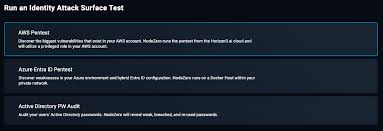
Active Directory password audit tools are software solutions designed to assess the strength and complexity of passwords used within an Active Directory environment. These tools help administrators identify weak or compromised passwords that could potentially be exploited by malicious actors.

The Benefits of Using Password Audit Tools

By utilising password audit tools, organisations can proactively identify and address password-related vulnerabilities before they are exploited. Some key benefits of using these tools include:

  • Enhanced Security: By identifying weak passwords, organisations can strengthen their overall security posture and reduce the risk of unauthorised access.
  • Compliance: Many industry regulations require organisations to implement strong password policies. Password audit tools help ensure compliance with these standards.
  • User Education: Password audit reports can be used to educate users on best practices for creating secure passwords, ultimately improving overall security awareness.
  • Risk Mitigation: By regularly auditing passwords, organisations can mitigate the risk of data breaches and other security incidents caused by compromised credentials.

Choosing the Right Password Audit Tool

When selecting an Active Directory password audit tool, it is essential to consider factors such as ease of use, reporting capabilities, integration with existing systems, and ongoing support. Additionally, look for features such as real-time monitoring, customisable policies, and alerts for suspicious activity.

In Conclusion

In conclusion, active directory password audit tools are invaluable assets in maintaining a secure IT environment. By regularly assessing the strength of user passwords and addressing any vulnerabilities that arise, organisations can significantly enhance their overall security posture and protect against potential cyber threats.


Essential FAQs on Active Directory Password Audit Tools: Enhancing Security and Compliance

  1. 1. What are Active Directory password audit tools?
  2. 2. Why are password audit tools important for Active Directory security?
  3. 3. How do password audit tools assess the strength of passwords?
  4. 4. What are the benefits of using password audit tools in an organisation?
  5. 5. Can password audit tools help with compliance requirements?
  6. 6. Are there specific features to look for when choosing a password audit tool?
  7. 7. How often should organisations conduct password audits using these tools?
  8. 8. Do password audit tools provide recommendations for improving password security?
  9. 9. How can users be educated on best practices for creating secure passwords through these tools?

1. What are Active Directory password audit tools?

Active Directory password audit tools are specialised software solutions designed to evaluate and assess the strength and security of passwords within an Active Directory environment. These tools play a vital role in identifying weak, easily guessable, or compromised passwords that could pose a significant risk to the overall security of an organisation’s IT infrastructure. By conducting thorough password audits, these tools help administrators proactively detect vulnerabilities and enforce robust password policies to enhance security measures and prevent potential cyber threats.

2. Why are password audit tools important for Active Directory security?

Password audit tools are essential for Active Directory security because they help organisations identify and address weak or compromised passwords that could pose a significant risk to their IT infrastructure. By conducting regular password audits, administrators can proactively strengthen the overall security posture of their Active Directory environment, reduce the likelihood of unauthorised access, and ensure compliance with industry regulations. These tools play a crucial role in mitigating the risk of data breaches and other security incidents caused by vulnerable passwords, ultimately enhancing the protection of sensitive information and maintaining the integrity of the organisation’s digital assets.

3. How do password audit tools assess the strength of passwords?

Password audit tools assess the strength of passwords through a variety of methods. These tools typically analyse factors such as password length, complexity, character diversity, and the presence of common patterns or dictionary words. By using algorithms and rulesets based on best practices in password security, audit tools can generate a strength score for each password and flag those that are deemed weak or easily guessable. Additionally, some tools may utilise brute-force techniques to simulate password cracking attempts, providing a more comprehensive evaluation of password strength. Overall, the assessment process helps organisations identify vulnerabilities in their password policies and take proactive measures to enhance security within their Active Directory environment.

4. What are the benefits of using password audit tools in an organisation?

Utilising password audit tools in an organisation offers a multitude of benefits. Firstly, these tools enhance security by identifying weak passwords and potential vulnerabilities, thereby reducing the risk of unauthorised access and data breaches. Secondly, password audit tools aid in compliance with industry regulations and standards related to password security, ensuring that organisations meet necessary requirements. Additionally, these tools promote user education on creating strong passwords, ultimately raising awareness about cybersecurity best practices within the organisation. By regularly auditing passwords, organisations can proactively mitigate risks associated with compromised credentials and bolster their overall security posture.

5. Can password audit tools help with compliance requirements?

Password audit tools play a crucial role in helping organisations meet compliance requirements related to password security. By conducting regular assessments of password strength and complexity, these tools assist in ensuring that passwords adhere to industry regulations and standards. Password audit reports generated by these tools provide valuable insights into the organisation’s password practices, helping to identify areas that may need improvement to align with compliance mandates. Additionally, password audit tools offer features such as policy enforcement and real-time monitoring, which are essential for maintaining compliance with data protection regulations and safeguarding sensitive information from unauthorised access.

6. Are there specific features to look for when choosing a password audit tool?

When choosing a password audit tool for Active Directory, it is essential to consider specific features that can enhance the effectiveness of your security measures. Look for tools that offer real-time monitoring capabilities to promptly detect and respond to any suspicious password activities. Customisable policies allow you to tailor the tool to your organisation’s unique requirements, ensuring a more targeted approach to password auditing. Additionally, features such as alerts for unusual password behaviour and seamless integration with existing systems can streamline the auditing process and improve overall security management. By prioritising these key features, you can select a password audit tool that best aligns with your organisation’s security needs and enhances your Active Directory password management practices.

7. How often should organisations conduct password audits using these tools?

Organisations should conduct password audits using Active Directory password audit tools regularly to ensure the ongoing security of their IT systems. The frequency of these audits may vary depending on factors such as industry regulations, internal policies, and the level of risk tolerance within the organisation. However, it is generally recommended to perform password audits at least quarterly or whenever significant changes occur within the network, such as employee turnover or security incidents. Regular audits help identify and address potential vulnerabilities promptly, enhancing overall security and reducing the risk of unauthorised access.

8. Do password audit tools provide recommendations for improving password security?

Password audit tools often provide recommendations for enhancing password security within an Active Directory environment. These tools not only identify weak or compromised passwords but also offer suggestions on how to strengthen them. By analysing password complexity, length, and usage patterns, password audit tools can recommend specific actions to improve overall password security. Implementing these recommendations can help organisations create a more robust defence against potential cyber threats and enhance the overall security of their IT infrastructure.

9. How can users be educated on best practices for creating secure passwords through these tools?

Users can be effectively educated on best practices for creating secure passwords through Active Directory password audit tools by leveraging the detailed reports and insights provided by these tools. Administrators can use the information gathered from password audits to identify common weaknesses in user passwords and develop targeted training programmes to address these issues. By sharing specific examples of weak passwords and providing guidance on creating strong, complex passwords, users can be empowered to enhance their password security practices. Additionally, administrators can utilise the reporting features of password audit tools to track improvements over time and reinforce the importance of maintaining secure passwords within the organisation.
Hitachi ID Privileged Access Manager

The Power of Hitachi ID Privileged Access Manager

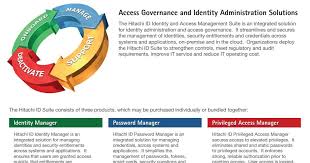
Hitachi ID Privileged Access Manager is a robust solution designed to enhance security and streamline privileged access management within organisations. As cyber threats continue to evolve, the need to safeguard sensitive data and critical systems from malicious actors becomes increasingly paramount. Hitachi ID’s Privileged Access Manager offers a comprehensive set of features to address these challenges effectively.

Key Features:

  • Centralised Access Control: Hitachi ID Privileged Access Manager provides a centralised platform for managing and monitoring privileged accounts across the enterprise. This ensures consistent access policies and reduces the risk of unauthorised access.
  • Password Vaulting: The solution securely stores and rotates privileged account passwords, eliminating the need for static credentials that are vulnerable to exploitation. Password vaulting enhances security by enforcing strong password policies and automating password changes.
  • Session Monitoring: Hitachi ID Privileged Access Manager offers real-time session monitoring capabilities, allowing administrators to track and audit privileged user activities. This feature helps detect suspicious behaviour and ensures accountability for actions taken on critical systems.
  • Workflow Automation: The solution streamlines access request approvals through automated workflows, reducing manual intervention and enhancing operational efficiency. Workflow automation ensures that access privileges are granted based on predefined policies and compliance requirements.
  • Audit and Compliance Reporting: Hitachi ID Privileged Access Manager generates detailed audit logs and compliance reports to support regulatory requirements and internal audits. Organisations can easily demonstrate adherence to industry standards and best practices related to privileged access management.

Benefits of Using Hitachi ID Privileged Access Manager:

By implementing Hitachi ID’s Privileged Access Manager, organisations can achieve the following benefits:

  • Enhanced Security: Strengthen defences against insider threats and external attacks by securing privileged accounts and monitoring user activities.
  • Improved Compliance: Meet regulatory mandates by implementing robust controls over privileged access, maintaining audit trails, and generating compliance reports.
  • Operational Efficiency: Streamline access management processes, reduce manual tasks, and increase productivity through automation features.
  • Risk Mitigation: Identify vulnerabilities in privileged account usage, enforce least privilege principles, and proactively respond to potential security risks.
  • Cyber Resilience: Enhance resilience against cyber incidents by implementing proactive measures to protect critical assets from unauthorised access.

In conclusion, Hitachi ID Privileged Access Manager is a comprehensive solution that empowers organisations to secure their most valuable assets while ensuring compliance with regulatory standards. By leveraging its advanced features, businesses can proactively manage privileged access in a dynamic threat landscape, mitigating risks and safeguarding their digital infrastructure effectively.


Top 7 Tips for Maximising Security with Hitachi ID Privileged Access Manager

  1. Ensure regular system updates to keep Hitachi ID Privileged Access Manager secure.
  2. Implement strong password policies for all users accessing the system.
  3. Enable multi-factor authentication to enhance security measures.
  4. Regularly review and audit user access rights within the privileged access manager.
  5. Set up automated alerts for any suspicious activities or unauthorized access attempts.
  6. Provide comprehensive training to users on how to use Hitachi ID Privileged Access Manager effectively.
  7. Backup configuration settings and data regularly to prevent data loss.

Ensure regular system updates to keep Hitachi ID Privileged Access Manager secure.

To maintain the security of Hitachi ID Privileged Access Manager, it is crucial to ensure regular system updates. Keeping the software up-to-date with the latest patches and enhancements is essential for addressing potential vulnerabilities and strengthening the overall security posture of the system. By staying current with system updates, organisations can effectively mitigate security risks and ensure that Hitachi ID Privileged Access Manager remains a robust and reliable solution for managing privileged access within their environment.

Implement strong password policies for all users accessing the system.

To enhance security measures within the Hitachi ID Privileged Access Manager system, it is advisable to implement robust password policies for all users. Strong password policies help fortify the system against unauthorised access attempts and potential security breaches. By enforcing requirements such as complex passwords, regular password changes, and multi-factor authentication, organisations can significantly reduce the risk of compromised credentials and strengthen overall protection for sensitive data and critical systems. Prioritising strong password policies ensures that access to privileged accounts is safeguarded effectively, contributing to a more secure and resilient IT environment.

Enable multi-factor authentication to enhance security measures.

Enabling multi-factor authentication on Hitachi ID Privileged Access Manager is a crucial step in bolstering security measures within an organisation. By requiring users to provide multiple forms of verification before accessing privileged accounts, such as a password combined with a unique code sent to their mobile device, the risk of unauthorised access is significantly reduced. This additional layer of security adds an extra barrier against cyber threats and ensures that sensitive data and critical systems are safeguarded effectively. Implementing multi-factor authentication demonstrates a proactive approach to security and reinforces the integrity of privileged access management practices.

Regularly review and audit user access rights within the privileged access manager.

To maintain robust security practices with Hitachi ID Privileged Access Manager, it is essential to regularly review and audit user access rights within the system. By conducting periodic assessments of user permissions and privileges, organisations can ensure that access levels align with business requirements and security policies. This proactive approach helps identify any discrepancies, unauthorised access, or potential vulnerabilities, allowing for timely remediation actions to strengthen the overall security posture of the privileged access manager environment. Regular reviews and audits of user access rights contribute to maintaining a secure and compliant system that effectively mitigates risks associated with privileged accounts.

Set up automated alerts for any suspicious activities or unauthorized access attempts.

To enhance security measures with Hitachi ID Privileged Access Manager, it is advisable to configure automated alerts for detecting any suspicious activities or unauthorised access attempts promptly. By setting up real-time notifications, administrators can proactively monitor privileged user actions and respond swiftly to potential security threats. This proactive approach not only strengthens the organisation’s defences but also ensures timely mitigation of risks, contributing to a more robust privileged access management strategy.

Provide comprehensive training to users on how to use Hitachi ID Privileged Access Manager effectively.

To maximise the benefits of Hitachi ID Privileged Access Manager, it is essential to provide comprehensive training to users on how to utilise the platform effectively. By offering thorough guidance and instruction, users can gain a deep understanding of the tool’s features and functionalities, enabling them to navigate the system with confidence and proficiency. Proper training ensures that users can leverage Hitachi ID Privileged Access Manager to its full potential, enhancing security practices, streamlining access management processes, and contributing to overall organisational efficiency.

Backup configuration settings and data regularly to prevent data loss.

It is crucial to regularly back up configuration settings and data when using Hitachi ID Privileged Access Manager to prevent potential data loss. By maintaining up-to-date backups, organisations can safeguard critical information and ensure continuity in the event of system failures or unexpected incidents. Regular backups not only protect valuable data but also contribute to the overall resilience and reliability of the privileged access management system, reducing the risk of disruptions and enhancing operational readiness.

Article: Active Directory Password Audit

The Importance of Active Directory Password Audit

In today’s digital age, where cybersecurity threats are constantly evolving, ensuring the security of your organisation’s IT infrastructure is paramount. One critical aspect of maintaining a secure network is conducting regular audits of user passwords within your Active Directory.

What is Active Directory Password Audit?

Active Directory Password Audit involves reviewing and assessing the strength and integrity of passwords used by users within the Active Directory environment. This process helps identify weak or compromised passwords that could potentially be exploited by malicious actors to gain unauthorised access to sensitive data and resources.

The Benefits of Conducting Password Audits

By regularly auditing passwords in Active Directory, organisations can:

  • Identify Weak Passwords: Audit helps in identifying passwords that are easy to guess or crack, such as “123456” or “password”.
  • Detect Policy Violations: Ensure that users comply with password policies set by the organisation, such as minimum length, complexity requirements, and expiration periods.
  • Enhance Security: By identifying and rectifying weak passwords, organisations can significantly improve their overall security posture and reduce the risk of data breaches.
  • Meet Compliance Requirements: Many regulatory frameworks require organisations to implement strong password policies and conduct regular audits to ensure compliance.

Best Practices for Active Directory Password Auditing

To maximise the effectiveness of password audits in Active Directory, consider implementing the following best practices:

  1. Use Automated Tools: Utilise specialised software tools that can scan and analyse password strength across your entire Active Directory environment efficiently.
  2. Educate Users: Provide training on creating strong passwords and encourage users to use unique combinations that are difficult to guess.
  3. Regularly Schedule Audits: Set up a recurring schedule for password audits to ensure continuous monitoring and enforcement of security policies.
  4. Enforce Multi-Factor Authentication (MFA): Implement MFA alongside strong password policies to add an extra layer of security for user authentication.

Conclusion

In conclusion, active directory password audit is a crucial component of maintaining a secure IT environment. By proactively assessing and improving password security within your organisation’s Active Directory, you can mitigate risks, enhance data protection, and strengthen overall cybersecurity resilience.


Six Essential Tips for Conducting an Active Directory Password Audit

  1. Regularly review and update password policies in Active Directory.
  2. Implement multi-factor authentication to enhance security.
  3. Enforce regular password changes to prevent stagnant passwords.
  4. Monitor and log password change activities for auditing purposes.
  5. Educate users on creating strong and unique passwords.
  6. Utilise tools for regular password audits to identify vulnerabilities.

Regularly review and update password policies in Active Directory.

Regularly reviewing and updating password policies in Active Directory is a fundamental tip for maintaining robust cybersecurity practices. By ensuring that password policies align with current best practices and industry standards, organisations can enhance the overall security of their IT infrastructure. Regular updates allow for the implementation of stronger password requirements, such as increased complexity and regular expiration intervals, which can significantly reduce the risk of unauthorised access and data breaches. Consistent monitoring and adjustment of password policies demonstrate a proactive approach to security management, promoting a culture of vigilance and resilience against evolving cyber threats within the Active Directory environment.

Implement multi-factor authentication to enhance security.

Implementing multi-factor authentication (MFA) is a highly effective tip to enhance security during an Active Directory password audit. By requiring users to provide multiple forms of verification before accessing their accounts, such as a password combined with a unique code sent to their mobile device, organisations can significantly strengthen their authentication processes. MFA adds an extra layer of security that makes it much harder for malicious actors to compromise user accounts, even if passwords are compromised. This additional security measure not only enhances protection during the audit process but also helps safeguard sensitive data and resources in the long term.

Enforce regular password changes to prevent stagnant passwords.

Enforcing regular password changes is a vital tip in active directory password audit to prevent stagnant passwords. By requiring users to change their passwords at set intervals, organisations can reduce the risk of compromised credentials being used maliciously. Regular password changes help mitigate the potential impact of password leaks and ensure that users maintain strong and up-to-date credentials, enhancing overall security within the Active Directory environment.

Monitor and log password change activities for auditing purposes.

Monitoring and logging password change activities within the Active Directory is a valuable tip for effective password auditing. By keeping track of when passwords are changed and by whom, organisations can maintain a detailed audit trail for security and compliance purposes. Monitoring password change activities allows administrators to quickly identify any suspicious or unauthorised modifications, enabling prompt investigation and remediation to prevent potential security breaches. This proactive approach enhances the overall integrity of the Active Directory environment and reinforces the importance of robust password management practices.

Educate users on creating strong and unique passwords.

Educating users on creating strong and unique passwords is a fundamental tip in conducting an effective Active Directory password audit. By raising awareness about the importance of using complex and individualised password combinations, organisations can empower their employees to contribute to a more secure IT environment. Strong passwords that are not easily guessable or replicated across accounts play a crucial role in safeguarding sensitive data and preventing unauthorised access. Through education and regular reminders, users can better understand the significance of password security and actively participate in maintaining the integrity of the organisation’s Active Directory.

Utilise tools for regular password audits to identify vulnerabilities.

To enhance the security of your Active Directory environment, it is recommended to utilise specialised tools for conducting regular password audits. By leveraging these tools, you can systematically scan and analyse the strength of user passwords, helping to identify vulnerabilities and potential security risks within your network. This proactive approach enables you to stay ahead of threats, address weak passwords promptly, and reinforce your organisation’s overall cybersecurity posture.

The Power of Hitachi ID Identity and Access Management Suite

The Power of Hitachi ID Identity and Access Management Suite

Hitachi ID Identity and Access Management Suite is a comprehensive solution designed to address the complex challenges of managing user identities and access rights within organisations. With its robust features and advanced capabilities, this suite offers a powerful toolset to enhance security, streamline operations, and ensure compliance.

Key Features:

  • Identity Governance: Hitachi ID provides a centralised platform for defining, enforcing, and auditing access policies across the organisation. This feature helps in reducing security risks associated with inappropriate access rights.
  • Access Certification: The suite automates the process of certifying user access rights, enabling organisations to efficiently review and approve permissions to ensure compliance with regulatory requirements.
  • Password Management: Hitachi ID offers robust password management capabilities, including self-service password reset, policy enforcement, and secure storage mechanisms to strengthen security posture.
  • Single Sign-On (SSO): By implementing SSO functionality, organisations can simplify user authentication processes, enhance user experience, and improve productivity by reducing the need for multiple credentials.
  • Privileged Access Management (PAM): Hitachi ID’s PAM feature helps in securing privileged accounts by implementing strict controls, monitoring activities, and providing session recording capabilities to prevent unauthorised access.

Benefits of Hitachi ID Identity and Access Management Suite:

Organisations that leverage Hitachi ID’s IAM suite can benefit from:

  • Enhanced Security: By implementing robust identity management controls and access policies, organisations can mitigate security risks associated with unauthorised access or data breaches.
  • Operational Efficiency: The automation capabilities within the suite streamline identity management processes, reduce manual efforts, and improve overall operational efficiency.
  • Compliance Adherence: With features such as access certification and audit trails, organisations can easily demonstrate compliance with regulatory requirements and industry standards.
  • User Experience: The implementation of SSO functionality enhances user experience by simplifying authentication processes and reducing password fatigue.
  • Risk Mitigation: By implementing privileged access controls through PAM features, organisations can reduce the risk of insider threats or malicious activities from privileged accounts.

In conclusion, Hitachi ID Identity and Access Management Suite is a powerful solution that empowers organisations to effectively manage user identities and access rights while enhancing security posture, operational efficiency, compliance adherence, user experience, and risk mitigation. By leveraging the advanced capabilities offered by this suite, organisations can stay ahead in today’s dynamic cybersecurity landscape.


Top 7 Tips for Optimising Hitachi ID Identity and Access Management Suite

  1. Implement role-based access control to enforce least privilege access.
  2. Regularly review and update user access rights to ensure compliance.
  3. Utilise multi-factor authentication for enhanced security.
  4. Integrate Hitachi ID Identity and Access Management Suite with existing systems for seamless operation.
  5. Monitor user activity and set up alerts for suspicious behaviour.
  6. Provide comprehensive training to users on how to use the IAM suite effectively.
  7. Regularly conduct security assessments and audits to identify vulnerabilities.

Implement role-based access control to enforce least privilege access.

Implementing role-based access control (RBAC) within the Hitachi ID Identity and Access Management Suite is a crucial step in enforcing the principle of least privilege access. By assigning permissions based on predefined roles that correspond to specific job functions or responsibilities, organisations can ensure that users only have access to the resources and data necessary to perform their duties effectively. This proactive approach not only enhances security by limiting exposure to sensitive information but also streamlines access management processes, reduces the risk of human error, and facilitates compliance with regulatory requirements. With RBAC in place, organisations can achieve a more granular and efficient control over user access rights, ultimately strengthening their overall cybersecurity posture.

Regularly review and update user access rights to ensure compliance.

Regularly reviewing and updating user access rights is a crucial practice to ensure compliance within organisations leveraging Hitachi ID Identity and Access Management Suite. By conducting routine audits of user permissions and making necessary adjustments, businesses can align access rights with current roles and responsibilities, reducing the risk of unauthorised access or data breaches. This proactive approach not only enhances security but also helps organisations demonstrate adherence to regulatory requirements and industry standards. With the suite’s robust features for managing user access, maintaining a regular review process is key to maintaining a secure and compliant environment.

Utilise multi-factor authentication for enhanced security.

Utilising multi-factor authentication within the Hitachi ID Identity and Access Management Suite is a crucial tip for enhancing security across organisational systems. By implementing an additional layer of verification beyond passwords, such as biometrics or SMS codes, organisations can significantly reduce the risk of unauthorised access and data breaches. Multi-factor authentication adds an extra level of protection to user accounts, making it more challenging for malicious actors to compromise sensitive information. This proactive approach to security not only strengthens overall defences but also aligns with best practices in safeguarding critical assets within the IT infrastructure.

Integrate Hitachi ID Identity and Access Management Suite with existing systems for seamless operation.

To maximise the efficiency and effectiveness of Hitachi ID Identity and Access Management Suite, it is advisable to integrate it with existing systems within the organisation. By seamlessly connecting the suite with other critical systems, such as HR databases, IT infrastructure, and applications, businesses can ensure smooth operations and streamlined processes. This integration enables a unified approach to identity and access management, allowing for better visibility, control, and automation across various platforms. Ultimately, integrating Hitachi ID’s suite with existing systems enhances overall security posture and operational productivity while ensuring a cohesive user experience.

Monitor user activity and set up alerts for suspicious behaviour.

To enhance security and proactively detect potential threats within your organisation, it is crucial to monitor user activity and configure alerts for any suspicious behaviour when utilising the Hitachi ID Identity and Access Management Suite. By closely monitoring user actions, such as access attempts, privilege changes, or unusual login patterns, organisations can swiftly identify and respond to anomalous activities that may indicate a security breach or insider threat. Setting up alerts for suspicious behaviour not only helps in mitigating risks but also strengthens the overall security posture by enabling timely intervention and remediation actions to safeguard critical assets and data.

Provide comprehensive training to users on how to use the IAM suite effectively.

To maximise the benefits of Hitachi ID Identity and Access Management Suite, it is crucial to provide comprehensive training to users on how to utilise the IAM suite effectively. By offering thorough training sessions, organisations can ensure that users understand the suite’s features, functionalities, and best practices for managing their identities and access rights. This proactive approach not only enhances user proficiency but also contributes to improved security posture, streamlined operations, and increased compliance adherence within the organisation. Training users on the effective use of the IAM suite empowers them to leverage its capabilities optimally, ultimately leading to a more secure and efficient IT environment.

Regularly conduct security assessments and audits to identify vulnerabilities.

Regularly conducting security assessments and audits is a crucial tip when utilising the Hitachi ID Identity and Access Management Suite. By proactively evaluating the system’s security posture, organisations can identify vulnerabilities, gaps in access controls, and potential risks. This proactive approach allows for timely remediation actions to be taken to strengthen the overall security of the environment. Through regular assessments and audits, organisations can ensure that their Hitachi ID IAM implementation remains robust, compliant with regulations, and resilient against emerging threats in today’s ever-evolving cybersecurity landscape.

The Power of SailPoint Identity Governance

The Power of SailPoint Identity Governance

In today’s digital landscape, managing identities and access to sensitive data is crucial for organisations to maintain security and compliance. This is where SailPoint Identity Governance shines as a leading solution in the realm of identity management.

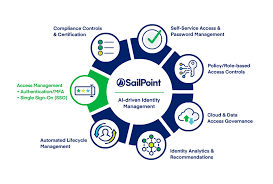
SailPoint offers a comprehensive platform that enables businesses to govern and secure user access effectively. By centralising identity data, automating processes, and enforcing policies, organisations can mitigate risks associated with unauthorised access and ensure regulatory compliance.

Key Features of SailPoint Identity Governance:

  • Identity Lifecycle Management: SailPoint facilitates the onboarding, offboarding, and management of user identities throughout their lifecycle within the organisation.
  • Access Certification: Organisations can conduct regular access reviews to verify that users have appropriate access permissions based on their roles.
  • Automated Provisioning: SailPoint streamlines the provisioning process by automatically granting or revoking access based on predefined rules and policies.
  • Role-Based Access Control: By defining roles and associating them with specific access rights, SailPoint helps organisations implement a least-privileged access model.
  • Audit and Compliance Reporting: The platform generates detailed reports to demonstrate compliance with regulations such as GDPR, HIPAA, or SOX.

With SailPoint Identity Governance, organisations can enhance their security posture, improve operational efficiency, and reduce the complexity associated with managing identities across diverse IT environments.

As cyber threats continue to evolve, investing in robust identity governance solutions like SailPoint becomes imperative for safeguarding critical assets and maintaining trust with customers and partners.


9 Essential Tips for Effective SailPoint Identity Governance in Your Organisation

  1. Define clear roles and responsibilities within your organisation.
  2. Regularly review and update access privileges based on employees’ roles.
  3. Implement multi-factor authentication to enhance security.
  4. Utilise automated provisioning and deprovisioning processes.
  5. Monitor user activities and detect any unusual behaviour promptly.
  6. Conduct regular compliance audits to ensure adherence to regulations.
  7. Provide comprehensive training on identity governance best practices.
  8. Integrate SailPoint with other security tools for a more robust defence system.
  9. Stay informed about the latest trends and updates in identity governance.

Define clear roles and responsibilities within your organisation.

To maximise the effectiveness of SailPoint Identity Governance, it is essential to define clear roles and responsibilities within your organisation. By establishing well-defined roles and assigning specific responsibilities to individuals or groups, you can ensure that access rights are aligned with job functions and business requirements. Clear role definitions help streamline the process of granting access permissions, enhance security by implementing the principle of least privilege, and simplify access reviews and audits. This proactive approach not only strengthens overall security posture but also fosters accountability and transparency in managing user identities within the organisation.

Regularly review and update access privileges based on employees’ roles.

It is essential for organisations utilising SailPoint Identity Governance to adhere to the best practice of regularly reviewing and updating access privileges in alignment with employees’ roles. By conducting routine access reviews, businesses can ensure that users have the appropriate level of access required to perform their job functions effectively. This proactive approach not only enhances security by reducing the risk of unauthorised access but also promotes compliance with regulatory requirements. SailPoint’s capability to facilitate role-based access control makes it easier for organisations to manage and adjust access privileges efficiently, thereby strengthening overall identity governance practices.

Implement multi-factor authentication to enhance security.

Implementing multi-factor authentication (MFA) is a crucial tip when leveraging SailPoint Identity Governance to enhance security measures within an organisation. By requiring users to provide multiple forms of verification before accessing sensitive data or systems, MFA adds an extra layer of protection against unauthorised access attempts. This additional security measure significantly reduces the risk of identity theft, phishing attacks, and other cyber threats, ultimately strengthening the overall security posture of the organisation. With SailPoint’s robust identity governance capabilities combined with MFA implementation, businesses can proactively safeguard their assets and ensure secure access management practices across the board.

Utilise automated provisioning and deprovisioning processes.

To maximise the efficiency and security of your identity management practices with SailPoint Identity Governance, it is essential to leverage automated provisioning and deprovisioning processes. By automating the assignment and revocation of access rights based on predefined rules and policies, organisations can streamline user onboarding and offboarding procedures. This not only reduces manual errors and administrative overhead but also ensures that users have the appropriate level of access at all times, enhancing security posture and compliance adherence. Automated provisioning and deprovisioning processes in SailPoint enable organisations to respond promptly to changes in user roles or permissions, maintaining a secure and well-managed identity environment.

Monitor user activities and detect any unusual behaviour promptly.

It is crucial to monitor user activities within the SailPoint Identity Governance system and promptly detect any unusual behaviour. By keeping a close eye on user interactions, organisations can proactively identify potential security threats or policy violations. Detecting anomalies in user behaviour allows for swift investigation and response, helping to mitigate risks before they escalate. With real-time monitoring capabilities, SailPoint empowers businesses to maintain a secure environment by promptly addressing any suspicious activities that may compromise data integrity or system security.

Conduct regular compliance audits to ensure adherence to regulations.

To maximise the effectiveness of SailPoint Identity Governance, it is essential to conduct regular compliance audits to verify adherence to regulations. By routinely reviewing access controls, permissions, and user activities, organisations can identify and address any discrepancies that may pose compliance risks. These audits not only help in maintaining regulatory compliance but also enhance overall security posture by ensuring that access rights align with business requirements and industry standards. Regular compliance audits serve as a proactive measure to mitigate potential security threats and demonstrate a commitment to upholding data privacy and integrity.

Provide comprehensive training on identity governance best practices.

To maximise the effectiveness of SailPoint Identity Governance within your organisation, it is essential to provide comprehensive training on identity governance best practices. By educating employees on how to utilise the platform efficiently, understand key concepts such as role-based access control and access certification, and follow established policies and procedures, you can enhance security measures and ensure compliance with regulatory requirements. Training sessions can empower users to make informed decisions regarding access management, ultimately leading to a more secure and well-controlled IT environment.

Integrate SailPoint with other security tools for a more robust defence system.

To enhance the effectiveness of SailPoint Identity Governance, it is advisable to integrate the platform with other security tools. By integrating SailPoint with complementary security solutions, organisations can establish a more robust defence system that offers comprehensive protection against evolving cyber threats. This integration enables seamless information sharing and correlation of data across various security tools, enhancing visibility and threat detection capabilities. By leveraging the synergy between SailPoint and other security technologies, organisations can strengthen their overall security posture and better safeguard their critical assets.

To maximise the effectiveness of SailPoint Identity Governance, it is essential to stay informed about the latest trends and updates in identity governance. By keeping abreast of industry developments, emerging threats, and best practices, organisations can proactively adapt their identity management strategies to address evolving security challenges. Regularly monitoring updates from SailPoint and staying engaged with the broader cybersecurity community ensures that businesses can leverage the full potential of their identity governance solution to enhance security, streamline operations, and maintain compliance with regulatory requirements.

Identity and Access Management Cloud Services

The Evolution of Identity and Access Management in the Cloud

In today’s digital landscape, where data breaches and cyber threats are on the rise, organisations are increasingly turning to cloud-based solutions for managing user identities and access rights. Identity and Access Management (IAM) cloud services have emerged as a critical component in safeguarding sensitive information while enabling seamless user experiences.

Benefits of IAM Cloud Services

One of the key advantages of leveraging IAM cloud services is the ability to centralise identity management across various platforms and applications. By consolidating user authentication and authorisation processes in the cloud, organisations can streamline access control policies and ensure consistent security measures.

Furthermore, IAM cloud services offer scalability and flexibility, allowing businesses to adapt quickly to changing user requirements and compliance regulations. Cloud-based identity solutions can easily accommodate growing user bases and evolving security needs without the need for extensive infrastructure investments.

Enhanced Security Measures

IAM cloud services employ advanced security protocols such as multi-factor authentication, role-based access control, and continuous monitoring to protect against unauthorised access attempts. By implementing robust encryption mechanisms and audit trails, organisations can mitigate the risk of data breaches and ensure regulatory compliance.

User Experience and Productivity

Cloud-based IAM solutions enhance user experience by providing seamless access to resources from any location or device. Single sign-on capabilities enable users to navigate multiple applications with a single set of credentials, improving productivity and reducing password fatigue.

Future Trends in IAM Cloud Services

As technology continues to evolve, IAM cloud services are expected to incorporate artificial intelligence and machine learning capabilities for predictive threat detection and adaptive access controls. Additionally, integration with Internet of Things (IoT) devices will play a crucial role in extending identity management to connected endpoints.

In conclusion, Identity and Access Management cloud services offer a comprehensive solution for securing digital identities while empowering users with convenient access to resources. By embracing these innovative technologies, organisations can strengthen their cybersecurity posture and drive operational efficiency in an increasingly interconnected world.


Benefits of Cloud-Based Identity and Access Management Services: Enhanced Security, Flexibility, and User Experience

  1. Centralised identity management across platforms and applications
  2. Scalability and flexibility to accommodate changing user needs
  3. Enhanced security measures such as multi-factor authentication
  4. Improved user experience with seamless access from any device
  5. Streamlined access control policies for consistent security measures
  6. Integration of advanced technologies like AI for predictive threat detection


Challenges of Identity and Access Management in Cloud Services: Connectivity, Privacy, Integration, Lock-in, Cost, and Compliance

  1. Dependency on Internet Connectivity
  2. Data Privacy Concerns
  3. Integration Complexity
  4. Vendor Lock-in
  5. Cost Considerations
  6. Compliance Challenges

Centralised identity management across platforms and applications

Centralised identity management across platforms and applications is a significant benefit of Identity and Access Management (IAM) cloud services. By consolidating user authentication and authorisation processes in the cloud, organisations can establish a unified system for managing user identities seamlessly. This approach not only simplifies access control policies but also ensures consistency in security measures across diverse IT environments. With centralised identity management, businesses can enhance operational efficiency, reduce the complexity of user provisioning and deprovisioning, and strengthen overall security posture by enforcing uniform access policies across all platforms and applications.

Scalability and flexibility to accommodate changing user needs

One significant advantage of Identity and Access Management (IAM) cloud services is their scalability and flexibility to adapt to changing user requirements. Cloud-based IAM solutions empower organisations to efficiently scale their identity management capabilities in response to fluctuating user bases, evolving business needs, and dynamic security challenges. By leveraging the cloud’s elastic resources, businesses can easily adjust access control policies, add or remove user accounts, and implement new security measures without the constraints of traditional on-premises infrastructure. This agility not only enhances operational efficiency but also ensures that organisations can effectively meet the demands of a rapidly evolving digital landscape.

Enhanced security measures such as multi-factor authentication

Enhanced security measures, such as multi-factor authentication, are a key advantage of identity and access management cloud services. By requiring users to provide multiple forms of verification before accessing sensitive data or applications, multi-factor authentication significantly reduces the risk of unauthorised access. This additional layer of security goes beyond traditional password-based systems, offering a more robust defence against cyber threats such as phishing attacks and credential theft. Implementing multi-factor authentication through IAM cloud services enhances data protection and strengthens overall cybersecurity posture for organisations, ensuring that only authorised users can securely access critical resources.

Improved user experience with seamless access from any device

Identity and Access Management (IAM) cloud services offer a significant benefit in the form of enhanced user experience through seamless access from any device. By utilising cloud-based identity solutions, users can effortlessly log in and access resources from various devices without encountering compatibility issues or restrictions based on location. This convenience not only improves productivity but also enhances user satisfaction by providing a consistent and streamlined authentication process across multiple platforms. Additionally, the ability to implement single sign-on capabilities ensures that users can navigate different applications with ease, reducing the need for multiple sets of credentials and simplifying their overall digital experience.

Streamlined access control policies for consistent security measures

Identity and Access Management (IAM) cloud services offer the valuable benefit of streamlining access control policies to ensure consistent security measures across an organisation’s digital ecosystem. By centralising identity management in the cloud, businesses can establish uniform authentication and authorisation protocols that govern user access to applications and data. This standardisation not only simplifies the enforcement of security policies but also enhances visibility and control over user permissions, reducing the risk of unauthorised access and data breaches. With IAM cloud services, organisations can maintain a cohesive approach to security while efficiently managing access rights in a dynamic and evolving IT environment.

Integration of advanced technologies like AI for predictive threat detection

Identity and Access Management (IAM) cloud services are increasingly integrating advanced technologies such as Artificial Intelligence (AI) to enhance security measures. By employing AI for predictive threat detection, these services can analyse vast amounts of data in real-time to identify unusual patterns and potential security threats before they materialise. This proactive approach enables organisations to respond swiftly to emerging risks, thereby reducing the likelihood of data breaches and unauthorised access. AI-driven insights facilitate more informed decision-making, allowing businesses to implement adaptive security measures tailored to specific threats. As a result, IAM cloud services not only bolster cybersecurity but also ensure that access management remains agile and responsive in an ever-evolving digital landscape.

Dependency on Internet Connectivity

One significant drawback of Identity and Access Management (IAM) cloud services is the dependency on internet connectivity. Users relying on IAM cloud solutions need a stable internet connection to access resources and authenticate their identities. This reliance on connectivity can present challenges, especially in regions or environments with unreliable or limited internet access. In such areas, interruptions in internet connectivity may hinder users’ ability to log in, access critical applications, or perform essential tasks, potentially impacting productivity and operational efficiency. Organizations operating in these contexts must carefully consider the implications of this dependency when adopting IAM cloud services to ensure uninterrupted access for their users.

Data Privacy Concerns

Storing sensitive identity information in the cloud raises potential privacy risks if service providers experience data breaches or misuse user data. Data privacy concerns are a significant con of identity and access management cloud services as they highlight the vulnerability of personal information stored in remote servers. In the event of a security breach, confidential data such as user credentials and personal details could be compromised, leading to identity theft or other malicious activities. Organisations must carefully assess the data protection measures implemented by cloud service providers to mitigate these risks and ensure the confidentiality of sensitive information.

Integration Complexity

Integrating IAM cloud services with existing IT infrastructure and applications can present a significant challenge in terms of complexity and time investment. The process of seamlessly integrating cloud-based identity and access management solutions with established systems may require substantial reconfiguration and customisation, potentially causing operational disruptions. Ensuring compatibility between IAM cloud services and diverse IT environments demands careful planning, testing, and coordination, which can extend implementation timelines and strain resources. The intricate nature of integration complexities underscores the importance of thorough assessment and strategic alignment to minimise disruptions and optimise the effectiveness of IAM deployments within organisations.

Vendor Lock-in

Vendor lock-in is a significant drawback of identity and access management cloud services. By committing to a particular IAM cloud service provider, organisations risk becoming dependent on their proprietary systems and protocols, making it difficult to transition to alternative vendors in the future. This limitation can hinder flexibility and innovation, as migrating data and configurations from one provider to another can be complex and costly. Organisations must carefully consider the long-term implications of vendor lock-in when selecting an IAM cloud service provider to ensure they retain the ability to adapt to changing business needs and technological advancements.

Cost Considerations

Cost considerations pose a significant con when it comes to Identity and Access Management (IAM) cloud services. Although these services provide scalability, the subscription-based pricing model can result in unforeseen expenses as user numbers increase or additional features become necessary. Organisations may find themselves facing escalating costs as they expand their user base or seek to enhance their security posture with advanced IAM functionalities. This financial aspect of IAM cloud services underscores the importance of careful planning and monitoring to ensure that the benefits of scalability do not come at a prohibitive cost.

Compliance Challenges

Navigating compliance challenges poses a significant con when leveraging Identity and Access Management (IAM) cloud services. Meeting regulatory requirements across different regions can be complex, especially when faced with diverse data protection laws and standards. The need to ensure alignment with various regulations while utilising IAM cloud solutions adds a layer of intricacy to managing user identities and access rights. Organisations must invest time and resources in understanding and adhering to the specific compliance frameworks applicable to each jurisdiction, which can be a daunting task in a globalised business environment.

Article: Identity and Access Control

The Importance of Identity and Access Control in Cybersecurity

In today’s digital age, where data breaches and cyber threats are becoming increasingly prevalent, the need for robust identity and access control measures cannot be overstated. Identity and access control is a fundamental aspect of cybersecurity that focuses on managing who has access to what resources within an organisation’s IT infrastructure.

Identity Management

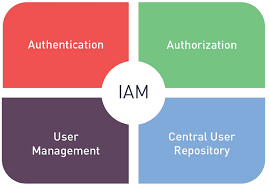
Identity management involves verifying the identities of users and ensuring that they have the appropriate level of access to systems and data. This process typically includes user authentication, authorisation, and identity governance. By implementing strong identity management practices, organisations can prevent unauthorised access to sensitive information and mitigate the risk of insider threats.

Access Control

Access control refers to the mechanisms put in place to regulate who can access specific resources within an organisation. This includes controlling user permissions, enforcing security policies, and monitoring user activities to detect any suspicious behaviour. Effective access control helps prevent data breaches, minimises the impact of security incidents, and ensures compliance with regulatory requirements.

Best Practices for Identity and Access Control

  • Implement Multi-Factor Authentication: Require users to provide multiple forms of verification before granting access to sensitive systems or data.
  • Regularly Review User Permissions: Conduct periodic reviews of user permissions to ensure that individuals have only the necessary level of access required for their roles.
  • Enforce Principle of Least Privilege: Grant users the minimum level of access needed to perform their job functions, reducing the risk of unauthorised activities.
  • Monitor User Activities: Implement logging and monitoring mechanisms to track user actions and detect any anomalous behaviour that may indicate a security threat.
  • Educate Users on Security Best Practices: Provide training to employees on how to create strong passwords, recognise phishing attempts, and safeguard their credentials.

In conclusion, identity and access control play a crucial role in safeguarding organisational assets from cyber threats. By adopting best practices in identity management and access control, organisations can enhance their cybersecurity posture, protect sensitive data, and maintain trust with customers and stakeholders in an increasingly interconnected digital landscape.


7 Essential Tips for Enhancing Identity and Access Control Security

  1. Use strong and unique passwords for each account.
  2. Enable two-factor authentication whenever possible.
  3. Regularly review and update access permissions for users.
  4. Implement role-based access control to limit privileges based on job roles.
  5. Monitor and log user activities to detect any suspicious behaviour.
  6. Educate employees on the importance of safeguarding their login credentials.
  7. Consider using biometric authentication methods for added security.

Use strong and unique passwords for each account.

Using strong and unique passwords for each account is a vital tip in maintaining robust identity and access control. By creating complex passwords that are unique to each account, individuals can significantly reduce the risk of unauthorised access to their sensitive information. Strong passwords, comprising a combination of letters, numbers, and special characters, enhance security by making it harder for cyber attackers to guess or crack them. Additionally, having different passwords for each account ensures that if one password is compromised, the other accounts remain secure. This simple yet effective practice is a cornerstone of good cybersecurity hygiene and goes a long way in safeguarding personal and organisational data from potential breaches.

Enable two-factor authentication whenever possible.

Enabling two-factor authentication whenever possible is a highly recommended practice to enhance the security of your online accounts. By requiring users to provide a second form of verification in addition to their password, such as a code sent to their mobile device, two-factor authentication significantly reduces the risk of unauthorised access even if passwords are compromised. This additional layer of security adds an extra barrier for potential attackers, making it more challenging for them to breach your accounts and ensuring that your sensitive information remains protected.

Regularly review and update access permissions for users.

Regularly reviewing and updating access permissions for users is a crucial practice in maintaining a secure IT environment. By conducting periodic assessments of user permissions, organisations can ensure that individuals have the appropriate level of access needed to perform their job responsibilities effectively while minimising the risk of unauthorised access to sensitive data. This proactive approach not only enhances security but also helps in compliance with regulatory requirements by aligning access privileges with current roles and responsibilities within the organisation.

Implement role-based access control to limit privileges based on job roles.

Implementing role-based access control (RBAC) is a key strategy in enhancing security within an organisation’s IT infrastructure. By assigning permissions based on specific job roles, RBAC ensures that individuals have access only to the resources necessary for their responsibilities, reducing the risk of unauthorised access and potential security breaches. This approach not only simplifies access management but also strengthens data protection measures by limiting privileges to what is essential for each user’s role, thereby promoting a more secure and efficient operational environment.

Monitor and log user activities to detect any suspicious behaviour.

Monitoring and logging user activities to detect any suspicious behaviour is a vital aspect of effective identity and access control. By keeping a close eye on the actions taken by users within an organisation’s IT systems, administrators can quickly identify any anomalies or potential security threats. This proactive approach allows for timely intervention, helping to mitigate risks and safeguard sensitive data from unauthorised access or misuse. Regular monitoring of user activities not only enhances security but also aids in compliance efforts by providing a detailed audit trail of system interactions.

Educate employees on the importance of safeguarding their login credentials.

It is essential to educate employees on the significance of safeguarding their login credentials to enhance overall cybersecurity within an organisation. By raising awareness about the importance of strong password practices, recognising phishing attempts, and maintaining the confidentiality of their credentials, employees can play a vital role in preventing unauthorised access to sensitive data and systems. Empowering staff with knowledge on how to protect their login credentials not only strengthens the organisation’s security posture but also fosters a culture of cyber awareness and responsibility among all stakeholders.

Consider using biometric authentication methods for added security.

Consider incorporating biometric authentication methods into your identity and access control strategy to enhance security measures. Biometric authentication, such as fingerprint or facial recognition technology, offers a highly secure and convenient way to verify user identities. By utilising unique biological characteristics for user authentication, organisations can significantly reduce the risk of unauthorised access and strengthen overall cybersecurity defences. Implementing biometric authentication adds an extra layer of protection that is difficult for malicious actors to compromise, ensuring that only authorised individuals can access sensitive systems and data.

The Importance of Identity Access Management (IAM) Systems

The Importance of Identity Access Management (IAM) Systems

Identity Access Management (IAM) systems play a crucial role in modern cybersecurity strategies. IAM solutions are designed to ensure that the right individuals have access to the right resources at the right time, while also preventing unauthorised access and protecting sensitive data. Let’s explore why IAM systems are essential for organisations today:

Enhanced Security

One of the primary benefits of IAM systems is enhanced security. By implementing IAM solutions, organisations can enforce strong authentication methods, such as multi-factor authentication, and control user access based on roles and responsibilities. This helps prevent data breaches and insider threats by limiting access to sensitive information only to authorised personnel.

Regulatory Compliance

In today’s regulatory landscape, compliance with data protection laws and industry regulations is non-negotiable. IAM systems help organisations meet compliance requirements by providing detailed audit trails, access controls, and user provisioning/deprovisioning processes. This ensures that organisations can demonstrate compliance with regulations such as GDPR, HIPAA, PCI DSS, and more.

Increased Productivity

IAM systems streamline user management processes by automating tasks such as user onboarding, offboarding, and role assignments. This not only saves time and reduces administrative overhead but also improves overall productivity within an organisation. Employees can quickly gain access to the resources they need to perform their roles effectively without unnecessary delays.

Risk Mitigation

By centralising user access controls and monitoring user activities, IAM systems help mitigate risks associated with cyber threats and data breaches. Organisations can proactively detect suspicious activities, enforce security policies consistently across the network, and respond promptly to security incidents. This proactive approach reduces the likelihood of security incidents impacting the organisation.

Scalability and Flexibility

IAM systems are designed to scale alongside an organisation’s growth. Whether an organisation expands its workforce or adopts new technologies, IAM solutions can adapt to accommodate changing needs without compromising security or efficiency. This scalability ensures that organisations can maintain robust identity management practices regardless of their size or complexity.

In conclusion, Identity Access Management (IAM) systems are indispensable tools for modern organisations looking to enhance their cybersecurity posture, achieve regulatory compliance, improve productivity, mitigate risks, and adapt to evolving business requirements. By investing in a robust IAM solution tailored to their specific needs, organisations can safeguard their digital assets and establish a secure foundation for future growth.


Understanding Identity Access Management (IAM): Roles, Usage, Devices, and Identities

  1. What is the IAM role?
  2. What is IAM and how IT is used?
  3. What is an IAM device?
  4. What is the IAM identity?

What is the IAM role?

The IAM role, in the context of Identity Access Management (IAM) systems, refers to the set of permissions and responsibilities assigned to an individual or group within an organisation. An IAM role defines what actions a user is allowed to perform on specific resources, such as accessing certain applications, databases, or files. By assigning roles based on job functions or organisational hierarchy, organisations can ensure that users have the appropriate level of access needed to carry out their tasks effectively while maintaining security and compliance standards. IAM roles play a critical role in controlling access to sensitive data and resources, helping organisations enforce least privilege principles and reduce the risk of unauthorised access or data breaches.

What is IAM and how IT is used?

Identity Access Management (IAM) is a critical component of modern cybersecurity strategies that focuses on managing digital identities and controlling user access to resources within an organisation’s IT environment. IAM systems play a vital role in ensuring that the right individuals have appropriate access to the right information at the right time, while also safeguarding against unauthorised access and potential security risks. By implementing IAM solutions, organisations can enforce strong authentication methods, streamline user provisioning processes, monitor user activities, and maintain compliance with regulatory requirements. IAM not only enhances security but also improves operational efficiency by automating user management tasks and reducing the likelihood of data breaches.

What is an IAM device?

An IAM device, in the context of Identity Access Management (IAM) systems, refers to a hardware or software tool that facilitates the management of user identities and their access to resources within an organisation’s IT environment. These devices are designed to centralise and automate user provisioning, authentication, authorisation, and account management processes. By leveraging IAM devices, organisations can ensure secure and efficient access control while maintaining compliance with regulatory requirements. IAM devices play a crucial role in enhancing cybersecurity measures by enabling organisations to enforce policies, monitor user activities, and respond promptly to security incidents.

What is the IAM identity?

The IAM identity refers to the unique digital representation of an individual or entity within an Identity Access Management (IAM) system. In simpler terms, it is the virtual profile that defines who a user is and what resources they are authorised to access within an organisation’s network. The IAM identity typically includes information such as user credentials, roles, permissions, and attributes that determine the level of access granted to the user. By managing IAM identities effectively, organisations can ensure secure and controlled access to their systems and data while maintaining compliance with security policies and regulations.

Article: Identity Access Management in Salesforce

The Importance of Identity Access Management in Salesforce

Identity Access Management (IAM) plays a crucial role in ensuring the security and efficiency of Salesforce implementations for businesses of all sizes. Salesforce, being a leading customer relationship management (CRM) platform, contains sensitive data that must be protected from unauthorised access while ensuring that legitimate users have the necessary access levels to perform their tasks.

Key Components of IAM in Salesforce

User Provisioning: IAM allows administrators to manage user accounts efficiently by granting or revoking access based on roles and responsibilities within the organisation. This ensures that only authorised individuals can access specific data and functionalities within Salesforce.

Single Sign-On (SSO): SSO integration enhances user experience by enabling users to log in once and access multiple applications, including Salesforce, without the need to enter credentials repeatedly. This not only simplifies user access but also strengthens security by reducing the risk of password-related vulnerabilities.

Multi-Factor Authentication (MFA): MFA adds an extra layer of security by requiring users to provide multiple forms of verification before accessing Salesforce. This could include something they know (password), something they have (mobile device), or something they are (biometric data), making it significantly harder for unauthorised users to gain entry.

Benefits of Implementing IAM in Salesforce

Enhanced Security: IAM helps safeguard sensitive data within Salesforce by controlling user access and enforcing security policies such as strong passwords, session timeouts, and activity monitoring.

Regulatory Compliance: Many industries have strict regulations regarding data privacy and security. Implementing IAM in Salesforce helps organisations comply with regulatory requirements by controlling user access, tracking user activities, and maintaining audit trails.

Improved Productivity: By streamlining user authentication processes through SSO and providing secure remote access via MFA, IAM enhances user productivity and reduces the time spent on managing multiple login credentials.

Conclusion

In conclusion, Identity Access Management is essential for maintaining a secure and efficient Salesforce environment. By implementing robust IAM practices such as user provisioning, SSO, and MFA, organisations can protect their valuable data assets while empowering users with seamless access to the CRM platform.


Top 9 Advantages of Identity Access Management in Salesforce: Boosting Security, Compliance, and Efficiency

  1. Enhances data security by controlling user access levels
  2. Streamlines user provisioning and de-provisioning processes
  3. Improves compliance with data privacy regulations
  4. Reduces the risk of unauthorised data breaches
  5. Increases productivity by simplifying user authentication
  6. Enables seamless integration with other applications through SSO
  7. Provides detailed audit trails for monitoring user activities
  8. Enhances user experience by enabling convenient access to Salesforce
  9. Strengthens overall cybersecurity posture of the organisation


Challenges in Implementing Identity Access Management with Salesforce: Complexity, Resistance, Costs, and Maintenance

  1. Complex Implementation
  2. User Resistance
  3. Costly Integration
  4. Overhead Maintenance

Enhances data security by controlling user access levels

One significant advantage of implementing Identity Access Management (IAM) in Salesforce is its ability to enhance data security by controlling user access levels. By defining and managing user permissions based on roles and responsibilities, IAM ensures that only authorised individuals can access specific data and functionalities within the Salesforce platform. This granular control over user access not only reduces the risk of unauthorised data breaches but also helps organisations maintain the confidentiality and integrity of their sensitive information.

Streamlines user provisioning and de-provisioning processes

Streamlining user provisioning and de-provisioning processes is a key advantage of Identity Access Management in Salesforce. By efficiently managing the onboarding and offboarding of users, organisations can ensure that individuals have the appropriate access levels to Salesforce resources based on their roles and responsibilities. This not only enhances security by reducing the risk of unauthorised access but also improves operational efficiency by automating user account setup and removal processes. Additionally, streamlined provisioning and de-provisioning help organisations maintain compliance with data protection regulations by promptly revoking access for departing employees or contractors.

Improves compliance with data privacy regulations

Identity Access Management in Salesforce significantly enhances compliance with data privacy regulations by providing robust control over user access and activities within the platform. By implementing IAM practices such as role-based access control, audit trails, and user authentication mechanisms like Multi-Factor Authentication (MFA), organisations can ensure that sensitive data is accessed only by authorised personnel in accordance with regulatory requirements. This proactive approach not only helps in preventing data breaches but also demonstrates a commitment to protecting customer information and upholding legal standards related to data privacy.

Reduces the risk of unauthorised data breaches

Implementing Identity Access Management (IAM) in Salesforce significantly reduces the risk of unauthorised data breaches by controlling user access and enforcing strict security measures. By carefully managing user permissions and authentication processes, IAM ensures that only authorised individuals can access sensitive information within the Salesforce platform. This proactive approach to security helps prevent cyber threats and data breaches, safeguarding valuable business data and maintaining the integrity of the CRM system.

Increases productivity by simplifying user authentication

One significant advantage of implementing Identity Access Management (IAM) in Salesforce is its ability to enhance productivity by simplifying user authentication processes. By utilising IAM solutions such as Single Sign-On (SSO), users can conveniently access Salesforce and other applications with a single set of credentials, eliminating the need to remember multiple passwords. This streamlined authentication not only saves time for users but also reduces the administrative burden associated with managing numerous login credentials, ultimately boosting overall efficiency within the organisation.

Enables seamless integration with other applications through SSO

One significant advantage of implementing Identity Access Management in Salesforce is its ability to facilitate seamless integration with other applications through Single Sign-On (SSO). By utilising SSO, users can access multiple applications, including Salesforce, with a single set of credentials. This not only enhances user experience by eliminating the need for repetitive logins but also streamlines workflow efficiency across various platforms. With SSO integration, organisations can achieve a unified authentication process that promotes productivity and security while ensuring a seamless user experience.

Provides detailed audit trails for monitoring user activities

Identity Access Management in Salesforce offers a significant advantage by providing detailed audit trails for monitoring user activities. This feature allows organisations to track and review every action taken within the system, including logins, data modifications, and access requests. By maintaining comprehensive audit logs, businesses can enhance security measures, detect suspicious behaviour promptly, and ensure compliance with regulatory requirements. The ability to monitor user activities through detailed audit trails not only strengthens data protection but also promotes transparency and accountability within the Salesforce environment.

Enhances user experience by enabling convenient access to Salesforce

Identity Access Management in Salesforce significantly enhances user experience by enabling convenient access to the platform. With features like Single Sign-On (SSO), users can seamlessly log in once and access Salesforce and other integrated applications without the hassle of multiple login credentials. This streamlined access not only saves time but also improves user satisfaction and productivity, ultimately leading to a more efficient and user-friendly experience within the Salesforce environment.

Strengthens overall cybersecurity posture of the organisation

Implementing Identity Access Management in Salesforce significantly strengthens the overall cybersecurity posture of the organisation. By controlling user access, enforcing authentication protocols, and monitoring user activities, IAM helps prevent unauthorised users from infiltrating sensitive data within Salesforce. This proactive approach to security not only mitigates the risk of data breaches but also enhances the organisation’s resilience against cyber threats, safeguarding critical information and maintaining trust with customers and stakeholders.

Complex Implementation

Implementing Identity Access Management in Salesforce can present a significant challenge due to its complexity and time-consuming nature. The process demands a high level of expertise and meticulous planning to ensure seamless integration and functionality. Organisations may encounter hurdles in configuring user roles, setting up permissions, and establishing secure authentication protocols within the Salesforce environment. Despite the potential complexities, investing time and resources in a well-thought-out IAM implementation is crucial for maintaining data security and regulatory compliance within Salesforce.

User Resistance

User Resistance can pose a significant challenge when implementing Identity Access Management in Salesforce. Some users may be reluctant to adopt IAM measures, particularly multi-factor authentication (MFA), due to perceived inconvenience or unfamiliarity with additional security steps. This resistance can result in usability issues as users may find the authentication process cumbersome or time-consuming. Addressing user resistance requires effective communication, training, and support to help users understand the importance of IAM measures and how they contribute to overall data security and compliance within the Salesforce environment. By proactively addressing user concerns and providing adequate training, organisations can mitigate potential usability issues and ensure a smoother transition to enhanced security practices.

Costly Integration

One significant drawback of implementing Identity Access Management (IAM) in Salesforce is the costly integration process. Integrating IAM solutions with Salesforce often involves additional expenses for licensing, maintenance, and ongoing support. These costs can pose a financial challenge for organisations looking to enhance security and user management within their Salesforce environment. The need to allocate resources for integrating IAM systems with Salesforce may deter some businesses from fully realising the benefits of robust identity access controls, especially those operating on tight budgets or with limited IT resources.

Overhead Maintenance

One significant drawback of Identity Access Management in Salesforce is the overhead maintenance it entails. Constantly managing IAM configurations and user access levels in Salesforce demands ongoing attention and resources, making it a potentially resource-intensive task for organisations. The need for regular updates, adjustments, and monitoring to ensure that access controls align with evolving business requirements can impose a burden on IT teams and administrators, diverting their focus from other critical tasks within the organisation.