The Importance of Using a Compliance Tool

The Importance of Using a Compliance Tool

In today’s ever-evolving regulatory landscape, businesses face increasing pressure to comply with various industry standards and data protection regulations. Failure to adhere to these requirements can result in severe penalties, reputational damage, and loss of customer trust. This is where a compliance tool plays a crucial role in helping organisations navigate the complex realm of compliance.

What is a Compliance Tool?

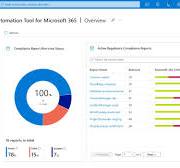
A compliance tool is a software solution designed to streamline and automate the process of ensuring that an organisation meets all relevant regulatory requirements. These tools are equipped with features that help businesses monitor, assess, and report on their compliance status in real-time.

The Benefits of Using a Compliance Tool

**Automated Monitoring:** A compliance tool continuously monitors your systems and processes to detect any deviations from regulatory standards. This proactive approach allows you to address issues promptly before they escalate.

**Risk Mitigation:** By identifying non-compliance issues early on, a compliance tool helps mitigate risks associated with data breaches, fines, and legal consequences.

**Efficiency:** Manual compliance checks can be time-consuming and prone to errors. A compliance tool automates these tasks, saving time and resources while ensuring accuracy.

**Reporting:** Compliance tools generate comprehensive reports that provide insights into your organisation’s adherence to regulations. These reports are valuable for audits and demonstrating compliance to regulators.

Choosing the Right Compliance Tool

When selecting a compliance tool for your organisation, consider factors such as scalability, customisation options, integration capabilities with existing systems, and user-friendliness. It’s essential to choose a tool that aligns with your specific industry requirements and regulatory obligations.

In Conclusion

A compliance tool is an indispensable asset for modern businesses seeking to maintain regulatory compliance in an increasingly complex environment. By investing in the right tool, organisations can enhance their security posture, build trust with stakeholders, and avoid costly penalties associated with non-compliance.


Understanding Compliance Tools: Key Questions Answered

  1. What are the 5 points of compliance?
  2. What is a compliant tool?
  3. What are the three types of compliance?
  4. What are the 7 elements of compliance?
  5. What are compliance tools?
  6. What are the 4 methods of compliance?
  7. What is software compliance?

What are the 5 points of compliance?

Understanding the five key points of compliance is essential for organisations striving to meet regulatory requirements effectively. These points typically encompass adherence to industry standards, data protection regulations, internal policies, risk management protocols, and audit procedures. By addressing each of these aspects comprehensively, businesses can ensure a robust compliance framework that safeguards sensitive information, mitigates risks, and demonstrates a commitment to upholding ethical practices. Compliance tools play a vital role in assisting organisations in monitoring and managing these five points efficiently, enabling them to navigate the intricate landscape of regulatory compliance with confidence.

What is a compliant tool?

A compliant tool, in the context of regulatory compliance and data protection, refers to a software solution designed to assist organisations in meeting the requirements set forth by industry standards and legal regulations. This type of tool helps businesses monitor, evaluate, and ensure adherence to specific rules and guidelines relevant to their operations. By utilising a compliant tool, businesses can automate compliance processes, identify potential risks or non-compliance issues, generate detailed reports for audits, and ultimately maintain a robust framework for meeting regulatory obligations.

What are the three types of compliance?

When discussing compliance, it is essential to understand the three main types of compliance that organisations typically encounter. The first type is regulatory compliance, which involves adhering to laws and regulations set by governing bodies relevant to the industry in which the organisation operates. The second type is internal compliance, which refers to following internal policies and procedures established by the company itself to ensure operational efficiency and consistency. Lastly, there is contractual compliance, which pertains to meeting the terms and conditions outlined in contracts or agreements with external parties. Understanding and effectively managing these three types of compliance are crucial for businesses to operate ethically, mitigate risks, and maintain a good standing within their respective industries.

What are the 7 elements of compliance?

When discussing the seven elements of compliance, it typically refers to the key components that organisations should consider when establishing and maintaining an effective compliance programme. These elements often include risk assessment, standards and controls, communication and training, monitoring and auditing, enforcement and discipline, response and prevention, as well as improvement and advancement. Each of these elements plays a crucial role in ensuring that businesses adhere to regulatory requirements, mitigate risks, and foster a culture of compliance within their operations. By addressing these seven elements comprehensively, organisations can better navigate the complexities of compliance and uphold ethical standards in their practices.

What are compliance tools?

Compliance tools are software solutions designed to assist organisations in meeting regulatory requirements and industry standards. These tools automate the process of monitoring, assessing, and reporting on compliance status, helping businesses proactively identify and address any deviations from established regulations. By utilising compliance tools, companies can streamline their compliance efforts, reduce the risk of non-compliance penalties, and demonstrate adherence to regulatory mandates through comprehensive reporting capabilities.

What are the 4 methods of compliance?

In the realm of compliance, there are four primary methods that organisations can utilise to ensure adherence to regulatory standards. The first method is through conducting regular audits and assessments to evaluate current practices and identify areas of non-compliance. Secondly, implementing robust policies and procedures that align with industry regulations is crucial for maintaining compliance. Thirdly, ongoing training and education for employees on compliance requirements play a vital role in upholding standards within the organisation. Lastly, leveraging technology solutions such as compliance tools can automate monitoring processes and streamline compliance efforts, enhancing overall efficiency and effectiveness in meeting regulatory obligations. By employing these four methods in tandem, businesses can establish a strong foundation for maintaining compliance and mitigating risks effectively.

What is software compliance?

Software compliance refers to the adherence of software products to legal, regulatory, and licensing requirements. It involves ensuring that organisations are using software in accordance with the terms and conditions set by the software vendors or licensing agreements. Software compliance encompasses aspects such as tracking software usage, managing licenses effectively, and preventing unauthorised use or distribution of software within an organisation. By maintaining software compliance, businesses can avoid legal risks, financial penalties, and reputational damage while optimising their IT operations.

Enhance Your Network Security with an Advanced Active Directory Tool

The Importance of Using an Active Directory Tool

The Importance of Using an Active Directory Tool

Active Directory is a crucial component of many organisations’ IT infrastructure, serving as a centralised database that manages users, computers, and other resources on a network. To efficiently manage and secure this critical system, it is essential to utilise an Active Directory tool.

Benefits of Using an Active Directory Tool:

  • Security: An Active Directory tool helps in monitoring user activities, detecting suspicious behaviour, and ensuring compliance with security policies. It can provide real-time alerts for any unauthorised access attempts or changes to configurations.
  • Audit and Compliance: With an Active Directory tool, organisations can easily generate detailed audit reports to track changes made within the directory. This is crucial for compliance with regulations such as GDPR, HIPAA, or PCI DSS.
  • Efficiency: Managing a complex Active Directory environment manually can be time-consuming and error-prone. An Active Directory tool automates routine tasks like user provisioning, group management, and password resets, improving operational efficiency.
  • Troubleshooting: When issues arise within the Active Directory environment, an effective tool can help administrators quickly identify and resolve problems. It offers insights into system performance, replication status, and overall health.

Choosing the Right Active Directory Tool:

When selecting an Active Directory tool for your organisation, consider factors such as scalability, ease of use, reporting capabilities, integration with existing systems, and vendor support. Look for a solution that aligns with your specific security requirements and budget constraints.

In conclusion, leveraging an Active Directory tool is essential for maintaining the security, compliance, and efficiency of your organisation’s IT infrastructure. By investing in the right tool, you can streamline administrative tasks, enhance visibility into user activities, and mitigate potential risks effectively.


8 Essential Tips for Optimising Active Directory Management and Security

  1. Regularly review and update user permissions to ensure security.
  2. Implement strong password policies to enhance system security.
  3. Use group policies to control and manage user settings efficiently.
  4. Regularly backup Active Directory data to prevent data loss.
  5. Monitor Active Directory logs for any suspicious activities or errors.
  6. Ensure proper delegation of administrative tasks for efficient management.
  7. Regularly perform maintenance tasks such as defragmentation and cleanup.
  8. Stay informed about updates and patches released by Microsoft for Active Directory.

Regularly review and update user permissions to ensure security.

Regularly reviewing and updating user permissions is a fundamental practice in maintaining the security of an Active Directory environment. By conducting routine audits of user permissions, organisations can ensure that only authorised individuals have access to sensitive data and resources. This proactive approach helps prevent potential security breaches caused by outdated or unnecessary permissions. Regular reviews also enable administrators to promptly revoke access for employees who have changed roles or left the organisation, reducing the risk of insider threats. Keeping user permissions up to date is a critical step in safeguarding the integrity and confidentiality of data within an Active Directory system.

Implement strong password policies to enhance system security.

Implementing strong password policies is a fundamental step in enhancing system security within an Active Directory environment. By enforcing complex password requirements, such as minimum length, combination of characters, and regular expiration intervals, organisations can significantly reduce the risk of unauthorised access and potential security breaches. Strong passwords act as a crucial line of defence against malicious actors and ensure that user accounts remain protected from common cyber threats. Additionally, regular password policy audits and enforcement through an Active Directory tool can further strengthen overall system security posture.

Use group policies to control and manage user settings efficiently.

Utilising group policies within an Active Directory tool is a highly effective way to efficiently control and manage user settings across an organisation’s network. By implementing group policies, administrators can centrally define and enforce configurations for users and computers, ensuring consistency and security. This approach simplifies the management of user permissions, desktop settings, software installations, and security policies, saving time and reducing the risk of errors. Group policies provide a powerful mechanism for administrators to streamline operations, enforce compliance with company policies, and enhance overall network security within the Active Directory environment.

Regularly backup Active Directory data to prevent data loss.

Regularly backing up Active Directory data is a crucial tip to prevent potential data loss and ensure business continuity. By creating routine backups of your Active Directory, you can safeguard critical user accounts, group policies, permissions, and other vital information against accidental deletions, system failures, or cyber threats. In the event of data corruption or a security breach, having up-to-date backups enables swift recovery and minimises downtime, allowing your organisation to maintain operational efficiency and data integrity.

Monitor Active Directory logs for any suspicious activities or errors.

Monitoring Active Directory logs for any suspicious activities or errors is a critical tip to ensure the security and integrity of your IT environment. By regularly reviewing log data, administrators can proactively detect any unauthorised access attempts, unusual user behaviours, or system errors that may indicate a potential security threat. This practice not only helps in identifying and mitigating security incidents promptly but also aids in maintaining compliance with regulatory requirements by providing a detailed audit trail of activities within the Active Directory system. Regular log monitoring is an essential best practice for enhancing overall cybersecurity posture and safeguarding sensitive organisational data.

Ensure proper delegation of administrative tasks for efficient management.

Ensuring proper delegation of administrative tasks is a crucial tip when utilising an Active Directory tool for efficient management. By assigning specific responsibilities to appropriate personnel within the organisation, such as user provisioning, group management, or password resets, you can streamline operations and improve overall productivity. Proper delegation not only enhances efficiency but also helps in maintaining security by limiting access to sensitive areas of the Active Directory system. This practice ensures that tasks are handled by individuals with the necessary expertise, reducing the risk of errors and unauthorised changes while promoting a more structured and organised approach to IT management.

Regularly perform maintenance tasks such as defragmentation and cleanup.

Regularly performing maintenance tasks such as defragmentation and cleanup is essential for ensuring the optimal performance and stability of your Active Directory environment. Defragmentation helps reorganise data fragments, improving access speeds and overall efficiency. Cleanup tasks involve removing unnecessary or outdated information, reducing clutter and potential security vulnerabilities. By incorporating these routine maintenance activities into your IT management practices, you can enhance the reliability and security of your Active Directory system, ultimately contributing to a more robust and streamlined network infrastructure.

Stay informed about updates and patches released by Microsoft for Active Directory.

It is crucial to stay informed about updates and patches released by Microsoft for Active Directory. Regularly monitoring and applying these updates ensures that your Active Directory environment remains secure and protected against emerging threats. By staying up-to-date with the latest releases, you can address vulnerabilities promptly, enhance system performance, and maintain compliance with security standards. Keeping a proactive approach towards updates is key to safeguarding the integrity of your Active Directory infrastructure and ensuring smooth operations within your organisation.

Enhancing Security Through Effective Identity and Governance Administration Practices

The Importance of Identity and Governance Administration

The Importance of Identity and Governance Administration

In today’s digital landscape, where data breaches and cyber threats are a constant concern, the need for robust identity and governance administration has never been more critical. Organisations must establish stringent protocols and controls to manage user identities, access privileges, and ensure compliance with regulatory requirements.

Identity Management

Identity management involves the processes and technologies used to identify individuals within an organisation and control their access to resources. This includes creating and managing user accounts, defining roles and permissions, enforcing authentication mechanisms, and monitoring user activity.

Effective identity management not only enhances security but also improves operational efficiency by streamlining user access provisioning and deprovisioning processes. By implementing strong authentication methods such as multi-factor authentication and regular access reviews, organisations can mitigate the risk of unauthorised access to sensitive information.

Governance Administration

Governance administration focuses on establishing policies, procedures, and controls to ensure that an organisation’s IT resources are used responsibly and in accordance with internal guidelines as well as external regulations. This includes defining data governance frameworks, enforcing compliance standards, conducting audits, and addressing security vulnerabilities.

By implementing effective governance administration practices, organisations can reduce the likelihood of data breaches, prevent insider threats, and demonstrate accountability to stakeholders. Regular risk assessments, security awareness training for employees, and incident response planning are essential components of a robust governance administration strategy.

The Intersection of Identity Management and Governance Administration

Identity management and governance administration are closely interconnected aspects of cybersecurity that work together to protect organisational assets from both internal and external threats. A comprehensive approach that integrates identity management with governance administration ensures that access controls are aligned with business objectives while maintaining compliance with industry regulations.

Organisations that prioritise identity management alongside governance administration are better equipped to safeguard sensitive data, prevent unauthorised access, detect suspicious activities promptly, and respond effectively to security incidents. By investing in advanced technologies such as identity analytics tools and automated policy enforcement mechanisms, organisations can enhance their overall security posture.

Conclusion

In conclusion, identity management and governance administration play pivotal roles in safeguarding organisational assets from cybersecurity risks. By establishing robust processes for managing user identities effectively while enforcing governance controls consistently, organisations can strengthen their defences against evolving cyber threats. Embracing a proactive approach towards identity management alongside governance administration is essential for maintaining trust with customers, protecting sensitive data assets, and ensuring regulatory compliance in today’s digital age.


Enhancing Organisational Security and Efficiency: The Benefits of Identity and Governance Administration

  1. Enhances cybersecurity by controlling user access and reducing the risk of unauthorised data breaches.
  2. Improves operational efficiency through streamlined user identity management processes.
  3. Ensures compliance with regulatory requirements and industry standards.
  4. Mitigates insider threats by monitoring user activity and enforcing access controls.
  5. Facilitates audit trails for tracking changes and maintaining accountability within the organisation.
  6. Strengthens data governance frameworks to protect sensitive information from misuse or theft.
  7. Promotes a culture of security awareness among employees through regular training initiatives.
  8. Enables swift incident response and recovery in the event of security incidents or breaches.


Challenges in Identity and Governance Administration: Navigating Complexity, Cost, and Resistance to Change

  1. Complexity
  2. Cost
  3. Resistance to Change

Enhances cybersecurity by controlling user access and reducing the risk of unauthorised data breaches.

One of the key advantages of identity and governance administration is its ability to enhance cybersecurity by controlling user access and mitigating the risk of unauthorised data breaches. Through strict management of user identities, roles, and permissions, organisations can ensure that only authorised individuals have access to sensitive information and resources. By implementing robust authentication mechanisms and monitoring user activity, identity and governance administration helps reduce the likelihood of malicious actors gaining unauthorised access to critical data, thereby bolstering overall cybersecurity defences.

Improves operational efficiency through streamlined user identity management processes.

One significant benefit of identity and governance administration is its ability to enhance operational efficiency by streamlining user identity management processes. By establishing clear protocols for creating, updating, and revoking user accounts, organisations can reduce the time and resources required for managing access privileges. This streamlined approach not only simplifies user onboarding and offboarding but also minimises the risk of errors or inconsistencies in access control settings. As a result, employees can quickly access the resources they need to perform their roles effectively, contributing to overall productivity and organisational efficiency.

Ensures compliance with regulatory requirements and industry standards.

Ensuring compliance with regulatory requirements and industry standards is a crucial benefit of identity and governance administration. By implementing robust policies, controls, and monitoring mechanisms, organisations can demonstrate adherence to legal mandates and best practices within their respective industries. Compliance not only helps mitigate the risk of penalties and legal consequences but also fosters trust among stakeholders by showcasing a commitment to upholding data security and privacy standards. Identity and governance administration plays a pivotal role in aligning organisational practices with regulatory frameworks, ultimately enhancing overall security posture and operational resilience.

Mitigates insider threats by monitoring user activity and enforcing access controls.

By monitoring user activity and enforcing access controls, identity and governance administration effectively mitigates insider threats within an organisation. Through continuous monitoring of user actions and strict enforcement of access permissions, suspicious behaviour can be detected in real-time, preventing potential breaches caused by malicious insiders. This proactive approach not only enhances security but also instils a culture of accountability among employees, ensuring that data remains protected from internal risks.

Facilitates audit trails for tracking changes and maintaining accountability within the organisation.

Identity and governance administration provides a crucial benefit by facilitating audit trails that track changes and maintain accountability within the organisation. By logging and documenting every action related to user identities, access permissions, and governance policies, organisations can easily trace back any modifications or access attempts. This not only enhances transparency but also ensures that any unauthorised changes or suspicious activities can be identified promptly, fostering a culture of accountability and reinforcing security measures. Having robust audit trails in place is essential for compliance with regulatory requirements and enables organisations to demonstrate due diligence in protecting their data assets.

Strengthens data governance frameworks to protect sensitive information from misuse or theft.

Identity and governance administration strengthens data governance frameworks by establishing robust policies and controls that safeguard sensitive information from misuse or theft. By implementing stringent access controls, defining clear roles and responsibilities, and conducting regular audits, organisations can ensure that only authorised individuals have access to confidential data. This proactive approach not only reduces the risk of data breaches but also enhances accountability and compliance with regulatory requirements, ultimately fostering a secure environment for critical information assets.

Promotes a culture of security awareness among employees through regular training initiatives.

Promoting a culture of security awareness among employees through regular training initiatives is a significant benefit of identity and governance administration. By providing ongoing education on cybersecurity best practices, data protection policies, and the importance of adhering to access controls, organisations can empower their staff to become proactive defenders against potential threats. Through these training programmes, employees learn to recognise suspicious activities, understand the risks associated with poor security practices, and contribute to creating a secure work environment. Ultimately, fostering a strong security awareness culture enhances overall organisational resilience and reduces the likelihood of security incidents caused by human error or negligence.

Enables swift incident response and recovery in the event of security incidents or breaches.

Effective identity and governance administration enables swift incident response and recovery in the event of security incidents or breaches by providing organisations with the necessary tools and processes to detect, contain, and mitigate threats promptly. By having clear visibility into user activities, access controls, and compliance status, organisations can respond to security incidents in a targeted manner, limiting the impact on critical systems and data. With well-defined governance policies and incident response plans in place, teams can act decisively to address security breaches, minimise downtime, and restore normal operations efficiently. This proactive approach not only helps in resolving security incidents swiftly but also strengthens overall resilience against future threats.

Complexity

The complexity associated with implementing and managing identity and governance administration processes poses a significant challenge for organisations. This con demands a considerable allocation of resources, including specialised expertise and continuous monitoring to ensure the effectiveness of these critical security measures. The intricate nature of identity management and governance administration necessitates meticulous attention to detail and ongoing adjustments to align with evolving security threats and regulatory requirements. Balancing the need for robust security practices with the operational demands of day-to-day business activities can be a delicate task that requires careful planning and dedicated effort to navigate successfully.

Cost

The primary drawback of implementing robust identity management and governance administration systems is the substantial initial investment required. Setting up comprehensive systems entails significant costs for acquiring technology solutions, providing training to staff on new processes, and ensuring compliance with regulatory standards. These upfront expenses can pose a financial challenge for organisations, particularly smaller businesses or those operating on tight budgets. However, while the cost factor may be a deterrent, it is essential to recognise that the long-term benefits of enhanced security, improved operational efficiency, and regulatory adherence often outweigh the initial financial outlay. Organizations must carefully weigh the costs against the potential risks of inadequate identity and governance administration to make informed decisions that align with their strategic goals.

Resistance to Change

Resistance to change is a significant con of identity and governance administration within organisations. Employees may push back against new policies that limit their access or introduce additional authentication measures, creating hurdles in the adoption process. This resistance can stem from a reluctance to adapt to unfamiliar processes, concerns about increased complexity in accessing resources, or simply a desire to maintain the status quo. Overcoming this resistance requires effective communication, training, and demonstrating the benefits of enhanced security measures to encourage acceptance and compliance among employees.

Enhancing Security and Compliance with SailPoint Identity Management

The Importance of SailPoint Identity Management in Modern Cybersecurity

In today’s digital age, where data breaches and cyber threats are becoming increasingly prevalent, the need for robust identity management solutions has never been more critical. SailPoint Identity Management stands out as a leading platform that helps organisations effectively manage and secure user identities and access to sensitive information.

At its core, SailPoint Identity Management provides a comprehensive set of tools and capabilities that enable businesses to govern user access across their entire IT infrastructure. By centralising identity data, automating processes, and enforcing policies, organisations can strengthen their security posture and ensure compliance with regulatory requirements.

One of the key features of SailPoint is its ability to streamline user provisioning and deprovisioning processes. With automated workflows and self-service capabilities, IT administrators can efficiently onboard new users, grant appropriate access levels based on roles, and revoke access when employees leave the organisation or change roles.

Furthermore, SailPoint offers advanced access controls that help prevent unauthorised access to critical systems and data. By implementing segregation of duties (SoD) policies and continuous monitoring capabilities, organisations can detect suspicious activities in real-time and take immediate action to mitigate risks.

Another significant benefit of SailPoint Identity Management is its role in enhancing compliance efforts. With built-in reporting and auditing tools, organisations can easily demonstrate adherence to regulations such as GDPR, HIPAA, or SOX. By maintaining a complete audit trail of user activities and access permissions, businesses can ensure transparency and accountability in their security practices.

As cyber threats continue to evolve, investing in a robust identity management solution like SailPoint has become essential for safeguarding sensitive information and maintaining business continuity. By proactively managing user identities and access rights, organisations can reduce the risk of data breaches, improve operational efficiency, and build trust with customers and stakeholders.

In conclusion, SailPoint Identity Management plays a crucial role in modern cybersecurity by empowering organisations to effectively manage user identities, control access privileges, and maintain compliance with regulatory requirements. As businesses navigate the complex landscape of cyber threats, adopting a comprehensive identity management solution like SailPoint is key to building a secure and resilient IT environment.


Enhancing Security and Efficiency: Six Key Benefits of SailPoint Identity Management

  1. Centralised identity data management for streamlined access control
  2. Automated user provisioning and deprovisioning processes for increased efficiency
  3. Advanced access controls, such as segregation of duties (SoD) policies, for enhanced security
  4. Comprehensive reporting and auditing tools to ensure regulatory compliance
  5. Real-time monitoring capabilities to detect and respond to suspicious activities promptly
  6. Improved operational efficiency and reduced risk of data breaches


Challenges of SailPoint Identity Management: Navigating Complexity, Cost, and Customisation Limits

  1. Complex Implementation Process
  2. High Cost of Ownership
  3. Steep Learning Curve
  4. Limited Customisation Options
  5. Integration Challenges

Centralised identity data management for streamlined access control

Centralised identity data management is a key advantage of SailPoint Identity Management, offering organisations a streamlined approach to access control. By consolidating user identity information in a central repository, businesses can efficiently manage access permissions across their entire IT infrastructure. This centralisation simplifies the process of granting and revoking access, ensuring that users have the appropriate level of privileges based on their roles and responsibilities. With a unified view of identity data, organisations can enhance security measures, enforce consistent policies, and reduce the risk of unauthorised access to critical systems and sensitive information.

Automated user provisioning and deprovisioning processes for increased efficiency

Automated user provisioning and deprovisioning processes are a significant advantage of SailPoint Identity Management, enhancing operational efficiency within organisations. By leveraging automated workflows and self-service capabilities, IT administrators can swiftly onboard new users, assign appropriate access levels based on predefined roles, and revoke access privileges when needed. This streamlined approach not only reduces the administrative burden on IT teams but also minimises the risk of human error in managing user access. Ultimately, the automated provisioning and deprovisioning processes offered by SailPoint contribute to increased productivity, improved security posture, and seamless compliance with regulatory requirements.

Advanced access controls, such as segregation of duties (SoD) policies, for enhanced security

SailPoint Identity Management offers advanced access controls, including segregation of duties (SoD) policies, to significantly enhance security measures within an organisation. By implementing SoD policies, businesses can enforce separation of duties among users, ensuring that no single individual has unchecked access to critical systems or sensitive data. This proactive approach not only reduces the risk of internal fraud and data breaches but also strengthens compliance efforts by aligning with industry regulations. With SailPoint’s robust access controls in place, businesses can effectively mitigate security risks and maintain a secure environment for their valuable assets.

Comprehensive reporting and auditing tools to ensure regulatory compliance

SailPoint Identity Management offers a standout advantage with its comprehensive reporting and auditing tools, which play a crucial role in ensuring regulatory compliance. By providing detailed insights into user activities and access permissions, organisations can easily demonstrate adherence to stringent regulations such as GDPR, HIPAA, or SOX. These robust tools enable businesses to maintain a complete audit trail, track changes in user privileges, and monitor compliance with policies effectively. With SailPoint’s reporting capabilities, organisations can proactively address compliance requirements, identify potential risks, and enhance overall security posture to meet regulatory standards confidently.

Real-time monitoring capabilities to detect and respond to suspicious activities promptly

SailPoint Identity Management offers a valuable pro with its real-time monitoring capabilities, enabling organisations to detect and respond to suspicious activities promptly. By continuously monitoring user access and behaviour across the IT infrastructure, SailPoint provides a proactive approach to identifying potential security threats. This feature allows businesses to swiftly investigate and address any anomalies or unauthorised activities, helping to mitigate risks and prevent potential data breaches. With real-time monitoring, organisations can enhance their overall security posture and maintain a vigilant stance against evolving cyber threats.

Improved operational efficiency and reduced risk of data breaches

SailPoint Identity Management offers a significant advantage in improving operational efficiency and reducing the risk of data breaches. By automating user provisioning and access management processes, organisations can streamline operations, save time, and ensure that employees have the right level of access to perform their roles effectively. This not only enhances productivity but also minimises the potential for human errors that could lead to security vulnerabilities. Additionally, SailPoint’s advanced access controls and continuous monitoring capabilities help detect and mitigate risks proactively, safeguarding sensitive data and maintaining a secure IT environment. Overall, the improved operational efficiency and reduced risk of data breaches provided by SailPoint Identity Management contribute to a more resilient and compliant organisational infrastructure.

Complex Implementation Process

An inherent drawback of SailPoint Identity Management is the complex implementation process it entails. Setting up SailPoint can be a time-consuming endeavour that demands a high level of expertise. This complexity can result in delays in deployment as organisations navigate the intricacies of configuring the system to align with their specific requirements. The need for skilled personnel and detailed planning to ensure a successful implementation can pose challenges for businesses looking to swiftly integrate SailPoint into their IT infrastructure.

High Cost of Ownership

The high cost of ownership is a significant drawback of SailPoint Identity Management, as the initial investment and ongoing maintenance expenses can pose challenges for many organisations, particularly smaller businesses. The financial burden of implementing and sustaining SailPoint’s robust identity management capabilities may deter some companies from reaping the benefits of this advanced solution. As a result, organisations must carefully weigh the cost implications against the potential security and efficiency gains offered by SailPoint to determine if it aligns with their budgetary constraints and long-term strategic goals.

Steep Learning Curve

One notable drawback of SailPoint Identity Management is its steep learning curve, which can pose challenges for users in effectively utilising the platform. Navigating the complex features and functionalities of SailPoint may require extensive training and a significant time investment to grasp its full capabilities. This learning curve can potentially hinder user adoption and slow down the implementation process, impacting the overall efficiency of identity management operations within an organisation.

Limited Customisation Options

Some users may find a drawback in SailPoint Identity Management due to its limited customisation options. The platform’s lack of flexibility in tailoring specific features or workflows to meet unique organisational requirements might pose challenges for those seeking highly customised solutions. This limitation could potentially hinder the ability to align the identity management processes precisely with the organisation’s specific needs and preferences, leading to a sense of restriction for users who value extensive customisation capabilities in their security solutions.

Integration Challenges

Integration Challenges can be a significant drawback of SailPoint Identity Management. The process of integrating SailPoint with existing IT systems and applications may present hurdles that could lead to disruptions in business operations. Compatibility issues, data migration complexities, and the need for extensive configuration can all contribute to delays and inefficiencies in the integration process. These challenges may require careful planning, expertise, and resources to overcome, impacting the seamless implementation and functionality of SailPoint within an organisation’s IT infrastructure.

Unlocking Security: Oracle Identity Management Solutions for Enhanced Access Control

Article: Oracle Identity Management

The Power of Oracle Identity Management

Oracle Identity Management is a comprehensive and integrated solution that enables organisations to manage the entire user identity lifecycle across all enterprise resources. It provides a robust framework for identity governance, access management, and directory services, helping businesses secure their digital assets and streamline access controls.

Key Features of Oracle Identity Management:

  • Identity Governance: Oracle Identity Governance automates the process of managing user identities, roles, and entitlements. It helps organisations enforce compliance policies, prevent unauthorised access, and streamline certification processes.
  • Access Management: With Oracle Access Management, businesses can control user access to applications and data through single sign-on capabilities, multi-factor authentication, and fine-grained access controls. This ensures that only authorised users can access sensitive information.
  • Directory Services: Oracle Unified Directory provides a scalable and high-performance directory service for storing and managing user profiles, group memberships, and authentication credentials. It simplifies identity management tasks and enhances system performance.

Benefits of Implementing Oracle Identity Management:

By deploying Oracle Identity Management, organisations can achieve the following benefits:

  • Enhanced Security: Strengthen security posture by implementing robust access controls, reducing the risk of data breaches and insider threats.
  • Improved Compliance: Ensure regulatory compliance by enforcing policies for user access management and audit trails to track user activities.
  • Increased Efficiency: Streamline identity management processes through automation, reducing administrative overheads and enhancing productivity.
  • Better User Experience: Provide users with seamless access to applications while maintaining security standards through single sign-on capabilities.

In conclusion, Oracle Identity Management offers a comprehensive solution for managing user identities, securing digital assets, and ensuring regulatory compliance. By leveraging its powerful features and benefits, organisations can enhance their security posture, streamline access controls, and improve operational efficiency in today’s dynamic IT landscape.


Eight Essential Tips for Enhancing Oracle Identity Management Security

  1. Implement strong password policies to enhance security.
  2. Regularly review and update user access permissions.
  3. Enable multi-factor authentication for an added layer of security.
  4. Utilise role-based access control to manage user privileges effectively.
  5. Monitor user activities and set up alerts for suspicious behaviour.
  6. Implement regular security training for users to raise awareness.
  7. Encrypt sensitive data to protect it from unauthorised access.
  8. Regularly audit system configurations and settings for compliance.

Implement strong password policies to enhance security.

Implementing strong password policies is a crucial step in enhancing security within Oracle Identity Management. By enforcing guidelines such as minimum password length, complexity requirements, and regular password changes, organisations can significantly reduce the risk of unauthorised access and data breaches. Strong passwords act as a fundamental barrier against cyber threats and ensure that only authorised users have access to sensitive information stored within the system. Therefore, prioritising robust password policies is essential for strengthening overall security measures and safeguarding valuable digital assets.

Regularly review and update user access permissions.

Regularly reviewing and updating user access permissions is a crucial practice in Oracle Identity Management. By conducting periodic audits of user privileges and permissions, organisations can ensure that users have the appropriate level of access to resources based on their roles and responsibilities. This proactive approach helps mitigate security risks, prevent unauthorised access, and maintain compliance with regulatory requirements. Regular reviews also enable organisations to adapt to changing business needs, such as employee role changes or system updates, ensuring that access permissions remain accurate and up-to-date at all times.

Enable multi-factor authentication for an added layer of security.

Enabling multi-factor authentication in Oracle Identity Management provides an additional layer of security by requiring users to verify their identity using multiple factors, such as passwords, biometrics, or security tokens. This added step significantly enhances the protection of sensitive data and resources within the enterprise environment, mitigating the risk of unauthorised access and potential security breaches. By implementing multi-factor authentication, organisations can bolster their overall security posture and ensure that only authorised users can access critical systems and information, safeguarding against evolving cyber threats effectively.

Utilise role-based access control to manage user privileges effectively.

To optimise user privileges within Oracle Identity Management, it is recommended to leverage role-based access control (RBAC) effectively. By implementing RBAC, organisations can assign permissions based on predefined roles, simplifying the management of user access and reducing the risk of granting unnecessary privileges. This approach enhances security by ensuring that users have the appropriate level of access required for their roles, streamlining administration tasks and improving overall access control within the system.

Monitor user activities and set up alerts for suspicious behaviour.

To enhance security and proactively mitigate potential threats within Oracle Identity Management, it is crucial to monitor user activities and establish alerts for any suspicious behaviour. By closely tracking user interactions, access patterns, and system activities, organisations can promptly identify anomalies or unusual actions that may indicate a security breach or unauthorised access. Setting up automated alerts for such suspicious behaviour enables real-time detection and response, allowing administrators to take immediate action to safeguard sensitive data and prevent security incidents. Monitoring user activities and implementing alert mechanisms play a vital role in maintaining a robust security posture within Oracle Identity Management.

Implement regular security training for users to raise awareness.

Implementing regular security training for users is a crucial tip when it comes to Oracle Identity Management. By conducting ongoing training sessions, organisations can effectively raise awareness among users about the importance of maintaining strong security practices. Educating users on potential threats, best practices for password management, and how to identify phishing attempts can significantly reduce the risk of security breaches. Empowering users with the knowledge and skills to protect their digital identities not only enhances overall security posture but also fosters a culture of vigilance and accountability within the organisation.

Encrypt sensitive data to protect it from unauthorised access.

Encrypting sensitive data is a crucial tip in Oracle Identity Management to safeguard it from unauthorised access. By encrypting data, organisations can ensure that even if unauthorised users gain access to the information, they cannot decipher or misuse it. Encryption adds an extra layer of security, making it significantly harder for malicious actors to compromise sensitive data stored within the system. Implementing encryption as part of the identity management strategy enhances data protection measures and aligns with best practices for maintaining the integrity and confidentiality of critical information assets.

Regularly audit system configurations and settings for compliance.

Regularly auditing system configurations and settings for compliance is a crucial tip when it comes to Oracle Identity Management. By conducting routine audits, organisations can ensure that their systems are aligned with regulatory requirements and security best practices. These audits help identify any deviations from established policies, potential vulnerabilities, or misconfigurations that could pose risks to the integrity of the identity management infrastructure. By staying proactive in monitoring and maintaining system configurations, businesses can mitigate security threats, enhance data protection, and demonstrate a commitment to compliance standards within their IT environment.

Enhancing AD Security: Best Practices for Protecting Your Active Directory Environment

The Importance of Active Directory Security

The Importance of Active Directory Security

Active Directory (AD) is a critical component of many organisations’ IT infrastructures, serving as a centralised database that stores and manages user accounts, computer information, and security policies. As such, ensuring the security of your AD environment is paramount to safeguarding sensitive data and protecting against cyber threats.

Challenges in AD Security

AD security faces various challenges, including:

  • Unauthorized Access: Without proper controls in place, malicious actors can gain unauthorized access to sensitive information stored in AD.
  • Misconfigured Permissions: Inadequate permission settings can lead to data exposure or accidental deletion of critical information.
  • Password Weaknesses: Weak or easily guessable passwords can compromise user accounts and provide entry points for attackers.
  • Outdated Software: Running outdated versions of AD software can leave systems vulnerable to known security flaws.

Best Practices for Securing Active Directory

To enhance the security of your Active Directory environment, consider implementing the following best practices:

  1. Regular Auditing: Conduct regular audits of user accounts, group memberships, and permissions to detect any anomalies or unauthorized changes.
  2. Strong Password Policies: Enforce complex password requirements and implement multi-factor authentication to strengthen authentication mechanisms.
  3. Access Control: Limit access rights based on the principle of least privilege to reduce the risk of unauthorised access.
  4. Patch Management: Keep AD software up-to-date with the latest security patches and updates to address known vulnerabilities.

The Role of Monitoring and Detection

In addition to preventive measures, proactive monitoring and detection play a crucial role in identifying suspicious activities within your Active Directory. By implementing real-time monitoring solutions and automated alerts, you can swiftly respond to potential security incidents before they escalate.

In conclusion, prioritising Active Directory security is essential for safeguarding your organisation’s data assets and maintaining regulatory compliance. By adopting a comprehensive approach that combines preventive measures with vigilant monitoring, you can mitigate risks and fortify your AD environment against evolving cyber threats.


Essential Strategies for Enhancing Active Directory Security: Top 5 FAQs

  1. How can I secure my Active Directory against cyber threats?
  2. What are the best practices for managing user permissions in Active Directory?
  3. How do I detect and prevent unauthorised access to my Active Directory environment?
  4. What role does auditing play in enhancing the security of Active Directory?
  5. What measures should I take to ensure password security in Active Directory?

How can I secure my Active Directory against cyber threats?

Securing your Active Directory against cyber threats is a critical aspect of maintaining the integrity of your IT infrastructure. To enhance the security of your Active Directory, it is essential to implement a multi-layered approach that includes measures such as regular auditing of user accounts and permissions, enforcing strong password policies, restricting access rights based on the principle of least privilege, keeping AD software up-to-date with security patches, and implementing proactive monitoring and detection mechanisms. By adopting these best practices and staying vigilant against emerging threats, you can strengthen the security posture of your Active Directory and mitigate the risk of cyber attacks.

What are the best practices for managing user permissions in Active Directory?

When it comes to managing user permissions in Active Directory, implementing best practices is crucial to maintaining a secure and well-organised environment. One key practice is adhering to the principle of least privilege, which involves granting users only the permissions necessary to perform their specific roles or tasks. Regularly reviewing and updating user permissions based on job responsibilities and changes within the organisation helps minimise the risk of unauthorised access. Additionally, enforcing strong password policies, implementing multi-factor authentication, and conducting periodic audits of user permissions are essential steps in enhancing security and ensuring compliance with data protection regulations within Active Directory.

How do I detect and prevent unauthorised access to my Active Directory environment?

Detecting and preventing unauthorised access to your Active Directory environment is a crucial aspect of maintaining robust security. To achieve this, implementing stringent access controls and regular monitoring procedures is essential. By conducting thorough audits of user accounts, group memberships, and permissions, you can detect any anomalies or unauthorised changes that may indicate a security breach. Additionally, enforcing strong password policies, implementing multi-factor authentication, and restricting access rights based on the principle of least privilege are effective measures to prevent unauthorised access. Proactive monitoring through real-time alerts and automated detection tools can also help in swiftly identifying and responding to suspicious activities before they escalate into security incidents. By combining preventive measures with vigilant monitoring, you can strengthen the security posture of your Active Directory environment and safeguard it against potential threats.

What role does auditing play in enhancing the security of Active Directory?

Auditing plays a crucial role in enhancing the security of Active Directory by providing visibility into user activities, configuration changes, and access permissions within the AD environment. By conducting regular audits, organisations can detect suspicious behaviour, unauthorised access attempts, and policy violations that may indicate potential security threats. Auditing helps in identifying vulnerabilities, ensuring compliance with security policies and regulatory requirements, and enabling timely responses to security incidents. Through detailed audit logs and reports, administrators can track changes, investigate security breaches, and strengthen overall security posture in Active Directory.

What measures should I take to ensure password security in Active Directory?

When it comes to ensuring password security in Active Directory, there are several key measures that should be implemented to strengthen authentication practices and protect user accounts. Firstly, enforcing strong password policies is crucial, requiring users to create complex passwords that include a combination of letters, numbers, and special characters. Implementing regular password expiration intervals can also mitigate the risk of long-term exposure to compromised credentials. Additionally, enabling multi-factor authentication adds an extra layer of security by verifying user identities through multiple verification methods. Educating users on the importance of safeguarding their passwords and encouraging them to avoid sharing or reusing passwords further enhances overall password security within Active Directory. By combining these measures, organisations can significantly reduce the likelihood of unauthorised access and enhance the overall security posture of their Active Directory environment.

Securing Your Data: The Essentials of Cloud Identity and Access Management

Cloud Identity and Access Management

The Importance of Cloud Identity and Access Management

In today’s digital landscape, where businesses are increasingly relying on cloud services to store data and run applications, the need for robust identity and access management (IAM) solutions has never been more critical. Cloud Identity and Access Management is a set of processes that ensures the right individuals have access to the right resources at the right time.

Enhanced Security

One of the primary benefits of Cloud IAM is enhanced security. By implementing strict access controls, multi-factor authentication, and continuous monitoring, organisations can significantly reduce the risk of unauthorised access to sensitive data stored in the cloud. With cyber threats on the rise, a strong IAM strategy is essential for protecting valuable information.

Increased Efficiency

Cloud IAM also enhances operational efficiency by streamlining user provisioning and de-provisioning processes. Automated workflows ensure that employees have timely access to necessary resources when they join an organisation or change roles. This not only saves time but also reduces the likelihood of human errors that could compromise security.

Compliance Adherence

For businesses operating in regulated industries, compliance with data protection laws and industry standards is non-negotiable. Cloud IAM solutions help organisations meet regulatory requirements by maintaining detailed logs of user activities, enforcing segregation of duties, and facilitating regular audits. This proactive approach ensures that companies stay compliant with relevant regulations.

Scalability and Flexibility

Cloud IAM solutions are highly scalable, allowing organisations to adapt quickly to changing business needs. Whether it’s onboarding new employees, partnering with external vendors, or expanding into new markets, IAM systems can easily accommodate these changes without compromising security or user experience. The flexibility offered by cloud-based IAM solutions makes them ideal for businesses of all sizes.

Conclusion

In conclusion, Cloud Identity and Access Management is a fundamental component of modern cybersecurity strategies. By investing in robust IAM solutions tailored to their specific requirements, businesses can fortify their defences against cyber threats, improve operational efficiency, maintain regulatory compliance, and adapt seamlessly to evolving business environments. Embracing Cloud IAM is not just a choice; it’s a necessity in today’s interconnected digital world.


Five Key Advantages of Cloud Identity and Access Management for Modern Businesses

  1. Enhanced security through strict access controls and multi-factor authentication.
  2. Increased operational efficiency by automating user provisioning and de-provisioning processes.
  3. Facilitates compliance adherence with detailed logs of user activities and segregation of duties.
  4. Highly scalable to accommodate business growth and changing needs.
  5. Offers flexibility for businesses of all sizes to adapt to evolving environments.


Challenges of Cloud Identity and Access Management: Internet Dependency, Data Breaches, Integration Issues, and Vendor Lock-In

  1. Dependency on Internet Connection
  2. Potential Data Breaches
  3. Integration Challenges
  4. Vendor Lock-In

Enhanced security through strict access controls and multi-factor authentication.

Enhanced security through the implementation of strict access controls and multi-factor authentication is a crucial advantage of Cloud Identity and Access Management. By requiring users to undergo multiple layers of verification before accessing sensitive data and applications, organisations can significantly reduce the risk of unauthorised access and data breaches. This proactive approach not only enhances security posture but also instils confidence in stakeholders that their information is well-protected in the cloud environment.

Increased operational efficiency by automating user provisioning and de-provisioning processes.

Cloud Identity and Access Management offers a significant advantage in increased operational efficiency through the automation of user provisioning and de-provisioning processes. By implementing automated workflows, organisations can streamline the onboarding and offboarding of employees, ensuring that individuals have timely access to necessary resources when they join or leave the company. This automation not only saves time but also reduces the risk of errors that could compromise security. Overall, this pro of Cloud IAM enables businesses to efficiently manage user access while enhancing security measures within their cloud environments.

Facilitates compliance adherence with detailed logs of user activities and segregation of duties.

Cloud Identity and Access Management plays a crucial role in facilitating compliance adherence by maintaining detailed logs of user activities and enforcing segregation of duties. By meticulously recording every action taken within the system, organisations can easily track who accessed what information and when, ensuring transparency and accountability. Additionally, the segregation of duties feature helps prevent conflicts of interest by restricting users’ access to only the resources necessary for their roles. This proactive approach not only aids in meeting regulatory requirements but also enhances overall data security and integrity within the cloud environment.

Highly scalable to accommodate business growth and changing needs.

Cloud Identity and Access Management’s high scalability is a significant advantage that allows businesses to seamlessly adapt to growth and evolving needs. As organisations expand, onboard new employees, or engage with external partners, the flexibility of cloud IAM systems ensures that access controls can be easily adjusted to accommodate these changes. This scalability not only supports business growth but also enhances operational efficiency by providing a secure and agile framework for managing user access across dynamic environments.

Offers flexibility for businesses of all sizes to adapt to evolving environments.

Cloud Identity and Access Management in the cloud offers unparalleled flexibility for businesses of all sizes to seamlessly adapt to evolving environments. Whether it’s scaling operations, onboarding new employees, or integrating with external partners, cloud IAM solutions provide the agility needed to navigate changing business landscapes. This flexibility empowers organisations to stay ahead of the curve, respond swiftly to market demands, and maintain a competitive edge in today’s dynamic business world.

Dependency on Internet Connection

One significant drawback of Cloud Identity and Access Management is the dependency on a stable internet connection for users to access resources. This reliance on internet connectivity can pose challenges, especially in regions or areas with unreliable or intermittent network access. In such circumstances, users may face difficulties in accessing critical resources stored in the cloud, leading to disruptions in productivity and potentially impacting business operations. The need for a consistent and robust internet connection remains a notable limitation of Cloud IAM solutions that organisations must consider when implementing such systems.

Potential Data Breaches

Centralising user identities and access controls in the cloud, while offering convenience and efficiency, can also introduce a significant con: the potential for data breaches. If the cloud service provider encounters a security breach, the centralised nature of cloud identity and access management could expose sensitive information to malicious actors. This heightened risk underscores the importance of thorough vetting of service providers, implementing additional security measures such as encryption and regular monitoring, and having contingency plans in place to mitigate the impact of any potential breaches. Organizations must carefully weigh the benefits against this con to make informed decisions regarding their cloud IAM strategies.

Integration Challenges

Integrating cloud IAM systems with existing on-premises infrastructure and legacy applications can present significant challenges for organisations. The complexity and time-consuming nature of this integration process often result in potential compatibility issues that can hinder the seamless operation of IAM systems. Organisations may face difficulties in synchronising user data, managing access controls across different platforms, and ensuring consistent security protocols. Overcoming these integration challenges requires careful planning, expertise, and resources to ensure a smooth transition to cloud-based IAM solutions without disrupting existing workflows or compromising security measures.

Vendor Lock-In

Vendor lock-in is a significant con of cloud identity and access management, as it can restrict organisations from exploring other options and adapting to changing needs. Relying heavily on a particular cloud IAM vendor may lead to a lack of flexibility and make it difficult to transition to alternative providers or migrate to different solutions in the future. This limitation can hinder innovation, increase dependency on a single vendor, and potentially result in higher costs and complexities when attempting to make changes or upgrades to IAM systems. Organizations must carefully consider the implications of vendor lock-in when choosing their cloud IAM solutions to avoid being constrained by limited options in the long run.

Securing Your Network: The Importance of Auditing Active Directory

The Importance of Auditing Active Directory

The Importance of Auditing Active Directory

Active Directory, a vital component of most IT infrastructures, serves as the central repository for managing users, computers, and resources within an organisation’s network. As cyber threats continue to evolve and regulatory compliance requirements become more stringent, auditing Active Directory has become essential for maintaining security and ensuring accountability.

Enhancing Security

Auditing Active Directory allows organisations to monitor user activities, track changes to permissions and configurations, and detect potential security breaches in real-time. By analysing audit logs and reports, IT administrators can identify suspicious behaviour, unauthorised access attempts, or configuration errors that could compromise the integrity of the network.

Ensuring Compliance

Many industries are subject to regulatory frameworks that mandate stringent data protection measures and audit trails. Auditing Active Directory helps organisations demonstrate compliance with regulations such as GDPR, HIPAA, or PCI DSS by providing detailed records of user actions, access control changes, and security incidents.

Detecting Insider Threats

Insider threats pose a significant risk to organisational security as malicious insiders can exploit their legitimate access to sensitive data or systems. By auditing Active Directory, organisations can proactively monitor user behaviour patterns and detect any unusual or suspicious activities that may indicate insider threats.

Improving Operational Efficiency

In addition to enhancing security and compliance efforts, auditing Active Directory can also help improve operational efficiency. By identifying inefficient processes, redundant permissions, or misconfigurations within the directory structure, IT teams can streamline operations and optimise resource allocation.

Conclusion

Auditing Active Directory is not just a best practice; it is a critical component of a comprehensive cybersecurity strategy. By implementing robust auditing mechanisms and regularly reviewing audit logs, organisations can strengthen their security posture, meet regulatory requirements, detect insider threats, and enhance operational efficiency. Investing in auditing tools and practices today can help safeguard your organisation’s digital assets and ensure long-term success in an increasingly complex threat landscape.


Top 5 Tips for Effective Active Directory Auditing and Security Enhancement

  1. Regularly review user accounts and permissions to ensure they are up to date.
  2. Monitor Active Directory logs for any suspicious activities or unauthorized access.
  3. Implement strong password policies and regularly audit password security.
  4. Enable auditing features in Active Directory to track changes and monitor system activity.
  5. Perform regular security assessments and penetration testing to identify vulnerabilities.

Regularly review user accounts and permissions to ensure they are up to date.

Regularly reviewing user accounts and permissions is a crucial tip when auditing Active Directory. By conducting routine checks on user accounts and permissions, organisations can ensure that access rights align with current roles and responsibilities within the network. This practice helps prevent unauthorised access, minimises security risks, and maintains data integrity. Keeping user accounts and permissions up to date not only enhances security but also streamlines IT operations by eliminating unnecessary access privileges and reducing the likelihood of insider threats.

Monitor Active Directory logs for any suspicious activities or unauthorized access.

Monitoring Active Directory logs for any suspicious activities or unauthorised access is a crucial tip in auditing Active Directory. By regularly reviewing audit logs, IT administrators can proactively identify potential security breaches, unusual user behaviour, or unauthorised changes to permissions. This proactive approach allows organisations to swiftly respond to threats, mitigate risks, and maintain the integrity of their network environment. Continuous monitoring of Active Directory logs is a fundamental practice in ensuring the security and compliance of an organisation’s IT infrastructure.

Implement strong password policies and regularly audit password security.

To enhance the security of your Active Directory environment, it is crucial to implement strong password policies and conduct regular audits of password security. By enforcing rules such as minimum length, complexity requirements, and regular password changes, organisations can significantly reduce the risk of unauthorised access and data breaches. Regularly auditing password security ensures that users adhere to these policies and helps identify any potential weaknesses or vulnerabilities in the authentication process. By prioritising strong password practices and ongoing monitoring, organisations can bolster their defences against cyber threats and safeguard sensitive information stored within Active Directory.

Enable auditing features in Active Directory to track changes and monitor system activity.

Enabling auditing features in Active Directory is a crucial step towards enhancing the security and accountability of your IT infrastructure. By activating these features, you can effectively track changes made to user accounts, permissions, and configurations, as well as monitor system activity in real-time. This proactive approach not only helps in identifying potential security breaches and unauthorised access attempts but also provides valuable insights into user behaviour patterns. By utilising auditing features, organisations can bolster their cybersecurity defences and maintain a vigilant stance against evolving threats within their Active Directory environment.

Perform regular security assessments and penetration testing to identify vulnerabilities.

Performing regular security assessments and penetration testing is a crucial tip when auditing Active Directory. By conducting these assessments, organisations can proactively identify vulnerabilities and weaknesses in their network infrastructure before malicious actors exploit them. Penetration testing helps simulate real-world cyber attacks to assess the effectiveness of existing security measures and uncover potential entry points for attackers. By incorporating these practices into the auditing process, organisations can strengthen their defences, mitigate risks, and safeguard their Active Directory environment against evolving threats.