SEMrush Gap Analysis: Unveiling Competitive Insights
In the realm of digital marketing, staying ahead of the competition is paramount. Understanding where you stand compared to your competitors can provide valuable insights that drive strategic decisions and boost performance. This is where SEMrush’s Gap Analysis tool comes into play.
What is SEMrush Gap Analysis?
SEMrush’s Gap Analysis tool allows marketers to compare their online presence with that of their competitors. By identifying gaps in keyword rankings, backlinks, and advertising strategies, users can pinpoint opportunities for improvement and growth.
Key Features of SEMrush Gap Analysis:
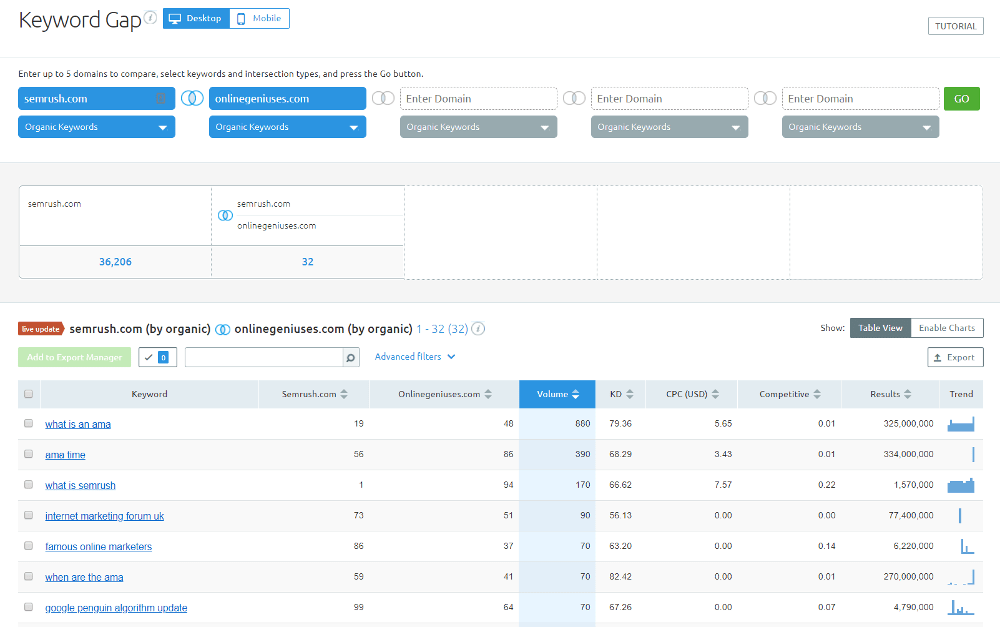
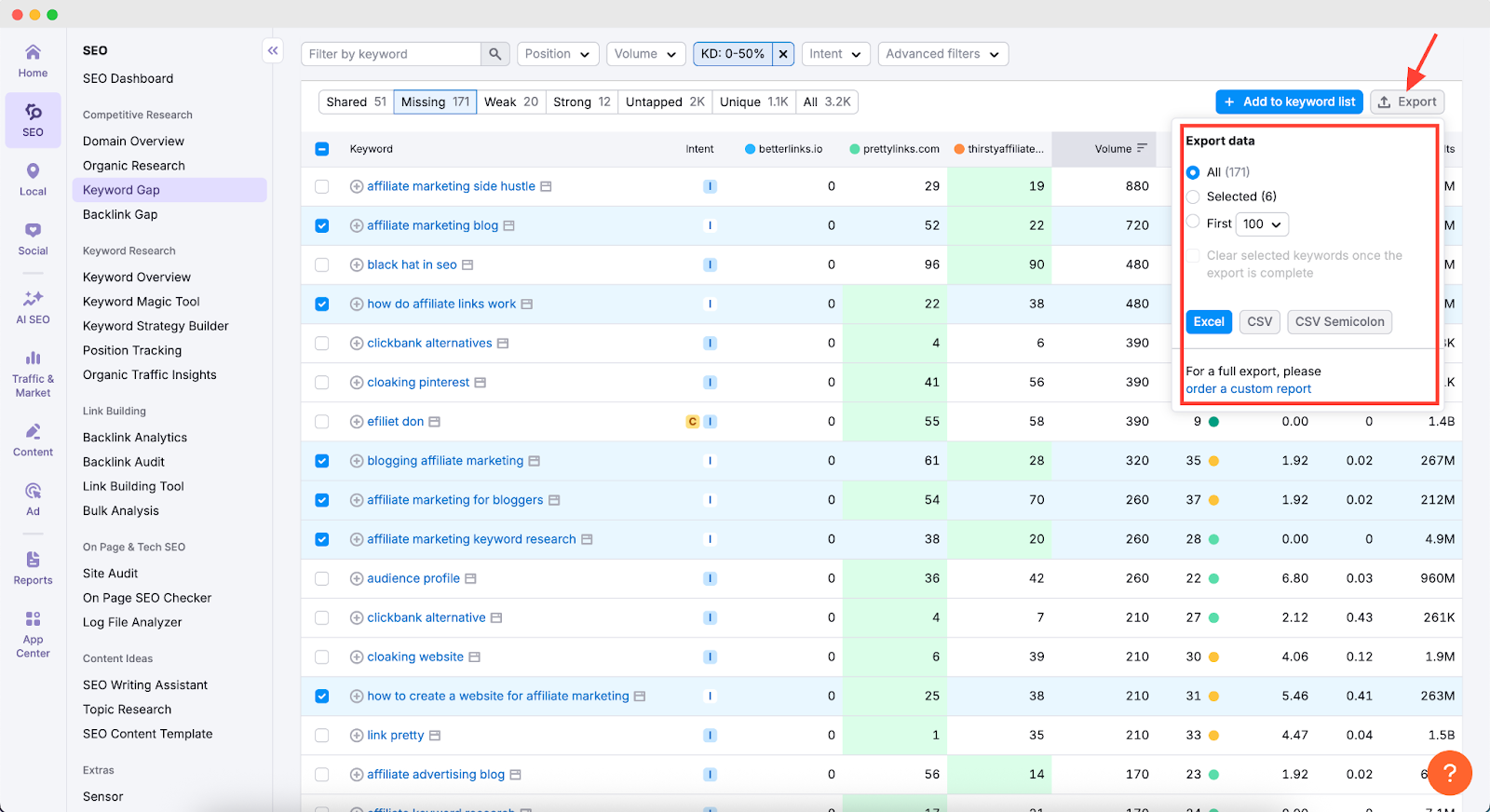
- Keyword Gap: Discover keywords that your competitors rank for but you do not. This insight can help you expand your keyword strategy and capture new traffic.
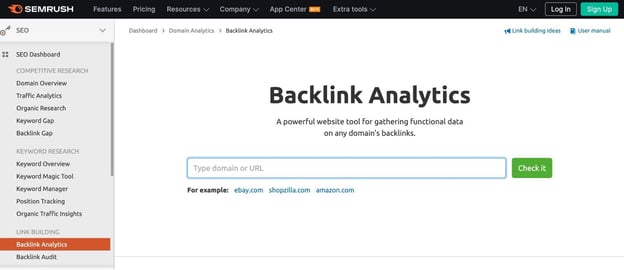
- Backlink Gap: Identify backlinks that your competitors have but you lack. Building a robust backlink profile can enhance your website’s authority and visibility.
- Advertising Gap: Analyse your competitors’ paid advertising strategies to uncover gaps in ad placements and targeting. Optimising your ad campaigns based on this data can lead to better ROI.
How to Use SEMrush Gap Analysis Effectively:
To leverage SEMrush’s Gap Analysis tool effectively, follow these steps:
- Select Competitors: Choose key competitors whose online performance you want to compare with yours.
- Analyse Results: Review the insights provided by the tool across different categories such as keywords, backlinks, and ads.
- Create Actionable Strategies: Use the identified gaps to inform your digital marketing strategies and campaigns. Focus on areas where you can outperform your competition.
- Monitor Progress: Regularly revisit the analysis to track improvements and adjust tactics as needed based on changing competitive landscapes.
The Benefits of SEMrush Gap Analysis
The benefits of utilising SEMrush’s Gap Analysis tool are manifold:
- Data-Driven Decisions: Make informed decisions based on concrete data rather than assumptions or guesswork.
- Competitive Edge: Gain a competitive advantage by capitalising on opportunities that your competitors may have overlooked.
- Better Performance: Enhance your online performance by addressing weaknesses identified through the analysis process.
9 Essential Tips for Effective SEMrush Gap Analysis to Enhance Your Competitive Edge
- Identify your competitors for a comprehensive analysis.
- Focus on key metrics like organic search traffic and keywords.
- Analyse the gaps in keyword rankings between you and competitors.
- Look for content gaps to enhance your content strategy.
- Evaluate backlink gaps to improve your link building efforts.
- Utilise SEMrush tools like Keyword Gap and Backlink Gap for insights.
- Regularly monitor changes in the gap analysis to stay competitive.
- Implement strategies based on identified gaps to boost your online presence.
- Continuously refine your approach based on new gap analysis findings.
Identify your competitors for a comprehensive analysis.
To conduct a thorough SEMrush Gap Analysis, it is crucial to first identify your key competitors. By pinpointing the main players in your industry or niche, you can gain valuable insights into their online strategies and performance metrics. Analysing these competitors allows you to compare your keyword rankings, backlink profiles, and advertising tactics effectively. This comprehensive analysis not only reveals areas where you may be falling behind but also highlights opportunities for growth and improvement. Identifying your competitors sets the foundation for a strategic and informed approach to leveraging SEMrush’s tools for a competitive edge in the digital landscape.
Focus on key metrics like organic search traffic and keywords.
When utilising SEMrush Gap Analysis, it is crucial to focus on key metrics such as organic search traffic and keywords. By honing in on these essential indicators, marketers can gain valuable insights into their website’s visibility and performance in search engine results. Understanding the trends in organic search traffic and identifying the most effective keywords can guide strategic decisions to improve rankings, attract more visitors, and ultimately enhance overall online presence. Prioritising these key metrics allows businesses to optimise their digital marketing efforts effectively and stay ahead of the competition.
Analyse the gaps in keyword rankings between you and competitors.
Analysing the gaps in keyword rankings between your website and competitors using SEMrush’s Gap Analysis tool can unveil valuable insights for enhancing your digital marketing strategy. By identifying keywords that your competitors rank for but you do not, you can pinpoint opportunities to expand your reach and attract new organic traffic. This analysis empowers you to adjust your keyword targeting, create targeted content, and improve your search engine visibility to gain a competitive edge in the online landscape.
Look for content gaps to enhance your content strategy.
When utilising SEMrush’s Gap Analysis tool, a valuable tip is to focus on identifying content gaps to elevate your content strategy. By pinpointing topics or types of content that your competitors are covering but you are not, you can uncover opportunities to create unique and engaging material that resonates with your target audience. Addressing these content gaps can help you attract more traffic, improve user engagement, and establish your brand as a thought leader in your industry. By incorporating this approach into your content strategy, you can stay ahead of the curve and differentiate yourself from competitors in the digital landscape.
Evaluate backlink gaps to improve your link building efforts.
Evaluate backlink gaps to enhance your link building endeavours with SEMrush’s Gap Analysis tool. By identifying the backlinks that your competitors possess but you lack, you can pinpoint valuable opportunities to strengthen your website’s authority and visibility. Building a robust backlink profile is crucial for improving search engine rankings and driving organic traffic to your site. Utilising the insights from backlink analysis can guide you in developing a targeted link building strategy that focuses on acquiring high-quality backlinks from authoritative sources, ultimately boosting your online presence and SEO performance.
Utilise SEMrush tools like Keyword Gap and Backlink Gap for insights.
To maximise the effectiveness of your digital marketing strategy, it is advisable to leverage SEMrush tools such as Keyword Gap and Backlink Gap for valuable insights. By utilising these tools, you can identify keywords that your competitors are ranking for but you are not, as well as pinpoint backlinks that your competitors have acquired but are missing from your own profile. This information can be instrumental in refining your keyword strategy, enhancing your website’s authority through backlink building, and ultimately gaining a competitive edge in the online landscape.
Regularly monitor changes in the gap analysis to stay competitive.
To maintain a competitive edge in the digital landscape, it is crucial to heed the advice of regularly monitoring changes in the SEMrush Gap Analysis tool. By staying vigilant and proactive in tracking shifts in keyword rankings, backlink profiles, and advertising strategies compared to competitors, businesses can adapt swiftly and optimise their own digital marketing efforts. This ongoing monitoring ensures that organisations can identify emerging opportunities, address gaps in their online presence, and make strategic adjustments to stay ahead in the ever-evolving online market space.
Implement strategies based on identified gaps to boost your online presence.
Implementing strategies based on identified gaps is a crucial step towards enhancing your online presence using SEMrush Gap Analysis. By pinpointing areas where your competitors outperform you in keywords, backlinks, or advertising, you can tailor your digital marketing efforts to fill those voids and gain a competitive edge. Whether it’s refining your keyword strategy, building quality backlinks, or fine-tuning your ad campaigns, addressing these gaps strategically can lead to improved visibility, increased traffic, and ultimately, greater success in the digital landscape.
Continuously refine your approach based on new gap analysis findings.
To maximise the effectiveness of SEMrush’s Gap Analysis tool, it is crucial to continuously refine your approach based on new findings. By regularly revisiting the analysis results and adapting your strategies in response to the latest insights, you can stay agile and competitive in the ever-evolving digital landscape. Whether it involves adjusting your keyword targeting, refining your backlink building efforts, or fine-tuning your advertising campaigns, staying proactive in addressing identified gaps can lead to sustained growth and success in your digital marketing endeavours.