Enhancing Security: The Role of Identity Management Vendors in Access Control

Identity Management Vendors: Simplifying Security and Access Control

Identity Management Vendors: Simplifying Security and Access Control

In today’s digital landscape, where data breaches and cyber threats are on the rise, effective identity management has become paramount for organisations seeking to safeguard their sensitive information. Identity management vendors play a crucial role in providing solutions that streamline security processes and enhance access control mechanisms.

The Role of Identity Management Vendors

Identity management vendors offer a range of products and services designed to help businesses manage user identities, control access to resources, and ensure compliance with security policies. These vendors develop software solutions that centralise user authentication, authorisation, and provisioning across an organisation’s IT infrastructure.

Key Features of Identity Management Solutions

Identity management solutions provided by vendors typically include features such as:

  • Single Sign-On (SSO): Allowing users to access multiple applications with a single set of credentials.
  • User Provisioning: Automating the process of creating, modifying, and deleting user accounts.
  • Role-Based Access Control (RBAC): Assigning permissions based on job roles or responsibilities.
  • Multi-Factor Authentication (MFA): Adding an extra layer of security by requiring multiple forms of verification.
  • Audit Trails: Logging and monitoring user activities for compliance and security purposes.

Selecting the Right Vendor

When choosing an identity management vendor, organisations should consider factors such as scalability, integration capabilities, compliance requirements, and ease of use. It is essential to select a vendor that aligns with the specific needs and goals of the business while providing robust security features to protect against evolving cyber threats.

The Future of Identity Management

As technology continues to advance and cyber threats become more sophisticated, identity management vendors are continuously innovating to stay ahead of malicious actors. The future of identity management is likely to involve advancements in biometric authentication, artificial intelligence-driven security analytics, and increased emphasis on user privacy protection.

In conclusion, identity management vendors play a vital role in helping organisations strengthen their security posture and streamline access control processes. By leveraging the expertise and solutions offered by these vendors, businesses can mitigate risks associated with unauthorised access and data breaches while maintaining regulatory compliance in an increasingly complex digital environment.


Top 5 Tips for Selecting the Best Identity Management Vendors

  1. Consider vendors with strong authentication methods such as biometrics or multi-factor authentication.
  2. Look for vendors that offer comprehensive identity governance and administration capabilities.
  3. Evaluate vendors based on their ability to integrate with your existing systems and applications.
  4. Choose vendors that comply with relevant data protection regulations like GDPR.
  5. Prioritize vendors that provide excellent customer support and training resources.

Consider vendors with strong authentication methods such as biometrics or multi-factor authentication.

When evaluating identity management vendors, it is advisable to prioritise those with robust authentication methods, such as biometrics or multi-factor authentication. These advanced security measures significantly enhance user verification processes and fortify access control mechanisms. By opting for vendors that offer strong authentication solutions, organisations can effectively mitigate the risks of unauthorised access and data breaches, ensuring a higher level of protection for their sensitive information.

Look for vendors that offer comprehensive identity governance and administration capabilities.

When evaluating identity management vendors, it is crucial to seek out those that provide comprehensive identity governance and administration capabilities. These features enable organisations to effectively manage user identities, control access rights, and enforce security policies across the entire IT infrastructure. By choosing vendors with robust identity governance and administration functionalities, businesses can enhance their security posture, streamline compliance efforts, and ensure that access privileges are granted and revoked in a timely and controlled manner.

Evaluate vendors based on their ability to integrate with your existing systems and applications.

When considering identity management vendors, it is crucial to assess their capability to seamlessly integrate with your current systems and applications. The effectiveness of an identity management solution greatly depends on its ability to work harmoniously with the existing IT infrastructure. By evaluating vendors based on their integration capabilities, organisations can ensure a smooth implementation process and maximise the efficiency of their identity management processes. Compatibility with existing systems not only simplifies deployment but also enhances overall security and user experience within the organisation’s digital ecosystem.

Choose vendors that comply with relevant data protection regulations like GDPR.

When selecting identity management vendors, it is crucial to opt for those that adhere to pertinent data protection regulations such as the General Data Protection Regulation (GDPR). Ensuring that vendors comply with GDPR requirements not only safeguards sensitive information but also demonstrates a commitment to upholding data privacy standards. By choosing vendors that prioritise GDPR compliance, organisations can mitigate the risk of data breaches, enhance trust with customers, and align their identity management practices with legal mandates aimed at protecting personal data.

Prioritize vendors that provide excellent customer support and training resources.

When selecting identity management vendors, it is crucial to prioritise those that offer excellent customer support and comprehensive training resources. Opting for vendors who provide prompt and knowledgeable assistance can significantly enhance the implementation and maintenance of identity management solutions within an organisation. Effective customer support ensures that any issues or queries are addressed promptly, minimising downtime and maximising operational efficiency. Additionally, access to quality training resources equips users with the necessary skills to optimise the functionality of the identity management system, leading to better user adoption and overall success in strengthening security measures.
Enhancing Security and Efficiency with Identity Management Tools

The Importance of Identity Management Tools in Today’s Digital World

The Importance of Identity Management Tools in Today’s Digital World

In the fast-paced and interconnected digital landscape of today, the need for robust identity management tools has never been more critical. As businesses and individuals alike rely on various online platforms and services, ensuring secure and efficient access to information is paramount.

Identity management tools encompass a range of technologies and processes designed to manage user identities, authentication, authorisation, and privileges within an organisation or system. These tools play a crucial role in safeguarding sensitive data, preventing unauthorised access, and maintaining compliance with regulatory requirements.

Key Benefits of Identity Management Tools:

  • Enhanced Security: By implementing identity management tools, organisations can strengthen their security posture by enforcing strong authentication methods, monitoring user activities, and detecting suspicious behaviour.
  • Improved User Experience: These tools streamline the login process for users by providing single sign-on capabilities, reducing the need to remember multiple passwords and enhancing productivity.
  • Compliance Adherence: Identity management tools help organisations meet regulatory requirements by managing user access permissions, tracking changes to user roles, and generating audit trails for compliance audits.
  • Cost Efficiency: Centralising identity management through dedicated tools can reduce administrative overheads associated with user provisioning, deprovisioning, and password resets.

Types of Identity Management Tools:

There are several types of identity management tools available in the market to cater to diverse organisational needs:

  • Single Sign-On (SSO) Solutions: SSO solutions enable users to access multiple applications with a single set of credentials, simplifying the login process while maintaining security.
  • User Provisioning Systems: These tools automate the process of creating user accounts, assigning permissions, and managing user lifecycles within an organisation.
  • Multifactor Authentication (MFA) Platforms: MFA platforms add an extra layer of security by requiring users to provide multiple forms of verification before accessing sensitive information.
  • Identity Governance and Administration (IGA) Software: IGA software helps organisations manage user identities across various systems while ensuring compliance with internal policies and external regulations.

In conclusion, identity management tools are indispensable components of modern cybersecurity strategies. By investing in these tools, organisations can fortify their defences against cyber threats, enhance operational efficiency, and build trust with their stakeholders in an increasingly digital world.


8 Essential Tips for Selecting and Implementing Identity Management Tools

  1. Choose a reputable identity management tool provider.
  2. Ensure the tool complies with relevant data protection regulations.
  3. Implement strong authentication methods such as multi-factor authentication.
  4. Regularly review and update user access permissions.
  5. Monitor user activity for any unusual behaviour or security threats.
  6. Integrate the tool with existing systems for seamless identity management.
  7. Provide training to users on how to use the identity management tool effectively.
  8. Have a clear process in place for handling account deprovisioning when employees leave.

Choose a reputable identity management tool provider.

When selecting an identity management tool provider, it is crucial to opt for a reputable and trusted company. By choosing a reputable provider, you can ensure that the identity management tools you implement adhere to industry standards, offer robust security features, and provide reliable support services. A reputable provider will have a track record of delivering high-quality solutions that meet the evolving needs of businesses in safeguarding their digital identities and data. Trusting your identity management needs to a reputable provider can give you peace of mind knowing that your sensitive information is in safe hands.

Ensure the tool complies with relevant data protection regulations.

It is crucial to ensure that the identity management tool you choose complies with relevant data protection regulations. By selecting a tool that adheres to established data protection laws and standards, such as the GDPR in Europe or the Data Protection Act in the UK, you can safeguard sensitive user information and mitigate the risk of non-compliance penalties. Prioritising data privacy and security when selecting an identity management tool demonstrates a commitment to protecting user identities and upholding legal obligations, ultimately fostering trust with customers and stakeholders.

Implement strong authentication methods such as multi-factor authentication.

To enhance the security of your digital assets, it is advisable to implement robust authentication methods like multi-factor authentication. By requiring users to provide multiple forms of verification before accessing sensitive information, such as a password combined with a unique code sent to their mobile device, multi-factor authentication significantly reduces the risk of unauthorised access. This additional layer of security adds an extra barrier for potential cyber threats, ensuring that only verified users can gain entry to critical systems and data.

Regularly review and update user access permissions.

In the realm of identity management tools, a crucial tip is to regularly review and update user access permissions. By conducting routine audits of user privileges and permissions, organisations can ensure that individuals have the appropriate level of access needed to perform their roles effectively. Regular reviews help identify and mitigate risks associated with excessive or outdated permissions, reducing the likelihood of unauthorised access and potential security breaches. Keeping user access permissions up to date not only enhances security but also promotes compliance with regulatory requirements, reinforcing the overall integrity of the organisation’s digital ecosystem.

Monitor user activity for any unusual behaviour or security threats.

Monitoring user activity for any unusual behaviour or security threats is a crucial aspect of effective identity management. By keeping a close eye on how users interact with systems and data, organisations can quickly detect anomalies that may indicate potential security breaches or insider threats. Proactively monitoring user activity allows for timely intervention, mitigating risks and safeguarding sensitive information from unauthorised access. This proactive approach to security not only enhances the overall protection of digital assets but also reinforces trust and confidence in the integrity of the organisation’s identity management practices.

Integrate the tool with existing systems for seamless identity management.

To maximise the effectiveness of identity management tools, it is advisable to integrate the tool with existing systems to ensure seamless identity management. By integrating the tool with other systems and applications within an organisation, businesses can centralise user identity data, streamline access control processes, and enhance security across the board. This integration facilitates efficient user provisioning, simplifies authentication procedures, and enables consistent enforcement of security policies throughout the IT infrastructure. Ultimately, seamless integration of identity management tools with existing systems not only improves operational efficiency but also strengthens overall cybersecurity measures.

Provide training to users on how to use the identity management tool effectively.

To maximise the benefits of identity management tools, it is essential to provide comprehensive training to users on how to utilise the tool effectively. By offering training sessions that cover key functionalities, best practices, and security protocols, organisations can empower their users to navigate the tool with confidence and proficiency. Training not only enhances user understanding but also promotes adherence to security policies, reduces the risk of human errors, and fosters a culture of proactive cybersecurity awareness within the organisation. Ultimately, investing in user training ensures that the identity management tool is optimally utilised to enhance security and streamline access management processes.

Have a clear process in place for handling account deprovisioning when employees leave.

Having a clear process in place for handling account deprovisioning when employees leave is a fundamental aspect of effective identity management. By promptly revoking access to company systems and data upon an employee’s departure, organisations can mitigate security risks and prevent unauthorised access. This proactive approach not only safeguards sensitive information but also ensures compliance with data protection regulations. Implementing a structured deprovisioning process demonstrates a commitment to maintaining the integrity of user identities and reinforces the overall security posture of the organisation.

The Importance of Regulatory Compliance Software

The Importance of Regulatory Compliance Software

In today’s complex business landscape, regulatory compliance is a critical aspect that organisations cannot afford to overlook. With the ever-increasing number of regulations and standards governing various industries, ensuring compliance can be a daunting task. This is where regulatory compliance software plays a crucial role.

What is Regulatory Compliance Software?

Regulatory compliance software is a specialised tool designed to help companies adhere to industry-specific regulations, laws, and standards. It provides a systematic approach to managing compliance requirements, automating processes, and maintaining documentation to demonstrate adherence to regulations.

The Benefits of Regulatory Compliance Software

  • Efficiency: By automating compliance processes, software reduces the time and effort required for manual compliance tasks.
  • Accuracy: Software ensures that data is consistently accurate and up-to-date, reducing the risk of errors in compliance reporting.
  • Risk Mitigation: By providing real-time monitoring and alerts, software helps companies identify potential risks and take proactive measures to mitigate them.
  • Audit Readiness: With built-in reporting capabilities, software simplifies audit preparation and ensures that organisations are always ready for regulatory inspections.
  • Cross-Functional Collaboration: Compliance software facilitates collaboration between different departments within an organisation, streamlining communication and ensuring alignment on compliance initiatives.

Choosing the Right Regulatory Compliance Software

When selecting regulatory compliance software for your organisation, consider factors such as scalability, user-friendliness, integration capabilities with existing systems, vendor reputation, and ongoing support services. It’s essential to choose a solution that aligns with your specific industry requirements and can adapt to evolving regulatory landscapes.

Conclusion

Regulatory compliance software is not just a tool; it’s a strategic investment in the long-term success and sustainability of your business. By leveraging the power of technology to ensure compliance with regulations, organisations can enhance their reputation, build customer trust, avoid costly penalties, and focus on achieving their business objectives with confidence.


Understanding Regulatory Compliance Software: Key Features, Benefits, and Considerations for All Businesses

  1. What is regulatory compliance software and how does it work?
  2. What are the key features of regulatory compliance software?
  3. How can regulatory compliance software benefit my organisation?
  4. Is regulatory compliance software suitable for businesses of all sizes?
  5. What factors should I consider when choosing a regulatory compliance software solution?
  6. How can regulatory compliance software help with audits and inspections?

What is regulatory compliance software and how does it work?

Regulatory compliance software is a specialised tool designed to assist organisations in adhering to industry-specific regulations, laws, and standards. It works by providing a centralised platform where companies can manage and track their compliance requirements efficiently. The software typically automates processes such as data collection, analysis, reporting, and monitoring to ensure that the organisation remains compliant with regulatory guidelines. By streamlining these tasks, regulatory compliance software helps companies maintain accurate records, identify potential risks, and prepare for audits effectively. Its functionality enables businesses to stay up-to-date with changing regulations, mitigate compliance-related challenges, and demonstrate a commitment to operating ethically within their industry.

What are the key features of regulatory compliance software?

When considering regulatory compliance software, it is essential to understand its key features that enable organisations to effectively manage and demonstrate adherence to industry-specific regulations. Some of the crucial features of regulatory compliance software include automated compliance monitoring, real-time alerts for potential violations, comprehensive reporting capabilities for audit readiness, integration with existing systems for seamless data management, and scalability to accommodate evolving regulatory requirements. These features empower businesses to streamline compliance processes, mitigate risks, and maintain a proactive stance towards regulatory challenges, ensuring operational efficiency and regulatory adherence.

How can regulatory compliance software benefit my organisation?

Regulatory compliance software offers a multitude of benefits to organisations seeking to navigate the complex landscape of regulations and standards. By implementing such software, your organisation can streamline compliance processes, enhance operational efficiency, and reduce the risk of non-compliance penalties. The software provides real-time monitoring, automated alerts, and detailed reporting capabilities that enable you to proactively address compliance issues and demonstrate adherence to regulatory requirements. Additionally, regulatory compliance software promotes cross-functional collaboration within your organisation, fostering communication and alignment on compliance initiatives across departments. Overall, investing in regulatory compliance software can help safeguard your organisation’s reputation, mitigate risks, and ensure audit readiness in an increasingly regulated business environment.

Is regulatory compliance software suitable for businesses of all sizes?

Regulatory compliance software is a versatile solution that can benefit businesses of all sizes. While larger enterprises may have more complex compliance requirements and a higher volume of data to manage, small and medium-sized businesses can also reap the rewards of using such software. By providing automation, standardisation, and real-time monitoring capabilities, regulatory compliance software helps organisations streamline their compliance processes, reduce manual errors, and ensure adherence to regulations regardless of their size. Whether you are a small start-up or a multinational corporation, investing in regulatory compliance software can enhance your operational efficiency, mitigate risks, and demonstrate a commitment to regulatory standards that is essential for sustainable growth.

What factors should I consider when choosing a regulatory compliance software solution?

When considering a regulatory compliance software solution, several key factors should be taken into account to ensure that the chosen software meets the specific needs of your organisation. Factors to consider include the scalability of the software to accommodate future growth, its user-friendliness for seamless integration into existing processes, its compatibility with other systems within your infrastructure, the reputation and track record of the software vendor, and the availability of ongoing support services. It is crucial to select a solution that not only addresses current compliance requirements but also has the flexibility to adapt to evolving regulatory landscapes and industry standards. By carefully evaluating these factors, you can choose a regulatory compliance software solution that best aligns with your organisation’s unique needs and goals.

How can regulatory compliance software help with audits and inspections?

Regulatory compliance software plays a crucial role in assisting organisations with audits and inspections by providing comprehensive tools for data management, monitoring, and reporting. These software solutions enable companies to maintain detailed records of compliance activities, track changes in regulatory requirements, and generate customised reports to demonstrate adherence to regulations. By offering real-time visibility into compliance status and automating audit preparation processes, regulatory compliance software helps streamline audits and inspections, ensuring that organisations are well-prepared to respond to regulatory inquiries efficiently and effectively.

The Importance of Digital Identity Management Solutions in Today’s Cybersecurity Landscape

In the digital age, where online activities have become an integral part of our daily lives, the need for robust digital identity management solutions has never been more critical. With cyber threats on the rise and data breaches becoming increasingly common, businesses and individuals alike must prioritise the protection of their digital identities.

Digital identity management solutions encompass a range of tools and practices designed to safeguard and manage the identities of users across various online platforms and services. These solutions play a vital role in ensuring that only authorised individuals have access to sensitive information and resources, while also maintaining user privacy and compliance with regulations.

The Key Benefits of Digital Identity Management Solutions

Enhanced Security: By implementing digital identity management solutions, organisations can strengthen their security posture by enforcing strict authentication protocols, such as multi-factor authentication and biometric verification. This helps prevent unauthorised access to systems and data, reducing the risk of data breaches.

Improved User Experience: Effective digital identity management solutions streamline the user authentication process, making it easier for individuals to access the resources they need quickly and securely. This not only enhances user experience but also boosts productivity within organisations.

Regulatory Compliance: With data protection regulations becoming increasingly stringent, businesses must ensure that they comply with legal requirements regarding the management of user identities and personal information. Digital identity management solutions help organisations meet compliance standards by implementing robust data protection measures.

The Future of Digital Identity Management

As technology continues to advance at a rapid pace, the landscape of digital identity management is also evolving. Emerging trends such as decentralised identities, blockchain-based authentication, and artificial intelligence-driven security measures are shaping the future of identity management solutions.

Organisations must stay ahead of these trends by investing in innovative digital identity management solutions that can adapt to changing cybersecurity threats and regulatory requirements. By proactively managing digital identities, businesses can mitigate risks, protect sensitive information, and build trust with their customers.

In Conclusion

In conclusion, digital identity management solutions are essential components of a comprehensive cybersecurity strategy in today’s interconnected world. By prioritising the protection of digital identities through advanced technologies and best practices, organisations can safeguard their assets, maintain regulatory compliance, and foster a secure online environment for all users.


Understanding Digital Identity Management: Key Questions and Insights for Businesses

  1. What is digital identity management?
  2. Why is digital identity management important for businesses?
  3. How do digital identity management solutions enhance cybersecurity?
  4. What are the key features of effective digital identity management solutions?
  5. How can organisations ensure compliance with data protection regulations through digital identity management?
  6. What are the common challenges faced when implementing digital identity management solutions?
  7. What emerging trends are shaping the future of digital identity management?

What is digital identity management?

Digital identity management refers to the process of securely and efficiently managing the digital identities of individuals or entities across various online platforms and systems. It involves verifying the identity of users, granting access to resources based on predefined permissions, and ensuring that sensitive information is protected from unauthorised access. Digital identity management solutions play a crucial role in safeguarding personal data, preventing identity theft, and maintaining compliance with data protection regulations. By implementing robust authentication mechanisms and access controls, organisations can enhance security, streamline user access, and build trust with their stakeholders in the digital realm.

Why is digital identity management important for businesses?

Digital identity management is crucial for businesses due to the increasing reliance on digital platforms and the growing threat of cyber attacks. Effective digital identity management solutions help businesses protect sensitive data, prevent unauthorised access to critical systems, and ensure compliance with regulations. By implementing robust authentication measures and access controls, businesses can enhance security, build trust with customers, and safeguard their reputation. Additionally, digital identity management solutions streamline user access processes, improving operational efficiency and reducing the risk of data breaches. Overall, prioritising digital identity management is essential for businesses to mitigate risks, maintain data integrity, and uphold a strong cybersecurity posture in today’s dynamic business environment.

How do digital identity management solutions enhance cybersecurity?

Digital identity management solutions play a crucial role in enhancing cybersecurity by implementing robust authentication mechanisms and access controls. By verifying the identities of users through multi-factor authentication, biometric recognition, and other advanced techniques, these solutions significantly reduce the risk of unauthorised access to sensitive data and systems. Additionally, digital identity management solutions enable organisations to enforce strict security policies, monitor user activities in real-time, and detect suspicious behaviour promptly. This proactive approach to cybersecurity not only strengthens defences against cyber threats but also ensures compliance with regulatory requirements, ultimately safeguarding valuable assets and maintaining the integrity of digital environments.

What are the key features of effective digital identity management solutions?

Effective digital identity management solutions encompass a range of key features that are essential for ensuring robust security and seamless user experience. Some of the key features include advanced authentication methods such as multi-factor authentication and biometric verification, which enhance security by adding layers of protection. Centralised identity management capabilities allow for streamlined user access control and permissions management across various systems and applications. Comprehensive audit trails and reporting functionalities enable organisations to track user activities and monitor compliance with security policies. Integration with existing IT infrastructure and seamless scalability are also crucial features that ensure the flexibility and efficiency of digital identity management solutions. Overall, a combination of these features forms the foundation of effective digital identity management solutions in today’s cybersecurity landscape.

How can organisations ensure compliance with data protection regulations through digital identity management?

Organisations can ensure compliance with data protection regulations through digital identity management by implementing robust authentication and access control mechanisms. By enforcing strict verification processes, such as multi-factor authentication and biometric recognition, organisations can verify the identities of users accessing sensitive data and resources. Additionally, implementing encryption protocols to protect data in transit and at rest ensures that personal information is safeguarded according to regulatory requirements. Regular audits and monitoring of user activities help organisations track and manage access rights, detect potential security breaches, and demonstrate compliance with data protection regulations. By integrating these practices into their digital identity management solutions, organisations can effectively protect user data and meet the stringent requirements of modern privacy laws.

What are the common challenges faced when implementing digital identity management solutions?

When implementing digital identity management solutions, organisations often encounter common challenges that can impact the effectiveness of their cybersecurity measures. One prevalent issue is the complexity of integrating identity management systems across diverse IT environments, leading to compatibility issues and potential security vulnerabilities. Additionally, ensuring seamless user experience while maintaining robust security measures poses a challenge, as balancing convenience with stringent authentication requirements is crucial. Another common obstacle is the need for ongoing maintenance and updates to keep pace with evolving cyber threats and regulatory changes, requiring dedicated resources and expertise. Overcoming these challenges demands careful planning, collaboration between IT teams and stakeholders, and a proactive approach to address potential risks in digital identity management implementations.

The future of digital identity management is being influenced by several emerging trends that are reshaping the way organisations approach security and authentication. Decentralised identities, where users have more control over their personal data and how it is shared, are gaining traction as a more privacy-centric approach. Blockchain technology is also revolutionising identity verification processes by providing a secure and tamper-proof way to verify identities without relying on a central authority. Additionally, artificial intelligence is playing a significant role in enhancing the security of digital identities through advanced threat detection and adaptive authentication methods. These trends are paving the way for more secure, user-centric, and technologically advanced digital identity management solutions in the years to come.

The Importance of Compliance Software in Today’s Business Environment

The Importance of Compliance Software in Today’s Business Environment

In today’s rapidly evolving regulatory landscape, businesses are facing increasing pressure to adhere to a myriad of laws and regulations. Compliance with these rules is not only essential for avoiding costly fines and legal consequences but also for maintaining trust with customers and stakeholders.

Compliance software plays a crucial role in helping organisations navigate this complex environment efficiently and effectively. This specialised software is designed to streamline compliance processes, automate tasks, and provide real-time monitoring of regulatory changes.

Key Benefits of Compliance Software:

  • Efficiency: Compliance software automates manual tasks such as data collection, reporting, and auditing, saving time and resources for businesses.
  • Accuracy: By centralising compliance data and processes, software reduces the risk of human error and ensures accurate reporting.
  • Real-Time Monitoring: Many compliance software solutions offer real-time monitoring capabilities, allowing businesses to stay ahead of regulatory changes and potential risks.
  • Audit Trail: Detailed audit trails provided by compliance software enable organisations to track compliance activities and demonstrate their adherence to regulations during audits.
  • Risk Mitigation: By identifying non-compliance issues early on, compliance software helps mitigate risks associated with penalties, reputational damage, and business disruptions.

Implementing compliance software is not just about meeting regulatory requirements; it is about fostering a culture of accountability, transparency, and integrity within an organisation. By investing in robust compliance tools, businesses can proactively manage risks, build customer trust, and drive sustainable growth.

In conclusion, in today’s business environment where regulations are constantly evolving, leveraging compliance software is no longer optional but a strategic imperative. It empowers businesses to navigate the complexities of compliance with confidence and agility while focusing on their core objectives.


Enhancing Organisational Efficiency and Accountability: The Six Key Benefits of Compliance Software

  1. Automates manual compliance tasks, saving time and resources.
  2. Centralises compliance data for easy access and reporting.
  3. Provides real-time monitoring of regulatory changes to stay up-to-date.
  4. Creates detailed audit trails for tracking compliance activities.
  5. Helps mitigate risks associated with non-compliance and penalties.
  6. Fosters a culture of accountability, transparency, and integrity within organisations.


Compliance Software: Navigating Costs, Complexity, and Customisation Challenges

  1. Cost
  2. Complexity
  3. Customisation Challenges

Automates manual compliance tasks, saving time and resources.

One of the key advantages of compliance software is its ability to automate manual compliance tasks, resulting in significant time and resource savings for businesses. By streamlining processes such as data collection, reporting, and auditing, organisations can allocate their resources more efficiently and focus on strategic initiatives. This automation not only enhances productivity but also reduces the likelihood of errors, ensuring that compliance activities are carried out accurately and consistently. Ultimately, by automating these labour-intensive tasks, compliance software enables businesses to operate more effectively and stay ahead of regulatory requirements.

Centralises compliance data for easy access and reporting.

One of the key advantages of compliance software is its ability to centralise compliance data, making it easily accessible and simplifying reporting processes. By consolidating all relevant information in one place, organisations can efficiently track and manage their compliance activities. This centralisation not only enhances transparency within the organisation but also enables quick and accurate reporting to regulatory bodies or stakeholders when required. Ultimately, having a centralised repository of compliance data ensures that businesses can demonstrate their adherence to regulations effectively and proactively address any non-compliance issues that may arise.

Provides real-time monitoring of regulatory changes to stay up-to-date.

One of the key advantages of compliance software is its ability to offer real-time monitoring of regulatory changes, allowing businesses to stay up-to-date with the latest requirements and adjustments. This feature ensures that organisations can promptly adapt their practices and policies to remain compliant with evolving laws and regulations. By providing instant alerts and updates on regulatory developments, compliance software enables proactive decision-making and helps mitigate the risks associated with non-compliance. Staying ahead of regulatory changes not only enhances operational efficiency but also demonstrates a commitment to adherence and integrity in today’s dynamic business environment.

Creates detailed audit trails for tracking compliance activities.

One significant advantage of compliance software is its ability to create detailed audit trails for tracking compliance activities. These audit trails serve as a comprehensive record of all actions taken within the compliance framework, providing a clear and transparent overview of how regulations are being adhered to. By maintaining detailed logs of compliance-related activities, organisations can easily demonstrate their commitment to regulatory requirements during audits and investigations. This feature not only enhances accountability but also helps in identifying any deviations from compliance standards promptly, enabling proactive measures to be taken to address potential issues before they escalate.

Helps mitigate risks associated with non-compliance and penalties.

Compliance software serves as a crucial tool in mitigating risks linked to non-compliance and potential penalties. By automating compliance processes, providing real-time monitoring, and generating detailed audit trails, this software enables organisations to proactively identify and address non-compliance issues before they escalate. By staying ahead of regulatory changes and ensuring adherence to laws and standards, businesses can significantly reduce the financial, reputational, and operational risks associated with non-compliance, thereby safeguarding their sustainability and credibility in the marketplace.

Fosters a culture of accountability, transparency, and integrity within organisations.

Compliance software plays a vital role in fostering a culture of accountability, transparency, and integrity within organisations. By centralising compliance processes and data, this software encourages employees at all levels to take ownership of their responsibilities and adhere to regulatory requirements. It promotes transparency by providing visibility into compliance activities and ensuring that all actions are documented and traceable. Moreover, by emphasising integrity in compliance practices, organisations can build trust with stakeholders and demonstrate their commitment to ethical business conduct. Overall, compliance software acts as a catalyst for creating a culture where accountability, transparency, and integrity are not just values but ingrained principles guiding everyday operations.

Cost

Implementing compliance software can present a notable challenge in terms of cost. The initial investment required for acquiring the software, providing comprehensive training to employees, and ensuring the ongoing maintenance of the system can be substantial. These upfront expenses may pose a financial burden for some organisations, especially smaller businesses with limited budgets. However, it is essential for businesses to weigh this cost against the potential risks and consequences of non-compliance, recognising that investing in compliance software is ultimately an investment in long-term regulatory adherence and operational efficiency.

Complexity

Some compliance software solutions may present a significant challenge due to their inherent complexity in setup and integration with existing systems. This complexity can demand additional time and resources from organisations, potentially causing delays in implementation and hindering seamless integration with current workflows. Businesses may face a learning curve when adopting such software, which could lead to temporary disruptions in operations as employees familiarise themselves with the new tools and processes. Despite the benefits of compliance software, navigating through its complexities during the initial stages of deployment can pose a notable con for organisations seeking efficient and straightforward solutions.

Customisation Challenges

One significant drawback of compliance software is the customisation challenges it presents. Off-the-shelf solutions may not perfectly align with the specific requirements and processes of each organisation, resulting in limitations when it comes to customisation. This lack of flexibility can hinder the software’s ability to adapt to the unique compliance needs of a business, potentially requiring manual workarounds or compromising on certain aspects of regulatory adherence. Organizations may find themselves constrained by the rigid structure of off-the-shelf compliance software, highlighting the importance of carefully evaluating customisation capabilities before investing in a solution.

The Importance of Risk and Compliance Software in Today’s Business Landscape

In today’s fast-paced and interconnected business environment, organisations face a myriad of risks and compliance challenges that can have significant implications on their operations and reputation. To navigate these complexities effectively, many businesses are turning to advanced risk and compliance software solutions to streamline their processes, enhance visibility, and mitigate potential threats.

Understanding Risk and Compliance Software

Risk and compliance software is a comprehensive tool that helps organisations identify, assess, monitor, and manage various risks associated with their operations. From regulatory requirements to cybersecurity threats, this software provides a centralised platform for tracking compliance activities, automating risk assessments, and generating real-time reports to support informed decision-making.

The Benefits of Implementing Risk and Compliance Software

By investing in robust risk and compliance software, businesses can enjoy a range of benefits that contribute to their overall success:

  • Improved Efficiency: Automation features streamline manual processes, saving time and resources.
  • Enhanced Visibility: Centralised dashboards provide a clear view of risks and compliance status across the organisation.
  • Proactive Risk Management: Early detection of potential risks allows for timely intervention to prevent adverse impacts.
  • Regulatory Compliance: Stay up-to-date with evolving regulations and ensure adherence to industry standards.
  • Data Security: Protect sensitive information through advanced security measures embedded in the software.

The Role of Risk and Compliance Software in Business Growth

As businesses expand globally and face increasingly complex regulatory landscapes, the role of risk and compliance software becomes even more critical. By leveraging advanced analytics capabilities, predictive modelling, and scenario planning tools offered by these solutions, organisations can proactively address emerging risks while seizing new opportunities for growth.

In Conclusion

Risk and compliance software is no longer just a nice-to-have tool; it has become an essential component of modern business operations. By embracing these innovative solutions, organisations can fortify their defences against potential threats, ensure regulatory adherence, and ultimately drive sustainable growth in an ever-changing business landscape.


9 Essential Tips for Optimising Risk and Compliance Software in Your Organisation

  1. Ensure the software is user-friendly to encourage adoption by all stakeholders.
  2. Regularly update the software to stay compliant with changing regulations and best practices.
  3. Customize the software to suit your specific risk management needs and processes.
  4. Provide comprehensive training to users to maximize the benefits of the software.
  5. Integrate the risk and compliance software with other relevant systems for seamless data flow.
  6. Regularly conduct audits of the software’s effectiveness in managing risks and ensuring compliance.
  7. Utilize analytics features to gain insights into trends, patterns, and potential areas of risk.
  8. Implement strong security measures to protect sensitive data stored in the software.
  9. Foster a culture of compliance within your organization by promoting transparency and accountability through the use of the software.

Ensure the software is user-friendly to encourage adoption by all stakeholders.

To maximise the effectiveness of risk and compliance software, it is crucial to ensure that the platform is user-friendly and intuitive. By prioritising usability, organisations can encourage adoption by all stakeholders, regardless of their technical expertise. A user-friendly interface enhances engagement, simplifies training requirements, and promotes active participation in risk management processes. Ultimately, by making the software accessible and easy to navigate, businesses can empower their teams to proactively address risks and compliance challenges with confidence and efficiency.

Regularly update the software to stay compliant with changing regulations and best practices.

To maintain compliance with evolving regulations and adhere to best practices, it is crucial to regularly update your risk and compliance software. By staying current with software updates, businesses can ensure that they are equipped with the latest features and functionalities to address new regulatory requirements effectively. Updating the software not only enhances its performance but also demonstrates a commitment to continuous improvement in risk management and compliance practices, ultimately safeguarding the organisation against potential threats and penalties.

Customize the software to suit your specific risk management needs and processes.

Customising risk and compliance software to align with your organisation’s unique risk management needs and processes is a crucial tip for maximising the effectiveness of the tool. By tailoring the software to reflect your specific workflows, regulatory requirements, and risk tolerance levels, you can enhance its relevance and usability within your business environment. This customisation ensures that the software not only meets your current risk management challenges but also evolves alongside your organisation as it grows and faces new complexities.

Provide comprehensive training to users to maximize the benefits of the software.

To maximise the benefits of risk and compliance software, it is crucial to provide comprehensive training to users. By ensuring that employees are proficient in using the software effectively, organisations can enhance operational efficiency, improve risk management practices, and maintain regulatory compliance. Training sessions can empower users to leverage the full capabilities of the software, enabling them to make informed decisions and contribute proactively to the organisation’s overall risk mitigation strategies. Investing in user training demonstrates a commitment to utilising the software to its fullest potential and reinforces a culture of continuous improvement in risk and compliance practices.

Integrate the risk and compliance software with other relevant systems for seamless data flow.

Integrating the risk and compliance software with other relevant systems is a crucial tip to ensure seamless data flow and enhance the effectiveness of risk management processes. By connecting these systems, organisations can achieve a unified view of their operations, enabling real-time data sharing and analysis across departments. This integration not only streamlines workflows but also facilitates better decision-making by providing comprehensive insights into risks and compliance status throughout the organisation. By breaking down data silos and fostering collaboration between different systems, businesses can strengthen their risk management practices and proactively address potential threats.

Regularly conduct audits of the software’s effectiveness in managing risks and ensuring compliance.

It is crucial for organisations to regularly conduct audits of their risk and compliance software to evaluate its effectiveness in managing risks and ensuring compliance with regulatory requirements. By conducting thorough assessments, businesses can identify any potential gaps or weaknesses in their software’s capabilities, allowing them to take corrective actions promptly. Regular audits also help in maintaining the software’s relevance and alignment with evolving risk landscapes, ensuring that it continues to provide robust support in mitigating risks and maintaining compliance standards effectively.

By utilising the analytics features available in risk and compliance software, businesses can gain valuable insights into emerging trends, patterns, and potential areas of risk within their operations. By analysing data effectively, organisations can identify hidden correlations, predict future risks, and proactively implement mitigation strategies. This proactive approach not only enhances decision-making processes but also strengthens the overall risk management framework, enabling businesses to stay ahead of potential threats and maintain compliance with regulatory requirements.

Implement strong security measures to protect sensitive data stored in the software.

It is crucial to implement robust security measures to safeguard sensitive data stored within risk and compliance software. By ensuring strong encryption protocols, access controls, and regular security audits, organisations can mitigate the risk of data breaches and unauthorised access. Protecting confidential information not only helps maintain regulatory compliance but also upholds the trust of stakeholders and preserves the integrity of the business. Prioritising data security within the software framework is essential for maintaining a secure and resilient risk management environment.

Foster a culture of compliance within your organization by promoting transparency and accountability through the use of the software.

To foster a culture of compliance within your organisation, it is essential to promote transparency and accountability through the use of risk and compliance software. By implementing such software, you can create a framework that encourages open communication, clear documentation of processes, and accountability for actions taken. This transparency not only enhances trust within the organisation but also reinforces a commitment to upholding regulatory standards and mitigating risks effectively. In cultivating a culture where compliance is ingrained in everyday operations, businesses can proactively address challenges and demonstrate a strong dedication to ethical practices and governance.

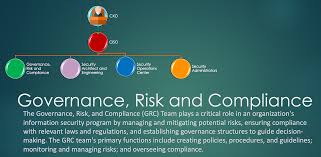
The Importance of Governance, Risk, and Compliance (GRC) Software

In today’s complex business landscape, organisations face a myriad of challenges when it comes to managing governance, risk, and compliance (GRC) requirements. To navigate these challenges effectively, many businesses are turning to GRC software solutions that streamline processes, enhance visibility, and ensure regulatory adherence.

What is GRC Software?

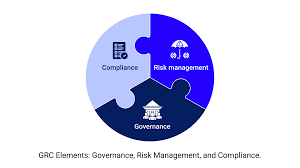
GRC software is a comprehensive tool designed to help companies manage the interconnected areas of governance, risk management, and compliance within a single platform. By integrating these functions, GRC software enables organisations to align their strategies with objectives, identify and mitigate risks, and maintain compliance with relevant regulations and standards.

The Benefits of GRC Software

Implementing GRC software offers a wide range of benefits for businesses seeking to enhance their overall governance framework:

  • Efficiency: GRC software automates manual tasks and centralises data, saving time and reducing errors in managing governance processes.
  • Visibility: With real-time reporting and analytics capabilities, GRC software provides stakeholders with clear insights into risks and compliance status across the organisation.
  • Risk Mitigation: By identifying potential risks early on and implementing controls, GRC software helps businesses proactively manage threats to their operations.
  • Compliance Assurance: GRC software ensures that companies adhere to industry regulations and standards by tracking requirements and facilitating audits.
  • Cross-functional Integration: GRC software breaks down silos between governance, risk management, and compliance functions by fostering collaboration across departments.

Choosing the Right GRC Software

When selecting a GRC software solution for your organisation, consider the following factors:

  • Scalability: Ensure that the software can grow with your business needs and adapt to changing regulatory environments.
  • User-Friendly Interface: Look for intuitive design features that make it easy for employees at all levels to engage with the platform.
  • Customisation Options: Seek out software that can be tailored to your specific industry requirements and internal processes.
  • Data Security: Prioritise solutions that offer robust security measures to protect sensitive information from breaches or cyber threats.

In Conclusion

Governance, risk management, and compliance are critical components of a successful business strategy. By investing in GRC software that streamlines these functions and enhances visibility into organisational processes, companies can effectively manage risks, ensure regulatory compliance, and drive sustainable growth in today’s dynamic business environment.


Top 6 Frequently Asked Questions About Governance, Risk, and Compliance (GRC) Software

  1. What is GRC software and how does it work?
  2. What are the key benefits of implementing GRC software?
  3. How can GRC software help organisations manage risks effectively?
  4. What features should I look for when choosing a GRC software solution?
  5. How does GRC software ensure compliance with regulatory requirements?
  6. Is GRC software suitable for businesses of all sizes?

What is GRC software and how does it work?

GRC software, short for Governance, Risk, and Compliance software, is a comprehensive tool designed to integrate and streamline the management of governance processes, risk assessment, and compliance activities within an organisation. This software works by centralising data related to governance frameworks, risk assessments, and compliance requirements in a unified platform. It enables businesses to establish and enforce policies, identify potential risks, assess their impact on operations, and ensure adherence to regulatory standards. By providing real-time insights and reporting capabilities, GRC software empowers organisations to proactively manage risks, maintain compliance with industry regulations, and enhance overall governance practices effectively.

What are the key benefits of implementing GRC software?

When considering the implementation of GRC software, it is essential to understand the key benefits it offers to organisations. By adopting GRC software, businesses can enhance operational efficiency, improve risk management processes, ensure regulatory compliance, and promote cross-functional collaboration. The software’s ability to automate tasks, provide real-time insights into risks and compliance status, and facilitate proactive risk mitigation strategies are among the primary advantages that help companies navigate complex governance, risk, and compliance requirements effectively.

How can GRC software help organisations manage risks effectively?

GRC software plays a crucial role in helping organisations manage risks effectively by providing a centralised platform for identifying, assessing, and mitigating potential threats. By consolidating governance, risk management, and compliance functions, GRC software enables businesses to proactively monitor risks across various areas of operation. Through real-time reporting and analytics capabilities, organisations gain valuable insights into their risk landscape, allowing them to make informed decisions and implement controls to minimise vulnerabilities. Additionally, GRC software facilitates compliance with regulatory requirements by tracking obligations and streamlining audit processes, ultimately enhancing the overall risk management strategy of the organisation.

What features should I look for when choosing a GRC software solution?

When considering a GRC software solution, it is essential to look for key features that align with your organisation’s specific needs. Some crucial features to consider include robust risk assessment and management tools, comprehensive compliance tracking capabilities, customisable reporting functionalities, integration with existing systems for seamless data flow, user-friendly interface for easy adoption across teams, and scalability to accommodate future growth and evolving regulatory requirements. By prioritising these features when choosing a GRC software solution, you can effectively streamline governance, risk management, and compliance processes within your organisation.

How does GRC software ensure compliance with regulatory requirements?

GRC software plays a crucial role in ensuring compliance with regulatory requirements by providing a centralised platform for managing and monitoring all aspects of governance, risk, and compliance within an organisation. Through robust features such as automated workflows, real-time reporting, and audit trails, GRC software helps companies track regulatory changes, assess their impact on operations, and implement necessary controls to meet compliance obligations. By streamlining processes, facilitating data analysis, and enabling proactive risk management strategies, GRC software empowers businesses to stay ahead of regulatory requirements and maintain a culture of adherence to standards and regulations.

Is GRC software suitable for businesses of all sizes?

The suitability of GRC software for businesses of all sizes depends on various factors, including the specific needs and resources of the organisation. While larger enterprises often have more complex governance, risk, and compliance requirements that can benefit from robust GRC software solutions, smaller businesses can also leverage GRC tools to enhance their operational efficiency and regulatory adherence. It is essential for businesses to evaluate their unique GRC challenges, budget constraints, and scalability requirements when considering the adoption of GRC software, ensuring that the chosen solution aligns effectively with their size and objectives.

The Importance of Governance Risk and Compliance Software

The Importance of Governance Risk and Compliance Software

In today’s complex business environment, organisations face a myriad of challenges when it comes to managing governance, risk, and compliance (GRC) activities. To address these challenges effectively, many companies are turning to specialised software solutions that streamline and automate GRC processes.

What is GRC Software?

GRC software is a comprehensive tool that helps businesses manage their governance, risk management, and compliance activities in an integrated manner. It enables organisations to establish a structured approach to assess risks, define controls, monitor compliance with regulations, and ensure alignment with strategic objectives.

The Benefits of GRC Software

Implementing GRC software offers numerous benefits to organisations:

  • Efficiency: GRC software automates manual processes, reducing the time and effort required to manage governance, risk, and compliance activities.
  • Accuracy: By centralising data and providing real-time insights, GRC software helps ensure data accuracy and integrity across all GRC functions.
  • Compliance: GRC software enables companies to stay compliant with industry regulations and standards by providing tools for monitoring and reporting on regulatory requirements.
  • Risk Management: With advanced risk assessment capabilities, GRC software helps organisations identify potential risks proactively and implement controls to mitigate them.
  • Cost Savings: By streamlining processes and improving efficiency, GRC software can lead to cost savings in terms of resource allocation and regulatory fines avoidance.

Choosing the Right GRC Software

When selecting GRC software for your organisation, consider the following factors:

  • User-Friendly Interface: Look for software that is intuitive and easy for employees at all levels to use.
  • Scalability: Ensure that the software can grow with your organisation’s needs as it expands.
  • Integration Capabilities: Choose a solution that can integrate seamlessly with existing systems for optimal data flow.
  • Coverage of Regulations: Select software that covers the specific regulations relevant to your industry or region.
  • Data Security: Prioritise solutions that offer robust security features to protect sensitive GRC data.

In conclusion, governance risk and compliance software play a crucial role in helping organisations navigate the complexities of regulatory requirements while effectively managing risks. By investing in the right GRC software solution, businesses can enhance their operational efficiency, ensure compliance with regulations, and safeguard their reputation in an increasingly regulated business landscape.


Top 7 Tips for Optimising Governance, Risk, and Compliance Software

  1. Ensure the software is user-friendly to encourage adoption across the organisation.
  2. Customise the software to align with your specific governance, risk, and compliance requirements.
  3. Regularly update the software to ensure it remains effective and compliant with changing regulations.
  4. Provide adequate training to employees on how to use the software correctly for maximum benefit.
  5. Integrate the software with other relevant systems for seamless data sharing and reporting.
  6. Implement strong security measures to protect sensitive data stored in the software.
  7. Regularly review and assess the performance of the software to identify areas for improvement.

Ensure the software is user-friendly to encourage adoption across the organisation.

To maximise the effectiveness of governance risk and compliance software within an organisation, it is essential to ensure that the software is user-friendly. A user-friendly interface not only simplifies the navigation and use of the software but also encourages widespread adoption across different departments and levels of the organisation. By prioritising ease of use in GRC software, companies can promote better engagement from employees, leading to increased compliance with GRC processes and improved overall governance and risk management practices.

Customise the software to align with your specific governance, risk, and compliance requirements.

To maximise the effectiveness of governance risk and compliance software, it is essential to customise the solution to align with your organisation’s specific governance, risk, and compliance requirements. By tailoring the software to suit your unique needs and processes, you can ensure that it accurately reflects your internal policies, regulatory obligations, and risk management strategies. Customisation allows for a more targeted approach to managing GRC activities, enabling better control over potential risks and enhancing overall compliance efforts.

Regularly update the software to ensure it remains effective and compliant with changing regulations.

It is essential to regularly update governance risk and compliance software to maintain its effectiveness and alignment with evolving regulations. By staying current with software updates, organisations can ensure that their GRC tools continue to provide accurate and reliable support in managing risks and maintaining compliance. Updating the software enables businesses to incorporate new features, address potential vulnerabilities, and adapt to changing regulatory requirements, ultimately enhancing the overall efficiency and effectiveness of their GRC processes.

Provide adequate training to employees on how to use the software correctly for maximum benefit.

To maximise the benefits of governance risk and compliance software, it is crucial to provide employees with adequate training on how to use the software effectively. By offering comprehensive training sessions, organisations can ensure that their staff understand the functionalities of the software and how to leverage its features optimally. Proper training not only enhances user proficiency but also promotes a culture of compliance and risk awareness within the organisation. Investing in employee education on GRC software usage can lead to improved data accuracy, streamlined processes, and better overall governance practices.

Integrate the software with other relevant systems for seamless data sharing and reporting.

To maximise the effectiveness of governance risk and compliance software, it is essential to integrate the system with other relevant platforms for seamless data sharing and reporting. By connecting GRC software with existing systems such as ERP or CRM solutions, organisations can ensure a consistent flow of information across all departments. This integration not only enhances data accuracy but also streamlines reporting processes, allowing for a comprehensive view of governance, risk, and compliance activities. Ultimately, seamless integration empowers businesses to make better-informed decisions and proactively address potential risks and compliance issues.

Implement strong security measures to protect sensitive data stored in the software.

It is essential to implement robust security measures to safeguard sensitive data stored within governance risk and compliance software. By prioritising data security, organisations can prevent unauthorised access, data breaches, and potential compliance violations. Strong security measures, such as encryption, access controls, regular audits, and employee training on data protection best practices, help ensure the confidentiality and integrity of critical information within the software. Investing in stringent security protocols not only protects sensitive data but also enhances overall trust in the GRC processes and strengthens the organisation’s resilience against cyber threats.

Regularly review and assess the performance of the software to identify areas for improvement.

Regularly reviewing and assessing the performance of governance risk and compliance software is a critical practice in ensuring its effectiveness within an organisation. By conducting periodic evaluations, businesses can identify areas for improvement, address any shortcomings, and optimise the software to better meet their GRC needs. This proactive approach not only enhances the overall functionality of the software but also helps in maintaining compliance with regulations and mitigating risks effectively. Continuous monitoring and assessment enable companies to adapt to changing requirements, enhance operational efficiency, and strengthen their governance practices for long-term success.

The Importance of IT GRC Software in Modern Business Operations

IT Governance, Risk, and Compliance (GRC) software has become an essential tool for businesses seeking to manage their IT operations effectively. In today’s rapidly evolving technological landscape, organisations face a myriad of challenges related to data security, regulatory compliance, and risk management. Implementing robust IT GRC software can help businesses streamline their processes, mitigate risks, and ensure compliance with industry standards.

Enhanced Governance

Effective governance is crucial for maintaining control over IT operations and ensuring alignment with business objectives. IT GRC software provides a centralised platform for defining policies, procedures, and controls that govern the organisation’s IT environment. By establishing clear governance structures, businesses can enhance transparency, accountability, and decision-making processes within their IT departments.

Risk Management

Risk management is a key component of any successful business strategy. IT GRC software enables organisations to identify, assess, and mitigate risks associated with their IT systems and infrastructure. By conducting risk assessments and implementing controls to address vulnerabilities, businesses can proactively safeguard their data assets and minimise the likelihood of security breaches or compliance violations.

Compliance Assurance

Adhering to regulatory requirements is a fundamental aspect of operating in today’s business environment. Non-compliance can result in severe financial penalties, reputational damage, and legal consequences. IT GRC software helps businesses monitor regulatory changes, assess their impact on operations, and implement controls to ensure compliance with relevant laws and standards. By automating compliance processes and generating audit trails, organisations can demonstrate adherence to regulations during internal audits or regulatory inspections.

Efficiency and Cost Savings

Implementing IT GRC software can lead to significant efficiency gains by streamlining processes, eliminating manual tasks, and reducing the likelihood of errors or oversights. By centralising governance, risk management, and compliance activities within a unified platform, businesses can save time and resources that would otherwise be spent on disparate systems or manual interventions. Moreover, by proactively addressing risks and compliance issues through automated workflows and reporting tools, organisations can avoid costly incidents that may arise from non-compliance or security breaches.

Conclusion

In conclusion, IT GRC software plays a vital role in helping businesses navigate the complexities of modern IT environments. By enhancing governance structures, managing risks effectively,

ensuring compliance with regulations,

and improving operational efficiency,

organisations can build resilient

and secure IT infrastructures that support

their long-term success.

The investment in robust

IT GRC software is not only a strategic decision

but also a necessity for businesses looking

to thrive in an increasingly digital world.


9 Essential Tips for Maximising Your IT GRC Software

  1. Regularly update your IT GRC software to ensure you have the latest features and security patches.
  2. Customise the software to align with your organisation’s specific governance, risk, and compliance requirements.
  3. Provide comprehensive training to users on how to effectively use the IT GRC software.
  4. Implement role-based access controls to restrict system permissions based on user responsibilities.
  5. Regularly monitor and audit user activities within the IT GRC software for security and compliance purposes.
  6. Integrate the IT GRC software with other relevant systems in your organisation for seamless data flow and analysis.
  7. Establish clear policies and procedures for using the IT GRC software to maintain consistency and accuracy of data input.
  8. Regularly review and update risk assessments within the software to adapt to changing business environments.
  9. Engage with vendors or consultants for expert guidance on optimising your use of IT GRC software.

Regularly update your IT GRC software to ensure you have the latest features and security patches.

It is crucial to regularly update your IT GRC software to stay abreast of the latest features and security patches. By keeping your software up-to-date, you can ensure that your organisation benefits from enhanced functionality and protection against emerging threats. Regular updates help to address vulnerabilities, improve system performance, and align your IT GRC practices with industry best practices. By prioritising software updates, you demonstrate a commitment to maintaining a robust and secure IT environment that is equipped to handle the evolving challenges of governance, risk management, and compliance.

Customise the software to align with your organisation’s specific governance, risk, and compliance requirements.

To maximise the effectiveness of IT GRC software, it is crucial to customise the platform to align with your organisation’s unique governance, risk, and compliance requirements. By tailoring the software to reflect your internal policies, industry regulations, and risk management strategies, you can ensure that it addresses the specific challenges and priorities of your business. Customisation allows for a more targeted approach to managing IT operations, enabling you to proactively identify and address risks while maintaining compliance with relevant standards. This level of personalisation enhances the software’s usability and relevance within your organisation, ultimately leading to more efficient governance practices and better risk mitigation outcomes.

Provide comprehensive training to users on how to effectively use the IT GRC software.

To maximise the benefits of IT GRC software within an organisation, it is crucial to provide comprehensive training to users on how to effectively utilise the platform. By offering thorough training sessions, employees can gain a deeper understanding of the software’s functionalities and capabilities. This empowers them to navigate the system confidently, adhere to best practices, and leverage its features to enhance governance, risk management, and compliance efforts. Proper training ensures that users can optimise their use of the IT GRC software, contributing to improved efficiency, accuracy, and overall success in managing IT operations within the organisation.

Implement role-based access controls to restrict system permissions based on user responsibilities.

Implementing role-based access controls is a crucial tip when utilising IT GRC software. By assigning permissions based on user roles and responsibilities, organisations can ensure that individuals only have access to the information and functionalities necessary for their specific job functions. This approach not only enhances security by reducing the risk of unauthorised access but also streamlines operations by promoting efficient workflow management. Role-based access controls help enforce the principle of least privilege, limiting potential vulnerabilities and ensuring compliance with regulatory requirements related to data protection and access control.

Regularly monitor and audit user activities within the IT GRC software for security and compliance purposes.

To enhance security and compliance within IT GRC software, it is essential to regularly monitor and audit user activities. By closely tracking user interactions and system usage, organisations can detect any suspicious behaviour, unauthorised access attempts, or policy violations promptly. Monitoring user activities also helps in identifying potential security risks and ensuring adherence to regulatory requirements. By conducting regular audits of user actions within the IT GRC software, businesses can maintain a secure environment, mitigate risks effectively, and demonstrate compliance with industry standards.

Integrate the IT GRC software with other relevant systems in your organisation for seamless data flow and analysis.

By integrating your IT GRC software with other pertinent systems within your organisation, you can facilitate a seamless flow of data and enhance the analysis process. This integration allows for the consolidation of information from various sources, providing a comprehensive view of your IT landscape. By connecting GRC software with other systems such as incident management, asset inventory, and compliance monitoring tools, you can streamline processes, improve data accuracy, and gain valuable insights to make informed decisions regarding governance, risk management, and compliance strategies.

Establish clear policies and procedures for using the IT GRC software to maintain consistency and accuracy of data input.

To ensure the effectiveness of IT GRC software, it is imperative to establish clear policies and procedures governing its usage. By defining guidelines for data input and management within the software, organisations can maintain consistency and accuracy in their information. Clear policies help users understand how to interact with the system, ensuring that data is entered correctly and consistently across all functions. This approach not only enhances the reliability of the data but also streamlines processes, facilitates reporting, and supports informed decision-making based on accurate information.

Regularly review and update risk assessments within the software to adapt to changing business environments.

It is crucial to regularly review and update risk assessments within IT GRC software to adapt to changing business environments. By continuously reassessing risks, organisations can identify new threats, vulnerabilities, and compliance requirements that may arise due to evolving technologies or market conditions. Updating risk assessments ensures that businesses remain proactive in mitigating potential risks and maintaining compliance with regulatory standards. This practice enables organisations to stay ahead of emerging threats and challenges, safeguarding their IT infrastructure and data assets effectively.

Engage with vendors or consultants for expert guidance on optimising your use of IT GRC software.

Engaging with vendors or consultants can provide invaluable expert guidance on optimising your use of IT GRC software. These professionals bring a wealth of knowledge and experience to the table, offering insights into best practices, customisation options, and potential pitfalls to avoid. By leveraging their expertise, you can maximise the effectiveness of your IT GRC software implementation, ensuring that it aligns seamlessly with your organisation’s specific needs and objectives. Collaborating with vendors or consultants can help you unlock the full potential of your IT GRC solution and enhance your overall governance, risk management, and compliance efforts.

The Importance of Management Software in Modern Business

The Importance of Management Software in Modern Business

In today’s fast-paced and competitive business environment, effective management is crucial for success. One key tool that has revolutionised the way businesses operate is management software. This technology has streamlined processes, enhanced efficiency, and improved decision-making across various industries.

Streamlining Operations

Management software automates routine tasks such as data entry, scheduling, and reporting, freeing up valuable time for employees to focus on more strategic activities. By centralising information and providing real-time updates, these tools enable seamless collaboration among team members and departments.

Enhancing Efficiency

With features like workflow automation and performance tracking, management software helps businesses identify bottlenecks, optimise workflows, and allocate resources more effectively. This leads to increased productivity and cost savings, giving companies a competitive edge in their respective markets.

Improving Decision-Making

Access to accurate and up-to-date data is essential for making informed decisions. Management software provides comprehensive analytics and reporting capabilities that enable managers to monitor key performance indicators, identify trends, and forecast future outcomes. This empowers organisations to make strategic decisions based on data-driven insights.

Ensuring Compliance

In highly regulated industries, compliance with legal requirements is non-negotiable. Management software helps businesses stay compliant by automating regulatory processes, maintaining audit trails, and generating compliance reports. This reduces the risk of non-compliance penalties and fosters a culture of transparency within the organisation.

Conclusion

Management software has become an indispensable tool for modern businesses looking to stay competitive and agile in today’s dynamic market landscape. By streamlining operations, enhancing efficiency, improving decision-making, and ensuring compliance, this technology empowers organisations to achieve their strategic goals effectively.


Six Key Tips for Selecting and Utilising Management Software Effectively in Your Business

  1. Choose a management software that aligns with your specific business needs and goals.
  2. Ensure the software is user-friendly and provides adequate training and support for your team.
  3. Regularly update the software to benefit from new features, improvements, and security patches.
  4. Integrate the management software with other tools and systems used in your organisation for seamless operations.
  5. Monitor usage and gather feedback from users to continuously improve processes and optimise performance.
  6. Have a backup plan in place in case of system failures or data loss to minimise disruptions to your business.

Choose a management software that aligns with your specific business needs and goals.

When selecting management software for your business, it is crucial to choose a solution that aligns with your specific needs and goals. By identifying the unique requirements of your organisation, you can ensure that the software not only meets your current operational challenges but also supports your long-term objectives. Tailoring the software to fit your business processes and strategic priorities can maximise its effectiveness in improving efficiency, enhancing decision-making, and driving overall success.

Ensure the software is user-friendly and provides adequate training and support for your team.

When implementing management software in your business, it is crucial to ensure that the chosen solution is user-friendly and accompanied by sufficient training and support for your team. User-friendly software enhances adoption rates and minimises resistance to change among employees, leading to smoother integration into daily operations. Additionally, providing adequate training and support equips your team with the necessary skills and knowledge to leverage the software’s full potential, ultimately maximising its benefits for your organisation. Prioritising user-friendliness and comprehensive support mechanisms can significantly contribute to the successful implementation and utilisation of management software within your company.

Regularly update the software to benefit from new features, improvements, and security patches.

To maximise the benefits of management software, it is essential to regularly update the system. By staying current with software updates, businesses can take advantage of new features that enhance functionality, improvements that boost performance, and security patches that protect against potential vulnerabilities. Keeping the software up-to-date ensures that organisations are equipped with the latest tools and safeguards to operate efficiently and securely in today’s ever-evolving business landscape.

Integrate the management software with other tools and systems used in your organisation for seamless operations.

To maximise the benefits of management software, it is essential to integrate it with other tools and systems utilised within your organisation. By integrating management software with existing systems, such as CRM platforms or project management tools, you can achieve seamless operations and enhance overall efficiency. This integration allows for streamlined data sharing, improved communication between different departments, and better coordination of tasks. Ultimately, integrating management software with other tools ensures a cohesive and interconnected workflow that optimises productivity and facilitates better decision-making processes.

Monitor usage and gather feedback from users to continuously improve processes and optimise performance.

To maximise the effectiveness of management software, it is essential to monitor its usage and gather feedback from users regularly. By tracking how the software is being utilised and listening to user feedback, businesses can identify areas for improvement, address pain points, and optimise processes to enhance overall performance. This iterative approach not only ensures that the software meets the evolving needs of the organisation but also fosters a culture of continuous improvement and innovation within the company.

Have a backup plan in place in case of system failures or data loss to minimise disruptions to your business.

Having a backup plan in place is essential when utilising management software to ensure the continuity of your business operations. In the event of system failures or data loss, having a reliable backup strategy can minimise disruptions and prevent potential setbacks. By implementing robust backup procedures, businesses can safeguard their critical information and quickly restore functionality, allowing them to maintain productivity and mitigate any unforeseen challenges effectively.