The Power of SAP Cloud Identity Access Governance

The Power of SAP Cloud Identity Access Governance

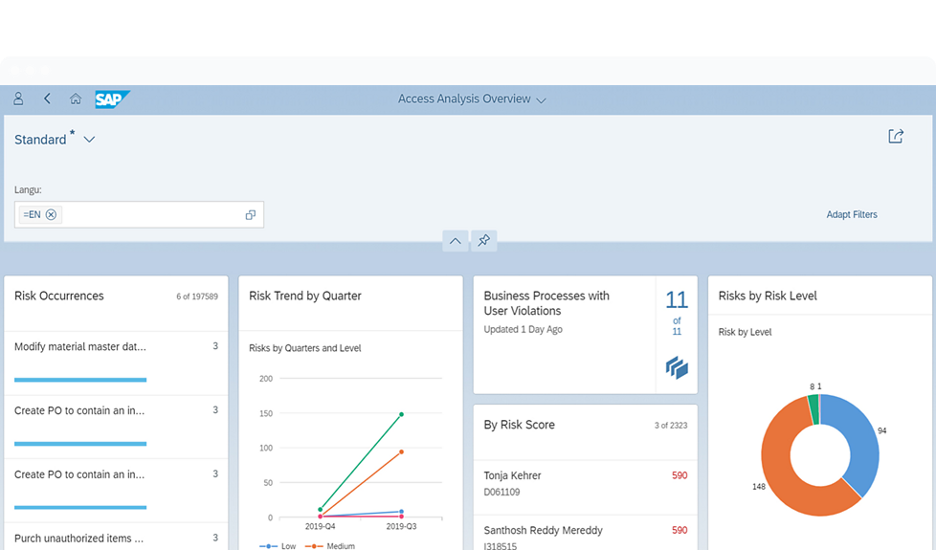
In today’s digital landscape, where data security and compliance are paramount, organisations are turning to advanced solutions to manage access control effectively. SAP Cloud Identity Access Governance (IAG) is a powerful tool that offers a comprehensive approach to identity and access management in the cloud.

What is SAP Cloud IAG?

SAP Cloud IAG provides organisations with the ability to govern user access across their entire IT landscape, including cloud applications and on-premise systems. By centralising access control mechanisms, SAP Cloud IAG helps businesses streamline their identity management processes and ensure compliance with regulatory requirements.

Key Features of SAP Cloud IAG

  • Role-Based Access Control: SAP Cloud IAG enables organisations to assign roles to users based on their responsibilities, ensuring that individuals have the appropriate level of access.
  • Automated Provisioning: The solution automates user provisioning and deprovisioning processes, reducing the risk of human error and improving operational efficiency.
  • Segregation of Duties (SoD) Analysis: SAP Cloud IAG identifies conflicts in user access rights to prevent fraudulent activities and maintain data integrity.
  • Compliance Reporting: Organisations can generate detailed reports on user access activities to demonstrate compliance with industry regulations and internal policies.

The Benefits of Implementing SAP Cloud IAG

By leveraging SAP Cloud IAG, businesses can experience a range of benefits, including:

  • Enhanced Security: Strengthen your organisation’s security posture by enforcing strict access controls and monitoring user activities.
  • Improved Compliance: Simplify compliance audits by maintaining accurate records of user access permissions and activities.
  • Operational Efficiency: Streamline identity management processes through automation, reducing administrative overhead and costs.
  • Risk Mitigation: Identify and mitigate risks associated with inappropriate user access rights through continuous monitoring and analysis.

In Conclusion

SAP Cloud Identity Access Governance is a valuable solution for organisations looking to enhance their identity and access management practices in the cloud. By implementing this tool, businesses can achieve greater security, compliance, and operational efficiency while mitigating risks associated with improper user access. Embrace the power of SAP Cloud IAG to safeguard your digital assets and drive business success in today’s dynamic environment.


Enhancing Security and Efficiency: 8 Key Benefits of SAP Cloud Identity Access Governance

  1. Centralised access control for cloud applications and on-premise systems.
  2. Role-based access control ensures users have appropriate permissions.
  3. Automated provisioning and deprovisioning processes improve operational efficiency.
  4. Segregation of Duties (SoD) analysis identifies conflicts in user access rights.
  5. Compliance reporting simplifies audits by providing detailed user access activity logs.
  6. Enhanced security through strict access controls and monitoring capabilities.
  7. Improved compliance with industry regulations and internal policies.
  8. Operational efficiency gains through streamlined identity management processes.


Exploring the Challenges of SAP Cloud Identity Access Governance: Key Drawbacks to Consider

  1. Complex Implementation Process
  2. Costly Licensing Fees
  3. Limited Customisation Options
  4. Integration Challenges
  5. User Training Requirements
  6. Maintenance Overhead
  7. Scalability Concerns

Centralised access control for cloud applications and on-premise systems.

SAP Cloud Identity Access Governance offers the significant advantage of centralised access control for both cloud applications and on-premise systems. This feature allows organisations to manage user access across their entire IT landscape from a single platform, streamlining the process of assigning roles, permissions, and monitoring activities. By centralising access control mechanisms, businesses can ensure consistent security measures are applied across all systems, enhancing overall data protection and compliance with regulatory standards.

Role-based access control ensures users have appropriate permissions.

Role-based access control is a crucial feature of SAP Cloud Identity Access Governance that plays a pivotal role in ensuring that users are granted the appropriate permissions based on their roles and responsibilities within an organisation. By assigning specific roles to users, organisations can effectively manage access rights, reduce the risk of data breaches, and maintain compliance with regulatory requirements. This granular control over user permissions enhances security measures and helps prevent unauthorised access to sensitive information, ultimately contributing to a more secure and streamlined identity management process.

Automated provisioning and deprovisioning processes improve operational efficiency.

Automated provisioning and deprovisioning processes offered by SAP Cloud Identity Access Governance play a crucial role in enhancing operational efficiency within organisations. By automating the assignment and removal of user access rights, businesses can streamline their identity management workflows, reduce manual intervention, and eliminate the delays associated with manual provisioning processes. This not only saves time and resources but also ensures that users have the necessary access privileges promptly, contributing to a more agile and efficient IT environment.

Segregation of Duties (SoD) analysis identifies conflicts in user access rights.

Segregation of Duties (SoD) analysis within SAP Cloud Identity Access Governance is a crucial feature that plays a significant role in enhancing data security. By identifying conflicts in user access rights, SoD analysis helps prevent fraudulent activities and maintain the integrity of sensitive information. This proactive approach ensures that individuals are not granted conflicting permissions that could lead to potential security breaches or compliance violations. With SoD analysis, organisations can effectively mitigate risks and uphold a robust access control framework to safeguard their digital assets.

Compliance reporting simplifies audits by providing detailed user access activity logs.

Compliance reporting offered by SAP Cloud Identity Access Governance simplifies audits by furnishing comprehensive user access activity logs. Organisations can easily generate detailed reports that document user permissions and actions, facilitating compliance audits with regulatory standards and internal policies. This feature not only streamlines the audit process but also ensures transparency and accountability in managing user access within the IT environment.

Enhanced security through strict access controls and monitoring capabilities.

Enhanced security is a key benefit of SAP Cloud Identity Access Governance, achieved through the implementation of strict access controls and robust monitoring capabilities. By enforcing granular access permissions and continuously monitoring user activities, organisations can significantly reduce the risk of unauthorised access and potential security breaches. This proactive approach to security not only safeguards sensitive data but also helps in maintaining the integrity of IT systems, ensuring a secure digital environment for business operations.

Improved compliance with industry regulations and internal policies.

By utilising SAP Cloud Identity Access Governance, organisations can significantly enhance their compliance with industry regulations and internal policies. This pro ensures that businesses maintain adherence to relevant standards and guidelines, reducing the risk of non-compliance penalties and reputational damage. With robust access controls and comprehensive reporting capabilities, SAP Cloud IAG empowers companies to demonstrate their commitment to regulatory compliance while fostering a culture of governance and accountability within their operations.

Operational efficiency gains through streamlined identity management processes.

One significant advantage of SAP Cloud Identity Access Governance is the operational efficiency gains it offers through streamlined identity management processes. By automating user provisioning and deprovisioning, organisations can reduce manual efforts, minimise errors, and enhance overall productivity. This streamlined approach not only saves time and resources but also ensures that users have the appropriate access levels promptly, contributing to a more efficient and agile IT environment.

Complex Implementation Process

One notable drawback of SAP Cloud Identity Access Governance is the complex implementation process it entails. Establishing SAP Cloud IAG can be a time-consuming endeavour that demands a high level of expertise. Organisations may face challenges in configuring the system to align with their specific requirements, potentially leading to delays in deployment and increased resource allocation for implementation. The intricate nature of setting up SAP Cloud IAG underscores the importance of proper planning and skilled personnel to navigate through the complexities effectively.

Costly Licensing Fees

One significant drawback of SAP Cloud Identity Access Governance is the issue of costly licensing fees. For many organisations, the financial burden of acquiring and maintaining licenses for this solution can be prohibitive. The high costs associated with SAP Cloud IAG may deter smaller businesses or those operating on tight budgets from fully leveraging its benefits. This financial barrier could limit access to advanced identity and access management capabilities, potentially hindering organisations from implementing robust security measures and compliance practices.

Limited Customisation Options

One drawback of SAP Cloud Identity Access Governance is its limited customisation options, which may not fully align with the unique and specific needs of all businesses. While the platform offers a range of features and functionalities, some organisations may find that they require more flexibility to tailor the system to their individual requirements. This limitation in customisation could potentially hinder certain businesses from fully optimising their identity and access management processes within the SAP Cloud IAG environment.

Integration Challenges

Integrating SAP Cloud Identity Access Governance with existing IT systems and applications can present a significant challenge due to compatibility issues. The complexity of integrating the solution with diverse systems may result in disruptions to existing workflows and processes. Ensuring seamless integration requires thorough planning, expertise, and potentially additional resources, which can add complexity and time to the implementation process. Addressing these integration challenges effectively is crucial to maximising the benefits of SAP Cloud IAG while minimising potential disruptions to the organisation’s operations.

User Training Requirements

User Training Requirements can be seen as a drawback of SAP Cloud Identity Access Governance. To fully leverage the features and functionalities of the system, users may need to undergo training sessions to understand its intricacies and capabilities. This additional training can incur time and resource costs for organisations, as they must ensure that their users are proficient in utilising SAP Cloud IAG effectively. Failure to provide adequate training may result in underutilisation of the system, limiting its potential benefits for the organisation.

Maintenance Overhead

One significant drawback of SAP Cloud Identity Access Governance is the maintenance overhead it imposes on IT teams. The need for ongoing maintenance and updates to ensure the smooth functioning of the system can contribute to increased operational burdens. IT personnel may find themselves dedicating substantial time and effort to managing and updating SAP Cloud IAG, diverting resources from other critical tasks within the organisation. This maintenance overhead can potentially impact operational efficiency and strain IT resources, highlighting a key challenge associated with implementing and sustaining SAP Cloud IAG.

Scalability Concerns

Scalability concerns can pose a significant challenge for organisations utilising SAP Cloud Identity Access Governance. The process of scaling up or down within the platform may prove to be complex, particularly for businesses experiencing rapid growth or fluctuating user populations. This limitation could potentially hinder the seamless expansion or contraction of access control mechanisms, impacting the organisation’s ability to adapt quickly to changing operational requirements. Effective planning and proactive strategies are essential to address scalability concerns and ensure the continued efficacy of SAP Cloud IAG in dynamic business environments.

Securing Your Digital Assets: The Power of Cloud Identity Management

The Importance of Cloud Identity Management

The Importance of Cloud Identity Management

In today’s digital age, where businesses are increasingly moving towards cloud-based solutions, the need for robust cloud identity management has never been more critical. Cloud identity management refers to the processes and technologies used to manage and secure digital identities across cloud applications and services.

One of the key benefits of cloud identity management is enhanced security. With employees accessing company resources from various devices and locations, traditional on-premises identity management systems are no longer sufficient. Cloud identity management provides a centralised way to control access to applications and data, ensuring that only authorised users can log in and perform actions.

Scalability is another advantage of cloud identity management. As businesses grow and adopt more cloud services, managing user identities manually becomes increasingly complex. Cloud identity management platforms can scale effortlessly to accommodate new users, applications, and devices without compromising security or efficiency.

Furthermore, cloud identity management promotes productivity by simplifying user access to resources. Single sign-on (SSO) capabilities allow users to log in once and access multiple applications seamlessly, reducing the need to remember multiple passwords. This not only enhances user experience but also minimises the risk of password-related security incidents.

Compliance requirements are also easier to meet with cloud identity management solutions. By enforcing access controls, monitoring user activities, and generating audit reports, businesses can demonstrate compliance with regulations such as GDPR or HIPAA more effectively.

In conclusion, investing in robust cloud identity management is essential for modern businesses looking to secure their digital assets, streamline access control processes, and ensure compliance with regulatory standards. By leveraging the benefits of cloud-based identity solutions, organisations can enhance security posture, improve operational efficiency, and empower their workforce in an increasingly digital world.


Understanding Cloud Identity Management: Key Concepts and FAQs

  1. How to identity management is done in cloud computing?
  2. What is Cloud Identity access management why it is important?
  3. What is IdM vs IAM?
  4. What is a cloud identity platform?
  5. What is cloud identity management?

How to identity management is done in cloud computing?

In cloud computing, identity management is typically achieved through the use of specialised cloud identity management services or platforms. These services allow organisations to centralise user authentication, authorisation, and access control for their cloud-based resources. Users are assigned unique digital identities that grant them specific permissions based on predefined policies. Multi-factor authentication, single sign-on, and role-based access control are common features used to enhance security and streamline user access in cloud environments. By leveraging cloud identity management solutions, businesses can effectively manage user identities across various cloud services while ensuring data security and regulatory compliance.

What is Cloud Identity access management why it is important?

Cloud Identity Access Management (IAM) is a crucial aspect of cloud security that focuses on controlling and managing user access to cloud resources. It involves defining and enforcing policies that determine who has access to what within a cloud environment. Cloud IAM plays a vital role in ensuring that only authorised individuals can log in, access data, and perform actions within cloud applications and services. This is important because it helps prevent unauthorised access, data breaches, and misuse of sensitive information. By implementing robust Cloud IAM practices, organisations can enhance their overall security posture, maintain compliance with regulations, and safeguard their digital assets from potential threats.

What is IdM vs IAM?

In the realm of cloud identity management, a common query revolves around distinguishing between IdM (Identity Management) and IAM (Identity and Access Management). IdM primarily focuses on managing digital identities, encompassing tasks such as user authentication, provisioning, and deprovisioning. On the other hand, IAM extends beyond identity management to include controlling user access to resources based on predefined policies and permissions. While IdM lays the foundation by establishing and maintaining user identities, IAM builds upon this foundation to govern access rights and privileges within an organisation’s IT ecosystem. Understanding the nuances between IdM and IAM is crucial for implementing a comprehensive cloud identity strategy that effectively safeguards data integrity and enhances operational efficiency.

What is a cloud identity platform?

A cloud identity platform is a comprehensive solution designed to manage and secure digital identities across cloud applications and services. It serves as a centralised system for controlling user access to resources in the cloud, offering functionalities such as user authentication, authorisation, and identity governance. By leveraging a cloud identity platform, organisations can streamline their identity management processes, enhance security measures, and ensure compliance with regulatory standards. These platforms often include features like single sign-on (SSO), multi-factor authentication (MFA), and user provisioning to provide a seamless and secure user experience while maintaining control over access privileges.

What is cloud identity management?

Cloud identity management, in the context of cloud computing, refers to the practices and technologies used to securely manage and control user identities within cloud-based applications and services. It involves authenticating users, authorising access to resources, and enforcing security policies across a distributed network of cloud environments. Essentially, cloud identity management ensures that only authorised individuals can access specific data or applications in the cloud, enhancing security, scalability, and user productivity. By centralising identity management processes in the cloud, organisations can streamline access controls, simplify user authentication, and maintain compliance with regulatory requirements more effectively.