
The Power of Compliance Automation Software
In today’s fast-paced and highly regulated business environment, compliance with industry standards and regulations is a critical aspect of operations. Businesses across various sectors are required to adhere to a multitude of rules and guidelines to ensure data security, privacy protection, and operational transparency.
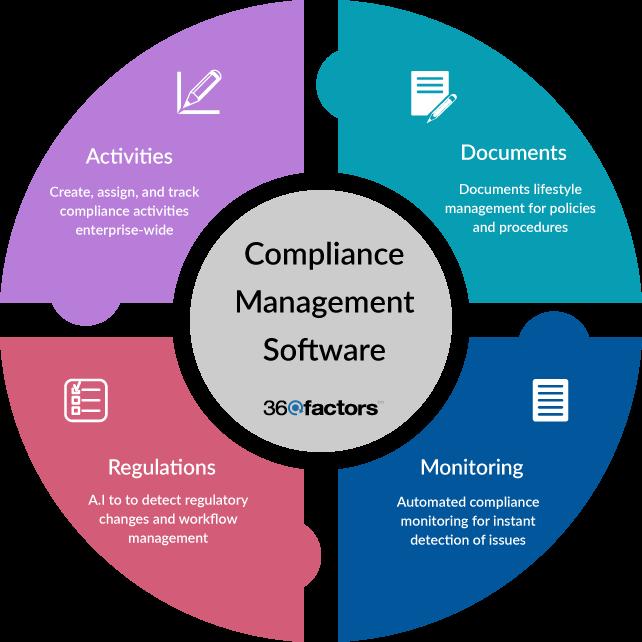
Compliance automation software has emerged as a valuable tool for organisations looking to streamline and enhance their compliance processes. This software leverages technology to automate the monitoring, reporting, and management of compliance activities, reducing manual efforts and improving accuracy.
Benefits of Compliance Automation Software:
- Efficiency: By automating routine compliance tasks such as data collection, analysis, and reporting, organisations can save time and resources while ensuring consistent adherence to regulations.
- Accuracy: Automation reduces the risk of human error in compliance processes, resulting in more reliable data and reporting for audits and regulatory requirements.
- Real-time Monitoring: Compliance automation software provides real-time visibility into compliance status, enabling proactive identification of issues and timely remediation.
- Scalability: As businesses grow or regulations evolve, compliance automation software can easily scale to accommodate changing requirements without significant manual intervention.
- Audit Trail: Automated tracking of compliance activities creates a comprehensive audit trail that demonstrates due diligence and facilitates regulatory audits or investigations.
Implementing Compliance Automation Software:
When implementing compliance automation software, organisations should consider their specific regulatory requirements, operational workflows, and IT infrastructure. Customisation options allow businesses to tailor the software to their unique needs while ensuring seamless integration with existing systems.
Training employees on the proper use of the software is essential to maximise its benefits and ensure effective compliance management. Regular updates and maintenance are also crucial to keep the software aligned with changing regulations and industry best practices.
The Future of Compliance Automation:
As regulatory requirements continue to evolve and cybersecurity threats become more sophisticated, the role of compliance automation software will only grow in importance. Organisations that invest in advanced automation tools will not only achieve greater efficiency in their compliance efforts but also strengthen their overall risk management strategies.
Enhancing Compliance: 8 Advantages of Automation Software for Efficient and Accurate Management
- Efficiency in compliance tasks
- Reduction of manual errors
- Real-time monitoring capabilities
- Scalability to evolving regulatory needs
- Creation of comprehensive audit trails
- Enhanced data accuracy for reporting
- Streamlined compliance workflows
- Improved risk management strategies
Top 7 Drawbacks of Compliance Automation Software: A Comprehensive Overview
- Initial Cost
- Complexity
- Customisation Challenges
- Integration Issues
- Dependency on Technology
- Security Risks
- Regulatory Updates
Efficiency in compliance tasks
Efficiency in compliance tasks is a key advantage of using compliance automation software. By automating routine tasks such as data collection, analysis, and reporting, organisations can significantly reduce the time and resources required to ensure adherence to regulations. This streamlined approach not only saves valuable manpower but also enhances the overall accuracy and consistency of compliance processes. With automation handling repetitive tasks, employees can focus on more strategic activities, leading to increased productivity and improved operational efficiency across the organisation.
Reduction of manual errors
One significant advantage of compliance automation software is the reduction of manual errors in compliance processes. By automating repetitive tasks such as data collection, analysis, and reporting, the software minimises the risk of human error that can occur during manual handling. This leads to more accurate and reliable compliance data, ensuring that organisations maintain a high level of precision and consistency in meeting regulatory requirements.
Real-time monitoring capabilities
Real-time monitoring capabilities are a key advantage of compliance automation software, providing organisations with immediate visibility into their compliance status. By continuously tracking and analysing data in real-time, businesses can swiftly detect any deviations from regulatory requirements or internal policies. This proactive approach allows for prompt identification of compliance issues, enabling timely interventions and remediation actions to maintain adherence to regulations. Real-time monitoring not only enhances operational efficiency but also strengthens overall risk management by keeping organisations informed and agile in addressing compliance challenges as they arise.
Scalability to evolving regulatory needs
Compliance automation software offers the invaluable benefit of scalability to evolving regulatory needs. As regulations and compliance requirements frequently undergo changes and updates, organisations must adapt swiftly to ensure continued adherence. With compliance automation software, businesses can easily adjust their processes and controls to meet new regulatory standards without the need for extensive manual reconfiguration. This scalability feature enables companies to stay compliant with the latest regulations efficiently and effectively, providing a flexible solution that grows alongside evolving regulatory landscapes.
Creation of comprehensive audit trails
One significant advantage of compliance automation software is its ability to create comprehensive audit trails. By automatically tracking and documenting all compliance activities and changes within an organisation, this feature ensures a detailed record of actions taken, decisions made, and data accessed. These audit trails not only provide transparency into compliance processes but also serve as valuable evidence during regulatory audits or investigations. The meticulous documentation facilitated by compliance automation software enhances accountability, enables quick identification of issues, and demonstrates due diligence in maintaining regulatory standards.
Enhanced data accuracy for reporting
Enhanced data accuracy for reporting is a key advantage of compliance automation software. By automating the collection and analysis of compliance-related data, organisations can significantly reduce the risk of errors that may occur in manual processes. This increased accuracy not only ensures that reports are reliable and consistent but also enhances the organisation’s ability to demonstrate regulatory compliance during audits or inspections. Compliance automation software provides a robust framework for maintaining precise and up-to-date data, ultimately improving the overall quality and integrity of compliance reporting within the organisation.
Streamlined compliance workflows
Streamlined compliance workflows are a key benefit of compliance automation software. By automating repetitive tasks, such as data collection, analysis, and reporting, organisations can significantly reduce the time and effort required to ensure regulatory compliance. This efficiency not only saves resources but also allows teams to focus on more strategic initiatives rather than getting bogged down in manual processes. With streamlined workflows, businesses can enhance their overall compliance posture and respond more effectively to changing regulatory requirements in a timely manner.
Improved risk management strategies
Compliance automation software enhances risk management strategies by providing organisations with real-time visibility into their compliance status, enabling proactive identification and mitigation of potential risks. By automating compliance processes and data analysis, businesses can more effectively assess and address vulnerabilities, ensuring regulatory compliance and reducing the likelihood of costly penalties or reputational damage. This proactive approach to risk management, supported by automation tools, allows organisations to stay ahead of emerging threats and maintain a robust security posture in an ever-changing regulatory landscape.
Initial Cost
One notable drawback of compliance automation software is the initial financial investment required. The implementation of such software often entails substantial upfront expenses related to licensing, setup, and training. Organisations may need to allocate a significant budget to cover these costs, which can be a barrier for smaller businesses or those with limited resources. Despite the long-term benefits of improved efficiency and accuracy, the initial financial outlay can pose a challenge for some companies looking to adopt compliance automation solutions.
Complexity
The complexity of certain compliance automation software can pose a significant challenge for organisations, as it may demand specialised expertise or dedicated IT resources to operate efficiently. Managing and configuring intricate automation tools could necessitate additional training or hiring of skilled personnel, adding to the operational costs and potentially causing delays in implementation. This complexity can create barriers for smaller businesses or those with limited technical capabilities, hindering their ability to fully leverage the benefits of automation in their compliance processes.
Customisation Challenges
Adapting pre-built automation solutions to specific organisational requirements can pose significant challenges in the realm of compliance automation software. The need for customisation to align with unique workflows and regulatory demands can result in a time-consuming process that requires careful consideration and expertise. Organisations may face hurdles in integrating tailored configurations into off-the-shelf solutions, potentially leading to delays in implementation and increased resource allocation. Overcoming these customisation challenges is crucial to maximise the effectiveness of compliance automation software and ensure seamless alignment with organisational objectives.
Integration Issues
Integration issues can pose a significant challenge when implementing compliance automation software. Compatibility issues with existing systems or data sources may arise, leading to disruptions in the integration process. These challenges can result in delays, increased costs, and potential data inconsistencies if not addressed effectively. Organisations must carefully assess the compatibility of the automation software with their current IT infrastructure to mitigate integration issues and ensure a smooth transition to automated compliance processes.
Dependency on Technology
Dependency on Technology is a significant con of compliance automation software. Relying heavily on automation tools can create a dependency that hampers manual oversight and decision-making processes. While automation streamlines tasks and enhances efficiency, over-reliance on technology may lead to a disconnect from critical aspects of compliance management that require human judgement and interpretation. In situations where automated processes encounter errors or exceptions, the lack of manual intervention could result in overlooked issues or incorrect decisions, highlighting the importance of maintaining a balance between automation and human oversight in compliance operations.
Security Risks
One significant con of compliance automation software is the inherent security risks it poses. While automation can streamline compliance processes, the software itself may become a prime target for cyber threats. In the event of a security breach, sensitive compliance data stored within the automation system could be compromised, leading to potential regulatory violations and reputational damage for the organisation. It is crucial for businesses to implement robust security measures and regularly update their compliance automation software to mitigate these risks and safeguard sensitive information from malicious actors.
Regulatory Updates
Adapting to regulatory updates poses a significant challenge for organisations utilising compliance automation software. The dynamic nature of regulations necessitates continuous monitoring and swift adjustments to ensure the software aligns with the latest compliance standards. Keeping abreast of frequent changes demands dedicated resources and proactive measures to guarantee that the automated processes remain compliant and effective. Failure to promptly update the software in response to regulatory modifications could lead to non-compliance issues, highlighting the importance of ongoing vigilance and meticulous oversight in managing regulatory updates within the automation framework.