
The Role of IT Infrastructure Services in Modern Business
IT infrastructure services play a crucial role in the operations and success of modern businesses. As technology continues to advance at a rapid pace, organisations must adapt and invest in robust IT infrastructure to support their daily operations, enhance productivity, and stay competitive in the market.
What are IT Infrastructure Services?
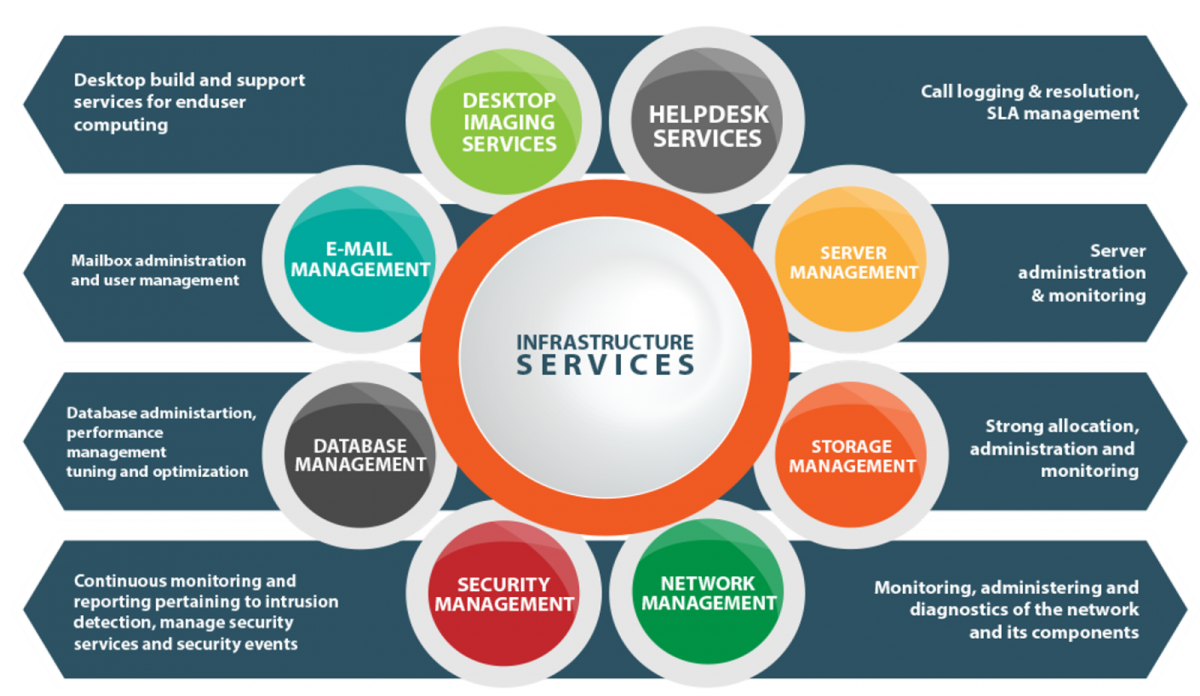
IT infrastructure services encompass a wide range of solutions and support systems that are essential for the functioning of an organisation’s IT environment. These services include but are not limited to:
- Network management and monitoring
- Hardware and software maintenance
- Data storage and backup solutions
- Cybersecurity measures
- Cloud computing services
- Virtualisation technologies
- IT support and helpdesk services
The Benefits of IT Infrastructure Services
Investing in reliable IT infrastructure services offers several benefits to businesses, including:
- Enhanced Efficiency: Streamlined processes and automation provided by IT infrastructure services can improve operational efficiency and reduce downtime.
- Scalability: Businesses can easily scale their IT resources up or down based on their changing needs without significant disruptions.
- Data Security: Robust cybersecurity measures ensure that sensitive data is protected from cyber threats and breaches.
- Cost Savings: Outsourcing IT infrastructure services can be cost-effective compared to maintaining an in-house IT department.
The Future of IT Infrastructure Services
As technology continues to evolve, the future of IT infrastructure services is likely to focus on innovation, agility, and flexibility. Trends such as cloud computing, artificial intelligence, edge computing, and Internet of Things (IoT) will shape the way businesses utilise IT infrastructure to drive growth and digital transformation.
Essential Tips for Optimising IT Infrastructure Services in the UK
- Ensure regular maintenance and updates for all IT infrastructure components.
- Implement robust security measures to protect data and systems from cyber threats.
- Monitor performance metrics to identify and address potential issues proactively.
- Establish backup and recovery procedures to prevent data loss in case of emergencies.
- Adopt cloud services for scalability, flexibility, and cost-efficiency.
- Provide training to staff on best practices for using IT infrastructure effectively.
Ensure regular maintenance and updates for all IT infrastructure components.
To ensure the optimal performance and security of your IT infrastructure, it is crucial to prioritise regular maintenance and updates for all components. By staying proactive in maintaining hardware, software, networks, and security systems, businesses can mitigate potential vulnerabilities, improve system reliability, and address emerging technology challenges promptly. Regular maintenance and updates not only enhance the efficiency of IT operations but also contribute to a more resilient and future-ready infrastructure that can support the evolving needs of the organisation.
Implement robust security measures to protect data and systems from cyber threats.
In the realm of IT infrastructure services, a critical tip for businesses is to implement robust security measures to safeguard their data and systems against ever-evolving cyber threats. By prioritising cybersecurity, organisations can fortify their defences, mitigate risks of data breaches or cyber attacks, and uphold the integrity and confidentiality of sensitive information. Proactive measures such as encryption, access controls, regular security audits, and employee training on best practices can significantly enhance the resilience of an organisation’s IT infrastructure in the face of potential threats lurking in the digital landscape.
Monitor performance metrics to identify and address potential issues proactively.
Monitoring performance metrics is a crucial tip in managing IT infrastructure services effectively. By consistently tracking key metrics such as network bandwidth, server response times, and storage capacity, organisations can proactively identify potential issues before they escalate into major problems. This proactive approach allows IT teams to address underlying issues promptly, optimise system performance, and ensure smooth operations across the IT environment. Regular monitoring not only helps in maintaining optimal performance but also enhances overall reliability and user satisfaction within the organisation.
Establish backup and recovery procedures to prevent data loss in case of emergencies.
Establishing backup and recovery procedures is a critical tip in IT infrastructure services to safeguard against data loss during emergencies. By implementing robust backup solutions, organisations can create duplicates of their data and systems, ensuring that in the event of a disaster or cyber incident, data can be restored quickly and efficiently. This proactive approach not only minimises downtime but also helps maintain business continuity and protects valuable information from being permanently lost.
Adopt cloud services for scalability, flexibility, and cost-efficiency.
Adopting cloud services for scalability, flexibility, and cost-efficiency is a strategic tip in enhancing IT infrastructure services. By leveraging cloud solutions, businesses can easily adjust their IT resources to meet changing demands without the need for significant investments in hardware or infrastructure. The cloud offers unparalleled flexibility, allowing organisations to scale up or down as needed, thereby optimising resource utilisation and reducing operational costs. Additionally, cloud services provide a secure and reliable environment for data storage and access, enabling seamless collaboration and innovation across the organisation. Embracing cloud technology can empower businesses to stay agile, competitive, and cost-effective in today’s dynamic digital landscape.
Provide training to staff on best practices for using IT infrastructure effectively.
Providing training to staff on best practices for using IT infrastructure effectively is a crucial tip that can significantly enhance the productivity and security of an organisation. By educating employees on how to optimise their use of IT resources, businesses can ensure that their workforce operates efficiently, minimises errors, and follows security protocols. Training sessions can empower staff to make the most of available technologies, leading to improved collaboration, streamlined processes, and a stronger overall IT infrastructure.