
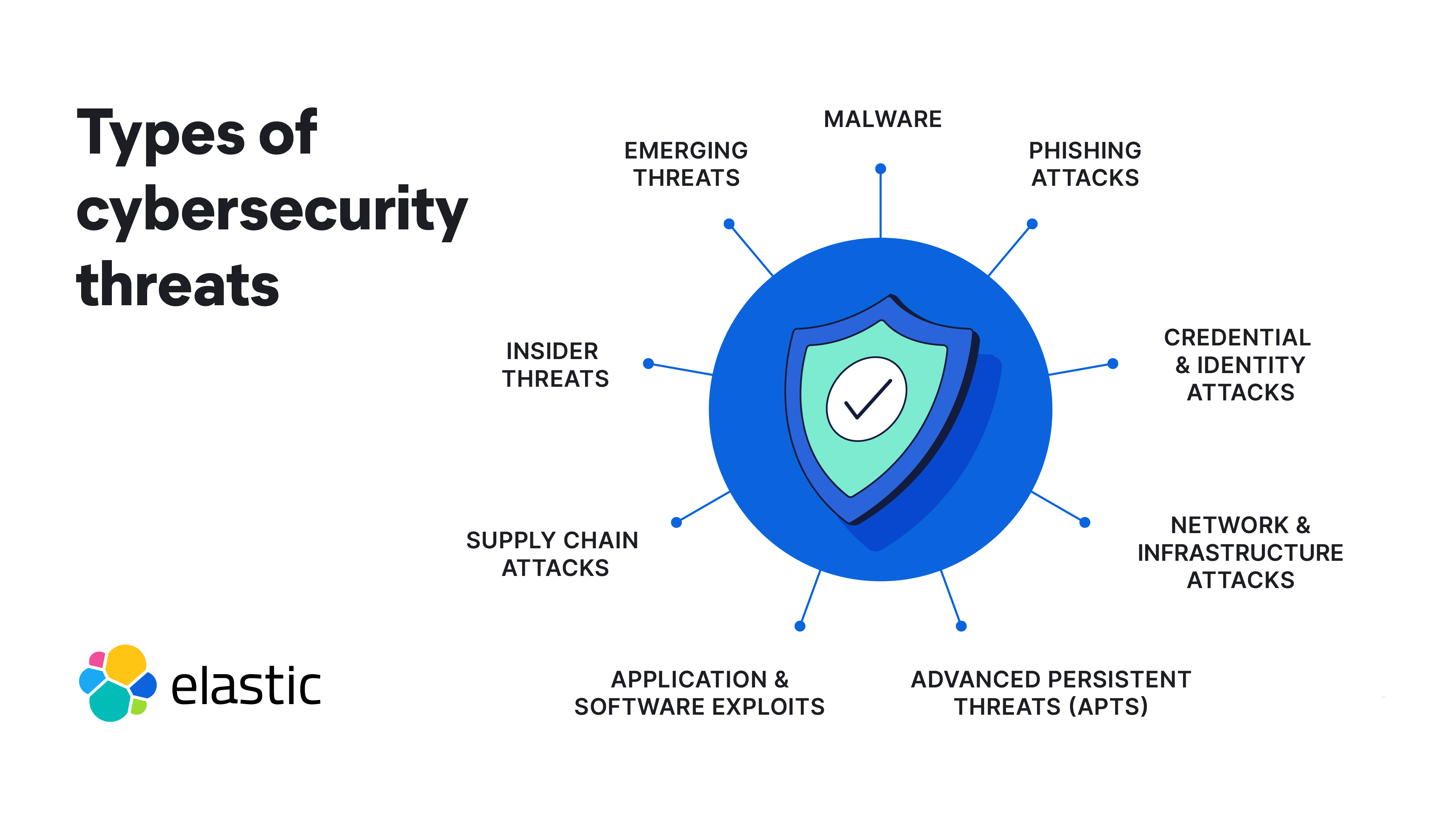
The Evolving Landscape of Cyber Threats
In today’s interconnected world, cyber threats continue to pose significant risks to individuals, businesses, and governments alike. As technology advances, so do the tactics employed by malicious actors seeking to exploit vulnerabilities for their gain. Let’s explore some of the latest cyber threats that are making headlines:
Ransomware Attacks
Ransomware remains a prevalent threat, with cybercriminals using sophisticated techniques to encrypt data and demand ransom payments for decryption keys. Recent attacks have targeted critical infrastructure, healthcare facilities, and even local government agencies, causing widespread disruption and financial losses.
Phishing Scams
Phishing scams have become increasingly sophisticated, with attackers using social engineering tactics to trick individuals into divulging sensitive information such as login credentials or financial details. These scams often masquerade as legitimate emails or websites, making them difficult to detect.
Supply Chain Vulnerabilities
Supply chain attacks have emerged as a major concern, with threat actors targeting third-party vendors to gain access to larger networks. By compromising a trusted supplier or service provider, attackers can infiltrate their target’s systems and exfiltrate valuable data or deploy malware undetected.
IoT Security Risks
The proliferation of Internet of Things (IoT) devices has introduced new security challenges, as many connected devices lack robust security measures. Hackers can exploit vulnerabilities in IoT devices to launch DDoS attacks, spy on users, or gain unauthorised access to networks.
Cyber Espionage
Nation-state actors and cyber espionage groups continue to conduct sophisticated operations aimed at stealing sensitive information for political or economic gain. These actors utilise advanced techniques such as zero-day exploits and custom malware to infiltrate high-value targets undetected.
Conclusion
As the cyber threat landscape evolves, it is crucial for individuals and organisations to remain vigilant and proactive in safeguarding their digital assets. Implementing robust cybersecurity measures, staying informed about the latest threats, and educating users about best practices are essential steps in mitigating the risks posed by cyber attacks.
By understanding the nature of these evolving threats and taking appropriate precautions, we can collectively work towards a more secure online environment for all.
Six Essential Tips to Safeguard Against the Latest Cyber Threats
- Keep your software and operating systems up to date to protect against known vulnerabilities.
- Use strong, unique passwords for each of your online accounts and consider using a password manager.
- Be cautious of phishing emails and messages that may try to trick you into revealing sensitive information.
- Enable two-factor authentication where possible to add an extra layer of security to your accounts.
- Avoid connecting to public Wi-Fi networks without using a VPN to protect your data from potential eavesdropping.
- Regularly back up your important data in case of a ransomware attack or other data loss incidents.
Keep your software and operating systems up to date to protect against known vulnerabilities.
It is crucial to regularly update your software and operating systems to safeguard against known vulnerabilities in the ever-evolving landscape of cyber threats. By staying current with security patches and updates, you can mitigate the risk of exploitation by malicious actors seeking to exploit weaknesses in outdated software. Proactive maintenance not only enhances the overall security posture of your digital environment but also demonstrates a commitment to maintaining a resilient defence against potential cyber attacks.
Use strong, unique passwords for each of your online accounts and consider using a password manager.
In light of the ever-growing sophistication of cyber threats, it is crucial to adopt robust security practices to protect your online accounts. One effective tip is to utilise strong, unique passwords for each account and contemplate employing a password manager. By using distinct passwords for different accounts and incorporating complex combinations of characters, numbers, and symbols, you can significantly enhance the security of your online presence. Additionally, leveraging a password manager can simplify the process of managing multiple credentials securely, ensuring that your sensitive information remains safeguarded from potential breaches and unauthorised access attempts.
Be cautious of phishing emails and messages that may try to trick you into revealing sensitive information.
In the ever-evolving landscape of cyber threats, it is crucial to exercise caution when encountering phishing emails and messages that aim to deceive individuals into disclosing sensitive information. These malicious attempts often masquerade as legitimate communications from trusted sources, luring unsuspecting recipients into divulging personal data or login credentials. By remaining vigilant and scrutinising all incoming messages for signs of phishing, individuals can fortify their defences against cyber attacks and protect themselves from falling victim to fraudulent schemes.
Enable two-factor authentication where possible to add an extra layer of security to your accounts.
Enabling two-factor authentication where available is a crucial step in enhancing the security of your accounts in the face of the latest cyber threats. By requiring an additional verification method beyond just a password, such as a unique code sent to your mobile device, two-factor authentication significantly reduces the risk of unauthorised access to your sensitive information. This extra layer of security acts as a barrier against phishing attacks, password breaches, and other common tactics used by cybercriminals, helping to safeguard your online accounts and personal data effectively.
Avoid connecting to public Wi-Fi networks without using a VPN to protect your data from potential eavesdropping.
To safeguard your sensitive data from potential eavesdropping, it is advisable to refrain from connecting to public Wi-Fi networks without utilising a Virtual Private Network (VPN). Public Wi-Fi hotspots are often prime targets for cybercriminals looking to intercept data transmissions and compromise personal information. By employing a VPN when accessing public networks, your internet traffic is encrypted, adding an extra layer of security that helps protect your data from prying eyes. It’s a simple yet effective measure to enhance your online privacy and reduce the risk of falling victim to cyber threats while using unsecured Wi-Fi connections.
Regularly back up your important data in case of a ransomware attack or other data loss incidents.
It is crucial to regularly back up your important data as a precaution against the rising threat of ransomware attacks and other potential incidents of data loss. By maintaining up-to-date backups stored securely offline or in the cloud, you can mitigate the impact of a ransomware attack by restoring your files without having to pay a ransom. This proactive measure not only safeguards your valuable information but also provides peace of mind knowing that you can recover critical data in the event of a cyber incident.