
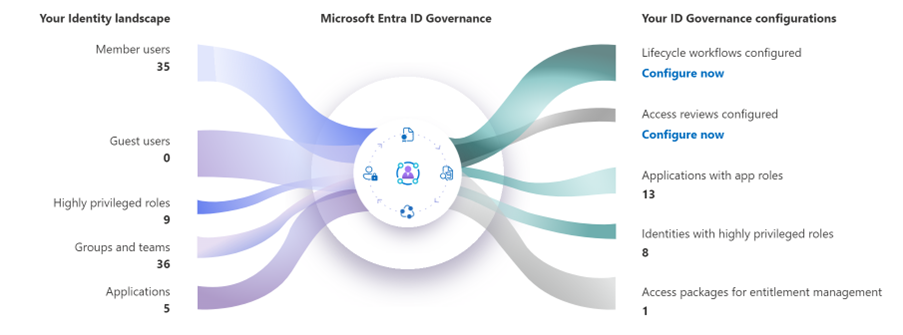
The Importance of Entitlement Management in Azure
Entitlement management in Azure plays a crucial role in ensuring the security and efficiency of your cloud environment. As organisations increasingly rely on cloud services for their operations, managing access rights and permissions becomes paramount to prevent unauthorised access and data breaches.
One of the key benefits of entitlement management in Azure is the ability to assign specific roles and permissions to users based on their responsibilities within the organisation. This granular control allows administrators to restrict access to sensitive data and resources, reducing the risk of insider threats and ensuring compliance with regulatory requirements.
By implementing entitlement management in Azure, organisations can streamline the process of granting and revoking access rights. This not only improves operational efficiency but also minimises the chances of human error leading to security vulnerabilities. With automated workflows and role-based access control, administrators can easily manage user permissions across various Azure services.
Furthermore, entitlement management in Azure provides detailed audit logs and reporting capabilities, allowing organisations to track user activities and monitor changes to access rights. This transparency is essential for identifying potential security incidents, investigating breaches, and demonstrating compliance during audits.
In conclusion, effective entitlement management in Azure is essential for maintaining a secure and compliant cloud environment. By implementing robust access controls, automating permission workflows, and monitoring user activities, organisations can mitigate risks associated with unauthorised access and ensure the integrity of their data in the cloud.
7 Essential Tips for Effective Entitlement Management in Azure
- Define clear roles and responsibilities for entitlement management.
- Regularly review and update access permissions to ensure least privilege access.
- Implement multi-factor authentication for added security.
- Utilise Azure AD Privileged Identity Management for monitoring and managing privileged access.
- Enable logging and monitoring of entitlement changes for audit purposes.
- Educate users on best practices for handling their access rights.
- Integrate entitlement management with your existing identity governance processes.
Define clear roles and responsibilities for entitlement management.
To enhance entitlement management in Azure, it is crucial to define clear roles and responsibilities within the organisation. By assigning specific roles based on job functions and responsibilities, administrators can ensure that users have appropriate access to resources while maintaining security and compliance. Clear delineation of roles not only streamlines the process of managing entitlements but also helps in preventing confusion or overlap of permissions, ultimately strengthening the overall security posture of the Azure environment.
Regularly review and update access permissions to ensure least privilege access.
Regularly reviewing and updating access permissions in Azure is a critical tip for effective entitlement management. By ensuring least privilege access, organisations can minimise the risk of unauthorised access to sensitive data and resources. Regular reviews help identify and revoke unnecessary permissions, reducing the attack surface and enhancing overall security posture. By following this best practice, organisations can maintain a principle of least privilege, granting users only the permissions they need to perform their roles effectively, thereby mitigating potential security threats and ensuring compliance with data protection regulations.
Implement multi-factor authentication for added security.
Implementing multi-factor authentication (MFA) is a crucial tip for enhancing security in entitlement management within Azure. By requiring users to provide multiple forms of verification before accessing resources, such as a password and a unique code sent to their mobile device, MFA significantly strengthens the authentication process and reduces the risk of unauthorised access. This additional layer of security adds an extra barrier against potential threats, safeguarding sensitive data and ensuring that only authorised individuals can access Azure resources.
Utilise Azure AD Privileged Identity Management for monitoring and managing privileged access.
To enhance entitlement management in Azure, it is recommended to leverage Azure AD Privileged Identity Management for monitoring and managing privileged access. By utilising this tool, organisations can effectively oversee and control access to sensitive resources within their Azure environment. Azure AD Privileged Identity Management offers features such as role-based access control, time-bound access, and approval workflows, enabling administrators to closely monitor and manage privileged accounts. This proactive approach helps mitigate the risk of unauthorised access and potential security breaches, strengthening overall security posture in the cloud environment.
Enable logging and monitoring of entitlement changes for audit purposes.
Enabling logging and monitoring of entitlement changes in Azure is a crucial tip for maintaining strong security and compliance measures within your cloud environment. By keeping track of any modifications to access rights and permissions, organisations can effectively monitor user activities, detect suspicious behaviour, and ensure accountability. This practice not only enhances the visibility of entitlement management processes but also provides valuable audit trails that can be instrumental in investigating security incidents and demonstrating regulatory compliance. Logging and monitoring entitlement changes in Azure contribute significantly to proactive security measures and reinforce the overall integrity of the cloud infrastructure.
Educate users on best practices for handling their access rights.
Educating users on best practices for handling their access rights is a crucial aspect of effective entitlement management in Azure. By raising awareness about the importance of safeguarding their access credentials and following security protocols, organisations can empower users to play an active role in protecting sensitive data and resources. Encouraging practices such as regularly reviewing and updating permissions, using strong passwords, and reporting any suspicious activities can significantly enhance the overall security posture of the Azure environment. Ultimately, a well-informed user base contributes to a more secure and resilient cloud infrastructure.
Integrate entitlement management with your existing identity governance processes.
To enhance the effectiveness of entitlement management in Azure, it is advisable to integrate it with your existing identity governance processes. By aligning entitlement management with identity governance, organisations can establish a cohesive approach to managing user access rights and permissions across their IT infrastructure. This integration ensures that access controls are consistently enforced, roles are accurately assigned based on defined policies, and compliance requirements are met seamlessly. By combining entitlement management with identity governance processes, organisations can strengthen their overall security posture and streamline the management of user access in Azure.