
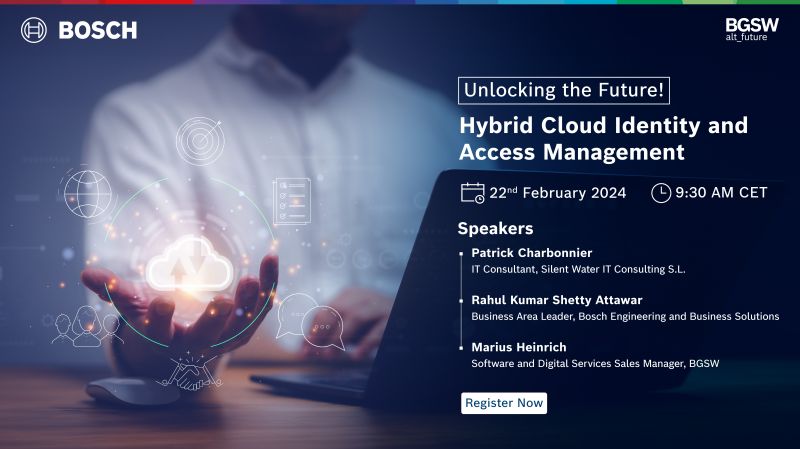
The Importance of Hybrid Cloud Identity and Access Management
In today’s digital landscape, many organisations are embracing the benefits of hybrid cloud environments to combine the flexibility of public cloud services with the control of private infrastructure. However, managing identities and controlling access across these hybrid environments can present unique challenges.
What is Hybrid Cloud Identity and Access Management?
Hybrid cloud identity and access management (IAM) refers to the processes and technologies used to ensure that only authorised individuals have access to resources in a hybrid cloud environment. This includes managing user identities, enforcing access policies, and securing sensitive data across both on-premises and cloud-based systems.
The Challenges of Hybrid Cloud IAM
One of the main challenges of hybrid cloud IAM is maintaining consistent security controls across diverse IT infrastructures. Organisations must balance the need for seamless user experiences with robust security measures to protect against data breaches and insider threats.
Another challenge is ensuring compliance with industry regulations and internal policies when data is stored in multiple locations. Organisations need to implement IAM solutions that provide visibility into user activities, facilitate audit trails, and enable quick responses to security incidents.
Benefits of Effective Hybrid Cloud IAM
By implementing a comprehensive hybrid cloud IAM strategy, organisations can achieve several benefits:
- Enhanced Security: Centralised identity management and access controls help prevent unauthorised access to sensitive data.
- Improved Compliance: Meeting regulatory requirements becomes easier with consistent IAM policies across all environments.
- Increased Efficiency: Streamlining user provisioning and deprovisioning processes reduces administrative overhead.
- Better User Experience: Providing secure yet convenient access to resources enhances productivity for employees and partners.
- Cost Savings: Optimising IAM processes can lead to cost reductions through automation and resource utilisation improvements.
Best Practices for Hybrid Cloud IAM
To effectively manage identities and access in a hybrid cloud environment, organisations should consider implementing the following best practices:
- Implement Single Sign-On (SSO): Enable users to log in once to access multiple applications securely.
- Use Multi-Factor Authentication (MFA): Add an extra layer of security by requiring additional verification steps during login.
- Regularly Review Access Permissions: Conduct periodic reviews of user privileges to ensure least-privilege access.
…
Understanding Hybrid Cloud Identity and Access Management: Key FAQs
- What is hybrid cloud management?
- What is hybrid cloud user management?
- What is the difference between IAM and cloud identity?
- What is hybrid identity management?
- What is identity and access management in cloud?
- What is hybrid IAM?
- What are the 4 pillars of identity and access management?
What is hybrid cloud management?
Hybrid cloud management refers to the practice of overseeing and coordinating the deployment, operation, and maintenance of IT resources across a combination of on-premises infrastructure and cloud services. In the context of identity and access management, hybrid cloud management involves implementing strategies and tools to effectively control user identities, enforce access policies, and secure data in a hybrid environment. This approach allows organisations to leverage the scalability and flexibility of cloud services while maintaining control over critical assets hosted on-premises. By integrating identity management solutions that span both environments seamlessly, hybrid cloud management enables efficient resource allocation, enhanced security controls, and streamlined user experiences across diverse IT landscapes.
What is hybrid cloud user management?
Hybrid cloud user management refers to the practice of overseeing and controlling user identities, permissions, and access rights in a hybrid cloud environment that combines both on-premises infrastructure and cloud services. It involves managing user accounts, defining roles and permissions, enforcing security policies, and ensuring seamless access to resources across the hybrid IT landscape. By implementing effective hybrid cloud user management strategies, organisations can maintain security, compliance, and operational efficiency while allowing users to securely interact with applications and data regardless of their location within the hybrid environment.
What is the difference between IAM and cloud identity?
When discussing hybrid cloud identity and access management, a common question that arises is the distinction between IAM (Identity and Access Management) and cloud identity. IAM typically refers to the broader set of processes and technologies used to manage user identities, control access to resources, and enforce security policies across various IT environments, including on-premises systems and cloud services. On the other hand, cloud identity specifically focuses on managing user identities and access within cloud-based applications and services. While IAM encompasses a more comprehensive approach to security and access control across hybrid environments, cloud identity specifically addresses the unique challenges associated with managing identities in cloud-centric infrastructures. Understanding this difference is crucial for organisations seeking to implement effective identity management strategies in hybrid cloud settings.
What is hybrid identity management?
Hybrid identity management refers to the practice of integrating and managing user identities across both on-premises and cloud-based environments within a hybrid cloud infrastructure. This approach allows organisations to maintain a unified identity framework that spans their traditional IT systems and cloud services. By combining on-premises directories with cloud-based identity solutions, hybrid identity management enables seamless authentication, access control, and user provisioning across diverse IT environments. It enhances security, simplifies user experience, and ensures consistent governance while adapting to the evolving needs of modern businesses operating in hybrid cloud settings.
What is identity and access management in cloud?
Identity and access management (IAM) in the cloud refers to the set of processes and technologies that organisations use to control and secure access to their cloud-based resources. It involves managing user identities, defining access policies, and enforcing security measures to ensure that only authorised individuals can access sensitive data stored in the cloud. IAM in the cloud plays a crucial role in protecting against data breaches, insider threats, and unauthorised access by providing a centralised framework for authentication, authorisation, and auditing of user activities across various cloud services and applications.
What is hybrid IAM?
Hybrid IAM, short for Hybrid Identity and Access Management, refers to the integration of identity and access management solutions across both on-premises and cloud-based environments. In essence, hybrid IAM combines the security measures and user access controls of traditional on-premises systems with the scalability and flexibility offered by cloud services. This approach allows organisations to manage user identities, enforce access policies, and secure data seamlessly across hybrid IT infrastructures. By bridging the gap between on-premises and cloud environments, hybrid IAM provides a comprehensive solution to address the complexities of modern IT architectures while ensuring robust security measures are in place.
What are the 4 pillars of identity and access management?
In the realm of hybrid cloud identity and access management, understanding the four fundamental pillars is crucial for establishing a robust security framework. The four pillars of identity and access management encompass identification, authentication, authorisation, and accountability. Identification involves uniquely identifying users and entities within the system. Authentication verifies the identity of users through credentials or biometric factors. Authorisation determines the level of access granted to authenticated users based on predefined policies. Lastly, accountability ensures that all actions within the system are traceable to specific individuals, enhancing transparency and security across hybrid cloud environments. Mastering these pillars is essential for maintaining a secure and compliant IAM strategy in today’s complex IT landscapes.